GreenSpace Brands Inc. (“the Company”) (TSXV: JTR) today announced that it has won significant new distribution for up to 6 SKU’s in nearly 2000 stores in one of the largest US retail chains, and placed 17th on Canadian Business’ Growth 500 list of Canada’s fastest-growing companies.
The distribution win brings 1058 new facings in Kroger stores across the US, including 716 new stores for the Go Veggie Classic Plain Cream Cheese and 342 new stores for the Go Veggie Lactose-free Monterey Jack and Cheddar shreds. The distribution wins come from an annual review of the plant-based cheese category.
“This distribution win is another example of the success that Go Veggie has started to see in the US retail of late, even before we’ve made any major changes to the branding. The products themselves are world-class and with some tweaks to formulas and the branding, our expectation is that Go Veggie will start to see double-digit growth in the near future” says Matthew von Teichman, CEO of GreenSpace Brands. “With the upcoming launch of Riot Eats!, we will have both an incumbent brand with broad-based support and loyalty in Go Veggie, as well as a super exciting new brand in the plant-based cheese world that is Organic and non GMO, and melts better than almost any other product in the market, in Riot Eats!.”
GreenSpace was also named to the Canadian Business ‘Growth 500’ list of Canada’s fastest-growing companies, coming in at #17 on that list. This represents the 4th consecutive year GreenSpace has made the list and the 2nd straight year in the top 20. GreenSpace grew 4529% over the last 5 year period.
The study also revealed novel anti-inflammatory functions of these nuts.
Obesity is an enlargement of adipose tissue to store excess energy intake. Excessive calorie intake may lead to the formation of fat cells, promoting their deterioration (aging) by increasing the production of proinflammatory molecules. Low grade inflammation is a key factor in the development of insulin resistance and type 2 diabetes in obesity.
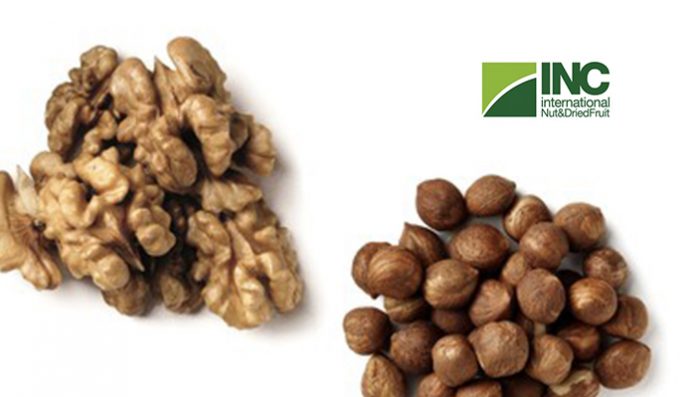
This study characterized miRNAs (small nucleic acids involved in the regulation of gene expression) vehicled by nanovesicles (emerging players in cell-to-cell communication) isolated from walnuts and hazelnuts, and tested their effectiveness on inflammatory and metabolic profile in fat cells.
Researchers found that two conserved plant miRs (miR156c and miR159a) were able to limit inflammatory response and recover insulin sensitivity in obese mice (fed with a high fat diet). Results suggest that nut miRs improve metabolic profile of fat cells and reveal a novel anti-inflammatory function of plant foods (including nuts) as promising therapeutics to treat low-grade inflammation.
“Our research has identified nut nucleic acids that, thanks to their high bioavailability and anti-inflammatory action, are able to limit the development of metabolic diseases linked to obesity” states Dr. Lettieri Barbato, researcher at the University of Rome “Tor Vergata” and principal investigator of this study.
This study was supported by the INC.
References: 1 Aquilano K., Ceci V., Gismondi A., De Stefano S., Iacovelli F., Faraonio R., …& Lettieri-Barbato D. (2019). Adipocyte metabolism is improved by TNF receptor-targeting small RNAs identified from dried nuts. Communications Biology, 2:317.
Researchers, publishing in Nature Biomedical Engineering, believe the device can speed up efforts to uncover brain diseases such as Parkinson’s, Alzheimer’s, addiction, depression, and pain.
The device, using Lego-like replaceable drug cartridges and powerful bluetooth low-energy, can target specific neurons of interest using drug and light for prolonged periods.
“The wireless neural device enables chronic chemical and optical neuromodulation that has never been achieved before,” said lead author Raza Qazi, a researcher with the Korea Advanced Institute of Science and Technology (KAIST) and University of Colorado Boulder.
Qazi said this technology significantly overshadows conventional methods used by neuroscientists, which usually involve rigid metal tubes and optical fibers to deliver drugs and light. Apart from limiting the subject’s movement due to the physical connections with bulky equipment, their relatively rigid structure causes lesion in soft brain tissue over time, therefore making them not suitable for long-term implantation. Though some efforts have been put to partly mitigate adverse tissue response by incorporating soft probes and wireless platforms, the previous solutions were limited by their inability to deliver drugs for long periods of time as well as their bulky and complex control setups.
To achieve chronic wireless drug delivery, scientists had to solve the critical challenge of exhaustion and evaporation of drugs. Researchers from the Korea Advanced Institute of Science and Technology and the University of Washington in Seattle collaborated to invent a neural device with a replaceable drug cartridge, which could allow neuroscientists to study the same brain circuits for several months without worrying about running out of drugs.
These ‘plug-n-play’ drug cartridges were assembled into a brain implant for mice with a soft and ultrathin probe (thickness of a human hair), which consisted of microfluidic channels and tiny LEDs (smaller than a grain of salt), for unlimited drug doses and light delivery.
Controlled with an elegant and simple user interface on a smartphone, neuroscientists can easily trigger any specific combination or precise sequencing of light and drug deliveries in any implanted target animal without need to be physically inside the laboratory. Using these wireless neural devices, researchers could also easily set up fully automated animal studies where the behaviour of one animal could positively or negatively affect behavior in other animals by the conditional triggering of light and/or drug delivery.
“This revolutionary device is the fruit of advanced electronics design and powerful micro and nanoscale engineering,” said Jae-Woong Jeong, a professor of electrical engineering at KAIST. “We are interested in further developing this technology to make a brain implant for clinical applications.”
Michael Bruchas, a professor of anesthesiology and pain medicine and pharmacology at the University of Washington School of Medicine, said this technology will help researchers in many ways.
“It allows us to better dissect the neural circuit basis of behavior, and how specific neuromodulators in the brain tune behavior in various ways,” he said. “We are also eager to use the device for complex pharmacological studies, which could help us develop new therapeutics for pain, addiction, and emotional disorders.”
The researchers at the Jeong group at KAIST develop soft electronics for wearable and implantable devices, and the neuroscientists at the Bruchas lab at the University of Washington study brain circuits that control stress, depression, addiction, pain, and other neuropsychiatric disorders. This global collaborative effort among engineers and neuroscientists over a period of three consecutive years and tens of design iterations led to the successful validation of this powerful brain implant in freely moving mice, which researchers believe can truly speed up the uncovering of the brain and its diseases.
This work was supported by grants from the National Research Foundation of Korea, U.S. National Institute of Health, National Institute on Drug Abuse, and Mallinckrodt Professorship.
Scientists have developed a method to test whether an infection is resistant to common antibiotics.
Beta-lactam antibiotics (such as penicillin) are one of the most important classes of antibiotics, but resistance to them has grown to such an extent that doctors often avoid prescribing them in favor of stronger drugs.
Scientists from the University of York modified an antibiotic from the beta-lactam family so that it can be attached to a sensor, enabling them to detect the presence of bacteria resistant to treatment.
The new method could lead to clinicians being able to rapidly detect whether an infection is treatable with common antibiotics, reserving stronger alternatives for the patients that need them most.
Antimicrobial resistance (AMR) is a major global threat accelerated by the inappropriate use of antibiotics.
Co-author of the study, Callum Silver, a Ph.D. student from the Department of Electronic Engineering, said: “If we continue to use antibiotics in the way we currently do, we may find ourselves in a situation where we can no longer use antibiotics to treat patients — resulting in millions of deaths per year.
“This study paves the way for the development of tests which will give doctors important information on the bacteria they are dealing with so that common antibiotics can be used whenever possible. Resistance to new antibiotics can emerge very quickly after they come into use and so we need to reserve them for when they are really needed.
“The discovery may also help to identify and isolate resistant bacteria, reducing the chances of large outbreaks.”
One of the major ways in which bacteria become resistant to treatment is through the production of enzymes that can break down beta-lactam antibiotics, rendering them ineffective.
The researchers were able to test for the presence of these resistance enzymes by attaching the modified antibiotic to a sensor surface which enabled them to see whether or not the drug was broken down.
The researchers used multiple techniques to show that the drug is still accessible to the enzyme, meaning the modified antibiotic could be used to develop things like urine tests for AMR bacteria in patients.
Callum Silver added: “The lack of diagnostic techniques to inform doctors whether or not they are dealing with resistant bacteria contributes to the problem of AMR.”
“This modified antibiotic could be applied to a variety of different biosensing devices for use at the point-of-care.”
Dr. Steven Johnson, Reader in the University’s Department of Electronic Engineering, said: “This important study is the result of a close collaboration between physical, chemical and biological scientists at the University of York and lays the foundation for a new diagnostic test for drug resistant infections.
“We are now working with clinicians at York Teaching Hospital NHS Foundation Trust to integrate this modified antibiotic into a rapid diagnostic test for antimicrobial resistance in urinary tract infections.”
According a study published in Restorative Neurology and Neuroscience, eight weeks of intensive yoga practice significantly decreases the severity of physical and psychological symptoms in patients with active rheumatoid arthritis (RA), a debilitating chronic auto-immune inflammatory disease. Marked improvements were seen in the levels of certain inflammatory biomarkers and assessments of functional status and disease activity in patients studied, demonstrating yoga’s promotive, preventive, curative, and rehabilitative potential for achieving optimal health.
“Our findings show measurable improvements for the patients in the test group, suggesting an immune-regulatory role of yoga practice in the treatment of RA. An intensive yoga regimen concurrent with routine drug therapy induced molecular remission and re-established immunological tolerance. In addition, it reduced the severity of depression by promoting neuroplasticity,” explained lead investigator, Rima Dada, MD, PhD, Professor, Department of Anatomy, All India Institute of Medical Sciences (AIIMS), New Delhi, India. She noted that high disease activity and underlying depression are associated with increased disability, reduced quality of life, and minimized rates of clinical remission and treatment response.
The study was a mind-body intervention (MBI) randomized trial (with parallel active and control groups) to analyze the effects of practicing 120 minutes of yoga, five days a week for eight weeks on 72 RA patients. Both the test and control groups were simultaneously undergoing routine drug therapies (DMARDs). The findings show significant improvement in systemic biomarkers of neuroplasticity, inflammation, immune-modulation, cellular health integrity, and aging in association with the positive clinical outcome of reduction in depression severity, disease activity, and disability quotient in RA patients following the intensive yoga based MBI.
Existing research has evaluated the role of yoga as an effective intervention to assist the management of RA with respect to clinical symptoms, quality of life, psychosocial outcomes, and functional ability. This study is one of the first to look at how yoga practice affects the systemic biomarkers of inflammation, cellular aging, and oxidative stress, especially in RA. “Our results provide evidence that yoga positively modifies the pathobiology of autoimmunity at cellular and molecular levels by targeting mind-body communications. Further research is needed for the exploration of possible mechanisms underlying the cumulative effect of yoga on multiple pathways at a cellular level,” added Dr. Dada. “Yoga facilitates the mind’s capacity to affect bodily function and symptoms mediated though a variety of downstream pathways and bring about natural immunological tolerance.”
RA is a heterogeneous autoimmune disease that results from the interplay of genetic and environmental factors and causes extensive systemic inflammation, cartilage damage, and synovial hyperplasia that cause physical disability and psychiatric comorbidity. The co-existence of depression and RA in individuals poses a significant healthcare burden on the patients, their caregivers, healthcare systems, and society as a whole. Existing medical therapies have a limited scope and fail to cure the psychological component of the disease and have numerous side effects. Depression seems to decrease patients’ compliance and adherence to medical treatment and results in worse health outcomes and increases disease severity. Improvement in psychological health and reductions in severity made the yoga group more compliant and able to perform more daily chores without much difficulty.
Dr. Dada concluded, “This study offers a new option. Pharmacological treatments can be supplemented with alternative and complementary interventions like yoga to alleviate the symptoms at both physical and psychosomatic levels.” With yoga based MBI providing a holistic treatment dimension, reaching a state of remission is becoming a more achievable treatment goal. As a majority of diseases have a psychosomatic component, this approach may be widely applicable.
As Canada prepares to legalize marijuana nationwide beginning October 17th, a high-level official in the Trump administration says the United States will now start implementing possible lifetime bans on Canadian citizens who are cannabis users, industry workers, or investors.
In an extensive interview with Politico, Todd Owen, the executive assistant commissioner for the Customs and Border Protection’s (CBP) Office of Field Operations, said, “Our officers are not going to be asking everyone whether they have used marijuana, but if other questions lead there—or if there is a smell coming from the car, they might ask.”
If such history is learned about someone trying to cross the border, Owen explained, or they lie about it, “that’s fraud and misrepresentation, which carries a lifetime ban.”
As it stands, anyone who admits to using an illegal drug, regardless of its status in their home country, can be barred from entering the U.S.
While nearly all border states have some form of legalized marijuana use, it remains illegal under U.S. federal law, which classifies those who work in the marijuana industry as drug traffickers.
Travelers who receive lifetime bans are eligible to apply for a waiver, although it can take months to process and costs $585 to apply.
In a piece titled, “U.S. Border Policy on Pot Is About to Get Even Stupider,” Splinter‘s Sophie Weiner points out that upcoming “midterms could change all of this. If Democrats take the House, bills changing the legal definition of weed suddenly become more likely.”
Canada is currently the world’s only major industrialized nation to legalize retail marijuana. The Canadian cannabis sector is projected to generate billions of dollars of revenue in coming years and Canadians have flocked to take jobs and buy stocks in the flourishing industry.
by Common Dreams staff
Source: www.commondreams.org
Pharmamedical Research – validated with irrefutable research outcomes, recently published after peer-review. This unique research has also led to the full patent status awarded in August 2019.
In recent years, supplementation with exogenous ketones (ketone bodies) is skyrocketing to new levels. Therapeutic applications relating to dementia and other cognitive declines as well as performance-enhancing strategies (stamina improvement for marathoners and fat management initiatives) are all attracting attention due to the potent and promising effects of this supplementation. Nevertheless, available and competing information about these supplements is causing some confusion, with regulatory agencies trying to catch up to the messaging and claims. Here we unpack some new research related to Keto Supplementation.
KETOBHBA™ is the latest generation Keto supplement to have found its way into peer-reviewed published research. KETOBHBA™ is not a typical exogenous ketone; it is much more. KETOBHBA™ is an activated ketone; activated by the complexing of the beta-hydroxybutyrate (ketone body/BHB) with butyric acid (BA) – hence the name KETOBHBA™. Butyric acid, a short-chain fatty acid, is an activator of β-oxidation to stimulate ketogenesis. It does not induce the same gastrointestinal distress risks that medium-chain triglycerides pose. Butyric acid supports serum glucose clearance to reduce competition by glucose in serum with the ketone while facilitating ketone generation (ketogenesis) by the liver. These pharmacological characteristics form the basis of the ‘activated ketone’ activity. Butyric acid also plays a central role in gastrointestinal health, supporting an environment that voids pathogens and nurtures friendly gut bacteria.
The boiled down the distinct difference between KETOBHBA™ and the typical exogenous ketone supplement, BHB, is very simply rendered down to KETOSIS versus KETOGENESIS. Butyric acid, the short-chain fatty acid is the key! The Ketone (BHB) will induce ketosis to increase serum ketones from an exogenous source.
The source of the ketones in the blood is the supplement, itself; and not ketones made by your body from your body fat (his will also STOP your body from using or burning its own fat). One needs to burn through these ketone calories before ‘burning’ endogenous (internal body) fat calories for energy.
Alternatively, KETOBHBA™ is primarily designed to INDUCE KETOGENESIS to get the body to generate ketones from endogenous fat sources; to help you utilize serum fat as an energy source. The typical BHB supplements cause your own ketogenic activity to be terminated after you take the supplement. This inhibitive activity also topples the outcome we might be trying to achieve with the ketogenic diet. The ketogenic diet is designed with a low carbohydrate and high-fat macronutrient proportion to force the body to produce ketones – ketogenesis. However, an exogenous ketone supplement will stop this process. While KETOBHBA™ supplies the exogenous ketone it also supplies the signal to up-regulate β-oxidation, the process by which your body makes ketones, emulating and supporting the initiative of the vADS ketogenic diet and supporting the use of your body fat as an energy source. This ketone is then used by the cells to make energy – more energy for the cells than is typically made with glucose. The ketone is used to fuel your brain (neurons), so it operates at a higher level of efficiency. These ketones and the butyrate facilitate better insulin efficiency; blood sugar clearance to help those with prediabetic and diabetic insulin resistance and obesity. The graphs below are found in a related peer-reviewed journal article written by the Canadian researcher and published in ‘Current Research in Diabetes & Obesity’.
The graphs’ description below has been translated to layman terms. Reference links are also provided below to two peer-reviewed medical journal articles speaking specifically to the BHB-BA technology and the discovery.
Located at the corner of Yonge and Green Lane in East Gwillimbury, the new store will offer the same exceptional guest experience characteristic of all Longo’s locations, with a specific emphasis on sustainability inside the store.
“With each store, we commit ourselves to ongoing and continual improvement,” said Rosanne Longo, Longo’s Spokesperson. “This could be in the form of unique activations, improved efficiencies, or differentiated offerings that seek to take the best elements of each store and bring them together under one roof. For this store, we wanted to place sustainability initiatives at the forefront.”
Longo’s commitment to corporate social responsibility and sustainability initiatives are well known and this new location is no exception. The new store proudly integrates CO2 refrigeration with heat reclaim, LED lighting, rooftop solar panels, and electric vehicle charging stations.
“Corporate social responsibility and sustainability are not buzz words for us. As a family-owned and operated grocery store, we take pride in using our stores and platforms for the betterment of our community and to reduce our footprint on the environment. Our guests can expect to see more of these integrations in our future stores,” said Anthony Longo, President, and CEO of Longo’s.
The new store will also offer guests fresh, hand-stretched mozzarella made in-store daily, stone-oven pizzas, an award-winning salad bar, fresh sushi, and a burger bar. Additionally, it will be complete with a full-service Starbucks and Loft Cooking School.
“We strive to be so much more than a grocery store,” said Rosanne Longo. “Through our integration of unique activations and hot, ready-to-eat options, we hope to become a destination for food, entertainment, drink, and exploration.”
To celebrate the new opening, the first 250 guests on September 18, 2019, at 7:00 am will receive a mystery gift card valued from $5.00 to $500.00 to be used in-store. A contest prize valued at $1,000 will also be running throughout the week for new registrants to our Thank you Rewards Card. Complimentary samples of Longo’s brand products will be available throughout the week.
“We welcome you to experience the latest offering from the Longo’s family which was built with our guests and the unique Gwillimbury community in mind. Thanks for having us,” said Rosanne Longo.
In November, Longo’s will be announcing its new Liberty Village location which will mark the store’s first partnership with Amsterdam Brewery.
Beyond Meat is forecasting full-year revenue to be at least $210 million (vs. $87.9 million in 2018), topping analyst expectations of $205 million.
CEO Ethan Brown declared that the company will be aggressively targeting markets in both Europe and Asia as they look to capture part of the $1.4 trillion dollars animal-based meat market.
Latest figures show that repeat sales for the Beyond Burger are between 40-50%
In 5 years, Beyond Meat plans to underprice animal-based protein in at least one product segment.
Beyond Meat is one of the fastest-growing food companies in the United States. Yesterday, releasing its 2019 Q1 financials and hosting its first earnings call for investors and analysts.
The company reported net revenues of $40.2 million yesterday which is a 215% increase vs. Q1 2018, topping analyst expectations of $38.9 million, according to a survey of analysts by Refinitiv.
Beyond Meat also provided forecasts for 2019, estimating that full-year revenues would be at least $210 million, an increase of 140% vs. 2018.
This is believed to be a “very conservative” estimate, according to CEO Ethan Brown who told analysts that the $210 million dollar figure should be interpreted as a floor since forecasts exclude anticipated revenue streams from QSRs currently testing its products.
For example, the forecasted revenue from a full-scale launch of Beyond Meat products at Tim Hortons, currently piloting Beyond Meat products in select Toronto locations, is not included in the $210 million figure.
Beyond Meat, revenue comes from two sources: retail sales and restaurant and foodservice sales.
Last year, retail sales accounted for 73% of total earnings in Q1 2018. Today, sales from both channels were roughly equal with the restaurant and foodservice channel narrowly edging out retail at 51%.
The increase in restaurant and foodservice sales shouldn’t come as a surprise as Beyond Meat has established a number of partnerships with QSR chains across both Canada and the United States in the early part of 2019; including Carl’s Jr., Del Taco and many more!
As a result, Beyond Meat observed a 491% increase in restaurant and foodservice revenue this quarter vs. Q1 2018!
This momentum doesn’t appear to be slowing down as the company is currently in talks with several other QSR chains to launch additional tests across North American and International markets before year-end.
You might also notice that Beyond Meat experienced a 5% decrease in frozen platform sales, this was expected as the company decided to discontinue its frozen chicken strips earlier this year. This was a strategic decision as Beyond Meat looks to concentrate more on its fresh products moving forward, which grew 304% vs. this time last year.
As I’ve mentioned before, the threat of new entrants into the plant-based protein market is inevitable and we’ve already seen a number of brands enter into this space to compete directly with Beyond Meat; from plant-based companies like Impossible Foods, to traditional animal-based protein producers like Maple Leaf Foods (Lightlife Foods) and more!
When asked how Beyond Meat will fend off competitors, Ethan responded by saying that Beyond Meat has spent years developing a product that has a comparable taste, texture and smell to its animal-based counterpart; and he believes that companies looking to enter into the market quickly will struggle to develop a plant-based protein alternative of comparable quality.
Ethan also mentioned the brand ambassadors that are loyal to the Beyond Meat brand, including well-known celebrities and athletes, which will be difficult for other companies to replicate in a way that remains genuine.
Finally, and perhaps most importantly, they were first to market and have a significant head start.
Today, the first trade for Beyond Meat sold for $126.46; a 27.1% increase vs. yesterday’s close; which represents a 405% increase in share price vs. the original IPO of $25.
Congratulations to Beyond Meat for an incredible start to the year, I know I’m not alone when I say that I can’t wait to see what the future has in store!
by Andrew Ourique
Source: www.plantbasedtoronto.com
The world has changed a lot since then and a big part of that transformation over the past 55 years is in the way we eat and the way we view nutrition as a fundamental pillar of our health and wellness.
To that end, PURICA is a Canadian-owned, Canadian-operated company that has been proud to be part of the natural health movement since 1999. From its original roots as the maker of PURICA Recovery® for whole body health & pain relief, it has also come a long way over those 20 years of serving people who want to perform at the top of their game — people who don’t want to be slowed down by illness, pain or injuries; who want to be able to keep doing the things they love!
That’s why the PURICA vision is a world where you can achieve your fullest potential in every aspect of life, work and play.
Inspired by nature and backed by science, PURICA is committed to creating new horizons in health and wellness by empowering you with the finest whole foods, supplements and lifestyle solutions. The natural health food and supplements company aspires to live, eat and breathe its mantra each and every day, making PURICA all about Nature. Science. You.
That three-part mantra comes to life in the stylized Triskelion emblem that is synonymous with PURICA. Everyone associated with the company is inspired by nature and the ancient traditions of natural medicine and wisdom which have proven themselves for thousands of years.
In addition to that nature-driven focus, PURICA is backed by science; by the research and best practices that ensure that its products work, achieve results and make a difference in the lives of its customers. Essential to PURICA and many of its products – most notably its signature line of micronized medicinal mushrooms – is the unswerving scientific discipline that helps PURICA deliver therapeutic grade and high quality while optimizing bioavailability and absorption.
Most of all, PURICA is driven to provide results for you; results that you can “feel”.
From the flagship PURICA RecoveryÆ and the new PURICA Recovery 3.0, billed as the next generation of inflammation relief and healing support — to PURICA Curcumin 30% BDMC anti-inflammatory, the company is dedicated to producing whole food products that are unparalleled in their quality.
All PURICA products for humans are vegan and most are non-GMO and gluten-free. That is true of the company’s comprehensive line of pure organic medicinal mushrooms – from PURICA Chaga and Cordyceps to Red Reishi and Lion’s Mane and more.
It applies to all of our natural formulations such as PURICA Provascin® cardiovascular support, PURICA Rebalance menopause relief and PURICA Vitality adrenal support.
It covers immunity formulations such as PURICA Complete 360, which provides stress relief and immunity support on the strength of eight medicinal mushrooms and the ayurvedic herb Ashwagandha and the long-standing PURICA Immune 7, which effectively channels the immunity support of six medicinal mushrooms and the natural proprietary blend Nutricol (grape seed extract and green tea). It also applies to PURICA Prevail for cold and fever.
It is true of PURICA Power vegan protein powder, which is infused with Chaga mushrooms.
Simply put, the vegan attributes are synonymous with virtually everything that carries the PURICA brand name and emblem, including new products such as PURICA Curcumin 30% BDMC anti-inflammatory and PURICA Ionicbone vegan bone builder. It even applies to the new – and fun — PURICA Zensations lines, beginning with mushroom cacao mix drinks such as Clear Mind, Chilled Vibe, Evening Calm, Mindful Breath, Vibrant Rising and Universal Harmony.
The Zensations line reflects the foundational PURICA commitment to making natural health accessible and within the reach of as many people as possible. By infusing these fun new cacao drinks with medicinal mushrooms such as Chaga, Cordyceps, Lion’s Mane, and Reishi, PURICA is opening up a new frontier for the company and for Canadians who want to live life to the fullest.
That frontier is backed by the emphasis that PURICA places on consumer education, helping Canadians navigate through the options available to them in the way of natural health solutions and ensuring they better understand what to look for in whole food products and natural supplementation.
________________________________________ For more information on PURICA and the PURICA Foundation, the company’s charitable arm committed to supporting the full circle of life from vulnerable babies to those facing life-threatening illnesses, please visit PURICA.com and sign up for the monthly Nature. Science. You. e-Newsletter. You can also subscribe to The Triskelion: The PURICA Podcast and follow PURICA on Twitter @puricawellness, Instagram @puricawellness, and Facebook.com/puricawellness.






 Related Links