Element Nutritional Sciences Inc. (CSE: ELMT) (OTC: ELNSF) (FRANKFURT: 93X) (the “Company” or “Element”), announced that it has received approval from Loblaws Supermarket (“Loblaws”) to list its patented Rejuvenate™ Muscle Activator in 150 stores, representing 300 points of distribution. Element expects that the listing could take place as soon as September 2023.
Loblaws is a subsidiary of Loblaw Companies Limited (TSX:L), which operates more than 2,500 grocery and pharmacy locations across Canada, including the Shoppers Drug Mart pharmacy chain. Loblaws and Shoppers Drug Mart both currently carry Rejuvenate™ muscle health drink mix in stores and online.
Element’s product innovation and distribution strategy is dependent on securing the working capital necessary to fund these activities.
“We are delighted to be expanding the line of Rejuvenate™ products available through Loblaws and we are working with expedience to launch Rejuvenate™ Muscle Activator with similar partners across North America. Retail and consumer acceptance is a testament to our work with Nielsen’s and Tastemakers, which was designed in part to further our relationships with North America’s leading retailers and to provide a great tasting functional beverage proven to improve muscle health,” said Stuart Lowther, Chief Executive Officer.
After being inspired by an article on Sootoday, we would like to highlight a pioneering business that is creating a buzz in the wellness industry: Northern Natural Health and Wellness. This health store, which is run by a family, goes above and beyond the typical health product retailer. It is a central location for holistic well-being, a shining example of the benefits of shared knowledge, and a demonstration of how community engagement can promote healthier societies.
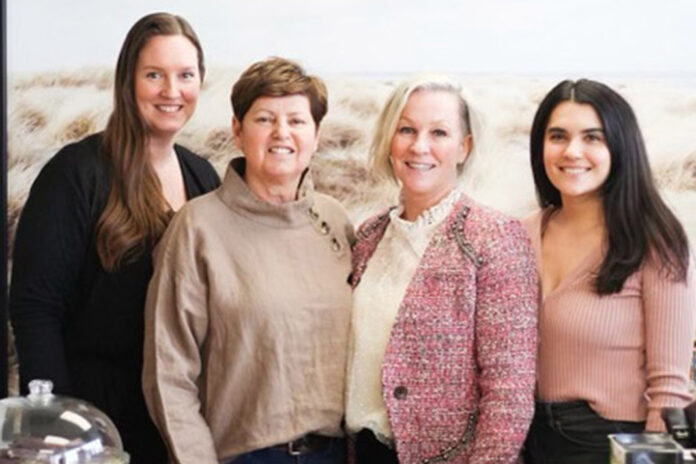
Northern Natural Health and Wellness is situated in the center of Sault Ste. Marie on 1500 Wellington Street East. The vision of Brenda Frey, Tammy Watts, and Jocelyn Iozzo was realized with the establishment of this facility. With their collective experience of over 25 years in the natural health industry, these successful women have joined forces to offer their community access to high-quality health and wellness training and goods.
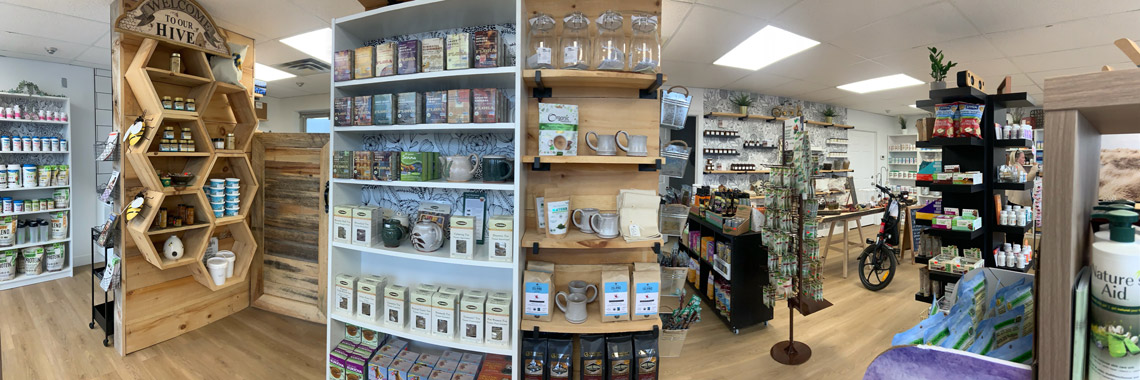
Northern Natural Health and Wellness boasts of its unwavering dedication to quality. To guarantee the effectiveness and reliability of every item they offer, each product has a corresponding Natural Health Product number (NPN) verified by third-party testing. The store’s extensive collection of products includes botanical remedies, homeopathic medicine, tinctures, herbs, as well as various health and beauty products, sports supplements, and pet supplements. Such a diverse range of items has established Northern Natural Health and Wellness as a go-to source for comprehensive health and wellness solutions.
Northern Natural Health and Wellness goes beyond merely providing an array of health products; the establishment also cultivates a tightly-knit community. In instances where a desired product is not stocked on their shelves, the staff are determined to procure it for their valued customers. Moreover, the store’s affection for the community is reflected through their backing of local artisans, as evidenced by their extensive collection of locally crafted products.
When you enter Northern Natural Health and Wellness, it’s like being welcomed into a family. The proprietors urge patrons to peruse at their leisure, explore the shop, and try out novel items. Their dedication to education, assistance, and healthy options has solidified Northern Naturals as a prime spot for individuals looking to improve their physical and mental condition.
In an industry that thrives on innovation, Northern Natural Health and Wellness sets itself apart by exclusively providing Aurum Alive, an exceptional nutritional supplement. Aurum Alive, a groundbreaking product, is the result of the collaboration between Tammy Watts, one of the store’s co-owners and a certified natural health practitioner, researcher, and health product formulator. Watts founded Root-A-Vi, a company that developed this unique supplement, which is revolutionizing the world of holistic health.
Aurum Alive is based on the belief that all health and wellness originate from the gut. Rather than simply treating indications of sickness, Aurum Alive nurtures the whole body, allowing it to mend and operate as intended. The product took two decades to develop, and in 2018, it was granted its Natural Product Number (NPN), signifying its inclusion in the regulated Canadian health food market.
Holistic healing has reached a new pinnacle with the advent of Aurum Alive. Its unique blend of nutrients works in tandem to promote a fully functioning body, leading to optimal health. With a comprehensive list of advantages such as improving gut health and mental clarity, strengthening immunity and decreasing inflammation, Aurum Alive is revolutionizing the field of wellness and healthcare.
The Moi rewards program from METRO has joined forces with RBC to provide consumers with greater value in their daily lives.
METRO Inc. and Royal Bank of Canada have recently declared a fresh collaboration for loyalty programs. The partnership begins with the initiation of the moi RBC Visa credit card, which has no annual fee and provides exclusive rewards for consumers at participating METRO establishments. Cardholders can earn Moi points for all purchases, even in everyday spending categories such as dining, gas, and EV charging. Furthermore, they can access unique discounts and offers from Avion Rewards and its vast network of merchant partners.
At almost 900 Metro, Super C, Brunet, and Première Moisson stores located in Quebec and Jean Coutu stores in Quebec, New Brunswick, and Ontario, Moi points earned through the Moi rewards program and the moi RBC Visa credit card may be redeemed during checkout.
For many years, RBC has been a trailblazer in the realm of Canadian credit cards and loyalty programs. We are thrilled to extend our warmest welcome to RBC as a valued partner in the Moi program. This partnership is designed to incentivize our customers to save more by awarding them points for their day-to-day expenses. As the Vice President of Marketing for METRO, Alain Tadros expresses his enthusiasm for this collaboration and anticipates a fruitful and mutually beneficial working relationship in the future.
Niranjan Vivekanandan, the head of Loyalty & Merchant Solutions at RBC, expressed his pride in teaming up with METRO to deliver the potential of Moi to customers and assist them in obtaining greater benefits from our vast network of Avion Rewards merchants. This partnership marks a significant achievement, uniting two renowned and reputable Canadian brands that prioritize the satisfaction of Canadians through personalized rewards.
Nadine Renaud-Tinker, the Regional President of Quebec at RBC, expressed excitement about partnering with METRO to provide shoppers in Quebec with enhanced value and cost savings, leveraging the companies’ long-standing history in the region.
You can earn points on all of your purchases, no matter where you shop.
Consumers who use the moi RBC Visa credit card will enjoy the following benefits:
Get the chance to earn double Moi points when making qualifying purchases at Metro, Premiere Moisson, and Brunet stores located in Quebec, as well as Jean Coutu stores situated in Quebec, Ontario, and New Brunswick*.
You have the opportunity to earn double Moi points for every dollar spent on dining, gas, and EV charging.
At Super C locations and for all other purchases, you can earn 1X Moi points for every dollar spent*.
Gain entry to a vast network of merchant partners through Avion Rewards, granting consumers exclusive perks, savings, and offers, such as:
By linking their Petro-Points card to their moi RBC Visa credit card, customers can save 3¢/L on gas and earn an additional 20% in Petro-PointsTM at Petro-CanadaTM.
When using their moi RBC Visa credit card at RONA, Réno-Dépôt and Lowe’s*, customers can receive up to 10% back in statement credits for their first $250 of qualifying purchases, followed by 5% cash back on the next $1,250.
If you apply for the moi RBC Visa credit card prior to August 31, 2023, and receive approval from RBC, you will receive a time-limited bonus of 4,000 Moi points**. It is important to note that this credit card does not require an annual fee. Moi points are the currency used by the Moi rewards program, which can be redeemed for cash value at checkout or through the Moi app at participating METRO stores, including Metro, Super C, Première Moisson, Brunet in Quebec, as well as Jean Coutu stores in Quebec, New Brunswick, and Ontario.
The submission by the Competition Bureau in regards to the current consultation by the Government of Canada on the future of competition policy in Canada is presented with great pleasure. The submission itself features more than 50 suggestions which aim to bolster and contemporize the Competition Act in Canada.
To put it briefly, Canada requires a greater degree of competition. Equally important is the necessity for Canadians to have access to a contemporary and efficient competition law to facilitate such a development.
The people of Canada are currently observing some of the most significant price hikes in several decades. This new reality highlights the significance of competitive markets, as they are instrumental in making goods and services more accessible to both consumers and businesses. By fostering stronger competition, we enable economic expansion by providing equal opportunities for upcoming businesses to compete.
Many have described Canadian competition law as antiquated. It should be noted that the Competition Act, which is the primary resource that the Bureau uses to defend and foster competition within Canada, has not been comprehensively revised since the 1980s.
The Bureau expresses optimism regarding the initial strides made towards policy reform. These strides include beneficial alterations to the Act in June 2022, as well as the current Government’s consultation. It is now imperative that we continue progressing in order to ensure that our laws are appropriate for the contemporary economy.
Expanding on its earlier feedback on Canada’s competition policy framework, the Bureau has put forth a proposal outlining several noteworthy enhancements to the Act. These enhancements include:
The framework for reviewing mergers within the Act needs to be adjusted in order to effectively tackle concerns regarding market concentration and its negative impact on competition and the public interest.
By granting formal information-gathering powers to the Bureau for conducting market studies, it will be able to carry out its tasks more effectively.
The aim is to enhance the efficiency and timeliness of investigative and judicial processes by streamlining them.
By implementing these changes, the safeguarding and advancement of competitive markets can be improved. These changes would enable the Bureau to more efficiently recognize matters regarding competition and offer advice to policymakers based on evidence. Furthermore, it would result in delivering prompt outcomes for the benefit of Canadians.
The advice being offered is founded upon the Bureau’s vast experience in carrying out and upholding the Act, as well as taking into account the best practices followed globally.
The Bureau is dedicated to enhancing the effectiveness of competition in Canada and urges all interested parties to engage in this crucial discussion on reform.
Quote
To ensure that our competition law and policy are relevant to the contemporary economy, action must be taken. The Competition Act is the primary instrument we use in safeguarding and promoting competition for Canadians. By utilizing more advanced and refined tools, we trust that we can accomplish even more for the betterment of all Canadians.
Matthew Boswell is the subject of the sentence, but without context, I cannot recreate the sentence. Could you please provide more information or context?
The official title of the person in charge of ensuring fair competition is the Commissioner of Competition.
Nature’s Path, a trailblazer in the organic movement, is committed to supporting organic food and farming for the well-being of our bodies and the planet. Through its annual Gardens for Good program, the company is proud to award $7,500 grants to 15 deserving community gardens. These gardens not only bring people together in nature but also promote access to fresh, organic food and contribute to enhancing food security.
Nature’s Path, as North America’s largest certified breakfast and snack food company, is demonstrating its dedication to organic community gardens. By awarding $7,500 grants through the Gardens for Good program, the company celebrates and supports the impactful work these gardens undertake across North America.
Highlighting the significance of community gardens, Jyoti Stephens, VP Mission & Strategy at Nature’s Path, emphasizes their role in increasing access to organic food for everyone. She acknowledges that community gardens not only foster connections with nature but also address food security concerns by providing fresh and nutritious organic produce, especially in areas where such food is not easily accessible.
In light of rising food prices, increasing access to fresh, organic food has become more crucial than ever. As per the United States Department of Agriculture (USDA), food-at-home prices have surged by over 11 percent in the past year. Similarly, Canada has experienced a nearly nine percent increase in food costs from March 2022 to March 2023. Numerous peer-reviewed studies support the benefits of organic produce, which contains higher levels of vitamins, minerals, enzymes, and micronutrients compared to non-organic alternatives.
Nature’s Path’s commitment to organic food and farming is evident through its Gardens for Good program. By providing support to community gardens that grow organic produce and make it accessible to those in need, the company actively contributes to the well-being of communities. Since the program’s inception in 2010, Nature’s Path has generously donated over $615,000 to 74 gardens across North America.
Alexa Pitoulis, Executive Director of Fresh Roots, a non-profit organization collaborating with school communities in Vancouver, Canada, attests to the value of Nature’s Path’s grants. In 2017, Fresh Roots received a grant that fueled important growth, enabling the launch of additional school yard farming programs and the distribution of more delicious, organic food to schools and local communities.
by: Olivier Felicio & Dr. Franziska Weichmann, Manager of Scientific Communications and Product Development at Horphag Research.
Hair loss during menopause can be a distressing experience for many women as much as 30% to 50%. As a health retailer and in the forefront, you play a vital role in providing accurate information, support, and effective solutions to help your customers navigate this challenging time. By understanding the connection between hair loss and menopause and offering targeted products and advice, you can make a positive impact on your customers’ lives and strengthen your reputation as a knowledgeable and compassionate health retailer.
However, the crucial point of contact is your staff. Just as you do, staff should be well-informed about menopause, its symptoms, and the potential link to hair loss, neither you nor your staff in most cases are not medical professionals. This knowledge will allow them to provide accurate information to customers and recommend suitable products.
It is tempting to suggest dietary changes such as a balanced diet rich in vitamins and minerals, particularly biotin, vitamin D, zinc, and iron, and pycnogenol may help improve hair health. But opt for recommending supplements that have strong evidence to back you up.
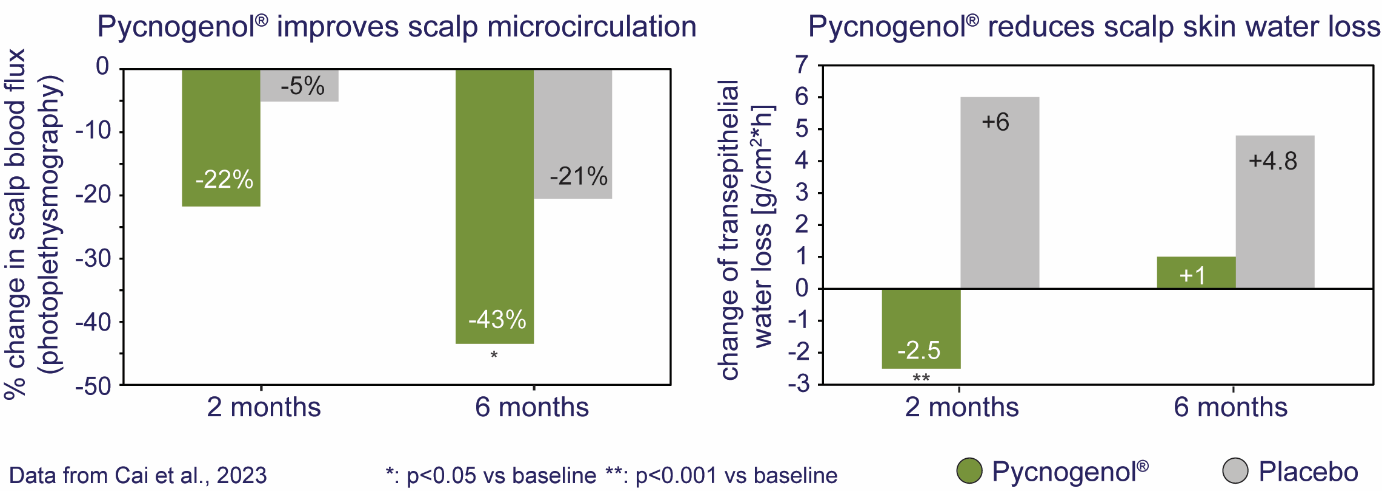
Pycnogenol as recently published double-blind, randomized, placebo‐controlled study reveals a natural, safe and effective path for women who face hair thinning (3). The study, conducted with menopausal women, found oral intake of Pycnogenol® to significantly increase hair density, decrease trans-epidermal water loss in scalp skin and to improve microcirculation in scalp skin.
Their work is shown to be beneficial for health and beauty in hundreds of clinical studies (4).
According to a questionnaire in a study with peri-menopausal women, Pycnogenol® reduced hair loss complaints by 43% after 8 weeks (5).
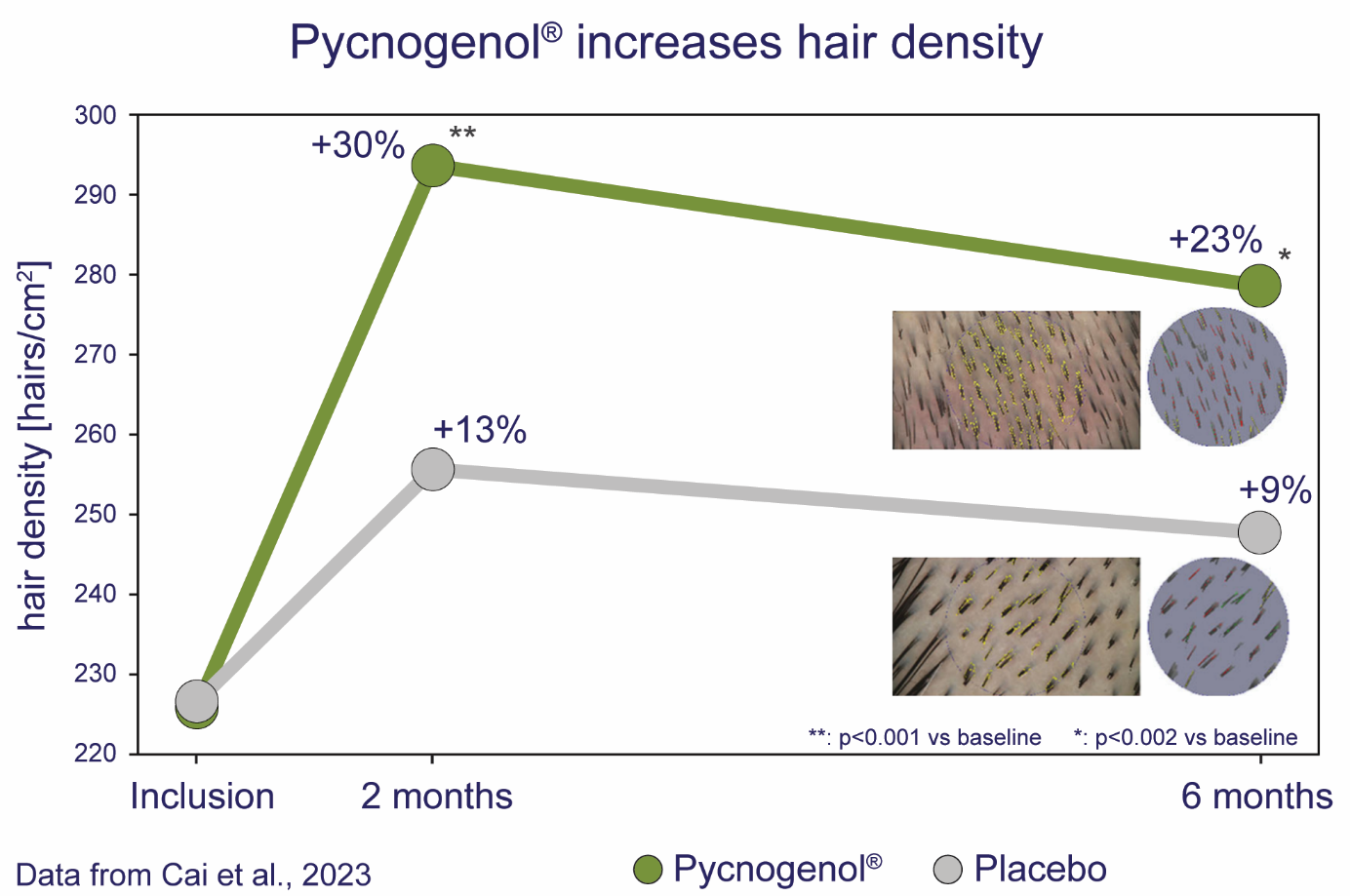
The above mentioned study confirmed these observations in a randomized and placebo-controlled design with specific focus on Pycnogenol®’s effects on hair quality and density (3). 76 healthy menopausal women between 45 and 60 years were randomly assigned to either take 150 mg Pycnogenol® per day or placebo for 6 months.
Remarkably, hair density was significantly improved by 30% compared to baseline and by 15% compared to placebo after 2 months. The effects of Pycnogenol® stayed on a highly improved level after longer supplementation.
In addition, the study showed that Pycnogenol® significantly reduced water loss from the skin of subjects’ scalp, compared to the placebo group. This leads to a better regulated scalp skin moisture balance for healthier hair and scalp.
The study also confirmed that Pycnogenol® intake positively affects microcirculation in the skin, leading to a better supply of nutrients and oxygen to the hair follicle.
In conclusion, Pycnogenol® intake for only 2 months was efficacious in improving hair and scalp health and significantly reduced hair loss in postmenopausal women (3).
How does Pycnogenol® improve hair quality?
There are several mechanisms of action that can explain Pycnogenol®’s efficacy for hair health and beauty.
Pycnogenol® improves microcirculation
Healthy microcirculation is vital for maintaining good hair quality as it leads to a well-functioning supply of nutrients and oxygen to the scalp and the hair follicles. In several previously published studies, Pycnogenol® was shown to improve microcirculation in small blood vessels in the body, like the very fine micro vessels in the skin, fingertips and in the inner ear or the retinal capillaries in the eye (3, 6-12).
In a 3-month study on diabetic retinopathy, Pycnogenol® supplementation improved the retinal blood flow by around 30% compared to no change in the control patients (7). In another study with patients suffering from coronary heart disease, microcirculation on the fingertip improved significantly in 54% of the patients, taking Pycnogenol® and in 33% of the placebo patients after 4 weeks (8). A third study showed improved microcirculation in the legs by 34% after Pycnogenol® intake, in patients with diabetic microangiopathy (9). In addition, Pycnogenol® positively affects microcirculation in the inner ear, relieving symptoms of tinnitus (11, 12).
Pycnogenol® has anti-inflammatory effects
In addition, Pycnogenol® protects hair follicles by capturing free radicals, generated either by stress, sun rays, pollution or inflammation. In many studies, it was shown that Pycnogenol® has potent anti-inflammatory activities (13-15). Already after 5 days of daily intake, a study reported that Pycnogenol® significantly prevented the up-regulation of the pro-inflammatory enzymes 5-LOX and COX-2 (13). In another ex vivo study, plasma samples of volunteers after intake of Pycnogenol® showed to statistically significantly inhibit NF-κB activation by 15.5% and matrix metalloproteinase 9 (MMP-9) release by 25%, two important regulators in the inflammation process (14). In a similar study, statistically significant inhibition of inflammatory molecules COX-1 and COX- 2 was observed after intake of 300 mg Pycnogenol® (15).
Pycnogenol® is a strong antioxidant
The antioxidant activity of Pycnogenol® has been investigated in a number of clinical studies (16-23). Orally administered Pycnogenol® has been shown to both increase the plasma antioxidant capacity, expressed as oxygen radical absorbance capacity (20), and decrease the plasma oxidative stress measured as plasma free radicals (24). Pycnogenol® has further been shown to protect lipids from peroxidation by free radicals in elderly people and people with coronary artery disease (16, 17). The protective effects of Pycnogenol® on DNA oxidation was shown in a randomized, double-blind, placebo-controlled study of children with ADHD, by measuring the level of oxidized purines (18).
Pycnogenol® benefits skin elasticity and hydration
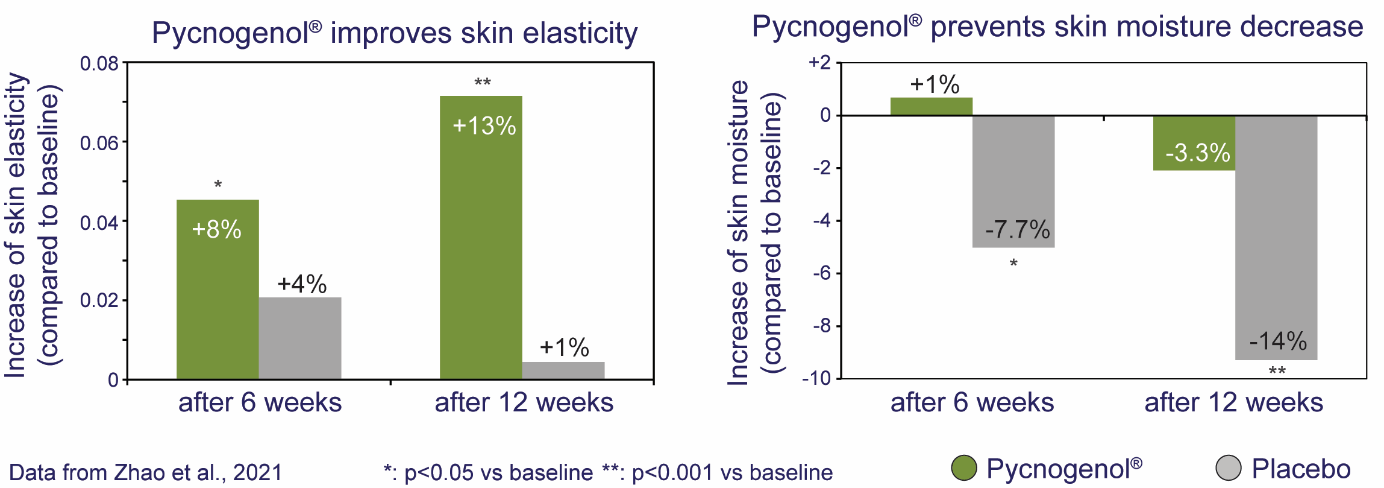
Further reinforcing scalp skin health, Pycnogenol® strengthens the extracellular matrix by binding and thus protecting collagen and elastin as well as by stimulating the production of new collagen and hyaluronic acid in the skin (14, 25-27).
In a study with 78 subjects, who work outdoors in an urban area, the water loss of the skin during the hot summer season could be reduced by 14% with Pycnogenol® supplementation for 3 months and only by 5% with placebo (25). In this placebo-controlled double-blind study, the skin elasticity was shown to be improved by 13% after supplementation, compared to an increase of 1% in the placebo group.
Interestingly, clinical investigations of Pycnogenol® supplementation for 12 weeks with menopausal women, aged 55 to 68 years revealed increased hyaluronic acid synthase levels within the skin by 44%, leading to improved skin hydration (27). Hyaluronic acid synthase is the natural source of water-binding hyaluronic acid in the dermis, which moisturizes the skin and keeps it taut and smooth. Consequently, an average skin-hydration increase by 21% in the group of Pycnogenol® supplementation was found, particularly in women presenting with dry skin prior to Pycnogenol® intake. In this study, Pycnogenol® was also shown to improve skin elasticity by 25% and decrease skin fatigue by 30%. The results were paralleled by Pycnogenol®’s ability to generate skin´s connective tissue collagen in average by 40%.
In addition to stimulating the synthesis of new collagen, Pycnogenol® metabolites can inhibit the release and activity of destructive enzymes (metalloproteinases 1,2 and 9), which break down dermal tissue proteins, like collagen or elastin (14, 28). The reduced activity of these lytic enzymes saves the connective tissues from degradation, representing the basis for maintaining an elastic, smooth and youthful looking skin.
Pycnogenol® relieves menopausal symptoms
Apart from improving hair quality, Pycnogenol® has been shown to be very efficient for different other conditions or disorders connected to menopause. To date, almost 500 menopausal women took part in different studies investigating the effects of Pycnogenol® on climacteric symptoms (5, 22, 29, 30).
A randomized, double-blind placebo-controlled 6-month study with 155 peri-menopausal women found all symptoms of the Women’s Health Questionnaire (WHQ) to be significantly improved in the Pycnogenol® supplementing subjects, as compared to placebo controls (22). The symptoms on the WHQ include somatic (tiredness, headache) and vasomotor problems (hot flashes, sweating), depressed mood, memory and concentration issues, attractiveness, anxiety, sexual behavior, sleep, and menstrual problems.
In another study, the symptoms of 70 women in menopausal transition were evaluated with 38 subjects being supplemented with 100 mg Pycnogenol® per day for 8 weeks (5). The scoring system included 33 common signs and symptoms of menopausal complaints, which were improved significantly after Pycnogenol® intake.
A significant efficacy of a low dosage of Pycnogenol® (60 mg daily) on climacteric symptoms could be shown in a randomized, double-blind placebo-controlled investigation with 170 women (29).
Menopause is a leading risk factor of cardiovascular disease (31). Supplementation of peri-menopausal women with 100 mg Pycnogenol® per day for 6 months was shown to normalize high blood pressure and to improve lipid profile (30). Cardiovascular risk factors (homocysteine and CRP values) improved significantly and plasma free radicals decreased significantly by 22%. Additionally, almost all symptoms of a menopausal questionnaire with 34 items, were improved after Pycnogenol® supplementation.
References:
1. Zouboulis CC, Blume-Peytavi U, Kosmadaki M, Roó E, Vexiau-Robert D, Kerob D, et al. Skin, hair and beyond: the impact of menopause. Climacteric. 2022;25(5):434-42.
2. Chaikittisilpa S, Rattanasirisin N, Panchaprateep R, Orprayoon N, Phutrakul P, Suwan A, et al. Prevalence of female pattern hair loss in postmenopausal women: a cross-sectional study. Menopause. 2022;29(4):415-20.
3. Cai C, Zeng B, Lin L, Zheng M, Burki C, Grether‐Beck S, et al. An oral French maritime pine bark extract improves hair density in menopausal women: A randomized, placebo‐controlled, double blind intervention study. Health Science Reports. 2023;6(1).
4. Oliff H. American Botanical Council – Scientific and clinical Monograph for Pycnogenol. ABC. 2019:1-46.
5. Errichi S, Bottari A, Belcaro G, Cesarone MR, Hosoi M, Cornelli U, et al. Supplementation with Pycnogenol® improves signs and symptoms of menopausal transition. Panminerva Med. 2011;53(3 Suppl 1):65-70.
6. Cesarone MR, Belcaro G, Agus GB, Ippolito E, Dugall M, Hosoi M, et al. Chronic venous insufficiency and venous microangiopathy: management with compression and Pycnogenol(R). Minerva Cardioangiol. 2019;67(4):280-7.
7. Steigerwalt R, Belcaro G, Cesarone MR, Di Renzo A, Grossi MG, Ricci A, et al. Pycnogenol improves microcirculation, retinal edema, and visual acuity in early diabetic retinopathy. J Ocul Pharmacol Ther. 2009;25(6):537-40.
8. Wang S, Tan D, Zhao Y, Gao G, Gao X, Hu L. The effect of Pycnogenol® on the microcirculation, platelet function and ischaemic myocardium in patients with coronary artery diseases. European Bulletin of Drug Research. 1999;7(2):19-25.
9. Cesarone MR, Belcaro G, Rohdewald P, Pellegrini L, Ledda A, Vinciguerra G, et al. Improvement of diabetic microangiopathy with pycnogenol: A prospective, controlled study. Angiology. 2006;57(4):431-6.
10. Belcaro G, Cesarone MR, Errichi BM, Ledda A, Di Renzo A, Stuard S, et al. Diabetic ulcers: microcirculatory improvement and faster healing with pycnogenol. Clin Appl Thromb Hemost. 2006;12(3):318-23.
11. Luzzi R BG, Hu S, Dugall M, Hosoi M, Cacchio M, Ippolito E, Corsi M Improvement in symptoms and cochlear flow with Pycnogenol in patients with Meniere’s disease and tinnitus. Minerva Med 2014;105:245-54.
12. Grossi MG, Belcaro G., Cesarone, M.R., Duggall, M., Hosoi, M Cacchio,. Improvement in cochlear flow with Pycnogenol® in patients with tinnitus: a pilot evaluation. Panminerva Med. 2010;52(2):63-7.
13. Canali R, Comitato R, Schonlau F, Virgili F. The anti-inflammatory pharmacology of Pycnogenol in humans involves COX-2 and 5-LOX mRNA expression in leukocytes. Int Immunopharmacol. 2009;9(10):1145-9.
14. Grimm T, Chovanova Z, Muchova J, Sumegova K, Liptakova A, Durackova Z, et al. Inhibition of NF-kappaB activation and MMP-9 secretion by plasma of human volunteers after ingestion of maritime pine bark extract (Pycnogenol). J Inflamm (Lond). 2006;3:1.
15. Schäfer A, Chovanova Z, Muchova J, Sumegova K, Liptakova A, Durackova Z, et al. Inhibition of COX-1 and COX-2 activity by plasma of human volunteers after ingestion of French maritime pine bark extract (Pycnogenol). Biomed Pharmacother. 2005;60(1):5-9.
16. Enseleit F, Sudano I, Periat D, Winnik S, Wolfrum M, Flammer AJ, et al. Effects of Pycnogenol on endothelial function in patients with stable coronary artery disease: a double-blind, randomized, placebo-controlled, cross-over study. Eur Heart J. 2012;33(13):1589-97.
17. Ryan J, Croft, K., Wesnes, K and Stough, C. An examination of the effects of the antioxidant Pycnogenol® on cognitive performance, serum lipid profile, endocrinological and oxidative stress biomarkers in an elderly population. J Psychopharmacol. 2008;22(5):553-62.
18. Chovanova Z, Muchova J, Sivonova M, Dvorakova M, Zitnanova I, Waczulikova I, et al. Effect of polyphenolic extract, Pycnogenol, on the level of 8-oxoguanine in children suffering from attention deficit/hyperactivity disorder. Free Radic Res. 2006;40(9):1003-10.
19. D̆uračková Z, Trebatický B, Novotný V, Žitňanová I, Breza J. Lipid metabolism and erectile function improvement by pycnogenol®, extract from the bark of pinus pinaster in patients suffering from erectile dysfunction-a pilot study. Nutrition Research. 2003;23(9):1189-98.
20. Devaraj S V-LS, Kaul N, Schönlau F, Rohdewald P, Jialal I. Supplementation with a pine bark extract rich in polyphenols increases plasma antioxidant capacity and alters plasma lipoprotein profile. Lipids. 2002;37(10):931-4.
21. Kolacek M, Muchova J, Dvorakova M, Paduchova Z, Zitnanova I, Cierna I, et al. Effect of natural polyphenols (Pycnogenol) on oxidative stress markers in children suffering from Crohn’s disease–a pilot study. Free Radic Res. 2013;47(8):624-34.
22. Yang HM, Liao MF, Zhu SY, Liao MN, Rohdewald P. A randomised, double-blind, placebo-controlled trial on the effect of Pycnogenol on the climacteric syndrome in peri-menopausal women. Acta Obstet Gynecol Scand. 2007;86(8):978-85.
23. Errichi S, Bottari, A., Belcaro, G., Cesarone, M.R., Hosoi, M., Cornelli, U., Dugall, M., Ledda, A., Feragalli, B. Supplementation with Pycnogenol® improves signs and symptoms of menopausal transition. Panminerva Med. 2011;53(3):65-70.
24. Belcaro H, Cesarone, Dugall. A controlled study shows daily intake of 50 mg of French Pine Bark Extract (Pycnogenol®) lowers plasma reactive oxygen metabolites in healthy smokers. Minerva medica. 2013;104(4):439-46.
25. Zhao H, Wu J, Wang N, Grether-Beck S, Krutmann J, Wei L. Oral Pycnogenol(R) Intake Benefits the Skin in Urban Chinese Outdoor Workers: A Randomized, Placebo-Controlled, Double-Blind, and Crossover Intervention Study. Skin Pharmacol Physiol. 2021:1-11.
26. Grether-Beck S, Marini A, Jaenicke T, Krutmann J. French Maritime Pine Bark Extract (Pycnogenol(R)) Effects on Human Skin: Clinical and Molecular Evidence. Skin Pharmacol Physiol. 2016;29(1):13-7.
27. Marini A, Grether-Beck S, Jaenicke T, Weber M, Burki C, Formann P, et al. Pycnogenol(R) effects on skin elasticity and hydration coincide with increased gene expressions of collagen type I and hyaluronic acid synthase in women. Skin Pharmacol Physiol. 2012;25(2):86-92.
28. Grimm T, Schäfer A, Högger P. Antioxidant activity and inhibition of matrix metalloproteinases by metabolites of maritime pine bark extract (pycnogenol). Free Radic Biol Med. 2004;36(6):811-22.
29. Kohama T, Negami M. Effect of low-dose French maritime pine bark extract on climacteric syndrome in 170 perimenopausal women: a randomized, double-blind, placebo-controlled trial. J Reprod Med. 2013;58(1-2):39-46.
30. Luzzi R, Belcaro G, Hosoi M, Feragalli B, Cornelli U, Dugall M, et al. Normalization of cardiovascular risk factors in peri-menopausal women with Pycnogenol(R). Minerva Ginecol. 2017;69(1):29-34.
31. Moreau KL, Hildreth KL. Vascular Aging across the Menopause Transition in Healthy Women. Adv Vasc Med. 2014;2014.
Optimi Health Corp., a leading psychedelics company, has recently obtained a significant milestone by acquiring permission to produce natural health products.
In an exciting development, Optimi Health announced today that it has been granted a Natural Health Product Site License. This license empowers the company to manufacture, package, and label an array of natural health products at its state-of-the-art production facility in Princeton, B.C. These products include probiotics, herbal remedies, vitamins and minerals, homeopathic medicines, traditional medicines like Chinese medicines, as well as amino acids and essential fatty acids.
This latest license is a strategic move that expands Optimi’s capacity to produce both psychedelic and natural health products in-house, paving the way for global distribution.
According to Optimi’s CEO, Bill Ciprick, “This license marks a significant milestone for our company. It allows us to diversify our offerings and capitalize on our existing manufacturing capabilities, thus optimizing our supply chain and supporting our continuous growth.”
Optimi Health is dedicated to delivering large-scale research and development programs from its meticulously designed 10,000-square-foot facility, ensuring compliance with stringent good manufacturing practices.
Notably, the company has already been authorized by Health Canada to produce and supply psychedelic substances, such as MDMA and natural GMP-grade psilocybin, alongside natural health product formulations for clinical research purposes. With the expanded license, Optimi is now equipped to encapsulate products on-site, in addition to manufacturing, packaging, and labeling natural health products.
Optimi’s core operations revolve around the development and distribution of mushroom-derived natural health products, as well as compounds for medical research.
This recent announcement underscores Optimi’s commitment to continual expansion and diversification of its operations. Ciprick added, “We are excited about the future and anticipate securing further licensing to produce and distribute natural health products for commercial retail sales.”
Just last week, the company unveiled a noteworthy $1.2 million psilocybin supply agreement with a private client, who plans to utilize Optimi’s mushrooms for clinical research endeavors.
Following this exciting news, Optimi stock experienced a positive trajectory, with a 4.26% increase on Wednesday, reaching $0.24 on the Canadian Securities Exchange.
In 2022, the United States witnessed a significant milestone in the organic food industry as sales surpassed $60 billion for the first time. This achievement is yet another testament to the unwavering strength of the organic sector. According to the Organic Trade Association’s 2023 Organic Industry Survey, the total organic sales, which include non-food products, reached a new high of $67.6 billion*. The survey was released on Wednesday.
Despite various obstacles, the organic market still managed to grow. Inflationary pressures had a tightening effect on consumers’ wallets, and supply chain disruptions caused by the pandemic and global political events created additional challenges. The grocery aisles were crowded with a proliferation of competing food labels, and there was a noticeable labor shortage felt by organic producers. Inflation had a significant impact on the organic supply chain, as well as the entire food supply chain, increasing costs and leading to higher prices in the grocery aisles. As a result, the organic sector mirrored the overall food industry, with the value of organic sales increasing, even though the growth in the sales volume of some categories stagnated.
In 2021, the sales value of the sector observed a growth rate of four percent, almost half the rate of growth in the current year. The sales of organic food reached a sum of $61.7 billion, whereas the organic non-food sales were valued at close to $6 billion. The aggregate value of sales for Certified Organic items now accounts for a total of 6 percent of food sales in the United States.
Tom Chapman, CEO of the Organic Trade Association, stated that organic products have proven to have resilience against economic turbulence. Despite the volatility of the economy, people in America are still committed to investing in their own health and, increasingly, in protecting the environment. Organic products have become the solution to these concerns. Chapman added that the fundamental principles that organic products uphold remain robust, and consumers have shown that they will continue to choose organic products because of the verified organic system that is better for people, the planet, and the economy.
The phrase “produce still leads organic” is a succinct statement that highlights the continued dominance of non-organic produce in the market. Despite the growing popularity of organic produce, non-organic options continue to hold the majority share of the market. This statement emphasizes the need for increased efforts to promote the benefits of organic produce and encourage consumers to make more environmentally conscious decisions.
The top-selling category of organic goods is organic produce, which is frequently the first organic product that new organic buyers purchase. It has managed to maintain its position as the best-selling category among all organic products. In the United States, sales of organic produce have amounted to $22 billion, comprising about 15 percent of all fruit and vegetable sales in the country.
In 2022, the organic beverage sector proved to be the second most successful organic category, accumulating a total of $9 billion in sales, which marks a 4% increase. Organic coffee, maintaining its rank as the most popular organic beverage, saw a rise of nearly 7% from the previous year, with sales amounting to almost $2.3 billion. Organic soft drinks and enhanced drinks also experienced a significant breakthrough, generating $503 million in sales, which marks a growth rate of almost 14%.
Angela Jagiello, who is the Director of Education and Insights for OTA as well as the overseer of the yearly survey, observed that organic beverages are on the rise. This is a category where consumers are open to trying new things and are not as concerned with price. The non-alcoholic trend had a significant impact on the success of soft and enhanced drinks. Many younger consumers are choosing to reduce or eliminate alcohol and are turning to these organic beverages as a more refined and celebratory option.
In the organic market, dairy and eggs were the third highest-selling category, generating $7.9 billion in revenue and increasing by 7 percent from the previous year. Currently, organic dairy and eggs make up almost 8 percent of the entire dairy and egg market. The rise in dollar sales for this category can be attributed to sustained demand and inflationary price increases. Organic yogurt and eggs saw double-digit growth, with organic yogurt sales increasing by more than 12 percent to $1.5 billion, and organic egg sales by 11 percent to approximately $1.2 billion.
As expected, the rate of growth in organic sales has decreased from the rapid pace experienced during the pandemic. Nonetheless, a vast array of organic products has shown exceptional growth as consumers integrate organic items more fully into their lifestyles. A few examples of this growth include a 13 percent increase in sales of organic baby food and formula, reaching a total of $1.4 billion. Additionally, organic rice, grains, and potato products have seen a growth rate of over 10 percent, totaling $387 million in sales. Sales of organic dips have also experienced significant growth, increasing by 18 percent to $194 million. Finally, organic pork sales have increased by more than 10 percent, reaching $63 million in total sales.
The sales of organic non-food items were dominated by organic linens and clothing, which accounted for 40% of all sales in this category. The total sales recorded for this subcategory amounted to $2.4 billion, reflecting a modest increase of 2.5%. Organic supplements, on the other hand, saw no significant fluctuation in sales, maintaining its steady sales of around $2 billion. Sales of organic personal care products, however, experienced a growth of over 5%, amounting to $1.2 billion.
The future of organic products is undoubtedly promising.
The triumph of organic products is not a recent phenomenon. Over the past decade, sales of organic goods have increased by over two-fold, indicating a surge in demand for such products in the United States. In 2018, the total sales of organic items surpassed the $50 billion landmark for the first time ever. Furthermore, the sales of organic food items reached the same milestone in 2019, just a few years ago.
During pregnancy and after giving birth, many women experience significant mental health challenges such as depression, psychosis, and suicidal thoughts. These perinatal mental health issues can adversely affect not only the mother and child, but can also have a long-lasting negative impact on families. The Government of Canada is committed to supporting maternal mental health, and creating a future free of stigma around perinatal mental illness.
On World Maternal Mental Health Day and during Mental Health Week in Canada, the Honourable Carolyn Bennett, Minister of Mental Health and Addictions and Associate Minister of Health, announced close to $857,000 in funding to three organizations for their projects in support of maternal mental health. This announcement was made during the 2nd annual Flora’s Walk, the Canadian Perinatal Mental Health Collaborative’s Fundraiser walk named after Flora Babakhani, a Canadian mother who lost her life to undetected and untreated postpartum psychosis.
Health Canada will provide $372,000 to the Women’s College Hospital to develop national clinician guidelines for perinatal mood disorders. This supports the Government of Canada’s commitment to develop mental health standards and to ensure timely access to perinatal mental health services. The guidelines will help individuals, families, and caregivers better understand what to ask for in their care; assist health care professionals in expanding their knowledge of what perinatal care should be offered; and help health care organizations measure, assess, and improve their performance.
Additionally, The Public Health Agency of Canada will provide $279,000 to the Canadian Mothercraft Society to promote secure attachment between mothers and their children; and $206,000K to the Families Matter Society of Calgary to lead projects aimed at promoting positive mental health by increasing access to support services for Black parents struggling with perinatal mood disorders.
Today’s announcement builds on the Government of Canada’s investments in Budget 2023, including our plan to invest nearly $200 Billion over 10 years to improve health care services for Canadians, reduce surgical backlogs, support health workers, and improve integrated mental health and substance use services. We will continue to do whatever it takes to ensure that mental health care, including perinatal mental health care, is treated as a full and equal part of our health care system.
Quotes
“In Canada, a quarter of mothers who recently gave birth reported feelings consistent with either postpartum, depression or anxiety. As we mark the 2nd annual Flora’s Walk, which honours the memory of Flora Babakhani, who tragically lost her life to postpartum psychosis, as well as World Maternal Mental Health Day and Mental Health Week – today’s funding will enable more mothers across Canada to access the mental health supports they need and deserve. To all the new parents who may be struggling, please do not carry this burden alone or in silence. Getting help is the most important thing you can do for yourself – you are not alone.”
The Honourable Carolyn Bennett
Minister of Mental Health and Addictions, and Associate Minister of Health
“It is our greatest pleasure to collaborate with our colleagues and stakeholders from diverse populations across the country in the development of the first Clinical Practice Guideline for Perinatal Mood and Anxiety Disorders in Canada. This national clinical practice guideline will provide clear direction to mental healthcare practitioners on the best treatments for the most common mental health problems during pregnancy and the postpartum – and support affected persons and their families in knowing what they can and should expect from their treatment.”
Dr. Simone Vigod (Women’s College Hospital & the University of Toronto) and Dr. Benicio Frey (McMaster University & St. Joseph’s Healthcare Hamilton)
Co-leads on the project to develop clinician guidelines for perinatal mood disorders
“Mothercraft applauds the federal government’s commitment to support those who have been disproportionately affected by COVID-19. We know that mothers and young children affected by family violence, substance use and mental health challenges were significantly affected by the pandemic. Through Mothercraft’s Healing Through Relationships project, we look forward to increasing access to a range of services and supports to promote maternal and child health.”
Michele Lupa
Executive Director, Canadian Mothercraft Society
“Perinatal mood and anxiety disorders are the most common complication during pregnancy and up to two years postpartum. Black women are twice as likely to experience perinatal mental health challenges but are half as likely to receive treatment. To address this disparity a program focused on the Peer Support model was created to empower Black women with their own lived experience Perinatal Mental Health struggles. These Peer Supporters will provide hope to new parents within the Black communities with this much needed resource.”
Amanda McMillan
Manager, Perinatal Mental Health Programs, Families Matter Society of Calgary
Quick Facts
Mental health promotion and mental illness prevention are critical components for well-being and can help reduce demands on the health care system. Community-based projects focussed on mental health promotion have the potential to improve health outcomes.
The Wellness Together Canada portal provides free access to educational content, self-guided therapy, moderated peer-to-peer support, and one-to-one counselling with qualified health professionals. If you or a loved one is struggling, you can access the Wellness Together Canada portal, or call 1-866-585-0445 or text WELLNESS to 741741 (adults) or 686868 (youth).
Kids Help Phone is also available 24/7 with e-mental health service offering free, confidential support to young people in English and French.
The company has. announced the expansion of its Pro line of probiotic dietary supplements in pharmacy channels outside of Quebec. Additionally, Bio-K+ has been named the #1 Pharmacist Recommended Probiotics Brand in Quebec for 2023. *
It all started with one goal: to inspire people to understand that gut health is the foundation of good health. For this reason, we recognize that only by providing science-based products to consumers can we make a lasting impact on their lives. Science and a passion for consumer health are the driving forces behind all of our product innovations, enabling individuals to take better care of their gut health.
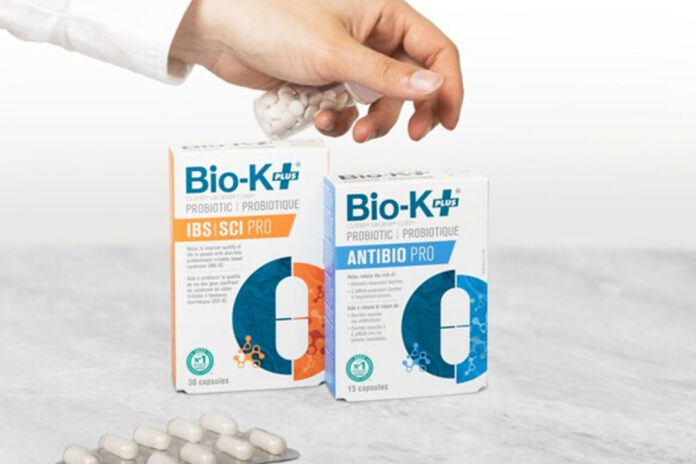
Both products are now available nationwide through Shoppers Drug Mart and Pharmaprix, providing consumers with clinically supported natural over-the-counter drug solutions. Both products are vegan and gluten-free, have more than 100,000 documented patient cases in over 20 years of clinical research, and are generally considered safe. 1
“As a pioneer in probiotic supplementation, Bio-K+ has been at the forefront of helping consumers improve their health and well-being,” said Fan Bonnett, Vice President of Commercial, Bio-K Plus. “We have a responsibility to help consumers who are suffering from these uncomfortable situations.
New products must be formulated based on proven scientific evidence to provide effective health benefits to consumers. Therefore, our teams invest significant time in the development of these products to ensure maximum quality, safety and efficacy.
Our goal is to make our products reach as many consumers in need as possible. With the introduction of the Pro Series, we are paving the way for further expansion into more areas of use and to inspire a wider range of consumers. ”
Listed in the Clinical Guidelines for Probiotic Products Available in Canada, the Pro Series contains three unique, patented and science-backed strains of bacteria from Bio-K Plus. Bio-K+ IBS Pro, certified by the Digestive Health Foundation of Canada, addresses the specific challenges faced by the large population with diarrhea-predominant irritable bowel syndrome (IBS-D). The prevalence of IBS in Canada is one of the highest in the world, estimated at 18%, with 40% of cases associated with IBS-D. 2 In a double-blind, randomized, placebo-controlled study, Bio-K+ IBS Pro reported a 65% improvement in patients’ quality of life, 3 a 50% reduction in days of abdominal pain, 4 a reduction in the amount of loose stools per week 30%4, stool consistency increased by 91%. 3
Bio-K+ Antibio Pro helps reduce the risk of antibiotic-associated diarrhea (AAD), including Clostridium difficile-associated diarrhea (CDAD). Antibiotics are commonly used to treat infections, but up to 35 percent of patients are at risk of developing AAD5, which can lead to abdominal pain, bloating, increased susceptibility to infection, and even metabolic and immune disturbances. 6 A randomized, placebo-controlled study showed that Bio-K+ Antibio Pro was effective in reducing the risk of AAD by 65%, the risk of abdominal pain by 68%, the risk of CDAD by 95%, and the number of days on which symptoms occurred by 56%. 7
* Profession Santé 2023 Survey on OTC Counselling and Recommendations (re: pharmacists).
1. Bio-K+ Internal reporting. Updated May, 2021.
2. Lovell, R. M. et al. (2012). Clin Gastroenterol Hepatol, 10(7), 712–721.e4.
3. Preston, K. et al. (2018). Benef Microbes, 9(5), 697–706.
4. Ship, N. et al. (2019, October). Am J Gastroenterol, 114 (Supplement), S296–S297.
5. McFarland, L. V. (2008). Future microbiol, 3(5), 563–578.
6. Langdon, A. et al. (2016). Genome Med, 8(1), 39.
7. Gao, X. W. et al. (2010). Am J Gastroenterol, 105(7), 1636–1641.I