Loblaw Companies Limited (TSX: L) (“Loblaw”) announces that it has entered into an Automatic Stock Purchase Plan (“ASPP”) with a broker to facilitate the repurchase of Loblaw’s common stock (“Common Shares”) pursuant to its previously announced ”) Program Normal Curriculum Issuer Bidding (“NCIB”).
Loblaw previously announced that it has received approval from the Toronto Stock Exchange (“TSX”) to acquire up to 16,647,384 shares of common stock, representing approximately 5% of 332,947,684 common shares and common shares outstanding as of April 21, 2022, through NCIB on the TSX or through an alternative trading system or otherwise permitted by applicable law.
During Loblaw’s ASPP, Loblaw’s brokers may purchase common stock at times when Loblaw would not be active in the market due to internal trading rules and its own internal trading controls. Loblaw’s brokers will make purchases according to parameters established by Loblaw in accordance with the terms of the ASPP when they are not in possession of material nonpublic information about themselves and their securities. Beyond the term of the ASPP, Loblaw may, in its sole discretion and in accordance with applicable law, continue to purchase common stock. The ASPP was completed in accordance with the requirements of applicable Canadian securities laws.
Strauss Group (TASE: STRS) announced its financial results for the full year 2022 with revenue growth countered by profit and margin erosion. The company’s results demonstrate growth in most categories, including the coffee business in Brazil and Eastern Europe, the water business in Israel and China, and most of Strauss’s business categories in Israel.
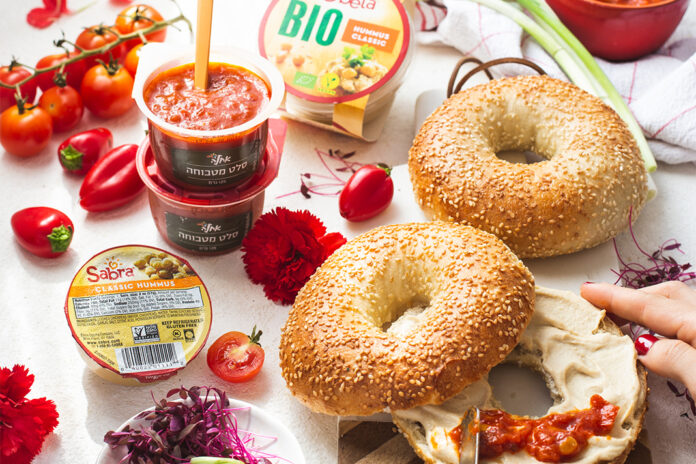
Revenues were impacted by the recall in the confectionery division and the partial suspension of production in Sabra for several months in 2022. Sabra’s dips and spreads manufacturing site in Virginia and the confectionery plant in Nof Hagalil resumed production during 2022 and have regained market share since. In March 2023, the confectionery division’s market share reached an average of 24%2, which is close to market share prior to the recall, while Sabra’s share of US hummus market was 31.2% at the end of 2022 and was up to 37.6% in recent weeks, compared to 61.6% before the shutdown3.
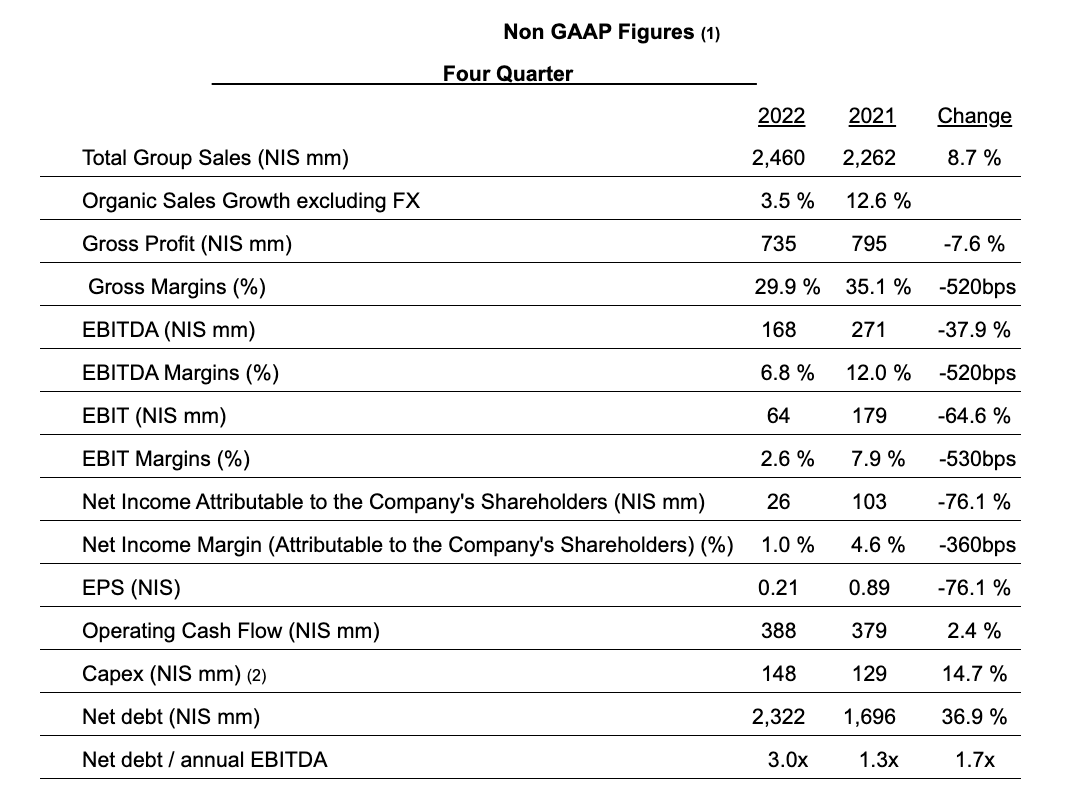
The Group’s revenue in 2022 grew 6.5% to NIS 9.5 billion (organic, excluding foreign currency effects). Gross profit was down 12.3% and amounted to NIS 2.8 billion, with the gross margin falling to 29.8% compared to 36.9% in 2021. Gross profit and margin erosion was largely due to the recall in the confectionery division, the adjustment plan in the Sabra plant and the rising prices of green coffee, raw milk, packaging materials and energy. This led to erosion of the Company’s operating profit, which dropped 61.4% compared to 2021 to NIS 379 million, and to a decline of 72.9% in net profit, which dropped to NIS 174 million.
Ofra Strauss, Chairperson of Strauss Group: “2022 was a year in which we dealt with internal and external challenges, whilst investing in the group’s infrastructure as a foundation for our future resilience. During the past year, our commitment and values were a compass that guided our path. It was crystal clear to us that we are a company that places the health and safety of our consumers and people above anything else.
“A company that handles the challenges of the present and builds the future with a long-term vision. The strategy that we launched at the beginning of 2022 included adjustments that the company is required to make and capabilities that it is required to build over the next ten years. This includes investing in production sites infrastructures and in new technologies, nurturing the skills of the company’s employees and making organizational changes as per our strategy.
“This is an opportunity to thank Giora Bardea who recently retired from the role of CEO of the group after 5 years, for his leadership, the ongoing management and for preparing the group for the future; and I would like to wish Shai all the best in these future endeavors.
“In the past few months, we made changes in the Group’s management. We are investing in innovation, upgrading our production sites and continuously adapting ourselves to fulfill emerging expectations, while maintaining our commitment to improve our positive impact on people and on the environment.”
Shai Babad, Strauss Group CEO: “Strauss delivered growth that is the result of the strong performance by the international coffee business, Strauss Water, the food division, the dairies and salty snacks in Israel. Sabra in the US and the confectionery division in Israel have resumed production and are consistently growing their market shares.
“In Q4 2022, and even more so as we entered 2023, the Group continued to implement its strategy, with three managerial focus areas: Recover, Transform, Perform.
“In November 2022, we signed an update to the partnership agreement in Brazil and its extension for another 20 years. In December 2022, we approved an investment for the construction of another plant for the production of water bars in China. In January 2023, we announced the expansion of the water business in the UK through a partnership with the global water treatment company, Culligan International, and in February, 2023 , we terminated Obela’s business in Europe.”
“At the end of 2022, Strauss Group parted ways with Giora Bardea, who stepped down from his post after five years as CEO and almost 30 years at Strauss Group. This is an opportunity for me to thank him personally for the way he introduced me to the position, and for his personal and professional support during my first months as CEO.”
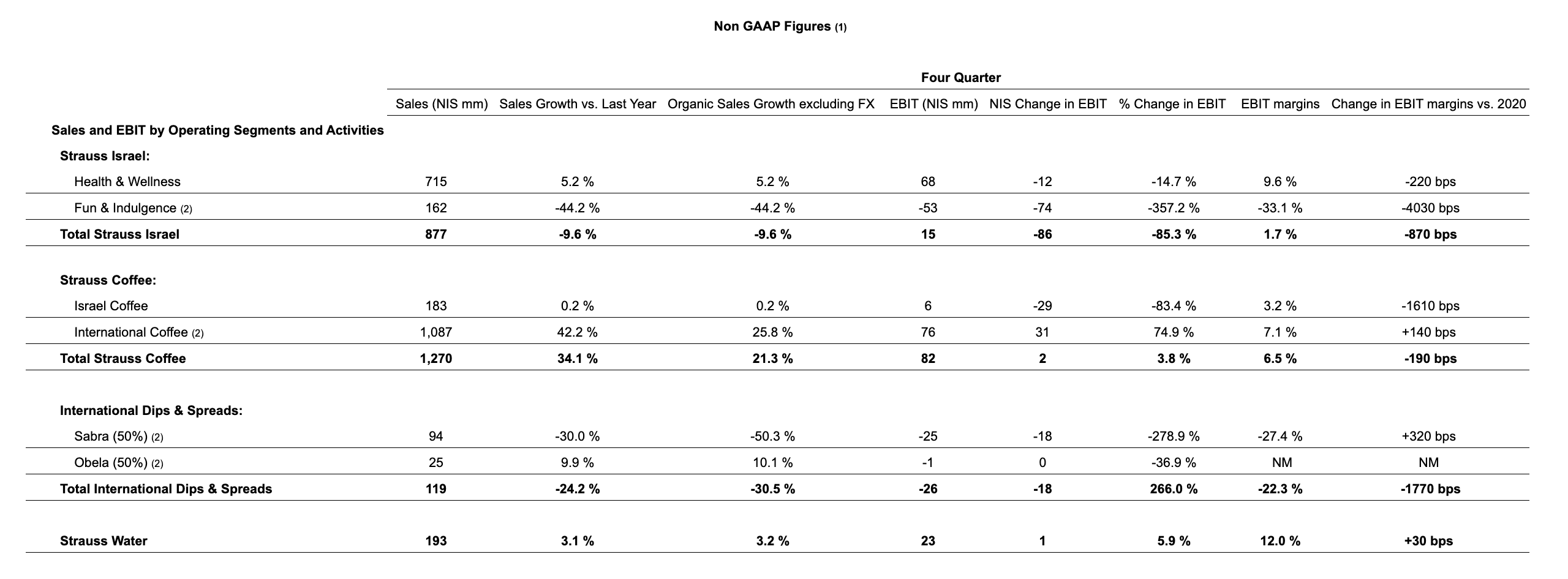
Strauss Israel ended 2022 with NIS 3.5 billion in sales, down 8.9%. The Company delivered sales growth in all divisions, especially in dairies, food, and salty snacks, which offset the drop in sales by the confectionery division.
In 2022, Strauss Israel continued to launch new products to a variety of communities, including new Danone Pro products, Pro beverages, expansion of the Alpro offering of drinks in the plant-based world, Danone Multi for the Third Age, and other product variation launches throughout the year in the various divisions.
Strauss Coffee’s business in Israel grew 6.9% in 2022 to NIS 778 million, thanks to increased sales to the retail market and AFH channel. However, operating profit and the operating margin eroded, mainly due to the increase in green coffee prices as well as higher energy and packaging material costs.
Sales by the coffee company in Brazil grew in 2022 to NIS 2.66 billion (50% ownership), an increase of 43.7% in local currency, largely the result of higher sales prices as well as the weakening of the shekel against the Brazilian real. The coffee business in Eastern Europe also delivered double-digit growth in local currency in all countries where the company is active: Russia-Ukraine, Poland, Romania and Serbia.
Sabra concluded 2022 with sales of NIS 328 million (50% ownership), a decline of 46.9% in local currency due to the shutdown of the plant in Virginia from April until resuming production in August. Obela ended the year with NIS 87 million in revenue (50% ownership), up 7.3% in local currency.
Strauss Water delivered another strong year with 6.7% organic sales growth, with sales rising to NIS 785 million thanks to growth in the customer base and in sales of new appliances. In 2022, sales in China[4] rose 7.8%, mainly due to growth in the number of points of sale, despite lockdowns during part of the year due to renewed COVID-19 outbreaks. In December, HSW’s board of directors decided to build a second manufacturing site in China.
(1) The data in this document are based on the company’s non-GAAP figures, which include the proportionate consolidation of jointly controlled businesses and do not include share-based payment, mark-to-market at end-of-period of open positions in the Group in respect of financial derivatives used to hedge commodity prices and all adjustments necessary to delay recognition of gains and losses arising from commodity derivatives until the date when the inventory is sold to outside parties, other income and expenses, net, and the tax effect of excluding those items, unless stated otherwise.
(2) Investments include the acquisition of fixed assets, investment in intangible assets and proceeds from the sale of fixed assets.
Note: Financial data were rounded to NIS millions. Percentages changes were calculated on the basis of the exact figures in NIS thousands.
Nutraland USA, a leading supplier of sustainable plant-based nutritional ingredients, announced today that its natural lichen-derived vegetarian vitamin D3 ingredient, VEGADELIGHT®, has achieved self-certified GRAS (generally recognized as safe) status.
VEGADELIGHT® is a natural vegetarian vitamin D3 extracted from lichens. This ingredient is a clean-label, plant-based source of vitamin D3 that is suitable for a variety of uses and dosage forms.
The GRAS status for VEGADELIGHT® was obtained following an in-depth safety review by an independent panel of scientific experts. The panel concluded that Nutraland’s VEGADELIGHT® Natural Vegan Vitamin D3 is safe under the GRAS provisions of the Federal Food, Drug, and Cosmetic Act and Title 21 of the Code of Federal Regulations (21 CFR).
Obtaining GRAS status is an important milestone for VEGADELIGHT® as it confirms its safe use in food, beverages and dietary supplements.
“We are pleased that VEGADELIGHT® has received GRAS designation,” said a Nutraland USA spokesperson. “This certification demonstrates the safety and quality of our natural, vegetarian vitamin D3 ingredient. We believe that with its newly acquired GRAS certification, VEGADELIGHT® will become even more attractive to consumer product manufacturers looking for a clean, plant-sourced vitamin D3.”
The newly-acquired GRAS status will allow manufacturers of food, beverages and dietary supplements to confidently use VEGADELIGHT® in their products, such as B. integrating plant-based milk substitutes. With its exceptional safety profile, VEGADELIGHT® provides a reliable, high-quality, natural vegetarian source of vitamin D3 that is versatile, effective and easy to incorporate into a variety of products.
Greenfilled is a Spanish wellness brand that offers a lean, mean line of targeted health supplements. Some help improve performance by using vitamin C to reduce fatigue and recovery time.
Others use ashwagandha and ginseng for an energy boost. Still others use foods like ginkgo biloba and bacopa monniera to support memory and fight brain fog.
However, regardless of symptoms or product focus, all Greenfilled supplements rely primarily on one key ingredient: TetraSOD®.
Enrique Castaño, Chief Operating Officer of Greenfilled, explained: “TetraSOD® is the fundamental building block we use to reinvigorate a healthy lifestyle from the inside out at the cellular level, and it is an important link between the ocean and fundamental human health. In relationship to life are marine phytoplankton.”
TetraSOD® is a superoxide dismutase, commonly known as SOD. SOD is an essential enzyme in the antioxidant pathway. This makes it the premier defense against oxidative stress – which can affect overall health, aging and many other symptoms that Greenfilled products can help alleviate.
Thanks to an innovative commercial cultivation method, Greenfilled TetraSOD® contains a high effective dose of SOD. This is done in high-quality land-based facilities where microplankton are grown in situ, fed nitrogen and ‘pressurized’ with oxygen to increase their SOD production. This ensures that no plankton in its products comes directly from the ocean – which plays a key role in the ecosystem.
Supplement Industry Leaders Join Radicle Science as Proof-as-a-Service Pioneer Expands Clinical Trials to Address New FTC Guidance
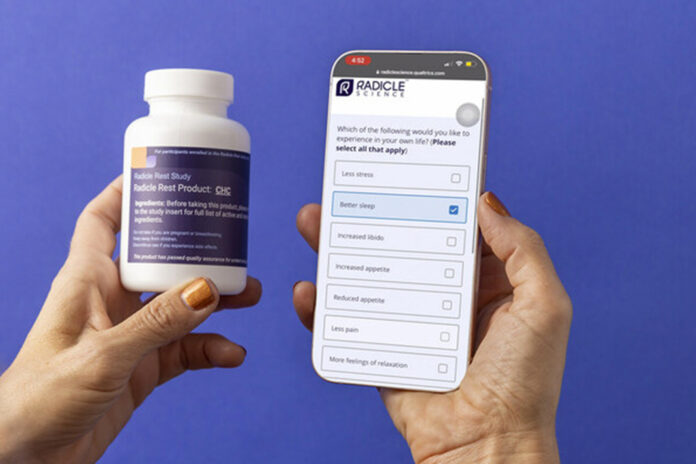
Radicle Science, a pioneer in Proof-as-a-Service, is expanding its standardized clinical trials to address the Federal Trade Commission’s new Health Products Compliance Guidance, with the aim of bridging the gap between supplements and pharmaceuticals.
The company is adding gut health and cognition to its portfolio, in addition to existing study protocols, including general pain, sleep, mood/feelings of anxiety, stress, energy, and quality of life/overall health.
Radicle Science’s double-blind, randomized, placebo-controlled trials enable supplements to make validated claims based on study populations relevant to their target customers, which is a significant achievement given that the supplement industry is defending itself against class-action lawsuits for carrying misleading supplements. To this end, Radicle Science is collaborating with industry thought leaders such as Tom Aarts, and establishing key partnerships with trade groups and retailers, such as the United Natural Products Association and Love. Radicle Science’s innovative approach to clinical research has received recognition from KPMG, UCSF Digital Health Awards, and the City of San Diego’s Innovation Day.
Radicle Science’s innovative clinical research approach has garnered awards including:
• KPMG Top 10 “Tech Innovator” in America
• UCSF Digital Health Awards “Rising Star” finalist in Consumer Wellness
• Named “2022 Cool Company” at the City of San Diego’s Innovation Day
• Selected as the Industry Partner for two University of California San Diego “Innovation Sprints” in technology and marketing
• Chief Research Officer Dr. Emily Pauli won “Woman of the Year in Healthcare” by the International Stevie Awards and the Outstanding Leadership Award by Health 2.0
• Cofounder and Executive Chairwoman Pelin Thorgood was named “Maverick of the Year” by the International Stevie Awards and a “Top 50 Leader in Life Science” by the San Diego Business Journal
• Cofounder and CEO Dr. Jeff Chen was named “CEO of the Year” finalist by the San Diego Business Journal
New Clinical and Financial Opportunities for Labs at the Executive War College Conference on Diagnostics, Clinical Laboratory & Pathology Management
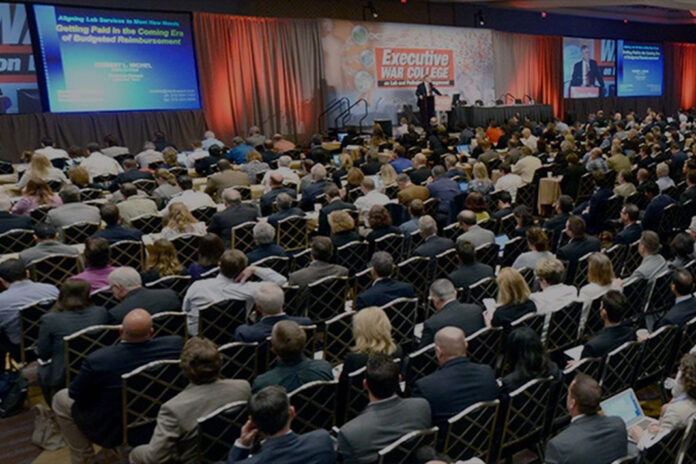
Lab executives and pathologists from many of the nation’s most prominent clinical laboratories will come together on April 25-26 to learn about the latest advances in key diagnostic and digital technologies for increasing revenue, lowering costs, and improving patient care at the next Executive War College on Diagnostics, Clinical Laboratory and Pathology Management in New Orleans. The event will feature more than 75 different sessions with up to 125 lab managers, consultants, vendors, and diagnostic experts as speakers.
“With the passing of the pandemic, this is the ‘year of opportunity’ for all clinical laboratories and pathology groups,” said Robert Michel, Editor-in-Chief of THE DARK REPORT and founder of the Executive War College. “The best place to learn about how innovative labs are taking advantage of new technologies in their daily operations is this year’s Executive War College.”
“Every lab organization should have their managers and best strategic thinkers attend this year’s Executive War College on April 25-26,” Michel said. “This is the time and place for them to learn from the diagnostic profession’s best innovators and gain insights they’ll need to keep their laboratories at the cutting edge of clinical excellence in a financially sustainable manner.”
Sessions will cover the full range of important new developments in lab management. These include profitably repurposing existing PCR automation, how artificial intelligence is transforming digital pathology and streamlining lab operations; how labs are monetizing lab test data; and how next-gen genome sequencers now allow smaller labs to provide genetic tests and gain substantial revenue from these testing services.
In addition to the comprehensive two-day program, there will be additional post-conference workshops on a third day (for an additional tuition) that will feature a comprehensive tour of genetic testing and the use of genome sequencers in the hospital laboratory, ways to build revenue with digital pathology, and LEAN fundamentals for Lab Managers.
The Executive War College welcomes its 2023 Corporate Benefactors: Beckman Coulter, Change Healthcare, hc1, ELLKAY, Clinisys, Quadax, TELCOR, Wave HDC, Coronis Healthcare, US HealthTek, Thermo Fisher, Synergen Health and XIFIN.
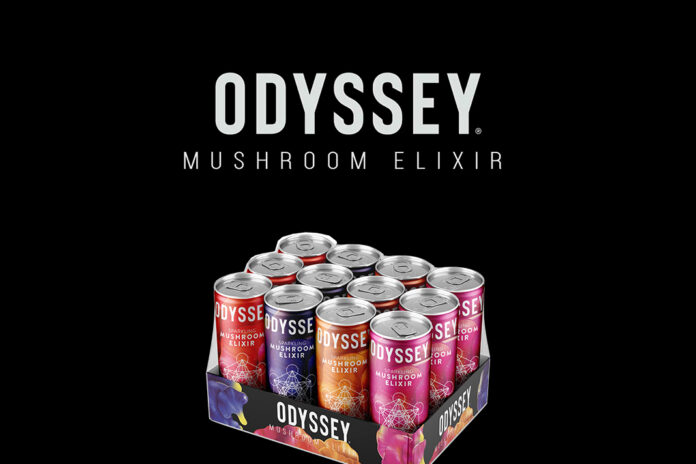
Odyssey Wellness, the makers of Odyssey Elixir, the world’s first sparkling energy drink infused with functional mushrooms, has raised $6.3M in Series A capital, bringing the company’s total funding since inception to $8.3M. The investment will be used to accelerate Odyssey’s growth across all distribution channels.
Odyssey’s unique beverage is disrupting the energy drink market, meeting the demands of a growing global trend for healthier drink options. The drink is infused with 2500mg of fruiting body extracts from functional mushrooms (Cordyceps and Lion’s Mane) along with L-Theanine and Panax Ginseng, delivering the benefits of nootropics, adaptogens, and Beta glucans. The drink promotes brain performance, boosts energy, focus, and mood, without the notorious caffeine crash, artificial sweeteners, added sugar, or other ingredients associated with traditional energy drinks.
“We appreciate the infusion of capital and trust from our investors who bring incredible expertise and will be valuable strategic partners as we continue to build this brand. We believe Odyssey is just beginning to seize the opportunity in front of us as a differentiator in the category that will propel our growth,” said Scott Frohman, Founder and CEO of Odyssey.
The market for Odyssey is driven by a growing number of health-conscious consumers, including Gen Z and millennial creatives, artists, techies, athletes, and others who seek healthier drink alternatives. The company targets the convergence of the $86 billion energy drink and $118 billion functional beverage markets. Since its debut last year, Odyssey Elixir is now available at over 5,000 brick and mortar locations, including natural, conventional retailers, c-stores, upscale bars, restaurants, hotels, and music festivals.
“Odyssey is a purpose-driven company on a mission to upgrade people from their habitual caffeine crash, jitters and burnout to more sustainable energy. By utilizing the power of functional mushrooms and bringing them mainstream, we aspire to expand a growing population of conscious individuals that are more focused, more productive, and passionate about doing good, feeling good, and sharing those vibes with others,” added Frohman.
With the latest capital infusion, Odyssey is well-positioned to expand its reach and offer consumers a healthier and more sustainable energy drink option.
Sintalica Bioscience Achieves Milestones in Psilocybin Mushroom Harvest and Novel Psychedelic Molecule Synthesis for Neuroinflammatory Disorder Treatment
Sintalica Bioscience Corp. has achieved two significant milestones in their drug discovery program focused on breakthrough treatments for neuroinflammatory disorders. Through their partnership with the University of Messina, Sintalica has successfully cultivated, harvested, and processed the first batch of psilocybin mushrooms. Additionally, they have synthesized novel psychedelic molecules designed to reduce hallucinogenic effects, which have been covered by a provisional patent application.
Sintalica’s approach to psychedelic drug discovery aims to enhance the molecule’s strong anti-inflammatory properties while removing hallucinogenic effects. Their research and drug development program focus on neurodegenerative disorders, such as SCI-Induced Chronic Neuropathic Pain, Fibromyalgia, and Inflammation.
Sintalica’s scientific team comprises leading scientists in chemistry, pharmacology, biotechnology, and neurodegenerative diseases, with exclusive partnerships with leading Italian research institutes, including the University of Messina and the University of Niccolò Cusano of Rome.
“We are confident our proprietary molecules and unique formulations will lead to breakthrough treatments for neuroinflammatory diseases,” said Bruce Linton, Chairman, and Co-Founder of Sintalica.
Prof. Salvatore Cuzzocrea, Rector of the University of Messina, remarked, “The successful cultivation of mushrooms combined with the synthesis of unique non-hallucinogenic molecules is a big achievement for Sintalica, the University of Messina, and Italy’s drug development industry. We are now looking forward to starting our drug development program’s next phase.”
Sintalica Bioscience Corp. is a Canadian drug discovery company that operates through its Italian subsidiary. They have filed four provisional patents for proprietary psychedelic molecules with improved stability and safety profiles, reduced hallucinogenic effects, and enhanced bioavailability.
The company is pleased to announce the appointment of Pratik (Tiki) Patel as Chief Financial Officer of the Company.
Mr. Patel replaces Peter Geh as CFO. The Company wishes to thank Mr. Geh for his service and contributions and wishes him well in his future endeavours.
Mr. Patel is a Chartered Professional Accountant who brings over fifteen years of experience in senior accounting and finance roles. His experience includes serving as Head of Finance at Bardel Entertainment and a Senior Corporate Accountant at WildBrain Studios (TSX: WILD).
“We are excited to welcome Pratik Patel to the Sensible executive team,” said Shawn Balaghi, CEO of the Company. “He brings tremendous experience and proven judgment and will be a valuable contributor in guiding our business forward.”
NSF, a company with decades of experience in dietary supplement certification, has developed Guideline 527 to help bolster the integrity of the beauty and personal care industry. The guideline offers a comprehensive program that includes standardized definitions and criteria, label review, formulation requirements, ingredient identity, testing criteria, product purity and physical characterization, and Good Manufacturing Practice (GMP) compliance with NSF/ANSI 455-3 and/or NSF/ANSI 455-4.
The aim of Guideline 527 is to mitigate risk, minimize liability, differentiate products from competitors, and improve trust among customers in the personal care industry. According to Edelman’s trust barometer, consumers consider trust a deal-breaker or deciding factor in purchase decisions, and transparency is more important than price for over 73% of consumers. Additionally, cosmetic product recalls have resulted in significant costs in paused operations and unspecified reputational costs.
Guideline 527 is based on global regulatory and testing criteria for personal care and cosmetics, and it provides a complete program to help ensure products are safe, effective, and meet consumer expectations. It includes standardized definitions and criteria for key terms, a label review process to prevent misleading or false advertising, formulation requirements and ingredient identity criteria to ensure product safety and effectiveness, testing criteria for product safety and efficacy, and criteria for product purity and physical characterization. Compliance with GMP to NSF/ANSI 455-3 and/or NSF/ANSI 455-4 is also required.
As consumers increasingly demand greater transparency and accountability from cosmetic and personal care brands, and the FDA prepares to enforce the Modernization of Cosmetics Regulation Act (MoCRA) at the end of 2023, it has become more important than ever for manufacturers and suppliers to demonstrate the safety and effectiveness of their products.
Guideline 527 is a solution that ensures that beauty and personal care products are safe, effective, and meet consumer expectations. The Contents & Claims Certified mark indicates to regulators, industry, and consumers that the cosmetic, soap, or OTC drug product has been found to be compliant with Guideline 527.