



All In Nutritionals
Home Blog Page 235

Organic market booming, notes the OTA

0
Organic market booming

On September 17 to 18, the Organic Trade Association (OTA), a membership-based organization of organic food companies, held their All Things Organic Conference in Baltimore. This event provided industry members with critical information on the future of organic goods with a focus on consumer education.

“Despite organic sales and accessibility at all-time highs, consumer confusion about organic benefits remains significant,” says Laura Batcha, CEO of OTA. “Consumers need to know the facts about organic so they can make the smartest choices for themselves and their families.”

Worldwide, organic food sales grew 170 per cent to US$63 billion from 2002 to 2011. Moreover, the OTA notes that in the United States alone, eaters purchased US$35.9 billion of organic food in 2014, representing 4 percent of total food sales in the U.S.
However, much of the consumer base still doesn’t know what the organic label really means. According to a 2014 study published in the International Food and Agribusiness Management Review, 17 percent of American and Canadian consumers think organic food is also locally grown, while another 23 percent believe locally grown food is automatically organic.

This year’s discussions included topics like “Understanding Organic Supply Constraints,” “State of the Organic Industry” and “Organic Market and Consumer Trends.”

For more information about the organic industry, the OTA and other events that are organized or attended by the group, visit www.OTA.com.
Overwaitea converts six stores to Save-On banner

0
Overwaitea converts six stores to Save-On banner

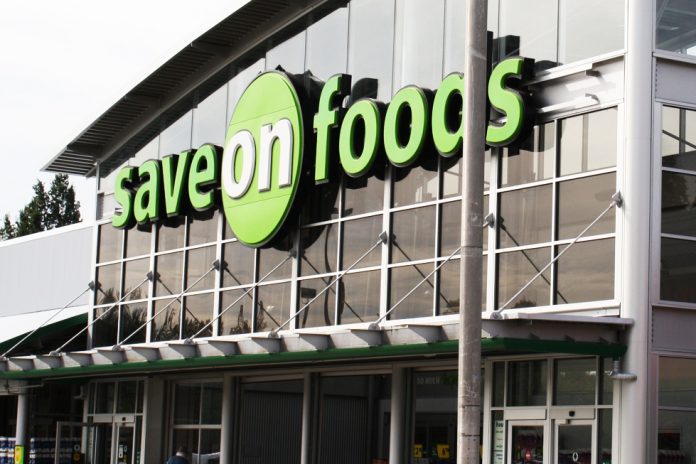
Last week, Overwaitea Food Group announced the conversion of some of its existing British Columbia-based Cooper’s Foods and PriceSmart Foods stores to Save-On-Foods locations.

Recently, Save-On-Foods has become one of B.C.’s most popular grocers: in February, the retailer topped the list of the 20 most loved brands in B.C. Additionally, another study from the Peter B. Gustavson School of Business at the University of Victoria found Save-On-Foods to be among the brands Canadians trust most.

To date, six PriceSmart Foods and Cooper’s Foods locations have been re-opened under the Save-On banner. However, despite these conversions, Overwaitea notes that it has no plans to phase out either Cooper’s Foods or PriceSmart.

“We’re always monitoring the markets where we do business to ensure that we provide the customers in each marketplace with the banners they want to see,” says a company spokesperson. “We’re very focused on making sure that we meet the needs of customers—which vary from community to community—and our multi-banner format allows us to do that.”

While Save-On stores currently operate only in B.C. and Alberta, Overwaitea president Darrell Jones made a July announcement regarding an expansion strategy that will see the opening of new Save-On locations in Saskatchewan and Manitoba next year.

Sobeys Quebec now offers certified humane chicken products

0
Sobeys Quebec now offers certified humane chicken products

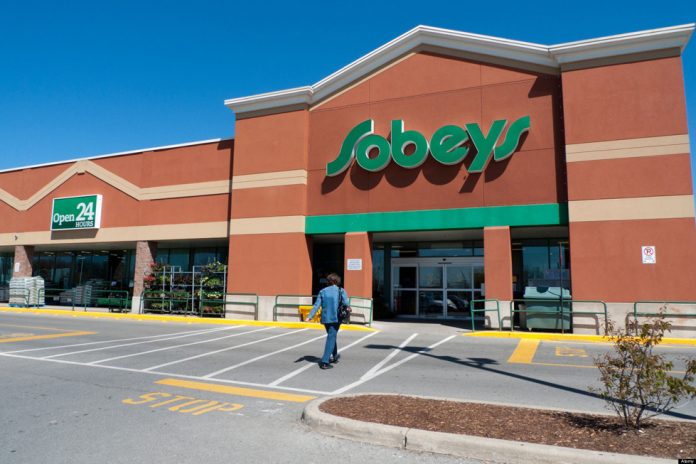
In what is believes to be a first among Canadian retailers, Sobeys Quebec has launched its own brand of humanely certified fresh chicken products as part of its new Compliments Naturally Simple private label. The line includes four ‘Certified Humane’ cuts, including breasts, drumsticks, thighs and flattened chicken.

The new natural Compliments line was launched earlier this summer. Products under this umbrella, which come from animals raised without the use of antibiotics or hormones, are made without the use of artificial sweeteners, colours, flavours or hydrogenated oils.

In addition to those criteria, the Certified Humane certificate ensures that both producers and processors of meat products respect strict standards in terms of breeding, handling, transport, and the slaughter of livestock.

“We feel these new products meet the growing demands of our customers,” says Marie- Noëlle Cano, a spokesperson for Sobeys, “and we’re proud to be the first Canadian retailer to offer them.”

Other Certified Humane brand partners include DuBreton Pork, Aspen Ridge Natural Beef, Blue Goose Poultry and Sunrise Farms, where animals are fed a 100% vegetable grain diet and are raised in low-stress environments.

New York Attorney General’s conclusions about devil’s claw supplements incorrect, says ABC

0
New York Attorney General’s conclusions about devil’s claw supplements incorrect

The American Botanical Council (ABC) has released information stating that the New York Attorney General’s (NY AG’s) investigation on the herb “devil’s claw” has reached an incorrect conclusion. The ABC notes that this accusation is based on the NY AG’s too-narrow interpretation of botanical classifications.

Last week, the NY AG sent cease-and-desist letters to 13 companies that sell herbal supplements made from devil’s claw. In these letters, the organization noted that their products had been tested at the New York Botanical Garden with DNA technology, and that the results of said testing had revealed that the devil’s claw was actually of a different, “less desirable” botanical species than was labeled.

In botanical classification and nomenclature, devil’s claw is usually known scientifically by its Latin name, Harpagophytum procumbens. The DNA tests ordered by the NY AG, however, showed that some herbal supplements actually contain Harpagophytum zeyheri, a slightly different—but very closely related—form of devil’s claw.

“Both species of devil’s claw have a similar chemical profile,” says Thomas Brendler, a medicinal plant expert. “While both species differ marginally in shape and chemical composition, both are considered equally effective.”

Mark Blumenthal, founder and executive director of the ABC, notes that the organization “sincerely [appreciates]” the NY AG’s desire to “help consumers maintain access to high-quality, safe, and effective herbal products.”

“We here at ABC have a similar mission,” he adds. “However, splitting the devil’s claw genus in the very narrow way that they have done in this investigation is akin to splitting hairs — it has no real meaning or value to anyone, particularly the herb consumer.”

Herbal dietary supplement sales on the rise

0
Herbal dietary supplement sales on the rise

According to a new market report published by the American Botanical Council (ABC), sales of herbal dietary supplements in the United States increased by 6.8 per cent in 2014, reaching an estimated total of more than $6.4 billion. This information was published in HerbalGram, the ABC’s quarterly journal.

The article notes that sales in the mainstream market channel—which includes retail outlets such as food, drug and mass-market stores—continued to grow throughout the year, increasing an estimated 2.1 per cent over 2013 sales. Meanwhile, sales in natural and health food stores rose by a stronger estimated growth of 5.2 per cent.

“Consumers continue to demonstrate their interest and confidence in botanical dietary supplements for a wide variety of health reasons,” says Mark Blumenthal, founder and executive director of the ABC.

2014 marks the eleventh consecutive year of increased herbal supplements sales, according to data from previous HerbalGram herb market reports.

Falling loonie forces Canadian retailers to raise prices

0
Falling loonie forces Canadian retailers to raise prices

As the Canadian dollar continues to weaken and the prices of imported goods continue to soar, Canadian retailers are expected to make some tough decisions in the coming months.

In addition to staff layoffs and cutting wages, retailers will opt to hike prices in order to fight the consequences of the loonie’s 16-per cent drop compared to the U.S. dollar over the past year.

According to a survey of large and mid-sized retailers from a Retail Council of Canada study, the major effects of the Canadian dollar’s decline are yet to come.

“We [manufacturers] are constantly trying to balance near term profitability with stable long term growth,” says Aaron Skelton, vice-president brands and business development, GreenSpace Brands. “The variable that challenge us all is the consumers willingness to absorb the exchange fluctuation at shelf. Our biggest advantage is to ensure that consumers understand the value and quality of our products. The greater the consumers understanding, the more loyalty we can generate to sustain purchases after these necessary increases.”

Statistics Canada says that consumer prices have increased by 1.3 per cent in August from July as a result of higher costs for food, housing, home decor and clothing despite cheaper gas prices.

The Retail Council of Canada report does have one positive point – the drop in the dollar has resulted in less cross-border shopping and more spending on Canadian soil.

2015 Consumer Trust Award Winner: Ener-C

0
2015 Consumer Trust Award Winner: Ener-C

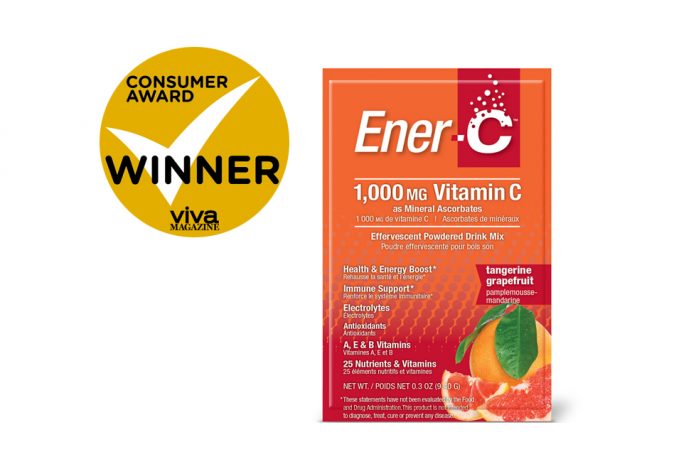
Effervescent and delicious, Ener-C’s Orange Flavour vitamin drink mix helps to boost your energy, immune system and electrolyte count naturally. With fast-absorbing vitamins and minerals and a zesty orange taste, this easy-to-use product packs a swift, electrifying and powerful punch.

2015 Consumer Trust Award Winner: Natracare

0
2015 Consumer Trust Award Winner: Natracare

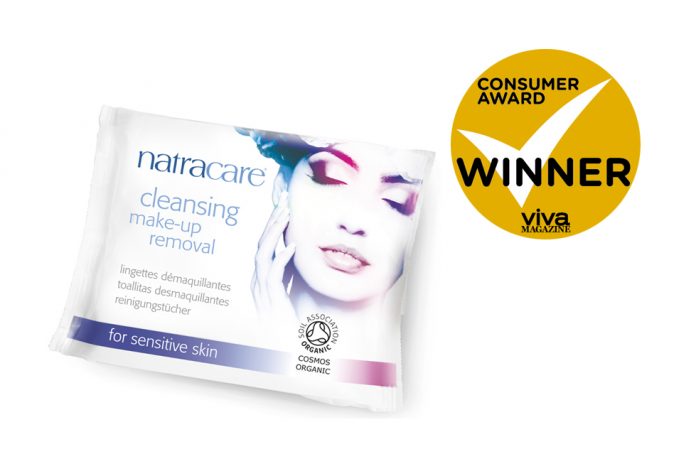
While conventional cleansing wipes can leave skin feeling dry and irritated, Natracare’s Organic Makeup Removal Wipes use only the best natural ingredients to leave the face moisturized, clean and refreshed. Infused with organic almond, apricot and chamomile essential oils, this product is free of harmful, formaldehyde-releasing chemicals.

2015 Consumer Trust Award Winner: Aubrey Organics

0
2015 Consumer Trust Award Winner: Aubrey Organics

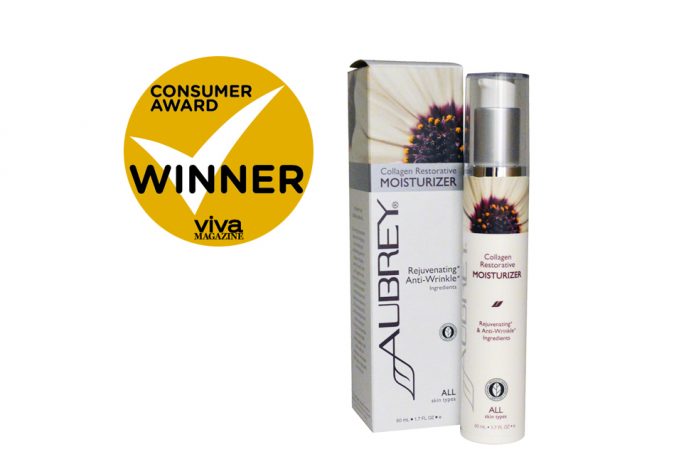
The Aubrey Organics Collagen Restorative Moisturizer for All Skin Types is certified by the Natural Products Association to meet truly natural standards. This firming, restorative moisturizer brings you the nourishing and conditioning powers of collagen and elastin, proteins found in your skin. Together they create a film on the skin’s surface that instantly improves texture and helps hold moisture in. We’ve enhanced it with the long-term firming and anti-wrinkle properties of milk protein peptides to lift and smooth the complexion and reduce visible signs of aging with twice daily use.

Outdoor activity may reduce the risk for myopia in children

0

According to a recent study published in the Sept. 15, 2015 issue of the Journal of the American Medical Association (JAMA), among 6-year-old children in Guangzhou, China, the addition of 40 minutes of outdoor activity at school compared with usual activity resulted in a reduced incidence rate of myopia over the next three years.


Authors of the study say that myopia has reached epidemic levels in parts of East and Southeast Asia. Though there is no effective intervention to prevent the development of nearsightedness, this study shows a correlation between greater outdoor time and reduced likelihood of nearsightedness among children.


“The American Optometric Association (AOA) has long been concerned about the increased incidence of myopia and the impact of the increased visual stress caused by digital eye strain,” says AOA President-elect, Andrea P. Thau, O.D. “The AOA strongly encourages children to participate in outdoor activities and to follow the 20-20-20 rule: for every 20 minutes of reading, computer or close work take a 20 second rest break by looking at things at least 20 feet away.”


Dr. Thau advises children should be encouraged to engage in eye-hand coordination activities and to play sports and other outdoor activities.