All In Nutritionals
Home Blog Page 236

2015 Consumer Trust Award Winner: Gardener’s Dream

0
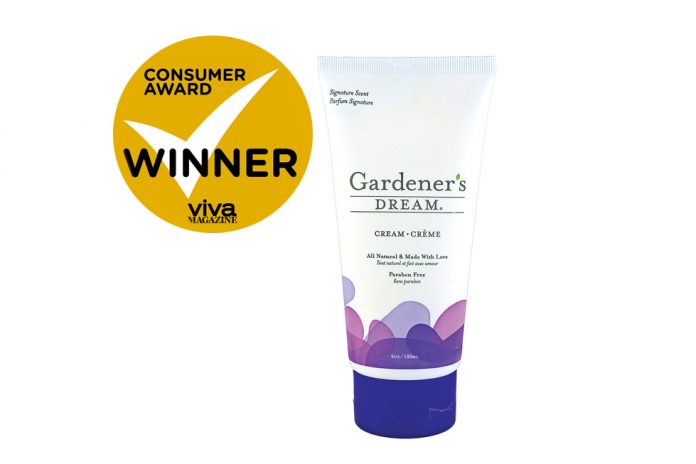
2015 Consumer Trust Award Winner: Gardener's Dream

The Gardener’s Dream Cream is the winner of over 28 National Awards of Excellence for “Best Body & Skin Care Product” and “Best Aromatherapy Product.” It has been hailed as the go-to cream for a variety of ailments.

Gardener’s Dream Cream is the ultimate in vibrational therapy with its infusion of essential oils and other key ingredients.

Since 1989, Gardener’s Dream Cream has been the top choice for a full body treatment. A massage with Gardener’s Dream Cream helps you to relax and its therapeutic aroma creates a sense of wellbeing. This home care cream calms and is a perfect at home spa treatment for tired feet! It’s a perfect gift for anyone who loves natural body care.

2015 Consumer Trust Award Winner: PUR Gum

0
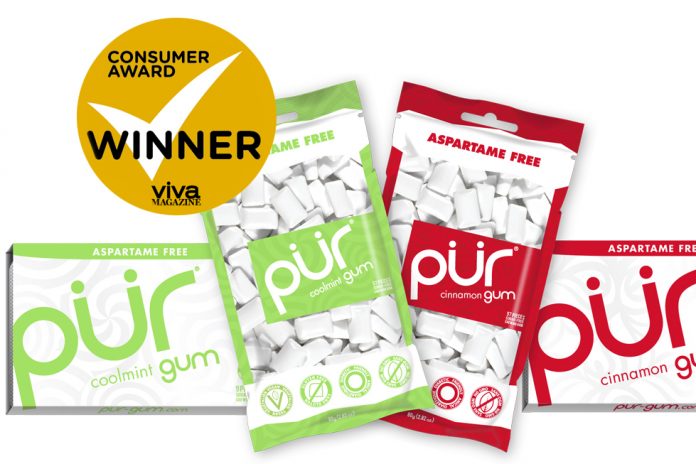
2015 Consumer Trust Award Winner: PUR Gum

PUR Gum is naturally sweet, gluten-free, nut- and soy-free, vegan, dairy-free, non-GMO, diabetic friendly, Swiss-made and safe for pregnant moms!

PUR Gum is naturally sweetened with Xylitol, a natural sugar alcohol derived from non-GMO corn grown in Europe, and doesn’t contain any wheat ingredients making it super safe for those with gluten sensitivities.

PUR Gum is available in six delicious flavours including Wintergreen, Peppermint, Cinnamon, Coolmint, Spearmint and Pomegranate Mint.

2015 Consumer Trust Award Winner: Olympic Dairy

0
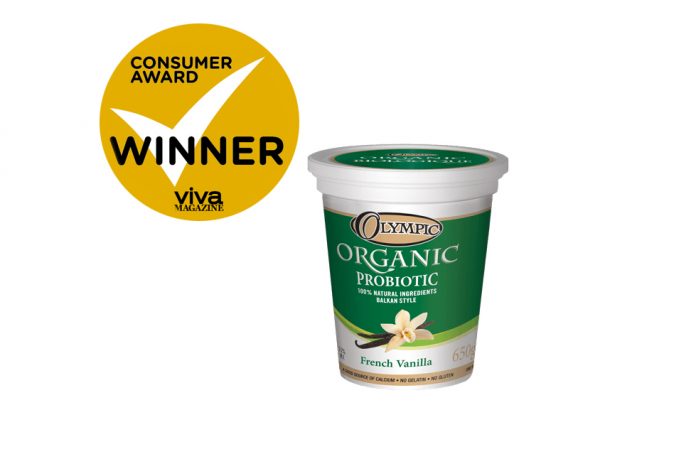
2015 Consumer Trust Award Winner: Olympic Dairy

Olympic Dairy’s Balkan-style yogurt is distinguished by its firm and creamy texture. You can enjoy it plain in the morning, with fruit or chia seeds, for a health break, or as a thoroughly delicious evening snack. The Olympic Dairy Organic Probiotic Yogurt in Vanilla, 3.5%, contains organic whole milk, cane sugar, skim milk powder, vanillas and active bacterial culture.

2015 Consumer Trust Award Winner: AspenClean

0
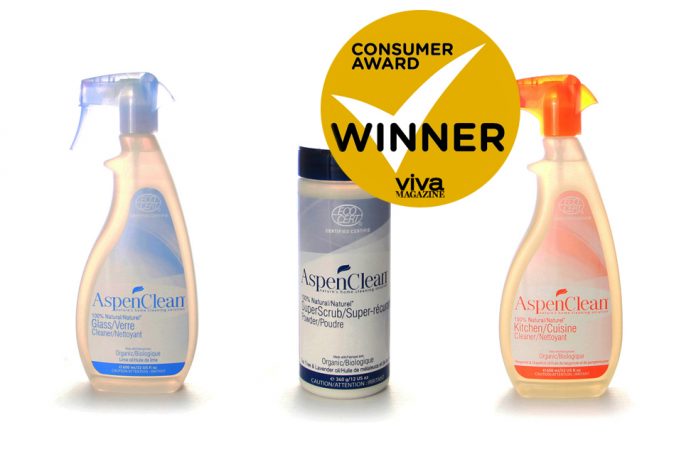
2015 Consumer Trust Award Winner: AspenClean

AspenClean eco-friendly cleaning products are 100 per cent natural ECOCERT® certified and are formulated using only the finest natural ingredients derived from plants or minerals and enhanced with the power of organic essential oils. Cleaning your home with AspenClean products allows for cleaner, healthier homes and a greener environment. AspenClean is also a proud members of the Canadian Health Food Association.

The AspenClean Glass Cleaner with organic lime essential oil is 100 per cent natural, vegan and cleans glass, windows and mirrors without streaks. It’s also safe and effective on kitchen and bathroom fixtures, tiles, chrome and enamel and contains no petroleum, phosphates, parabens, or ethoxylates and Ssulphates (SLS/SLES).

The AspenClean Kitchen Cleaner with organic bergamot & grapefruit essential oils is a foaming cleaner formulated to work best on greasy soils. Safe and effective on multiple kitchen surfaces, it’s septic tank safe and contains no animal ingredients or synthetic fragrances.

The AspenClean SuperScrub Powder with organic tea tree & lavender essential oils is the perfect partner to any of AspenClean’s other cleaning products. The SuperScrub Powder has been specifically designed for all of those tough cleaning challenges around the house, such as sinks, pots and pans, stoves, toilet bowls.

2015 Consumer Trust Award Winner: Natural Calm

0
2015 Consumer Trust Award Winner: Natural Calm

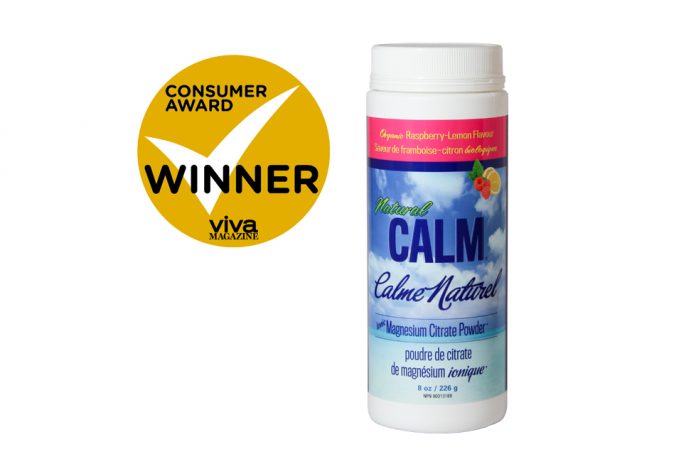
Natural Calm’s Magnesium Citrate Powder (Raspberry-Lemon Flavour) is a vegan, non-GMO product that provides natural stress relief by restoring healthy magnesium levels throughout the body. It’s a magnesium citrate powder made using a propriety process that provides the most absorbable, effective, fastest-acting magnesium available.

Natural Calm’s magnesium becomes ionic when dissolved in hot water to help you relax, alleviate migraines and ease sore or cramping muscles. It can be taken hot as a tea or mixed with cold water after the powder has dissolved. It is a wonderful, relaxing, before-bed drink and comes in five flavours, including raspberry-lemon (tested by our readers).

Canada creates a list of events that should never happen in hospitals

0

According to Never Events for Hospital Care in Canada, a recent report from Health Quality Ontario and the Canadian Patient Safety Institute, many events that harm patients can be prevented using organizational checks and balances.


The report, written by health care quality experts from across Canada, talks about 15 events that can occur while a patient is under the care of a hospital, highlighting strategies that help identify and reduce these events. Some of the “never events” include surgery on the wrong body part or wrong patient; wrong tissue, biological implant or blood product given to a patient and others. The report also highlights strategies to help identify and reduce these events.


“We created this report with the Canadian Patient Safety Institute to help increase awareness for incidents that can be prevented,” says Dr. Joshua Tepper, president and CEO of Health Quality Ontario. “We hope that by calling attention to these 15 never events, Canadian hospitals will rally around them and harness their collective knowledge, expertise and experiences to prevent them from happening.”


“Until now, we did not have agreement in Canada on a list of never events,” says Chris Power, CEO of the Canadian Patient Safety Institute. “National consensus on never events is an important step in identifying focus. It’s not about blaming and shaming. It’s about identifying problems and sharing solutions to prevent these incidents from happening.”


The full report and the complete list of never events here.

New security program introduced for BC pharmacies

0
New security program introduced for BC pharmacies

The College of Pharmacists of British Columbia has introduced DrugSafeBC, a new program that mandates enhanced security requirements for all community pharmacies across the province.

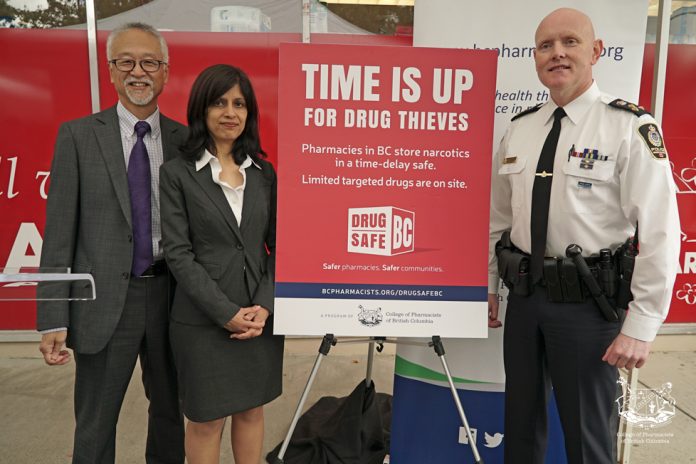
College Board Chair Anar Dossa RPh, and Vancouver Police Department Chief Constable Adam Palmer addressed the media at a Pharmasave in Vancouver. “The College of Pharmacists of BC works to protect public safety and our announcement today shows our commitment to this responsibility,” says Dossa.

The College of Pharmacists of BC administers the Health Professions Act and protects public health by regulating pharmacists and pharmacy technicians and licensing the pharmacies where they practice. It is responsible for making sure every pharmacist and pharmacy technician in BC is fully qualified and able to provide the public with safe and ethical care. DrugSafeBC sets a precedent, making British Columbia the first jurisdiction in Canada to mandate security requirements for community pharmacies.

Pharmacy robberies in British Columbia have increased dramatically over the past seven years, accompanied by increasing levels of violence. By July 2014, the number of pharmacy robberies and break-ins had already surpassed the total number of incidents in all of 2013. To address the rise in pharmacy robberies, DrugSafeBC requires all community pharmacies to store narcotic drugs in a time-delay safe and post standard signage at all external entrances.

There is proven value of using time-delay safes as a deterrent to pharmacy robbery. Walgreens, the largest retail pharmacy chain in the US, successfully introduced a similar program in 2009 and had a 76 per cent reduction in pharmacy robbery rates across 1400 stores. Canadian supermarket chain Safeway also uses time-delay safes within their pharmacies and have not reported a single pharmacy robbery since their implementation.

With a zero-tolerance stance on pharmacy robberies, the College of Pharmacists of BC is promoting best practices to safeguard the safety and well-being of all pharmacy professionals, patients, and the public.

QUICK FACTS
• British Columbia is the first jurisdiction in Canada to establish security requirements for community pharmacies;
• Over 2012-13 there was a 200% increase in pharmacy robberies in the Lower Mainland;
• Weapons are used in 92% of pharmacy robberies in BC;
• The average pharmacy robbery takes less than 2 minutes, with some under 35 seconds;
• Six months after introducing time-delay safes in 2009, Walgreens pharmacy robberies in Washington State dropped from 24 to 3.

Health Canada suggests revised labeling standard for non-prescription acetaminophen products

0
Health Canada suggests revised labeling standard for non-prescription acetaminophen products

Health Canada is seeking input on proposed revisions to strengthen the labeling standard for non-prescription acetaminophen products, to help consumers use these products more safely. As communicated in July 2015, this consultation is one of several steps Health Canada is taking to further minimize the risk of liver damage and improve acetaminophen safety.

Acetaminophen is an ingredient used in nearly 500 non-prescription and prescription products in Canada, including headache and pain remedies, allergy medicines, cold remedies, and narcotic pain relievers. While it is used safely by a vast majority of consumers, acetaminophen – like all health products – has risks, especially if too much is taken or if it is taken for longer than directed. Effects can include liver damage and, in severe cases, acute liver failure, which can be fatal.

The aim of the revised labeling standard is to help consumers more easily identify products that contain acetaminophen, understand the liver risks and use products as directed. The proposed revisions for product packages and labels include:
• a prominent statement declaring the presence of acetaminophen, so that consumers can more easily identify products that contain the drug;
• plainer language;
• a new drug facts table that provides dosing instructions, warnings and other safety information in a quick-reference, easy-to-read format;
• stronger, clearer warnings with respect to liver damage, including stronger warnings about use with alcohol; and
• clearer and more prominent dosing instructions to help prevent the risk of accidental overdose, including statements that emphasize the maximum daily dose, dose intervals and duration of use (i.e. how much, how often, and for how long a product should be taken).

Labelling standards provide standardized information that companies include on their product packaging and inserts, such as information on dose, intended use, directions for use, warnings, and active ingredients. This proposed standard follows a review that assessed acetaminophen and liver injury in the Canadian context, and builds on previous action to address acetaminophen liver risks including a previous update to the labelling standard in 2009 that added stronger warnings on liver damage.
Canadians, health professionals, patient groups, industry and other interested parties have until November 29, 2015, to provide input on the draft standard, which is available online.
More information for consumers on using acetaminophen safely is available in Health Canada’s website.
©2015 PR Newswire


CBA responds to new report on energy drinks

0
CBA responds to new report on energy drinks

The Canadian Beverage Association has issued the following statement in regards to a paper entitled “Energy drinks, alcohol, sports and traumatic brain injuries among adolescents,” published in the journal PLOS One:

The study published today cannot and does not show a causal link between energy drinks and adverse health outcomes. Energy drinks are non-alcoholic beverages which, in Canada, contain approximately half the caffeine of an equivalent-sized cup of drip coffee. According to Health Canada, 93 per cent of all caffeine consumed by Canadians comes from coffee and tea.

This year, the European Food Safety Authority (EFSA) confirmed the safety of energy drinks and their ingredients. EFSA concluded in its risk assessment that other typical ingredients of energy drinks do not affect the safety of caffeine consumption from those drinks, and that caffeine can be safely consumed in conjunction with physical exercise under normal conditions. This authoritative body’s opinion clearly demonstrates that there is no scientific justification for energy drinks to be treated any differently than other contributors to daily caffeine intake.

CBA members support responsible manufacturing, marketing and consumption of their products. Energy drinks are not promoted to be mixed with alcohol, and container labels have a statement indicating that they are not recommended to be mixed with alcohol.

Commitments regarding marketing and sales of energy drinks can be found in Canadian Beverage Association’s Energy Drinks Marketing Code as well as the Canadian Beverage Association’s Industry Guidelines for Sale of Beverages in Schools.

Further information on energy drinks can also be found on Energy Drinks; Canadian Facts and Information.

The Canadian Beverage Association is the national trade association representing the broad spectrum of companies that manufacture and distribute the majority of non-alcoholic refreshment beverages consumed in Canada. Over 58,000 individuals are employed directly, indirectly and through induced jobs in the Canadian beverage industry.

SOURCE Canadian Beverage Association

Boiron®’s Homeopathic Medicine: An Effective Treatment for the Past 83 Years!

0

Boiron Canada, the Canadian subsidiary of Laboratoires Boiron, cordially invites you to an evening with Michèle Boiron, a retail pharmacist in France with over 30 years of experience and author of multiple works on homeopathic medicine. The event will take place on Wednesday, September 30, 2015, from 5 to 9 p.m. at the Montreal Marriott Courtyard, 380 René-Lévesque Blvd. West.


“Homeopathic medicine meets a growing need among health care practitioners and consumers, who are looking for effective, reliable health products,” explains Daniel Dereser, CEO of Boiron Canada. “We’re delighted to provide this opportunity for Michèle Boiron to share her extensive knowledge of homeopathy with Canadian health care professionals,” he added.


From 5 to 7 p.m., Ms. Boiron will lead a workshop entitled “Homeopathic Medication: An Effective Treatment for Today’s Patient” for around 50 doctors and pharmacists. The evening will continue with a dinner talk open to the public, during which Ms. Boiron will discuss her experiences as a pharmacist, including past cases.


This event offers a unique opportunity to talk with Michèle Boiron about the everyday use of homeopathic medicine, especially for relief of cold, cough and flu symptoms. The occasion will also include some surprises and memorable moments, including a live art performance by painter Stéphane Lemardelé.


As places are limited, please confirm your attendance by contacting Marie-Ève Bisson at mbisson@boiron.ca or 450-723-2066, ext. 2305.

More information here.