



Home Blog Page 122

Serving up Sustainability: Announcing Longo’s Brothers Fruit Market New Yonge and Green Lane Location

0

Located at the corner of Yonge and Green Lane in East Gwillimbury, the new store will offer the same exceptional guest experience characteristic of all Longo’s locations, with a specific emphasis on sustainability inside the store.

“With each store, we commit ourselves to ongoing and continual improvement,” said Rosanne Longo, Longo’s Spokesperson. “This could be in the form of unique activations, improved efficiencies, or differentiated offerings that seek to take the best elements of each store and bring them together under one roof. For this store, we wanted to place sustainability initiatives at the forefront.”

Longo’s commitment to corporate social responsibility and sustainability initiatives are well known and this new location is no exception. The new store proudly integrates CO2 refrigeration with heat reclaim, LED lighting, rooftop solar panels, and electric vehicle charging stations.

“Corporate social responsibility and sustainability are not buzz words for us. As a family-owned and operated grocery store, we take pride in using our stores and platforms for the betterment of our community and to reduce our footprint on the environment.  Our guests can expect to see more of these integrations in our future stores,” said Anthony Longo, President, and CEO of Longo’s.

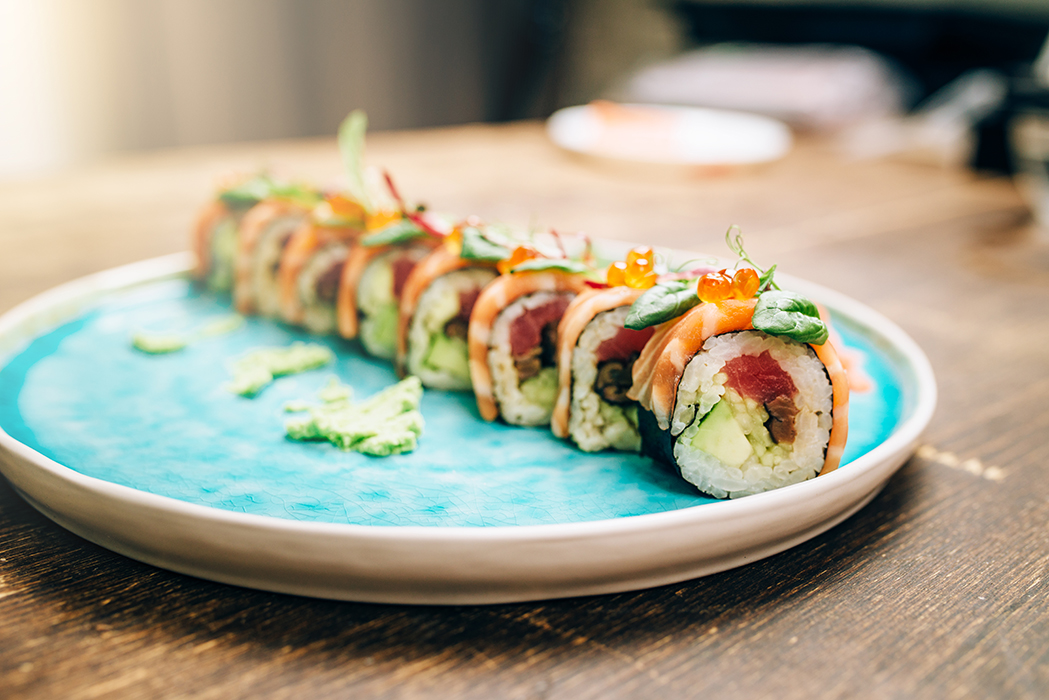
The new store will also offer guests fresh, hand-stretched mozzarella made in-store daily, stone-oven pizzas, an award-winning salad bar, fresh sushi, and a burger bar. Additionally, it will be complete with a full-service Starbucks and Loft Cooking School.

“We strive to be so much more than a grocery store,” said Rosanne Longo. “Through our integration of unique activations and hot, ready-to-eat options, we hope to become a destination for food, entertainment, drink, and exploration.”

To celebrate the new opening, the first 250 guests on September 18, 2019, at 7:00 am will receive a mystery gift card valued from $5.00 to $500.00 to be used in-store. A contest prize valued at $1,000 will also be running throughout the week for new registrants to our Thank you Rewards Card.  Complimentary samples of Longo’s brand products will be available throughout the week.

“We welcome you to experience the latest offering from the Longo’s family which was built with our guests and the unique Gwillimbury community in mind. Thanks for having us,” said Rosanne Longo.

In November, Longo’s will be announcing its new Liberty Village location which will mark the store’s first partnership with Amsterdam Brewery.

Source: www.globenewswire.com

Beyond Meat Announces Q1 Earnings

0

Key Points:

  • Beyond Meat is forecasting full-year revenue to be at least $210 million (vs. $87.9 million in 2018), topping analyst expectations of $205 million.
  • CEO Ethan Brown declared that the company will be aggressively targeting markets in both Europe and Asia as they look to capture part of the $1.4 trillion dollars animal-based meat market.
  • Latest figures show that repeat sales for the Beyond Burger are between 40-50%
  • In 5 years, Beyond Meat plans to underprice animal-based protein in at least one product segment.

Beyond Meat is one of the fastest-growing food companies in the United States. Yesterday, releasing its 2019 Q1 financials and hosting its first earnings call for investors and analysts.

The company reported net revenues of $40.2 million yesterday which is a 215% increase vs. Q1 2018, topping analyst expectations of $38.9 million, according to a survey of analysts by Refinitiv.

Beyond Meat also provided forecasts for 2019, estimating that full-year revenues would be at least $210 million, an increase of 140% vs. 2018.

This is believed to be a “very conservative” estimate, according to CEO Ethan Brown who told analysts that the $210 million dollar figure should be interpreted as a floor since forecasts exclude anticipated revenue streams from QSRs currently testing its products.

For example, the forecasted revenue from a full-scale launch of Beyond Meat products at Tim Hortons, currently piloting Beyond Meat products in select Toronto locations, is not included in the $210 million figure.

Beyond Meat, revenue comes from two sources: retail sales and restaurant and foodservice sales.

Last year, retail sales accounted for 73% of total earnings in Q1 2018. Today, sales from both channels were roughly equal with the restaurant and foodservice channel narrowly edging out retail at 51%.

The increase in restaurant and foodservice sales shouldn’t come as a surprise as Beyond Meat has established a number of partnerships with QSR chains across both Canada and the United States in the early part of 2019; including Carl’s Jr., Del Taco and many more!

As a result, Beyond Meat observed a 491% increase in restaurant and foodservice revenue this quarter vs. Q1 2018!

This momentum doesn’t appear to be slowing down as the company is currently in talks with several other QSR chains to launch additional tests across North American and International markets before year-end.

You might also notice that Beyond Meat experienced a 5% decrease in frozen platform sales, this was expected as the company decided to discontinue its frozen chicken strips earlier this year. This was a strategic decision as Beyond Meat looks to concentrate more on its fresh products moving forward, which grew 304% vs. this time last year.

As I’ve mentioned before, the threat of new entrants into the plant-based protein market is inevitable and we’ve already seen a number of brands enter into this space to compete directly with Beyond Meat; from plant-based companies like Impossible Foods, to traditional animal-based protein producers like Maple Leaf Foods (Lightlife Foods) and more!

When asked how Beyond Meat will fend off competitors, Ethan responded by saying that Beyond Meat has spent years developing a product that has a comparable taste, texture and smell to its animal-based counterpart; and he believes that companies looking to enter into the market quickly will struggle to develop a plant-based protein alternative of comparable quality.

Ethan also mentioned the brand ambassadors that are loyal to the Beyond Meat brand, including well-known celebrities and athletes, which will be difficult for other companies to replicate in a way that remains genuine.

Finally, and perhaps most importantly, they were first to market and have a significant head start.

Today, the first trade for Beyond Meat sold for $126.46; a 27.1% increase vs. yesterday’s close; which represents a 405% increase in share price vs. the original IPO of $25.

Congratulations to Beyond Meat for an incredible start to the year, I know I’m not alone when I say that I can’t wait to see what the future has in store!

by Andrew Ourique
Source: www.plantbasedtoronto.com

PURICA: Nature. Science. You.™

0

The world has changed a lot since then and a big part of that transformation over the past 55 years is in the way we eat and the way we view nutrition as a fundamental pillar of our health and wellness.

To that end, PURICA is a Canadian-owned, Canadian-operated company that has been proud to be part of the natural health movement since 1999. From its original roots as the maker of PURICA Recovery® for whole body health & pain relief, it has also come a long way over those 20 years of serving people who want to perform at the top of their game — people who don’t want to be slowed down by illness, pain or injuries; who want to be able to keep doing the things they love!

That’s why the PURICA vision is a world where you can achieve your fullest potential in every aspect of life, work and play.

Inspired by nature and backed by science, PURICA is committed to creating new horizons in health and wellness by empowering you with the finest whole foods, supplements and lifestyle solutions. The natural health food and supplements company aspires to live, eat and breathe its mantra each and every day, making PURICA all about Nature. Science. You.

That three-part mantra comes to life in the stylized Triskelion emblem that is synonymous with PURICA. Everyone associated with the company is inspired by nature and the ancient traditions of natural medicine and wisdom which have proven themselves for thousands of years.

In addition to that nature-driven focus, PURICA is backed by science; by the research and best practices that ensure that its products work, achieve results and make a difference in the lives of its customers. Essential to PURICA and many of its products – most notably its signature line of micronized medicinal mushrooms – is the unswerving scientific discipline that helps PURICA deliver therapeutic grade and high quality while optimizing bioavailability and absorption.

Most of all, PURICA is driven to provide results for you; results that you can “feel”.

From the flagship PURICA RecoveryÆ and the new PURICA Recovery 3.0, billed as the next generation of inflammation relief and healing support — to PURICA Curcumin 30% BDMC anti-inflammatory, the company is dedicated to producing whole food products that are unparalleled in their quality.

All PURICA products for humans are vegan and most are non-GMO and gluten-free. That is true of the company’s comprehensive line of pure organic medicinal mushrooms – from PURICA Chaga and Cordyceps to Red Reishi and Lion’s Mane and more.

It applies to all of our natural formulations such as PURICA Provascin® cardiovascular support, PURICA Rebalance menopause relief and PURICA Vitality adrenal support.

It covers immunity formulations such as PURICA Complete 360, which provides stress relief and immunity support on the strength of eight medicinal mushrooms and the ayurvedic herb Ashwagandha and the long-standing PURICA Immune 7, which effectively channels the immunity support of six medicinal mushrooms and the natural proprietary blend Nutricol (grape seed extract and green tea). It also applies to PURICA Prevail for cold and fever.

It is true of PURICA Power vegan protein powder, which is infused with Chaga mushrooms.

Simply put, the vegan attributes are synonymous with virtually everything that carries the PURICA brand name and emblem, including new products such as PURICA Curcumin 30% BDMC anti-inflammatory and PURICA Ionicbone vegan bone builder. It even applies to the new – and fun — PURICA Zensations lines, beginning with mushroom cacao mix drinks such as Clear Mind, Chilled Vibe, Evening Calm, Mindful Breath, Vibrant Rising and Universal Harmony. 

The Zensations line reflects the foundational PURICA commitment to making natural health accessible and within the reach of as many people as possible. By infusing these fun new cacao drinks with medicinal mushrooms such as Chaga, Cordyceps, Lion’s Mane, and Reishi, PURICA is opening up a new frontier for the company and for Canadians who want to live life to the fullest.

That frontier is backed by the emphasis that PURICA places on consumer education, helping Canadians navigate through the options available to them in the way of natural health solutions and ensuring they better understand what to look for in whole food products and natural supplementation.

________________________________________
For more information on PURICA and the PURICA Foundation, the company’s charitable arm committed to supporting the full circle of life from vulnerable babies to those facing life-threatening illnesses, please visit PURICA.com and sign up for the monthly Nature. Science. You. e-Newsletter. You can also subscribe to The Triskelion: The PURICA Podcast and follow PURICA on Twitter @puricawellness, Instagram @puricawellness, and Facebook.com/puricawellness.

The Redwood Group, LLC Completes Its Acquisition Of Ceres Commodities, LLC

0

For over 20 years, Ceres Commodities has supplied premium food-grade non-GMO and organic soybeans and other commodities domestically as well as directly into East and Southeast Asian food markets. The Ceres Commodities team’s intimate knowledge of the food soy export market complements Redwood’s ability to continually supply a superior quality product to those markets through its network of non-GMO soybean cleaning facilities.

“We have developed a wonderful relationship with Redwood over the past few years and we look forward to combining our deep customer relationships and logistics expertise with Redwood’s existing business. Our customers can continue to expect excellent service as well as the additional value that we can provide to our buyers and suppliers by leveraging Redwood’s efficient, customer-focused business model as well as their systems and strong balance sheet,” stated Chris Bradley, the previous owner of Ceres Commodities, LLC.

“The Ceres Commodities business is an excellent extension of our Lathrop FSG operations. Lathrop FSG offers a closed-loop supply chain solution, selling seed to its non-GMO soybean growers, purchasing commodity back from those growers, and then cleaning and packaging products to customer specifications. The acquisition of Ceres Commodities further allows us to manage the supply chain to ensure our customers receive the best quality product when they need it,” said Mike Kincaid, President of The Redwood Group, LLC.

The Redwood Group, LLC is an employee-owned supply chain, merchandising and a solutions-based company that focuses on food ingredients, feed ingredients, and energy products.  It is headquartered in Mission, KS, with additional office locations in Omaha, NE and Newport, KY, and with specialized cleaning facilities located in Chester, MTVenango, NELathrop, MO and Pleasant Hill, MO.  Redwood was formed in 2010 with a focus on offering a wide variety of high-quality products and superior customer service.  Redwood purchases and supplies products throughout the United States and Canada as well as imports and exports products to and from customers around the globe.

Protein Industries Canada will begin accepting Expressions of Interests (EOIs) for its second call for proposals on September 1, 2019.

0

“We are excited to issue our second call for proposals as we keep working to advance the value-added processing sector in Western Canada to increase the production of plant protein-based products and co-products.” Chief Executive Officer of Protein Industries Canada Bill Greuel said. “We will once again be accepting EOIs aligned with our strategic objectives in our priority pillars of Create, Grow, Make and Sell.  In addition to creative new uses for proteins and protein products, we hope to see projects related to co-product uses like livestock feed and starch utilization.”

All projects must be submitted by a consortium consisting of at least two Protein Industries Canada members, one of which must be a Small and Medium Enterprise (SME). Projects must demonstrate collaboration between organizations to leverage strengths, address gaps and incent innovation to accelerate the processing of plant protein products and co-products.

“We had an overwhelming response to our first call for proposals that closed at the end of June, receiving 38 expressions of interests,” Greuel said. “This demonstrates the interest in plant protein and the strength of the sector.  We look forward to working with companies of all sizes from across Canada and globally to capitalize on the growing opportunity for plant protein.”

Of the 38 EOIs received in the first round, 16 have been invited to the full project proposal phase. Of the 16 EOIs that proceeded to full project application, 17 per-cent fall into the create category, 11 per-cent into growing, 69 per-cent into making and three percent into selling.  Pulse crops were the main commodity in more than half the projects, followed by canola, hemp and cereals. The value of the 38 projects submitted totalled more than $300 million.

In addition to investing in technology projects, Protein Industries Canada will also invest approximately 12 per-cent of its budget into eight ecosystem priorities: Regulatory Reform; Indigenous Engagement; Talent and Skills; IP Literacy; Data and ICT Management; Global Brand and Trade; Infrastructure Enhancement and Access to Capital. There will not be an open call for these projects, but instead targeted requests to fill identified gaps and needs.

Slovakian Doctor Takes 42 Diabetics Off Medication – With The NFI Protocol

0
Dr. Janka Lejavova, MD

A Slovakian doctor has taken 42 of her type 2 diabetes patients off medication – using an advanced plant-based protocol.

Under the guidance of Dr. Janka Lejavova, MD., the patients followed the Natural Food Interaction (NFI) protocol, a whole-food, a plant-based approach that mixes and matches different plant foods in combinations that are tailored to an individual.

The protocol, which was founded by David Hickman and Zuzana Plevova, has yielded impressive results in trials so far, with a 96.5 percent type 2 diabetes remission rate in patients that have completed the protocol.

Patient success

Among Dr. Lejavova’s success stories was Tereza G, a 33-year-old who has been diabetic for three years. After 13 weeks on the protocol, she lost 15kg and brought her blood glucose into the normal range.

Tereza was worried about having a child with type 2 diabetes, so Dr. Lejavova guided her through treatment, so she would feel in a better situation for potentially having a child.

Another patient, Edward T had struggled for years, trying various diets, and finding nothing helped. After 17 weeks on the protocol, he lost 21kg and was taken off his medication.

In addition, a further 50 patients are due to come off medication in the next month, based on the number of patients following the diet. A total of 600 patients are currently following the NFI protocol from all over the world.

Improving their lives

“I’m really pleased that these patients were able to improve their lives, the NFI Protocol is a method to reverse Type 2 diabetes, but in the end, it is always up to the patient,” David Hickman told Plant Based News.

“Everybody at NFI is always really happy for anyone willing to make a genuine change to their health. We are just happy to be part of their journey.

“The NFI Protocol works for anyone, but it is always up to the patient how exactly they will stick to their personal protocol.”

‘A special feeling’

“It is a really special feeling being able to share the success of this protocol,” added Dr. Janka Lejavova.

“After feeling disillusioned over the last 12 years working in the medical field, I have hope back.

“The NFI diet has not just reminded me why I got into medicine – but allowed me to take action. I’m so delighted I am now able to help patients achieve true health.”

NFI meal plans are available to the public

You can find out more about the NFI diet here, including testimonials. The public can purchase NFI meal plans here.

Type 1 Diabetes and my Vegan Lifestyle | Abby David

0

At that point in my life, I basically didn’t care about anything that didn’t affect me directly… at all.Another part of the reason I would’ve said no is because of my type 1 diabetes. I was under the impression that a vegan diet was all carbs and no flexibility. If you don’t know what type 1 diabetes is, then let me first explain. Type 1 is an autoimmune condition where your body attacks the cells in the pancreas that produce insulin. Type 1 is NOT preventable or manageable by just diet and exercise. In every case, the person affected must take insulin in some form for the rest of their life, whether it be through injections or an insulin pump is up to the individual. About 5% of humans affected by diabetes have type 1. The other 95% have type 2. Type 2 diabetes is the one you hear about a lot more. This type can be controlled by diet and exercise and is the kind you see all the commercials about. When people say “diabetes is becoming an epidemic” and other comments like that, they’re talking about type 2 whether they know it or not. Getting diagnosed with type 1 at the age of 16 was life-changing, to say the least.

At the beginning of the journey, I followed exactly what the Canadian diabetes association told me to do. Eat 5-6 times a day, with the same amount of carbs at each meal and snack. They told me eventually I could be more flexible. They told me to eat whatever I wanted as long as I knew the carb count and it was in range with my regiment. They never told me to eat low carb and they actually had me eating over 150 grams of carbs a day. In the hospital, they fed me so many processed foods like packaged cookies, sugary yogurt, jello, sandwiches… the list goes on. I understand they were doing this because boxed food had exact carb counts on it, but it definitely is not a healthy way to approach food. I ate like this for the first 4 years of my diagnosis, counting carbs on boxed food and avoiding healthy grains, veggies, and fruits.

Fast forward to my third year of college, I had come to a breaking point with my diabetes. I felt so extremely out of control and I was having major spikes and crashes every day. I felt lost and defeated and started missing class and bailing on friends. I began to search for an answer. The only one I could come up with was eating an extremely restrictive low carb high protein/fat diet (which ended up being almost all animal products); this diet included a lot of meat, cheese, and high-fat dairy.

However soon my energy began to fade and my digestive system became completely out of wack, I slowly started to feel like my way of being wasn’t helping my health anymore. Around this same time, I started becoming interested in whole-food, plant-based living. I was initially nervous to take the leap though because of how it might affect my diabetes. But the more research I did on plant-based living and veganism, the more pull I felt towards it. Amazingly -to my surprise- my diabetes cooperated with this new diet. All of a sudden after a week or two of eating vegan I barely had any insulin resistance (which meant I could eat more carbs and give myself less insulin than before).

I was also able to eat with more flexibility without having spikes or crashes. I was filling my body with so many more vegetables, whole grains, and nutrient-dense foods, and my body was thanking me. My energy levels increased and my digestive system went back to normal – I was so happy. The true tipping point was watching the movie Earthlings. If you haven’t seen it you should probably give it a watch, it’s important to stay informed about where your meat comes from and what truly goes on behind closed doors at factory farms. That was 2 years ago and the next day I was completely vegan and I haven’t looked back.

My previously lower thyroid reading was up at a better number as well. I felt completely elated that my new way of living didn’t make my blood sugar worse, but actually better. Even though I do eat more carbs then I used to, I still stick to a moderately low carb diet, that’s just what has worked best for me personally.

There is a group of type 1 diabetics who eat high carb plant-based (extremely low fat) and I did try that eating that way for a bit. Unfortunately, it led to a lot of inconsistent numbers for me and gave me lots of mood swings. For now, I stick to lots of veggies, good fats, protein, and complex carbs. I try to reduce the amount of processed food I eat as well.

Even though my blood sugar is under control 95% of the time, finding a perfect diet for type 1 diabetes will never be possible because food is not the only thing that affects blood sugar. Some other factors are exercise, hormones, sleep, stress, the act of waking up, and so many more. One of the reasons I’m so happy with eating plant-based is because I know its healing the rest of my body as well. I’m taking care of my health as a whole instead of just one aspect. Now that you know my story, here are some pointers I would give to anyone looking to switch to a plant-based diet who are concerned about their blood sugar.

By Abby David
Source: www.plantbasedtoronto.com

Cosmetic Laser Market is Predicted to Boost its Value by year 2026

0

It is used for treating many medical conditions such as aging skin problems, age spots, fine lines, and wrinkles on the face birthmarks, spider veins, droopy, dry, sagging eyelid skin, and dark circles. Further, it can also be used in uneven skin tone correction and texture, smokers’ line, vascular lesions, and skin tightening.

Significant increase in the preference for non-aesthetic procedures and technical advancement in laser technology are the major factors that drive the Cosmetic laser market growth. In addition, surge in adoption of the non-invasive procedures, rise in cases of skin damages, increase in medical tourism & ever-changing lifestyles and reduced procedural expenses propel the cosmetic laser market growth. Other factors such as enhanced implementation of aesthetic procedures, development of laser technology, increased focus on body appearance among both men and women, high disposable income in developing economies fuel the market growth. However, factors such as less emphasis of manufacturers on aesthetic devices, strict regulations by the government on the usage of cosmetic lasers, and lack of reimbursement are anticipated to hamper the market growth. Conversely, development in fillers, lasers, and injectables are estimated to create lucrative opportunities for cosmetic laser market in the near future.

Several advancements have been witnessed in the recent years in laser and light-based devices. For instance, a new hair removal device called Soprano Titanium has been introduced by main players such as Alma Lasers. This device features new 4 cm spot-size Quattro 3D applicator handpiece, delivering three laser wavelengths: 755 nm, 810 nm, and 1064 nm to treat different types of skin. Cosmetic companies such as Candela and the Vascular Birthmarks Foundation have partnered together to provide pro-bono laser treatments. In addition, in 2018, Cutera introduced Pico genesis that helps in treating skin pigmentation, which also enhances the patient’s skin complexion.

The cosmetic laser market is segmented based on product, modality, application, end user, and region. On the basis of product, the market is segmented into ablative, non-ablative, and laser. Based on modality, the market is segregated into pulsed dye laser (PDL), YAG laser, carbon dioxide laser (CO2), Erbium, Intense pulsed light (IPL), radiofrequency, infrared, and others. Based on application, it is divided into hair removal, skin resurfacing, vascular lesions, scar and acne removal, body contouring, and others. Based on end user, it is classified into hospitals, skin care clinics, and cosmetic surgical centers. On the basis of region, the market is studied across North America, Europe, Asia-Pacific, and LAMEA.

The report provides a comprehensive analysis of the key players operating in the global cosmetic lasers market are Alma, Candela, Cutera, Cynosure, Deka, Hoyoconbio, Lumensis, Palomar, and Syneron, Aerolase El.En. Spa Lumenis Ltd., Aerolase Corporation Sciton, Inc., Sharp Light Technologies, Fosun Pharmaceutical, Syneron Medical Inc., and Solta Medical. The other players in the value chain include Aerolase Corporation, Iridex, ALLTEC GmbH, and Fotona.

Key Benefits for Stakeholders

  • The report provides an extensive analysis of the global cosmetic lasers market size, current market trends, and future estimations of the market.
  • The analysis is comprehensively covered with respect to the component, application, and region.
  • The growth estimations in this report are based on high-end analysis of the key developments for 2018–2026.
  • Recent developments, key manufacturers, and top player positioning are listed in this report to analyze the competitive scenario of the cosmetic laser market.

Key Market Segments

By Product 

  • Ablative
  • Non-ablative
  • Non-laser

By Modality 

  • Pulsed Dye Laser (PDL)
  • YAG Laser
  • Carbon Dioxide Laser
  • Erbium
  • Intense Pulsed Light (IPL)
  • Radiofrequency
  • Infrared
  • Others

By Application 

  • Hair Removal
  • Skin Resurfacing
  • Vascular Lesions
  • Scar and Acne Removal
  • Body Contouring
  • Others

By End User 

  • Hospitals
  • Skin Care Clinics
  • Cosmetic Surgical Centers

By Region

    • North America
      • U.S.
      • Canada
      • Mexico
    • Europe
      • Germany
      • France
      • UK
      • Italy
      • Spain
      • Rest of Europe
    • Asia-Pacific
      • Japan
      • China
      • India
      • Australia
      • Rest of Asia-Pacific
    • LAMEA
      • Brazil
      • Saudi Arabia
      • South Africa
      • Rest of LAMEA

Pneumonia Vaccine Market to face rise in demand by the end of year 2025

0

According to a new report published by Allied Market Research, titled, “Global Pneumonia Vaccine Market by Vaccine, Product, Sector, and Distribution Channel: Opportunity Analysis and Industry Forecast, 2018 – 2025,” the global pneumonia vaccine market is expected to reach $10,215 million by 2025, registering a CAGR of 5% from 2018 to 2025, in terms of value.

Pneumonia is a lung infection that occurs in one or both the lungs caused by bacteria, virus, or fungi; however, bacterial pneumonia is the most common form occurring in adults.

Pneumonia results in inflammation in the air sacs (known as alveoli) of the lungs, which results in filling the alveoli with fluid (pus cells), thus causing breathing problems. Pneumococcal disease is common in young children, but older adults are at greatest risk of serious pneumococcal infections and even death.

Pneumonia vaccines are primarily administered to children less than 2-years old and adults aged 65 years and older. This vaccine helps individuals provide immunization against 13 types of pneumococcal bacteria that causes infection in the lungs.

The key factors that drive the growth of the global pneumonia vaccine market include increase in prevalence of pneumonia across the globe, rise in government focus on immunization programs for pneumonia, and introduction of novel pneumococcal vaccines such as PCV10. However, longer timelines required for pneumonia vaccine production and high costs associated with development of such vaccines restrain the market growth. Development of protein-based combination pneumococcal vaccines is expected to offer lucrative opportunities for the expansion of this market during the forecast period.

Based on type, pneumococcal conjugate vaccine (PCV) is expected to maintain its dominant (more than half of the market share in 2017) position during the analysis period as it is been widely prescribed as compared to pneumococcal polysaccharide vaccine (PPV).

Based on product, the Prevnar 13 segment held the major market share in 2017 and is expected to dominate the market throughout the forecast period, owing to the wide usage and its efficiency in pneumonia prevention.

Based on distribution channel, the distribution partner companies segment held majority of the market share in 2017, owing to the wide coverage of the private entities. This segment is expected to dominate the market during the forecast period due to majority of private vaccines purchases which are comparatively expensive are distributed from these companies. Hence, the distribution partner companies hold larger share.

Based on sector, the private sector dominates the overall market for pneumonia vaccines and is expected to dominate the market throughout the forecast period due to the higher prices of the vaccine in the private market.

North America accounted for nearly three-fifth of the global market in 2017 and is expected to remain dominant throughout the forecast period. This is attributed to the higher prevalence in the developing countries such as India and China, increase in government healthcare expenditure, rise in demand for better healthcare, and surge in number of childbirths in the region. Moreover, government support and development of protein-based combination pneumococcal vaccines are the factors expected to present new growth opportunities to the players in this market.

Key Findings of the Pneumonia Vaccine Market:

  • The pneumococcal conjugate vaccine (PCV) segment is expected to grow with a CAGR of 5.1% from 2017 to 2025.
  • Prevnar 13 vaccine is expected to be the fastest growing product with a CAGR of 5.1%.
  • The distribution partner companies held approximately half of the global market share and is expected to remain dominant throughout the forecast period.
  • The private segment held more than threeforth share in the global market and is expected to remain dominant throughout the forecast period.
  • Asia-Pacific is expected to be the fastest growing region, registering a CAGR of 6.6% during the forecast period.

The report provides an extensive competitive analysis and profiles of the key market players such as Glaxosmithkline plc., LG Chem Ltd., Merck & Co., Inc., Panacea Biotec Limited, Pfizer Inc., Pnuvax Incorporated, Serum Institute of India Pvt. Ltd., Shenzhen Kangtai Biological Products Co., Ltd. (Beijing Minhai Biotechnology Corporation Limited), SK Bioscience, and Walvax Biotechnology Co., Ltd.

Healthy Planet Celebrates Grand Opening of Four New Stores in Ancaster, Cambridge, Milton & Ajax

0

In addition to a sale of up to 70% off at each store location, customers can enjoy the festivities with some food, drinks, swag bags, and a social media contest with draws being held in-store for event attendees only. Prizes to be won include Healthy Planet gift cards, bicycles, Vitamixes and Fitbits.

There will be 100 swag bags available to be scooped at each location, on a first-come, first-served basis. For more information on these events or to learn more about Healthy Planet visit HealthyPlanetCanada.com or follow
@HealthyPlanetStore on Facebook, and
@HealthyPlanet on Instagram.

About Healthy Planet Canada
Healthy Planet started in 1995 and today is one of Canada’s fastest-growing health and wellness retail chains, with stores across Canada, and an online store that is open 24/7. Healthy Planet is passionate about sourcing the highest quality supplements, vitamins, sports nutrition, health foods, organic grocery, bath & beauty, and eco-friendly products at the lowest possible price. With a philosophy rooted in making the world healthier and greener, Healthy Planet takes great pride in aligning with socially responsible manufacturers and distributors to ensure its customers live their best and healthiest life.

To learn more about Healthy Planet visit HealthyPlanetCanada.com.