




Home Blog Page 317

David Chapman

0
David Chapman

The Business of Change

David Chapman says goodbye to Purity Life, yet admits he is not ready to retire. He learned some valuable lessons while making a name for himself in the industry and now he’s ready to share them.

By Carlos Weigle

Photography by Julie Broadbent


David Chapman’s story is somehow similar to those of many other entrepreneurs: tried a few different businesses, wanted to do things his way, was daring, ambitious and also idealistic. The difference between Chapman and others is that not only did he find his way, he also built an impressive career and became someone highly respected in his industry.

After founding Purity Life with his wife Elyse and turning it into the powerhouse it is today, he decided to (partially) retire. While he’s taking a well-deserved break and preparing for the next phase in his life (which includes consulting for companies in the industry), he agreed to look back at some of the challenges he faced, as well as some of his accomplishments.

It all started with a need to break the rules. “I guess the best way to explain it is I’m a child of the 60s, which means I was naturally a little bit of a rebel to the establishment,” explains Chapman, “and for some reason, I always knew that medical science and conventional medicine were very narrow in their approach.” Sadly, rebels such as Chapman are as necessary today as they were back then: “Things haven’t changed much since; in fact, they’ve been reinforced,” he adds.

Chapman started his professional life as an accountant, which he found limiting. That’s when he had the opportunity of becoming a wholesaler, and everything changed. “I quickly realized that’s what I wanted to do,” he says.

He ended up selling his first wholesaling business (computer components) and looking for what he was going to do next. One of the fields that caught his attention was solar panels and renewable energy. “This was back in 1983,” he recalls, “and I quickly realized it would require tons of money to get into that business, which was in its infancy back then.”

Chapman’s future clearly lay elsewhere, though it was clear he was interested in following the less-traveled path. He then bought Prevention magazine and found out about various products that were being sold by mail order. That’s when he had the idea of approaching some of those companies and asking them, “How would you like to sell your products in Canada?” He was soon selling an innovative type of knee support, and apricot kernels, which were believed to have anti-cancer properties.

Then along came Lavilin, a unique long-life herbal deodorant. “This one really worked,” says Chapman, “so much so that, after 27 years, we’re still selling it at Purity Life.” An American company had the rights for the product for North America and had done advertising in the U.S., which helped get interest in Canada.

The deodorant wasn’t a sensation overnight, and Chapman found himself waiting for his phone to ring. Fortunately, he met someone who worked for a natural health magazine, advertised his product there, and finally started selling it to health food stores across the country. “We were successful, though we lost a lot of money the first six months; after that we started earning a little bit of money,” he says.

“About two years after I was in business, I went to my first show, which was in Washington, and I picked up many product lines there. By then my wife had also joined the business. We basically grew from there and took off,” recalls Chapman.

Even though he concedes that “we were at the right place, at the right time, in the right industry,” he also recognizes that two other big players in the health food sector, which started around the same time he did, eventually went under. Being at the right place at the right time certainly plays a role in helping a business grow. However, as those two competitors found out, it also requires being led by uniquely talented people such as the Chapmans.

By 2000, Purity Life was doing really well. It was recognized as “supplier of the year” by the CHFA and business was booming. Yet it was then Chapman decided to take the company to the next level and create its own brands: “That was sort of a major breaking point for us. We had helped some other companies build their brands in Canada and we were, quite frankly, heartbroken when in spite of our success they decided to go elsewhere. It was very disappointing since we had done all the branding work for them. So we quickly understood that one of the problems of being a broker or distributor is that you help suppliers and they are not always loyal.”

Opportunity knocked when Vita Health was bought by another company and decided to sell its distribution business as well as its brands. That’s when Chapman decided to buy the Nature’s Harmony brand. “That was our real big launch into brands and we continue to sell Nature’s Harmony in health food stores to this day,” he says.

It was a good deal, since Purity Life wasn’t carrying any vitamin brands at the time, and Chapman ensured his own brands weren’t competing with the ones he was already distributing. That strategy hasn’t changed. “We’re still primarily a distributor,” says Chapman. “Of course, we focus on our own brands, yet always making sure we’re looking after our distribution brands.”

Another crucial moment in Purity Life’s evolution came in 2006, when Chapman decided to sell his company to SunOpta. “We had been approached a couple of times before and I always said no, because I didn’t know what I was going to do if I sold the company,” says Chapman. “Finally, SunOpta made us a good offer which included me staying on for five years, so we accepted it.”

Throughout the years, Chapman has not only played a key role in our industry, he has also witnessed the many changes it’s been through. As he points out, “we went from being basically a collection of ‘mom-and-pop stores’ headed by often interesting characters, hippies and rebels, to a more businesslike environment. Yet we’re still keeping up with the basic spirit of the industry, which is helping people.”

The changes that happened at the company level were also reflected in the trade associations that represented those companies. “I’m very pleased to see that the CHFA has become a very professional organization, one that is doing a tremendous job at supporting the industry, as well as dealing with regulatory issues.”

Again, Chapman was part of that transformation, as he was a CHFA board member for over 20 years. When recalling some of the main battles he faced during that time, he doesn’t hesitate to point out “the policies and attitudes of Health Canada,” issues he feels have been addressed. “Health Canada takes our industry seriously now.”

Of course, he’s well aware that some of his colleagues disagree with him and have some strong (negative) opinions when it comes to the regulatory body. “I agree that some of Health Canada’s policies are absurd and some are difficult, yet for the most part we are selling a lot more products than we did five or 10 years ago, many more, in fact,” says Chapman.

On that note, he also says that “those of us who have done the work to register our products are becoming more and more frustrated with the whining of people who have not done any or very little regulatory work and are still complaining that their products aren’t registered.” Chapman doesn’t hide how he feels about some of his colleagues in the industry: “I’m a little frustrated by some of the carrying on that I hear all the time. We’re not dealing with a perfect system; still; it’s better than the one we used to have and that’s what people need to be reminded of.”

As an example of how the situation is indeed better, Chapman emphasizes that “there’s a long list of products, such as amino acids or melatonin, that were unavailable to us, and that we’re now selling and quite reasonably.” Health Canada’s policy on the requirements to get new multi-ingredient products approved is something that is not that reasonable to him. Chapman adds that some of the clinical research studies required “are expensive and not realistic, and need to be changed. So I agree there are definitely wrongs in the system, yet again, at this point, they are listening to us and they are working on a new policy that would be more reasonable.”

As someone who survived numerous ups and downs and built a company strong enough to be coveted by the competition, Chapman has a few words of wisdom for those who want to “make it” in the industry. He points out that “we have to accept we are going to be regulated, whether we like it or not.” According to him, another key factor for any successful company is to “come up with products that are going to make a difference in people’s lives, support those who are doing regulatory work, and support innovation.”

Pricing, of course, is also crucial. “It’s not just price. So many people are hung up with that; it’s also service, it’s everything else you bring to it.” Chapman believes another important reason why so many businesses don’t survive nowadays is that some of the people involved in them “have no business training and don’t understand simple concepts such as margin.”

Speaking of pricing, does he feel smaller retailers have a fighting chance when it comes to competing with some mass marketers that are now selling supplements and natural health products? “Well, if they’re trying to compete pricewise on products such as vitamin C, of course it will be very tough. Yet I think health food stores, if they stick to what they do well, which is knowledge and education, will always have their niche.”

Chapman feels now is a good time to share some of the knowledge he gained through the years and help others in the industry. “I can potentially save some people a fair amount of heartache.” He believes he can, for instance, help Canadian companies enter the desirable and ever-growing Asian market.

“There are certainly opportunities there – the Chinese like to buy North-American products because they’re often afraid of their own. As it happens, the same publicity that hurt Chinese manufacturers in Canada, hurt Chinese manufacturers in their home country.  The saddest part is that it’s not true: there are a lot of really good, very-high-quality Chinese manufacturers.”

The man who admits he is “not ready to sail into the sunset yet” still has a lot to contribute to the industry. Chapman can be reached at david@adeptcanada.ca. Many will undoubtedly be willing to listen.

Great success from small beginnings

0
Great success from small beginnings

Omega Alpha helped pave the way for the natural products industry

By Jessica Uniac


Not many businesses have a company name they can say sums up and represents the goals they  achieved

in their industry in just two decades as a nutraceuticals manufacturing company. Toronto-based Omega Alpha Pharmaceuticals can make this claim.

“We thought, we’re just a small company starting up – one  day we will be a much bigger company,” says founder and custom manufacturer Dr. Gordon Chang, on how they chose their name. Chang received his Ph.D. in physiology from the University of Toronto, Institute of Biomedical Engineering, more than 20 years ago.

Soon after, Chang chose a career in OTC pharmaceutical manufacturing for natural health products. After jumping through hoops for Health Canada to become GMP certified, and while making contacts in the industry and landing some small U.S.-based contracts, Chang knew that what he wanted to do was possible. “When we started, it was in 1992,” he recalls, “You have to remember back then there was just a sprinkling of interest in natural products. You didn’t have a lot of people beating down the door to buy the stuff we were producing.”

The companies that were making money back then were selling items such as multivitamins, sticking with what consumers knew. Natural products hadn’t hit the mainstream yet. “I think that is why we were able to get into the industry,” Chang says. “The competition wasn’t as stiff. If I wanted to get into the industry today, I would have to have a lot more money.”

There have always been skeptics when it comes to natural health, and back then the industry was lacking legitimacy; there were few people accepting natural products as beneficial to their health. “Yet, if everyone sat down to think about it, they would realize that most of the drugs that were available had their humble beginnings from an herb. I always use the classic example of Aspirin,” says Chang, citing the well-known substance that originated from willow bark.

Over the years, the industry has gained credibility, with the general public coming around to believe herbal products could be useful. It also helped to have Chang’s academic credentials to give the company legitimacy, in addition to a pharmaceutical license to manufacture, which encouraged people to believe in the products.


Regulations are good

With the new regulations set by Health Canada, it is a common complaint by many manufacturers that it is very hard to get new natural health products approved. Omega Alpha, however, ultimately sees this as being valuable. “There’s probably going to be products for which we will never be able to get an NPN. There are many reasons for that. One of the major ones is that Health Canada still hasn’t figured out how to handle some of these products. As a company, we’re at the stage where the regulations are a good thing just because the general buying public will have a lot more confidence and trust in the products we produce,” says Chang.

In terms of Omega Alpha’s top sellers, the products the public is comfortable with, such as vitamin D, are very popular. Chang says, “We have a calcium magnesium product in liquid form and also in a capsule. The difference with this cal-mag is that we have included the trace minerals you would normally need, which are not always found in cal-mag products. We have detox products – our Lung Flush, Liver Flush and Kidney Flush. We have an Active Living line, which includes bone and joint products, and we have probiotics and more.”


Products for pets

Always on the edge of innovation, Omega Alpha manufactures a product line for pets. “About 10 years ago we launched a line for the equine market,” Chang recalls. “We are actually the leaders in the equine market in Canada right now. What was happening was that all these people who ride horses had pets, and I kept getting phone calls from everybody asking me, ‘can we use this on our cats?’ or ‘can we use this on our dogs?’ because they were seeing these great results in their horses.”

So after getting repeatedly asked, about four years ago Omega Alpha decided to launch a pet line. North Americans treat their pets like family, and pairing the needs of these pet owners with a 20-year-old, highly trusted brand means it’s no surprise this is a growing product category. They started off with products such as detox for pets, as well as focusing on joint health and probiotics.

“We did not go off the deep end and say, ‘we will cure your dog of cancer’ or something like that,” Chang says. “To be fair, when we first came on the market with it, it was like pulling teeth, like anything else. Yet we sank money into the advertising; we did a lot of trade shows, and so on.”

Chang adds that Omega Alpha is not at the point where the pet product line can be a stand-alone, yet they are planning to go into the U.S. with some of their equine and pet products soon. “And the reason we’re going in with those two is because we’re so very unique in that area.”

When asked what he predicts in terms of product development in the next 10 or 20 years, Chang says, “There’s going to be a lot of opportunity out there for different and new products to come down the pipe. Yet again, with the new regulations in place, it’s going to be a lot more difficult to introduce some of the new ingredients. What I see happening will probably be a lot of different combinations of known ingredients that are already out there.”

A great resource Omega Alpha offers consumers is the opportunity to learn – from Chang and his education team – about the products, including what’s in them, how they work and what health issues the products are serving. “We have set up teleseminars that you can call in to, or join us on the Internet for education on our products and on different themes, such as boosting the immune system, what exactly that means and the science behind it,” says Chang.


The Rwanda vitamin

Another way Omega Alpha reaches out is to make many charitable donations. The one that seems to be the most noteworthy comes in the form of a vitamin supplement. Chang created a multivitamin specifically for a Rwandan orphanage and the people there who were malnourished. For a manufacturer of supplements, this makes perfect sense. Chang calls it “the Rwanda vitamin.” He understands that one vitamin isn’t going to change a life, yet what he is trying to do is “contribute to the health and well-being of these severely disadvantaged kids.”

Omega Alpha has also donated to an order of nuns working in Guatemala where many of the orphans are very malnourished. They have used the parasite cleanse and nutritional products to help nourish the kids back to good health.

In addition, they also donate human, pet and  equine products (or money) to organizations such as the Thunderbird Adoption Society, Out in the Cold and numerous local and national animal shelters. Chang’s generosity far exceeds his memory and even he was surprised to learn (when we checked with his staff) that Omega Alpha donates annually to about 100 charitable, business, spiritual and athletic organizations.

Pumped for Success

0
Pumped for Success

Now with an office in Canada, MusclePharm offers premium sports supplements for athletes and workout enthusiasts

By Emma Nicholson


When searching for an effective sports supplement to enhance athletic performance, who better to trust than an experienced athlete? Creating products backed by industry experts is the premise behind leading sports supplement company, MusclePharm. Living the MusclePharm lifestyle, members of the company use the products daily and train at the company’s testing facility, dedicated to creating the leading advanced sports supplement.


Starting blocks

During his years playing for the Indianapolis Colts and Miami Dolphins, Brad Pyatt witnessed colleagues suffering injuries after taking ineffective performance-enhancing supplements. Frustrated by supplement advertisements’ empty promises, the National Football League (NFL) star was inspired to develop his own line, and he created MusclePharm in 2008.


International draft

This April, MusclePharm opened its first Canadian office. MusclePharm Canada is a division of MusclePharm, headed by president and chief executive officer (CEO) Renzo Passaretti. With 15 years’ experience as CEO and president of American Nutrition, and an athletic background as a former Edmonton Eskimos player, Passaretti shares Pyatt’s expertise in the industry.

MusclePharm has been available in Canada for a few years, and currently, 14 of the company’s products are sold in Canada. “We sell all [MusclePharm products] except for the Shred Matrix right now. We’re trying to get a response back from Health Canada,” says Passaretti.

Although the Natural Health Product Directorate approved Shred Matrix in the form of submission numbers, the product was rejected due to its formula. “The [Canadian] government has changed their minds three or four times about putting synephrine and caffeine together,” Passaretti says.

Currently, products containing synephrine and caffeine combinations are not permitted to be sold by distributors in Canada. However, Passaretti points out that the FDA has approved Shred Matrix in the U.S., and that consumers are legally able to bring three months’ servings of the product into Canada. The issue, he says, is that “Health Canada will not approve it for sale within Canada, even though consumers can buy it on the Internet and have it shipped in, or bring it in across the border—it’s permitted. American distributors are allowed to sell into Canada via the Internet even though Canadian distributors are not.”


Performance training

MusclePharm products are analyzed both on the field and in the lab. Elite athletes test the effectiveness of the products through intense training at the 35,000-square-foot MP Sports Science Center in Colorado. The state-of-the-art facility includes a 20-foot MMA (mixed martial arts) cage, Omega Wave® performance optimization technology, physical therapy machines and a HydroWorx® pool with an underwater treadmill.

The rigorous product formulation process has created a successful line of supplements, the core of which is made up of creatine monohydrate and glutamine. “Creatine is used to help build muscle, and glutamine is used to help recovery,” explains Passaretti.

Creatine is a component of the company’s most popular product, Assault. Available in six flavours, the pre-workout supplement is designed to fight fatigue while boosting athletic performance, building and feeding muscle, and increasing intensity.

This year, the United States Sports Academy conducted a clinical study to determine the effect of Assault on recreationally trained male athletes. The study, published in Nutrition and Metabolism, found that taking the pre-workout supplement 20 minutes before exercise significantly improved athlete muscular endurance and choice reaction time, as well as perceived alertness, energy and focus.

Support for MusclePharm products comes not only from clinical trials; it also comes from professional athletes themselves. NFL quarterback Michael Vick is a recent addition to the MusclePharm Team of sponsored top athletes that includes MMA’s Rashad Evans, fitness model Chady Dunmore, Major League Baseball rookie Bryce Harper and NFL wide-receiver Chad Ochocino. With the expansion into Canada, “[MusclePharm is] looking at a lot of NHL players for athlete appearances,” says Passaretti.

The company will also take advantage of Canada’s growing passion for MMA. The Ultimate Fighting Championship (UFC) has named MusclePharm as its official nutritional supplement supplier in both the U.S. and Canada.

“When you watch the fights, you’ll see the [MusclePharm] logo on either the octagon or on the athletes’ shorts,” says Passaretti. The brand will also be featured in UFC television programming and digital platforms.

Even though an impressive list of professional athletes backs MusclePharm, supporters don’t require a contract from the big leagues. “Whether you’re doing aerobics or yoga or cross-fit or hockey, everyone is looking for an added advantage,” says Passaretti of the company’s 17-35-year-old target market.


Going for the gold

With stringent product formulation and top name supporters, it’s no surprise that MusclePharm has earned recognition for its products.

In 2011, Bodybuilding.com awarded MusclePharm the Breakout Brand of the Year, the New Supplement of the Year for Assault and the Packaging of the Year award.

In the same year, supplement website Stack3d.com named MusclePharm the number one supplement brand in the industry.

Just as athletes take the process of getting ready for an event seriously, MusclePharm has taken time to prepare its recipe for success. A combination of informed industry experts, clinically backed trials, performance-tested results and award-winning and athlete-approved products has created a line used by the product makers and athletes alike. MusclePharm’s premium products are a welcome addition to the growing Canadian market.

Patrick Connor, The Big Carrot

0
Patrick Connor

Deep Roots

Founded as a co-op in the ‘80s, the Big Carrot is a thriving business that meets the needs of the community

By Joe Tuck

Photography by Babar Khan


Organic and and natural food philosophies were relegated to the counterculture and barely conceived of, much less a business model, in 1983, when nine like-minded people got together and founded The Big Carrot as a worker-owned natural food market. They were inspired by a book by Karen Brandow called No Bosses Here: A manual on working collectively and cooperatively and The Mondragon Experiment, a BBC documentary about local efforts in the Basque region of Spain to improve quality of life by employing co-operative workplace models.

Patrick Conner, HR & PR Coordinator of The Big Carrot, declares the original mandate was, and still is, “to provide a one-stop organic shop, to sell sustainable products, to offer an alternative to products of industrial agriculture and to provide meaningful work for its members and employees.”

From the original nine, The Big Carrot, located at Danforth and Jackman on Toronto’s colourful Danforth strip, now has 70 “worker owners” and an additional 110 part-time employees—people who work for The Big Carrot and are not currently owners.


Adaptable philosophy

Having seen its membership and staff grow 20-fold over the past 28 years, The Big Carrot has had to adapt its business philosophy with this expansion.

“Originally, all members were involved in the decision-making, but as the business grew, this became difficult, time consuming and impractical,” Conner explains. “A number of changes have occurred over the years. Membership does have the final say on the vision, standards and large expenditures of the business.

“However, in order to assist membership with these decisions, there is a board of directors that actively work in the store, as opposed to an advisory type board of directors. In order to maintain membership, or ownership, a member must commit to working at least 33 hours a week at the store.”

When describing the organizational chart and company hierarchy, Conner admits, “It’s clear as mud. That said, it does work.”

The Big Carrot is a community of workers and a business that serves as inspiration to neighbouring enterprises, aspiring entrepreneurs and holistic-type start-ups.

“People are elected to the board from the membership, who meet weekly with the operations manager and his assistants,” Conner says. “During membership meetings, which happen every two weeks, we operate as a democracy. Each member has one vote pertaining to each item of business. Upon adjournment of the meetings, to ensure smooth running of a thriving business, we operate in a more typical, pyramid-shaped hierarchy. At the top of this hierarchy is the operations manager; below him are the floor managers, then the department managers, their assistants, shift supervisors and then workers. This may mean that a member can be a manager or a supervisor or even a worker and still have an equal say in the ‘big picture’ issues facing the company. However, when we are ‘on the floor,’ we report to our immediate superiors.”


No GMO

The Big Carrot is best known for its rigorous standards, particularly its stance on genetically modified organisms (GMO) in food products. This commitment is evidenced by the in-store programs and the company’s involvement as members and supporters of a plethora of organizations and initiatives.

In addition to being a member of the Canadian Organic Trade Association (COTA), the Organic Council of Ontario (OCO) and the Canadian Health Food Association (CHFA), The Big Carrot is a founding member of The Non-GMO Project, a non-profit voluntary-based labelling initiative that provides North America’s only third-party verification service for companies demonstrating due diligence in avoiding GMOs in the production of food.


Everything certified

With the introduction of the Canadian Organic Standard in 2009, The Big Carrot became one of the first retailers in Canada to be certified. This standard applies to process, meaning its food processing facilities, including the kitchen/bakery, juice bar, bulk and produce departments, are all certified.

“Our produce department, for instance, carries only certified organic produce, the only exception being some ‘wild’ produce throughout the year… mushrooms, fiddleheads, etc.,” says Conner. “This assures customers that they will never be faced with conventional and organic items side by side. This would lead to customer confusion.”

Upon entering The Big Carrot, a new customer might feel as if they are entering a store that’s part community centre. There are constant meet-ups, tours, group chats and “happenings.” Bulletin boards are covered with postings in support of various neighbourhood initiatives. Newsworthy, info-based and thought-provoking pamphlets are also on display around the store.

To help new customers, Conner says, “The Big Carrot provides free nutritional store tours for our customers where they can have an hour with a qualified nutritionist who can listen to their concerns or problems and then take them through the store and point out food items that can help them improve their health. Many of our first-time customers arrive having recently had a health scare, and when they arrive, yes, they are overwhelmed. These tours can help demystify the experience and make them feel welcome and appreciated.”


Free seminars

The Big Carrot also hosts free Thursday night seminars throughout the year (excluding the summer months) in the seminar room on the second floor. A variety of wellness topics are discussed to help customers and visitors make healthier, informed choices.

Beyond the store, furthering its educational outreach, The Big Carrot offers sessions to schools and groups. It also sponsors the Guelph Organic Conference every January, and the Canadian Organic Growers Toronto Conference every February.

“Right now, our biggest challenge is accommodating our programs and popularity with a lack of space,” says Conner. Initiatives such as Carrot Green Roof might help them overcome this obstacle and be the way of the future. “We are very proud of the Carrot Green Roof, which is becoming a learning hub that demonstrates urban agriculture and green roof gardening to the greater community. Gardens of different sizes with different soils and plants grow up there.”

With so many initiatives in place, it’s easy to see how The Big Carrot became a Toronto institution and how it was able to build on a customer base through simple word-of-mouth and previous accreditations.

“Our greatest strength is in the diversity of our staff. We are small but mighty. We stick to our convictions that a healthy and sustainable world is possible through education, outreach and example,” says Conner.


Carrot Cache

A joint venture agreement was created among the owners of the property, which declared that if the mall ever made a profit, a portion of it would go to Carrot Cache. This was created to provide seed money to start up worker co-ops, organic agriculture enterprises and social justice enterprises.

Over the last eight years, Carrot Cache has granted more than $1 million to more than 165 organizations and individuals. It has a board of directors headed by Mary Lou Morgan, a founding member of the Big Carrot. As well, over the years, The Big Carrot’s internal donations account has donated funds to farmers’ organizations, tsunami relief, local shelters and community groups.


What is Carrot Common?

Carrot Common is the real estate, or the small shopping centre, that houses The Big Carrot, which is the anchor tenant, and owns one third of the mall. The Playter family, who owned what used to be a car dealership on the corner of Danforth and Jackman, loved the business philosophy of The Big Carrot and wanted to sell the property to the original nine partners.

The greater Carrot Common was the brainchild of David Walsh, a local real estate developer and philanthropist. At the time, it was beyond the modest means of the collective to purchase the property, so Walsh encouraged The Big Carrot to solicit funds from customers as Class A shareholders. With that money, and investments from the group members themselves, The Big Carrot was offered one third of the mortgage of the mall.

After that, The Big Carrot became the principal tenant of Carrot Common, and the other suites have since been rented out to like-minded businesses such as Book City, Gifts of the Earth, Inspired Life, as well as numerous practitioners, therapists, counsellors and studios on the second floor.

As the popularity of The Big Carrot grew, the store expanded into other suites in Carrot Common. Over the years, the Wholistic Dispensary (the supplements department) took over a suite across the courtyard, and the Organic Juice Bar was opened when another fellow tenant, the Fresh Pot, closed.

Loblaw sells four stores to other companies

0
Loblaws looks to loyalty program to gain customers

As part of the Competition Bureau’s conditions for Loblaw’s purchase of Shoppers Drug Mart, Loblaw agreed to sell 18 stores and nine pharmacies to independent operators.

Loblaw has begun to fulfill that requirement by selling two No Frills stores, located in Blenheim and Elmira, Ontario to Metro. It has also sold two Shoppers Drug Mart stores in Dalhousie and St. Stephen, New Brunswick to Quebec’s Jean Coutu Group.

The company has also licensed out nine pharmacies in Newfoundland and Ontario Loblaw stores to Remedy’s Rx.

The Shoppers Drug Mart takeover was announced one year ago, although Loblaw is still tasked with finding buyers for 14 more of its stores to satisfy the condition set out by the Competition Bureau before approving the sale.

Certain California fruits are recalled due to a possible Listeria contamination

0
Certain California fruits are recalled due to a possible Listeria contamination

Some fruits grown in California have been recalled due to the risk of a possible Listeria monocytogenes contamination.

The Canadian Food Inspection Agency lists whole peaches, plums, nectarines and pluots sold under the brand Sweet 2 Eat as possibly contaminated. These fruit products are being recalled by Wawona Packing Company of California, though they may also be under the brand Harvest Sweet.

There have been no illnesses reported as of yet, however these fruits have been sold nationally. The CFIA says if these products have been found, they should be thrown out or returned to the store where they were purchased.

Listeria can be difficult to detect because it may not cause the fruit to look or smell spoiled, though it can cause vomiting, nausea, persistent fever, muscle aches, severe headache and neck stiffness. Pregnant women, the elderly, and those with weakened immune systems are most susceptible to the illness.


Fighting back against menopause

0
Fighting back against menopause

Menopause products experience steady sales, keeping itone of the strongest categories.

By Christopher Habib, ND
As many women know, menopause may cause numerous unpleasant symptoms including hot flashes, mood changes, sleep disturbances, urinary incontinence, fatigue, and sexual problems such as vaginal dryness. These symptoms can adversely impact a woman’s quality of life. In addition, it can cause an increased risk ofhealth challenges, including atherosclerosis, osteoporosis, and type 2 diabetes. There are no ongoing screening tests that are used to detect menopause. Instead, its diagnosis is based on the age of the patient, the overall clinical presentation, and potential laboratory diagnostic tests. In particular, elevated serum FSH tends to confirm the menopausal state.

Historically, the most common and effective treatment for these symptoms had been conventional hormone replacement therapy. However, these treatments became less utilized when large randomized studies showed that women who were undergoing hormone replacement had an increased risk of breast cancer, coronary heart disease, stroke, and venous thromboembolism.

In 2010, 28.2 per cent of the female population in Canada was over the age of 55, according to the Canadian census. Although the report does not have data on the number of women experiencing menopause in Canada, it can be inferred that most of the women over 50 will have reached the menopausal stage. Statistics Canada estimates that the number of women over the age of 50 in 2013 was about 6,654,019, indicating that most of these women have reached menopause.

For many women, the benefits do not outweigh the associated risks. From a complementary and alternative medicine perspective, numerous natural therapies exist that have been shown to help with menopausal symptoms or to help decrease the risk of the associated health conditions.


THE CATEGORY

Calcium and vitamin D are the two integrative therapies that likely have the strongest evidence supporting them. Calcium helps to attain bone mass and prevent osteoporosis and adequate vitamin D allows for better calcium absorption. Multiple studies of calcium supplementation in at-risk populations like the elderly and postmenopausal women have found that calcium is helpful in preventing the loss of bone density. Vitamin D can also be useful if women are experiencing bone pain, muscle weakness, and osteomalacia, in particular by preventing a vitamin D deficiency.Joint calcium and vitamin D supplements often contain the recommended dosages of 1,200 mg of calcium paired with 400 to 1,000 IU of vitamin D to support strong bones and muscles.

Various herbs have been studied for the treatment of menopausal symptoms. There is good evidence supporting the use of the herb Salvia officinalis, or Sage, to treat symptoms. Sage contains compounds called phytoestrogens, plant-based chemicals that are similar to estrogen and may act like estrogen in the body, or in some cases may block the effects of estrogen. This means it may be able to mitigate the hot flashes that are experienced by women by taking four to six grams of the leaf per day.

Another herb that has been studied is Trifolium pratense, or red clover, a legume that also contains phytoestrogens. The evidence suggests that red clover contains isoflavones that have estrogen-like activity. However, there is no definitive evidence that these isoflavones have direct beneficial effects. The isoflavones are purported to reduce menopausal symptoms and to serve as a possible alternative to hormone replace therapy in taking 28 to 85 mg per day. Most of the human studies are poorly conducted and short in duration, and some of the studies conflict with each other.

Another option is increasing dietary intake of items such as flaxseed. Flaxseed and its derivatives flaxseed oil and linseed oil are rich sources of the essential fatty acid alpha-linolenic acid. Alpha-linolenic acid is a precursor to omega-3 fatty acids, including eicosapentaneoic acid, a highly anti-inflammatory compound that is useful for a number of different inflammatory health conditions. In addition, there are randomized controlled trials that show flaxseed oil may help decrease mild menopausal symptoms.

Beware ingredients that have been raved about in the past as being a solution for menopausal symptoms. Innovations in ingredients have come a long way. New products from natural brands avoid some ingredients previously used to treat menopausal symptoms, such as soy. Soy was studied in a 1994 study published in the American Journal of Clinical Nutrition, which gave six women with normal menstrual cycles 45 mg of soy isoflavones per day, the equivalent to one to two cups of soy milk. After one month, all of the women involved in the study experienced delayed menstruation, similar in effect to the breast cancer drug tamoxifen.

The difference on the retail floor is what knowledge the staff has of what is available, even at the pharmacy level. The consumer of today is not the same as 10 years ago. Customers often make their own health assessments prior to seeing a professional, and when they visit stores, they walk through the aisles with an idea of what theywill be purchasing.

Retail merchandising tools can be set at different key points or sections of the store to prompt questions and answers in the hope of engaging a conversation with the sales staff.  Consumersgenerally know a lot about all the ingredients used to help treat health concerns, as the Internet always has that information readily available. Where retailers can thrive is on the directions of use.

Overall, menopause is a natural process that is accompanied by numerous unpleasant symptoms, some of which heavily impact quality of life. The conventional treatment has usually centered around hormone replacement therapy, however large studies have highlighted the multiple risks associated with it. As a result, many integrative therapies may provide viable alternatives.

Any specific treatment protocol should be discussed with a qualified health care practitioner and cases should be managed on a case-by-case basis.


What is andropause?

Recently, women have not been the only ones afflicted by the symptoms of menopause. In fact, knowledge of male menopause, or andropause, has gained prevalence in the English-speaking world.

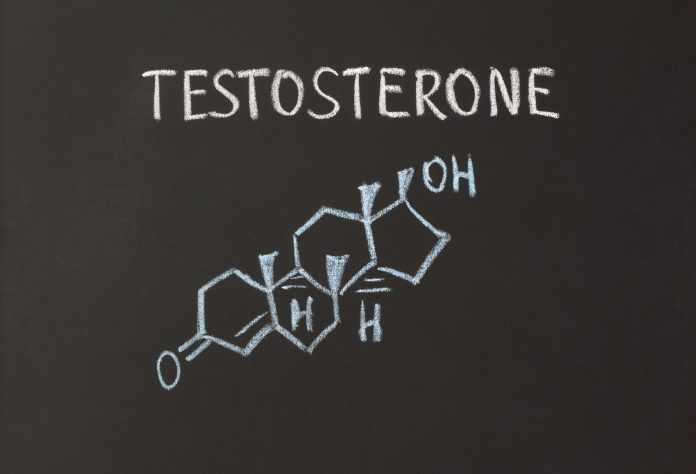
Though not recognized by the World Health Organization, many men experience andropause. Symptoms include anger and social withdrawal, irritability, hypersensitivity, anxiety, hot flashes, mood swings, depression, lack of libido, back and head aches and insomnia, with several of the symptoms caused from a decline in testosterone production.

Along with low testosterone, high levels of gonadotropin-releasing hormone (GnRH) and luteinizing hormone (LH) cause the symptoms of andropause gradually, starting around age 40, although symptoms are most dramatic past the age of 70.

Men can fight back against this process my taking replacement doses of testosterone to keep the symptoms at bay.

Try stocking products that help boost testosterone such as Tribulus terrestris, Zinc or D-Aspartic Acid.

Natural solutions for sexual health issues

0
Natural solutions for sexual health issues

Is there a way to naturally treat the most common sexual health ailments? We rounded up the best (and most effective) alternatives to traditional medicines.

By Christopher Habib, ND and Kavita Sabharwal
In the U.S., combined sales of vitamins, supplements, herbs and homeopathic products for intimacy in both the natural and conventional channels grew three per cent year over year. From May 2013 to May 2014, sales for intimate products were at nearly $69 million, up from $67 million for 2012 to 2013, according to data compiled by SPINS. In the mainstream pharmaceutical channel, Viagra alone made over $1 billion in worldwide revenue last year, a number that is gradually decreasing due to increased competition and loss of exclusivity by Pfizer, yet is still widely available.

According to Terrance Morris, Healthy Living Merchandiser at Pomme Natural Market, a method that has been effective for his store has been to group products together by brand rather than condition.

“I have always done this and it works well for us. With my photography and package design background I know companies make their bottles and boxes to give a stronger presence if shelved together as a full unit or section. We have very knowledgeable staff that can help the customer find any item they want,” says Morris.

Sanjiv Jagota, president of Nature’s Source, believes that to build a strong category, the products should accommodate the demand. In his stores, the sexual health category is composed of 60 per cent products related to prostate health. The remaining section is divided into 20 per cent maca, five per cent arginine, seven per cent assorted libido-boosting products, and eight per cent products to encourage urinary tract health.

While you might find it more effective to group products by concern as many retailers often do, Morris believes that may not be the most effective way to promote sales. He finds that with products that are grouped by concern, customers often choose the product that is on sale, rather than based on ingredients or product quality, which is not how he feels a health food store should be.


Health Conditions Common Symptoms Natural Treatment Options How To Market These Products
Benign Prostatic Hyperplasia (BPH) Men usually experience having to wait for the urine stream to start, poor urinary flow, a variable flow rate, frequent urination, urinary urgency, dribbling, and nocturia. BPH is diagnosed through a digital rectal exam or imaging. Pygeum bark extract can moderately improve urinary symptoms of prostate inflammation. Numerous human studies show that it reduces urinary hesitancy, frequency, and nocturia. Saw palmetto may also have beneficial effects on prostate health, but there are some conflicting human studies available. These herbs may taken by themselves on an empty stomach. Pairing multiple herbs that have a similar effect (such as these) can be useful in achieving the desired outcome. To market Pygeum and Saw palmetto, you may want to focus on the method of delivery (for example, if it is a dried herb, capsule form may be easier for some customers). Other customers may prefer a tincture (alcohol extract of the herb). Qualities vary greatly, so suggesting reputable brands with high-quality sourcing is important. You could also focus on products that provide “standardized extracts” on their label.
Erectile Dysfunction (ED) Symptoms include the occasional inability to obtain a full erection, inability to maintain an erection throughout intercourse, or complete inability to achieve an erection. Lack of morning erections can also occur and be associated with a decrease in libido. Patients can be diagnosed with ED after taking a questionnaire from their practitioner. L-arginine has been studied in randomized controlled trials and has reported benefits in patients in combination with glutamate. L-arginine can help increase nitrate levels and promote vasodilation, helping to improve the symptoms of ED. Consider pairing multiple vasodilators together for an enhanced effect. You could also consider pairing ED treatments with anti-anxiety products, depending on the exact cause of the problem. Other natural options include maca, horny goat weed, tribulus and rhodiola rosea. When marketing L-arginine, it would be wise to focus on the purity of the product. Companies that have established records of batch testing are more reliable. You may also consider products that combine L-arginine with other vasodilators. The combination products are the ones that showed beneficial effects in research studies, so these may be more effective.
Genital Herpes Herpes sores usually appear as blisters on or around the genitals. The blisters break and leave painful sores that may take weeks to heal. Herpes is sometimes associated with flu-like symptoms such as fever, body aches, or swollen glands. Repeated outbreaks are common, especially during the first year after infection. A practitioner can diagnose genital herpes after a physical exam. Aloe vera gel is often used topically for dermatological conditions. There is some evidence suggesting that aloe in a cream preparation is an effective treatment for genital herpes in men. Lemon balm (Melissa officinalis) as a topical preparation can help heal sores associated with genital herpes. Finally, sage extracts may be useful in herpes skin infections. Aloe vera is perhaps best used on its own, but sage and lemon balm could be theoretically paired together with other soothing herbs, possibly in a lotion or cream. Aloe vera gel will normally be sold in tubes. It may help to market products that have no chemicals or preservatives to avoid allergic reactions or sensitivities. Sage and Lemon balm topical preparations can be made from the dried herbs directly, or they can be obtained from commercial preparations. These could be marketed as “natural and soothing herbs.”
Low Libido Low libido can be caused by sexual arousal disorders. In men, it often displays as erectile dysfunction. In women, there is decreased blood flow or lack of vaginal lubrication. Low libido can also be linked to a delay or absence of orgasm following normal sexual excitement. Low libido can be diagnosed with a questionnaire from a practitioner or a hormone panel. The herb Ginkgo biloba has medicinal properties that increase blood flow. It causes blood vessels to relax and this includes the vessels found in the corpus cavernosum tissue of the penis, and thus can improve penile blood flow. Early studies have suggested that the herbs Panax ginseng, L-arginine, damiana, ginkgo, and multivitamins may improve sexual arousal in women with decreased sex drives. All of these items could be paired together for potential synergistic effects. For immediate relief, women can also use lubricants without propylene glycol which can cause skin irritation or an allergic reaction. Ginkgo, Panax, and Damiana can all be marketed as stimulant herbs that can boost energy and desire. Marketing could also appeal to boosting sex drive or use slightly more medical terminology such as increased libido. Different products could be made to appeal to men and women differently. Products could also be described as increasing arousal, or increasing natural lubrication. Place a special focus on lubricant products that do not contain propylene glycol and other potentially dangerous chemicals.
Fibrocystic Breast Disease Breast tissue may feel fibrous and lumpy, or may have a texture described as similar to cobblestone. The lumps are usually smooth and have defined edges and are movable. There may also be breast pain felt and it may or may not be related to the menstrual cycle. Nipples may get tender or itchy. Fibrocystic breast disease can be diagnosed with an ultrasound. There is limited evidence suggesting Bilberry (or the herb Vaccinium myrtillus) may be effective for fibrocystic breast disease. Chlorophyll is the chemoprotein that contributes to the green pigment found in plants. It may have the ability to alter the liver enzyme pathways that are involved in estrogen metabolism. A combination product that contains chlorophyll was shown to be beneficial for fibrocystic breast disease. Chlorophyll is also used as a digestive stimulant, so may be best recommended before meals on an empty stomach. These products could be paired with some dietary modifications, such as the elimination of caffeine, for enhanced effects. When marketing Bilberry, you may want to focus on a product that has a significant dose, perhaps over 1000mg in dried form or from a standardized extract. Chlorophyll is typically found in a liquid form.
Pelvic Inflammatory Disease (PID) Symptoms of PID can be mild and some women do not experience any symptoms. Some of the symptoms that can be experienced include pain in the lower abdomen, fever, vaginal discharge with an unusual odour, pain or bleeding during sex, burning while urinating, or bleeding in between periods. Women can be diagnosed with PID after a gynaecological exam, paired with a culture. Antibiotics are the standard treatment for PID. If the infection is particularly severe and has spread to the kidneys, hospitalization and intravenous antibiotics may be necessary. Common antibiotics include amoxicillin, nitrofurantoin, trimethoprim, and trimethoprim/sulfamethoxazole. Symptoms usually start to improve after a few days of treatment. Probiotics could be paired with the antibiotics, generally recommended to be taken with food and at times separate from the antibiotic. This way, the probiotic should theoretically replenish any healthy bacteria that are killed off as a side effect of treatment. The marketing of natural products to help with PID might be best focused on treating symptoms, rather than directly eliminating the infection. You could market herbs that boost the immune system, like Astragalus or Ganoderma. You could also market anti-inflammatory products to help with the pain, such as fish oil, or the herbs Curcumin and Boswellia. All of these products can be used in combination.
Human Papillomavirus (HPV) Most people do not experience any symptoms. Sometimes people find out they have HPV when they get genital warts. HPV can be diagnosed with a swab or pap test. Women may get abnormal Pap test results during a cervical cancer screening. Green tea extract has been studied to treat the genital warts caused by HPV.  Green tea extract could be paired with other antioxidants, in particular things like vitamin A, C, and E, as well as the minerals Selenium and Zinc. Green tea extract can be marketed as a “unique extract”. In other words, green tea in tea form will not be the same, nor will any other extract. Marketing the unique composition, especially for conditions like HPV where it’s been tested for efficacy, is possibly more appealing.
Bacterial Vaginosis (BV) Women may notice a thin white or gray vaginal discharge, odour, pain, itching, or burning in the vagina. Some women have a strong fish-like odour, especially after sex. There may also be burning when urinating, itching around the outside of the vagina, or both. However, many women with BV do not have symptoms. BV is diagnosed with a swab and a culture. Probiotic suppositories are effective in the treatment of BV. The most commonly used strain is Lactobacillus acidophilus. Probiotic suppositories can also be used for prevention of BV, but not all probiotics have shown positive results in human trials. There are no specific product pairings with probiotic suppositories that would necessarily be indicated. Anti-inflammatories could be recommended orally as an adjunctive therapy. Probiotics vary in strain, dose, and viability at room temperature. Probiotics that contain more than 10 billion CFU (colony forming units) could be more desirable for consumers. Multiple strains may be more appealing than single-strain products, as long as Lactobacillus is among the strains. Finally, if the product is stable at room temperature, this is appealing to customers.


Making the most of mobile apps and online marketing

0
Making the most of mobile apps and online marketing

Find out how you can boost your retail sales through the use of smartphone apps and integrated online promotions.

By Moody Hashem


Picture this scenario: your store’s smartphone application sends out a notification about an article on the newest trends in natural health products, as well as information on your current specials. Over the next few days, a string of customers come in asking about the specials and commenting on your article. Some of them are just intrigued. Some of them even buy.

How did this happen? You have a mobile app that anyone can find on the iPhone App Store, Google Play, or via your company website. In less than a minute, customers and prospects can download your free branded app and begin receiving the information that you send out regularly.

Since consumers now spend more personal time on their mobile devices than on laptops or desktops, apps quickly gain a lot of traction. People who have strong interests — whether it’s concerning natural health products or Formula 1 racing — generally have a related app or two on their smartphones.


Is it worth it?

Every retailer has the same questions when it comes to creating an app:

  • Will my app get any traffic?
  • How easy is it to load my product catalogue?
  • How do I create content for my app?
  • What is my ongoing time commitment?

These are all excellent questions that need to be asked. Firstly, you will want to encourage website visitors to download your app. Your print materials should also point people towards it.

Secondly, remember that mobile is basically another online channel. Your app needs to be integrated with your website. If you have a product catalogue on your site or an online store, it’s vital to integrate it into your app and provide consumers with a personalized shopping experience on their smartphones.

Engaging consumers by sending out content on natural health news, updates, and trends is not difficult — especially if you engage the services of a mobile marketing company that curates content from an authoritative industry news source. Fresh content in the form of articles can be repurposed and branded specifically for your retail operation, with next to no effort from you.

Finally, make an effort to engage with social media channels like Twitter, Instagram and Facebook to more effectively communicate your message. Again, if you are working with a mobile marketing company that knows your industry, your direct involvement need not be significant.


Draw them in

Mobile is more than another way to reach people. It’s a way to locate them geographically, to show them where you are, and to draw them into your retail locations.

A well-built mobile app creates a personalized, engaging shopping experience that will help strengthen your brand and ultimately help you sell. When your app is optimized to take advantage of mobile capabilities such as GPS locating and push notifications, you can tailor your messaging based on geography. Your app can detect proximity, opening up more sophisticated marketing possibilities.

With today’s small mobile screens, you can only show so much at one time. One way to optimize the shopping experience for mobile is to curate information displayed based on geo-proximity.

If someone using your app is more than five kilometres from any of your retail locations, you will want to feature a map showing your closest stores, your contact details, and promotions. If an app user is within a kilometre of a retail location, you might want to feature any specials that you have on right now, or even push out a special offer tailored specifically for prospects with strong walk-in potential.

In-store, you can use mobile technologies to enrich the customer experience. Patrons could scan product tags, for instance, to get more information on a product. The result? Customers that can self-educate right in the store.


Choose wisely

You can easily find people to build you a custom app for a few hundred dollars. What’s more difficult to find is a company that understands the value of customer interactions within the natural health product industry and can help you create an online marketing program that doesn’t take up all of your time.

When choosing a mobile integration partner, look for a company that can plan, execute and integrate across mobile, social and web. They should have strong technical expertise on the latest mobile technologies such as push notifications, real time messaging and location-based technologies. They should also have previous experience in developing user experiences specifically for mobile apps. Last but not least, make sure that you team up with people that you enjoy working with!

Finance Minister adds retail members to Economic Advisory Council

0
Finance Minister adds retail members to Economic Advisory Council

Joe Oliver, Canada’s finance minister, has invited fashion and retail entrepreneurs to offer him counsel on economic policy by joining his Economic Advisory Council. The new members include Bonnie Brooks, vice chairman of the Hudson’s Bay Company, and Dani Reiss, Canada Goose CEO.

“As we return to balanced budgets in 2014, it is important we listen to Canada’s leading business and economic innovators,” says Mr. Oliver in a statement.

The late Finance Minister, Jim Flaherty, first introduced the council in 2008 during the financial crisis. Eight of the 13 previous members of the council remain, including Peter Brown, founder and chair of CanAccord Financial. Members of the council will earn one dollar per year for their services, plus expenses.

A few members of the panel are choosing to leave, including Edward Rogers, deputy chairman of Rogers Communications Inc, and Robert Prichard, chairman of the Bank of Montreal.