



All In Nutritionals
Home Blog Page 284

Moving your store online

0
Moving your store online

Starting an e-commerce site doesn’t have to be hard. Just follow these steps from an expert in building an online presence to see your sales soar.
By Kavita Sabharwal


Two decades ago, most people could not have foreseen that it would be possible to buy and sell products and services online. With the invention of the first web server in 1990 and Amazon’s launch in 1995, the shopping landscape was permanently altered.

Online sales account for a small yet hearty portion of total overall sales. In 2013, Canadian spending reached over $480 billion on goods and services, yet online spending only accounted for 5.2 per cent of that, according to a BMO Capital Markets report. However, e-commerce is steadily growing at approximately 17 per cent per year, and is expected to reach 7.4 per cent of total retail sales by 2017, according to eMarketer.

This is compared to online sales in the U.S., which reached 5.8 per cent in 2013, and the United Kingdom, with online sales accounting for 11.6 per cent of total retail sales. Although Canadians are lagging behind on the e-commerce trend, the climbing sales indicate that Canada is catching up to the e-commerce trend at a rapid pace.


Steps to success

According to Moody Hashem, a consultant at the digital marketing firm Rytalo, proper planning is essential to having a successful online store that can make a real positive impact on your business numbers. Here are a few key steps that any retailer should follow in order to grow its online presence.


1.  Identify your value propositions and target audience.

Hashem says the first step in deciding to move a store online is identifying your target markets and target audiences, and building your strategy around those customers to figure out your growth opportunities.

“Look at all the marketing elements: messaging, landing pages, the look and feel of the website, all the different ways to position yourself for your target audience,” advises Hashem. “Most importantly, make sure your content is clear and fulfills your audience’s needs, because the behaviour of consumers in-store is totally different from when they’re shopping online. The idea is to make sure that they’re putting the content in the proper format to fit the visitors of the website.”

Hashem also advises thinking about your target audience’s problems or issues they need to solve, and how your products and services can help solve those issues. Why should customers use your product over all others? This question is important, as is differentiating your store from all the other options available.

Finally, figure out what additional information and content would be required to drive visitors’ interest and get them to become leads (potential customers), and make the decision to complete the transaction.

To do this, Hashem recommends identifying who will be visiting your site and segmenting them into groups. “For each group, we need to develop a persona to understand their characteristics, preferences, challenges and needs, and then identify clear benefits that will meet each persona’s unique needs,” he says.

Hashem identifies persona-based content and calls for action for these personas. “The developed content should be mapped to the information required to drive consumers and move them forward along the path from being a visitor into leads who are interested in making a purchase decision, and finally, becoming customers,” he says.


2.  Build your customers’ trust and identify calls for action.

The problem with online retailing is that in person, it’s easier to build loyalty, since the sales associate spends time with the customer and helps them choose products, which doesn’t exist in the online world.

“The main objective of online retailing is to build confidence and trust and move visitors gradually from one stage to the next until you can close the sale,” says Hashem. “We want to develop the relationship to convert them from a potential customer into a loyal customer with repeated orders.”

That involves planning certain aspects of your web presence before going live, such as the content, the value proposition, whether your site will feature customer reviews to show depth and trust of the products and the clear call for action. The design of the landing page and the website should be easily and clearly promoting the values of the company, according to Hashem.

A customer’s call for action may include learning more information about the subject, downloading a whitepaper or e-book to get exclusive information, reading or viewing other consumers’ experiences with these product or services, signing up for a newsletter to stay informed, calling the brick-and-mortar store or company; posting a comment on a blog post or liking a Facebook page or making a purchase.


3.  Configure your site and operate efficiently.

Depending on your personal preference for how sophisticated you wish your e-commerce site to be and the customization that is required, this aspect of launching an e-commerce site could take up to three months alone. This stage includes choosing a technology platform and host and the development phase including designing the page. “The performance of the site and mobile-optimized sites are crucial,” says Hashem.

He says the most important part of this step is ensuring the site runs quickly and easily, as visitors will not tolerate slowness. “That needs to be taken into consideration when choosing the e-commerce platform. Also, choosing the host and the servers, the point is to make sure the whole operation and performance of the website performs smoothly,” he says.

Once you have the products, details, pricing information and inventory, it is crucial to figure out how to integrate this with the brick-and-mortar location’s existing operations without overlapping.

“In the end, to minimize overhead and logistics, that’s very important, otherwise it will become a very high-cost operation,” warns Hashem. His advice is to learn how to streamline the operation, including using one combined inventory system for both the physical and online stores.

Engaging in ongoing analytics is important when running an online store, in order to stay on top of what interests consumers, and what doesn’t. Use these analytics to optimize the design of your site, as well as its processes and any other functions. Also consider sending out an e-newsletter that sends out information to consumers to encourage them to visit your site and make a purchase decision.


4.  Promote your new storefront.

Hashem warns that although having an online store can provide a big boost in sales if done properly, since the online business is so competitive, it requires commitment and the resources and budget to advertise it properly. This includes engaging all the advertising channels possible, such as sponsored placements on Google, Bing, Facebook and Twitter.

“That’s all ongoing marketing. Also something I consider very crucial is measuring and getting an analysis of what you have and how you can enhance every step of the business,” he says. “Campaigns will generate traffic. You guarantee great conversion rates to convert traffic into sales.”

Hashem recommends using analytics to see how each step is performing and work out ways to enhance that performance. “Ongoing management and measurements help you understand the effectiveness of each advertising message and learn your own formula for each channel,” he says. He suggests testing it out by using a small amount of money in one channel and seeing how much business you get used on that small budget, allowing you to plan your budgets based on your sales objectives.

He also champions direct email marketing. “If you have a user coming onto the website, trying to purchase products, and they don’t complete their transaction, the idea is to make an email to get them back to their abandoned cart,” he says.

Hashem estimates that the number of consumers that do not make a purchase after visiting an online store is between 95 and 98 per cent. “That’s a very high bounce rate. At physical stores, people visit one or two before making a decision. Online, people shop around at eight or 10 different stores before they make a decision,” he says. “The whole objective of the website, which needs to be clearly planned, is how to put out the right elements and right information to make sure when the visitor comes to the website, you are able to capture them to become a potential lead until they eventually make a purchase. That’s the most important part.”

In terms of the trends of webrooming and showrooming, Hashem says these are now part of our reality. “That’s why it’s crucial for retailers to put the information out there to differentiate themselves and try to give their products and services value above all others,” he says. “If you put something in a store without any value, that wouldn’t give you any advantage. Most likely, you will attract people looking for special pricing and if they don’t see it, they will move on.”

Hashem suggests sending an e-mail offering them help from an online customer service representative, sending them reviews of the product they were looking at to help encourage a purchase or sending a discount incentive if they return to complete the purchase.

Confirmation e-mails are also a great way to say thank you to customers who have made a purchase. “Offer them other deals for an upselling opportunity. Send them an e-mail inviting them to write a review or rating and share their experience,” he suggests.

Hashem’s next marketing phase is to plan growth strategies to other niche markets and target audiences to expand your online business.


5.  Making the transition

movingonline2webHashem says that after a period of three months of planning and three months of marketing through various channels, to plan for about six months to one year to see a return on your investment. He also suggests using that time to help the company grow by increasing your advertising budget to see rising sales.

For the natural health market, there are not any particular web services that may only be useful in this industry, however, given the competitive nature of the industry and the sheer number of products available, providing detailed product information and customer reviews are a good way to build trust from new consumers.

“Product reviews, testimonials and one-on-one customer service chats with an expert all engage the user and helps them make a decision,” says Hashem.

He also recommends analytics to help a retailer understand what they’re doing right and what areas need work to appeal to new clients. “That, to me, is very crucial,” he says.

Most important to Hashem is providing the customer a reason for a customer to become loyal to your store and keep coming back. “Whether the customer will make their purchase in-store or online, the whole idea is to provide them with that value and they will come back and purchase from you again.”


Country Beginnings

0
Country Beginnings

The Country Way seamlessly blends a rich history with passion and knowledge to become an institution in its city.

By Kavita Sabharwal / Photography by Andreane Fraser


When Brenda Frey purchased The Country Way, it already had a storied history. Founded in Sault Ste. Marie in 1974 by Glen Sheppard, the store was seen as an answer to the community’s need for a place to buy supplements and whole foods, and as a way to educate his customers on nutrition and health.

Frey purchased the store in 1997 with a friend. In 1999, she bought her colleague out, becoming the full owner of the store. What followed seemed like kismet; Frey used her past experience as a material attendant handling ordering and receiving to transition into her new role as the owner at The Country Way, as she was not very familiar with the products. Then Tammy Watts came on board in 2004, after earning certifications as a natural health practitioner, counselor and sports nutritionist.

“It’s worked out really well because Tammy is the very knowledgeable, educated, certified person and I’m the one that knows the ordering, pricing and that sort of thing,” says Frey. “The team, it works super.”


An expanding selection

When Frey purchased the store, The Country Way had only a single shelf of supplements. “It’s incredible how much we’ve grown,” says Frey. “I remember when I bought the store 17 years ago, the inventory was very minimal and we’ve probably quadrupled it because I get what the customers want.”

Among the store’s hottest products are functional foods, organics and protein, according to Frey. “Quality food choices, high quality supplements and plant-based supplements are what people are interested in now,” she says.

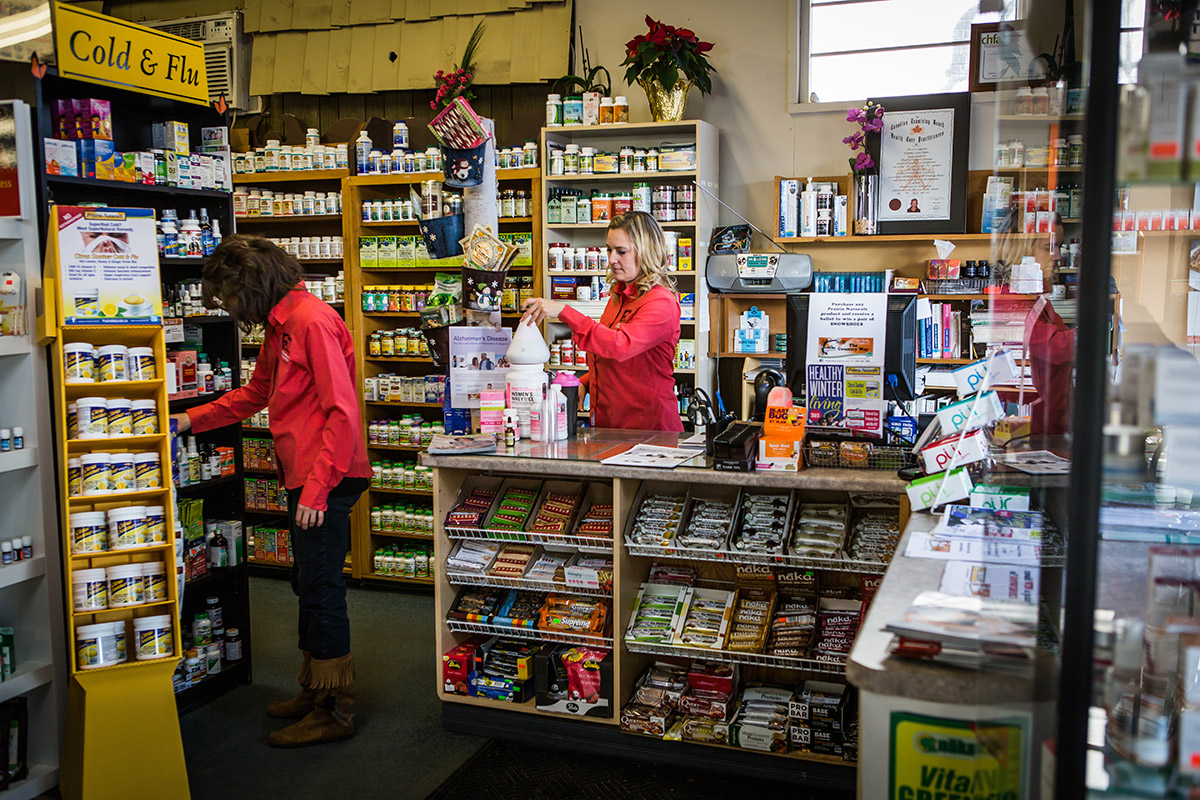
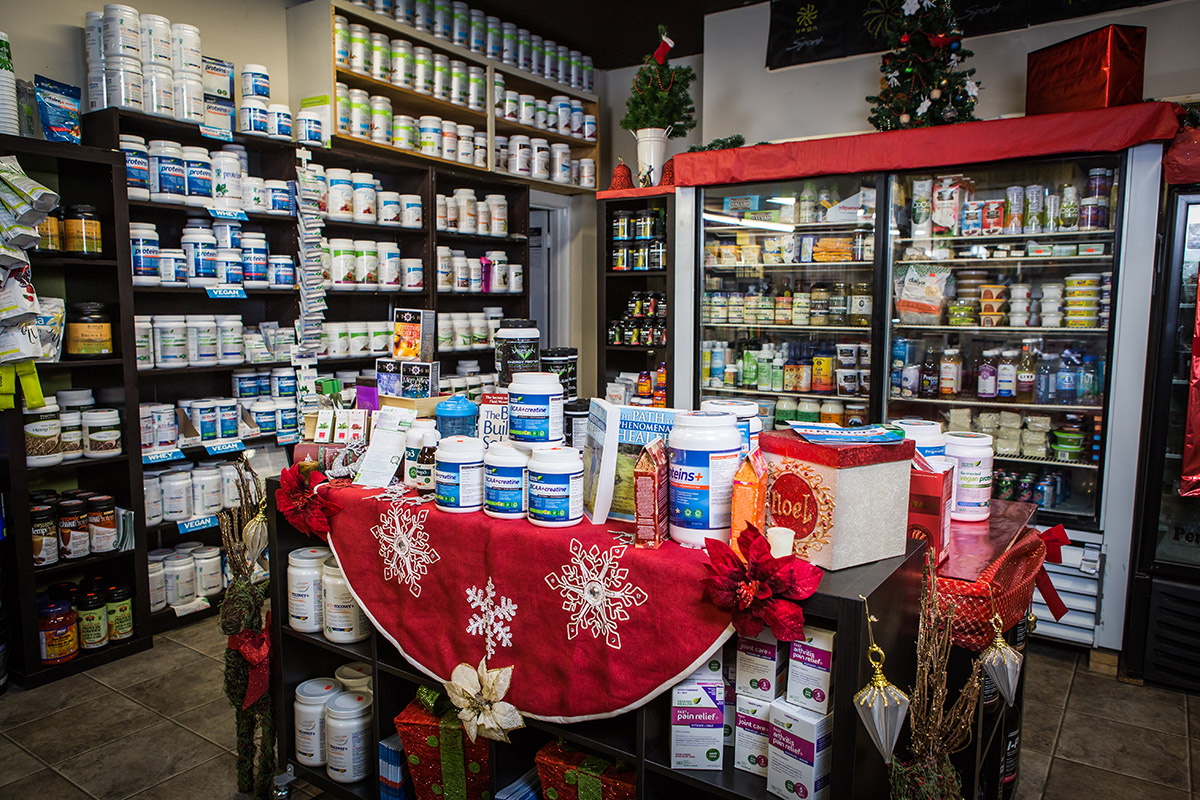
The 1,400 square-foot space is full-service, carrying everything from locally-grown organic fruits and vegetables from June to October, to cleaning supplies, pet food, health and beauty aids, vitamins and supplements. The retailer also built an attached 420 square-foot gym run by a personal trainer on a one-on-one basis, which has been operating for five years.

Even with new competition cropping up in the surrounding region in the form of four other health stores and a selection of independent grocers, the store has become an institution for the community.

“I think in our marketplace, we’re the destination store. Without a doubt,” says Frey.

That reputation of being the local destination for natural health products and supplements is hard-earned, due to the owners working hard to accommodate their customers by offering services such as free home delivery to seniors who can’t otherwise make the trip, carrying out bags to a vehicle, and offering consultations on nutrition and wellness based on personal circumstances.

They also visit with the practitioners they choose, such as naturopaths, chiropractors and an osteopath. Frey and Watts then recommend them to customers based on their strengths. Practitioners are also given a discount to use at the store.

The Country Way has experienced a demographic shift recently. Where its customers were often older in previous years, now the owners find they are reaching people in their 20s more often, however most of its clients still fall between the range of 35 to 65 years of age.

The owners describe their customers as highly educated people, such as doctors, lawyers, government workers and teachers with moderate to upper income levels of $50,000 to $100,000 and up. As the region grows to accommodate a new demographic, the store accommodates that change by also catering to younger clients, such as college and university students and young families that are invested in their health.

“We are blessed that our customers give us as much as we give them. You might hear this from other stores, but we truthfully do treat our customers like family,” says Watts. “We laugh with them, we cry with them. They literally are our friends. It really is a rewarding business to be in.”

“We work really hard at getting to know our customers,” Frey adds. “We get to know their names, get to know their families. I tell my employees, treat them with kindness because they are going to come back if you give them the utmost respect and customer service.”

The owners are currently in the building stage of opening a second location on Great Northern Road in Sault Ste. Marie, with the hope that it will be ready for its grand opening in May of this year. The idea of a second location has been in the planning stage for years. After speaking with an investor and discussing goals for the store, it seems the plan will be coming to fruition sooner rather than later. The new location’s client base will vary from its current location, with several doctors, nurses, practitioners and gyms in the newly built region.

IHR Country Way final edit-6012“That’s our focus right now, to make sure we have a strong team and the support of the community to move forward,” says Watts.

The store, as a member of the Health First Network, takes part in 12 fliers on an annual basis. It also uses marketing strategies planned out between the store and its vendors, and is currently advertising on CTV on a 52-week plan. The store also announces any special events, such as talks featuring special guests, using radio advertisements.

For its digital marketing, the company has employed a grassroots web company called LOCAL 2 for the past four years. It handles some of the store’s web presence, however Watts and Carol, the company’s business manager, post on the store’s Facebook and Twitter pages. On the company’s Facebook page, customers can find exercises, recipes and natural home remedies, among other posts.

Next up for the team is the idea of expanding outside of Sault Ste. Marie, which the owners hope to achieve at some point in the near future. Frey and Watts are also in talks to open an e-commerce site.


Education is key

The Country Way’s 10 employees are well trained for their work with customers. What is most important to Frey is an employee with tremendous customer service, who fits in with the rest of the team. The owners are willing to take on the rest using the tools at their disposal.

Any employee at the store must complete various certifications offered by manufacturers, such as Genuine Health’s Genuine Genius, Now University and Lorna Vanderhaeghe’s nutrition course, to name a few. Vendors also frequent the store to train store staff on new products.

Employees aren’t the only ones getting an education at The Country Way. The owners go out of their way to ensure their customers know exactly what they’re getting when they choose their products.

The store has held two of its own trade shows, called the Green and Healthy Living Expo, designed to allow customers to mingle with vendors and learn more about a variety of products. This event, which the owners have held twice in the last five years, had them hosting 40 national vendors and 6,000 attendees at a rented venue. Other guests at the event included Sault Ste. Marie’s mayor, as well as local television and radio stations.

It also hosts a variety of big players in the natural health industry, such as Brad King, Sam Graci, Lorna Vanderhaeghe and Julie Daniluk, at talks that occur three or four times a year.


A close-knit community

IHR Country Way final edit-5963The Country Way’s methods of including the community in the happenings of the store include holding two customer appreciation days during the year – once in the summer, which features a barbecue held in the store’s parking lot that is attended by several of the store’s vendors and customers, and once in late fall. This year’s fall event featured a talk with Brad King at a local venue.

The Country Way also does talks for the Alzheimer’s Society and the Lung Association, and has held an eight-week vegan and vegetarian cooking class for the Cancer Society.

“Tammy’s had the community come in for a 10-week training course in the gym, working with vendors. We’re always putting something out there so they come back into the store,” says Frey.


The business aspect

Unlike several other health stores out there, The Country Way has no issues with the NPN requirements that were recently enforced. “We’ve known all along that we have great products. When we stock something, it gives them more confidence,” says Frey.

While most customers coming in to the store are not that aware of NPN regulations, Frey and Watts choose to educate every customer coming in about them and why the store carries the products it does.

Rather than experiencing negative effects of the Canadian dollar’s fluctuations, The Country Way has become a resource for Americans as well. “We’re a border town, and there is one health store across the river. Americans actually come here just for our advice,” says Frey, who believes Watts is the reason for that. “When you talk about educating, she takes her style and her knowledge and she takes each member of the staff under her wing and helps them learn to better educate the customers. With her passion, it becomes contagious.”

The store manages its inventory using a local system, which also allows the owners to keep track of its customer loyalty program and special discounts for practitioners, though they are on the hunt for a system that allows them to do more, such as feedback reports and advanced data collection on the customers. Frey also manages inventory the old-fashioned way: by surveying the shelves herself.

In the case of customers with sticky fingers, Frey says that does not happen all that often, though when someone acting suspiciously enters the store, all the available associates come out to watch over the store floor, ensuring inventory remains in place, and capturing any area the surveillance cameras can’t reach.

The Country Way experiences the most sales in the winter, due to sales of immune products such as ones that battle cold and flu, though they don’t experience much of a decline throughout the rest of the year.

“In spring, summer and fall, it’s because we have wonderful clients that continue to shop all year round,” says Frey.

According to Frey, the store sets itself apart from its competition using a few basic principles: “Sincerity, customer service and education,” she says.

The Country Way’s goal is to make the community as healthy as it can be. “We’ve only touched upon three per cent of the community, and now it’s a lot larger. Now we want to focus on the whole area,” says Frey.

When Frey thinks of the future, she sees, “Growth. I see non-GMO being our big focus; carrying really clean products,” she says.

She describes her favourite part of owning the store as coming in and seeing people every day. “I would probably still come here if I were retired, just so I could see the people,” she says.

That love of not only the community, yet also for The Country Way’s clients, is what sets the store apart to become a community institution. It’s also what allows the store, and the members of its team, to become an honorary member of the family.

IHR Country Way final edit-5949


AT A GLANCE:

Name: The Country Way

Owners: Brenda Frey and Tammy Watts

Location: 79 Brock St., Sault Ste. Marie, ON

Website: thecountryway.ca

Store size: 1,400 sq. ft.

Staff: 10


TOP SELLING PRODUCTS:

Food: Progressive Organic Coconut Oil, Manitoba Harvest Hemp Seeds, Braggs Organic Apple Cider Vinegar

Vitamins/Supplements: Vega All in One Protein, Progressive VegEssentials All in One Protein, Genuine Health Fermented Greens, Health First Cal/Mag Supreme, Health First Berry C Vitamin C, Health First Omega First

Personal Care: Kiss My Face Liquid Rock Deodorant, Earth Paste Toothpaste, Now Xyli-White Toothpaste

Miscellaneous: Health First Cayenne, Health First Curcumin Supreme, Natural Factors Ginger


ACHOO! Excuse Me; Do You Have an Allergy Category?

0
ACHOO! Excuse Me; Do You Have an Allergy Category?

By Allison Tannis

It’s nothing to sneeze at. Despite mistakenly being considered minor and seasonal by many, the allergy category has steady sales in health retail. In Canada, sales of antihistamines/allergy remedies increased by three per cent to reach $222 million in 2013, according to Euromonitor International. Great potential exists by broadening the view of this category.

Sales Predictions
What is in store for 2015? Market analysts at Euromonitor International predict a two per cent increase in sales for the cough, cold and allergy categories for the next few years. However, the market demand for allergy products is affected by environmental factors such as pollen count. This makes it difficult to accurately predict category sales.

The Allergy Forecast
Dust and pet dander allergies are a consistent problem for many; in fact 10 million Americans are allergic to pet dander. However, for those who suffer from pollen allergies, can the pollen season’s severity be predicted? According to research by Utrecht University and Leiden University, higher temperatures in the spring, and the early onset of summer, increases pollen numbers for the following year.

According to Environment Canada, with the exception of Vancouver Island, this country experienced spring temperatures that were below average last year. As for the arrival of summer, parts of central Canada claim summer never arrived, while the east and west coasts enjoyed slightly above seasonal temperatures. If the University researchers were correct, the allergy pollen forecast for 2015 would be high for the west coast of Canada, and lower in central Canada.

Accurate pollen forecasts will become available from weather organizations in early spring, and can help retailers plan for the upcoming allergy season in terms of inventory and variety of products.
Reducing the symptoms of allergies

Relief from allergy symptoms goes beyond relieving stuffy noses and watery eyes, according to Toronto-based naturopathic doctor Tara Campbell.

“Toxicity causes a build up in the body that manifests as allergies…liver support, along with adrenal support helps to strengthen the whole system. A robust immune system will decrease allergy symptoms,” she says.

The strategy for a successful allergy category for Jason Gloster, owner of The Horn of Plenty, is to “provide a long term solution based on a balanced immune system, alkaline body and protected body systems…reinforcing a clean diet, lots of water and eliminating inflammatory foods while encouraging raw foods and whole foods.” He notes that retailers may want to consider including whole food and raw food products in allergy displays. By thinking outside of the typical allergy symptoms, retailers can expand their allergy category, better meet consumers’ needs and increase sales.


What to include in your allergy section

  • According to Jane Greenley, Holistic Dispensary Manager at the Big Carrot, a strong allergy section would consist of about 60 per cent homeopathic products, 20 per cent herbal medicines and 20 per cent vitamins. For a more specific breakdown, consider stocking 10 per cent vitamin C, five per cent zinc, five per cent selenium, five per cent vitamin A, 10 per cent quercetin, five per cent turmeric, five per cent bromelain, 10 per cent omega-3s, 15 per cent probiotics, five per cent Echinacea, 10 per cent astragalus and 15 per cent nettle.

Vitamins A, C and E, selenium, magnesium and zinc are all well known among the average consumer for their immune system supporting abilities, especially by well-known supplement companies such as Sisu and Webber Naturals, among other brands. Some consumers seek out such immune boosting nutrients as individual supplements, while others find comfort in products specifically labeled for allergy relief or immune enhancement. Hot allergy products include quercetin, n-acetyl cysteine (NAC), plant sterols, essential fatty acids, turmeric, vitamin C and calcium, according to Gloster. At the Big Carrot, activated quercetin is attracting a lot of consumer interest, according to Greenley.

Probiotics also support immune function and prevent allergy symptoms. Sales of probiotic products in North America are expected to reach US$3.5 billion between 2010 and 2015. From chewable supplements to powders and fermented beverages such as kombucha or kefir, there are a number of probiotic products that can meet the needs of a wide diversity of consumers.

Turmeric was recently listed among the top three selling single herbs in the United States health food channel. Turmeric modulates the immune system, potentially alleviating some allergy symptoms. Some popular allergy combination supplements available include turmeric, as well as quercetin, CoQ10. Herbal medicines such as butterbur and Echinacea have a long history of offering allergy symptom relief. Echinacea sales have been growing at an annual rate of about seven per cent, according to 2010 Nielsen data.

Homeopathic product sales increased by one per cent in 2014, according to natural products distributor Purity Life. The report also noted that homeopathic products marketed to help allergy or respiratory ailments experienced a decrease in sales of 19 per cent. This decline was attributed to the exit of Ridgecrest Herbals from the Canadian market. The category leader is reported as North American Herb and Spice Oreganol 140mg, 60 count gel caps.

Omega-3 fatty acid products are known by educated consumers for their ability to beneficially impact the immune system. When creating or realigning an allergy section, retailers could broaden their product diversity by including omega-3 fatty acid capsules, liquid omega products, flax or chia seeds, or hemp products, such as the wide variety of both marine- and plant-based omega-3 options offered by Webber Naturals, as well as other brands.

Attracting the attention of new categories of consumers may help offset declining sales of omega-3 products. The Global Organization of EPA and DHA (GOED) estimates the 2013 sales of omega-3s fell to those experienced in 2011, and have continued to decline each month by 10 to 12 per cent. This decline is attributed to negative media coverage, most notoriously the study published in the Journal of the National Cancer Institute suggesting omega-3s increased prostate cancer risk.


Apples to Potatoes: The Hypoallergenic Diet

Certain foods can cause the body to respond as if it is having an allergic reaction. Commonly known allergenic foods include corn, soy, wheat, nuts, gluten and fish. Some bodies respond to the ingestion of these foods with an immune-related response that can include mucus production, headaches, fatigue and bloating. Apples, hazelnuts, stone fruits, celery, carrots and potatoes are also potential foods that can stimulate an allergic reaction. These foods share the same protein found in pollen. Bodies that react in the spring to clouds of yellow pollen find eating these foods can also trigger allergic symptoms.
Allergy Sales Beyond Food and Supplements

Expand your allergy category thinking. Consumers with allergies may also be looking for items that reduce their exposure to allergens, such as air purifiers, water filtration systems, pet wipes or pet allergen shampoos, hypoallergenic soaps, beauty products, detergents or bedding. Customers with stuffed-up noses want humidifiers and eco-friendly/recycled facial tissue. Mostly, consumers with allergies are looking for products that offer symptom relief: xylitol nasal sprays, neti pots, natural teardrops or lozenges. Expanding the diversity of products in your allergy section may help to better meet varying consumer needs. In many cases, this does not require increasing inventory, but simply savvy remerchandising, such as including allergy remedies beside eco-friendly facial tissue or air purifiers.


Tips for Seasonal Merchandizing

Order items before the season starts to ensure you have plenty of stock the moment the first patient walks in feeling ill. Current product displays may not be enough; change your displays or highlight seasonal items with big displays. If your dispensary is hard to find, pull seasonal items to the front of the store.

By pulling seasonal items to the front of the store, moving stock around, creating interesting and dynamic displays, you can enhance the in-store experience for customers and encourage them to visit your retail location more often. Consider arranging your seasonal merchandize in multiple locations, particularly in high traffic areas and window displays, as customers can miss items on their first walk through. Not sure where to start? Whether you are a small or large retailer, take advantage of merchandizing knowledge of your vendors. Lastly, if you plan on selling a new product, Greenley recommends including supporting material.

  • Christine at the Big Carrot Dispensary notes that around allergy season, the company’s print and online advertising is focused on allergy-related products. She also statesthat the company features additional products that they can’t usually fit in the dispensary due to space limitations inaspecial display catered to allergy relief.
    • “We group together herbal remedies, homeopathic remedies and nasal sprays. A number of our customers do look for specific types of therapies to help with their conditions, so this can make it easier for them to narrow down their selection,” she says.


The Allergy Consumer

About one in five people suffer from allergies in the United States, according to the Centers for Disease Control. The allergy category attracts consumers of all ages with the purchases of children’s products increasing over past years. Consumers are looking for products to help manage a range of symptoms, from severe reactions to simple fatigue.

Placing a product on the shelf is only part of being a health food retailer. Success lies in helping consumers understand what those products do and how to use them. Teaching consumers about allergies and ways they can reduce their symptoms increases the quality of your customer’s experience in your store. It starts with providing staff with resources so they are able to educate consumers. For moments when staff is not available, create handouts and place them in an accessible place for customers. Also, consider the booming number of online consumers, and increasing use of social media among Canadians – two in three Canadians use social media and experts expect those numbers to grow. Offer informative pieces on your store’s social media outlets or website.

Going forward, cough, cold and allergy remedies are expected to increase in Canada by a compound annual growth rate of two per cent to reach $878 million in 2018, according to Euromonitor International. Don’t sneeze at it – great potential lies within your allergy category.


Nutrients for immune system function and your immune category

  • Vitamin C – antihistamine effect
  • Zinc – supports lymph tissue and T-cell populations
  • Selenium – required for antibody formation
    • Contraindications: if you have a history of non-melanoma skin cancer.
  • Vitamin A – needed for thymus and spleen health, which are locations for white and red blood cell formation
  • Quercetin – may inhibit immune cells from releasing histamine
  • Turmeric – anti-inflammatory and modulates the immune system
    • Contraindications: have gallstones or bile duct obstruction, stomach ulcers or excess stomach acid.
  • Bromelain – modulates T-cell and B-cell immune responses
    • Contraindications: gastrointestinal lesion/ulcer, taking anticoagulant/blood thinner, anti-inflammatory or antibiotic.
  • Omega 3 fatty acids – increase prostaglandin levels, which help control allergic manifestations by blocking mast cells.
  • Probiotics – modulate immune response, improve intestinal barrier
  • Echinacea – traditionally used to support the immune system
    • Contraindications: taking immunosuppressants, have an autoimmune disorder or have a progressive systemic disease.
  • Astragalus – traditionally used to support the immune system
    • Contraindication: have an auto-immune disorder.
  • Nettle – anti-inflammatory, antihistamine

Note: According to Health Canada’s Monographs for Natural Health Products, for contraindications listed above, and in some cases if pregnant or breastfeeding, prior to use consult a health care practitioner.


GoodLife Fitness Sets a New Target

0
GoodLife Fitness Sets a New Target

Canada’s most aggressive fitness franchise has its eye on the target – the 133 Target stores that will soon be closing their doors.

GoodlifeeyestargetAfter their liquidation sales are over three or four months from now, most of the 133 Target locations will be up for grabs and GoodLife Fitness – at least partly on the strength of their popular Fit4Less by GoodLife clubs is ready to start bulking up. The chain, which has been very forthright about their plans to become the largest corporately owned fitness club chain in the world is planning to expand to more than 400 locations by the end of the year, with an ultimate goal of reaching 1,000 locations across Canada.

“We want to continue growing until every Canadian is able to benefit from using one of our clubs,” said David ‘Patch’ Patchell-Evans, GoodLife Fitness Founder & CEO. “The former Target locations provide spacious and convenient locations that would be an excellent space for people to achieve their fitness goals. “

They’re even throwing a bone to the 17,600 Target employees who will be out of a job when the American chain closes its doors in Canada – inviting them to apply at http://jobs.goodlifefitness.com and announcing that they will prioritize meetings with former Target employees who are interested in joining the GoodLife team.

The fitness company claims that their phenomenal capacity for growth and innovation across Canada, demonstrates the value and importance Canadians place on living active and healthy lives. That’s a certainly a viewpoint shared by a lot of IhR readers!

Fight Oxidative Stress

0
Fight Oxidative Stress

New stats have shown that the average American’s attention span has reduced from 12 seconds to eight – which can affect productivity and quality of work produced.

If you’re looking to stay focused during the workday and avoid a case of the Mondays? A new study published in the December 2014 Journal ofmaritime pine Neurosurgical Sciences, shows that Pycnogenol® (pic-noj-en-ol), an antioxidant from French maritime pine tree bark, may help improve overall cognitive function in the work place.

The peer-reviewed study tested participants that supplemented Pycnogenol® 50mg three times daily in addition with a controlled health plan.

In addition, Pycnogenol® was found effective to:

  • Significantly improve mood (16 percent increase Pycnogenol® / -2.1 percent control)
  • Measurably boost mental performance (8.9 percent increase Pycnogenol® / 3.1 percent control)
  • Advance sustained attention (13.4 percent increase) and memory (3.6 percent increase)
  • Dramatically reduce oxidative stress (30 percent decrease Pycnogenol®)

Quebec Natural Foods Stores Face Hard Times

0
Quebec Natural Foods Stores Face Hard Times

According to the website lifeinquebec.com, The Epicia Group is facing difficult times. The company that owns Le Jardin Mobile green grocers has reportedly been placed under Bankruptcy protection. With eleven locations of Le Jardin Mobile closing, that brings the number of remaining locations to fifteen. As many as 400 employees will be affected. CBC reported earlier this month that the Epicia Group administrative and distribution center in Quebec City and two branches The Vegetarian Market and the Jardin du Mont are also closing.
epicia

The company said in a statement, “The increased competition in the field of food and largely unfavorable economic conditions has forced us to make this move, this saddens us deeply.”

The “mobile garden” concept got rolling in the 1950s when Ambroise Jobin began buying fruits and vegetables from local producers in Québec City and sold them from his truck in Val-Bélair (then known as Val-Saint-Michel) Valcartier and Shannon.  In 1975, the kiosk he operated in front of his family home moved to a storefront on Boulevard Bastien.

Epicia Group was born from the merger of Le Jardin Mobile and Le Marché Végétarien in 2011 with Marcel Paré as President and Christian Jobin as Executive Vice-president and became a major brand in the Eastern Townships, with plans to become the leader in Québec’s retail food industry.

Quebec City mayor, Régis Labeaume said in an interview with lifeinquebec.com, “I was very surprised and disappointed with the closure. I am a very good customer and I went with my parents in the 1970s on boul. Bastien.”

International Fragrance Market Takes a Natural Turn

0
International Fragrance Market Takes a Natural Turn

Skilled perfumers draw from palettes of essential oils and a range of natural and synthetic fragrance ingredients, and creatively combining them to produce distinctive and exclusive scents used in products running the gamut from personal care and home care products to fine and expensive fragrances.

aromaThe fragrance market continues to expand due to a global rise in per capita and disposable income says a recent report on Fragrance Ingredients – Global Trends & Forecasts to 2019. The value of the market will increase to $17,104.21 million by 2019 – and increase of almost $5 million since 2011. It will grow most quickly in Europe and in developing markets – especially Latin America.

The report says that the nature of the products are changing as consumers turn away from synthetically based ingredients because of a perceived higher risk of allergies or toxic reactions. So more and more manufacturers are looking for naturally based or naturally sourced fragrances that give consumers a greater sense of well-being.

For more insight and some wonderful rationales along this line that you can share with your customers, IhP recommends checking out this interview with Gillian Deacon on the David Suzuki website.

Carolynne Bourassa Joins the Team at iLevel Management

0
iLevel Management

ilevelComing up on their second successful year in business, iLevel Management – the sales & marketing agency that collaborates with manufacturers to bring their healthy living products to consumers – has appointed Carolyne Bourassa as their new Quebec & Ottawa Account Manager.

Carolyne has been in the natural products industry for over 18 years. She brings a wealth of knowledge from working both on the retail and wholesale sides of the business. She further has been consumer of natural & organic products since her teenage years.

“Natural foods and products and everything eco-friendly are some of my greatest passions in life. I am happy to be a huge consumer of such products in my personal life, and I truly enjoy to represent such quality healthy products and to be able to share my passion and knowledge with as many people as possible.”

How will Target leaving Canada impact the retail environment?

0
Target's U.S. stores achieve better-than-expected profits

Target Corp. released a statement yesterday saying that it will be closing down its Canadian operations. The discount retailer was unable to recover consumer confidence in the brand after being criticized often for having higher prices and a smaller assortment of product than U.S. Target stores. It also faced issues with low inventory and empty shelves at several stores.

Target entered Canada in 2013, while Walmart has been here since 1994 and had years to build a steady consumer fan base before facing the competition Target offered. Now that Target will be leaving, Walmart will have to pick up the slack left by the departing company as the remaining large discount retailer in the country.

Target currently operates 133 stores and employs 17,600 people under Target Canada. The discount retailer is voluntarily making $70 million in contributions to an Employee Trust that will provide a minimum of 16 weeks of wages and benefits for almost all Target Canada employees during the wind-down period.

What will happen to those stores and employees? While other U.S. retailers such as Saks Fifth Avenue and Nordstrom are making a move into Canada in the coming years, there is the possibility that they will take over at least some of those storefronts. Another possibility is Walmart Canada expanding further by taking over those vacated locations.

Meanwhile, Target stores in the U.S. are doing well, especially after their recent record-breaking holiday season. Target expects that the decision to close its Canadian branches will increase its earnings starting this fiscal year, as well as its cash flow in fiscal year 2016.

“Personally, this was a very difficult decision, but it was the right decision for our company,” said Target Corp. Chairman and CEO Brian Cornell in a statement. “With the full support of Target Corporation’s Board of Directors, we have determined that it is in the best interest of our business and our shareholders to exit the Canadian market and focus on driving growth and building further momentum in our U.S. business.”

Instacart receives $220 million in funding

0
Target raises money for students in need

U.S. grocery delivery service Instacart has announced it has just closed a $220 million round of Series C financing by Kleiner Perkins Caufield & Byers. Adding this to new financing from Comcast Ventures, Dragoneer Investment Group, Thrive Capital, Valiant Capital and previous investments from Andreessen Horowitz, Khosla Ventures and Sequoia, Instacart has received about $275 million to date.

The Instacart service features personal shoppers that hand pick and deliver groceries using their own transportation from local stores to American shoppers.

“We look for visionary entrepreneurs who are re-imagining big business opportunities. In Instacart, we found both,” said Mary Meeker, general partner at KPCB, in an Instacart press release. “Many Americans spend hours per week grocery shopping. Combining its elegant app with on-demand delivery, Instacart allows consumers to save time, and discover new products, while shopping from their favourite local stores.”

According to company CEO Apoorva Mehta, Instacart will be using the investments to support category expansion, continued geographic growth and technology enhancements.