Staffing changes occurring at Health Canada as reported by The Canadian Health Food Association (CHFA). In summary:
Simon Kennedy has assumed the role of Deputy Minister of Health, replacing George Da Pont;
Adam Gibson, former Director General of the Natural and Non-prescription Health Products Directorate (NNHPD), has been replaced by Acting Director General, Christine Gillis;
Dr. John Patrick Stewart will assume the role of Acting Director General of the Marketed Health Products Directorate (MHPD);
Dr. Robert Cushman, Director of the Biologics and Genetic Therapies Directorate (BGTD), will retire in April 2015. Dr. Cushman will remain involved in the Food Branch in a new role of Special Advisor to the Assistant Deputy Minister of HPFB. Cathy Parker will be taking on the role of Acting Director General of the BGTD.
On January 21, 2015, CHFA met with Trina Morissette, Director of Policy and Stakeholder Relations, and Scott Myres, Policy Special Assistant, in the Minister of Health’s office. CHFA expressed concern regarding the number of significant staffing changes taking place at a time when there are so many initiatives underway at Health Canada affecting NHPs and foods. CHFA also communicated the importance of continuity on core issues. To stay apprised of changes or activities that may impact the sector, keep your eyes on their website.
Under the sponsorship of Earth Science Tech., Inc. (ETST), researchers at the University of Central Oklahoma have been investigating the effects of ETST CBD Rich Hemp Oil on immune cells.
Led by lead investigator Dr. Wei R. Chen, the team found that ETST hemp oil solution used in appropriate CBD concentrations could stimulate macrophages, an important immune cell, through the production of TNF α. The cytokine TNF α is a key cell signaler in the recruitment of immune cells.
Maintaining a healthy immune system is key in health and may help in the fight of cancer. Furthermore, they also found that the CBD was capable of enhancing TNF α production by macrophages initiated by other compounds. Dr. Chen’s team believes that the effects of hemp oil enriched with CBD on immune cells may be used to improve cancer treatment, particularly in combination with other treatment modalities.
In collaboration with Dr. Chen, ETST plans continued studies to determine the effects of hemp oil with CBD on inducing and enhancing anti-tumor immune responses.
On January 30, 2015, the Horizon Group of Companies announced the acquisition of Calgary’s popular Planet Foods.
The Horizon Group is a privately held, Canadian owned group of companies with distribution facilities servicing customers across Canada. Each subsidiary carries national brands and regionally unique products from a diverse range of organic and natural food (dry, chill, frozen, and bulk), natural body care and nutritional health supplements.
Established in 1995, Planet Foods has become a market leader in brand development within the Canadian natural foods industry and is well-respected by both supplier and retail partners for their great results and customer satisfaction – which makes them a perfect fit for the strategic goals of the Horizon Group.
Horizon welcomes Planet Foods principals Tony Franco, Clay Gillies and John Stiles along with their entire staff in joining our diverse group of regional distributors as the newest member of the Horizon Group of Companies which includes:
Horizon Distributors, Burnaby, British Columbia
PSC Natural Foods, Victoria, British Columbia
Christmas Natural Products, Burnaby, British Columbia
Naturally Splendid announced strengthened relationships with Full Spectrum Laboratories and Boreal Technologies, with a recent application to the U.S. Patent Office for co-ownership of HempOmega™ patents that will give the company their own omega technology
“Naturally Splendid will continue to make efforts to secure ownership of scientifically proven, commercially viable patents and/or trade secrets,” says CEO Craig Goodwin.
VP of Operations, Bryan Carson states, “We are most fortunate that the technologies developed by Boreal Technologies, are multi-dimensional in that the omega extraction and formulation technology is similar to the cannabinoid extraction and formulation technology. This allows Naturally Splendid to penetrate the lucrative global omega market (estimated at $35 billion annually) where there are no regulatory issues, while the regulatory environment for cannabinoid technologies and products continues to evolve.”
Naturally Splendid’s 100% owned NATERA™ line of hemp-based superfood products includes natural and flavored shelled hemp seeds as well as natural and flavored hemp protein powders and is carried nationwide by leading health food distributors and a network of retail stores across Canada.
Naturally Splendid has an exclusive sales agreement to market and distribute, in North America, the full complement of patent pending, plant-based omega products created by Boreal Technologies including HempOmega™, H2Omega™,FlaxOmega™, CanolaOmega™andChiaOmega™.
They have also signed an agreement with Alberta’s Food Science and Technology Center to develop pet superfoods fortified with HempOmega™.
Marsh Supermarkets in Los Angeles has always been on the cutting edge. And we’re not talking about their butcher shops. In 1974, Marsh was the first retailer in North America to use UPC Bar code scanners. Now, 36 years later, Marsh, in collaboration with tech startup InMarket has installed beacons in each of its 75 locations that can send messages to your watch – or at least they will be able to do that when the Apple Watch comes on the market in March. For now, you just need a smartphone.
Marsh’s beacons will trigger a wide array of apps – giving you access to a pop-up shopping list, alerting you to in-store specials, pinging you with recipe suggestions and much more. The adaptive software can use a customer relationship management (CRM) feature to tailor suggestions based on your past purchases or on what aisle you are walking down.
Since the January 2014 launch of their M2M solution, InMarket claims that in-store beacon engagements achieve an interaction rate (45%) five times higher than traditional push messages without location context.
It remains to be seen whether the tech achieves a market penetration that will make a lasting difference, but the beacons could conceivably become a tool that will enable retailers to measure effectiveness of campaigns and coupon promotions. Early in-store surveys suggest that 68 per cent of shoppers find in-store reminders more convenient and effective that out of store advertising. But it also suggests that over-saturation or delivery of inappropriate pushes decrease usage of the app and may actually inspire users to delete the app.
A Concord, Ont-based company called U-Be-Livin-Smart received some major media attention on the heels of the announcement that they were receiving $990,000 in funding from Agriculture and Agri-Food Canada (AAFC).
According to their on-line profile, proprietors Sherri-Ann Harrison and Paul Do and Sinclair began with a philosophy of living in the moment and an observation that “without a healthy food intake, our bodies won’t cope well with the toils of life.” During their long careers in the food industry, the three couldn’t help but notice how most of the nutrients are baked out of packaged foods.
Tim Sinclair explained their approach in a recent Globe and Mail interview. “Instead of taking all the bad stuff, such as trans-fat, sodium and now gluten out, we said what if we just left the good stuff in and didn’t add the bad stuff?”
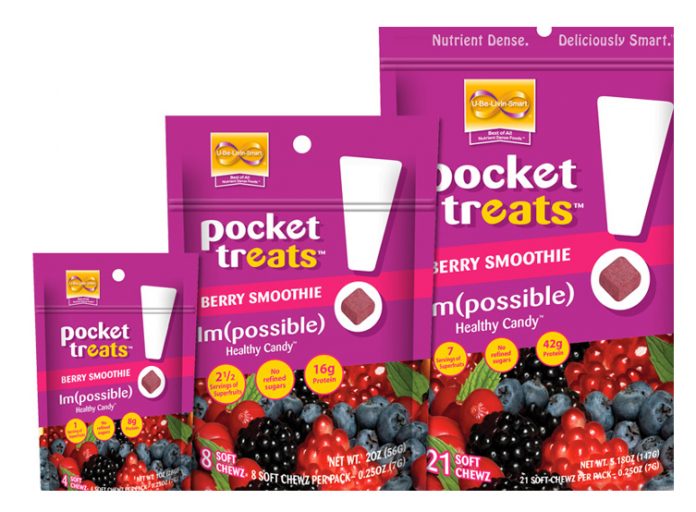
That led to the production of some pretty interesting products ranging from their nutrient-dense, gluten-and-nut-free karma’ffins to a line of healthy candy called Pocket Treats, to nutrient dense vitamins.
One of their most remarkable innovations is feeding the hungry through their Feed 88 Million program. Every purchase of U-Be-Livin-Smart products is matched by the company which donates one of their nutrient-dense products to a local food bank. They claim that to date they have fed “over 60,000 children and adults who are undernourished and underprivileged.”
Their products are sold everywhere from Whole Foods and Urbane Far to Metro and Wal-Mart.
Check out their whole story at http://www.ubelivinsmart.com/
2014 was a great year for Trusted Health Group (THG). They started in February by acquiring Innovite Health and rang out the old year with some more exciting news – an announcement that they would be amalgamating the existing product, sales and marketing operations of Afinity Life Sciences Inc., based in Edmonton.
Afinity (www.afinity.ca) researches, develops and brings to market natural health-based therapeutics – was founded in 2012 by Dr. Jacqueline J. Shan, Ph.D., D.Sc., who is the creator of the highly acclaimed and market-leading COLD-FX®, which became the best-selling cold and flu product ever sold in Canada, exceeding the sale of all other OTC cold and flu remedies (natural or drug) in the store and bringing that company to a market capitalization of about $500 million, an exceptional breakthrough by Canadian standards.
Dr. Shan is now the Chief Science Officer at THG, overseeing all product decisions for all brands, and will be working closely with Dr. Lee Know and others to advance THG’s health mission. The Afinity Brand is already available at a number of large chains including Loblaws, London Drugs, and Rexall.
Innovite Brand is now squarely positioned as THG’s superior, high end product line focused within independent Health Food stores and independent pharmacy retailers, and the professional, hospital, and health clinic channel.
The agreement maintains a separate, stand-alone research center based in Edmonton, Alberta. It is the aim of this institution to be a focal point for research and learning for all of Canada, driving better science and understanding of health conditions and the use of natural health products to address those conditions, and also to raise the stature and credibility of natural health products by health professionals and the general public. Dr. Shan will lead the development of this independent institution.
Dr. Shan is also nominated to join the THG Board of Directors, where she will be involved in all activities of the Corporation going forward.
In a recent Tufts University study, researcher Susan Roberts and her team compared the brains of 50 women ranging in weight from lean to obese and discovered dramatic differences in how the brains of different women respond to food.
Participants were placed in an MRI scanner and shown images of foods ranging from green salads to chocolate and fried chicken. The results showed that the brains of lean women reacted more strongly to food choices high in protein and fiber. The brains of the heavier women, on the other hand, were more stimulated by fatty, high-calorie foods sometimes even approximating the reactions found in people addicted to drugs like heroin and nicotine.
Dr. Roberts suggested that all it would take to change the response is a bit of brain rewiring, using a technique called cognitive restructuring. This approach employs a range of therapeutic strategies to help identify and label and ultimately change perceptions.
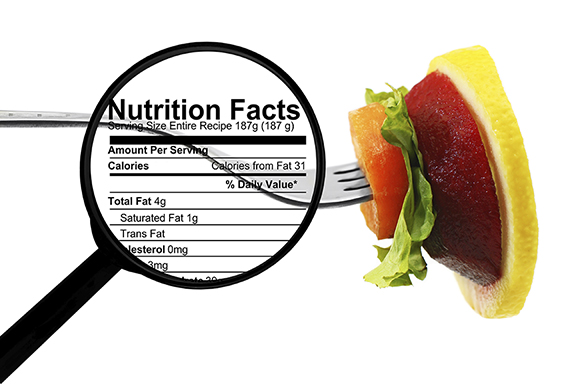
There is a great deal of discussion in the media and in the marketplace itself about the effectiveness of current government mandated food labeling. This was all kicked off by a study from two McGill University researchers that was published in the Annals of the New York Academy of Sciences. The study concluded that current labeling is not only confusing and difficult to use and interpret – but that the resulting nutritional choices will be only a little bit better than chance.
Lead author, Peter Helfer (a PhD student in psychology and Neuroscience at McGill) explains, “One product may be low in fat, but high in sugar, while another product may be just the opposite. Nutrition Facts labels can highlight nutrition conflicts but fail to resolve them. Even educated and motivated shoppers have difficulty picking out the most nutritious product with these labels.”
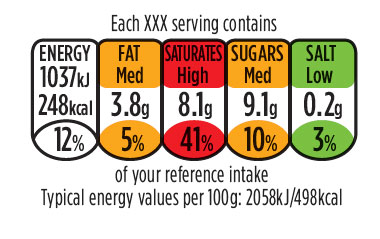
The study also looked at labeling systems from other countries. The Traffic Light System from the UK offers a bit more guidance, but still leaves users weighing positives and negatives. NuVal labeling (http://www.nuval.com/How)
– which is used in some U.S. food markets indicates the overall nutritional value of each food item on a scale of one to 100. Some consumers may find this system a bit too too simple – leaving little room for consumer interpretation. Others argue that the algorithm for the rating system is imperfect.
The study argues that if consumers are given the information to make more nutritious choices, it may provide incentive to food sellers and producers to improve their products.
We’d love to hear the opinions of IhR readers. Do you think this study will point us in the right direction? Do you have any suggestions or ideas for an even better labeling system? Send us your opinions and ideas at dale@thergmgroup.net – with the words “food labeling” in the subject line.
Superfoods are a steadily-growing category. Cultivate your superfood sales with these new picks.
By Rob Ayoup, ND
Goji, chia, pomegranate, acai, hemp, green tea, flaxseed… these are just a few examples of the superfood ‘lineage’ our society has come to appreciate over the years, and with good reason. Healthy eating habits will always be the cornerstone of good health, however in a society where time is crunched and nutrient levels in common foods are believed depleted, the effects of superfoods are prized that much more.
Superfoods can be considered just that: foods with an asterisk, possessing a nutrient concentration which separates them even just slightly from the rest of the crowd. Here are four up-and-coming superfoods with super effects: maca, moringa, mulberry, and amla.
“Mulberry and moringa powder are noticeably growing in popularity, with the consistent superfood staples being spirulina, chlorella, maca, and goji berries” says Jafrin Talukder, co-owner of Whole Health Simcoe in downtown Toronto. Similarly, Sarah Beder, a Registered Holistic Nutritionist at Nutrition House states, “Maca and moringa are both gaining popularity for sure, especially maca. Mulberry is getting up there too, though turmeric is still number one.”
Here are some products to consider to further enhance your superfood category.
Maca
According to Natural Standard Research Collaboration, maca root has been cultivated for at least 2,000 years, particularly in the Peruvian Andes highlands. In addition to its use as a local food staple, maca has traditionally been used for stress relief, fertility support in men and women and as an aphrodisiac.
Preliminary research indicates an improvement for men in libido, hormones affecting fertility and sperm production; while a study in the journal Menopause showed maca supplementation created an improvement in mood and libido in postmenopausal women. Animal research shows maca to possess antioxidant and immuno-stimulant properties, as well as anti-stress and energy-enhancing effects. Since maca may alter levels of sex hormones, caution and avoidance should be exercised if taking hormone replacement therapy, including oral contraceptives, and in those with hormone-based cancers, such as breast cancer. Although tablet and capsule forms are popular, maca is commonly found in a mixable powder format.
According to U.S. sales data reported in the journal HerbalGram, in 2013, Maca placed ninth among the top selling herbal therapies sold in the sector covering natural health food and supplement stores. Eclipsing US$6.5 million in sales, this represented over a 36 per cent increase from 2012.
More intriguing is its sales growth in the ‘mainstream’ channel (representing supermarkets, drugstores, buyers’ clubs, dollar stores and mass market retailers) totalling over US$4.8 million in sales, representing a whopping 9 per cent increase from 2012.
Moringa
A small tree indigenous to north western India and cultivated in the South and Central Americas, Africa, Malaysia, and the Philippines, the moringa oleifera tree’s parts are rarely wasted. Natural Standard Research Collaboration cites how various parts of the tree are used to make ropes, mats, tanning of hide and even to purify and soften drinking water. As a food, its leaves are consumed as a nutritious green in salads, and can be found pickled or in curries.
Nutritionally, the leaves contain 46 antioxidants, over 92 nutrients, enzymes, vitamins, minerals and micro-nutrients, omegas 3, 6 and 9, 36 anti-inflammatories and 18 essential and non-essential amino acids, with particularly high levels of vitamin A, potassium, calcium, iron and protein, and the fresh leaves contain high levels of vitamin C. In addition to research on preventing malnutrition, evidence shows moringa leaf promotes milk production during lactation, a property in line with one of its historical uses. New mothers also find an increase in iron, energy levels and sleep patterns, as mentioned on Dr. Oz’s TV show when he recommended it as an energy-boosting supplement. Animal studies have shown effects on rheumatoid arthritis, inflammation, diabetes management, liver protection and lowering blood pressure. It may contribute to increased CD4 counts in people suffering from HIV, and may even contain anti-tumour properties, according to a study on mice out of the Institute of Chemistry at the University of the Philippines and published in the journal Mutation Research.
“I find most people come in for moringa because they see it being promoted as an up-and-coming superfood and they want to know more about it. In general, people hear that it is high in nutrients and can be used as a food-based multi-vitamin for general health,” says Christine, of the Big Carrot Dispensary.
She also notes that she gets requests for it to help with breastfeeding, and in its oil form, it is a popular facial moisturizer, especially in the colder winter months. “A number of staff recommend the oil for this purpose, and it is even included in one of our Big Carrot blogs,” she says.
The nutrient-rich moringa leaf is available to Canadians as a powder, in capsules or loose. The leaf is dehydrated at raw food temperatures, and in some cases available certified organic. Canadian suppliers include TOP Nutritionals, Kalaya and Ecoideas, among other brands. Moringa may interfere with thyroid hormone replacement therapy. In addition, due to additive effects, those taking medication for diabetes or blood pressure should check with their physician to see if a dosage reduction is warranted. Powdered forms of the dried leaf are increasingly available alongside supplement extracts.
White & Black Mulberry
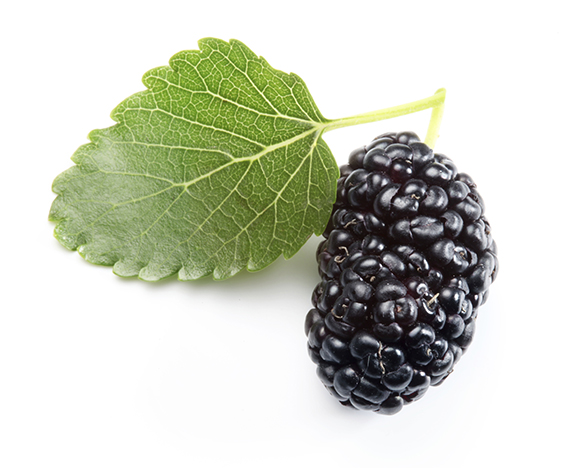
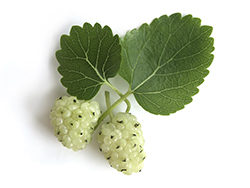
A superfood review would seem incomplete without having a berry involved, and the mulberry (including red, black and white varieties) is giving us little reason to overlook it. According to the US Department of Agriculture nutrient database, mulberries show particularly appreciable levels of vitamin C, K, iron, fibre, antioxidants, and protein. It is this higher protein content which seems to distinguish mulberries from other common berries, including blueberries and blackberries. A common shrub native to China, Natural Standard Research Collaboration indicates that today, black mulberry is often used for colour and flavour in food, medicine, and cosmetics. An interesting historical use of black mulberry was that of an agent for lip staining.
The leaves of mulberry have been studied and show a positive effect on managing blood sugar levels in diabetes, and preliminary evidence on improving cholesterol parameters, according to research reviewed on the Natural Medicines Comprehensive Database. Theoretically, the antioxidant and fibre content of the fruit would also support diabetes and cardiovascular management. Mulberry leaf extract may have additive effects with blood sugar lowering medications and necessitate a dosage adjustment. Like other berries, mulberries are consumed fresh, dried, in juices and jams, in addition to supplement extracts.
Amla/Indian gooseberry
A deciduous tree native to India, the fruits of Indian gooseberry are often eaten raw and used as an ingredient within various Indian recipes. The Natural Standard Research Collaboration points to its use in traditional Ayurvedic medicine to treat cancer, inflammation, diabetes, and obesity, while also being a component of the popular Ayurvedic formulas Triphala and Chyawanprash.
Indian gooseberry juice is rich in vitamin C. Preliminary evidence shows a reduction of blood cholesterol levels. Additional research may elucidate antidiabetic, anticancer, cardio protective and intestinal effects seen in animal studies. Amla has been shown to inhibit platelet aggregation, thus should be avoided in those taking anti-coagulant/anti-platelet (blood thinning) medications; due to positive effects on blood sugar levels, amla use may require dosage adjustment for anti-diabetic medication. In addition to the fresh fruit and supplemental form, amla berry powder is also available.
Cocoa
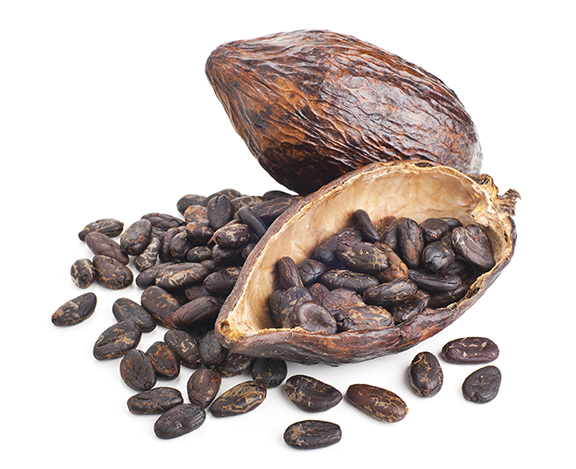
Within the already established category of cocoa products, a unique snack is gaining popularity. Cocoa nibs are the roasted form of the cocoa bean. According to a Huffington Post comparative analysis, cocoa nibs are generally less sweet than traditional chocolate, yet are versatile given that they can be consumed directly, added to smoothies or nut mixes, and even added to baking recipes. Nutritionally, cocoa nibs are purported to contain more magnesium, fibre and iron than other cocoa formats. Much of the same health benefits of traditional dark chocolate and cocoa likely apply, namely helping to reduce blood pressure, and possibly helping to manage blood sugar levels and symptoms of chronic fatigue syndrome.
Both Talukder and Beder indicated consistent and growing sales of cocoa nibs. The nutritional and health benefits of this easy-to-use snack is cited by both as helping to support sales. Cocoa products may affect blood clotting. Caution should be exercised in those taking anti-coagulant/anti-platelet (blood thinning) medications; due to positive effects on blood pressure, regular cocoa use may require dosage adjustment for hypertensive
According to a recent Euromonitor category briefing, plain dark chocolate tablets saw moderate growth in 2014, registering an increase of six per cent in current value terms to reach sales of US$553 million. Dark chocolate consistently gained share over the review period. Believed to help drive this success are continued launches by manufacturers of new varieties containing a higher cocoa content. Recent medical studies highlighting the health benefits of dark chocolate have further supported demand.
Turmeric
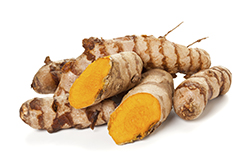
With a rich history in food preparation, medicine, cosmetics and even fabric dying, turmeric is spice cultivated worldwide according to Natural Standard Research Collaboration. Known for giving mustard its distinctive yellow color, turmeric is a perfect example of an ancient spice being re-discovered.
To compliment an array of historical uses, research has supported its use for indigestion, osteoarthritis, and various inflammatory conditions, including inflammatory bowel disease, rheumatoid arthritis, and surgical wound recovery. Much interest has surrounded its curcumin content. Notable drug interactions include anti-coagulant medications, anti-diabetic medications, and it may reduce effectiveness of male fertility medications. Supplement extracts and powdered spice are popular formats used.
According to U.S. sales data reported in the journal HerbalGram, in 2013, turmeric finally eclipsed all other herbs to become the top selling herbal therapy sold in the natural health food and supplement store sector. With over US$21 million in sales, representing a 26.2 per cent increase over 2012 figures, the demand for turmeric products is stellar. Although ranking 30th in the mainstream sector of stores, it still generated over US$4.3 million in sales, representing a 83 per cent increase over 2012 figures.
The superfood market
Nielsen recently released research in collaboration with the Natural Marketing Institute (NMI), co-authored by Sherry Frey and Steve French, providing insight into trends of relevance to superfoods and/or their containing ingredients.
The study covered the continued increase in the number of consumers proactively using food as a means to manage specific health concerns. It indicated that some of the key nutrients consumers are now actively seeking out include fibre, followed by vitamins and minerals, antioxidants, omega-3s, protein, and calcium. Superfruits such as pomegranate and acai berry were mentioned as being valued across all age categories due to their antioxidant power.
Furthermore, according to NMI consumer data cited within the above report, “one-third of American adults now believe that functional foods and beverages can be substituted for some medicines in their overall health plan.“
Talukder and Neil Narula, co-owners of Whole Health Simcoe, find superfoods offer clients a simple way to improve health through nutritional means. Staple sellers have been spirulina, chlorella, and maca, however dried mulberries and moringa powder are fast growing in sales. Common reasons cited by customers for use include exercise stamina and energy support for maca; while mulberry and moringa are popular for general health benefits.
Beder indicates that maca and moringa have definitively been the up-and-coming hot sellers at her location. Interestingly, turmeric can be considered the front-runner when including all formats it’s found in, given the multitude of health benefits it’s becoming known for, including arthritis, heartburn, stomach pain and diarrhea, among others.
Your superfood category
Both Beder and Talukder’s stores have striking similarities when it comes to allocating inventory of the above superfoods to meet store demand. In both cases, maca and turmeric comprise the largest degree of volume sales within the grouping of superfoods, while cocoa nibs and amla are stocked less.
At Whole Health Simcoe, maca and turmeric equally combine to account for roughly 25 per cent of allsuperfood products they stock.Moringa representsbetween five and10 per cent of its superfood category, and mulberry, cocoa nibs and amla together combine for nearly 10 per cent. Theremaining 55 to60 per cent accounts for other superfoods carried, including various greens drinks, juices, nutand seed products.
Nutrition House, however, seems to stocks more mulberry for diabetes management. This may relate to a point made by Beder that demographics and local clientele needs can dictate what percentage of the superfoods one needs to carry. As such, Whole Health Simcoe, being located near two large fitness facilities, and servicing a younger demographic, finds many clients purchase maca particularly for energy support during exercise.
If you’re looking to build your sales by appealing to superfood enthusiasts, it is important to take several measures to ensure your category is appealing to your customers.
Effective merchandising approaches cited by Jafrin include positioning products in multiple areas, both together as a super/functional foods group, and by common use. Similarly, Beder reflects how the positioning of products in the categories of common use helps direct customers to better understand what the product may be used for. Maca sells better when placed in the energy section of products; mulberry with blood sugar control; turmeric with anti-inflammatories; and amla with the multivitamin and vitamin C/antioxidant sections. Brochures placed near the products to inform customers on the effects of functional foods are also helpful. If there is space for a window advertisement, consider pairing an up-and-coming superfood, like moringa, with an established product such as amla to bring attention to the wide variety of antioxidant rich foods in your superfood category. Consider pairing these two products together as they both contain a wide variety of vitamins and minerals for overall health.
For Whole Health Simcoe, providing product demonstrations has also been helpful. Mulberry has been popular as a snackable food item, while maca and moringa powders offer convenience for mixing into smoothies. Periodic use of a tasting station with recipe cards may work well here.
For Nutrition House, Beder indicates how carrying various formats increase the chance of offering something for everyone. For example, powders attract those not keen on downing tablets; and tablets for those not wishing to fumble with powders.
Our society’s desire for getting the most out of our food has continued to build. Seeing food in this proactive and health-supportive way is essential. Maca, moringa, mulberry, cocoa nibs, turmeric, and amla represent old traditions finding their way into the superfood lineage.
References:
Natural Medicines Comprehensive Database; NaturalDatabase.com; Jellin, J. (Editor); Black Mulberry, White Mulberry, Cocoa, Maca, Moringa, Amla, Turmeric entries accessed Dec 16, 2014
Natural Standard Research Collaboration; https://naturalmedicines.therapeuticresearch.com/; C. Ulbricht & E.Basch (Founders/Editors); Amla, Maca, Morus nigra, Moringa, Cocoa, and Turmeric entries; accessed Dec 16, 2014
Brooks NA et al. (2008) Beneficial effects of Lepidium meyenii (Maca) on psychological symptoms and measures of sexual dysfunction in postmenopausal women are not related to estrogen or androgen content. 2008 Menopause; Nov-Dec; 15(6):1157-62
United States Department of Agriculture; Agricultural Research Service; National Nutrient Database for Standard Reference; Release 27; (http://ndb.nal.usda.gov; entries for raw: mulberry, blueberry, blackberry, raspberry; accessed Dec 5, 2014)
Frey, Sherry & French, Steve; Health & Wellness in America, August 2014; Nielsen/Natural Marketing Institute
Lindstrom, A et al (2014) Sales of Herbal Dietary Supplements Increase by 7.9% in 2013, Marking a Decade of Rising Sales: Turmeric Supplements Climb to Top Ranking in Natural Channel; HerbalGram.; American Botanical Council; Issue: 103 p52-56
Cloes, Terri; Cacao Nibs: Even Better For You Than Dark Chocolate; The Huffington Post Canada (online); posted Aug 2, 2013
Euromonitor International : Chocolate Confectionery in the US; Category Briefing; Nov 2014