




All In Nutritionals
Home Blog Page 277

Powerful – with a Capital P

0
Powerful – with a Capital P

Three totally natural health supplements that may be more powerful than prescription drugs??

No joke! Such things do exist. What are they?

At least one you probably have in your kitchen right now.

What? You don’t have a big box of berberine right behind the corn starch? That’s neither surprising nor is it necessarily a bad thing. Although not well known, berberine is quite possibly one of the most powerful supplements on Earth.

What is it?

Berberine is an ammonium salt found in plants ranging from Oregon grape, barberry, tree turmeric, as well as a host of different roots, stems and barks.

What does it do?

All sorts of things, but most famously, it lowers blood sugar levels (some say, as effectively as the diabetes drug, metformin. Berberine also lowers cholesterol, as well as blood pressure levels and blood triglycerides. Berberine has also been shown to have anti-bacterial effects, and may be effective in the treatment of everything from heart failure to cancer.

Is there a down side?

There has been some concern that it can cause brain dysfunction in newborns, so even though this is unproven, you probably shouldn’t take it while pregnant. And since it is a humdinger of a supplement, you might want to check with your pharmacist or ND about taking it in combination with other drugs or supplements. And Oregon grapes are not just tart. They’ll make you pucker so hard your face may implode. So you may not want to eat them right off the tree. Other than that, berberine is a brilliant supplement you may want to track down and add to your list of favourite things.

2. Statin drugs are widely prescribed to reduce production of cholesterol in the blood. Even though recent studies suggest that cholesterol may not be the yellow-eyed demon it has been portrayed as in the media for the past thirty years, you still don’t want a system chock full of cholesterol.

And if you’re looking for a natural statin, you need look no further than that big bag of red yeast rice that’s hiding in there behind the berberine. Okay, we’re kidding. As far as we know, Red yeast rice isn’t sold in bags. But it is used as a food colouring, additive, and preservative. And it’s been used in China and other Asian countries for centuries as a traditional medicine.

Red yeast rice naturally contains several ingredients that may help control cholesterol levels. These include a number of monacolins, most importantly monacolin K. It also contains sterols, isoflavones, and monounsaturated fatty acids, or “healthy fats.”

The down side?

Red yeast rice contains monacolin K, also known as lovastatin, the active ingredient in the prescription drug Mevacor. If you suspect that something like that might have trouble getting Health Canada approval, you’d be dead right. Much to the chagrin of many NDs, Canadian products containing Red Yeast Rice don’t contain enough to provide a pharmacologically active dose.

3. Garlic

If you’re a vampire, you’re out of luck, but otherwise, no-one can control your access to garlic!

The active ingredient in garlic is allicin, which is a wonderful, natural heart health supplement. So go away you heartless vampires! Garlic is known to lower cholesterol and lower blood pressure, thus decreasing your risk of heart attacks, strokes, kidney disease and even boosting your immune function which may help you win the ongoing battle against the common cold.

The biggest upside of all

Chances are, you probably have some garlic in your kitchen, right now! And it’s yummy!!
 

D3 Gummy

0
D3 Gummy

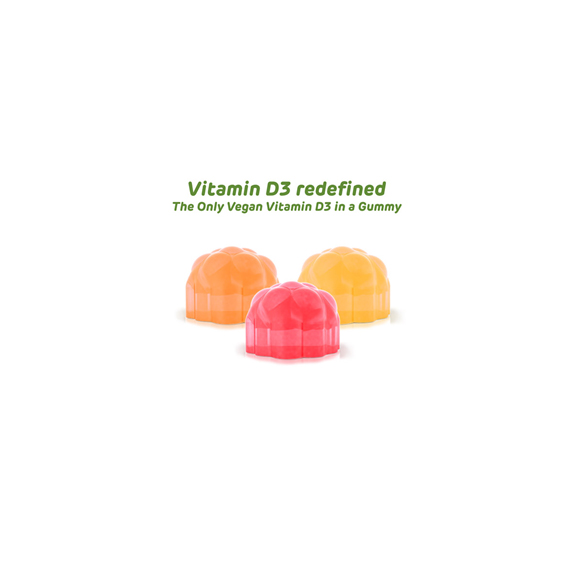
The GHT Companies (GHT) will unveil a D3 gummy product exclusively formulated with its vegan vitamin D3 powder at the upcoming 35th annual Natural Products Expo West.

The D3 gummy will take pride of place at GHT’s booth at the show which is being held March 6-8 at the Anaheim Convention Center.

More than 60,000 people are expected to attend Expo West, the world’s largest event devoted to natural and specialty food and beverages, organics, supplements, health and beauty, natural living and pet products.

GHT’s D3 gummy, which is available for private labeling, is Non GMO, Gluten free, Kosher approved, and Halal approved. It comes in three flavors—strawberry, orange and lemon.

Several studies suggest that vitamin D3 is 70 percent to 87 percent more potent than vitamin D2 and easier for the body to absorb. Vegan Vitamin D3, which is derived from lichen, is the only known source of vitamin D3 that uses absolutely no animal products. Previously, as D3 usually comes from lanolin extracted from sheep’s wool grease, vegans would have had to settle for vitamin D2, the less-effective ergocalciferol form of Vitamin D.

The GHT Companies’ President and CEO, Jim Rex states, “We are proud to offer the only known vegan vitamin D3 in a gummy. This is the result of a one year R & D effort, coupled with our exclusive rights as the North American resource for our unique Vegan Vitamin D3 raw ingredients. Our partner, Chemroy Canada, Inc., and our companies will currently be the only sources of these gummies in North America. It’s just a part of our vision coming to fruition, which is to be at the forefront of introducing unique and groundbreaking health discoveries to the nutraceutical markets.”

Get a Taste of Neptune’s Treasure

0
Plant protein brand awarded top honours at Canadian Grand Prix

Neptune Technologies & Bioressources Inc. announced that Andre Godin, Neptune’s Chief Financial Officer, will present at the 27th Annual Roth Conference on Tuesday, March 10, 2015 at 4:30 p.m. Pacific Time.  The Conference is being held at the Ritz Carlton Hotel in Dana Point, California.  A copy of the presentation will be available on the investor section of Neptune’s website at  www.neptunebiotech.com/ under the investor events and presentations tab.

Portfolio managers wishing to meet with the Company at the conference should contact a Roth sales representative.

About Neptune Technologies & Bioressources Inc. Neptune is a biotechnology company engaged primarily in the development and commercialization of marine-derived omega-3 polyunsaturated fatty acids (”PUFAs”). Neptune has a patented process of extracting oils from Antarctic krill, and principally sells omega-3 PUFAs as bulk oil to Neptune’s distributors who commercialize them under their private label primarily in the U.S., European and Australian nutraceutical markets.


The Letter that The New York Times Didn’t Publish

0
The Letter that The New York Times Didn’t Publish

About the NY Attorney General’s Misuse of DNA Technology to Test Herbal Supplements

On Tuesday, Feb. 3, 2015, American Botanical Council (ABC) Founder and Executive Director Mark Blumenthal and Chief Science Officer Stefan Gafner, PhD, submitted a letter to the editor of The New York Times in response to a front-page article titled “New York Attorney General Targets Supplements at Major Retailers” written by Times reporter Anahad O’Connor. The writer contacted ABC for a quote on the issue, but he either declined to include it in the final article or it may have been removed during the editing process.

So Blumenthal and Gafner submitted their comments the old fashioned way – in a letter to the editor – in the case, a letter that was never published. Only one letter — from Dennis Stevenson, PhD of the New York Botanical Garden — was published in response to the article, approximately a week after the original story appeared.

The full text of the ABC letter follows:

Feb. 3, 2015

The New York Times
620 Eighth Avenue
New York, NY 10018

Sent to: Thomas Feyer (Letters Editor); letters@nytimes.com

Re: Anahad O’Connor. New York Attorney General Targets Supplements at Major Retailers; What’s in Those Supplements? Health: Well Blog. Tuesday, February 3, 2015, p. D5.

Dear Sir: We lead an international consortium of nonprofit organizations, professional research societies, industry trade associations, and others – dedicated to educating the public on the adulteration of botanical ingredients used in consumer health products: The ABC-AHP-NCNPR Botanical Adulterants Program. The New York State Attorney General’s study of herbal supplements is not based on adequate analytical methods, and its actions are thus premature. The use of DNA barcoding technology for testing of the identity of botanical dietary supplements is a useful but limited technology. DNA testing seldom is able to properly identify chemically complex herbal extracts as little or no DNA is extracted in many commercial extraction processes. Basing its actions on only one testing technology in only one laboratory, the New York AG results are preliminary and require further substantiation. Additional testing using microscopic analysis and validated chemical methods should be conducted to confirm the initial results upon which the AG is acting.

Respectfully, Mark Blumenthal
Founder & Executive Director
American Botanical Council

Opening the Hatch to Fair Trade Seafood

0
Opening the Hatch to Fair Trade Seafood

Using single-hook handlines attached to handmade kites, the fishermen in the Indonesian Maluku island chain locate and catch large adult yellowfin tuna from their small boats.


Similar to other well-known Fair Trade Certified products, such as coffee, tea, cocoa, flowers, produce and apparel, the Fisheries program requires fishermen to source and trade according to rigorous, independently audited standards. These standards help to protect fundamental human rights, prevent forced and child labor, establish safe working conditions, regulate work hours and benefits, and enable responsible resource management. This is especially important in an industry with a long history of labor abuse.


After four years of development, Anova Food recently began importing the world’s first Fair Trade Certified™ seafood. Debuting on the grocery shelves in March, this wild caught tuna from small-scale fishermen in Indonesia will initially be available in Safeway’s Northern California Division stores with plans to expand into other operating areas as additional supply becomes available.


Anova’s Fishing and Living™ initiative goals of sustainable sourcing as well as fishing community development and aid closely align with the Fair Trade Certified™ program. “Working with industry professionals, groups such as WWF, USAID, NGOs, the Indonesian government, marine biologists, sustainability experts and retailers has given us a complete perspective on the sustainable harvesting methods of tuna. Partnering with Fair Trade has assisted our ongoing efforts to provide responsibly-sourced seafood while also building resilient livelihoods in impoverished coastal communities.” said Helen Packer, Coordinator of the Fishing and Living™ program.


“Safeway’s commitment to selling all its seafood from responsible and traceable sources makes them a great partner to launch our Fair Trade Certified™ tuna into the North American market” said Mark MacPherson, a sustainability consultant at Anova Food. The first certified tuna products will be packed under the Natural Blue™ brand and come from four associations representing 120 small-scale fishermen.


Fair Trade is also helping to foster community collaboration among previously isolated groups of fishermen. For every Fair Trade Certified tuna sold, fisherman receive an additional Community Development Premium—10 percent of the dock-side price—which they can collectively invest in much-needed community projects like education and healthcare.

Canada’s Organic, Plant-Based, Gluten-Free, Dairy-Free, and Soy-Free Smoothie and Juice Bar Chain Makes Inroads in US

0
Canada's Organic

Liquid Nutrition Group Inc. is a growing, hybrid retailer of functional beverages, fresh pressed juices, vitamins and supplements with 13 stores as well as three stores under construction in Canada, the USA, the Bahamas and the Middle East. The company recently announced that all their major corporate strategic initiatives and product enhancements they targeted in 2014 have now been successfully implemented and their quest for franchisees across the US has begun.


All Liquid Nutrition stores in Canada were converted to a completely new 100% organic, plant-based, gluten-soy-and-dairy-free menu.


The company implemented and introduced its proprietary Liquid Nutrition Strength plant-based protein powder as well as its Liquid Nutrition Daily Essentials all-in-one, plant-based, greens, vitamins and protein nutritional supplement. They say that plant based protein offers more health benefits than whey protein, including more fibre, nutrients, and antioxidants which help to reduce inflammation.


The company developed and introduced its own branded organic, carrageenan-free almond milk, which is the company’s most consumed ingredient. Carrageenan is a binding agent found in most almond beverages, which recent medical research has found to have possible harmful effects on people’s health. The Liquid Nutrition organic almond milk is used in the company’s store-made smoothies and acai bowls and it is also available for sale to the company’s clients as a shelf-stable, take-home product.


Its North America now feature a comprehensive Cold Pressed Juice program; the ABC’s of Juicing. It consists of organic cold pressed juices which can be consumed on a daily basis as part of a healthy, daily diet or as 1, 3, or 5 day detoxification programs. All of Liquid Nutrition’s cold pressed juices are produced in the company’s corporate juice facility and then put through a process called High Pressure Pasteurization (HPP). By means of this innovative process, Liquid Nutrition is able to extend the shelf life of its cold pressed juices from 2 or 3 days to up to 30 days without loss of any nutritional characteristics.


The company has converted all in-store supplements, vitamins, and products to the Liquid Nutrition brand – a move that standardizes the quality of the products and improves margins for its franchisees.


With regards to franchise recruitment and development, Liquid Nutrition opened its first store in the United States in Beverly Hills, California this past November. Concurrently, they entered into an exclusive annual franchise sales and recruitment agreement with a highly experienced US franchise recruitment sales organization. Renewal depends on selling a minimum of 30 US franchised stores for each year of the five year agreement.


Chantal Chamandy, the company’s President & CEO (but a Mom first!), stated, “We believe that Liquid Nutrition’s unique position in the North American smoothie and juice franchise industry as one of the only companies to offer a food and beverage offering that is 100% organic, plant-based, gluten-free, dairy-free, and soy-free will serve as the catalyst to achieve the company’s franchise sales objectives and to increase the sales of our current franchisees.”

Coffee Tea Drinks Inspired by Asian-Pacific Trends

0
Stevia future looks sweet

With younger consumers turning away from coffee in a search for healthier beverages, many are attracted to coffee tea drinks – a hybrid concept that gives them the best of both worlds – coffee boosting the caffeine content of a tea drink, while tea provides healthier antioxidants.


In much of the world, coffees and teas are regarded as mutual exclusive. The trend of combining the two into a single hot beverage is a relatively new development in Western mainstream markets, but it’s a trend that seems to be breaking out in the specialty tea channel across North America.

 
Crossing distinct and unconnected foods to create hybrids and fusion foods is a trend that has existed for many years – a globalization of tastes to go along with our world’s increasingly migrant population. Chinese food has long shown an ability to adapt to its surroundings – with different variations arising in every country where it merges with local cuisine. Pizza may be thought of as Italian food, but the mutations that crop up in the local cuisine of whatever country it appears in – make the food vastly different from market to market. But the hybrid tendency took much longer to catch fire in the hot beverage market.


A coffee tea drink known as Yuan Yang is an established and popular beverage choice in the Asia-Pacific region. Tea drinking has historically been the dominant form of hot beverage consumption in the region, but in more recent times, coffee has been introduced and – like many behaviours that are perceived as indicators of western sophistication – grew rapidly in popularity. However, the strong, bitter taste gave rise to the practice of diluting it with gentler and more familiar-tasting tea. The practice became so common that even global brands like Lipton launched coffee tea drinks in the Asian Pacific market. And many variations grew out of that, with coffee flavours being added to tea beverages in the form of additives like coffee jellies. Like bubble-tea, this style of drink has grown popular in the region and has started appearing wherever there are sizable Asian populations in North America.

Coffee tea drinks have also earned a small following in South Africa. Their popular Rooibos or redbush tea is caffeine-free and claims a very high antioxidant content. Taking a cue from the coffee market, ground rooibos started appearing as ‘red espresso.’ Combining it with coffee, gives it an energy kick and it has gained quite a following as a coffee tea hybrid.

Coffee is also being mixed with tea to create “slimming” and fat burning beverages. These often use green coffee extract which contains chlorogenic acid, and has a reputation for ‘thermogenic’ properties. This cocktail is routinely mixed with an array of metabolism boosting herbal ingredients.
 

While coffee tea drinks represent a fairly small niche in the tea category, it is a novel concept with enough of an existing following that it’s likely to keep growing.

Juice Gives You Something to Chew On  

0
Juice Gives You Something to Chew On   

First-Ever USDA Organic Line of Chewable Juices Receives PO From United Natural Foods, Inc. in Preparation for Whole Foods Markets Launch


Fresh Promise Foods, Inc. (a Georgia-based natural and organic health and wellness company), announced that its wholly owned subsidiary, Harvest Soul, Inc., maker of organic chewable juices, has received its first major purchase order from United Natural Foods, Inc. – a leading independent national distributor of natural, organic and specialty foods and related products, including nutritional supplements, personal care items and organic produce.


This is a significant step in preparation for Harvest Soul’s launch into Whole Foods Markets South Region, where Harvest Soul Chewable Juices will be available in Georgia, South Carolina, North Carolina, Tennessee, Alabama and Mississippi before the end of the month, marking a sizable launch in the Southern Region of the United States.


In addition to distribution services, United Natural Foods provides a range of innovative, value-added services for their partners and suppliers in efforts to foster mutual success and growth. These impactful services include marketing and promotional tools, merchandising, category management and store support services.


Kevin P. Quirk, Fresh Promise Foods CEO and Harvest Soul President, said, “It’s always nice to have people interested in buying what you are selling. Working with partners like Whole Foods Markets and United Natural Foods makes it even more exciting.”

Harvest Soul Chewable Juices will be on Whole Foods Markets shelves launching their “Chewtrition Revolution” messaging.


Harvest Soul Organic Chewable Juices, available in Green Fusion and Tropical Fusion, are superfood blends of fruits and vegetables, mixed in with perfectly sized bits of seeds, nuts and berries. They are packed with fiber and protein, are never made from concentrates, and have no added flavors or sugar.


United Natural Foods, Inc. carries and distributes more than 80,000 products to more than 40,000 customer locations throughout the United States and Canada. The Company serves a wide variety of retail formats including conventional supermarket chains, natural product superstores, independent retail operators and the food service channel.


Dangers Posed by Counterfeit Veterinary Drugs in Canada and Around the World

0
Dangers Posed by Counterfeit Veterinary Drugs in Canada and Around the World

A recent story by Susan Mann in Better Farming points out that non-regulated drug imports currently make up 13 per cent of the veterinary drugs used in Canada.

She quotes Canadian Animal Health Institute president, Jean Szkotnicki as warning that veterinary drug importation programs enable Canadian livestock farmers to directly import drugs that may be counterfeit and that do not have Health Canada approval.

“The importation and use of (bulk) active pharmaceutical ingredients is being done by both veterinarians and pharmacists who are directing the product into veterinary medicine both at the food and companion animal level,” she says.

While it’s true that counterfeit drugs create much bigger problems in developing countries, Szkotnicki says she wants to see stricter border controls as the industry removes growth promotion claims from labeling on licensed antimicrobial products that are considered important in human medicine. It is part of the process of addressing overuse of antibiotics in food animals and how that may contribute to antimicrobial resistance in humans.

The World Health Organization for Animal Health (OIE), issued a press release in January stating that counterfeit veterinary drugs play “a dangerous role in global antimicrobial resistance.”

Counterfeit drugs constitute as much as 80 per cent of the veterinary drugs used in some countries.

British Columbia and Ontario Pharmacists to Provide New Cardiovascular Program to Patients

0
British Columbia and Ontario Pharmacists to Provide New Cardiovascular Program to Patients

Green Shield Canada, in partnership with the Ontario Pharmacists Association and the British Columbia Pharmacy Association, launched a pharmacist counselling service focused on cardiovascular health. The Pharmacist Health Coaching program is designed to improve the health outcomes of patients with hypertension and high cholesterol, and reduce health benefits costs. It is now available to plan members of Green Shield Canada’s health benefits plans in Ontario and British Columbia. Green Shield Canada will be actively engaging additional provinces in the program as the year progresses.


Under the program, pharmacists offer eligible patients support and counselling on managing high blood pressure and high cholesterol through one-on-one sessions. The program’s objective is to empower participants to take responsibility for their overall health – it will focus on diet, exercise, smoking cessation, drug therapy adherence and personal health monitoring. Training has been developed for pharmacists delivering the program, and remuneration will be made available for the counselling services provided.


The Pharmacist Health Coaching program is based on a study sponsored by Green Shield Canada, in partnership with the Ontario Pharmacists Association and other organizations (including the Heart and Stroke Foundation) that tested the effectiveness of pharmacists’ hypertension management services. Patients with uncontrolled hypertension met regularly with their pharmacists, who provided medication and lifestyle counselling and monitored blood pressure. The results of the study provided clear evidence that a significant percentage of patients who received a pharmacist’s support had lower blood pressure, lower body mass index, improved medication compliance and reduced drug costs compared to a control group of patients who did not receive pharmacist support.


“Our experience shows that a key element of managing overall health benefits costs for our clients is helping their employees better manage their personal health. And pharmacists have a natural point of interaction with them,” said Steve Bradie, president and CEO of Green Shield Canada. “Through this investment in health management, our goal is to not only improve health outcomes and influence drug therapy adherence, but also lower overall plan costs and, in the end, deliver savings to the Canadian health care system.”


“We are very pleased to be able to provide this service to patients in British Columbia,” said Geraldine Vance, CEO of the British Columbia Pharmacy Association. “Pharmacists are easily accessible to most British Columbians and can meet frequently with patients. That means better adherence to medications and healthy behaviours.”


“We are excited to be able to build on the success of the pilot program and to offer this important pharmacy service to all eligible patients in this province,” said Dennis Darby, CEO of the Ontario Pharmacists Association. “As medication experts and trusted health care providers, pharmacists are ideally placed to help raise awareness of the risk factors leading to heart disease and stroke, to play a key role in early detection, and to help patients manage their various medication therapies.”


“High blood pressure and high cholesterol are primary risk factors for cardiovascular disease – we applaud the pharmacy associations and Green Shield Canada for implementing a program that will go a long way in helping those living with these risks to control their blood pressure and cholesterol levels, make lifestyle changes and improve their medication regimens,” said Dr. Gavin Arthur, director, Promote Recovery, Heart and Stroke Foundation.


About Green Shield Canada
Green Shield Canada (GSC) is a benefits specialist. It’s what they do. But as Canada’s only national not-for-profit health and dental specialist, their reason for being is the enhancement of the common good. GSC seeks out innovative ways to improve access to better health for Canadians. From coast-to-coast, their service delivery includes drug, dental, extended health care, vision, hospital and travel benefits for groups and individuals, as well as administration services. Supported by cost containment strategies, advanced technology and exceptional customer service, they create customized programs for over one and a half million plan participants nationwide.