All In Nutritionals
Home Blog Page 276

WHO Doesn’t Like Sugar?

0
WHO Doesn’t Like Sugar?

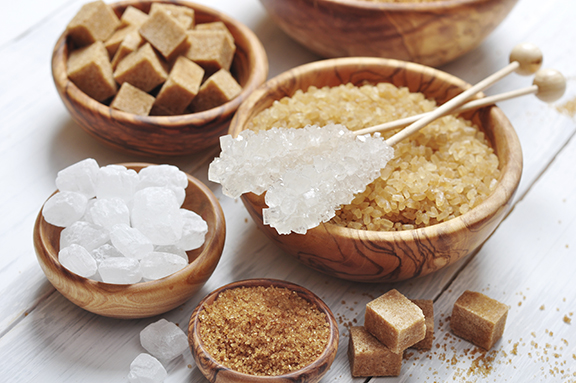
A new World Health Organization (WHO) guideline recommends adults and children reduce their daily intake of free sugars to less than 10% of their total energy intake. A further reduction to below 5% or roughly 25 grams (6 teaspoons) per day would provide additional health benefits.


Guideline on sugars intake for adult and children

Free sugars refer to monosaccharides (such as glucose, fructose) and disaccharides (such as sucrose or table sugar) added to foods and drinks by the manufacturer, cook or consumer, and sugars naturally present in honey, syrups, fruit juices and fruit juice concentrates.


“We have solid evidence that keeping intake of free sugars to less than 10% of total energy intake reduces the risk of overweight, obesity and tooth decay,” says Dr Francesco Branca, Director of WHO’s Department of Nutrition for Health and Development. “Making policy changes to support this will be key if countries are to live up to their commitments to reduce the burden of noncommunicable diseases.”


The WHO guideline does not refer to the sugars in fresh fruits and vegetables, and sugars naturally present in milk, because there is no reported evidence of adverse effects of consuming these sugars.


Much of the sugars consumed today are “hidden” in processed foods that are not usually seen as sweets. For example, 1 tablespoon of ketchup contains around 4 grams (around 1 teaspoon) of free sugars. A single can of sugar-sweetened soda contains up to 40 grams (around 10 teaspoons) of free sugars.


This is far from the first time WHO has recommended cutting the intake of free sugars to less that 10 per cent of total energy intake.


Product Launches at Expo West

0
Product Launches at Expo West

Mar. 6, 2015

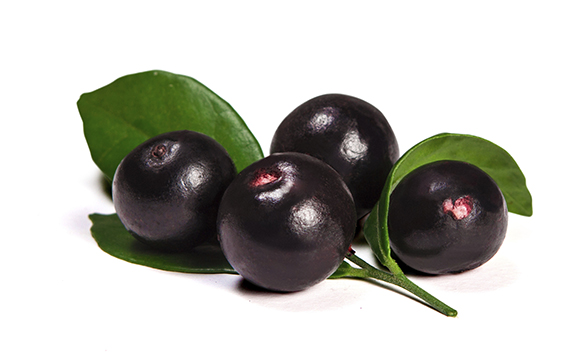
This weekend’s product launches at Expo West include one from Sambazon, the pioneer of açaí, launching their new Sambazon 100 Juices, the first 100 percent juice line with 100 calories or less per bottle and 70 percent less sugar than other premium juices. Packing the superior health benefits of 100 açaí berries in each bottle, this new line delivers powerful antioxidants and healthy omegas with three delicious flavors: Açaí Berry,Strawberry + Lemon + Açaí Berry and Pineapple + Coconut + Açaí Berry.


“Açaí has long been held as one of the most nutritionally dense superfoods on the planet and is sought after for its remarkable levels of antioxidants and healthy omega fats,” said Ryan Black, founder and CEO of Sambazon. “But most people don’t know that açaí is one of the only fruits in the world with virtually zero naturally-occurring sugar. Starting with that pure, organic açaí juice and blending in fresh fruits and natural, organic sweeteners has allowed us to create an invigorating, delicious beverage with all the exceptional health benefits of 100 açaí berries, but fewer calories and sugar. Sambazon 100 gives our customers the most nutritious bang for their calorie buck.”


Like all Sambazon products, new Sambazon 100 Juices are Certified USDA Organic, Non-GMO Project Verified, vegan, and made with Fair Trade açaí.


Medical Marijuana Inc is showcasing its industry leading cannabis products at at Expo West. With Washington, DC, Alaska, and Virginia just legalizing medical marijuana, it is evident that customers are demanding marijuana brands from coast-to-coast. With thousands of buyers from various regions of the world beginning to hone in on cannabis products derived from the hemp plant, Medical Marijuana – through their corporate portfolio firm, HempMeds – introduced a specialized report on Hemp as a Superfood. And showcased several top hemp cannabis brands including Dixie Botanicals™, KannaKick™(a food energy chew squares with cannabidiol hemp oil), Real Scientific Hemp Oil™, Cannabis Beauty DEFINED™ and New Brands™ – the latest hemp CBD-infused functional foods.


Fitness Giants Flex and Stretch

0
Fitness Giants Flex and Stretch

Mar 6, 2015   There were some big moves in the fitness nutrition sector this week:

Capstone Nutrition – a leading turnkey developer and manufacturer of high quality nutrition and OTC products and MusclePharm Corporation – a scientifically driven, performance-lifestyle sports nutrition company – announced the signing of a set of multi-year strategic supply agreements between the two companies. The agreements provide MusclePharm long term access to Capstone’s extensive high quality development and manufacturing services, expand the production capacity at Capstone to meet additional requirements, and provide MusclePharm with certain warrants and options.

“MusclePharm has long been one of our fastest growing customers, and we are thrilled to expand our relationship to help fuel their future growth and innovation,” said Greg Horn, CEO of Capstone. “Their vote of confidence in Capstone as their long term primary supplier is a validation of our commitment to quality, and of our strategy to work closely as partners with our customers.”

“MusclePharm and Capstone have had a long term relationship since MusclePharm’s founding,” said Brad Pyatt, CEO and Founder of MusclePharm. “With more than two decades of experience manufacturing high-quality products, Capstone is the ideal partner for MusclePharm.” Richard Estalella, President of MusclePharm added, “These agreements bring MusclePharm advantages in quality and innovation and dual supply in both the eastern and western U.S. while providing us with many of the advantages of vertical integration.” The initial term of the agreement is 7 years, and MusclePharm has committed to produce a minimum of $90 million of its powder and capsule business with Capstone each year after a scale-up period during 2015.

Elsewhere in the fitness nutrition field, FitLife Brands, Inc. , an international provider of innovative and proprietary nutritional supplements for health conscious consumers marketed under the brand names NDS Nutrition Products™ (“NDS”) (www.ndsnutrition.com), PMD® (www.pmdsports.com), SirenLabs® (www.sirenlabs.com) and CoreActive® (www.coreactivenutrition.com) announced the planned introduction of several new products designed exclusively for the GNC franchise system. Expected to begin shipping in the first quarter, the new products build on the Company’s commitment to create innovative and differentiable products as a core element of its growth strategy.

“I am pleased to announce several new product introductions for 2015 that build on our strong trend from 2014, which included the introduction of 27 new SKUs including eight new products, 16 reformulated products and three new flavors,” said John S. Wilson, Chief Executive Officer of FitLife Brands. “Each year, we strive to generate approximately 25% of our revenue from new products introduced in the past 12 to 18 months. In addition to being a key element of revenue growth, new product innovation demonstrates our commitment to our GNC franchise customers. This approach has helped firmly establish FitLife as the leading third-party vendor within the GNC franchise system and these new product introductions are just the first wave of what we expect will come throughout 2015.”

New products include the following:

  • SirenLabs Isolate Protein in Vanilla and Chocolate. Isolate protein is the purest form of protein available and offers superior bio-availability in a robust formulation that also boasts BCAAs and glutamine. Moreover, the addition of protein further solidifies SirenLabs as a premium brand with a complete suite of products capable of addressing the total needs of the customer.
  • NDS Nutrition Amplify Smoothies in Chocolate, Cinnamon Roll and Vanilla flavors. Besides the addition of Cinnamon Roll as a new flavor, the reformulated smoothies highlight all natural flavors and sweeteners, as well as a greens blend that addresses growing demand from the end consumers.
  • PMD Fuel360. Available in two flavors, Fuel360 is a powerful and comprehensive post-workout product offering a premium formulation targeted at recovery and repair for the serious athlete.
  • PMD Amplify XL. Building on an already outstanding formulation, improvements include a single scoop serving size and the addition of a hydro greens blend.

“In addition to the above, we remain very excited about the near-term launch of our new brand, Metis Nutrition, for the GNC corporate store opportunity,” continued Mr. Wilson. “First shipments of the initial product are on track for later this month with another 2 or 3 SKUs to follow shortly thereafter in the second quarter. The initial scope of the planned launch is greatly exceeding our expectations. We are excited and confident about this major milestone, which could in the long-term prove transformational to our business and be a key driver of future revenue and profitability growth for FitLife.”


Apollo Accelerates the Movement Towards Alternative Antibacterial Formulas

0
“Waterless” products a growing trend in the natural beauty industry

Triclosan is the most common antimicrobial active ingredient found in antibacterial soap and many other antibacterial personal care and household chemical products. Triclosan is accepted by Health Canada and the FDA as safe and effective. However, recent studies have indicated adverse effects from the use of Triclosan. Triclosan is not biodegradable, it bio-accumulates, and has been shown to break down into perilous carcinogens in the presence of chlorine and UV.

Apollo Health and Beauty Care, a leader in sustainability and environmental progress, acknowledges the undesirable qualities of Triclosan and that next generation antibacterial active ingredients are needed as alternatives to Triclosan.

Challenge accepted!

Apollo forged a syllabus of Triclosan-free Antibacterial Soaps and Body Washes over four years ago, based upon Benzalkonium Chloride (BZK) technology. BZK is biodegradable, non-toxic and is not a skin sensitizer (chemical that causes allergic reaction) and is free of any carcinogenic pathways.

As with all new and improved programs, the cost of the change was rigid at the time and tough to assume by our customers and consumers alike.

Apollo persevered and through strategic sourcing and innovative product development over the past two years Apollo now presents Triclosan-free antibacterial alternative BZK at a sufficiently effective value to yield wide acceptance in the marketplace.

Richard Wachsberg, Chairman of Apollo, states, “Over a successful year of full scale production and customer-wide availability, Apollo has created industry awareness of this effective alternative and our Customers now ask specifically for our new proprietary formulas. We now endeavor to completely eliminate the use of Triclosan in all our products.”


What’s up with the Poiple Carrots, Doc?

0
What's up with the Poiple Carrots

Bugs Bunny would be pleased to learn that purple carrots deliver quiet a different list of nutrients than their orange, yellow and white counterparts.

The antioxidant level in purple carrots is five as high as in white or yellow carrots. Each serving of purple carrots delivers a sizable helping of anthocyanin – which is believed to build up your resistance to both inflammation and diabetes. Granted, you would get more anthocyanin from a similar sized helping of blueberries or plums (both renowned for their antioxident qualities), but since carrots are less expensive than those fruits, the carrots would be more economical.

“Antioxidants such as those found in purple carrots are important for good health,” says U of Guelph professor Mary Ruth McDonald. “Having a lot of fruits and vegetables in your diet reduces the risk of chronic diseases, such as heart disease, stroke, Type 2 diabetes and several cancers. They do all kinds of good things.”

According to the University of Guelph’s Research Magazine, purple carrots were the most common until farmers started breeding carrots to be orange in the 1600s.

That doesn’t mean people should stop eating orange carrots. Carrots of each colour have health benefits: orange carrots contain beta-carotene; red carrots lycopene; white carrots phytochemicals; and yellow carrots xanthophylls. And while most fruit typically lasts about a week unspoiled, root vegetables such as carrots can be stored for up to eight months. McDonald is the only researcher in Ontario specifically studying carrot production. People turn to her to solve problems. Most recently, her research team has been conducting trials with animals and humans to determine if eating purple vegetables actually provides health benefits. This is ground-breaking research, and McDonald wants people to know about the advantages of purple carrots so they can eat more and reap the health benefits.


Next Generation Healing Laser Customizes Energy Output for Each Patient

0

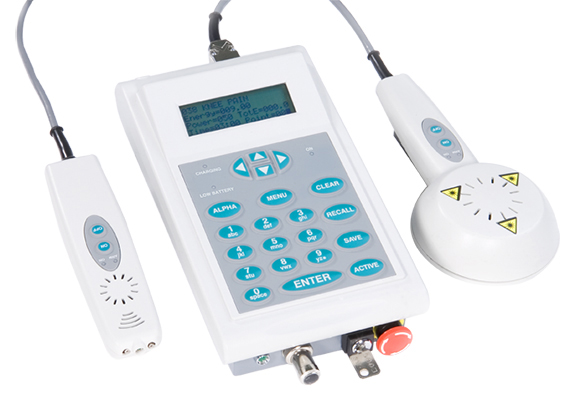
In February, 2015, Theralase Technologies Inc filed for Health Canada approval via a Class 3 Medical Device Licence application after successfully completed the design of the next generation therapeutic laser, the TLC-2000.

According to Health Canada guidelines, approval of a Class 3 Medical Device Licence is expected within approximately 75 days, which would indicate final approval on or about April 2015.

Food and Drug Administration and Conformite Europeene approval of the TLC-2000 will be submitted in this month and approval is expected on or about June 2015.

The Theralase TLC-2000 is a next generation patented biofeedback therapeutic laser system that the Company has researched and systematically developed over the last 12 years, commencing with the issue of US patent 6,413,267 on July 2, 2002. Between 2003 to 2009, extensive scientific research of the laser biofeedback technology was completed by analyzing the light propagation and associated attenuation (reduction) through tissue via: computer modeling, phantom technology (materials that optically behave the same as tissue) and finally verification and validation through established animal models.

From 2010 to 2014, Theralase completed the development of the alpha, beta and pre-production level prototypes. The TLC-2000 biofeedback therapeutic laser system possesses patented Cell SensingTM technology, which allows the TLC-2000 the ability to “sense” how deep the damaged tissue is located within the body and then deliver a precise dose of healing light energy to the injured tissue to heal it faster and most effectively than previously attainable. The TLC-2000 automatically adjusts to a patient’s physical characteristics, thus is “patient specific” in the delivery of its energy, adjusting its parameters in relation to each patient treated. The ability to deliver exact doses of light energy to precise depths of target tissue enables the TLC-2000 to provide superior efficacy and accelerated healing for patients, unattainable by any competitive technology. The TLC-2000 is also a learning device that analyzes the clinical efficacy of each treatment delivered, optimizes the clinical protocols accordingly and then relays this new clinical treatment information digitally to each healthcare practitioner, who uses the technology. The healthcare practitioner, regardless of their geographical location, is thus provided with continually optimized clinical treatment protocols to treat their patient’s conditions on a real time basis.

Clinically effective dosages specific to numerous conditions are stored in a Health Insurance Portability and Accountability Act (“HIPAA”) compliant cloud databank and are available real time to all practitioners utilizing the TLC-2000 therapeutic laser system via internet connection to a tablet, which wirelessly connects to the therapeutic laser probe.

By providing healthcare practitioners with a sophisticated medical technology, like the TLC-2000, for delivering laser light energy to tissue, the repeatability and reproducibility of clinical efficacy for each and every patient will be enhanced, an issue that has plagued the therapeutic laser industry for years and prevented this technology from entering mainstream medicine.

www.theralase.com

Apollo Accelerates the Movement Towards Alternative Antibacterial Formulas

0

Triclosan is the most common antimicrobial active ingredient found in antibacterial soap and many other antibacterial personal care and household chemical products. Triclosan is accepted by Health Canada and the FDA as safe and effective. However, recent studies have indicated adverse effects from the use of Triclosan. Triclosan is not biodegradable, it bio-accumulates, and has been shown to break down into perilous carcinogens in the presence of chlorine and UV.

Apollo Health and Beauty Care, a leader in sustainability and environmental progress, acknowledges the undesirable qualities of Triclosan and that next generation antibacterial active ingredients are needed as alternatives to Triclosan.

Challenge accepted!

Apollo forged a syllabus of Triclosan-free Antibacterial Soaps and Body Washes over four years ago, based upon Benzalkonium Chloride (BZK) technology. BZK is biodegradable, non-toxic and is not a skin sensitizer (chemical that causes allergic reaction) and is free of any carcinogenic pathways.

As with all new and improved programs, the cost of the change was rigid at the time and tough to assume by our customers and consumers alike.

Apollo persevered and through strategic sourcing and innovative product development over the past two years Apollo now presents Triclosan-free antibacterial alternative BZK at a sufficiently effective value to yield wide acceptance in the marketplace.

Richard Wachsberg, Chairman of Apollo, states, “Over a successful year of full scale production and customer-wide availability, Apollo has created industry awareness of this effective alternative and our Customers now ask specifically for our new proprietary formulas. We now endeavor to completely eliminate the use of Triclosan in all our products.”


Product to Reduce Fatigue

0

Nutritional Therapeutics Inc. says that clinical trials have shown that their product, NT Factor®, can actually support the repair of damaged cell membranes – in effect reducing the cells’ biological age and restoring mitochondrial ability to generate energy. They say this is true whether the reduced energy/fatigue is from an illness like ME/CFS or fibromyalgia, a side effect of chemotherapy, or simply a result of aging. Studies done with severely fatigued patients in each of these populations demonstrated that NT Factor can support reduction of fatigue levels by as much as 45 percent.
John Casey, president of Nutritional Therapeutics, envisioned NT Factor as a bridge between the healthier diet of old and today’s modern diet.  He determined that the fundamental problem with the modern diet is that it leads to leaky-gut syndrome, candidiasis (yeast overgrowth), and other gastrointestinal problems, which in turn hinder the proper absorption and utilization of nutrients. In his search for a way to correct this problem, he looked to nature – and so, mother’s milk became the blueprint for developing NT Factor.

An important component of mother’s milk is phosphoglycolipids (also called glycophospholipids).  Phosphoglycolipids are a special type of fat and they make up a significant portion of the structure of cell membranes.

But those phosphoglycolipids need a hospitable environment in the stomach and GI tract in order to be utilized properly. So, in addition to being a rich source of phosphoglycolipids, NT Factor was also formulated to provide both:

  • The friendly bacteria (bifido and lactobacillus bacterium) needed to keep the gastrointestinal tract functioning properly,Researchers found that NT Factor also supports the repair of cell membranes – not just in the gastrointestinal tract, but throughout the whole body.The NT Factor formulation is designed so that the phosphoglycolipids match the human cell membrane and are not digested but instead are able to get into the wall of the GI tract intact. Once there, they go to work repairing any damage in the cell membrane.

    As we get older or develop various illnesses, oxidative stress producesfree radicalswhich destroy cell membrane, literally causing holes in our cells. The cell membrane is composed mainly of fats with some protein.  When the phosphoglycolipids in NT Factor get to the cell membrane, they fill in and plug any holes. This enables the cell to once again function as it is meant to.

    Phosphoglycolipids have their own energy supply, each containing a battery-like structure with a positive and negative charge. Because of this, when this type of lipid is laid against a cell membrane, it naturally forces itself into the membrane. Therefore, phosphoglycolipids require none of the patient’s energy to get into the body – an important feature for individuals who are already severely fatigued.

  • Once phosphoglycolipids get into the body, they work to repair the cells in the lining of the stomach and the GI tract.Since the cell membrane is the gateway of all nutrition and the production site for enzymes, energy, proteins, hormones, etc., repairing the cell membrane sets the stage for everything else in the body to function better.

When a person experiences chronic fatigue, whether it’s due to an illness, a side effect of cancer treatment, or aging, the mitochondria are only operating at 40 to 60 percent of capacity. There is not enough energy left to drive all of the important functions needed – which can include thinking, movement, muscular activity and other necessary activities.

Mitochondria are like little batteries within our cells that provide the energy our bodies need. With ME/CFS, fibromyalgia and other neurodegenerative diseases, the mitochondrial membrane is damaged, which causes it to leak. When the mitochondria become leaky, they cannot generate energy because a very important component of that energy-driving system is that the membranes provide insulation for the mitochondria. A good comparison is the insulation surrounding a battery. If you take the insulation off of the battery, it runs down very quickly. The same thing happens with the mitochondria.

Mitochondria are made up of an inner and outer membrane. The inner membrane is where food, water and oxygen are converted to adenosine triphosphate (ATP), which supplies energy to all your cells. It’s also where the free radicals that drive aging and illness are produced. As the phosphoglycolipids in NT Factor are pushed into the mitochondria to repair the membrane, the production of free radicals that damage the membrane is slowed down or stopped. Thus, phosphoglycolipids optimize the mitochondria’s ability to produce energy.

The ability of the NT Factor phosphoglycolipids to support repair of mitochondrial membrane damage was visually demonstrated in a 2003 study. The mitochondria of patients with moderately severe fatigue were isolated and fed a fluorescent dye called Rhodomine-123. The healthier the cell, the more dye it would take up and the brighter it would light up. On day one, the mitochondria luminosity was poor but after taking NT Factor for 60 days, it was brightly lit up, indicating that the mitochondria has been repaired.(3)

Multiple tests done with both moderately and severely fatigued patients have shown that NT Factor can support reduction of fatigue by as much as 45 percent and increases in mitochondrial function of 35 percent.(1, 3-5)
In 2010, the Journal of the American Nutraceutical Association published a study in which 67 participants with chronic fatigue took NT Factor with a B-vitamin complex for one week.  After just that one week, their fatigue already had been reduced by an average of 36.8%.

 

What up with the Poiple Carrots, Doc?

0

Bugs Bunny would be pleased to learn that purple carrots deliver quiet a different list of nutrients than their orange, yellow and white counterparts.

The antioxidant level in purple carrots is five as high as in white or yellow carrots. Each serving of purple carrots delivers a sizable helping of anthocyanin – which is believed to build up your resistance to both inflammation and diabetes. Granted, you would get more anthocyanin from a similar sized helping of blueberries or plums (both renowned for their antioxident qualities), but since carrots are less expensive than those fruits, the carrots would be more economical.

“Antioxidants such as those found in purple carrots are important for good health,” says U of Guelph professor Mary Ruth McDonald. “Having a lot of fruits and vegetables in your diet reduces the risk of chronic diseases, such as heart disease, stroke, Type 2 diabetes and several cancers. They do all kinds of good things.”

According to the University of Guelph’s Research Magazine, purple carrots were the most common until farmers began deliberately breeding orange carrots in the 1600s.

That doesn’t mean people should stop eating orange carrots. Carrots of each colour have health benefits: orange carrots contain beta-carotene; red carrots lycopene; white carrots phytochemicals; and yellow carrots xanthophylls. And while most fruit typically lasts about a week unspoiled, root vegetables such as carrots can be stored for up to eight months. McDonald is the only researcher in Ontario specifically studying carrot production. People turn to her to solve problems. Most recently, her research team has been conducting trials with animals and humans to determine if eating purple vegetables actually provides health benefits. This is ground-breaking research, and McDonald wants people to know about the advantages of purple carrots so they can eat more and reap the health benefits.

Mayo Clinic and Gentag, Inc. Announce Agreement To Develop Wireless Sensors for Treatment of Obesity and Diabetes

0

A first-of-its-kind, the wearable patch sensors are the size of a small bandage, and are designed to be painless, wireless and disposable. In the bandage is a sensor that communicates via a closed-loop diabetes management system which is compatible with cell phones. The system will allow researchers to monitor movement and develop treatments for obesity and related conditions.

A joint intellectual property (IP) agreement with Mayo Clinic made the research and development of this tool possible. Gentag signed a patent pooling agreement with Mayo Clinic for the management of IP related to wearable patch sensor and wireless communication technologies. Under the agreement, certain patent rights and technologies of both Mayo Clinic and Gentag will be combined and commercialized.

The two firms will collaborate with third parties under license to bring Mayo Clinic’s expertise in medicine and clinical practices to the public by the development of the next generation of wearable skin patch technologies from Gentag in the areas of diabetes and obesity management. More than 50 issued patents and technologies are being offered for licensing under the agreement.

“We are thrilled to be cooperating with the Mayo Clinic on these amazing new wireless technologies,” says John P. Peeters, Ph.D., the CEO of Gentag. “We look forward to working with the medical device community to get this technology into the marketplace.”

Additionally, Mayo’s Micro-Miniature Transceiver chip will be combined with Gentag’s radar-responsive tag technology and integrated under license to create a new type of communication chip that will combine Near Field Communication (NFC), Body Area Networks (BAN), as well as long-range wireless communication and geolocation.