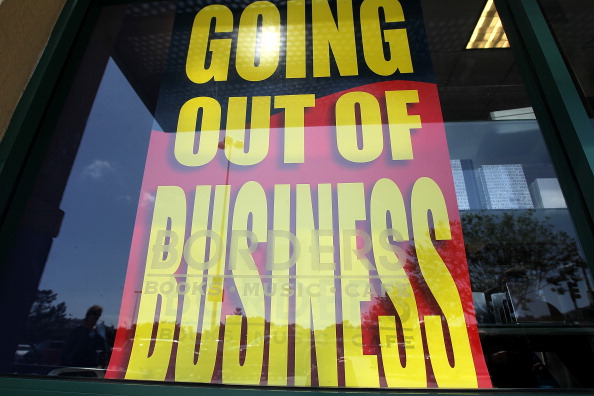
One of America’s oldest grocery companies is considering drastic measures to cut costs by filing for bankruptcy.
According to sources close to the situation, this would be A&P‘s second bankruptcy filing in the last five years.
This comes soon after the 156-year-old American company announced it is looking for new buyers and was reviewing a revamp of its strategic policies and procedures.
Some experts say this may be because of the change in shopping trends in the U.S. Back in A&P’s good days, consumers were shopping for all their groceries at one store. Now, they’re looking for other options such as Whole Foods or Trader Joe’s and others to fulfil their shopping needs.
Other chains are able to provide wider selections of organic products and private labels than before.
Currently A&P’s options for salvation include raising capital from investors, forging new business partnerships and selling assets of the company.
Coming off a tattoo show held in Vancouver during the last weekend of March, it’s very apparent that referencing the tattoo market as a niche is an understatement.
Although the Vancouver Tattoo and Culture Show may not be huge in terms of number of vendor booths, artists and consumers, but the foot traffic it attracted most definitely showed that the tattoo industry is alive and well, and ain’t so much of a niche…
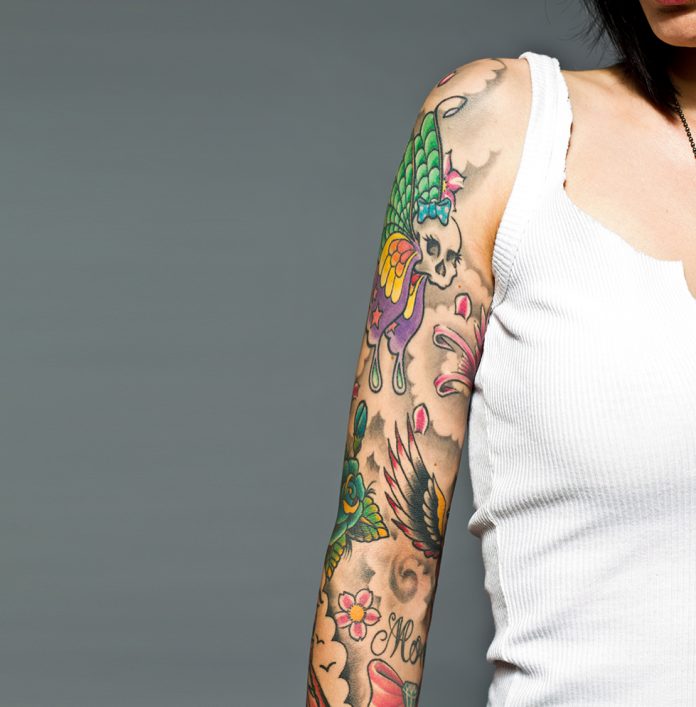
If you go through your contacts list, surely you will find many friends and acquaintances who are sporting some fine designs and very impressive ink.
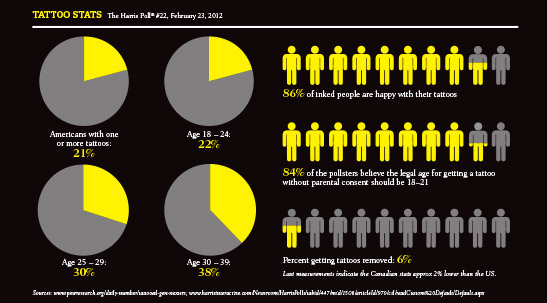
Tattoos are no longer an expressive art exclusive to bikers, pirates and the less stellar of society as it were. People across both genders and all demographics adorn their bodies with tattoos. In 2012, according to a Harris poll, 21 per cent of the entire adult population in the United States had tattoos. Down south, this niche is estimated to be worth over US $2.3 billion a year, money that is being generated by more than 20,000 tattoo parlours. There are a lot of people getting inked on different parts of their bodies. And it’s not just men anymore, in fact, 23 per cent are women aged 25–39. Fact is, more women under the age of 40 have tattoos than their male counterparts and the best thing about this statistic for today’s retailers is that women will spend money to take care of themselves.
Tattoo industry numbers demonstrate that this market remains largely untapped and untargeted by health retailers.
What can we be doing to capture this group’s attention, and how can we start talking to this market? What can we do in natural health and mass retail to attract these customers and add extra dollars to our tills?
One simple way is to understand what these consumers are looking for in terms of immediate tattoo aftercare and long-term care and maintenance. The tricky part is making available easy-to-choose items and marketing products in a way that traditional customers don’t feel uncomfortable shopping at the store. Let’s see if we can attempt to put together a set of products onto a shelf and highlight it as “tattoo aftercare.” This makes it easier for customers to pamper themselves.
Here is what inked people are looking for after getting a new tattoo…
Although each artist is a little different, most recommend a mild soap (fragrance free) and a little warm water (no soaking) as the only immediate aftercare. Mother Nature will take care of the rest there is no need to interfere at the beginning of healing.
In cases of ink-related issues within the first four days, tattoo artists recommend products such as Lubriderm (unscented) and Aquaphor.
These are tried and true and have proven to be effective. Many customers tend to use Polysporin, but while Polysporin can speed up recovery, the downside is that it heals the wound too quickly giving it a patchy appearance, worsening tattoo results. It is highly recommended that people stay away from most else for at least the first five days.
That part of tattoo aftercare takes place during a very short window. It is also when health retailers will benefit the least. Also, products required during the initial stages of tattoo aftercare are pretty much exclusive to mass, drug and grocery.
Where natural health retailers can win is in the longer-term aftercare market. The broader market as it were. It’s all about just good, basic skin care.
There are many great natural products and brands that can be, and quite frankly should be used. There are brands such as Alba Botanica, Aubrey, Avalon Organics, Hugo Naturals or Goddess Garden Organics.
Ensure that your tattooed patrons understand they need to use natural products to protect their investments. As retailers, we need to be aware of the benefits of natural products for tattoo aftercare to make our inked customers feel in safe hands.
Now, if you really want to have some fun, there are specialized products that can provide a very nice ring to the patrons’ retail baskets and might actually get more men to participate in a skincare regimen.
Mass brands targeting the tattoo world include Tattoo Goo or H2Ocean. Two other brands at the Vancouver show specializing in tattoo aftercare, both Canadian companies, include Ever Ink and Tatts for Ever. The beauty of all these brands is that they specifically talk to tattoo users.
The Tatts For Ever moisturizing cream and broad spectrum spf, for example, are fragrance free and loaded with natural ingredients such as olive oil and shea butter to soften skin, oatmeal to moisturize, beeswax to assist in sheen and antioxidants the skin needs such as ginko and green tea extract.
Carrying moisturizers with spf ratings is crucial. Tattoos and the sun don’t get along. Sunlight fades tattoos. Alba Botanica’s Very Emollient Mineral Sunscreen and Avalon Organics’ Lavender Luminosity – Moisture Plus Lotion – Broad Spectrum (spf 15) are paraben free, contain essential oils and necessary minerals and vitamins to help enhance skin radiance and give weightless hydration.
The affordable and skin-friendly moisturizer line by Aubrey is another viable option for tattoo aftercare. Similarly, the All Over Lotion line by Hugo Naturals is a reliable organic collection to have on the shelves when inked customers come knocking at the door. A fancier, yet affordable way of protecting your tattooed skin from the sun comes from Goddess Garden’s comprehensive line of organically produced, environmentally friendly sunscreen products. Be it their Everyday Natural Sunscreen or Sport line, all products are available both as a spray and as a gentle cream.
Retailers looking to tap into an undiscovered market can now make use of this rapidly growing industry. Make yourself the go-to retailer and make it easy for tattooed people to find what they need in your store.
Non-antibiotic ointment, such as Aquaphor or A&D Ointment should be used sparingly.Topical antibiotics may cause allergic reactions and so are not recommended. Avoid petroleum jelly, which is believed to cause fading.
Six to 45 days after getting your tattoo:
Moisturizers will keep the skin from drying out and peeling off and help preserve healing and colour.
Long-term care:
UV rays can fade tattoo inks. Spf 30 is good for most exposure, and sunscreen sticks make direct application easier, but if you work outdoors, you may want to try an opaque sunscreen such as zinc cream on tattoos that are not easy to keep covered. Coppertone has a Tattoo GUARD line that could anchor a display. Quality over-the-counter skin care products are effective, inexpensive and readily available. But an increasing number of specialty products are available.
By Melissa Reynolds
Photograph by Christyna Mérette
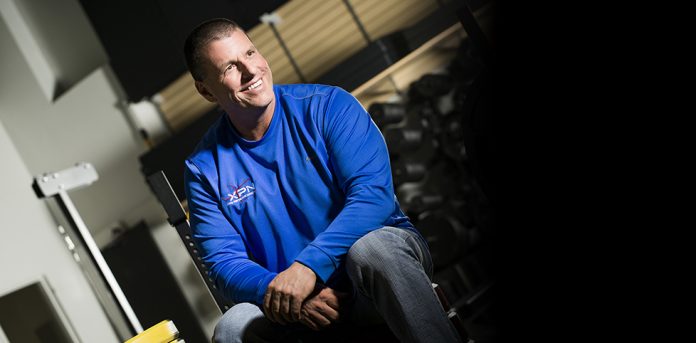
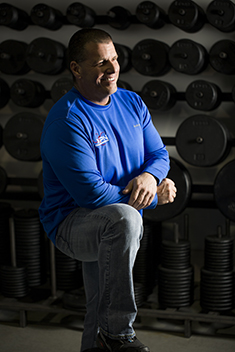
Daniel Bérubé began to make a name for himself in the world of fitness when he was just 16 years old. By 1992, he had accumulated accolades and praises for his achievements that included winning the regional bodybuilding title and setting the world record for heavy lifting with a weight of 612.5 pounds.
In the same year, Bérubé decided to turn fitness into a career. He started working with fellow athletes, selling supplements and fitness equipment. A year later, he opened his first Nutrition Sports Fitness store in Quebec.
Fast forward to the future and Nutrition Sports Fitness now has 14 locations across Quebec and one in Ottawa, Ontario. Each location employs two to six people. Bérubé’s devotion to health and his personal success in the field of fitness, have made him a reliable go-to source for fellow athletes and health consumers alike.
An Industry Born From Passion
“I started the stores because I had a passion for sports, training and supplements,” says Bérubé. “At that time, not many people were specialized in sports supplements retailing, and I felt athletes needed a place dedicated to helping them with their training needs.”
Bérubé says that initially he didn’t have to use major marketing to get the word of his store out there. Word-of-mouth did the trick.
It wasn’t long before Bérubé started to look to the world of supplements as well. The athlete and storeowner was uncertain of the quality of materials being used in the fitness health products currently on the market. Prior to 2004 there was a lack of proper regulation in the health product industry and Bérubé wanted to make sure all of the ingredients he was putting in his body and selling at his store were hand selected and naturally procured.
In 2004 he created Xtrem Performance Nutrition (XPN) to offer customers a quality product that was safe and effective. Starting his own product line gave Bérubé what he wanted – full control of the whole process from manufacturing to selling.
XPN became an immediate success, and Bérubé soon created Supplements ControLAB Manufacture, which manufactures XPN, as well as 24 other lines. “We never tried to cut on quality for [cheaper] prices,” says Bérubé. “That’s why we have a strong reputation.”
Fitness Fans
One of Bérubé’s biggest fans is Georges St-Pierre, also known as GSP, who is a Canadian mixed-martial artist and former three-time welterweight Ultimate Fighting Championship title-holder.
To augment his training, GSP wanted a product that was clean and trustworthy. He says he noticed a difference in his training after using products from the XPN line. As a gesture of his appreciation, GSP reached out to Bérubé about putting his name on the product. It would be the first time GSP would endorse a supplement line.
“His feedback is always well appreciated,” says Bérubé, who takes GSP’s suggestions for improvements and new product suggestions to heart. Bérubé also works with other athletes, including strongman Jean-François Caron, professional boxer Kevin Bizier and multiple Canadian Football League players.
“We have four products developed by our team of experts and Georges himself,” says Bérubé. These products include Pre-Training Xtrem (a strong, stimulant-free pre-workout supplement), a protein called Protein Rush, Fight Time BCAA (a high concentration BCAA product) and a powerful joint support formula called Pro Joint Support.
The Product Lineup
In total the company produces 25 brands of supplements. “The top selling brands are XPN, ATP and NFA,” says Bérubé. He adds that, in stores, XPN is the most popular brand and represents around 55 to 60 per cent of total sales, however Allmax, API Xtrem and Athletic Therapeutic Pharma (ATP) are good sellers as well.
In terms of growth, the branched-chain amino acid (BCAA) category has shown the greatest strides. Studies supporting the benefits of BCAA during physical activity have encouraged more people to try them. “And the more they try them, the more they love them,” says Bérubé.
One of Bérubé’s goals has been to reduce the number of different products that need to line his client’s shelves. While training athletes, Bérubé would recommend different products for hydration, energy and recovery. His clients ended up with too much on their shelves so he decided to combine a number of products to come up with three combinations that really deliver. These include: Delta Charge, an endurance sports drink, Pre Workout Xtrem and Post Workout Xtrem. The three are complementary, however they can also be taken separately.
“Pre workout Xtrem is a stimulant-free pre workout [drink] that is highly concentrated in amino acids, which promote natural energy. Being stimulant-free you don’t get the stimulant crash after the training. Post Workout also contains a high concentration of amino acids and contains other ingredients to stabilize the stress hormone (cortisol) after an intense workout,” says Bérubé. “When we introduced these products, no one believed that we put all those ingredients in [a single] product,” Once they saw the results, however, they were convinced.
A Growing Franchise
Nutrition Sports Fitness is continually expanding. When looking for new store locations, Bérubé picks cities where there are a lot of gyms and sports are popular. Nutrition Sports Fitness’ biggest location is 8,000 square feet and acts both as a retail location and warehouse from where products are distributed to gyms and other store locations.
With the added growth, Bérubé has seen a change in clientele. When the first store opened in 1993, patrons were exclusively bodybuilders, strongmen and people from the gym right next door. Now customers include athletes, runners, cyclists or even people who are simply interested in maintaining good everyday health. “It went from bodybuilders and strongmen, to pretty much everybody!” Bérubé says.
Local health practitioners also refer their clients to Nutrition Sports Fitness, and experts at the store refer customers to local physiotherapists, chiropractors or massage therapists – there’s a chain reaction of good health.
The stores are continually looking to expand, however any potential franchisee needs to promise to maintain prices at a certain level, keep a base inventory, and use Nutrition Sports Fitness as their only distributor.
[blockquote style=”center” color=”#0f0d0d” bg_color=”#ebe6e6″ border_color=”#e61717″]“Our business is a family business and has always been about trust and warmth. If we are unsure of you, we won’t sell our products in your facility.”[/blockquote]
Bérubé is careful about who sells his product – even when it comes to other retailers. “We meet every single retailer who wants to sell our products, but we only select people we can trust,” he says. “Our business is a family business and has always been about trust and warmth. If we are unsure of you, we won’t sell our products in your facility.”
A Digital Future
Like any good business these days, Bérubé’s company has entered the online world in order to reach a wider audience. The company now has an online store – Dtone.ca. “Social media has changed the game completely,” says Bérubé. “We used to get our marketing only by people talking about us, plus TV and radio ads; now we have two people working full time on social media. It is the new advertising method. The reason why it’s so popular is because it’s international.”
Even though they have only been selling online for a few years, Bérubé notes it has helped build the business abroad because of added shipping and packaging opportunities and the benefit of being able to sell to people in any location. The online presence has also helped drive more customers to the stores.
Seal of Approval
All of the products Bérubé currently sells are Health Canada approved and carry the current good manufacturing practices certification from their manufacturer. He adds that they are in the process of becoming an NSF International (a worldwide anti-doping agency) certified facility having their products approved and certified for sports.
“Some athletes use our products without any problems, and the reputation we have in this department proves that it is going to be easy to achieve this certification,” adds Bérubé.
The next step for the company is to move to bigger facilities due to its constant growth.
For Bérubé, it’s quite simple, “We started little and never even imagined making something that is not quality, and this is why we are where we are now.”
Bérubé is happy that his life’s passions have helped others realize their own goals. “I think my passion and the commitment my team has for sports, training, and nutrition sets our company apart from others. We are truly just a bunch of passionate athletes, all in the same building. We also have a strong drive for quality and job well done, which gave us a strong reputation from the beginning and still keeps us going today.”
Life Choice Ltd. is an Alberta-based natural health product company founded in 1986 by Eldon Dahl ND, with a team of seven warehouse employees, 16 sales and three management personnel. Distributed directly to retailers, this July, Life Choice will be venturing into Quebec with the help of Quebec Contact Brokers.
Dahl started out in the industry as owner of Internal Health Ltd., a health-supplement store in Ambleside, West Vancouver, with four employees. In the spring of 1986, having almost completed his state-approved doctorate in naturopathic medicine from Clayton School of Natural Medicine in Birmingham, Alabama, he started producing the supplement L-tryptophan. This was the beginning of the line now known as Life Choice.
That was almost 30 years ago. Now, the company produces two main product lines, Life Choice and Doctor’s Choice; the first brand is used for over-the-counter sales, while the second is aimed at health care practitioners across Canada.
All Life Choice products are manufactured at pre-approved 3rd party GMP facilities for added quality control. While outsourcing like this could be seen as a disadvantage by some, it is not so for Life Choice. Rather, for this company, it keeps the manufacturing process at arm’s-length, allowing each uniquestage to have its own quality approval process.
Dahl’s philosophy is simple: educate and provide therapeutic medicines that work as well as allopathic drugs without the dangerous side effects.
“With the growing amount of diseases, mental health issues, hormonal imbalances and environmental issues,” he says. “We use what’s trending and bring that out to the public’s attention.”
The supplying companies for each of the Life Choice’s ingredients are thoroughly researched prior to becoming engaged with the company. Dahl’s experience has lead him to choose patented United States Pharmacopeia (USP) material from the European Union, United States and even Japan, ingredients that have been thoroughly tested to meet the company’s professional standards.
Life Choice® lays a strong emphasis on educating retailers and doctors who carry their product lines. Each month, consumers and retailers receive newsletters that carry information regarding lifestyle changes and products. Additionally, patrons and storeowners are invited to attend monthly webinars given by Dahl himself.
Dahl explains that doing this is crucial, as consumers make choices based on price tags and end up buying cheaper products that contain low-grade ingredients. With Life Choice, however, they get therapeutic results for the money they spend.
A simple example is found in the brand’s Melatonin, which contains only 100 per cent DMF (drug master file) patented pharmaceutical-grade raw material.
“We pay 700 per cent more for our raw material than can be purchased without a patent,” he explains. “Why? The reasons are two-fold: first, the material is clinically researched, and secondly, the quality is consistently high with each order.”
The health veteran says he receives lots of praise from his customers, and it’s humbling.
“Sometimes you feel your life is somewhat insignificant, but when you see you’ve changed someone’s life so dramatically, it makes you feel amazing.”
A popular group that seeks Life Choice products is that of students who suffer from anxiety during exams. Dahl says the L-Tyrosine and Neurotransmitter Support supplements have helped several students get through grueling examination periods.
Next in their line of manufacturing is an oral chelation product.
“It takes away the heavy metals from the body,” Dahl explains. “Because most people have heavy metal toxicity, it pushes them toward Alzheimer’s. Even ADHD and autism are linked to heavy metal toxicity.”
Another new product in the making is Total Gut Health.
“We have our probiotic, and it’s incredible. We also have the whole spectrum of digestive enzymes that go with the probiotic.”
Recently, Life Choice anti-aging cream was given recognition at Hollywood’s most prestigious event of the year – the Oscars.
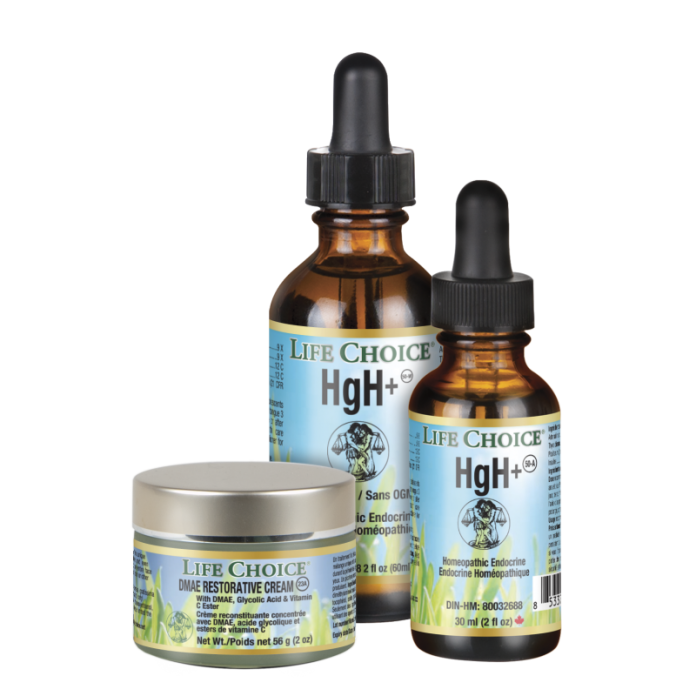
The DMAE anti-aging cream, as well as HGH+ (an orally-administered product used for anti-aging) were part of the celebrity giveaway bags, each of which were valued at more than $100,000.
“It took us over a year to stabilize DMAE to this concentration,” says Dahl. “It exfoliates and then it makes the skin look like porcelain.”
Having come this far and still moving further ahead, Dahl says, “I am driven by my conscience to work in an ethical manner; to heal the nation, one person at a time.”
Advantage Sales and Marketing and Fig Food Company are now partnering to build new retail solutions to drive distribution and sales of FFC’s organic and plant-based soups and beans.
According to a press release the partnership is expected to turn FFC into a $4.5 million brand by the end of this year. It will lead to an addition of outlets pushing the number to 1,400 from 550 today.
Since their entry into the marketplace 20 months ago, Joel Henry, FFC founder, says the company is ready to up its distribution.
[blockquote style=”center” color=”#050505″ bg_color=”#faf5f5″ border_color=”#eb1111″]”We have taken this time to improve our products, solidify our supply chain and refine our retail promotions. The selection of ASM builds upon this foundation to bring FFC to more stores and more people.” [/blockquote]
Henry adds that FFC recognizes the rising need for healthy, plant-based foods across various grocery categories and together with growth in distribution he expects Fig Food will become a $20 million brand within the next three years.
A research report by Grand View Research in California estimates that the global natural oxidants market will reach a value of US $4.14 billion by the year 2022.
The report states that the rising demand for more organic personal care items will be the leading cause of this rise in demand. Rising customer awareness is also a factor that is expected to help propel these demands.
According to the report, demands for vitamin C account for more than 80 per cent of the global demand last year, and the forecast is that this trend will only rise in the coming years.
The low cost and ease of availability of vitamins C and E also contribute to this trend. Furthermore, extensive use of the product in medication and a high demand for drugs because of rise on cancer and cardiovascular disease diagnoses can also fuel market growth.
Over production vitamin C, however, is expected to hamper market growth in the next seven years. The next most popular natural antioxidants that will grow in demand are carotenoids.
GoodBelly from Boulder, Colorado is releasing a line of probiotic supplement in the form of capsules.
This is a step froward from their pre-existing line of probiotic drinks. The supplement contains Lactobacillus plantarum 299v known to withstand the stomach’s acidic environment in turn helping the digestive system.
This new supplement will be available in the form of compact travel packs and is set to release before summer ends. The specific size chosen to package this product hopes to encourage people with busy lifestyles and lives involving a lot of travel to be able to take this without any problem.
This initiative is supposed to help enhance the capacity of organic growers in the west so they can better compete with the global organic food market in terms of quantity and quality. In addition the money will also be used to up production, quality and profitability.
The reason General Mills is investing in POGI is to pursue and further enhance the quality and availability of organic grains by 2018. It represents a unified effort to increase access to organic grains especially for General Mills.
This is following the company’s announcement earlier this year claiming it will almost double its natural and organic sales by the year 2020.
It seems Whole Foods‘ efforts to get ratings on the eco-friendliness of products it carries will end up hurting farmers.
Last year, the company rolled out its new system that measures soil health, waste reduction, farmworker welfare and other factors, to attain a rating from “Good,” “Better,” “Best.” However, as Mark Kastel, a policy analyst with The Cornucopia Institute in the U.S. pointed out to Huffington Post reporter, this process isn’t free.
Kastel said that for farmers to become a part of the system at Whole Foods, they need to fill out a long-winded form and pay a whopping fee. Farmers who have been polled for the estimates costs of participating in the program report annual costs of $5,000 to $20,000, according to Kastel.
In response to this analysis, The Cornucopia Institute has written a letter expressing its deep disappointment and displeasure at the results of the ‘Responsibly Grown’ system. The letter outlines that the process is onerous and expensive and items that are certified organic by the USDA shouldn’t need to be evaluated further.
As an example, the letter included photos of conventionally grown asparagus from Mexico labelled as “Best” and costing $4.99, whereas an organically produced asparagus was rated only as “Good” and cost $7.99.
The Institute, in its letter, points out that consumers go by whatever ranking their trusted store, Whole Foods, provides them with and that is unfair to the farmers who actually grow their products responsibly.
Jan Wood of Bug in a Rug is now introducing Earth Mama Angel Baby’s 100 per cent organic and natural herbal products for pregnancy, breastfeeding and baby care.
[blockquote style=”center” color=”#050505″ bg_color=”#f5f0f0″ border_color=”#db2929″] “Earth Mama and Bug in a Rug are a natural combination,” says Earth Mama founder/CEO Melinda Olson. “We are delighted to partner with Bug in a Rug to service the baby/maternity and specialty market in Canada. Their tag line says it all: Simply the best brands for babies… because little people matter most! We couldn’t agree more.”[/blockquote]
All products are hospital recommended, organic and made with natural herbal ingredients. Earth Mama also has certified organic castile-based soaps, and USDA certified 100 per cent organic teas for women who are expecting or breastfeeding their child.
Bug in a Rug was founded in 2005 by Wood, who is the appointed Canadian distributor of a variety of designer brands from all over the world.