




All In Nutritionals
Home Blog Page 239

Integrative Health Institute: Providing patient-centred care

0

Located in a historic building, just minutes away from the corporate world and busy Toronto downtown, Integrative Health Institute (IHI) has earned the reputation of a clinic that helps people with busy schedules live healthier lives.


“We wanted to be downtown and we wanted to treat an urban population,” says Dr. Erin Wiley, naturopathic doctor and one of IHI’s founders.


The most powerful marketing tools for IHI are word-of-mouth and networking. To introduce the clinic to the community, Dr. Wiley and her team went door-to-door, letting people know of their launch events and offering health education to local companies.


“I firmly believe that success comes down to building a positive relationship with your client. It’s not about having the most magical treatment protocol. If the person across from you really believes you are invested in their health, helping them understand what’s going on…there’s so much value in that!”


IHI specializes in integrative and empowered medicine. Through a collaboration between the practitioners and a variety of clinical perspectives on health optimization, the clinic helps patients achieve their health potential. According to Dr. Wiley, people today are confused about their health and overwhelmed with the information available. Many of them have very busy lives and often, don’t have time to take care of their needs.


“Offering a client the opportunity to explore their health allows them to feel empowered to choose the support that is right for them and build confidence in their ability to succeed,” says Dr. Wiley.


IHI patients’ concerns vary, ranging from fatigue, headaches, pain management, insomnia, anxiety, depression, fertility, hormone balance, to decline in mood, focus and concentration, healthy weight loss and sports performance. The most common concerns are related to stress and exhaustion.


Dr. Wiley says, regardless of the patient’s concern, it all starts with education, which serves as her biggest therapeutic tool. To help the patient, she tries to know them, understand their lifestyles and help them introduce sustainable changes into their daily routines.
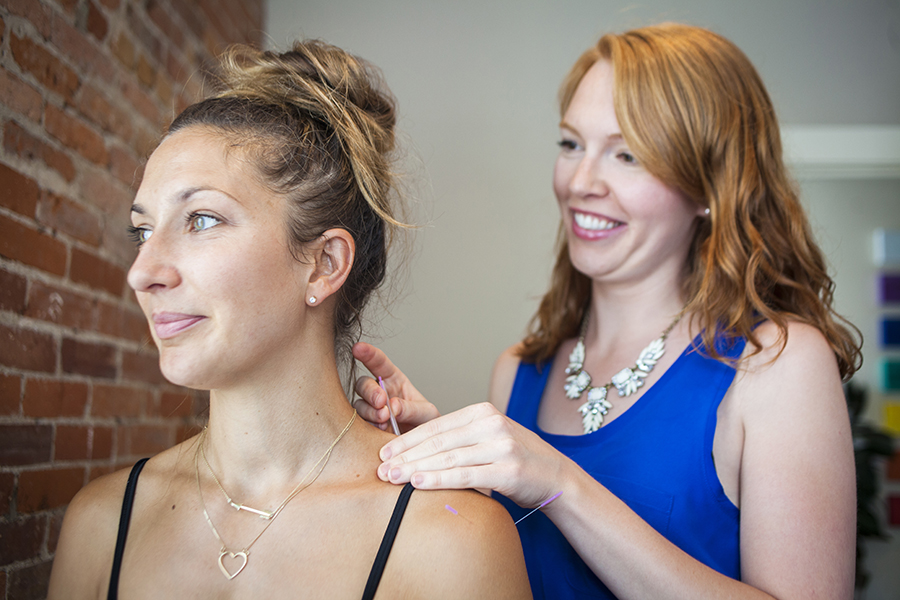
 

web1ihi“If we know what’s going on inside our bodies, if we know how to support our physiology, then we can make educated choices around how we are spending our time and how we are spending our resources,” says Dr. Wiley. “When people have that understanding, they are able to make that shift, then we do see a lot of success.”


IHI has a strong presence on Facebook, Twitter and their mobile-friendly media. Dr. Wiley says the company uses social media to showcase not only the knowledge and information, but also the personalities of their practitioners.


Since 2008, IHI has been hosting workshops to engage and educate their current and future patients. Currently, the clinic runs between three to six seminars and workshops each month. Dr. Wiley says they are lucky to have a diverse team to create a variety of workshops and lectures on a regular basis. She is confident the investment in team building makes IHI different from other clinics.


“We really believe in quality relationships with our practitioners and the desire to work together is key, otherwise, integrative medicine doesn’t really work. It depends on a philosophy and willingness to contribute,” Dr. Wiley says. “Our practitioners are dedicated and willing to contribute. It takes a lot of additional time and energy to show up for the team meetings and contribute to those seminars, our blog and our culture. We are looking to work with professionals who see the value in doing that.”


Back in 2008, the clinic started with two naturopathic doctors — Dr. Wiley and Dr. Meghan Walker.


“In the beginning, I was working many hours as a naturopathic doctor, I even worked as my own receptionist,” says Dr. Wiley. “But I believed in the clinic, believed in what we had to offer and I was willing to do that for a period of time to get things started.”


Currently, the 2,200-square-foot clinic features four treatment rooms, a movement studio (yoga and pilates), an IV suite, a large waiting room and a practitioner meeting room. Over the years, the naturopathic team has grown to five practitioners, each one possessing a different area of expertise, such as sports medicine and men’s health, women’s health, skin health and hormone balance, stress-related illnesses, anxiety, and mental health. There is a chiropractor who is also trained as an osteopath; a physiotherapist who has a background in mental health and does a lot of fascia work; and five massage therapists. The clinic is run by two receptionists and an office manager. On average, IHI has around 525 health practitioner patient visits per month, with an additional 115 yoga and pilates student visits per month.


Dr. Wiley says naturopathic medicine is becoming more common as people are showing a higher level of curiosity and openness to alternative medicine. She believes naturopathic doctors have “the right perspective, the right education and they spend the right amount of time with clients to offer them optimal customer service” to provide the quality care that people are seeking. According to Dr. Wiley, with the Naturopathy Act, 2007, proclaimed on July 1, naturopathic doctors are now regulated the same way as other health-care practitioners, which breaks some barriers in the minds of conventional medicine professionals in terms of integration. Though there are short-term challenges associated with the new status of naturopathic medicine in Ontario, such as navigating through all of the changes while providing optimum customer service for IHI patients and making sure that their treatment is not interrupted, Dr. Wiley is overall enthusiastic because, she says, it’s just a matter of time and adjustment.

 

web3ihi“I believe there are a lot of opportunities for naturopathic doctors. I think the world needs naturopathic doctors and that people really want what we have to offer. We just need to let people know that we are here.”


Integrative Health Institute team:


Dr. Erin Wiley, HBHSc, ND

Dr. Marc Bubbs, ND, CSCS, ART

Dr. Lisa Watson, BHSc, ND

Dr. Jen Newell, ND

Shannon Vander Doelen, HBSc, ND

Dr. Mehran Tabrizi, BA, DC, DO

Shannon Stoby, PT, MScPT

Meghan Walsh, BFA

Yvette Marcek, RMT

Amanda Mroz, RMT

Nancy J Brooks BMusA, Art.Dip., RMT

Melanie Gillians, RMT

Odette Oliver, RMT

Lauren Berger, MSW, RSW

Kaitlyn Baptist (Yoga Instructor)

Kavita Chauhan (2Health CPR & Recue Skills Instructor)

Terra Stephen (Administrative Team Leader)

Virginia Wooland (Afternoon Receptionist)

Leah Richardson (Weekend Receptionist)

Gregory Hall (Medical Doctor & Consultant)

Janice Coholan (Pharmacist)

 

Doctors going digital. Social media: friend or foe?

0

Should social media be used professionally? Will it give you more credibility or the opposite: will it tamper with medical ethics and legal obligations you have? The answer is: it depends.


Very often, social media creates the illusion of safety and comes across as a harmless way of communication, where liability can be avoided by simply removing a “bad” post from your Twitter or Facebook page. Such false perceptions can get you in trouble, says Lorraine Fleck, lawyer at Fleck & Chumak LLP in Toronto. According to Fleck, evidence from social media is now widely used in court and everything that you share on the Internet can be found even long after you remove your post.


“Evidence is evidence — it doesn’t matter if it’s in digital or paper form,” she says. “Evidence from social media accounts may be relevant in a lawsuit and a court can compel the disclosure of such evidence.”


If you are using patient testimonials on your social media or blog, Fleck recommends obtaining your patient’s written consent prior to posting their comments; otherwise you may be successfully sued for breaching confidentiality and privacy laws. Further, testimonials can result in competition and advertising law violations. For example, Fleck says, testimonials from fictional patients violate Canadian unfair competition laws. Canada’s Competition Bureau has made enforcements against fake online testimonials and reviews one of its priorities.


To be on the safe side in the digital world, Fleck generally recommends against posting anything you would not like other people to find out about in real life. As straightforward as it sounds, many people forget this rule once they are logged into their Facebook accounts.


While the College of Physicians and Surgeons of Ontario (CPSO) recognizes the value of social media in improving patient care and medical education, the institution insists that doctors comply with their professional expectations, relevant legislation and codes of ethics. On its website, the CPSO advises medical professionals should “exercise caution when posting information online that relates to an actual patient,” refrain from providing medical advice to specific patients and not establish personal relations with them or people close to them to maintain appropriate professional boundaries.


The College of Naturopaths of Ontario, which is the regulatory body for the naturopathic profession, doesn’t yet have a specific set of guidelines for NDs when it comes to using social media.


“The College of Naturopaths of Ontario, which received official proclamation on July 1, 2015, will be developing a social media policy to help guide members in the use of their social platforms,” says Andrew Parr, registrar at the College.


Generally, accredited professionals have been hesitant to integrate into the use of social media because of its public form, says Rochelle Grayson, a consumer and digital media executive and technology, media and professional programs instructor at the University of British Columbia.


“Very few doctors are using social media now. Part of the reason is because it’s a regulated profession.”


Following the profession’s rules, regulations and protocol, a lot of doctors make their Facebook and Twitter profiles too formal, which social media is not, Grayson says.


“In social media, people are interested in getting to know the whole person, if a doctor has hobbies or if there is something that they are passionate about. We are now connecting with professionals at all levels, we want to know the person as much as we want to know their professional expertise.”


Many healthcare practitioners tend to stay away from social media “without really understanding how things work” and what they don’t realize is that this is just a new communication tool, Grayson says. She believes social media presents a variety of opportunities for naturopathic doctors. In addition to a conservative LinkedIn, traditional Facebook and Twitter, you can benefit greatly from visual media, such as Instagram. Grayson says social media can serve as an excellent marketing tool for your practice and a great way to network with your peers in Canada and in other corners of the world.


“It’s about education and about building your brand, about it being a vehicle to show your expertise, connecting with other doctors. For naturopathic doctors, education is probably the easiest way to get out there and to inform people on what naturopathic medicine is and how it’s used.”


An integrative approach to cancer in Canada

0

This year, an estimated 196,900 Canadians will be diagnosed with cancer—the disease that’s responsible for approximately 30 per cent of all deaths in Canada, according to the Canadian Cancer Society’s Advisory Committee on Cancer Statistics, Canadian Cancer Statistics 2015. Due to the nature of cancer and its potential for quick progression, urgent care is needed and it usually starts with conventional medicine. Using an integrative approach, which combines both conventional and naturopathic therapies, may provide real benefit to patients; however this needs further evaluation. Researchers hope to determine what impact naturopathic medicine has on survival and quality of life in cancer patients.


The Ottawa Integrative Cancer Centre (OICC), an arm of the Canadian College of Naturopathic Medicine (CCNM) in Toronto and the first integrative care and research centre in central and eastern Canada, has recently become a participant of the largest-ever North American observational study on the effectiveness of advanced integrative oncology (AIO) for people with late-stage cancer. A three-million dollar grant, provided by an anonymous private Canadian foundation, will fund the Canadian/US Integrative Oncology Study (CUSIOS)—an observational study aimed at evaluating and documenting patients’ diagnoses and the treatment they are receiving both from conventional and naturopathic medicine.


The six-year-long study will recruit a total of 400 patients from seven clinics across North America, four of which are in Canada (Ottawa Integrative Cancer Centre, Integrated Health Clinic in Fort Langley, B.C., the Marsden Centre of Naturopathic Excellence in Markham, Ont. and Vital Victoria Naturopathic Clinic in Victoria, B.C.).


“From the CUSIOS study, we will have a very good description for the range of the best naturopathic therapies currently available,” says Dr. Dugald Seely, a naturopathic doctor, director of research for the CCNM and executive director of the OICC. “We will also have some evidence on the naturopathic oncology approach and the impact it has on survival for advanced cancer patients.”


Dr. Seely hopes this information will potentially be used to support regulatory changes and expand the scope of the practice.


Last year, Ottawa researchers received $3.85 million, which is the largest-ever North American grant to study the effectiveness of naturopathic medicine used in combination with conventional medicine for patients with esophageal, gastric and lung cancer who will undergo surgery. The Thoracic Peri-Operative Integrative Surgical Care Evaluation (Thoracic POISE) will bring together Canadian thoracic centres and naturopathic doctors over the next 11 years.


“The Thoracic POISE study is a pragmatic randomized trial that is truly integrative. We are having discussions with and working with surgeons and oncologists as to what we incorporate and how we incorporate the naturopathic care,” says Dr. Seely.


The study will recruit 350 patients with different stages of cancer from three Canadian hospitals—in Ottawa, Hamilton and Kelowna. According to Dr. Seely, 11 years will give the researchers enough time to recruit the patients effectively and evaluate outcomes.


“The Thoracic POISE trial will evaluate if naturopathic medicine in conjunction with surgery and standard oncological care impacts surgical outcomes and long term survival. This study will also test the impact of naturopathy on cost effectiveness, immune function, and quality of life in patients with lung, gastric or esophageal cancer.”


Dr. Seely says neither of the two studies look at naturopathic medicine in isolation as both evaluate the impact of naturopathic medicine in addition to the conventional care that patients are receiving. Though there are studies that focus exclusively on naturopathic treatments, the research we need more today is based on an integrative approach with results associated with both short- and long-term outcomes of additional care.


“The conventional approach is focused on the pathology of the disease and looks at eradicating the tumour—either through a surgery or by using chemotherapy, or radiation, which is toxic to rapidly dividing cells,” says Dr. Seely.


While conventional therapies typically focus on killing cancer cells, the naturopathic approach aims to support the immune system, reduce inflammation and inhibit cancer cell metabolism.


“Other components we use include natural-health products and more aggressive intravenous therapies to inhibit cancer progression,” says Dr. Seely. “There are a variety of different options to use, such as curcumin, green tea extract, melatonin, mushroom extracts and other herbal therapies. We might use intravenous vitamin C in certain cases and even the application of intravenous or subcutaneously injected mistletoe.”


Acupuncture, diet and symptom control are only some of the ways naturopathic medicine can work in sync with conventional treatments in fighting a tumour. Though both naturopathic and conventional medicine utilize evidence-based medicine, there is a difference in approach. Dr. Seely says naturopathic medicine evaluates a combination of therapies and the impact they have on patient outcome rather than “isolating one particular constituent and researching that in a drug trial.” He believes methodology around the whole practice needs to be better developed to help evaluate the impact that naturopathic medicine has.


“Research methodology has to expand beyond where it has been in the past, which is based on the pharmaceutical model of care,” Dr. Seely says. “We have been looking for a magic bullet, and for cancer, there is no magic bullet.”


The Canadian Institute of Health Research is the only government-supported body providing funds for both conventional and naturopathic medicine research, unlike in the US, where the National Center for Complementary and Integrative Health offers funding opportunities exclusively for integrative research. Dr. Seely hopes that one day there will be a similar institute in Canada.


Conventional medicine practitioners are now more willing to explore naturopathic medicine, mainly due to high patient demand and the limits of what conventional oncology practice has to offer, says Dr. Seely. Another reason why naturopathic medicine is becoming more accepted within the conventional medicine community is the Naturopathy Act, 2007, which has just reached proclamation in Ontario, joining provinces like Alberta and British Columbia who have strong provincial regulations for naturopathic medicine.


Natural Medicine in Europe: Searching for adequate methodology

0

Since 1995, health research in Europe has been dominated by a scientific evidence-based system (EBM), which includes a methodology based on industry standards, chemical mono-substances and conventional medicinal classifications. To support EBM, the industry introduced a set of four criteria that claim to define a perfect health-care model. Known as the Big Four, the criteria included quality, safety, effectiveness and efficacy.


Today, EBM is becoming a growing marketing strategy as a result of its direct association with science, experts and quality products. In the meantime, a number of political figures that are involved in the public health sector recognize the individuals that are exclusively working on a scientific level, i.e. evidence-based. This leads to the discrimination of the global experience-based system of natural medicine. Though EBM seems to contribute to global economic growth, the reality is quite the opposite: constantly growing prices as well as toxification and frequent side effects from the products.


Dr. Sean Murphy, a member of the Acupuncture Foundation Professional Association (AFPA) in Ireland, addressed this crisis and the challenges the European healthcare systems face at the European Traditional Chinese Medicine Association (ETCMA) General Assembly in Prague earlier this year.


“The rates of common diseases, such as diabetes, obesity, cardiovascular disease, cancer, etc. in European countries, are increasing dramatically, the patient’s satisfaction with conventional medical care is decreasing and at the same time, we are looking at a future with steadily increasing health-care costs.”


Currently, trends in natural medicine, including complementary and alternative medicine (CAM), traditional medicine and naturopathy (TM&N), and traditional and complementary medicine (T&CM) show that the EBM system is not applicable, as its methodology does not include the values and specifications needed to do proper research on natural medicine.


Methodology specifically developed for CAM and TM&N should be based on a holistic approach. Firstly, an interdisciplinary research from the fields of anthropology, biology, physics, sociology, history, arts and medicine is needed. This will provide qualitative research, field studies, person-centred and individual research methods. Secondly, this specific methodology should include information about intangible cultural heritage from all over the world — on regional and/or a healthcare system level. The third and most important aspect deals with the patient, particularly their health literacy, relationship with the doctor, level of awareness when it comes to natural medicine and the patient’s desire to explore alternative medicine. The fourth aspect should be viewed from the economic and political perspective. The freedom of choice when it comes to health coverage, income, access to care and treatments available would show the real value of the Big Four.


Currently, some parts of CAM and TM&N are evidence-based (with the EBM methodology) and are included in the conventional public health system. Further changes in the public health system could help integrate natural medicine into healthcare.


More research and new methodology require both sufficient money and time investment. The European Union’s CAMbrella-project has shown that there are scientists working toward this direction. Today, the industry is in desperate need of a new methodology, one of the reasons being an increased political demand for scientific studies. By putting our efforts together, we can bring natural medicine to a new, “lege artis” level.


CAMbrella is a pan-European research network for complementary and alternative medicine (CAM). A three-year project, started in 2010, CAMbrella’s goal was to develop a roadmap for future European research in CAM that is appropriate for the health care needs of EU citizens, and acceptable to the EU Parliament as well as national research funders and healthcare providers. More info: www.cambrella.eu


Nora Laubstein

Founding member and since 2007 President of the Association for Natural Medicine in Europe e.V. (ANME). Practicing in the field of traditional European naturopathy (TEN) since 1995, Laubstein is a member of the Deutschen Naturheilbund, general secretary of the Selbsthilfekontaktstelle SEKOS-Gelnhausen, advisor on the Union Deutscher Heilpraktiker-Hessen board.


Therapeutic and molecular evidence for the use of soy and red clover in breast cancer

0

Breast cancer is the most diagnosed cancer for women over 20, and is the second leading cause of cancer deaths in women, second to lung cancer (CCDP, 2005-2010). It is thought that 24,000 Canadians will be diagnosed with breast cancer this year and 5000 will die from it, as stated by the Canadian Breast Cancer Foundation (Coles 2013). Given these alarming statistics, along with the side effects of conventional treatment (i.e. fatigue, nausea, lymphedema, nerve damage and more), there has been an increasing interest in the use of natural supplements to prevent and treat cancer alone or alongside conventional options. This growing interest has included the controversial but promising use of phytoestrogens found in soy and red clover. The study of soy as a therapeutic ingredient has increased over the last decade. It has been researched for its use in alleviating menopausal hot flashes, diminishing bone loss, reducing cholesterol levels and in cancer prevention (Messina 2010).   There was a perceived notion that soy phytoestrogens were weak estrogen agonists/antagonists with molecular characteristics similar to synthetic endocrine disruptors that could theoretically disrupt hormones and promote cancer, however, this claim has not been confirmed in human studies. In fact, soy may have a real role in the prevention and treatment of breast cancer.


Soy is a complete protein as it contains all the essential amino acids including histidine. It is known to be low in cysteine, which is required for infants, and therefore not recommended for use in infancy. Food sources of soybeans include soy milk and tofu. Fermented foods with soy are natto and fermented bean paste. The form and type of soy consumed should also be noted, as this has an impact on absorption after consumption. For instance, it is known that majority of the isoflavones in soy milk are glycosides, but they are converted to aglycones by fermentation (Takagi 2015). Isoflavone absorption is increased in fermented soy milk beverage (in which the isoflavones are largely converted to aglycones) in comparison to regular soy milk. Some consideration should be given to the fact that 93 per cent of soy is now a genetically modified organism (GMO), and that it can cause allergic reactions in some, however, further studies are needed to assess the full effects of this (Kelly, 2015). Until this can be done, it is best to use non-GMO soy and to avoid usage if allergic.


It should be noted that people metabolize soy phytoestrogens differently. Soy contains isoflavones, such as genistein and daidzein. It also contains glycitein, an O-methylated isoflavone that makes up 5–10% of the total isoflavones in soy food (Song 1999). Equol is a gut bacterial metabolite of the isoflavone daidzein, and has been associated with beneficial health effects (Törmälä, 2007). Those with the intestinal capacity to convert daidzein to equol can change steroid metabolism and estrogen bioavailability, and thus have an advantage using soy.


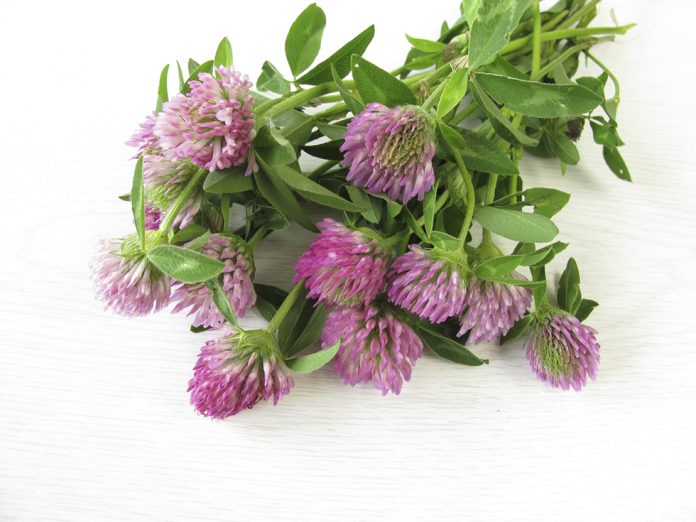
Red clover is a plant that has been used in traditional medicine for centuries. It has phytoestrogens coumestrol (CM) and formononetin (FM). It has been known for its use in asthma, cholesterol reduction, hot flashes, indigestion and cancer prevention. Recently, more research has been done on the use of red clover in female conditions, including menopause and cancer, alongside soy. The value of the use of phytoestrogens (found in soy and red clover) to combat cancer is now being assessed. For instance, one source suggests a therapeutic dose of 40-50mg of isoflavones (biochanin A, daidzein, formononetin and genistein) as daily dose for cancer prevention and additional health benefits, and this is derived from the traditional Japanese diet (Beck 2005).


Molecular mechanisms of soy phytoestrogens


Soy phytoestrogens are thought to be involved in breast cancer prevention through certain mechanisms of action. Genistein, for example, is believed to be involved in the modulation of different signaling pathways associated with the growth of cancer cells through pleiotropic actions including inhibition of tyrosine kinases, DNA topoisomerase II, 5α-reductase, galectin-induced G2/M arrest, protein histidine kinase, and cyclin-dependent kinases (Varinska 2015). Another in vitro and in vivo study showed that genistein reduced MCF-7 cell proliferation and induced the inactivation of IGF-1R and p-Akt and downregulated the Bcl-2/Bax protein ratio (Chen 2014). Overall, these mechanisms have shown potential in breast cancer prevention.


Molecular mechanisms of red clover phytoestrogens


Mouse models and in vitro evidence have both shown interesting ways in which red clover isoflavones, like formononetin (FM) can be preventative in breast cancer. Cells treated with FM have demonstrated reduced migration and invasion of MDA-MB-231 and 4T1 cells in a wound healing assay, chamber invasion assay, and an in vivo mouse metastasis model. In vitro, FM inhibited breast cancer cell migration and invasion by decreasing the expression of matrix metalloproteinase-2 (MMP-2), MMP-9 and increased the expression of tissue inhibitor of metalloproteinase-1 (TIMP-1) and TIMP-2 (Zhou 2014). This finding, while preliminary, suggests that FM may have anti-invasive properties for breast cancer, and that red clover deserves further evaluation in this context. Molecular evidence from Chen et al found that FM prevented the proliferation of MCF-7 cells and arrested the cell cycle in comparison to controls (Chen 2011). Levels of p-IGF-1 R, p-Akt, cyclin D1 protein expression, and cyclin D1 mRNA expression were also downregulated. FM also prevented tumor growth of human breast cancer cells in nude mouse xenografts in the same study. Overall, these results show that FM halts the cell cycle at the G0/G1 phase by inactivating IGF1/IGF1R-PI3K/Akt pathways, which demonstrate its potential in preventing breast cancer carcinogenesis (Chen 2011).


Human studies of the protective effect of red clover and soy


There are many epidemiological studies that support the effects of soy and, a study for red clover, in either breast cancer prevention or treatment alongside other therapies. A recent systematic review suggested that soy food intake, similar to a traditional Japanese diet (2-3 servings daily, containing 25-50mg isoflavones) may be protective against breast cancer and its recurrence (Fritz 2013). One study, done on WHO-CARDIAC study populations, demonstrated that the lower mortalities of breast cancers were inversely related to the 24-h urinary isoflavone excretion (Yamori 2006). Another interesting, longitudinal, prospective study of breast cancer patients in China noted that soy food intake was safe and associated with a lower mortality and recurrence of breast cancer in patients (Shu 2009). A meta-analysis of breast cancer risk in Chinese women showed that soy was a relevant factor in reducing the risk of breast cancer development; significant differences were also found between those who consumed soy foods, OR = 0.68 (95% CI 0.50-0.93) and those who ate a high-fat diet, OR = 1.15 (95% CI 1.01-1.30) (Wu 2015). One study proposed that soy should be used only in indicated patients and not in receptor positive females. Woo et al. found that high intake of soy isoflavones increased the risk of cancer recurrence in HER2-positive breast cancer patients (Woo, 2012), however, majority of the evidence proposes that soy is still protective.


Other convincing evidence comes from systematic reviews and meta-analyses, such as the one by Liu et al., which concluded that consumption of both soy and fruit was significantly associated with a decreased risk of breast cancer, with summary ORs of 0.65 (95% CIs: 0.43-0.99; I2=88.9%, P<0.001; N=13) and 0.66 (95% CIs: 0.47-0.91; I2=76.7%, P<0.001; N=7), respectively (Liu 2014). A case control study support this finding in Korean women; among soy foods, a high intake of cooked soybeans, including yellow and black soybeans, had an association with diminished risk of breast cancer (OR=0.67; 95% CI=0.45-0.91; P<0.02) (Do 2007). A case control German study showed that high and low consumption of soybeans, as well as of sunflower and pumpkin seeds were associated with significantly reduced breast cancer risk compared to no consumption (OR = 0.83, 95% CI = 0.70-0.97; and OR = 0.66, 95% CI = 0.77-0.97, respectively) (Zaineddin 2012).


Research on red clover is limited, however, it still gives hope that could ease controversial claims that phytoestrogens, such as those found in red clover, may contribute to breast cancer or recurrence. One systematic review suggests that it may not promote breast cancer (Fritz 2013). Further studies for red clover are required to support the dietary use of phytoestrogens from this source and others.


Conclusion


Overall, molecular and human studies support the position that soy based phytoestrogens do not promote nor cause breast cancer; rather, studies have shown that soy may decrease breast cancer risk, as well as protect against recurrence. Red clover is thought to act via similar mechanisms, however, requires further human study. For soy (preferably non GMO), supplementation has been thought to be more beneficial in equol producers. It has also been found that breast cancer mortality was decreased in those with increased excretion of phytoestrogen metabolites (i.e. in the urine). There are some challenges in current research, such as a need to bridge the findings of observational studies to individual patient care (i.e. to address issues of intake and heterogeneity), however, a start would be to utilize doses with significant results in current studies and move towards creating more structured, double-blind, placebo controlled trials whenever possible (Ballard-Barbish, 2009). A careful review of the evidence is required alongside a specific tailored regimen for each case and patient. It is important to consider the study population (Asian or other), estrogen receptor status and the presence or absence of menopause. Although interventional clinical trials are needed to conclusively assess the role of soy and red clover, the existing research suggests that red clover and soy may have an important role to play in the prevention and treatment of breast cancer when used in the right context.

Canadian grocery stores tap into imperfect produce market

0
Canadian grocery stores tap into imperfect produce market

Both IGA Quebec and Loblaw Companies have unveiled a new campaign of selling “ugly-looking” fruits and vegetables with the message that it’s what is on the inside that counts.

Loblaws’ new six-week trial program will see stores sell flawed produce under the No Name Naturally Imperfect brand that would otherwise be used for animal feed and food processing. The retailer was the first in Canada to start selling “unattractive” potatoes and apples under the Naturally Imperfect brand across Ontario and Quebec stores back in March.

According to Yvan Ouellet, VP of purchasing and merchandising for perishable products at Sobeys Quebec, supplier for IGA stores and a subsidiary of Empire Co. Ltd., “They taste the same and have the same nutritional value, but normally if customers see produce on display that is misshapen, they won’t choose it first.”

Having started on August 12, the campaign spotlights cucumbers, tomatoes, beats, carrots, peppers, and apples all sold at up to 30 per cent discount.

The idea of selling flawed produce at large grocery chains started to gain attention in 2014 when Intermarché, a French grocery retailer, began selling “les fruits et légumes moches” (ugly fruits and vegetables).

Canadians continue to stay away from dairy

0
Canadians continue to stay away from dairy

According to Statistics Canada, milk sales fell by more than 3 per cent in June compared to the same month in 2014. The drop signifies the eighth uninterrupted monthly decline in milk sales.

As a result of a steady and constant shift in the diets of many Canadians, the per-capita consumption of milk has decreased by 18 per cent between 1995 and 2014 says the federal government.

Consequently, the Canadian dairy industry is facing challenges of having too much focus on supply rather than demand and is pushed to make changes to its supply management system.

When it comes to surplus milk, Canadian farmers are having to dump it or sell the excess production as cheap feed for animals.

The Canadian government is also planning to enter the Trans-Pacific Partnership, which could mean an overload of cheaper and imported dairy products.

The Globe and Mail notes that Canada’s official food guide states that adults are recommended to consume 500 millilitres, or two cups, of milk every day in order to meet the required vitamin D intake. The alternative is fortified soy milk.

FDA offers nutrition label education to young people

0
FDA offers nutrition label education to young people

Since September is National Childhood Obesity Month, the U.S. Food and Drug Administration (FDA) is encouraging kids to make healthy dietary choices by reading labels.

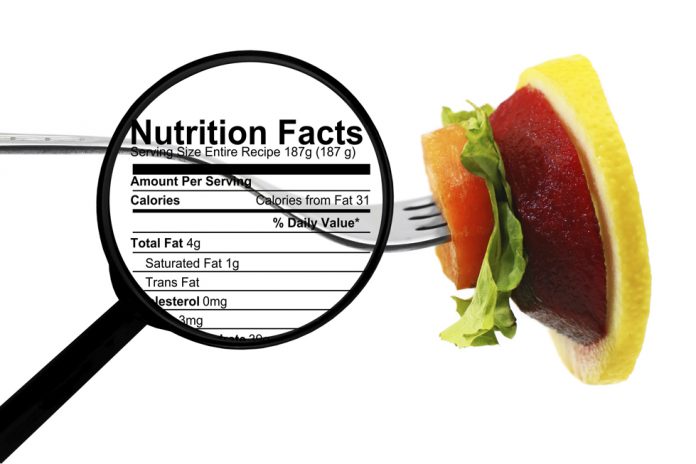
According to a press release from the FDA, “The Nutrition Facts Label is a simple tool available on food and beverage packages. It lets kids know exactly what they’re eating and helps them choose and compare snacks and other foods. The earlier kids start using the Nutrition Facts Label, the sooner they’ll be making choices that keep them feeling great and on the path to long-term good health.”

The FDA encourages parents, caregivers, and others who interact with young people to also help model label-reading by following these key steps:

  • Check the serving size. All of the nutrition information listed on the Nutrition Facts Label is based on one serving of that food. But, it’s common for one package of a food to contain more than oneserving. If a package contains two (or more) servings and you eat the entire package, you are consuming two (or more) times the number of calories and nutrients listed on the Label. So be sure to check!
  • Consider the calories. For weight management (whether it’s to lose, gain, or maintain weight), it’s important to pay attention to the calories. The overall goal is to balance how many calories you eat with how many calories your body uses. As a general rule, 400 or more calories per serving for a single food item is high and 100 calories is moderate.
  • Choose nutrients wisely. There are certain nutrients that young people should aim to get “less of.” These are saturated fat,sodium, and sugars. Kids can use the Percent Daily Value (%DV) on the Nutrition Facts Label to find foods that are lower in saturated fat and sodium. Here’s an easy guideline: 5%DV or less of a nutrient means the food is low in that nutrient, and 20%DV or more means it’s high! Sugars have no %DV, so remind kids to use the amount of grams (g) as a guide.

CMA calls for renewal of health system

0
CMA calls for renewal of health system

Dr. Cindy Forbes, president of the Canadian Medical Association (CMA), says that Canada’s latest recession should get Canadians to think about how revitalizing the health system can help grow the economy in an aging society.

The comments were made shortly after Statistics Canada reported that the gross domestic product declined for a sixth straight month to fit the technical definition of an economic recession.

Dr. Forbes says, “A healthy health care system has wide economic implications affecting everything from fiscal policy to labour output as the ratio of active members of the workforce to retired Canadians continues to decline.”

As of today, there are about five working Canadians for every retiree and by 2030, that ratio is predicted to fall to 2.7 workers per retiree.

“We can’t continue to warehouse seniors in hospital beds at $1,000 a day when they should be in long-term care or home care at a fraction of the cost because we’re not spending smart. Nor can we expect an army of informal caregivers to work 1.5 billion hours of unpaid work a year looking after loved ones and depriving the economy of productivity worth $1.3 billion.”

American Brain Tumor Association Seeks Innovative Concepts For Discovery Research Grants

0

The American Brain Tumor Association (ABTA) is now accepting Letters of Intent for its Discovery Research Grant program. They are due no later than Wednesday, October 7, 2015 at 12:00 noon CDT.


Discovery Grants are one-year, $50,000 grants that fund high risk/high impact projects with the potential to change current diagnostic or treatment paradigms for adults and children with brain tumors. Submission of discovery-driven science and proof-of-concept studies is encouraged, particularly for concepts with little or no history of previous funding.


“The ABTA Discovery Grant Program provides an opportunity for investigators from science disciplines outside traditional biological fields to propose innovative approaches to brain tumor diagnostics or treatments,” said ABTA Chief Science Officer Nicole Willmarth, Ph.D. “Since the Discovery Grant program was launched in 2010, we have supported projects in a variety of focus areas, including immunotherapy, new biomarkers, nanoparticles and stem cell research.”


For grant details, including eligibility and instructions, applicants can download the Request for Applications on the ABTA Funding Opportunities page.