All In Nutritionals
Home Blog Page 157

SCAGO seeking new board members

0

The Sickle Cell Awareness Group of Ontario (SCAGO) is hereby seeking new, vibrant, committed and skilled individuals to join its growing Board of Directors.

If you have the time, passion and skill to move SCAGO forward, we will like to hear from you.

To ensure that we understand your level of commitment, area of interest and experience as accurately as possible, we are requesting that you fill out the attached Standard Information Form and send it back on/before August 15th 2017 to: secretary@sicklecellanemia.ca 

SIF (1)

Metro acquires Quebec-based ready-to-cook meal service

0
Metro acquires Quebec-based ready-to-cook meal service

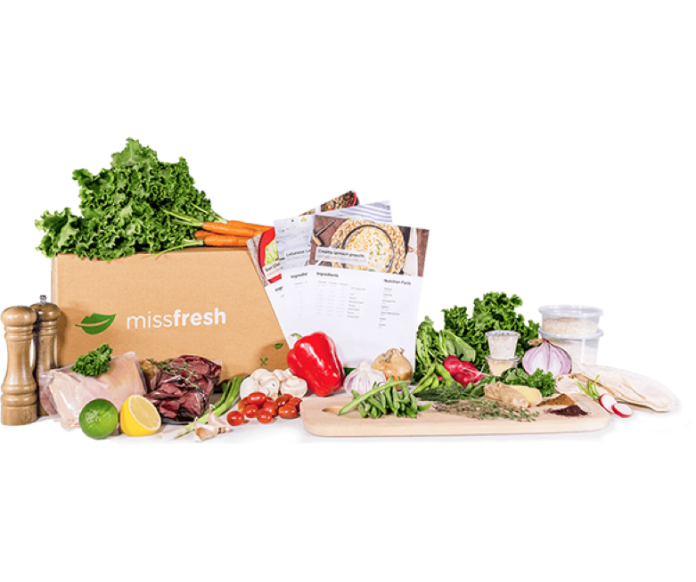
Grocer Metro Inc. has announced its purchase of majority interest in Montreal-based MissFresh Inc., which specializes in the delivery of ready-to-cook meals. This adds Metro to an already growing online sales segment in simple-prep foods.


Following the acquisition, MissFresh’s three cofounders will keep 30 per cent of the capital and maintain active roles in the company’s management.


“We are pleased to partner with the three founders of MissFresh, dynamic entrepreneurs who have developed a promising concept that is already popular with consumers,” says François Thibault, executive vice-president, chief financial officer and treasurer of Metro. “As an alternative solution to healthy eating that is easy to prepare and delivered to your door, MissFresh offers products that will be complementary to what we have in store, which will help us to better meet the needs of consumers.”


This move follows Amazon’s entrance into the ready-to-cook meals department with self-branded kits. With this area of online shopping growing steadily, independent grocers and retailers should consider tapping into this new market.


Founded in 2015 by Marie-Eve Prevost, Bernard Prevost, and Ritter Huang, MissFresh meets a growing demand from families and professionals who have little time for shopping and preparing meals, but still wish to eat healthy foods.

Neocell acquired by Wellnext

0
Neocell acquired by Wellnext

Wellnext LLC, a vertically-integrated developer, manufacturer, and marketer of dietary and nutritional supplements, announces the acquisition of NeoCell, a leading collagen supplement company, based in Irvine, California.


For nearly two decades, NeoCell has specialized in collagen-based supplements for joint, bone, and muscle health using advanced formulas based on high quality ingredients such as collagen, biotin and hyaluronic acid. NeoCell is a leading collagen-brand across natural as well as traditional retailers nationwide.


“We are very excited to partner with Wellnext and gain the support of its operational and commercial capabilities to further expand NeoCell,” said Sarah Quadri, NeoCell’s Chief Operating Officer. “We are confident that Wellnext will provide unique manufacturing, product development, and market expansion capabilities to support NeoCell’s next phase of growth.”


NeoCell represents the fourth acquisition made by Wellnext in the last two years. “NeoCell complements Wellnext’s portfolio of brands, expanding it into the fast-growing collagen category while diversifying the company’s product category focus,” Jose Minski, CEO of Wellnext, states. “We are excited to work with NeoCell’s industry-leading products for beauty, bone and joint health.”


Wellnext is a portfolio company owned by an affiliate of WM Partners, LP. WM Partners is a Ft. Lauderdale-based private equity firm focused on investing in middle-market companies in the health and wellness sector.


PNC Business Credit, a division of PNC Bank, N.A., and McLarty Capital Partners were the lead funding agents. Pepper Hamilton LLP served as Wellnext’s legal advisor on the transaction.


About NeoCell
Based in Irvine, California, NeoCell is a leading collagen supplement brand in the US. Since its founding by Al Quadri in 1998, NeoCell has focused on supporting the body’s collagen systems, such as those that maintain vibrant youth, radiant beauty, and total body wellness. Over the years, the brand has become a leading consumer source for NeoCell® Super Collagen™ Type 1 & 3, NeoCell® Super Collagen+C, NeoCell Beauty Bursts® Gourmet Collagen Chews, NeoCell® Collagen+C™ Pomegranate Liquid, and NeoCell Hyaluronic Acid Blueberry Liquid. For additional information, visit https://www.neocell.com.


About Wellnext
Headquartered in Sunrise, Florida, the Wellnext family of brands delivers research-backed nutritional supplements for every consumer life stage. Anchor brands within the Wellnext portfolio include a GMP-certified manufacturer with 30 years of leadership in supplement manufacturing, Rainbow Light®, Champion Performance®, and Natural Vitality®, among many other leading brands. Guided by three generations of family heritage, Wellnext is committed to the highest standards of corporate social responsibility, including product quality and purity testing, sustainability practices, and corporate giving programs, to help foster a vibrant state of health in families everywhere. For more information, visit http://www.wellnexthealth.com. Wellnext is not affiliated or related to Wellnx Life Sciences, Inc.


About WM Partners, LP
WM Partners is a middle-market private equity firm specialized in buyout investments in the health and wellness sectors. WM Partners seeks to acquire small and medium size businesses with attractive growth prospects and generate sustainable, long-term value through its operational expertise in the health and wellness sectors, and strategic business approach working in collaboration with experienced management teams. WM Partners is based in Ft. Lauderdale, FL.More information about WM Partners is available at www.wmplp.com.

More than Milk: The New Generation of Dairy Superfoods 

0
More than Milk: The New Generation of Dairy Superfoods 

By Eamonn McKay


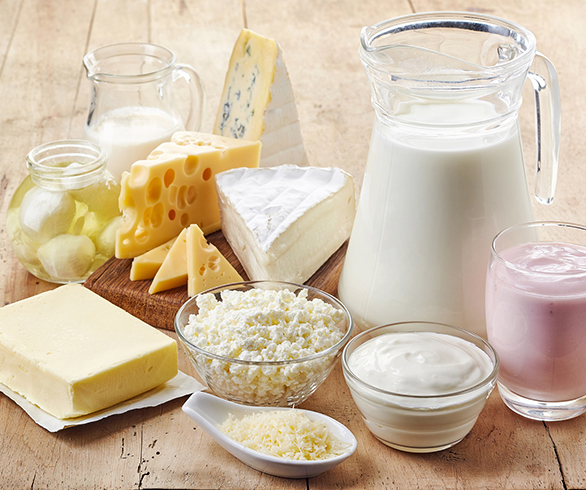
Organic, Fermented, and Grass-Fed are some of the hottest dairy trends of 2017. Answering the call for high-quality, milk-based nutrition, a new generation of functional dairy superfoods have arrived, some rediscovered from times past, others invigorated by modern science, and all packed full of nutritional goodness and offering consumers unique options to diversify their health and wellness regimens.


BUTTER GHEE


The era of “low-fat” has come and gone, and natural health consumers are increasingly seeking out high-quality nutritional oils to supercharge their diets.

Butter Ghee occupies a unique space in this category. Unlike most unrefined cooking oils, the ancient Ayurvedic butter oil is both incredibly resistant to rancidity, and packs a very high smoke point (450 degrees), making it well-suited to an endless list of high-heat applications, from baking to buttered coffee.

On the nutritional side of things, ghee is one of the best sources of gut-loving butyric acid, as well as the naturally-occurring, healthy trans-fats. You heard right, healthy trans-fats! In contrast to the noxious industrially-produced trans-fats found in hydrogenated oils and margarines, naturally-occurring rumenic and vaccenic trans-fats found in ghee have demonstrated promising cognitive (Jenkins, 2016), cardio-protective (Benjamin, 2009) and cancer-protective (Benjamin, 2009) benefits.

Driven by low-carb and ketogenic lifestyles movements, butter ghee is trending upwards with no signs of slowing down anytime soon.


COLOSTRUM


Colostrum, the “first-milk” newborn calfs receive after birth, is a serum rich in immune-fortifying proteins and growth factors. When dehydrated, colostrum is transformed into a dairy superfood boasting  benefits for digestive, skin, and oral health.

Colostrum is chalked full of immunoglobulins, proteins which confer serious gut-protection against bacterial infection and travellers diarrhea (Wlodzimierz, 2011), can help heal a damaged gut lining (Hagiwara, 1995), and decrease intestinal permeability (“leakiness”) caused by NSAID use (Playford, 2001). With a roster of benefits running this deep, colostrum is poised to emerge as a novel ingredient in the fight against inflammatory digestive and gut conditions.

Colostrum is also rich in lactoferrin, an immune-bolstering, anti-viral super-protein that could factor into the next generation of natural acne remedies. A handful of studies have already demonstrated lactoferrin’s protective effects against acne and other skin diseases (Hassoun, 2017).

And rounding out colostrum’s unique nutritional resume are lysozyme and lactoperoxidase, enzymes that fortify our saliva against gum disease-causing bacteria and dry mouth (Tenovuo, 2002). Look to colostrum lozenges to help consumers harness these oral benefits.


FERMENTED DAIRY PROTEINS


What happens when one of the hottest health trends collides with the world of milk proteins? You get fermented [dairy] protein powders like Greek Yogurt Protein and Fermented Goat Protein, offering natural health consumers whole-food, digestion-friendly alternatives to whey.

Greek Yogurt Protein is pre-digested by the same bacterial cultures used in yogurt manufacturing, packed with calcium and vitamin D, and offers a complete spectrum of amino acids.

Fermented Goat Protein is a naturally grass-fed product thanks to year-round pasturing of the goats who produce it. It’s also lacto-fermented with probiotic cultures and naturally low in A1 casein, qualifying it as a less-allergenic alternative to cow-based protein supplements.


How strong are your back-to-school sales tactics?

0
How strong are your back-to-school sales tactics?


Are you looking to get in on the inevitable back-to-school shopping frenzy? Yahoo has provided key insights in the best way for you to make the grade this year.


Drawing from a variety of studies about search and purchase behavior, Yahoo found the following:

  • The busiest day for consumers to search for back-to-school discounts on mobile was August 14, with a rate of 660 per cent above the daily average
  • Nearly half of back-to-school purchases happen in July and August, with August back-to-school purchase volume about three times higher than average
  • Online back-to-school shopping has increased more than 75 percent over the last five years
  • Consumers also search for back to school deals during winter break, with December 21st acting as the 2nd busiest day for bargain hunting


“Shoppers aren’t necessarily in-market for all things at once, nor does back-to-school shopping end in August,” adds the report. “Marketers should consider tailoring their messages to the types of products consumers need at specific times through the summer and early fall months and throughout each week.”


With this information in mind, your sales may benefit from targeted online advertising during these times. Regardless of what you’re selling, knowing how to optimize SEO for this time of year can help to boost your bottom line.

Lutein may boost cognitive health

0

University of Illinois researchers have found that lutein, found in leafy green vegetables, could aid with cognitive function.

In a recent study, researchers looked at 60 adults aged 20 to 45. They found that middle-aged participants with higher levels of lutein had neural responses on par with younger individuals, rather than with their peers. While many other studies have focused on older adults, the Illinois researchers compared young to middle-aged adults to see whether there was a notable difference between those with higher and lower lutein levels.

“As people get older, they experience typical decline. However, research has shown that this process can start earlier than expected. You can even start to see some differences in the 30s,” says Anne Walk, a postdoctoral scholar and first author of the paper. “We want to understand how diet impacts cognition throughout the lifespan. If lutein can protect against decline, we should encourage people to consume lutein-rich foods at a point in their lives when it has maximum benefit.”

In order to determine their participants’ lutein levels, the Illinois researchers measured lutein in the study participants’ eyes by having participants look into a scope and respond to a flickering light. Then, via electrodes on the scalp, researchers measured neural activity in the brain during attention-based tasks.

“The neuro-electrical signature of older participants with higher levels of lutein looked much more like their younger counterparts than their peers with less lutein,” says Walk. “Lutein appears to have some protective role, since the data suggest that those with more lutein were able to engage more cognitive resources to complete the task.”

In upcoming trials, Khan’s group aims to understand lutein’s effects on cognitive performance.

“In this study we focused on attention, but we also would like to understand the effects of lutein on learning and memory. There’s a lot we are very curious about,” Khan said.

Is dulled taste causing your patients to gain weight?

0

According to a Cornell University study, those with an impaired sense of taste often choose sweeter, higher-calorie food options—something that could put them in danger of gaining excess weight.

“We found that the more people lost sensitivity to sweetness, the more sugar they wanted in their foods,” says lead author Robin Dando, assistant professor of food science.

While a connection has often been suspected between diminished taste and obesity, it had never been tested before. In order to look at the effects of lowered taste, Dando dulled the taste buds of participants, giving them an herbal tea containing Gymnema Sylvestre, which is known to block sweet receptors. Then, they were asked to add their preferred amount of sugar to bland concoctions, allowing them to obtain optimal sweetness.

The study showed that for a regular, sugary 16-ounce soft drink, a person with a 20 percent reduction in the ability to taste sweet would crave an extra teaspoon of sugar to reach an optimal level of sweetness, as compared to someone with unaltered taste response. Exposure to repeatedly high levels of sugar could lead to weight gain.

“The gustatory system — that is, the taste system we have — may serve as an important nexus in understanding the development of obesity. With this in mind, taste dysfunction should be considered as a factor,” Dando said.

Certain medications, including those for thyroid health and cancer, may cause dulled taste. What’s more, certain nutritional deficiencies, like vitamin B12 and zinc, may contribute to this ailment. If your patients are experiencing dulled taste, treating these underlying causes—or counteracting the side effects of different medications—may help them to regain this important sense. With this, they’ll have another tool in their weight loss and weight maintenance arsenal.

Social interaction affects cancer patients’ response to treatment

0

How well cancer patients fared after chemotherapy was affected by their social interaction with other patients during treatment, according to a new study by researchers at the National Human Genome Research Institute (NHGRI), part of the National Institutes of Health, and the University of Oxford in the United Kingdom. Cancer patients were a little more likely to survive for five years or more after chemotherapy if they interacted during chemotherapy with other patients who also survived for five years or more. Patients were a little more likely to die in less than five years after chemotherapy when they interacted during chemotherapy with those who died in less than five years. The findings were published online July 12, 2017, in the journalNetwork Science.

“People model behavior based on what’s around them,” Jeff Lienert, lead author in NHGRI’s Social and Behavioral Research Branch and a National Institutes of Health Oxford-Cambridge Scholars Program fellow. “For example, you will often eat more when you’re dining with friends, even if you can’t see what they’re eating. When you’re bicycling, you will often perform better when you’re cycling with others, regardless of their performance.”

Lienert set out to see if the impact of social interaction extended to cancer patients undergoing chemotherapy. Joining this research effort were Lienert’s adviser, Felix Reed-Tsochas, Ph.D., at Oxford’s CABDyN Complexity Centre at the Saïd Business School, Laura Koehly, Ph.D., chief of NHGRI’s Social and Behavioral Research Branch, and Christopher Marcum, Ph.D., a staff scientist also in the Social and Behavioral Research Branch at NHGRI.

They based their findings on electronic medical records data from 2000 to 20009 from two major hospitals in the United Kingdom’s National Health Service. The researchers examined the total time a patient spent with the same patients undergoing chemotherapy and their five-year survival rate. The five-year survival rate is the percentage of people who live at least five years after chemotherapy treatment is completed. For example, a five-year survival rate of 70 percent means that an estimated 70 out of 100 people are still alive five years after chemotherapy. They also reviewed a room schematic to confirm the assumption that patients were potentially positioned to interact. 

“We had information on when patients checked in and out of the chemotherapy ward, a small intimate space where people could see and interact for a long period of time,” Lienert said. “We used ‘time spent getting chemotherapy in a room with others as a proxy for social connection.”

When patients were around those during chemotherapy who died in less than five years following chemotherapy, they had a 72 percent chance of dying within five years following their chemotherapy. The best outcome was when patients interacted with someone who survived for five years or longer: they had a 68 percent chance of dying within five years. The researchers’ model also predicted that if patients were isolated from other patients, they would have a 69.5 percent chance of dying within five years.

“A two percent difference in survival – between being isolated during treatment and being with other patients –  might not sound like a lot, but it’s pretty substantial,” Lienert said. “If you saw 5,000 patients in nine years, that 2 percent improvement would affect 100 people.” 

“Mr. Lienert’s research is the first to investigate, on a large scale, how social context in a treatment setting can play a significant role in disease outcomes,” said Koehly.  “As cancer care moves more towards targeted therapies based on genomic tumor assessments, NHGRI is interested in understanding how these social environmental factors might impact treatmentefficacy.”

The researchers didn’t study why the difference occurred, but hypothesize that it may be related to stress response. “When you’re stressed, stress hormones such as adrenaline are released, resulting in a fight or flight response,” Lienert said. “If you are then unable to fight or fly, such as in chemotherapy, these hormones can build up.”

While the researchers also didn’t investigate the impact of visitors on cancer patients undergoing therapy, the effect would likely be similar, he said.  

“Positive social support during the exact moments of greatest stress is crucial,” Lienert said. “If you have a friend with cancer, keeping him or her company during chemotherapy probably will help reduce their stress. The impact is likely to be as effective, and possibly more effective, than cancer patients interacting with other cancer patients.”

Online-only shopping is growing, says study

0
Online-only shopping is growing

A recent paper out of the Food Market Institute (FMI) notes that growth in digital-only and specialty retailers is beginning to chip away at brick-and-mortar’s retail supremacy. This is reflected in a 2 per cent dip in shopping frequency at traditional full-service supermarkets over the past year.


“E-commerce is substantially gaining users,” said David Fikes, FMI’s vice-president of consumer/communication affairs and communication, said during the Food Retail Implications for U.S. Grocery Shopper Trends 2017 presentation. Fikes notes that online-only food stores have jumped 6% in frequency of visits since last year.


According to the research, nearly half of all Millennials are part of this shift to exclusively digital stores.


The study found that Millennials prefer to buy fresh bakery items, meats, seafood, produce, and refrigerated dairy foods at traditional stores, while baby food, pet products, household cleaning items, salty snacks, and sweets are more often bought online. Additionally, Millennials also prefer to pick up non-prescription drugs at stores, rather than on the Internet.


This information suggests that independent grocers and health food stores should focus on their fresh offerings, rather than non-perishable goods: this category is one that is less easily disturbed by e-commerce.


“It’s one of those realities that we have to deal with and we have to understand that while we have defined food retail in a certain way for 50 years, it is being redefined for us,” Fikes said. “We can either be a part of that redefinition or we can be left out of redefinition.”


Roo Brands partners with iLevel Management

0
Roo Brands partners with iLevel Management

Roo Brands Ltd has announced a partnership with iLevel Management, Inc. iLevel Management will act as the company’s sales broker to Natural Health stores in Canada. The two organizations will work closely together to promote, distribute and increase sales of Roo’s award winning brand Roobar through effective promotional and marketing programs across Canada. iLevel’s industry, sales and marketing expertise will assist Roo Brands Ltd on their path to long-term success.


“We at Roo Brands Ltd are thrilled to partner with iLevel Management,” comments Roo Brands Ltd Co-founder and COO, Kalin Klasanov. Mr. Klasanov added, “iLevel is a full service sales & marketing agency ensuring the perfect representation we want in the Natural Health channel. iLevel provides a tremendous platform for the further advancement of our brand—Roobar.”


About Roo Brands OOD


Roobar is a European producer of organic raw bar and vegan cookies. The company reaches 50 countries on 5 continents and it’s the market leader in the organic raw food bar category in Europe, with close to 1 million bars sold monthly. In their state-of-the-art factory Roo Brands sets the highest quality standards in producing the bars and cookies.


ROO’BAR are 100 per cent organic raw bars with superfood ingredients. Each bar has a simple recipe consisting of 4 to 5 plant-based, vegan, and gluten-free ingredients. Roobars’ main ingredient is dried fruit, which has a naturally sweet taste. This means there’s no need to add sugar or artificial sweeteners. About iLevel Management Inc.

iLevel Management, Inc., opened its doors in 2013. Its core principles are centered on innovation, integration, and invigoration of its brands and marketing strategies.


Implementing custom technologies into everyday business operations allows their brands to receive detailed information that is retailer driven and has long term plans for success.


For further information, please visit: info@ilevelmanagement.ca