




All In Nutritionals
Home Blog Page 156

Can zinc sulfate supplements help with PMS symptoms?

0

AUTHORS: SHIVA SIAHBAZI1,3, SAMIRA BEHBOUDI-GANDEVANI2, LIDA MOGHADDAM-BANAEM3 AND ALI MONTAZERI4

The purpose of study was to assess the effect of zinc sulfate (ZS) supplementation on premenstrual syndrome (PMS) and health-related quality of life (QoL).

This was a double-blind randomized and placebo-controlled trial using the parallel technique conducted between June 2013 and May 2014. A total of 142 women (age, 20–35 years) with PMS were allocated to either the ZS or placebo group. The women in the intervention group received ZS 220-mg capsules (containing 50mg elemental zinc) from the 16th day of the menstrual cycle to the second day of the next cycle. Data were collected using the Premenstrual Symptoms Screening Tool (PSST) and 12-item Short-Form Health Survey Questionnaire.

The prevalence of moderate to severe PMS in the ZS group significantly decreased throughout the study period (9.5% in the first, 6% in the second and 2.6% in the third month of the study, P < 0.001), but in the control placebo group this reduction was seen only in the first month of the study (14.2% in the first, 13.7% in the second and 13.5% in the third month, P = 0.08). Also, ZS improved the PSST component scores throughout the study period. The mean scores of QoL in physical and mental components were significantly improved in the ZS intervention group. However, the differences were statistically significant only 3 months after the intervention. Zinc sulfate, as a simple and inexpensive treatment, was associated with improvement of PMS symptoms and health-related QoL. Additional studies are warranted to confirm these findings.


Pusateri’s Fine Foods hires new creative agency for marketing developments

0
Pusateri’s Fine Foods hires new creative agency for marketing developments

Since 1963, Pusateri’s Fine Foods has been sharing gourmet products and a diversified selection of imported goods with their customers in Toronto. While the company has established themselves in the industry, known for two Food Halls in Saks Fifth Avenue located in Toronto’s Eaton Centre and Sherway Gardens, they are working to expand their business partnerships across borders and into newer markets. To do so, Pusateri’s has hired on Giants & Gentlemen, a strategic and creative agency, to execute their mission of growth through rebranding initiatives and marketing strategies.

“We need to provide clear and compelling reasons to shop Pusateri’s, focusing on our points of differentiation,” explains vice-president of merchandising and marketing, Angus McOuat. “As such, we were looking to partner with a strategic and creative agency that can help us shape and develop our brand,” adds McOuat.

Metro impacted by the effects of deflation on third-quarter earnings

0
Metro impacted by the effects of deflation on third-quarter earnings

Metro CEO Eric La Flèche has reported that the company’s third-quarter earnings have been “satisfactory,” partly due to the food price deflation, the growth of e-commerce, meal kit businesses, and the anticipating minimum wage increase.

While the minimum wage increase is beneficial for company employees, Metro has expressed the weighty impact that this increase in wage will have over the entire company, specifically costing the food retailer anywhere between $45 – $50 million in 2018. When asked if higher wages would translate into higher prices for food, La Flèche said that the company would control the gradual increase in prices that would be a natural effect of structural costs in addition to wage increases.

With online shopping and the growing popularity of meal kit businesses, Metro is adapting with promise, as they expand their e-commerce programs to remain competitive. “We keep abreast of all trends,” La Flèche said. “It’s a small investment, with good promises of future development and we will see where it goes.”

In keeping with trends, Metro has recently acquired a large portion of MissFresh Inc., a company in Montreal that delivers recipes and ingredients to customers, similar to Blue Apron in the US. According to La Flèche, Metro will also be expanding their online products to offer prepared meal kits, along with offering online shopping to Ontario consumers in the near future.

Former Sobeys executive appointed as president of Rexall Drugstore

0
Former Sobeys executive appointed as president of Rexall Drugstore

Beth Newlands Campbell, former president of Ontario and Atlantic at Sobeys Inc., has recently been given a new role as Rexall Drugstore’s new president. In this position, Newlands Campbell will be leading Rexall’s continuing business strategies to further develop the company.

With 27 years of experience as a president at Delhaize America, Newlands Campbell is equipped with extensive leadership knowledge in the retail industry that has fueled the success of brand developments.

“The retail pharmacy industry faces many challenges. Competitive dynamics, regulatory pressure and meeting the expectations of consumers and patients are amongst the biggest. Rexall is poised to take advantage of these challenges and lead the transformation of the sector to significantly improve health outcomes and help lower the cost of providing care in Canada,” explains CEO of McKesson Canada—Rexall’s affiliate company—Domenic Pilla.

“Beth is a dynamic leader with a long and proven track record of delivering business results in Canada and the United States. She brings with her a passion for creating a diverse and inclusive work environment that will engage our employees to grow our business and to serve even more customers and patients,” added Pilla.

Children who sleep less at risk of developing type 2 diabetes, study says

0

A study conducted at St. George’s University of London found that children who slept on average one hour less a night had a higher risk of developing type 2 diabetes. This included the risk of higher levels of blood glucose and insulin resistance. The study also found a direct relation between getting less sleep and body fat levels. Of the 4,525 children aged 9-10 who were studied, the children who slept the most had the least amount of fat mass and a lower body weight. By just increasing sleep duration by half an hour a day body mass index and insulin resistance can be considerably decreased in children.

(klonopin)

Study shows a mixture of good bacteria can reduce sepsis in infants

0

Research from the University of Nebraska Medical Center College of Public Health has discovered that a specific mixture of good bacteria in the body can reduce sepsis in infants. For the study, newborns in India were given an oral probiotic mixture for seven days which resulted in a 40 percent decrease in sepsis deaths during the first two months of infancy. The mixture consisted of probiotics and a symbiotic, which is essentially food for the probiotic to help promote growth and colonization in the probiotic strain. This medical breakthrough could potentially become a low-cost oral vaccine to combat the millions of sepsis deaths that happen every year worldwide.

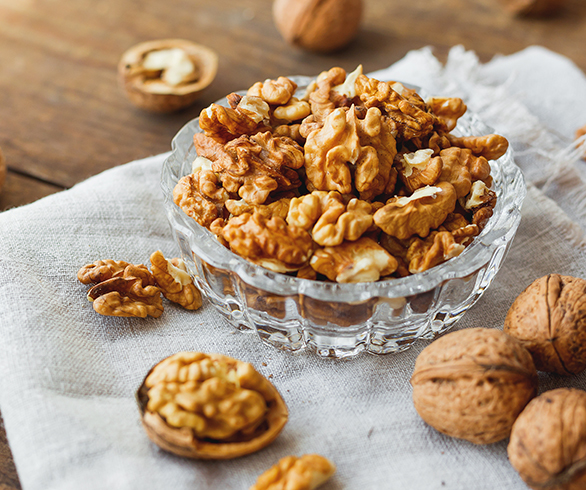
Can eating walnuts help to control your hunger cravings?

0

In a brain imaging study conducted at Beth Israel Deaconess Medical Center, researchers were able to prove that eating walnuts activates the area of the brain that regulates hunger and cravings. When study participants were fed walnuts a part of the brain called the right insula showed an increase in activity and the participants made healthier food choices; when they were fed a nut-free placebo diet there was no activity increase or change in diet. The right insula is responsible for cognitive control so that is clear indication that walnuts can affect the appetite-control centres of the brain.

Should your IBS patients consume more protein?

0

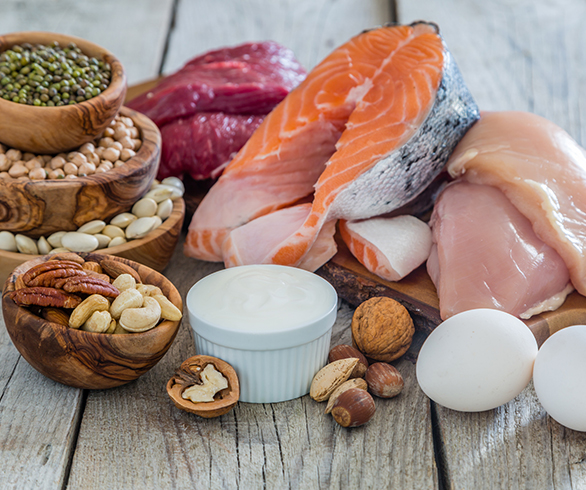
According to a new study out of the Washington University School of Medicine, eating a diet rich in tryptophan—found in protein-rich foods like nuts, eggs, seeds, beans, poultry, yogurt, and cheese—could promote cell tolerance in individuals with inflammatory bowel disease (IBS).

IBS occurs when cells that are capable of triggering an inflammatory response in the bowels are not balanced by cells that promote tolerance. Now, a study conducted on mice has shown that a kind of tolerance-promoting immune cell appears with the presence of a specific gut bacterium. And, the bacterium needs tryptophan to trigger the cells’ appearance.

“We established a link between one bacterial species — Lactobacillus reuteri — that is a normal part of the gut microbiome, and the development of a population of cells that promote tolerance,” says Marco Colonna, MD, the Robert Rock Belliveau MD Professor of Pathology and the study’s senior author. “The more tryptophan the mice had in their diet, the more of these immune cells they had.”

When combined with gut microbes, flavonoids can stop severe flu

0

Gut microbes are good for more than just digesting food. According to a new study, a particular gut microbe can prevent severe flu infections by breaking down flavonoids.

The study, conducted in mice at Washington University School of Medicine, also showed this strategy to be effective in staving off severe damage from flu—before patients are even infected. This could also explain the wide variation in human responses to influenza infection.

“For years, flavonoids have been thought to have protective properties that help regulate the immune system to fight infections,” says first author Ashley L. Steed, MD, PhD. “Flavonoids are common in our diets, so an important implication of our study is that it’s possible flavonoids work with gut microbes to protect us from flu and other viral infections. Obviously, we need to learn more, but our results are intriguing.”

As part of the study, the researchers screened human gut microbes looking for one that metabolized flavonoids. They identified Clostridium orbiscindens as degrading flavonoids to produce a metabolite known as desaminotyrosine (DAT), which enhances interferon signaling—a critical part of the immune response.

In the future, researchers hope to identify other gut microbes that also may use flavonoids to influence the immune system. What’s more, they will explore ways to boost the levels of those bacteria in people whose intestines aren’t adequately colonized with those microbes.

Until then, recommending a flavonoid supplement—or black teas, red wine, and berries—to your patients may be a great way to help them stave off the flu this year.

Could poor cardiovascular health set your patients up for dementia?

0

A new NIH-funded study suggests that individuals with vascular health risk factors have a higher chance of developing dementia. Diabetes, high blood pressure, and smoking are all key players in this issue.

“With an aging population, dementia is becoming a greater health concern. This study supports the importance of controlling vascular risk factors like high blood pressure early in life in an effort to prevent dementia as we age,” ssays Walter J. Koroshetz, M.D., director of NIH’s National Institute of Neurological Disorders and Stroke (NINDS). “What’s good for the heart is good for the brain.”

The study analyzed the data of 15,744 middle aged individuals who participated in the Atherosclerosis Risk in Communities (ARIC) study, funded by the NIH’s National Heart, Lung, and Blood Institute (NHLBI). From 1987-1989, the participants underwent a battery of medical tests. Over the next 25 years, they were examined four more times. Cognitive tests of were administered during all but the first and third exams.

At the end of the study, researchers found that 1,516 participants were diagnosed with dementia. Ultimately, researchers discovered that diabetes, hypertension and prehypertension increased the chances of dementia for all patients. What’s more, they found that smoking cigarettes exclusively increased the chances of dementia for white individuals, but not for their black counterparts.

“Our results contribute to a growing body of evidence linking midlife vascular health to dementia,” says Dr. Gottesman. “These are modifiable risk factors. Our hope is that by addressing these types of factors early, people can reduce the chances that they will suffer from dementia later in life.”