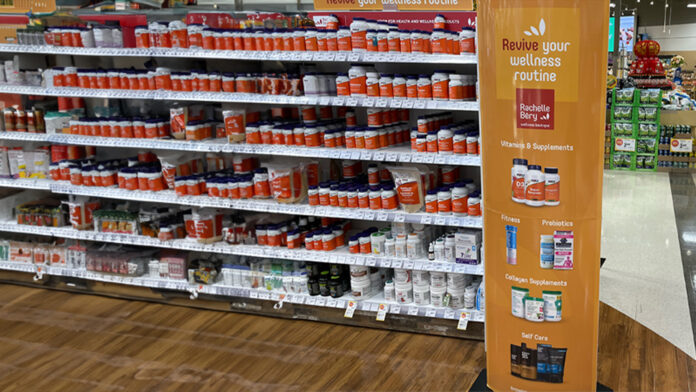
Women’s hormonal wellness at retail have been largely confined to PMS solutions, menopause symptom relief, and reproductive health support. Today, that framework is rapidly evolving.
A new generation of wellness consumers is entering stores with a significantly deeper understanding of hormonal physiology, inflammation, detoxification pathways, and the interconnected relationship between hormones, stress, skin health, metabolism, and sleep quality. The result is a dramatic shift in how retailers must now approach category management inside women’s wellness.
Increasingly, consumers are no longer simply searching for symptom relief. They are seeking hormonal optimisation, metabolic resilience, and whole-body balance.
That evolution is creating growing retail relevance around the merchandising combination of DIM, Calcium-D-Glucarate, and Broccoli Seed Extract.
The Consumer Has Become More Sophisticated Than the Shelf
The hormonal wellness consumer of 2026 is arriving informed.
Driven by practitioner content, podcasts, social media education, and functional wellness conversations, many women now understand concepts that were once limited to clinical discussions:
Estrogen metabolism pathways
Liver detoxification support
Cortisol and hormone interaction
Perimenopausal physiological shifts
Hormonal skin triggers
Inflammatory burden
This presents both an opportunity and a challenge for retailers.
The opportunity lies in creating merchandising environments that reflect how consumers now think about hormonal wellness: as a system rather than a symptom.
The challenge is that many retail shelves still present hormonal support through an outdated reproductive-health lens.
Why This Ingredient Combination Works at Retail
DIM has become one of the most recognisable ingredients associated with estrogen metabolism support, particularly among educated wellness consumers seeking support during PMS, perimenopause, and midlife hormonal transitions.
Calcium-D-glucarate is increasingly positioned alongside DIM because of its relationship to glucuronidation pathways involved in hormone clearance and detoxification processes.
Meanwhile, broccoli seed extract contributes sulforaphane precursors associated with antioxidant activity, detoxification support, and cellular protection — areas now strongly linked to modern hormonal wellness conversations.
Together, the combination creates a highly strategic merchandising story built around:
Hormonal resilience
Estrogen balance
Detoxification support
Inflammatory balance
Midlife wellness
For retailers, this matters because consumers increasingly connect hormonal wellness to multiple adjacent categories:
Skin health
Stress support
Sleep quality
Weight management
Energy stability
Healthy ageing
This dramatically expands the category’s merchandising potential.
Hormonal Wellness Is Becoming a Lifestyle Category
One of the biggest shifts occurring inside natural health retail is that hormonal wellness is no longer viewed exclusively as a condition-based category.
Instead, it is becoming a lifestyle and longevity category.
Consumers are increasingly shopping hormonal wellness proactively rather than reactively:
Women in their 30s focused on skin and cycle support
Women in their 40s navigating perimenopause
Wellness-focused consumers seeking metabolic support
High-stress professionals concerned about cortisol and hormonal disruption
This means retailers should stop isolating hormonal support beside traditional menopause symptom products alone.
The category performs significantly better when integrated into broader wellness ecosystems.
Recommended Merchandising Strategy
Primary Hormonal Wellness Zone
Cross-merchandise:
DIM
Calcium-D-glucarate
Broccoli seed extract
Secondary Adjacent Zones
Position nearby:
Magnesium
Collagen
Adaptogens
Beauty-from-within supplements
Liver support formulas
The Messaging Shift Retailers Need to Make
Consumers are increasingly rejecting clinical-feeling hormonal messaging centred around dysfunction alone.
Instead, retailers seeing strong engagement are shifting toward educational, empowering language such as:
Support healthy estrogen metabolism
Hormones, skin, stress, and sleep are interconnected
Support hormonal resilience through life transitions
Midlife wellness starts with systemic balance
This style of merchandising transforms the category emotionally.
Rather than making consumers feel they are managing decline, it positions hormonal wellness as part of optimisation, resilience, and long-term wellbeing.
That distinction is becoming one of the defining retail shifts inside modern natural health merchandising.
Canada’s natural health products sector has spent two decades operating under a regulatory model built for a smaller, simpler industry. That model is now being rebuilt in plain sight. Through 2025 and into 2026, Health Canada’s Natural and Non-prescription Health Products Directorate (NNHPD) has advanced a modernization agenda that reaches into nearly every commercial decision a retailer, brand or supplier makes — from what counts as a licensed product, to who carries the compliance burden, to where money will eventually flow under cost recovery. Two pieces of that agenda deserve immediate attention from anyone moving inventory: the updated Natural Health Product Raw Material Policy, and the broader risk-based framework now taking shape around it.
The headline for industry is deceptively simple. The regulator is moving the line that separates a raw ingredient from a finished, licensable product — and in doing so, it is moving the point at which licensing obligations, costs and liability attach. For a sector where margin is made or lost on sourcing decisions, that line is worth millions.
The raw material question that has dogged the industry
For years, suppliers and manufacturers have wrestled with a deceptively basic question: at what point does a botanical extract, a bulk powder or an imported compound stop being a raw material and become a natural health product that requires a product licence (and a Natural Product Number) and a site licence? The answer determines whether a company needs to file, pay, hold inventory differently, and accept the regulatory exposure that comes with a licensed product.
The updated Raw Material Policy answers that question by anchoring classification to intended purpose of use. Material that is imported or sold for further processing by manufacturers — not manufactured, sold or represented for use as a finished NHP — is treated as a raw material and does not trigger product and site licensing requirements. Companies that grow, harvest, clean, sort or import raw material, but do not produce something ready for consumer use, sit outside site licensing. The distinction is functional, not cosmetic: it is built around how a substance is represented and where it sits in the production chain.
What changed in 2025 is the clarity, not the principle. The NNHPD gathered input from practitioners and provincial licensing bodies to sharpen the line between raw materials and finished products, closing longstanding grey areas that had left importers and contract manufacturers guessing. For ingredient suppliers, that clarity is commercially meaningful — it reduces the risk of an unplanned licensing obligation appearing mid-supply-chain, and it lets distributors structure their catalogue and their representations with more confidence.
Modernization: from a one-time licence to lifecycle accountability
The Raw Material Policy does not stand alone. It is one component of a much larger shift in how Health Canada intends to regulate the category. The modernization framework signals a move toward oversight that is more flexible, more targeted, and more closely aligned with international regulatory norms. Crucially, the regulator is increasingly interested in how a company’s systems perform in practice — across formulation, licensing, manufacturing, distribution and post-market monitoring — rather than treating a granted licence as the finish line.
That reframing carries a clear commercial message. Licensing is no longer the endpoint of compliance. Companies are expected to maintain supply chain oversight — supplier qualification, quality agreements, traceability records, and documented processes for handling deviations and complaints — and to keep monitoring product performance, managing adverse reactions and updating risk assessments as new information emerges. The cost of compliance, in other words, is being spread across the life of the product rather than concentrated at the application stage. Brands that have historically treated regulatory work as a launch-phase expense will need to budget for it as an ongoing operating cost.
The GMP clock is already ticking
The most concrete near-term deadline sits in good manufacturing practices. On September 4, 2025, Health Canada published Version 4.0 of the Good Manufacturing Practices Guide for Natural Health Products (GUI-0158). The transition period runs through March 4, 2026, after which Version 3 is withdrawn and Version 4 becomes the sole reference document. Manufacturers, packagers and importers who have not already begun reviewing their procedures against the new guidance are now operating on borrowed time. For retailers, the second-order effect matters: suppliers who fall behind on GMP readiness become supply risks, and category managers should be asking their vendors where they stand.
Cost recovery: paused, not cancelled
Hanging over the entire modernization effort is the question of who pays. Health Canada’s proposed cost-recovery framework — which would have introduced pre-market evaluation fees, site licence fees, and an annual “right-to-sell” fee tied to each NPN — has been paused while the broader program adjustments continue. Implementation will not begin on the previously floated December 1, 2025 date, and no new start date has been confirmed. The reprieve is real, but it is temporary. The fee structure is explicitly tied to the program’s costing model, and it will be revisited once modernization settles. Smaller brands carrying long catalogues of low-velocity SKUs should be modelling now what an annual per-NPN fee would do to the economics of their tail products — because rationalizing a catalogue is far easier before a fee lands than after.
What this means for the business
For ingredient suppliers and distributors, the Raw Material Policy is an opportunity to compete on clarity. Vendors who can clearly document the intended-purpose status of what they sell, and who can show traceability and quality systems behind it, become lower-risk partners — and lower risk is increasingly a purchasing criterion, not just a compliance checkbox.
For brands and manufacturers, the lesson is to stop treating regulation as a gate and start treating it as a continuous operating discipline. The companies that build supply chain oversight, post-market vigilance and GMP readiness into their cost base now will absorb the modernization transition without disruption. Those that defer will face the GMP deadline, the eventual return of cost recovery, and heightened lifecycle scrutiny all at once.
For retailers and category managers, the framework is a quiet stocking signal. As compliance costs migrate across the product lifecycle and a per-NPN fee looms, expect supplier consolidation, pressure on marginal SKUs, and a flight to brands with mature regulatory operations. The shelves of 2027 will likely be stocked by the companies that read the 2026 framework correctly — fewer, better-capitalized suppliers with cleaner compliance stories. Smart buyers should be vetting vendor regulatory readiness today, not when a product gets pulled.
Health Canada’s message, read commercially, is consistent across every piece of the framework: the era of one-and-done compliance is closing. The winners will be the operators who treat regulatory rigour as a competitive asset rather than a cost centre — and who move while the rules are still being written.
Frequently Asked Questions
What is the NHP Modernization Framework?
It is Health Canada’s 2025–2026 initiative to modernize the regulation of natural health products. It replaces a model centred on one-time licensing with risk-based oversight that follows a product across its entire lifecycle — formulation, licensing, manufacturing, distribution and post-market monitoring — and aligns Canadian rules more closely with international regulatory norms.
What is Health Canada’s NHP Raw Material Policy?
The Raw Material Policy clarifies when a substance is treated as a raw material versus a finished natural health product. Classification turns on intended purpose of use: material imported or sold for further processing by manufacturers — not represented for use as a finished NHP — is a raw material and does not trigger product or site licensing requirements.
Does a raw material need an NPN or a site licence?
No. Under the policy, materials not manufactured, sold or represented for use as a finished NHP do not require a product licence (NPN) or a site licence. Activities such as growing, harvesting, cleaning, sorting or importing raw material — without producing something ready for consumer use — fall outside site licensing requirements.
When do the new GMP rules (GUI-0158 Version 4.0) take effect?
Health Canada published Version 4.0 of the Good Manufacturing Practices Guide for Natural Health Products on September 4, 2025. After a transition period, Version 3 is withdrawn and Version 4.0 becomes the sole reference document on March 4, 2026.
Are NHP cost recovery fees still happening?
They are paused, not cancelled. The proposed framework — pre-market evaluation fees, site licence fees, and an annual per-NPN “right-to-sell” fee — will not begin on the previously floated December 1, 2025 date, and no new start date has been confirmed. Because the fees are tied to the program’s costing model, they are expected to be revisited once modernization settles.
What should brands and retailers do now?
Treat compliance as an ongoing operating discipline rather than a launch-phase task: build supplier qualification, traceability, post-market vigilance and GMP readiness into the cost base before the March 2026 GMP deadline and the eventual return of cost recovery. Retailers should vet vendor regulatory readiness proactively and model the margin impact of a future per-NPN fee on low-velocity SKUs.
There is a shopper standing in your weight-management section right now who used to buy three products from it and now buys none. She has not become less health-conscious. She has not left the store. She has simply started a GLP-1 medication, and the appetite suppressant, the fat metaboliser, and the meal-replacement shake that used to fill her basket have been made redundant by a weekly injection. What she needs instead — protein, fibre, electrolytes, a B-complex, something for the nausea — is scattered across four different aisles, poorly signed, and merchandised as if she were a bodybuilder rather than a 54-year-old woman protecting her muscle mass.
That shopper is not an edge case. She is roughly three million Canadians, a population that makes Canada the second-largest GLP-1 market in the world, with one in five adults now using or actively considering these drugs. The category math has already changed. Most retail shelves have not.
This is the central merchandising problem of the next 36 months, and it cuts in two directions at once. GLP-1 medications are simultaneously a demand-destruction event for some of the most reliable categories in health retail and a demand-creation event for a cluster of adjacent ones. The retailers who understand both halves of that equation — and physically reorganize their floor space to match — will convert a perceived threat into one of the strongest basket-building opportunities the channel has seen since the probiotic boom.
Where the money is leaving
Start with the uncomfortable side of the ledger, because pretending it isn’t happening is how retailers get caught flat. GLP-1 users eat roughly 20 per cent less and, by some measures, spend nearly a third less on groceries. The U.S. meal-replacement category absorbed an estimated US$1.5 billion setback attributed directly to these drugs, with category leaders like Medifast posting sharp declines. The mechanism is simple and unsentimental: when a pharmaceutical reliably suppresses appetite, the commercial logic of an appetite-suppressing supplement collapses.
The exposed categories are predictable. Thermogenic fat burners, appetite-control formulas, high-sugar meal-replacement shakes, and many traditional “diet” SKUs are all built on a value proposition the drug now delivers more effectively. These products are not going to disappear overnight — adoption is uneven, cost and coverage remain real barriers, and a meaningful share of consumers will always prefer a non-pharmaceutical route. But the trajectory is clear, and the smart inventory decision is to stop treating these as growth SKUs, tighten facings, protect margin rather than volume, and resist the temptation to discount your way out of a structural shift. A category in secular decline should be managed for cash, not defended with price.
The strategic error is to stop the analysis there, conclude that GLP-1 is bad for the supplement business, and brace for impact. That reading misses the larger move.
Where the money is moving
The same drug that suppresses appetite also creates a precise, well-documented set of physiological gaps — and every one of them maps to a retail category you already stock. This is the part of the story that should be on the planogram.
Muscle preservation is the anchor. Because GLP-1 users lose weight rapidly while eating less, a significant fraction of that loss can come from lean muscle unless protein intake is deliberately maintained — clinical guidance points to roughly 1.2 to 2 grams of protein per kilogram of body weight daily, around 30 grams per meal, which is genuinely difficult to hit on a suppressed appetite. That single fact is rebuilding the protein category around a new shopper who is not an athlete, does not care about pump, and wants clean, high-density, easy-to-consume protein in formats that go down easily. The broader GLP-1 nutrition and muscle-health market was valued at roughly US$3.8 billion in 2025 and is forecast to approach US$19 billion by 2032, a compound annual growth rate near 26 per cent. That is not an adjacent niche. That is the growth engine of the supplement floor for the rest of the decade.
Around that anchor sits a cluster of support categories driven by the drugs’ side-effect profile: fibre (psyllium and inulin) for the constipation that affects a large share of users; electrolytes for the dehydration that follows reduced fluid and food intake; B12 and B-complex for the fatigue of a sustained caloric deficit; vitamin D for bone health during rapid weight loss; digestive enzymes and ginger-based formats for nausea; and collagen and biotin positioned against the hair thinning that users report and fear. Each of these is a category you can stock today, sourced from suppliers you already buy from. The opportunity is not a new product line. It is a new organizing logic for products you already carry.
The merchandising thesis: build the basket the drug creates
Here is the commercial insight that should drive every floor-space decision: the GLP-1 user is one of the highest-value, most predictable, most loyalty-prone shoppers to enter health retail in a generation. Their needs are stable, recurring, and clinically defined. They are anxious about doing the drug “right” and actively seeking guidance. And they are currently being served — badly — by a store layout that forces them to assemble their own regimen from a protein aisle, a digestive aisle, a vitamin wall, and an electrolyte endcap that were never designed to talk to each other.
The retailer who solves that fragmentation wins the basket. The single highest-leverage move available right now is to create a defined GLP-1 support destination — a clearly signed, shoppable zone, whether a dedicated bay, a well-built endcap, or a cross-merchandised “solution” set — that brings protein, fibre, electrolytes, B-vitamins, and side-effect support into one decision. This does three things at once: it raises units per transaction by converting a single-item trip into a regimen purchase, it builds trust by positioning the store as the place that understands this shopper, and it captures the predictable repeat purchase that protein and fibre generate. A basket assembled by a confused customer is two items. A basket assembled by a good planogram is six.
This is also where the threat and the opportunity resolve into a single action. The shelf space you reclaim from declining fat-burners and diet shakes is precisely the space the GLP-1 support destination needs. You are not adding square footage. You are reallocating it from a shrinking job to a growing one.
What this means by channel
For independent health-food retailers, the advantage is staff intimacy and the ability to act on the floor this week, not next quarter — a well-trained associate who can talk a nervous first-month GLP-1 user through protein targets and constipation management is a moat that no e-commerce algorithm and no big-box endcap can replicate. For pharmacy operators, the integration opportunity is unusually clean: the prescription and the support regimen can be merchandised in proximity, and the pharmacist’s authority makes the support basket a natural, compliant conversation rather than a hard sell. For grocery category managers, the play is scale and adjacency — protein and fibre sets positioned with deliberate logic, GLP-1-aware signage in the supplement and better-for-you aisles, and a willingness to reformulate facings around satiety and density rather than calorie-cutting.
Across every channel the underlying move is identical. Stop merchandising the weight-management category as a weight-loss problem. Start merchandising it as a metabolic-support and muscle-preservation solution. The shopper has already made that shift. The shelf needs to catch up.
The outlook
Two forces will accelerate this through 2026 and beyond. Ozempic’s Canadian patent expiry and the arrival of generics will lower the cost barrier that currently caps adoption, pulling more of that one-in-five “considering” population into active use and enlarging the support basket accordingly. And the supplement industry itself is racing to build purpose-formulated GLP-1 companion products — integrated protein-fibre-enzyme systems explicitly designed for these users — which means the category will soon have hero SKUs and brand marketing that pull demand into stores. The retailers who have already built the destination will capture that demand. The retailers still merchandising fat-burners at full facing will watch it walk to whoever did the work first.
The GLP-1 era is not the end of the supplement aisle. It is its largest reorganization in twenty years. The money is not disappearing — it is moving a few feet down the shelf, from the categories the drug replaces to the categories the drug requires. The only question that matters for your floor plan is whether you have moved with it.
Frequently asked questions
How should retailers merchandise for GLP-1 users?
Build a single, clearly signed GLP-1 support destination that brings protein, fibre, electrolytes, B-vitamins, and side-effect support into one shoppable zone. Anchor it on protein at eye level for muscle preservation, and fund the space by reclaiming facings from declining appetite suppressants, fat burners, and diet shakes.
Which supplement categories does GLP-1 grow, and which does it shrink?
GLP-1 grows protein, fibre, electrolytes, B12 and B-complex, vitamin D, digestive enzymes, and collagen — the products that fill the nutrient gaps created by eating less. It shrinks appetite suppressants, thermogenic fat burners, and high-sugar meal-replacement shakes, whose value proposition the drug now delivers directly.
Why do GLP-1 users need more protein?
Because they lose weight rapidly while eating less, much of that loss can come from lean muscle unless protein is deliberately maintained — clinical guidance points to roughly 1.2 to 2 grams per kilogram of body weight daily (around 30 grams per meal), which is hard to reach on a suppressed appetite.
How big is the GLP-1 supplement opportunity?
The GLP-1 nutrition and muscle-health market was valued at roughly US$3.8 billion in 2025 and is forecast to approach US$19 billion by 2032 — a compound annual growth rate near 26%. In Canada, about three million adults now use GLP-1 drugs, with one in five adults using or considering them.
Can retailers mention Ozempic or weight-loss drugs on shelf signage?
No. In Canada, supplements are Natural Health Products and may only carry claims authorized under their NPN. Signage should describe general nutritional support, avoid naming any drug brand, and never claim a supplement treats a medication or its side effects. Medical, dosing, and interaction questions belong with a pharmacist or physician.
GUI-0158 is Health Canada’s official guidance on Good Manufacturing Practices for natural health products. It interprets Part 3 of the Natural Health Products Regulations (SOR/2003-196) and applies to every party in the NHP supply chain — manufacturers, packagers, labellers, importers, distributors, storage facilities and testing labs. Version 4, published by the Natural and Non-prescription Health Products Directorate (NNHPD) on September 4, 2025, is the first comprehensive rewrite since version 3 in December 2015.
The guide is administrative rather than statutory. It does not create new legal obligations. What it does is set out, in markedly more prescriptive detail than v3, how Health Canada inspectors will interpret existing regulatory requirements when they walk a site.
When does GUI-0158 v4 take effect?
GUI-0158 v4 came into force on March 4, 2026. The six-month transition period from September 4, 2025 to that date allowed companies to update systems, procedures and documentation. Version 3 was retired on the effective date and is no longer the reference standard for inspections.
Who must comply with GUI-0158 v4?
Any party conducting a licensable activity involving NHPs — manufacturing, packaging, labelling, or importing — must comply, along with distributors, storage operators, testing laboratories and product licence holders. The guide applies to non-sterile NHPs (vitamins, minerals, herbal remedies, probiotics, traditional medicines, certain toothpastes, antiperspirants and mouthwashes), sterile NHPs (ophthalmics, sterile water for irrigation) and homeopathic medicines. Retail establishments that sell directly to consumers are generally exempt from storage GMP requirements, unless they also manufacture or import.
What changed from GUI-0158 version 3 to version 4?
The most important shift is philosophical. Version 3 was organised around discrete activities — specifications, premises, equipment, personnel, sanitation — and a small operator could satisfy it by attaching an SOP to each section and keeping the binder current. Version 4 reorganises the entire guide to follow the order of Part 3 of the regulations and, crucially, anchors GMP compliance to a documented Quality Management System (QMS). The QMS is no longer implied; it is the framework into which every other obligation slots.
Concretely, v4 introduces or expands guidance on:
Formal QMS structure, with named senior or executive management responsibility for governance and decision-making authority.
Quality risk management, with explicit reference to ICH Q9 as a useful — though not legally binding — model.
Stability protocols, real-time studies and ongoing stability monitoring (section 52).
Quality agreements for outsourced GMP activities, with supplier qualification and periodic audit.
Deviation handling, out-of-specification (OOS) investigations and CAPA effectiveness verification.
Recall systems, including mandatory periodic mock recalls.
Electronic records, electronic signatures and data integrity (ALCOA).
Importer obligations for foreign-site GMP evidence and review of batch documentation.
An updated risk classification framework that aligns observation severity with regulatory response.
Read alongside the regulator’s recent enforcement posture, GUI-0158 v4 is the most consequential GMP rewrite the NHP sector has seen since the modern site licensing regime took shape. It imports the language and discipline of pharmaceutical quality systems — ICH Q9, ALCOA, IQ/OQ equipment qualification, formal quality agreements — into a sector that has historically worked under a much looser interpretation of “adequate.” Companies that treat the transition as a paperwork refresh will be caught flat-footed when inspectors arrive.
How does GUI-0158 v4 change stability testing for NHPs?
Section 52 is where the bills land. Under version 3, stability expectations were sparse enough that many NHP companies — particularly smaller brands and private-label houses — relied on supplier letters, “similar product” data or accelerated studies alone to assign expiry. Version 4 closes the door. Every NHP marketed in Canada must now have:
A written stability protocol specifying test parameters, time points, acceptance criteria and study design.
A completed real-time stability study on representative lots in the actual formulation, packaging and process used for marketed product.
A stability report, kept current as data accumulates.
Ongoing responsibility for the data regardless of who runs the test — including importers relying on foreign studies.
Real-time data is required to confirm shelf life. Accelerated testing alone is not sufficient, particularly for heat- and humidity-sensitive products. Expiry is dated from manufacture, not packaging — which will surprise more than a few brands whose date math has drifted over time. Worst-case scenarios such as bulk hold time before fill must be captured in the protocol.
Crucially, Health Canada has also opened the door to ICH Q1D bracketing and matrixing — testing only the extreme variants of a product family, or rotating a subset across pulls — provided the science is documented. Sophisticated companies with disciplined SKU portfolios can use this provision to materially reduce lab cost. Companies whose stability data lives in scattered spreadsheets and supplier emails will find themselves quoted six-figure programmes by contract labs to backfill in time.
What does GUI-0158 v4 require of the Quality Assurance Person (QAP)?
Version 4 expands the QAP’s mandate explicitly. The QAP must approve every batch before sale, oversee documentation, manage deviations and OOS investigations, ensure data integrity, and sign off on supplier qualification and recall systems. The role has effectively been promoted from gatekeeper to quality director — without, in most small companies, a corresponding budget for headcount.
The companion change is the formal codification of senior management responsibility. Executive leadership must demonstrably participate in the QMS: defining roles, allocating resources, reviewing quality metrics and acting on internal audit findings. Inspectors will look for management review minutes and documented decisions, not after-the-fact attestations. The hiring market is the leading indicator here — demand for QAPs with pharma-grade quality-systems experience is already tight.
What are the new quality-agreement rules for contract manufacturing?
The Canadian NHP supply chain is heavily outsourced. Brands without their own facility rely on a relatively small set of domestic contract manufacturers (CMOs) and a larger network of foreign sites. Under v3, written quality agreements were good practice; under v4, they are an explicit expectation for every outsourced GMP activity — manufacturing, packaging, labelling, testing or storage — and must allocate clear responsibilities for recordkeeping, deviations, change control, complaint investigations and recalls.
The contracting party must also be able to show how it qualifies contractors and audits them periodically. “We trust them” is no longer a defensible answer. Expect a wave of quality-agreement renegotiations, with CMOs pushing back on liability allocation and brand owners discovering that their long-standing master services agreements do not address half of what v4 contemplates. Smaller brands that cannot stand up the contract-giver oversight v4 demands will be pushed toward CMOs that effectively run the QMS for them — accelerating a consolidation dynamic that has been building in the sector for several years.
How does GUI-0158 v4 affect NHP importers and foreign sites?
The clarified obligations on importers are easy to miss but consequential. Importers must hold current and complete GMP evidence — audit reports, certificates from qualified authorities, quality agreements — for every foreign site in their supply chain. The Foreign Site Reference Number (FSRN) is useful for streamlining submissions but does not substitute for the importer’s responsibility to verify foreign GMP compliance.
In practical terms, v4 lets Health Canada reach foreign manufacturing through the Canadian importer’s recordkeeping. Importers can expect requests for current evidence at inspection or licence renewal, and pleading reliance on a counterparty’s representations will not suffice. For companies bringing in ingredients or finished NHPs from the United States, India, China or the European Union, this is the most material change in how international supply chains will be governed under Canadian law.
What does GUI-0158 v4 say about electronic records and data integrity?
Version 4 introduces explicit expectations on electronic records, signatures and data integrity, citing the ALCOA principles — data must be attributable, legible, contemporaneous, original and accurate. Electronic systems must be validated or qualified with audit trails, access controls and backups. Electronic signatures must be uniquely assigned, secure and traceable to the individual who signed.
For pharma-adjacent operations this is familiar territory. For much of the NHP sector — where batch records still live in Excel workbooks without version control, balance printouts are pasted into paper binders and ERP “approvals” are emailed confirmations — it is a substantial uplift. The cost is not just software. It is computer-system validation, IT change control, periodic review and the training to use the systems as designed.
Mock recalls, CAPA effectiveness and the new risk classification
Three smaller changes round out the picture. Mock recalls are now explicitly required on a periodic basis to confirm traceability works in the time the regulator expects. CAPA effectiveness — not just CAPA closure — must be verified and documented; closing a corrective action without evidence that it prevented recurrence is, under v4, an open finding. And the risk classification framework that inspectors apply has been refreshed to better align severity with response, which means companies should expect more consistent — and in some categories more aggressive — enforcement outcomes than the v3-era variability.
What has changed since March 4, 2026?
Three months into enforcement, the picture of how Health Canada is operationalising v4 is becoming clearer.
The pre-inspection package has been refreshed. Health Canada’s NHP GMP pre-inspection package was updated on April 24, 2026, and now sits openly on Canada.ca as the operational companion to GUI-0158 v4. It includes activity-specific checklists for manufacturers, packagers, labellers and importers, an explicit list of documents an inspector will request before arriving, and a clean restatement of the inspection flow: opening meeting, premises tour, assessment, documentation review, closing meeting, exit notice. The package pins down the CAPA timelines that had been inconsistent under v3 — 20 business days for a compliant inspection, 90 calendar days for non-compliant, with CAPA required for risk 1 and risk 2 observations.
Inspection results are now public. Following an October 29, 2025 bulletin, NHP inspection outcomes are published on the Drug and Health Products Inspection Database alongside drug-side results. For a sector that has historically managed regulatory friction privately, this imports the reputational dynamics of pharma compliance: a non-compliant rating is no longer a quiet exchange of letters, it is a public record that retailers, listing platforms and acquirers will read.
The broader NHP modernisation agenda continues to move. Health Canada updated 11 NHP monographs in March 2026, and a refreshed plain-language labelling proposal advanced through stakeholder consultation in April and May. Neither item is a GMP change, but both reinforce the same direction of travel: the NHP regulatory perimeter is tightening on multiple fronts at once.
Early industry signals point to four recurring gaps. The Canadian Health Food Association (CHFA) has flagged four areas as the most common weaknesses members are reporting in early v4 inspections: translation of GMP records into English or French where applicable, validation of electronic quality and laboratory systems, importer evidence packages for foreign sites, and the operational maturity of mock recall programmes.
How should NHP companies prepare for a GUI-0158 v4 inspection?
There is no version of v4 that can be implemented in the last six weeks before a licence renewal. A realistic readiness plan covers six layers:
Gap assessment. Map current SOPs, master production documents, batch records and QA release processes against the new GUI-0158 v4 section structure. Score each gap by risk classification (1, 2 or 3).
QMS uplift. Document the quality management system, including senior-management responsibilities, management review cadence and quality metrics.
Stability remediation. Confirm every marketed SKU has a written protocol, real-time data and a current stability report. Apply ICH Q1D bracketing/matrixing where scientifically defensible.
Supplier and contractor controls. Renew quality agreements with all CMOs, ingredient suppliers and testing labs. Schedule periodic audits.
Data integrity. Validate or qualify electronic systems handling GMP data; implement audit trails, access controls and backup. Train staff on ALCOA.
Mock inspection and mock recall. Run both in the quarter before licence renewal. Close findings before they become real ones.
The deeper point — and one the trade press has been slow to articulate — is that GUI-0158 v4 ends the long ambiguity about what Canadian GMP for natural health products actually looks like. It looks, increasingly, like junior pharma: documented quality systems, named accountability, validated systems, justified science. Companies that meet the bar will operate more efficiently and defensibly across borders. Companies that do not will find their next inspection a much harder day than the regulator’s measured language suggests — now with the added pressure of a public scoreboard.
Frequently asked questions about GUI-0158 v4
When did GUI-0158 v4 take effect?
GUI-0158 version 4 came into force on March 4, 2026. Health Canada published the guide on September 4, 2025, with a six-month transition period during which version 3 (December 2015) remained in use.
Does GUI-0158 v4 change the underlying Natural Health Products Regulations?
No. GUI-0158 v4 is guidance, not regulation. The legal requirements remain in Part 3 of the Natural Health Products Regulations. The new guide clarifies how Health Canada expects those requirements to be implemented and evidenced during inspection.
Are accelerated stability studies still acceptable under GUI-0158 v4?
Accelerated data alone is not sufficient to justify a shelf life. Section 52 requires a completed real-time study, a written stability protocol and a stability report for every NHP marketed in Canada. ICH Q1D bracketing and matrixing are permitted when scientifically justified.
Can importers rely on a Foreign Site Reference Number (FSRN) instead of GMP evidence?
No. The FSRN can streamline submissions but does not replace the importer’s obligation to hold current and complete GMP evidence — audit reports, certificates from qualified authorities and quality agreements — for every foreign manufacturing, packaging, labelling, testing or storage site.
Is a written quality agreement mandatory with a contract manufacturer?
Yes. GUI-0158 v4 expects a written quality agreement for every outsourced GMP activity, allocating responsibility for recordkeeping, deviations, change control, complaint investigations and recalls. The contract-giver must also demonstrate processes to qualify and periodically audit contractors.
What is the CAPA submission timeline after an NHP GMP inspection?
Per Health Canada’s NHP GMP pre-inspection package (updated April 24, 2026), CAPA plans are due 20 business days after a compliant inspection or 90 calendar days after a non-compliant inspection. A CAPA plan is required for risk 1 and risk 2 observations.
Are NHP inspection results published?
Yes. Following Health Canada’s October 29, 2025 bulletin, NHP inspection outcomes are published on the Drug and Health Products Inspection Database alongside drug-side inspection results.
Does GUI-0158 v4 require electronic batch records?
GUI-0158 v4 does not mandate electronic records. Where they are used, the systems must be validated or qualified with audit trails, access controls and backups, and the data must meet ALCOA principles — attributable, legible, contemporaneous, original and accurate.
Metabolic wellness is no longer being driven by disease management alone. It is increasingly being fuelled by mainstream consumers looking for stable energy, appetite control, cognitive clarity, weight resilience, and healthy ageing support.
That shift may become one of the most commercially important transformations happening inside natural health retail.
Retailers paying close attention are beginning to notice a significant behavioural change at shelf level. Consumers are no longer entering stores asking specifically for “blood sugar support.” Instead, they are describing symptoms connected to metabolic instability:
Afternoon energy crashes
Persistent cravings
Brain fog
Poor recovery
Sleep disruption
Weight-loss resistance
Mood volatility tied to food intake
In many cases, the consumer does not realize they are shopping the metabolic category. But physiologically, that is exactly where the conversation is leading.
This evolving demand is creating major merchandising opportunities around the pairing of Berberine, Fibre, and Chromium.
Together, the combination creates a highly relatable retail story built around energy stability and metabolic resilience rather than disease-state management.
Why the Category Is Expanding So Quickly
One of the biggest drivers behind the growth of metabolic wellness is the broader consumer awareness surrounding insulin sensitivity and blood sugar regulation.
The rise of GLP-1 discussions, wearable glucose monitors, longevity content, and high-protein lifestyle trends has dramatically shifted public understanding of metabolic health. Consumers are increasingly connecting blood sugar balance to:
Cognitive performance
Satiety
Energy regulation
Inflammation
Hormonal balance
Healthy ageing
That broader understanding transforms the category from reactive wellness into proactive performance support.
Berberine continues attracting strong attention because of its positioning within glucose metabolism and insulin-sensitivity conversations. Fibre complements the category through satiety, digestive modulation, and glycemic balance support, while chromium strengthens the formulation story through its role in carbohydrate metabolism and healthy blood sugar regulation.
From a category management perspective, the real opportunity is not simply selling ingredients individually. It is merchandising a physiological outcome consumers immediately understand:
Stable energy.
The Retailers Winning This Category Are Changing the Language
One of the biggest merchandising mistakes still happening in wellness retail is positioning blood sugar support exclusively beside diabetic products or clinical wellness sections.
That approach dramatically limits consumer engagement.
Progressive retailers are instead reframing metabolic wellness around:
The language shift matters because consumers emotionally identify with outcomes, not mechanisms.
Consumers may not fully understand insulin signalling pathways, but they immediately understand:
“I crash every afternoon.”
“I cannot stop snacking.”
“I feel exhausted after eating.”
“I wake up tired.”
Retailers building displays around those real-world experiences are often seeing significantly stronger conversion.
Building a Modern Metabolic Wellness Destination
The strongest metabolic merchandising strategies are increasingly system-based rather than ingredient-based.
Recommended Primary Shelf Flow
Berberine
Fibre
Chromium
Recommended Secondary Cross-Merchandising
Protein snacks
Meal replacement shakes
Electrolytes
Healthy ageing formulas
Apple cider vinegar products
High-protein beverages
This structure creates a much broader wellness ecosystem around:
Satiety
Energy regulation
Recovery
Longevity
Nutritional stability
Rather than appearing clinical, the category becomes highly lifestyle-oriented.
The Future of the Category Is Foundational Wellness
Perhaps the biggest shift happening inside metabolic wellness is philosophical.
The category is no longer viewed purely as a corrective intervention. Increasingly, it is becoming a foundational wellness strategy tied directly to how consumers want to feel daily:
Steady
Focused
Energized
In control of cravings
Metabolically resilient
Retailers who understand this evolution early are positioning themselves ahead of one of the most important long-term trends in natural health retail.
For years, the sleep category was largely built around one promise: helping consumers fall asleep faster. But today’s wellness consumer is no longer only looking for sedation. Increasingly, they are looking for recovery.
That distinction is quietly reshaping one of the most overlooked merchandising opportunities inside natural health retail.
Consumers walking into stores today are not necessarily asking for sleep aids. They are talking about exhaustion, stress load, nervous system fatigue, physical tension, and the inability to recover from modern life. They describe feeling “wired but tired.” They say they wake up exhausted despite sleeping through the night. Others explain that their body never fully relaxes before bed.
In many cases, these consumers are not simply seeking unconsciousness. They are seeking physiological restoration.
That shift is creating strong retail momentum around the pairing of Magnesium Glycinate, Tart Cherry, and Glycine.
Together, the combination represents something larger than a traditional sleep formula. It represents what progressive retailers are beginning to position as “overnight recovery.”
Sleep Is Becoming a Recovery Category
The evolution of the sleep category mirrors a broader transformation happening across wellness retail. Consumers are increasingly educated about the relationship between:
As a result, the most successful retailers are moving away from merchandising sleep strictly beside melatonin and sedative-style products.
Instead, they are building evening wellness systems.
Magnesium glycinate has become particularly relevant because of its relationship to neuromuscular relaxation and GABAergic support. Glycine, meanwhile, is attracting growing attention for its ability to influence sleep onset latency, thermoregulation, and perceived sleep quality. Tart cherry contributes anthocyanins and naturally occurring melatonin compounds that align with circadian rhythm support discussions.
The result is a merchandising story that feels significantly more modern and sophisticated than traditional “sleep aid” positioning.
Consumers increasingly connect this category with:
That dramatically expands the category’s commercial potential.
Build an Evening Recovery Destination, Not a Sleep Shelf
One of the largest merchandising mistakes retailers still make is isolating nighttime wellness inside a narrow sleep section.
Advanced category managers are increasingly creating “Evening Recovery” zones that connect multiple physiological needs together:
Nervous system regulation
Overnight muscular recovery
Hydration
Stress adaptation
Deep rest quality
The strategy works because consumers do not experience sleep problems in isolation. Their sleep is often connected to stress load, overtraining, hormonal fluctuations, inflammation, blood sugar instability, or nervous system dysregulation.
That creates powerful cross-merchandising opportunities.
That makes the category particularly valuable from a basket-size perspective.
The retailers likely to lead the next evolution of sleep merchandising will not necessarily be the ones with the largest melatonin assortment. They will be the ones that best understand the growing consumer demand for physiological recovery.
Because increasingly, the future of nighttime wellness is not about helping consumers simply fall asleep.
The Most Expensive Inventory in Food Retail Is the Inventory That Never Gets Sold
Every day across Canada, perfectly edible food quietly disappears from shelves.
A bakery closes with unsold pastries.
A produce shop removes aging inventory before peak freshness slips too far.
A neighbourhood café throws out prepared meals that never found a customer.
For decades, those losses were accepted as part of doing business.
Now, that assumption is starting to change.
FoodHero is expanding its model to independent food retailers across Canada, opening its surplus food platform to neighbourhood grocers, bakeries, cafés, produce stores, restaurants, and specialty food businesses. Previously focused primarily on major grocery chains, the company is now moving directly into the independent retail sector, where food waste remains both a financial burden and an operational challenge.
The timing is strategic.
As grocery inflation continues to pressure Canadian households, consumers are becoming increasingly price-conscious while retailers search for ways to recover lost margins without compromising quality. At the same time, sustainability is no longer simply a branding exercise. It is becoming deeply connected to operational efficiency and profitability.
FoodHero’s expansion sits directly at the intersection of those realities.
Its platform allows retailers to sell surplus inventory at discounted prices before products become waste, helping businesses recover revenue from inventory that would otherwise be discarded while offering consumers lower-cost food options from local stores they already know and trust.
The Retail Waste Problem Is Bigger Than Most Realize
Canada’s food waste challenge has become both an environmental and economic issue.
Nearly half of all food produced in Canada is never consumed. More importantly, roughly 40% of that waste is considered avoidable, representing approximately $58 billion in annual losses. A significant portion of those losses occurs at the retail level, where products approaching best-before dates or experiencing lower turnover are routinely removed from shelves despite remaining perfectly edible.
That disconnect is becoming increasingly visible to consumers.
As grocery prices continue to rise, shoppers are simultaneously searching for value while becoming more conscious of sustainability and food system inefficiencies. Retailers are now operating in an environment where reducing waste can also strengthen customer perception and retention.
FoodHero’s expansion into independent retail appears designed to capitalize on exactly that shift.
Instead of positioning surplus food strictly as a sustainability initiative, the platform increasingly frames it as a retail optimization and affordability strategy.
For neighbourhood businesses, the implications are substantial:
Generate revenue from inventory previously written off
Increase traffic from price-sensitive shoppers
Improve inventory turnover
Strengthen sustainability positioning locally
Compete more effectively against larger discount-driven chains
The model also aligns particularly well with independent retail, where purchasing is often more localized, inventory levels are tighter, and community loyalty plays a larger role in customer retention.
Early Montreal Pilot Suggests Strong Consumer Interest
A pilot project launched in Montreal during the fall of 2025 provided early indications that the concept resonates with both retailers and consumers.
According to the company, participating businesses viewed the platform not only as a waste-reduction tool, but also as a customer acquisition channel capable of introducing new consumers to local businesses.
“The results we’ve seen from our pilot with independent retailers over the past few months have been very encouraging,” said Renaud LeBlanc, president of FoodHero. “They confirm there is a real need, both among businesses and consumers, and that this approach aligns with our vision of better valuing surplus food.”
The company also noted that rising grocery costs are accelerating consumer openness toward discounted surplus inventory.
That trend reflects a broader shift already occurring across retail categories. Consumers are increasingly prioritizing value-based purchasing, but without wanting to sacrifice quality. In food retail specifically, that has created growing acceptance around surplus products, short-dated inventory, and imperfect produce categories that previously carried stronger stigma.
FoodHero’s participation as official presenting partner at the annual conference of the Quebec association of commercial development corporations (RSDCQ) earlier this month further signals the company’s intention to scale rapidly across independent retail networks.
The initiative reportedly generated strong interest among local business development stakeholders, suggesting municipalities and commercial districts may increasingly view food waste technology platforms as part of broader local economic resilience strategies.
For retailers, the timing may be particularly important.
Independent businesses continue to face mounting competitive pressure from large-scale grocery infrastructure, aggressive pricing models, and consumer expectations shaped by digital convenience platforms. Solutions capable of simultaneously improving margins, reducing shrink, and increasing consumer engagement are becoming increasingly valuable.
FoodHero’s expansion reflects a broader reality emerging across Canadian retail:
Waste reduction is no longer only an environmental conversation.
For decades, independent health retailers have faced the same impossible challenge:
You cannot stock everything.
You cannot ship fast enough.
And you cannot compete with the infrastructure of massive online platforms.
IHR changes that.
IHR is building the first decentralized warehouse and fulfilment network for the Canadian health industry.
Every participating retailer becomes a fulfillment node.
Every store becomes part of a connected national inventory system.
Every order is automatically routed to the closest location for faster delivery and stronger margins.
This means:
• Sell a full catalogue of NPN-verified supplements without holding all the inventory
• Turn your existing location into a revenue-generating shipping hub
• Earn up to 60% margins through fulfilment
• Compete with Amazon-level delivery expectations
• Access AI-powered marketing tools directly inside the platform
• Launch compliant Meta, Google, and TikTok campaigns in minutes
• Generate product descriptions, email campaigns, health protocols, and automated follow-ups with AI
• Manage inventory, orders, fulfilment, and marketing from one dashboard
This is not another marketplace.
This is infrastructure for the future of independent health retail.
The retailers who join early will help shape the next generation of health commerce in Canada.
Waitlist registration is now open.
Be first.
Be connected.
Be part of the network that changes health retail forever.
For years, digestive health retailing revolved around symptom management. Consumers entered stores looking for solutions for bloating, constipation, gas, or occasional discomfort, and the category largely responded with probiotics, digestive enzymes, and fibre positioned in isolated silos.
That model is rapidly changing.
Today’s wellness consumer is significantly more educated about the relationship between the gut microbiome and systemic health. Conversations once limited to practitioners and clinical literature — intestinal permeability, mucosal integrity, microbiome diversity, and gut-immune communication — are now entering mainstream retail behaviour.
As a result, digestive wellness is evolving from a symptom category into what many category managers now consider a foundational health platform.
At the centre of that shift is a new generation of merchandising built around Probiotics, Zinc Carnosine, and L-Glutamine.
Together, these ingredients represent a far more sophisticated retail conversation than digestion alone.
Consumers Are Connecting Gut Health to Nearly Everything
One of the biggest shifts occurring in natural health retail is that consumers increasingly associate digestive wellness with broader physiological outcomes:
In many stores, gut health is quietly becoming the connective tissue between multiple high-growth wellness departments.
The Category Is Moving Beyond Probiotics Alone
While probiotics remain foundational, educated consumers increasingly understand that microbiome support alone may not fully address gut resilience.
That is where combinations involving zinc carnosine and L-glutamine are gaining traction.
Zinc carnosine has attracted practitioner interest for its relationship to gastric mucosal integrity and epithelial support, while L-glutamine continues to be widely used within gut barrier protocols because intestinal epithelial cells rely heavily on glutamine as a metabolic fuel source.
For retailers, this creates an important opportunity:
Shift the merchandising conversation from “digestive comfort” toward “gut ecosystem resilience.”
That language feels significantly more modern, educational, and clinically aligned.
Stop Selling Digestion. Start Selling Gut Resilience.
Most digestive aisles are still organised around isolated symptoms:
Gas
Bloating
Constipation
But the retailers increasingly outperforming in wellness are reorganising digestive health around physiological systems instead of discomfort categories.
Progressive merchandising strategies now centre around:
Gut barrier support
Digestive resilience
Microbiome diversity
Foundational immunity
Whole-body wellness
That subtle repositioning changes the entire emotional value of the category.
Consumers no longer feel like they are simply correcting a problem. They feel like they are building resilience.
How Advanced Retailers Are Merchandising the Category
High-performing wellness retailers are increasingly using layered merchandising strategies rather than traditional single-shelf layouts.
Primary Gut Barrier Zone
Feature:
Probiotics
Zinc carnosine
L-glutamine
Secondary Cross-Merchandising Zone
Position nearby:
Bone broth protein
Digestive enzymes
Collagen
Fibre
Immunity formulas
Functional beverages
The objective is to create a “Gut Wellness Ecosystem” rather than a probiotic section.
Retailers are also seeing stronger engagement when shelf communication shifts toward lifestyle-oriented language such as:
Support the barrier, not just the symptom
Gut health is whole-body health
Rebuild digestive resilience
Support the microbiome ecosystem
This messaging aligns much more closely with how today’s educated wellness consumer thinks and shops.
Why This Category Matters Long-Term
Gut health is no longer a trend category. It is increasingly becoming a foundational category that influences purchasing behaviour across the entire wellness floor.
Consumers entering the digestive wellness aisle are often already primed for broader wellness conversations involving:
Stress
Sleep
Hormones
Energy
Immunity
Inflammation
Healthy ageing
That makes gut barrier merchandising one of the highest-leverage retail opportunities currently emerging in natural health retail.
The stores likely to dominate this category moving forward will not necessarily be the ones carrying the largest probiotic assortment.
They will be the retailers capable of translating complex physiology into approachable, solution-based merchandising systems consumers instantly understand.
For years, cognitive health sat quietly inside the healthy ageing department, largely associated with memory support formulas targeting older consumers. That positioning is rapidly disappearing.
Today, cognitive wellness is evolving into one of the most commercially dynamic categories in natural health retail, fuelled by a consumer base that is younger, performance-driven, digitally educated, and increasingly overwhelmed.
The modern cognitive-support shopper is no longer simply asking how to preserve memory decades from now. They are asking how to function better tomorrow morning.
That shift is changing everything about how the category should be merchandised.
Retailers are now seeing growing demand from:
Entrepreneurs managing cognitive overload
Students navigating academic pressure
Gamers seeking focus endurance
Shift workers battling mental fatigue
Menopausal women experiencing brain fog
High-performance professionals seeking productivity without overstimulation
Unlike the traditional energy category, these consumers are not necessarily looking for stimulation. In many cases, they are actively trying to avoid it.
What they want is a more sophisticated outcome:
Mental clarity
Productive energy
Focus under pressure
Cognitive stamina
Stress resilience
Calm alertness
That behavioural shift is helping drive interest around the pairing of Lion’s Mane, Citicoline, Rhodiola, and increasingly, Pycnogenol.
The Rise of the “Mental Performance” Consumer
The retailers leading this category are no longer merchandising cognitive support as “brain health.” They are positioning it as mental performance optimisation.
That distinction matters because consumers increasingly associate cognition with:
In many ways, cognitive wellness is becoming the new productivity category.
Lion’s Mane continues attracting consumer attention through discussions surrounding neuroplasticity and nerve growth factor activity. Citicoline has become increasingly relevant within nootropic conversations due to its role in phospholipid synthesis, mitochondrial energy support, and cholinergic pathways linked to focus and attention.
Rhodiola complements the category by supporting mental endurance and stress adaptation, particularly among consumers experiencing burnout-style fatigue rather than classic exhaustion.
Pycnogenol is emerging as a particularly interesting merchandising addition because it bridges multiple consumer conversations simultaneously:
Circulation support
Cognitive performance
Eye strain and screen fatigue
Stress modulation
Healthy ageing
Endothelial function
For retailers, that creates significant cross-category flexibility.
Cognitive Wellness Is No Longer a Standalone Shelf
One of the largest merchandising mistakes retailers continue making is isolating nootropics in a small “brain health” section disconnected from broader wellness behaviour.
Progressive retailers are increasingly building “Mental Performance” destinations instead.
Recommended Shelf Flow
Primary Zone
Lion’s Mane
Citicoline
Rhodiola
Pycnogenol
Secondary Cross-Merchandising Opportunities
Position nearby:
Functional coffees
Protein beverages
Adaptogenic drinks
Electrolytes
Magnesium glycinate
Sleep support formulas
Blue-light support products
The logic is physiological, not categorical.
Consumers purchasing cognitive support products are frequently the same consumers dealing with:
That creates strong basket-building opportunities when retailers merchandise cognition as part of a broader nervous system and productivity ecosystem.
The Future of the Category Is “Calm Performance”
One of the strongest emerging trends inside cognitive wellness is the move away from aggressive stimulation.
Consumers are becoming increasingly cautious around excessive caffeine, stimulant-heavy energy formulas, and crash-and-burn productivity cycles.
The new positioning retailers are finding success with is:
Calm focus
Stable mental energy
Cognitive endurance
Productive resilience
Focus without overstimulation
That messaging resonates particularly strongly with millennial and Gen Z wellness consumers who increasingly associate long-term cognitive performance with nervous system regulation rather than stimulation alone.
Why Retailers Should Watch This Category Closely
Cognitive wellness now intersects with nearly every major wellness trend:
The retailers who win in this space will likely be the ones who stop selling “brain pills” and start merchandising cognitive ecosystems built around modern performance realities.
The future of cognitive wellness retail is not memory preservation.