




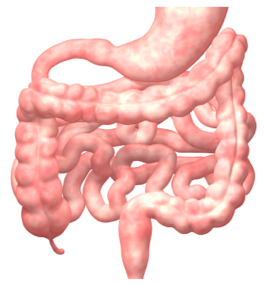
This study investigated whether diverticulitis might lead to IBS. The authors compared the incidence of IBS and functional bowel and related affective disorders among patients with diverticulitis. They performed a retrospective study of patients followed up for an average of 6.3 years at a Veteran’s Administration medical center. Patients with diverticulitis were identified based on International Classification of Diseases, 9th revision codes, selected for the analysis based on chart review and matched with patients without diverticulosis. They excluded patients with prior IBS, or prior functional bowel disorders, or mood disorders. They identified patients who were diagnosed with IBS or functional bowel disorders after the diverticulitis attack and controls who developed these disorders during the study period. The results showed that cases were 4.7-fold more likely to be diagnosed later with IBS, 2.4-fold more likely to be diagnosed later with a functional bowel disorder, and 2.2-fold more likely to develop a mood disorder than controls. The authors conclude that patients with diverticulitis could be at risk for later development of IBS and functional bowel disorders. Diverticulitis appears to predispose patients to long-term gastrointestinal and emotional symptoms after resolution of inflammation. Clin Gastroenterol Hepatol. 2013 March. PMID: 23524129
Acute sleep deprivation increases food purchasing in men

This study investigated if acute sleep deprivation affects food purchasing choices in a mock supermarket. On the morning after one night of total sleep deprivation (TSD) or after one night of sleep, 14 normal-weight men were given a fixed budget (300 SEK-approximately 50 USD). They were instructed to purchase as much as they could out of a possible 40 items, including 20 high-caloric foods (>2 kcal/g) and 20 low-caloric foods (<2 kcal/g). The prices of the high-caloric foods were then varied (75%, 100% (reference price), and 125%) to determine if TSD affects the flexibility of food purchasing. Before the task, participants received a standardized breakfast, thereby minimizing the potential confound produced by hunger. In addition, morning plasma concentrations of the orexigenic hormone ghrelin were measured under fasting conditions. The results showed that independent of both type of food offered and price condition, sleep-deprived men purchased significantly more calories (+9%) and grams (+18%) of food than they did after one night of sleep. Morning plasma ghrelin concentrations were also higher after TSD. However, this increase didn’t correlate with the effects of TSD on food purchasing. The authors conclude acute sleep loss alters food purchasing. Obesity (Silver Spring). 2013 August. PMID: 23908148
Childhood adversity and inflammatory processes in youth

This prospective study used longitudinal data from the Avon Longitudinal Study of Parents and Children to examine the associations between acute adverse events at seven time points prior to age eight and inflammation at ages 10 and 15. Inflammatory markers at age 10 included interleukin-6 (IL-6; N=4655) and C-reactive protein (CRP; N=4647), and CRP was measured again at age 15 (N=3286). We further evaluated whether body mass index (BMI), depression, or cigarette smoking mediated associations between adverse events and inflammation. The results showed that adverse events in middle childhood (occurring between ages six to eight), as well as cumulative adversity from birth to eight years, were associated with higher levels of IL-6 and CRP at age 10. Adverse events reported in early childhood (1.5years) or middle childhood, and cumulative adversity from birth through eight years predicted increased levels of CRP at age 15, and these associations persisted after adjustment for CRP at age 10. Some, but not all, of these associations were mediated by BMI. The authors conclude that exposure to adverse events prior to age eight is associated with elevated inflammation at age 10 and in mid-adolescence. Psychoneuro- endocrinology. 2013 February. PMID: 22727478
Systematic review of vitamin D status in populations worldwide

This study examined the relationship between vitamin D deficiency and osteoporosis, risk of cancer, and cardiovascular disease. In a systematic literature review using the Medline and EMBASE databases, the authors identified 195 studies conducted in forty-four countries involving more than 168,000 participants. Mean population-level 25(OH)D values varied considerably across the studies (range 4·9-136·2 nmol/l), with 37.3 % of the studies reporting mean values below 50 nmol/l. The highest 25(OH)D values were observed in North America. Although age-related differences were observed in the Asia/ Pacific and Middle East/Africa regions, they were not observed elsewhere and sex-related differences were not observed in any region. Substantial heterogeneity between the studies precluded drawing conclusions on overall vitamin D status at the population level. Exploratory analyses suggested that newborns and institutionalized elderly from several regions worldwide appeared to be at a generally higher risk of exhibiting lower 25(OH)D values. The authors conclude substantial details on worldwide patterns of vitamin D status at the population level and within key subgroups are needed to inform public health policy development to reduce risk for potential health consequences of an inadequate vitamin D status. Br J Nutr. 2013 August. PMID: 23930771
(Provigil)
Risks of hormone replacement therapy and breast cancer

This study analyzed the association between hormone replacement therapy (HRT) and break cancer risk as modified by patient factors. The authors analyzed 1642824 screening mammograms with 9300 breast cancer cases in postmenopausal women aged 45 years or older derived from the Breast Cancer Surveillance Consortium, a longitudinal registry of mammography screening in the United States. Multiple imputation methods were used to accommodate missing data for HRT use (14%) and other covariables. The results showed HRT use was associated with greater than 20% increased risk in white (OR = 1.21; 95% CI = 1.14 to 1.28), Asian (OR = 1.58; 95% CI = 1.18 to 2.11), and Hispanic women (OR = 1.35; 95% CI = 1.09 to 1.67) but not black women (OR = 0.91; 95% CI = 0.72 to 1.14). In women with low/normal BMI and extremely dense breasts, HRT use was associated with the highest breast cancer risk (OR = 1.49; 95% CI = 1.21 to 1.83), compared with nonusers. The authors also found that in overweight/ obese women with less-dense breasts, no excess risk was associated with HRT use (adjusted ORs = 0.96 to 1.03). J Natl Cancer Inst. 2013 September. PMID: 24003037
Mediterranean diet, cognitive function, and dementia: a systematic review

This systematic review synthesized the studies on the association between adherence to the Mediterranean diet and cognitive function or dementia. The authors conducted a systematic review of 11 electronic databases (including Medline) of published articles up to January 2012. Reference lists, selected journal contents, and relevant websites were also searched. Study selection, data extraction, and quality assessment were performed independently by two reviewers using predefined criteria. Studies were included if they examined the association between a Mediterranean diet adherence score and cognitive function or dementia. The results showed there were twelve eligible papers (11 observational studies and one randomized controlled trial) were identified, describing seven unique cohorts. Despite methodological heterogeneity and limited statistical power in some studies, there was a reasonably consistent pattern of associations. Higher adherence to Mediterranean diet was associated with better cognitive function, lower rates of cognitive decline, and reduced risk of Alzheimer disease in nine out of 12 studies, whereas results for mild cognitive impairment were inconsistent. The authors conclude that published studies suggest a greater adherence to Mediterranean diet is associated with slower cognitive decline and lower risk of developing Alzheimer disease. Epidemiology. 2013 July. PMID: 23680940
Complications following surgery for lumbar stenosis in veterans
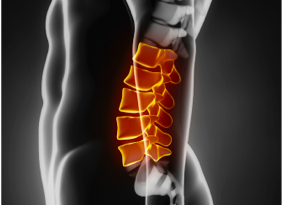
This study was a secondary analysis of the prospectively collected Veterans Affairs National Surgical Quality Improvement Program (VASQIP) database. The objective was to determine the rates of major medical complications, wound complications, and mortality among patients undergoing surgery for lumbar stenosis and to examine risk factors for these complications. The authors identified patients who underwent surgery for a primary diagnosis of lumbar stenosis between 1998 and 2009 from the VASQIP database. They created a composite of major medical complications, including acute myocardial infarction, stroke, pulmonary embolism, pneumonia, systemic sepsis, coma, and cardiac arrest. The results showed that among 12,154 eligible patients, major medical complications occurred in 2.1%, wound complications in 3.2%, and 90-day mortality in 0.6%. Major medical complications were strongly associated with age. Insulin use, chronic corticosteroid use, and preoperative functional status were also significant predictors. Fusion procedures were associated with higher complication rates than decompression alone. In logistic regressions, American Society of Anesthesiologists (ASA) class and age were the strongest predictors of major medical complications. The authors conclude that ASA class, age, type of surgery, insulin or corticosteroid use, and functional status were independent risk factors for major medical complications. Spine (Phila Pa 1976). 2013 June. PMID: 23778366
Richness of human gut microbiome correlates with metabolic markers

Published in Nature, this study describes the idea of an impending global metabolic health crisis provoked by an obesity epidemic. The authors report the human gut microbial composition in a population sample of 123 non-obese and 169 obese Danish individuals. The authors found two groups of individuals that differ by the number of gut microbial genes and thus gut bacterial richness. The results show that they contain known and previously unknown bacterial species at different proportions; individuals with a low bacterial richness (23% of the population) are characterized by more marked overall adiposity, insulin resistance and dyslipidemia and a more pronounced inflammatory phenotype when compared with high bacterial richness individuals. The obese individuals among the lower bacterial richness group also gain more weight over time. Only a few bacterial species are sufficient to distinguish between individuals with high and low bacterial richness, and even between lean and obese participants. The author conclude that their classifications based on the variation in the gut microbiome identify subsets of individuals in the general white adult population who may be at an increased risk of progressing to adiposity- associated co-morbidities. Nature. 2013 August. PMID: 23985870
Gonadal steroids and body composition, strength, and sexual function in men

This study provided 198 healthy men 20 to 50 years of age with goserelin acetate (to suppress endogenous testosterone and estradiol) and randomly assigned them to receive a placebo gel or 1.25g, 2.5g, 5g, or 10g of testosterone gel daily for 16 weeks. Another 202 healthy men received goserelin acetate, placebo gel or testosterone gel, and anastrozole (to suppress the conversion of testosterone to estradiol). Changes in the percentage of body fat and in lean mass were the primary outcomes. Subcutaneous- and intraab- dominal-fat areas, thigh-muscle area and strength, and sexual function were also assessed. The results showed that the percentage of body fat increased in groups receiving placebo of 1.25g or 2.5g of testosterone daily without anastrozole (mean testosterone level, 44±13 ng per deciliter, 191±78 ng per deciliter, and 337±173 ng per deciliter, respectively). Lean mass and thigh-muscle area decreased in men receiving placebo and in those receiving 1.25g of testosterone daily without anastrozole. Leg-press strength fell only with placebo administration. In general, sexual desire declined as the testosterone dose was reduced. The authors conclude that the amount of testosterone required to maintain lean mass, fat mass, strength, and sexual function varied widely in men. N Engl J Med. 2013 September. PMID: 24024838
KLOX Technologies announces approval in Canada of acne vulgaris treatment
KLOX Technologies Inc. announced the approval in Canada of the Klox Biophotonic System (also known as the Lumigel Cleanse System) for the treatment of acne vulgaris after receiving this week a Medical Device License from the Therapeutic Products Directorate – Medical Devices Bureau of Health Canada. The Lumigel Cleanse System is a first-in-class innovative acne vulgaris treatment which has shown in clinical trials a superior profile in terms of combined safety and efficacy. “KLOX is proud to receive its first approval here in Canada. This important milestone fits perfectly into our regulatory strategy that we are pursuing around the world and to that end the company has also filed in Europe for a CE mark,” said Dr. Lise Hébert, President and CEO of KLOX. With this new, cutting edge topical product, of a different category than photodynamic therapy, KLOX is now actively pursuing its goals which are two-fold: to create important returns for its shareholders and to advance its large pipeline of products for unmet needs in dermatology. Acne vulgaris is a chronic disease that can have devastating physical, social and psychological effects on those who suffer from it, particularly in moderate to severe cases. Acne vulgaris affects over 5 million people in Canada, and approximately 150 million people worldwide. It accounts for over 30% of dermatology visits and over 40% of those suffering from this disease are looking for treatments with a better safety and efficacy profile than what is currently available. Many of the topical, oral and photodynamic treatments for acne vulgaris are characterized by inconsistent efficacy/persistence, systemic treatment schedules, lower patient tolerability and in most cases, side-effects. “Based on the new technology, the KLOX Lumigel Cleanse System is a first-in-line Class II medical device with an unmatched clinical profile in terms of efficacy and safety. Patients will appreciate its visible and long-lasting effects, as demonstrated clinically, with the benefit of being non-invasive in nature. On the other hand, practitioners will be able to offer an easy-to-administer and accessible treatment option,” said Dr. Steven Bernstein, Chief of Dermatology Surgery at the University of Montreal Hospital Center (CHUM).