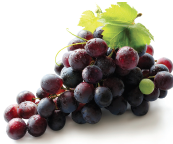





This study examined the effects of omega-3 fatty acids on liver fat content in PCOS using proton magnetic resonance spectroscopy. A total of 25 women with PCOS (mean age, 32.7 yr; mean body mass index, 34.8 kg/m(2)) were enrolled in a randomized, crossover study to receive either 4g/d of omega-3 fatty acids (83% combined EPA and DHA) or placebo over 8 wk. Omega-3 fatty acids significantly decreased liver fat content compared with placebo [10.2 (1.1) vs. 8.4 (0.9)%; P = 0.022]. There was also a reduction in triglycerides [1.19 (1.03-1.47) vs. 1.02 (0.93-1.18) mmol/liter; P = 0.002], systolic blood pressure [124.1 (12.1) vs. 122.3 (14.5) mm Hg; P = 0.018], and diastolic blood pressure [73.2 (8.4) vs. 69.7 (8.3) mm Hg; P = 0.005] with omega-3 fatty acids compared with placebo. Omega-3 fatty acids especially decreased hepatic fat in women with hepatic steatosis, defined as liver fat percentage greater than 5% [18.2 (11.1) vs. 14.8 (9.3)%; P = 0.03]. Omega-3 fatty acid supplementation has a beneficial effect on liver fat content and other cardiovascular risk factors in women with PCOS, including those with hepatic steatosis. (J Clin Endocrinol Metab. 2009 Oct;94(10):3842-8.) PMID: 19622617.
Burlington Health Foods moves to a new location
Burlington Health Foods, a family owned and operated health store, is moving to a new location. The store, established in 1970, was Burlington’s first health food store.
The new store, located at 3300 Fairview Street in Burlington, is just one street over from its current site, yet better situated next to an athletic business, says Michael Stetson, assistant manager and a Registered Holistic Nutritionist.
“Our new location will benefit us in several different ways: Our operating costs will be greatly reduced, allowing us to re-invest into other areas of the business,” says Stetson. “The new location is nearly move-in-ready, with offices for our clinic already constructed. As the new location is less than 100 metres away from our current store, our customers will not have to travel far, reducing lost traffic.” The company feels now is the correct time to move in order to change direction for the store and will allow clients to have their needs better met at the new facility. The move includes the integration of a natural health clinic into the business. “We will continue to serve our existing clients who are primarily baby boomers and seniors, however as our business model will change, we expect to serve more young families and professionals seeking specialized care from our clinic,” says Stetson. In addition to the clinic, the store features in-store demonstrations and customer appreciation days four times a year. It also features a lending library of over 400 health titles and offers free education seminars from local health practitioners.
Burlington Health Foods offers a wide selection of nutritional supplements, gluten-free products, homeopathic remedies, personal care products, athletic supplements, bulk organic food and groceries. It is a member of the Health First Network, a Canadian association of independent health food stores that bring top-quality products to consumers at reasonable prices. The Health First Network manufactures its own line of vitamins and supplements at a certified Good Manufacturing Practices-approved facility, a federal government standard for natural health products.
Bob Mehr, Pure Integrative Pharmacy
Pure Focus
Pure Integrative Pharmacy recommends both traditional and complimentary medicine to give every patient the personalized treatment they deserve.
BY KAVITA SABHARWAL
PHOTOGRAPHY BY KATIE HUISMAN
At the age of eight, Bob Mehr’s childhood aspiration was to be a pharmacist, established by watching his friendly neighbourhood apothecary mix ingredients to cure ailments, igniting Mehr’s curiosity in the process.
“He was regarded as the guardian of health because he would be able to answer any questions you had and he would always have something to give us,” says Mehr. “I was intrigued by the whole idea of putting something together and giving it to patients for them to feel better. I knew I wanted to be just like him.”
Mehr received his pharmacy degree from the University of British Columbia, where he also conducted research with the Dean of Faculty. This is where his interest in natural health grew as he experimented with natural products and the positive effects they had on serious health issues.
After opening his first pharmacy alongside his wife in 1999, Mehr’s company began growing at a rapid rate, which is when he decided to make a change.
“I realized that they were mainstream drugstores and were not fulfilling my pharmacies as being a destination, as being the place of health and wellbeing. I was limited in what I could do. That’s when we decided that it was time to brand ourselves and create something fresh and new in the market. That’s how Pure Integrative Pharmacy was born.”
Setting down roots
Mehr has opened new locations every few years across Greater Vancouver and Victoria to achieve a current total of 12 stores and about 120 employees. His goal is to eventually move Pure Integrative Pharmacy across the rest of British Columbia and into Alberta, Saskatchewan, Manitoba and Ontario, achieving at least 100 stores in the next five years.
His plan to achieve this objective includes using a strong team with an expertise in operation to create the company’s program for expansion. Mehr also notes that a strong financial group that believes in his philosophy and business model is sponsoring his upcoming plans.
“We’re making a very solid foundation and it would be so different from any pharmacy groups that you see in Canada,” says Mehr. “Opening [new pharmacies] will probably be 10 per cent of it; the rest will be acquisitions. We have locations already dotted out on a map and we’ve already targeted which pharmacies we’ll go after.”
Currently, each location stocks about 90 per cent of its merchandise, while a warehouse reserves the remaining 10 per cent. With the addition of the new stores, however, Mehr intends to open warehouses in each region to hold the overstock.
“We’ll definitely have a distribution centre for certain products, especially for our own products. One of our plans is to create more of our brands of our products, our house brand and private label products,” says Mehr.
When choosing locations, Mehr prefers to go where he believes patrons are more interested in taking care of their health, and his target demographic, 40 to 60 years old, fits that bill.
“They’re the baby boomers and the new baby boomers. They have a good income, their degree and level of education is high and they’re much more in tune of looking after their health. That’s the demographic that we are trying to attract,” he says.
Empowerment through education
After witnessing a patient pass away in front of him due to an incorrect diagnosis from his traditional doctor, Mehr realized that it is of the utmost importance that patients are educated about their health.
“He could have saved himself if he was knowledgeable on some basics as simple as knowing the symptoms of a heart attack, or early signs of a stroke. I think as a practitioner or a pharmacist, one of our primary goals should be to educate and empower our patients,” says Mehr.
Mehr advocates combining traditional therapies with complimentary healing techniques such as yoga, meditation, socialization, laughter, nutrition and exercise.
“When they combine both conventional therapies along with complimentary body-mind connection, they seem to do much better. Not only will their therapy start working better, their whole morale and change of mind is impressive. All of a sudden, they’re inspired to find what’s best for them.”
Mehr is not only partial toward alternative therapies; he knows when a patient would best benefit from conventional medication and wants to help direct the patient in the right direction. In addition to recommending next steps for patients, Pure Pharmacy conducts monthly seminars at most locations to educate customers about their health.
Store patrons are not the only ones receiving an education just by walking through the doors of Pure Pharmacy; Mehr also firmly believes in educating his employees.
“We send them to courses and seminars that we believe they can benefit from. We train them in-house with their peers. We send them to continuing education courses and we ask our suppliers to send their experts to the stores to train each individual,” says Mehr. “That requires investment. That requires commitment from management and from staff. That is where the competition can’t touch us.”
Spreading the word
When Pure Integrative Pharmacy launched, it took part in radio and television advertisements to get the word out. Nowadays, the company’s marketing plan relies entirely on its website, social media presence and word of mouth. For its upcoming expansion, however, Mehr has an as-yet-undisclosed marketing plan in place.
Competing in the current marketplace is not always easy, even during Mehr’s best-selling season from September to November, though the company compensates for that by fine-tuning its upcoming e-commerce site, which is currently in the testing process.
In addition, Pure Pharmacy relies on networking with healthcare practitioners on a regular basis. “When we see they’re going to certain seminars and training, we also attend and that’s how we network with them,” says Mehr. “If we get a patient who is getting good results from what we’re doing, that patient usually asks if they can share it with their practitioner and that’s how the practitioner finds out about us.”
While Mehr relies on the expertise of natural health advisors and managers in his employ to select the products Pure Pharmacy sells, he notes that his experience at shows and events have given suppliers a chance to approach him, which also leads to the ability to offer good quality products.
Mehr believes his ‘culture of care’ sets his company apart and is the best marketing approach he could employ. “You can duplicate the products, you can duplicate the design, the colour and the name, yet you cannot duplicate the culture. The culture is very unique, in my opinion,” he says. “[We compete] by participation and by having your staff, your customers, your suppliers and your network of professionals connected with each other and having them engaged. Constant communication is key.”
Love of the job
Mehr loves what he does, and gives back by holding clinical volunteer consultations for cancer patients at Inspire Health Integrative Cancer Care in Vancouver. “It’s an amazing not-for-profit and the government has actually recognized and funded them for the last two or three years. It basically helps to inspire the patient and find out what is right for them along with their conventional cancer therapy,” he says.
Though Mehr is satisfied with his work, it comes with its own challenges, such as his transition into the Pure Integrative Pharmacy business model.
“Moving from being a traditional drug store to becoming an integrative pharmacy, especially moving from well-known national brands to your own brand, that was my biggest challenge. There were also many obstacles, like how to change the mindset of my pharmacists and my staff to go from a service-oriented drugstore into a care centre and pharmacy. There’s a huge difference there,” he says. “I had to make sure every single person working in our organization is knowledgeable in the area of natural medicine and the pharmacists that we’ve chosen to be on our team also need to be open-minded toward complimentary and natural medicine.”
Challenges aside, Mehr describes his favourite part of the job being that he can sleep at night knowing that he contributed something beneficial to society.
“When you leave, you want to leave with the feeling that you’ve left a legacy behind you, that you’ve helped people. It’s that sense of fulfillment that I’ve done something right today. I’ve helped somebody today. That’s the best part of owning my own business. Every day there’s a new reward.”
It’s that legacy of satisfied customers that ensures Mehr and Pure Integrative Pharmacy will continue to compliment patients’ health for years to come.
Stephan Tremblay, La Moisson
The Traditionalists
La Moisson grew from an inspired idea, quickly becoming a beloved family business. Now, the next generation shares their insight on the growing organic movement.
By Kavita Sabharwal
Photography by Christian Fleury
La Moisson started as an idea by Patrick Grohman to integrate organic foods into people’s daily lives. Founded in 1990, Patrick and his wife Lise were ahead of the curve when they chose Sainte-Thérèse, home to 27,000 citizens, to house their natural health food market.
“He decided that he wanted to go into a health food market. That was the future in the years to come. He was really looking far ahead, but at the time it wasn’t very popular,” says current co-owner Stéphan Tremblay. “He started with a really small place. It was a big risk and year-to-year he started growing until what we are now.”
Patrick has since retired, and the store’s operations have been taken over by the next generation of his family: his daughters Kathleen and Marie-Claude Grohman, along with Stéphan, Marie-Claude’s husband.
Kathleen, who has worked at the store since its inception, supervises the food department and cashiers, and manages the store’s website. Marie-Claude supervises accounting, administration and the store’s computer systems, and Stephan manages the beauty and cosmetics section, the store’s publicity and supervises store maintenance.
La Moisson is a family business in more ways than one, as Stéphan says that he and his family eat organic as much as they can.
“We endorse the organic lifestyle. That’s why we have so much success, because our mission is to teach people as much as we can how to take care of themselves, how to discover organic and why they should eat organic.”
Though the 16,500 square-foot market may be large in size, it manages to maintain a homey feel. The owners are very selective about what they put in-store, but have one stipulation: everything must be 100 per cent natural.
“The food has to be good for the health. We don’t take anything that is not 100 per cent pure in our store,” says Stéphan, a fact that has earned the store two prestigious awards: the Brock Elliott excellence award from CHFA Quebec in 2013, and a Consumer Choice Award for Montreal in the category of Health Food Store in 2014.
Spreading the word
The store employs 60 people and boasts the most specialists and health food consultants for every issue under the sun in their food, supplement, and beauty and health departments, alongside homeopaths and naturopaths.
“They’re here for when people want information, to answer every question on the floor every day. You name it, we have it,” says Stéphan.
Stéphan was initially brought on board for La Moisson to handle the publicity of the store, and has built up their publicity budget over the last seven years. This year, the company has set aside a budget of $300,000 for newspaper flyers, radio advertisements and television commercials in Montreal.
“It has been very expensive but very good for the store, because there are a lot of stores like us. It’s been very good for us,” he says.
Making changes
In order to keep things fresh, La Moisson often makes changes to the market’s set-up. When the store first opened it was only about 2,000 square feet, so they have moved locations four times to accommodate their growing merchandise and client base.
This January, they opened a large auditorium-style conference room with a capacity of up to 70 people to hold training sessions for employees.
“We hold conferences that are done once a month, a whole day of training for naturopaths that keep them up to date,” says Stéphan, mentioning the other departments also undergo monthly training days. “We’re working a lot on the formation of our employees. It’s important for us that everybody is up to date and once somebody comes here they have the answer for these people who need help.”
The store also offers information sessions for customers on any number of topics including cancer, health food and beauty, to name a few. They also hold free weekly seminars for customers to see specialists and ask questions.
“Our mission is to teach people what they want to know, what we can teach them to help them set a better lifestyle,” says Stéphan.
Despite La Moisson’s popularity, the owners currently have no intention of opening another location. “We have one location and its working great because it’s a family enterprise. All three of us are here every day and we give 100 per cent of our time here so I guess that’s the secret of our success,” he says. “We don’t want to extend ourselves and try to get the same ambience we have here because we started as a small family store and although now we’re up to 60 employees, it’s important that the family experience is there.”
Stéphan is proud of how much the employees love to come to work. “It’s important for us when somebody works here, they’re happy in the morning and they can’t wait to come to work,” he says. “If we start opening up other stores, it may be a problem to have the same vision that we have here. Not only for the money, but also for the quality of life that we have working here. It’s exceptional and you don’t get that everywhere.”
As for the store’s succession plans, Stéphan says that the next generation of the family, his two sons and nephew, may take over the store one day.
“We’ll see what is going to happen,” he says. “We’re really going day by day with the evolution of the store.”
At the root of everything they do, La Moisson has one goal: to teach people how to care for their health. Whether that is through offering excellent organic food choices or providing them with experts to answer all their food- and health-related questions, the storeowners will keep this goal at the forefront of their minds for generations to come. IHR
AT A GLANCE
Name: La Moisson
Owner: Kathleen Grohman, Marie-Claude Grohman and Stéphan Tremblay
Location: 360 rue Sicard, Sainte-Thérèse, QC
Website: lamoisson.com
Store Size: 16,500 square feet
Staff: 60
TOP-SELLING PRODUCTS:
Food: gluten-free products, raw foods
Vitamins & supplements: omegas, probiotics,
meal replacements
Cosmetics: face creams, hair colour
Matt Lurie and Randee Glassman, Organic Garage
Fresh thinking in the produce aisle
With a new location and warehouse adding to its company profile, Organic Garage has made great strides in advancing its reach of late. We spoke to President Matt Lurie and Marketing Director Randee Glassman about the ins-and-outs of buying (and selling) organic.
By Kavita Sabharwal
Photography by Robin Kuniski
When customers walk into Organic Garage, the first thing to catch their attention is likely one of the large, colorful signs that hang above the produce department, informing shoppers of all the available varieties of each organic fruit, vegetable and herb.
Although often thought of as industry experts, the store does not employ experts in an effort to keep prices low. Instead, they use their fun, informative signage to teach consumers what they might want to know about their various options: the types of eggs available (free-range, free-run and organic), the difference between herbs, and the various types of cooking oils available (coconut, hazelnut and macadamia), just to name a few.
The marketing team makes the signage in-house after Organic Garage President Matt Lurie comees up with the ideas. “We realize that we need signage to help people understand the difference between the mushrooms and how to use them, and the tomatoes and nuts and fruit, so there’s a beautiful sign to explain to our customers the answer.”
Lurie’s creative strategy paid off, because the company recently opened its second all natural and organic grocery store in September. According to Director of Marketing, Communications and Public Relations Randee Glassman, to open the new 13,000 square foot location at 8020 Bathurst Street in Vaughan, Lurie duplicated the best parts of the Oakville store for their new digs.
“He has a vision from day one and he sticks to that vision and it tends to work. That’s why this store is a replica of Oakville, because that’s his vision and this is just the continuation of it,” she says. Lurie also used design elements in the new Bathurst store that have been added to Oakville to add to the company’s overall branding experience.
The demographics between the two stores are very similar, according to Glassman, and the company sought out their new Vaughan setting because it was perfect for them. “I started here three and a half years ago, and we were going to have two stores. This store opened up in September so it has taken that long for Matt to find the perfect place. He wasn’t going to settle just for the sake of opening up a new store,” she says.
Supplying the masses
Along with the new store, the company opened its warehouse in August, where roughly two thirds of the company’s merchandise is kept while the other third of its stock goes directly to the stores. Prior to its existence, the merchandise was entirely stored in Oakville. “If you saw the Oakville store at the beginning, it was crammed to the rafters with product, which was not our idea of a clean store,” says Glassman.
The warehouse’s purpose was to help centralize the chain’s purchasing and make it easier to support operating more than one store. “We’re a large volume buyer so it helps distribute the goods more effectively and allows the stores to benefit without having to take on all that volume on the store level,” says Lurie.
Glassman believes the warehouse has changed operations for the company dramatically, allowing the stores to run more efficiently. It was the only way Organic Garage would be able to continue their model of offering the best price on goods. “We have a lot of in-store specials that are manufacturer’s clearance, they’re short dated but they follow code, or branding’s been changed and Matt will take pallets and sell them. The warehouse allows him to buy those volume pallet deals and then send them to the stores as they need,” she says.
Educating a new generation
Organic Garage takes pride in hosting in-store events, such as the fifth annual Gluten Free Fair, taking place at both Organic Garage locations for the first time this May. The fair will have vendors come in to educate consumers and allow them to try out new products.
“With the growth of people who suffer from wheat or gluten intolerance, the need for these people to be able to ask questions or try products to see if they like them is very important. We’ve done the Gluten Free Fair for the past five years and I know our customers really enjoy it because it gets them to experience different things and different foods,” says Lurie.
In addition to educating consumers, Lurie had a learning curve of his own to contend with, involved with opening a store for the first time. “The food business is not a very kind business,” he says. “If you don’t know what you’re doing, things can happen very quickly so you just have to stay on your toes. And especially because our focus is on fresh and perishables, you really have to know what you’re doing.”
When asked about the best part of owning his own business, Lurie is thoughtful. “I think it’s the constant pursuit of excellence and adjusting and changing to make the business run better and more efficient and turn profitable,” he says. “Coming from a franchise background where you don’t have a lot of say in those types of things, it’s nice owning your own business and being able to have some control. It’s a double edged sword because then you’re responsible for all those things that you don’t really have to deal with in a franchise model, but I’m one of those people where I like to retain as much control over the business decisions as possible and owning your own business allows you to do that.”
Luckily for Organic Garage shoppers, he seems to have adapted well.
AT A GLANCE
NAME: Organic Garage
OWNER: Matt Lurie
LOCATIONS: 579 Kerr Street, Oakville, Ontario and 8020 Bathurst Street, Vaughan, Ontario
WEBSITE: www.organicgarage.ca
STORE SIZE: Both locations measure 13,000 square feet
STAFF: Both locations staff about 50 workers
TOP-SELLING PRODUCTS:
Food: Blue Diamond Almond Milk, Silver Hills Bread, Crofters Spreads, Lundberg Rice
Vitamins: Natural Factors Vitamin D, Vega One, Sun Warrior Protein Powder
Personal: Green Beaver Toothpaste, Nature’s Gate Body Wash, Jason Shampoo
Miscellaneous: Organic Garage Shaker Cups, World Cuisine Vegetable Spiral Slicer
A new take on an old classic
Trial and error helped Kyrill Leutsch craft Quoquos, a natural health product that sets a new standard for coconut oil.
By Kavita Sabharwal
Kyrill Leutsch had 20 years of experience in the fields of marketing and advertising in the pharmaceutical business where he developed an expertise to market products to both doctors and consumers. That “savoir faire” was the catalyst to creating Quoquos.
Leutsch has always had an interest in natural health products. He first read about the benefits of consuming virgin coconut oil to supplement his diet a few years ago, on the recommendations of friends who tried it. He also knew many athletes and bodybuilders often consumed it for an energy boost. Leutsch, who suffered from a sluggish thyroid, was looking for a product to provide him with natural lasting fuel.
“I had been trying to find more natural ways to enhance my health,” he says. “I wanted to try coconut oil and see if I take it on a daily basis, whether I will feel better and it will give me energy.”
After taking two to three tablespoons per day, he found plain coconut oil was difficult to swallow and hard to digest, causing nausea. He found the solution in organic sunflower lecithin, an emulsifier, and experimented with it. He started by adding a teaspoon of the sunflower lecithin into his coconut oil in a shake and he noticed an immediate change in the way his body reacted to the oil.
“I didn’t feel the same reaction of nausea, and I liked the way it emulsified in shakes and other things, it was like the oil disappeared,” he says.
“I used it for myself only until I realized that this is really working and is something that could work for other people too, especially when this was a common problem for a lot of people, how to consume this oil more as a supplement,” he says. “I had friends trying it out, they could suddenly digest the oil much better, too; they did not have any reactions after that.”
At the beginning of 2013, Leutsch started Aecetia Inc., and began working on his certification, machinery, manufacturing, labeling and preparing the product to be sold directly to consumers, a process made easier by his pharmaceutical marketing background.
“At one point, I realized that this could be something that could solve a lot of people’s problems. There are so many people who are into coconut oil. It’s just beginning,” says Leutsch. “There is government-funded research being done in the U.S. on coconut oil’s relation to Alzheimer’s disease. The University of South Florida is doing a clinical study about coconut oil dramatically helping Alzheimer’s patients, in cases where general medicine is no longer working and they can’t find any other solutions. They’ve already seen that it’s helped improve a lot of the patients.”
The research study is being conducted at the USF Health Byrd Alzheimer’s Institute on 65 individuals with mild to moderate Alzheimer’s to measure the effects of coconut oil on the disease. Leutsch believes that with more research studies on the topic, coconut oil will lose any bad reputation it has and become a mainstream natural health product.
“People say it gives you high cholesterol, it’s dangerous for your heart. But again, I didn’t take the information that people say online, I just tested it on myself,” he says. “My blood pressure went down, when it was always on a higher level. My cholesterol level was even lower than before. So there are a lot of misconceptions out there where they think taking this much oil is artery-clogging; I personally think it’s just not true.” In addition, a recent test indicated Leutsch’s sluggish thyroid is now operating at a normal level without the use of thyroid treatments or supplements, which he attributes to his regular coconut oil consumption.
Although he is not the only manufacturer of organic coconut oil as a natural health product, he is the only one who provided a solution for it to be suitable for use on a daily basis. In addition to having a booth at the Natural Products Expo West 2014 in Anaheim, Leutsch will be promoting his product at CHFA West in Vancouver (booth 1850) and Natural Products Expo East in Baltimore later this year.
“For our first time at the Natural Products Expo West this year, we had a tremendous response from retailers, distributors, from nearly everybody that came by and actually tried the product applied in a mango smoothie or hot chocolate and were amazed at how good it tasted and how easy to swallow it was. You can hardly tell that there’s oil in there,” says Leutsch. The oil has other uses as well, such as for cooking, as the lecithin lends it non-stick properties.
There has been a lot of interest in Quoquos products. Leutsch, who currently represents the brand on his own with the help of long time natural and organic products veteran Michael Theodor, intends on full distribution and plans to have Quoquos stocked in as many stores as possible. With that, he will do in-store sampling and retailer training, which Leutsch believes is required for retailers to understand the product and explain its use to customers.
Leutsch has sold two batches of Quoquos since he started producing in October – a total of 4,000 jars. About one third of customers are repeat buyers, though Leutsch does not have a sales forecast due to the difficulty involved with forecasting sales for a new product. After about a year, he says, he can start predicting sales and where they will go.
Quoquos is available in two flavours: Coco Lecithin Boost and Coco Choco Boost, while a third flavour is currently in development. Quoquos is sold on the company’s website, Quoquos.com, as well as on Amazon.com and should be available through a Canadian distributor by summer 2014.
Artisanal science
What started as a gamble in the natural food industry turned into a success for the creators of SURO.
By Kavita Sabharwal
Sylvain Mercier never intended to get started in the natural health product business. Rather, he and his wife, Jacinthe Desmarais, were looking into buying an orchard and sustaining themselves on what they grew on their land.
Mercier, a businessman, and Desmarais, a chiropractor, osteopath and naturopath, made a startling discovery when they found wild elderberries growing on their land, a rare find due to the fact that this species of elderberry, unlike most found in North America, was non-toxic due to its lack of precursors to cyanide in the berry, so they decided to take advantage of it.
“Jacinthe was always looking at how she can help people with their health naturally. She always looks at what’s on the market and what’s not and what can be done but, always at a high quality,” says Mercier. “The land gave us an opportunity to do something that didn’t exist in Canada, which was elderberry. We are pioneers of growing organic elderberries in Canada. No one did it before we started it.”
Elderberries are naturally antiviral, blocking viruses from attaching to a human cell and transferring its DNA into it. Elderberry also contains anthocyanins, a molecule that boosts the immune system. Unlike other products for cold and flu, elderberries do not boost the immune system the way Echinacea does, so SURO products can be used all year long. SURO’s products are also unique in that they are shelf-stable for four years, even when opened, and the unpasteurized organic honey and apple cider vinegar in the product actually kills any present bacteria over time.
The unpasteurized syrups contain the whole berry with seeds removed. “You get the skin, the berry, the juice, you have everything in our syrup and that’s what makes it so powerful compared to what’s on the market,” says Mercier.
The company provides support for retailers selling its products by going to individual stores to train staff in person. They also often lecture at wellness shows to the public. SURO’s products, which have been distributed by Ecoideas for five years and Purity Life since January, have rapidly grown in popularity since they were first introduced. This is compared to what Mercier and Desmarais had to do when they first started SURO – going store-to-store selling products until they began their relationship with Ecoideas. According to Mercier, creating the product is easy, but the tough part is putting it on the market.
“Distribution is the toughest part in the industry. When you reach a point that distributors are calling you, it’s kind of interesting because we know now that we’re a step higher than we were five or ten years ago.” says Mercier. “We don’t have to work as hard to prove to people how good our products are now that customers are asking for us. That’s a big change.”
Mercier and Desmarais found they would find the most success by developing their own machine to process the berries for their elderberry syrups and tinctures by breaking the skin into pieces, allowing all the juice and pulp to be collected. Students age 16-19 come in on weekends and work full time during the summer to help process the plants. Also, there are five or six families who live near the orchard that produce elderberries for the company, in order to keep the berries fresh.
“Behind a bottle of syrup there are over 100 people working in Canada. The organic honey is from Canada; the organic apple cider vinegar is from Canada, the propolis is from Canada. Everything is from Canada. It’s great to have a product that we can say that.”
Anaheim Gallery
Expo West
IHR Magazine was at the Natural Products Expo West 2014, which took place from March 6 to 9 at the Anaheim Convention Center in Anaheim, California. Here’s a look at the people IHR Publisher Olivier Felicio met and products he saw.
Photo Captions:
Kyrill Leutsch, president at Aecetia Inc.
Nathalie Bohn, senior director of sales and customer relations at Andalou Naturals
Jean Colas, executive vice president of sales and marketing at Dermolab Pharma and Lotus Aroma
Merrilee Pack, vice president of marketing and sales operations at Earth Science Naturals
Michael Weiner, Ken Wong and Frank Gallucci of New Age Marketing
Garrett Adrian, digital marketing manager, Nova Covington, CEO and founder, and David Sorely, marketing manager of Goddess Garden Organics
Pamela Dunn, Denise Fleming and John Larson of Lafe’s Natural BodyCare
Susie Hewson, vice president of marketing and Theresa White, senior executive officer at Natracare
Ted Campdesuner, director of client services at North American Herb and Spice
Cindy Makela, chief executive officer at Oleavicin
Fardad Moayeri, chief esthetics officer at Parissa Labs
Janet Choa, marketing at Parissa Labs
Peter McMullin, president at Sibu
Antioxidant supplementation after breast cancer diagnosis and mortality
The current study examined the associations between antioxidant use after breast cancer (BC) diagnosis and BC outcomes in the Life After Cancer Epidemiology (LACE) cohort. The cohort included 2264 women who were diagnosed with early stage primary BC from 1997 to 2000 who enrolled, on average, two years post-diagnosis. Antioxidant supplement use after diagnosis was reported by 81% of women. Among antioxidant users, frequent use of vitamin C and vitamin E was associated with a decreased risk of BC recurrence (vitamin C: HR 0.73; 95% CI 0.55-0.97; vitamin E: HR 0.71; 95% CI 0.54-0.94) and vitamin E use was associated with a decreased risk of all-cause mortality (HR 0.76; 95% CI 0.58-1.00). Conversely, frequent use of combination carotenoids was associated with increased risk of death from BC (HR 2.07; 95% CI 1.21-3.56) and all-cause mortality (HR 1.75; 95% CI 1.13-2.71). Therefore, the effects of antioxidant supplement use after diagnosis likely differ by type of antioxidant; frequent use of vitamin C and vitamin E in the period after BC diagnosis may decrease the likelihood of recurrence, whereas frequent use of combination carotenoids may increase mortality. Cancer. 2011 Sep 27. PMID: 21953120.
Probiotic supplementation during pregnancy affects childhood atopic eczema: a meta-analysis
In this study, a literature review and meta-analysis were conducted of randomized, double-blind, placebo-controlled trials that assessed the impact of probiotic intake during pregnancy on the development of eczema in children. A total of seven randomized, double-blind, placebo-controlled trials published between 2001 and 2009 were selected from the PubMed and Ovid databases for the meta-analysis. Study selection, quality appraisal, and data extraction were performed independently and in duplicate. The development of atopic eczema in children whose mothers took probiotics during pregnancy was compared to placebo and results revealed a significant risk reduction for atopic eczema in children aged 2–7 years by the administration of probiotics during pregnancy (reduction 5.7 %; P = 0.022). However, this effect was only significant for lactobacilli (reduction 10.6 %; P = 0.045) and not for a mixture of various bacterial strains as probiotics (difference 3.06 %; P = 0.204). The authors concluded that the administration of lactobacilli during pregnancy prevents childhood atopic eczema but interestingly, a mixture of various bacterial strains does not affect the development of atopic eczema, independent of whether they contain lactobacilli or not. Br J Nutr. 2012 Jan;107(1):1-6. PMID: 21787448