In a bid to reposition the path of its business, Loblaw has opened a rebranded pilot store in Mississauga, Ontario. The new store puts more emphasis on international beauty and personal care products, taking shifting consumer demographics into account.
In recent years, Loblaw’s acquisitions have helped the retailer to reach a more diverse group of consumers. To achieve this, the company purchased T&T, a supermarket chain serving Asian-Canadians, as well as Arz Fine Foods, which specializes in Mediterranean groceries.
The new store in Mississauga will feature many successful brands that are already sold at Arz and T&T in order to cater to a more diverse clientele. To add to this, Loblaw will also sell a variety of highly sought-after Asian beauty products.
“Retail is as much about evolution as anything,” says Andrew Iacobucci, president of the discount division of Loblaw. “If you stay in any one place for too long, you’ll be overtaken.”
Burt Shavitz, the co-founder of Burt’s Bees, passed away on July 5 at the age of 80. According to a spokeswoman for the company, the reclusive beekeeper died of respiratory complications in Bangor, Maine, surrounded by his family and friends.
Shavitz, who also acted as the face of the natural cosmetics label, began the company with Roxanne Quimby in the 1980s. He was making a living by selling his honey when he met Quimby, a single mother and back-to-the-lander. She began to make products from his beeswax, and Burt’s Bees was born.
Their partnership ended after Quimby moved the operation to North Carolina in 1994. As the company continued to expand, Shavitz moved back to Maine, eventually leaving the business. In 2007, Clorox purchased Burt’s Bees for $925 million.
Although he is known for hailing from the backwoods of Maine, Shavitz grew up near New York, served in the Army in Germany and shot photos for Time-Life before leaving the city. In recent years, he lived in a cluttered house with no running water.
“Burt was a complex man who sought a simple life in pace with the seasons of nature on his land,” the company said in a statement. “If there is one thing we will remember from Burt’s life, in our fast-paced, high-tech culture, it’s to never lose sight of our relationship with nature.”
Ten years ago, a team of naturopathic doctors, Dr. Makoto Trotter and Dr. Aileen Lim-Trotter, husband and wife, bought some commercial property at the intersection of Carlton and Jarvis streets in Toronto and Zentai Wellness Centre was open for business.
As with any newly established practice, there were a number of challenges to face. Being on the third floor of a commercial building meant no storefront presence and little walk-in traffic. To introduce their business, during the first several years after the clinic opened, Dr. Trotter and his wife spent every spare hour, evening and weekend giving free talks, handing out flyers, attending community events, hosting open house events at the clinic and networking.
In addition to dedicating all her time to Zentai, Dr. Lim-Trotter took time off as a practitioner for the first year to work as office manager instead.
“Having a naturopathic doctor/clinic owner answer every phone call and answer questions helped turn almost every open inquiry into a confirmed appointment at the clinic,” Dr. Trotter says. “It also helped streamline what we wanted and needed from an office manager since we personally were able to experience this role.”
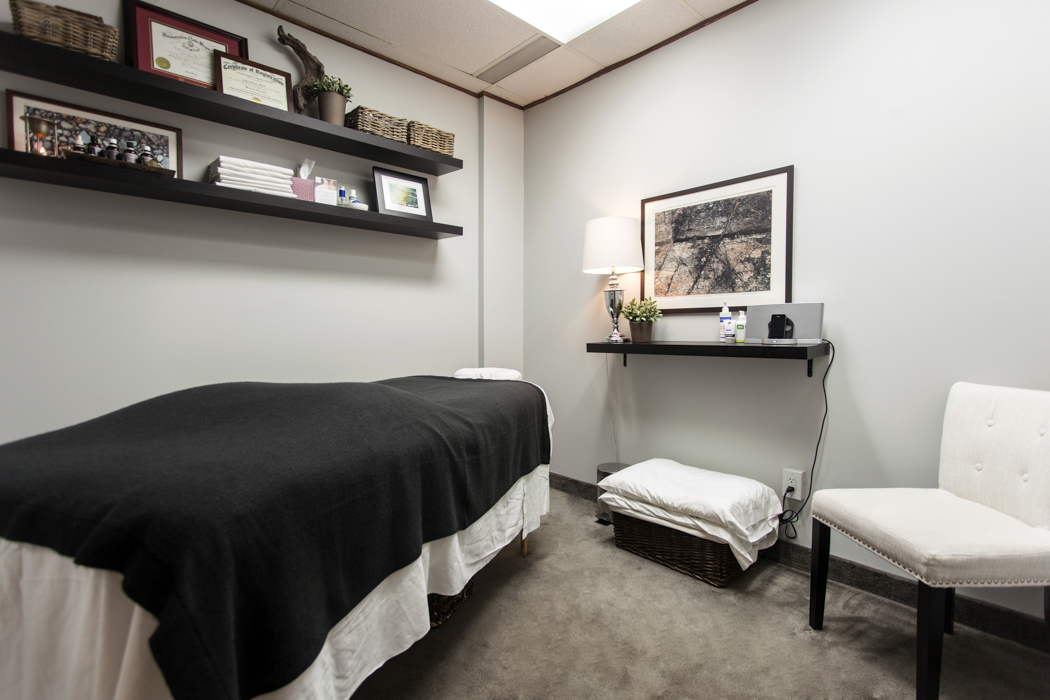
Currently, the 1,400 square-foot clinic offers naturopathic medicine, acupuncture, pediatrics, digestive health, naturopathic dermatology, registered massage therapy, child psychology and psychotherapy. The clinic also offers lab tests and has a dispensary.
“We wanted to create an integrative clinic with naturopathic medicine at the core of a qualified, licensed wellness team that matched our philosophies. And we wanted to offer these services in a space that had a Zen, yet professional atmosphere,” Dr. Trotter says.
The clinic’s name originates from Japanese. The character “zen” means “whole” and “tai” stands for “body.” Dr. Trotter emphasizes that no matter what their patient’s concern is, their goal and philosophy is to help them become healthier as a whole.
Dr. Trotter holds an honours Bachelor of Science degree in biochemistry-biotechnology and his wife – a Bachelor of Science degree in biological sciences. Both of them are licensed naturopathic doctors. Dr. Lim-Trotter focuses on dermatology and pediatrics. She helps both adults and children with eczema, rosacea, acne and food allergies. Dr. Trotter specializes in digestion and hormonal health. He sees many patients who suffer from irritable bowel syndrome and inflammatory bowel disease, menstrual irregularities, menopause, andropause and fertility issues. Dr. Trotter says because most tests are usually quite expensive and patients have budgets, he often starts with looking into his patient’s diet first, adjusting it, analyzing the progress and then, he recommends relevant testing if required.
“Nutrition is always the foundation – whether it’s a hormonal or digestive health concern, we always start with a diet,” says Dr. Trotter. “Sometimes hormonal issues may be resolved by making diet changes before we need to pursue further testing.”
Dietary changes are also necessary for patients with food allergies. In addition to allergy testing, Dr. Trotter may also recommend a hypoallergenic diet. Although there is a lot of information online on how patients can improve their health concerns through diet, Dr. Trotter believes people need professional help to find an individualized and “realistic diet” that they can incorporate into their busy life styles.
Dr. Trotter also sees patients with fertility problems. While a number of them have some underlying health issues, including hormonal ones, for many patients, “it’s just a technicality of timing and understanding when you are fertile.”
“Of course, we try to rule things out whether it’s sperm, ovulation or hormonal issues. There may be something underlying, but a lot of times, it might just be the fact the person is not tracking their cycle properly.”
While many women use a variety of mobile apps to track their periods, Dr. Trotter also gets them to track symptoms, such as cervical mucus, spotting and basal body temperature, which helps determine the best time to conceive.
Dr. Trotter and Dr. Lim-Trotter have created a work culture that aims at providing best care to their patients. The Zentai team currently consists of two office managers as well as a doctor with a PhD in child psychology who specializes in the assessment and treatment of children with autism spectrum disorders. There is also a registered massage therapist with a background in athletics and a psychotherapist who has a focus on wellness assessments. While their treatment rooms are now continuously full, Zentai would expand their practitioner team if someone fits the current team and philosophy.
Dr. Trotter says they have created their team by patiently searching for qualified, skilled practitioners who also have great interpersonal skills.
“We also choose practitioners who are responsive. It is all too common for professionals to not take the few minutes to reply to their clients’ queries when they need simple reassurances or clarifications. This ensures the high quality of service that we all strive to provide to our clients at Zentai, particularly in a time when communication is so accessible.”
Dr. Trotter says their team is interested in wellness in general and that conversations about vegan diets, popular health trends and organic farming are only a few of the topics the staff discuss during their day.
“We encourage our health practitioners to meet and discuss how their practices and therapy can help benefit other patients of the clinic and keep up with continuing education and share knowledge with one another,” Dr. Trotter says.
Now, ten years after Zentai first opened its doors, Dr. Trotter still attends the same networking group that meets weekly and passes referrals to one another. He is also a health expert on CP24 as well as recently being the author of two books.
Dr.Trotter says that public interest in naturopathic medicine has increased over the past 10 years and more Canadians are now seeking out naturopathic doctors to be a part of their health care team. As a result, extended health insurance plans have improved their coverage for naturopathic medicine.
With current success, Zentai continues to look forward. Dr. Trotter says they are continually researching new lab tests and products to provide quality care to their clients – both current and future.
“When starting our clinic, we hoped to build a wellness team that was qualified and passionate about their work. Today, we are fortunate to have put together our ideal team at Zentai Wellness Centre and we are eager to continue spreading the word about proactive integrated healthcare.”
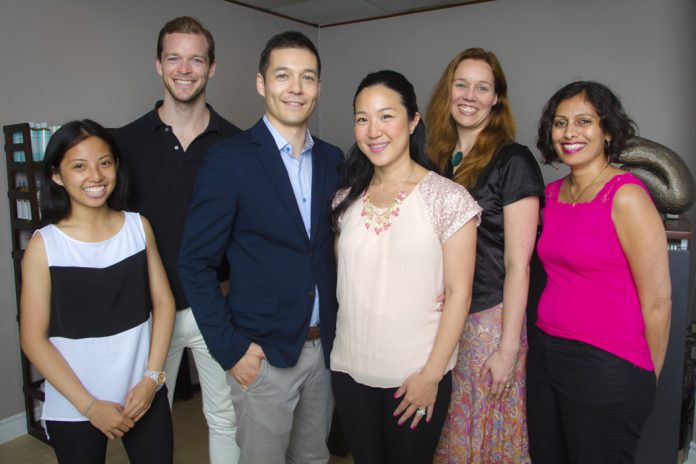
Zentai Wellness Centre team: Makoto Trotter, BSc(Hons) ND
Aileen Lim-Trotter, BSc ND
Dr. Julia Broeking PhD, C.Psych
Vaishali Patel, MS EdS CCC
Colin Baird, RMT, BScKin – Registered Massage Therapist
Lily Phan and Maria Karmela Salanga – office managers
Have you decided to bring new life to your clinic? What is it that you want to change? Most importantly, do you know your patients well enough to understand their needs and create the environment of care and peace that they are seeking?
We interviewed Aaron Cheng, founder and principal at C & Partners Architects in Toronto, and Lekshmy Parameswaran, partner and director of insights and strategy at fuelfor Healthcare Innovation Design and Consulting in Barcelona to get their opinions on how you can take your clinic’s design to the new heights.
C & Partners Architects is an architectural firm with offices in Toronto and Braga, Portugal, that creates innovative and forward-thinking design solutions for healthcare practitioners, focusing on patient experience and delivery of care. Their projects include but are not limited to SickKids Hospital Boomerang Centre in Vaughan, Ontario, and facility planning at St. Michael’s Hospital in Toronto. Fuelfor Healthcare Innovation Design and Consulting, with their offices in Spain and Singapore, and clients in and around Europe, has completed projects in the US and is currently helping the Singapore government transform patient experiences in their health system.
“Healthcare has such a complexity within it that it’s quite understandable people get lost somehow in that system,” Parameswaran says. “Experiences for patients, for their families and also for the staff that work in health services can be very challenging, uncomfortable and stressful. At the same time, health is a fundamental and deeply personal thing, so it really should not be this way.”
Cheng agrees saying that the healthcare design needs a special approach as it is the only type of design that caters exclusively to people who don’t feel well – who are nervous, emotional and in pain.
Many doctors willing to design or redesign their clinics are giving a lot of attention to the overall flow, layout and service quality, overlooking a number of important things. According to Parameswaran, the most common mistake that healthcare professionals usually make is designing their clinics “from inside out” – based on what they already know and what they would like to offer, rather than listening to their patients, understanding their journeys and providing a consistent quality experience.
“Satisfaction is the difference between expectation and perception: the more you meet the expectation, the more satisfied you can make someone. But you need to know what their expectations are. As a design team, we try to zoom out and understand how expectations are set.”
Parameswaran also notes that when designing a clinic, doctors sometimes forget to consider how their patients interact with the space. The reception area serves as a perfect example, she says. Oftentimes, even though the counter’s height is according to all regulations and policies, the human interaction this design detail prompts has not been considered and the patient can’t see the receptionist when they approach the counter – something fuelfor sees in different countries and health systems.
According to Cheng, many clients approach their clinics’ design the same way they would approach aesthetic changes in their homes, choosing materials or fixtures that look good at home but don’t last in the clinic. He often notices mistakes with mechanical and plumbing designs, which are not flexible enough to accommodate future changes or introduce new healthcare services as well as a poorly executed space planning, which usually results in not having enough storage. Some clients also cut corners on sound insulation between the treatment rooms, which doesn’t create that critical environment of privacy for the patients.
Fortunately, technology and modern interior design opens new opportunities for creativity and gives tons of ideas on how you can meet your patients’ expectations when it comes to your clinic’s design.
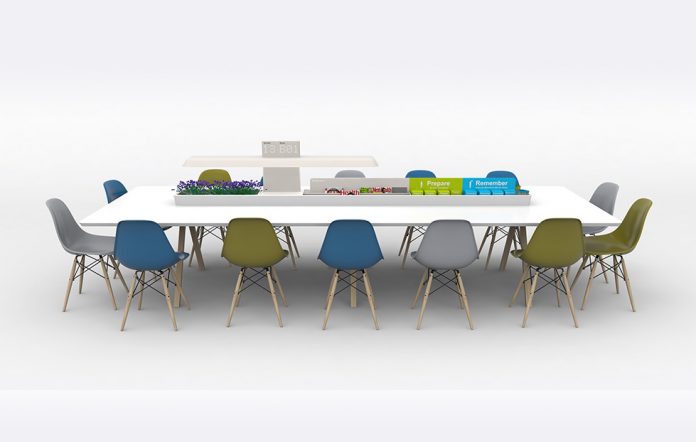
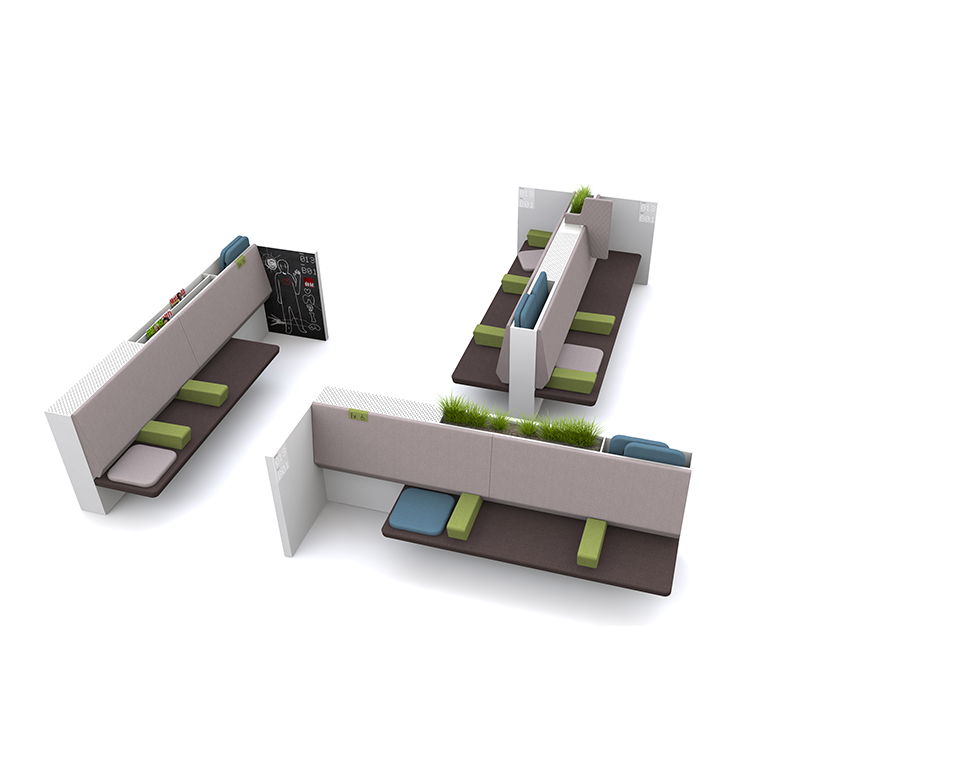
“Healthcare interior design changes along with the public perception of healthcare and the evolution of healthcare services,” says Cheng. According to him, most clinics now choose individual seating in their waiting rooms, the one that has a soft surface, is ergonomically designed, easy to clean and maintain, and doesn’t take up lots of space. “Like in other disciplines of design, the challenge is always to find some furniture that looks good, fits in our floor plans, is comfortable and of a reasonable price.”
While interior designers can work with a whole range of colours, according to Cheng, they usually avoid black and red, as they symbolize blood, danger and even death. He recommends combining them with other colours, which will allow you to create a pleasing or even luxurious environment. Appropriate colour schemes in combination with proper lighting and material textures can craft an impeccable interior design.
“Usually, we recommend a combination of colours together with different textures and proper lighting to create a warm and comfortable environment,” Cheng says. “Depending on the site condition of the medical facility (heritage building, retail level of a condominium, commercial high-rise or a typical medical building), we could have some greyish natural stone with stainless steel details and high gloss white panels, or orange red brick veneers with wood planks and painted steel to create a different effect.”
According to Cheng, interior design for treatment rooms will always depend on the doctor’s and their patients’ requirements.
“A typical family doctor treatment room, an ophthalmologist room or a pediatric exam room will have different requirements. The rule is to be creative while understanding the function of the rooms, the budget and the requirement of the health practitioners and patients.”
Parameswaran recommends stepping into your patients’ shoes, understanding your patients’ needs in context, thinking holistically of what they are going through at different stages of their healthcare journeys and translating these insights into specific design solutions that can deliver the right experience.
“At a certain stage, you need different communication tools or service scripts, you need to rethink the way you lay out the space, you need to think about interior design elements, furniture, lighting, etc.,” Parameswaran says.
To craft a smart design strategy, she recommends determining the pain points to understand how they affect the current experience. Oftentimes, this means “shadowing the patients” – spending time with them in a clinic and accompanying them as they go through certain services, while working with staff members to determine their challenges and concerns. This will help you see where you can intervene and what changes you can make to improve the service. Parameswaran recommends working more systematically on how you design your clinic and collaborating with the people who know how the clinic functions and what it feels like on a day-to-day basis.
Parameswaran agrees that clinics should definitely focus on the capabilities and the skills of their doctors, but at the same time, zooming out and understanding the patient’s point of view will add value, differentiate the service you are offering and help you craft a clinic experience that really makes sense.
“It can make a real difference to people’s experience if there’s consideration on the interior design level because that’s the landscape in which the action happens. So if you set the scene appropriately, you can already tackle a number of anxieties, issues and pain points for people even before you begin service delivery.”
The Canadian Pharmacists Association (CPhA) has advised the federal government to enhance its national immunization strategy. This call to action comes at a time when a lack of access to HPV vaccination programs for young men in Canada is needlessly putting the health of Canadians at risk.
HPV is the most common sexually transmitted disease in Canada, with approximately three out of every four sexually active Canadians becoming infected with it at some point in their lives. This ailment causes five per cent of all cancers worldwide, and about 70 per cent of all cervical cancer cases, accounting for around 400 deaths per year in Canada.
In its March 2007 budget, the federal government provided $300 million to the provinces and territories in support of a national HPV vaccination program for young women. However, few provinces in the country offer this protection to young men. Because of this, the CPhA will be heavily advocating the enhancement of Canada’s National Immunization Strategy in the upcoming federal election.
“Infectious diseases, such as HPV, continue to pose a significant threat to the health of Canadians,” says Carlo Berardi, chair of the CPhA. “Immunization is the safest, most effective way to prevent, control and eliminate vaccine-preventable diseases. The evidence is clear: vaccination saves lives.”
New research in the American Journal of Occupational Therapy examines relationships among neonatal visual and auditory responses, social behaviors, and autism risk.
Research conducted by a team of occupational therapists and physicians at Washington University in St. Louis aims to help detect signs of autism and altered development earlier in life, so that services can be offered sooner to improve children’s adaptive skills and outcome.
The team evaluated and observed 62 pre-term infants initially hospitalized at St. Louis Children’s Hospital. Early neonatal neurobehavioral testing was conducted at the infant’s due date (the time when the infant would have been born if not born early and typically the age that the infant is discharged from the neonatal intensive care unit). This included observations about social interaction, visual and auditory responses. Participants were assessed again when they were two years old with the Modified Checklist for Autism in Toddlers, and they also underwent standardized developmental testing with the Bayley Scales of Infant and Toddler Development, 3rd Edition. Children identified in this study were not diagnosed with autism, but a screening tool indicated they were at higher risk for autism.
“We expected to see avoidance of social interaction among infants who later screened positive for autism risk, as avoidance of social interaction and failure to make eye contact are often seen in children with autism,” says Roberta Pineda, PhD, OTR/L, assistant professor of the Program in Occupational Therapy, Department of Pediatrics, School of Medicine at Washington University in St. Louis. “Instead, our findings did not support our hypothesis, and positive screening for autism risk was associated with absence of gaze aversion in the neonatal period. In fact, infants who avoided visual interaction through gaze aversion in the neonatal period were five times more likely to have good outcome at age two years. While this was an unexpected finding, pre-term infants in the NICU may avert their gaze to protect themselves from stimuli that is too intense, and infants who later went on to screen positive for autism risk did not demonstrate this same gaze aversion response as their peers. This is, however, a different pattern from what is observed later when children with autism are more likely to avoid social interaction.”
The team identified that infants with later autism risk as well as poor developmental outcome were less likely to demonstrate gaze aversion and less likely to demonstrate end-point nystagmus in the neonatal period.
Canamedia, an independent production company, is producing Teens 101 – interactive, multimedia, multi-platform program aimed at informing and supporting youth and their families facing life challenges. Comprising of a television series, in-class lesson plans and mobile and web support systems, the program’s topics focus on youth mental health and well-being issues, such as peer pressure, bullying, family dynamics, addictions, body image, depression and anxiety.
“Teens 101 is a great way to encourage teens and young adults to think about their overall wellness,” says Radhika Subramanyan, chief executive officer of the Canadian Mental Health Association, Halton Region Branch. “Realizing that they are not alone in facing stress and challenges and knowing how and when to seek out support is key to them developing into mentally healthy adults. We are proud to work with Canamedia on this important project.”
“I want to produce this show that conveys to teens, that no matter what stressful challenges they may be facing, they’re not alone,” says Daniel D’Or, producer and director of the 13-episode television series.
Teens 101 combines dramatic recreations with intimate, anecdotal interviews from youth and their families with each story depicting how individuals struggling through their experiences found a way get back on track.
Classroom lesson plans will be designed by the parent corporation of Canamedia and Teens 101 Inc., Magic Lantern Media Inc. who currently provides curriculum-correlated media to schools across Canada.
“The program designs for our social media and web interactive campaigns are courageous and raw with our direct ‘teen-to-teen’ approach,” says digital producer Brad Schroeder. “By utilizing a multitude of dynamic technologies we endeavour to engage today’s youth by communicating through mediums youth will connect with and understand.”
After experimenting with grocery delivery and store pick-up for several years in the U.S, Wal-Mart has decided to test the waters in its Canadian market.
Ottawa will be the first city to receive the online grocery pick-up service. Eleven stores in the city are part of the program, with six of the locations going live on July 7th and another five going online on July 21st.
“Among the top priorities for Canadian consumers are saving time and saving money,” says Simon Rodrigue, Wal-Mart’s senior vice-president of e-commerce. “Walmart is committed to making the lives of our customers better by helping them do both. By expanding our online offering to include fresh foods at Walmart’s low prices for pickup in-store, we are delivering on that promise.”
According to the superstore chain, dedicated grocery shoppers have been hired at all participating locations to ensure that items are carefully handpicked and packaged with care. Customers may opt to place an order up to 21 days ahead of time, with each item backed by the company’s 100 per cent satisfaction guarantee. There is a three-dollar fee to use the service.
Dedicated to providing consumers with safe, easy-to-use and innovative products, United is the manufacturer of Cold-Q™, an all-natural throat spray made to help protect and prevent against symptoms of the common cold.
With this partnership, Tracey Burby, owner of Naturally Perfect Consulting, will be supporting the brand expansion of Cold-Q™ across Canada. Burby has been involved in the Natural Health industry for 20 years and brings vast knowledge in distribution, brand management, retail sales, and marketing acumen to United.
Cold-Q can be used before or after exposure to cold virus-prone environments such as hospitals, shopping malls and airplanes. For more information about this product, visit the company’s website at ColdQ.com.
This is North Castle’s fourth investment in the organic food and products sector, earlier investments have been in Naked Juice, Bora Bora Organic Foods and Flatout.
Sprout manufactures and packages organic baby food in form of pouches to pack vegetables, fruits and grains in the container using slow cook technology.
Rick Klauser, CEO of Sprout says the company is passionately committed to enhance and invest in making this brand and its products available to more people across the country and the world.