




All In Nutritionals
Home Blog Page 244

GNC delivers another unsatisfactory revenue report for 2015’s second quarter

0
GNC delivers another unsatisfactory revenue report for 2015’s second quarter

GNC Holdings, whose revenue has recently been under pressure, delivered another mildly disappointing earnings report for the second quarter of 2015.

This quarter, GNC reported consolidated revenue of $678.5 million, an increase of 0.5 per cent when compared 2014’s second quarter figure of $675.2 million. Revenue also increased in the company’s franchise segment by 7.5 per cent, but decreased in the retail and manufacturing segments by 0.3 and 5.6 per cent.

The company also reported a net income of $67.4 million for 2015’s second quarter, a decrease of 3.6 per cent when compared with the net income of $69.9 million for the same time last year. Additionally, diluted earnings per share for this segment were $0.79, an increase of 2.6 per cent as compared to last year’s $0.77 per share.

GNC CEO Michael Archbold notes that manufacturing revenue, which was off 5.6 per cent year-over-year, was impacted by lower sales to major customers such as Rite-Aid, Drugstore.com, PetSmart and Sam’s Club.

Archbold also told analysts that part of the revenue decline in the same-store retail segment—where revenue was off 0.4 per cent year-over-year—had to do with terminating the promotion-heavy strategy that was enacted by previous CEO Joe Fortunato.

Fortunato, who left the company in 2014, focused his regime as CEO on an exceedingly promotional culture that sought to generate major retail traffic; however, this did little to improve profitability. Moving forward into the third quarter, Archbold plans to make GNC’s marketing schemes more targeted in order to “neutralize” their past impact on earnings.

CHPA response to new labelling requirements for nosodes

0
CHPA response to new labelling requirements for nosodes

On July 31, Rona Ambrose, minister of health, announced changes for certain homeopathic products that fall under the Natural Health Product Regulations (NHPR), specifically nosode products as well as homeopathic cough, cold and flu products for children 12 and under. According to Ambrose, the government of Canada believes that current package labelling for these products “may not be adequate for Canadians to make informed choices.”

By January 2016, all nosode product license holders are requested to include a new statement on nosode labels: “This product is neither a vaccine nor an alternative to vaccination. This product has not been proven to prevent infection. Health Canada does not recommend its use in children and advises that your child receive all routine vaccinations.”

On August 6, the Canadian Homeopathic Pharmaceutical Association (CHPA) issued a statement on its official website in response to new labelling requirements.

“CHPA was not consulted in the development of this new labelling statement and has expressed concerns to Health Canada about the lack of consultation and the feasibility and timing of implementation. CHPA will encourage Health Canada to conduct the appropriate level and process of consultation before final implementation of this important policy decision.”

CHPA issues a response to new labelling requirements for homeopathic medicines for cough, cold and flu: It’s a mistake

0
CHPA issues a response to new labelling requirements for homeopathic medicines for cough

On July 31, Rona Ambrose, minister of health, announced changes for certain homeopathic products that fall under the Natural Health Product Regulations (NHPR), specifically nosode products as well as homeopathic cough, cold and flu products for children 12 and under. According to Ambrose, the government of Canada believes that current package labelling for these products “may not be adequate for Canadians to make informed choices.”

On August 6, the Canadian Homeopathic Pharmaceutical Association (CHPA) issued a response on its website, saying that removal of health claims and indications for use for children of 12 years of age and under from homeopathic medicines for cough, cold and flu will be a very serious mistake.

The CHPA is unaware of any evidence of health risk “to substantiate the new labelling requirements for these products,” as “homeopathic medicines have decades of history of safe use in Canada with virtually no history of adverse events associated with their administration to children.” Also, the association says there is no evidence of consumer concerns about how homeopathic medicines are currently labelled.

“CHPA also objects to Health Canada having released this policy decision without any prior consultations with CHPA, health care practitioner associations, consumer associations and other stakeholder organizations whose views are normally sought in a transparent consultation process. There are alternatives to this policy decision to enhance consumer understanding and informed choice and Health Canada is obligated under the government of Canada’s Federal Regulatory Policy to take these into consideration in a transparent public consultation process.”

CHPA issues a response to new labelling requirements for homeopathic medicines for cough, cold and flu: It’s a mistake

0

On July 31, Rona Ambrose, minister of health, announced changes for certain homeopathic products that fall under the Natural Health Product Regulations (NHPR), specifically nosode products as well as homeopathic cough, cold and flu products for children 12 and under. According to Ambrose, the government of Canada believes that current package labelling for these products “may not be adequate for Canadians to make informed choices.”


On August 6, the Canadian Homeopathic Pharmaceutical Association (CHPA) issued a response on its website, saying that removal of health claims and indications for use for children of 12 years of age and under from homeopathic medicines for cough, cold and flu will be a very serious mistake.


The CHPA is unaware of any evidence of health risk “to substantiate the new labelling requirements for these products,” as “homeopathic medicines have decades of history of safe use in Canada with virtually no history of adverse events associated with their administration to children.” Also, the association says there is no evidence of consumer concerns about how homeopathic medicines are currently labelled.


“CHPA also objects to Health Canada having released this policy decision without any prior consultations with CHPA, health care practitioner associations, consumer associations and other stakeholder organizations whose views are normally sought in a transparent consultation process. There are alternatives to this policy decision to enhance consumer understanding and informed choice and Health Canada is obligated under the government of Canada’s Federal Regulatory Policy to take these into consideration in a transparent public consultation process.”


CHPA response to new labelling requirements for nosodes

0

On July 31, Rona Ambrose, minister of health, announced changes for certain homeopathic products that fall under the Natural Health Product Regulations (NHPR), specifically nosode products as well as homeopathic cough, cold and flu products for children 12 and under. According to Ambrose, the government of Canada believes that current package labelling for these products “may not be adequate for Canadians to make informed choices.”


By January 2016, all nosode product license holders are requested to include a new statement on nosode labels: “This product is neither a vaccine nor an alternative to vaccination. This product has not been proven to prevent infection. Health Canada does not recommend its use in children and advises that your child receive all routine vaccinations.”


On August 6, the Canadian Homeopathic Pharmaceutical Association (CHPA) issued a statement on its official website in response to new labelling requirements.


“CHPA was not consulted in the development of this new labelling statement and has expressed concerns to Health Canada about the lack of consultation and the feasibility and timing of implementation. CHPA will encourage Health Canada to conduct the appropriate level and process of consultation before final implementation of this important policy decision.”


Global savoury snacks market to hit $166.6 billion by 2020

0
Global savoury snacks market to hit $166.6 billion by 2020

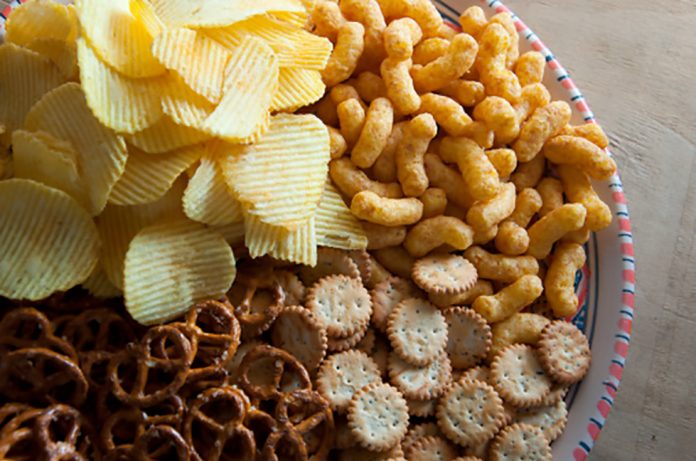
According to P&S Market Research, the global savoury snack market is set to reach $166.6 billion by 2020, growing at a rate of 7.1 per cent each year.

The global savoury snacks market was valued at $111.1 billion in 2014, with processed snacks accounting for the biggest segment at about $41.5 million for the year. P&S notes that its projected market increase has to do with the increasing demand for savoury snacks in developing countries, such as India, where the category is forecasted to grow at around 16.6 per cent each year until 2020.


MORE INDUSTRY NEWS


Although the market is set for big growth, P&S says that some healthy alternatives, such as fresh fruits, juices and bakery products were hindering some potential growth for the sector. This is due to an increased consumer demand, especially in western countries, for less processed ingredients in food products.

Kellogg’s to remove artificial ingredients from cereals, snacks

0
Kellogg’s to remove artificial ingredients from cereals

With consumer demand for less artificial food products on the rise, Kellogg’s has decided to go all-natural.

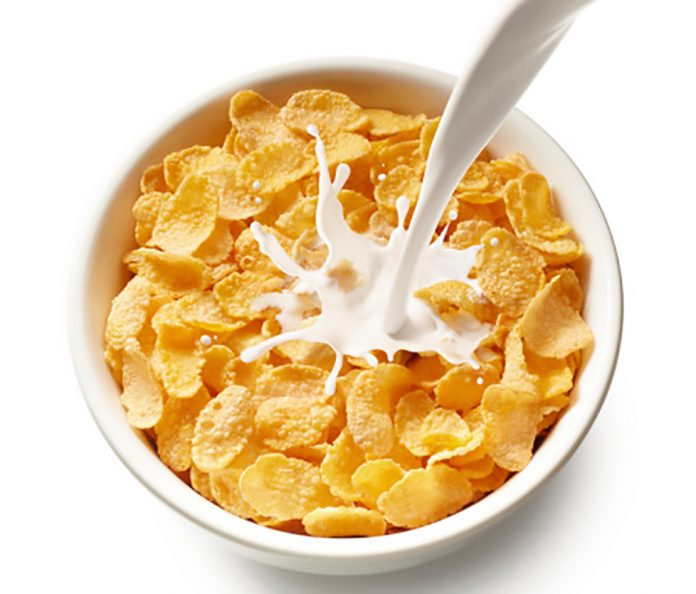
The 109-year-old company, whose products have been staples in the breakfast world for decades, noted on Tuesday that it would aim to stop its use of artificial colours and flavours by the end of 2018. As of now, says the cereal giant, around 75 per cent of its products are being made without these ingredients.


MORE INDUSTRY NEWS


Kellogg’s is just one in a string of North American food companies to remove synthetic ingredients from products due to health concerns. General Mills also noted in June that it plans to have 90 per cent of its cereals free of artificial colouring and flavouring by 2016, up from its current standing at around 60 per cent.

The growing consumer preference for less processed foods has also recently shrunk the sales for both of these companies. While the second-quarter revenue that Kellogg’s recently reported topped analysts’ expectations, it still showed a 5.1 per cent decline in sales. This was the seventh time in eight quarters that sales have fallen for the company.

Sales in the company’s U.S. snacks business—its biggest industry—fell 2 per cent, while sales in the U.S. morning foods business, which includes cereals, fell 2.2 per cent.


Lower loonie could boost back-to-school spending

0
Lower loonie could boost back-to-school spending

According to global professional services firm Ernst & Young, there will be an expected 4% increase in back-to-school spending in Canada this year.

This is due, in part, to the lower Canadian dollar: the loonie closed at 75.87 cents USD last week, meaning that a U.S. dollar now costs about CDN $1.32 to buy. As a result, Canadian consumers will most likely be making their purchases closer to home.


MORE INDUSTRY NEWS


“We do expect fewer dollars to be spent cross-border,” says Daniel Baer, Canadian retail and consumer products sector leader for Ernst & Young. “And when we say that, (we are referring to) people who physically go cross-border, but also people who shop on U.S. sites.”

Recent universal child-care benefit payments from the federal government will also likely translate into an increase in spending, says Baer. However, he notes that inflation, higher housing costs and economic uncertainty may actually curb consumer spending.

Federal Court certifies privacy class action by medical marijuana patients against Health Canada

0
Federal Court certifies privacy action by medical marijuana patients against Health Canada

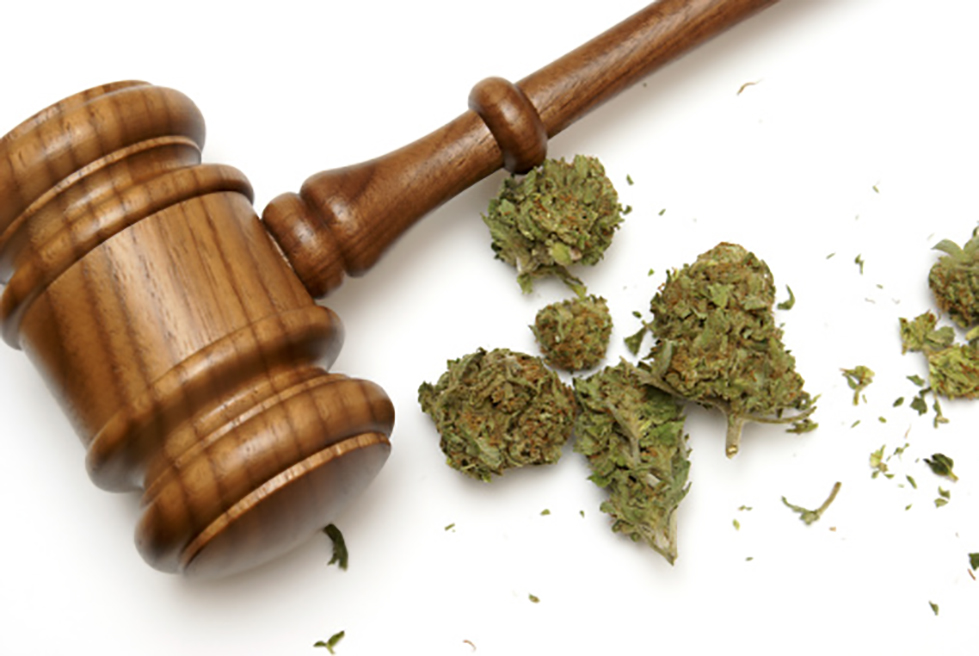
The Federal Court of Canada has certified a class action lawsuit commenced on behalf of more than 40,000 medical marijuana licensees alleging that Health Canada violated their privacy.

In November of 2013, Health Canada sent notices to participants of the Marijuana Medical Access Program (MMAP) to inform them about changes to the regulations governing the use of medical marijuana in Canada. These articles were delivered in large envelopes that had read “Health Canada – Marijuana Medical Access Program” on the return address, revealing to anyone who saw them that their recipients were licensed to possess or produce marijuana for medical purposes.

Previously, Health Canada’s mailings to MMAP members were discreet and made no mention of marijuana on the envelopes.


MORE INDUSTRY NEWS


In March 2015, the Office of the Privacy Commissioner of Canada concluded that Health Canada violated federal privacy laws. However, in the recent certification decision, the Federal Court found that the class action case is a necessary measure, as the Privacy Commissioner cannot order the Government of Canada to compensate class members harmed by the breach.

The Government has 30 days to appeal the certification decision.

McInnes Cooper, Branch MacMaster LLP, Charney Lawyers, and Sutts Strosberg LLP are jointly representing the plaintiffs in this case. They are seeking damages for breach of contract, breach of confidence, invasion of privacy and Charter violations.

“As citizens of this great country, we rely on our government to protect our sensitive personal information from being disclosed and to protect our privacy during all communications,” says Ted Charney of Charney Lawyers. “This decision sends a clear message to the government that our Courts consider privacy to be of the utmost importance and expect our government to take its privacy obligations seriously or face the consequences.”

Class members are advised to visit the group’s website to obtain updates on the case and register. Information collected on the site will assist class counsel in communicating with class members and moving the case forward.

Health Canada issues labeling changes for homeopathic products

0
Health Canada issues labeling changes for homeopathic products

Health Canada has introduced label changes for certain homeopathic products that fall under the Natural Health Product Regulations (NHPR).

The government is introducing these changes to ensure that Canadians who choose to use homeopathic products—especially parents trying to make the best choices for their children—have the information they need to consume them safely.


MORE INDUSTRY NEWS


Specifically, these changes apply to nosode products as well as homeopathic cough, cold and flu products for children 12 and under. Firstly, Health Canada is requesting the addition of statements on homeopathic nosode products to make it clear that they are not vaccines or alternatives to vaccines. In addition, the organization is no longer allowing companies to make specific health claims on homeopathic products for cough, cold, and flu for children 12 and under, unless those claims are supported by scientific evidence.

Companies have been asked to comply with this new labelling change by July 2016. For more information, visit Health Canada’s website here.