




Home Blog Page 2

The Functional Nutrition Category Is Entering a New Era

0

For years, the functional nutrition conversation has been crowded with the same familiar promises. Energy. Immunity. Digestion. Stress. Better sleep. Better gut health. Better everything. The industry kept changing the packaging, refreshing the language, and launching new combinations, but much of the category still revolved around old ideas dressed up as the next breakthrough.

That is now changing.

What is emerging inside functional nutrition is not simply another cycle of fashionable ingredients. The real shift is more profound. The category is moving away from broad, surface-level wellness claims and into something far more specific, far more scientific, and far more commercially disruptive: targeted biological signalling. In other words, products are no longer being positioned only to nourish the body. Increasingly, they are being positioned to influence how the body repairs, recycles, adapts, and performs at a cellular level.

That is where the next wave is being built.

Urolithin A Is Reframing the Longevity Conversation

One of the most compelling names rising in functional nutrition is urolithin A, a compound drawing attention for its link to mitochondrial health and a biological process known as mitophagy. That matters because mitochondrial decline is becoming one of the most commercially important stories in the longevity space. Consumers are no longer satisfied with generic “energy support.” They want products that sound more precise, more advanced, and more connected to the mechanics of ageing well.

Urolithin A fits that new appetite perfectly. It is being positioned not as a stimulant, and not as a wellness buzzword, but as part of a deeper conversation around cellular renewal, muscle function, and healthy ageing. In a market saturated with recycled anti-ageing language, that gives it a distinctly premium edge.

Spermidine Is Turning Cellular Clean-Up into a Sellable Story

If urolithin A is about mitochondrial renewal, spermidine is emerging as one of the category’s most intriguing names in the world of autophagy, the body’s internal clean-up system. This is where the functional nutrition industry starts to sound less like traditional supplementation and more like longevity science translated into retail language.

What makes spermidine especially interesting is that it gives the industry a new vocabulary. Instead of only talking about fighting ageing, brands can talk about supporting the body’s own built-in renewal processes. That is a far more modern proposition. It sounds smarter, more evidence-driven, and more aligned with the way today’s consumers are being educated through podcasts, biohacking culture, and longevity media.

This is exactly the kind of ingredient that helps move a retailer or brand out of commodity territory and into higher-value storytelling.

Postbiotics Are Quietly Becoming the More Sophisticated Gut Story

Gut health is not new, but postbiotics represent one of the clearest examples of how the category is evolving beyond its first generation. Probiotics built the market. Postbiotics may help mature it.

What makes postbiotics more editorially compelling is that they signal a shift from crude category language toward more nuanced microbiome science. They are not being sold simply as another digestive aid. They are increasingly appearing in conversations about immune function, metabolic support, resilience, and even mood. Just as importantly, they solve one of the practical frustrations associated with probiotics: stability. That gives them both a scientific narrative and a commercial advantage.

In a category where consumers are becoming more educated and more selective, postbiotics feel less like hype and more like the microbiome story growing up.

Peptides Are Introducing a New Kind of Functional Nutrition

Another shift gaining momentum is the rise of bioactive peptides and what could be called signalling nutrition. This is where the category becomes especially interesting, because it moves beyond the old logic of simply replacing deficiencies or adding general support. Peptides are increasingly discussed in terms of communication, activation, and response. That is a major conceptual leap.

The commercial significance is enormous. Once consumers begin to understand functional nutrition as something that can help direct physiological processes rather than merely supplement them, the entire value perception changes. Suddenly, products can be framed less as passive health aids and more as intelligent tools for muscle maintenance, metabolic function, skin support, and active ageing.

This is the kind of development that often begins quietly, then eventually reshapes how an entire category is merchandised.

GLP-1 Companion Nutrition May Become the Most Profitable New Subcategory of All

Then there is the rise of GLP-1 companion nutrition, which may be the most commercially explosive development of the moment. While many industry players are still treating GLP-1 medications as an external pharmaceutical trend, smarter brands are already building nutritional ecosystems around them.

This is where functional nutrition becomes highly responsive to what is happening in the real world. As GLP-1 drugs reshape weight management and consumer eating patterns, new nutritional needs are emerging alongside them: muscle preservation, protein adequacy, appetite-related undernourishment, digestive management, and nutrient sufficiency. That creates space for an entirely new subcategory of products designed not to compete with the drug, but to support the person using it.

This is a critical distinction. The future of the category may not be defined only by wellness trends coming from within the supplement industry. It may be defined by how quickly functional nutrition learns to serve the needs created by medicine, metabolism, and modern consumer behaviour.

This Is Not Just a Trend Shift. It Is a Category Upgrade

What ties these emerging elements together is not simply novelty. It is the fact that they signal a more serious, more technical, and more premium future for functional nutrition. The old category sold broad promises. The new category sells mechanisms. The old category leaned on wellness language. The new category leans on biological specificity.

That is why this moment matters.

Retailers, brands, and media platforms that continue presenting functional nutrition as a sea of interchangeable products will increasingly look outdated. The category is becoming more layered. More targeted. More clinically framed. More outcome-driven. The winners will not be the ones who merely stock the latest ingredients. They will be the ones who understand how to translate these emerging mechanisms into stories consumers can believe, protocols they can follow, and reasons to pay more.

Functional nutrition is no longer just about feeling better. It is becoming a category about teaching the body how to function differently, age differently, and recover differently.

That is where the real growth story begins.

The 5 Costly Merchandising Mistakes Yous Are Making in Longevity & Anti-Aging

0

The longevity category is no longer niche. It is one of the fastest-growing, highest-margin, and most intellectually driven segments in natural health retail. Yet many stores are underperforming—not because of product selection, but because of merchandising strategy. Longevity is not a “vitamin shelf” category. It is a systems-based, education-driven, trust-sensitive category.

Here are the five most critical mistakes—and how to correct them with precision.

1. Treating Longevity Like a Single Product Category Instead of a System

Most retailers group longevity products into one shelf labelled “anti-aging,” mixing collagen, NMN, resveratrol, probiotics, and omega-3s without context. This flattens the category and confuses the customer.

What’s wrong:

Longevity is not one pathway—it spans multiple biological systems:

-Mitochondrial health (NR, NMN, CoQ10)
-Cellular repair (resveratrol, spermidine)
-Inflammation control (omega-3, curcumin)
-Gut-brain axis (probiotics)
-Hormonal balance and metabolic health

What to fix:

Merchandise by function, not product type:

-“Cellular Energy & Mitochondria”
-“Inflammation & Recovery”
-“Gut Health & Longevity”
-“Cognitive Aging & Brain Protection”

This transforms passive browsing into guided discovery and increases basket size.

2. Lack of In-Store Education for a Highly Educated Consumer

The longevity consumer is informed—often arriving with knowledge from podcasts, biohacking influencers, and clinical discussions. Retail environments that fail to match this level of sophistication lose credibility instantly.

What’s wrong:

-Generic shelf talkers
-No explanation of mechanisms (e.g., NAD+, autophagy)
-Staff unable to articulate differences between similar compounds

What to fix:

Implement micro-education at shelf level:

-Define key terms simply: “NAD+ = your cells’ energy currency”
-Use comparison charts: NMN vs NR vs Niacin
-Add QR codes linking to deeper content (video or article)

Train staff to sell pathways, not products.

3. Over-Reliance on Trend Products Without Building Trust Architecture

Retailers chase trends—NMN today, spermidine tomorrow—but fail to anchor them in a trust framework.

What’s wrong:

-No explanation of sourcing, bioavailability, or clinical relevance
-Mixing high-quality formulations with low-grade alternatives
-Ignoring regulatory nuance and consumer scepticism

What to fix:

Build a trust-first merchandising model:

-Highlight clinically studied ingredients
-Call out delivery formats (liposomal, sustained-release)
-Use signage like: “Third-party tested,” “Clinically dosed,” “Practitioner-grade”

Trust converts high-ticket longevity products.

4. Failing to Bundle for Outcomes

Longevity is not solved with one SKU. Yet most retailers still sell single products instead of protocols.

What’s wrong:

-Isolated SKUs without context
-No guidance on stacking (e.g., NAD+ + resveratrol synergy)
-Missed opportunity for higher basket value

What to fix:

Create Longevity Protocol Bundles:

-“Cellular Renewal Stack”: NMN + Resveratrol + Quercetin
-“Inflammation Reset”: Omega-3 + Curcumin + Magnesium
-“Brain Longevity”: Lion’s Mane + DHA + B-complex

Bundle physically or digitally (QR-driven stack guides). This increases both conversion and average transaction value.

5. Ignoring the Emotional Driver: Fear of Aging vs Desire for Performance

Most merchandising leans on “anti-aging,” which is increasingly outdated and even off-putting.

What’s wrong:

-Messaging focused on wrinkles and decline
-No connection to vitality, performance, or lifespan extension
-Missing the aspirational buyer

What to fix:

Reframe the category around performance and vitality:

-“Live Better, Longer”
-“Energy. Clarity. Strength.”
-“Optimize Your Biology”

Longevity consumers are not trying to look younger—they are trying to stay powerful longer.

Strategic Takeaway

The longevity category is not a shelf—it is a retail ecosystem that requires:

-Structured pathways
-Educational depth
-Trust signalling
-Protocol-based selling
-Aspirational positioning

Retailers who evolve their merchandising accordingly will not only capture higher margins but also position themselves as authorities in the future of health retail.

The Metabolic Control Category: Why It Is Quietly Becoming the Most Profitable Shelf in Health Retail

0

Walk into any modern health food store today and ask a simple question: “What are your customers really trying to fix?”

The answer is no longer just immunity, digestion, or stress. Increasingly, the real underlying concern is metabolic dysfunction.

Customers may not use that exact language. They come in asking about weight loss, energy crashes, cravings, hormonal imbalance, or even brain fog. But beneath all of these is one common denominator: metabolic health.

For health store owners across Canada, this shift is not just another trend. It represents one of the most strategic retail opportunities of the decade.

Metabolic Control Is the New Frontline of Preventive Health

Metabolic control refers to the body’s ability to regulate blood glucose, insulin sensitivity, energy production, and fat storage. What was once considered a clinical issue is now a daily consumer concern.

The explosion of awareness around insulin resistance, prediabetes, and metabolic syndrome has moved this category from niche to mainstream. Consumers are more educated than ever, influenced by podcasts, social media experts, and the growing conversation around longevity and performance health.

What is different now is urgency.

Customers are no longer waiting for a diagnosis. They are proactively seeking solutions to stabilise energy, reduce fat accumulation, and optimise long-term health outcomes.

For retailers, this means that metabolic control is no longer a “single product sale.” It is a system-based category that supports ongoing, repeat purchasing behaviour.

From Weight Loss to Metabolic Optimisation: A Category Evolution

The traditional weight loss category was transactional. Customers would try a product, expect fast results, and often churn out quickly if expectations were not met.

Metabolic control changes that dynamic entirely.

Instead of selling a short-term solution, retailers are now guiding customers into long-term protocols. This includes combinations of:

-Berberine and glucose modulators to support insulin sensitivity
-Chromium and trace minerals for blood sugar regulation
-Alpha-lipoic acid and antioxidants for metabolic support
-High-fibre formulations to improve glycaemic response
-Protein and meal support systems to stabilise energy intake

This layered approach creates what can be described as a “metabolic stack,” where multiple products work together to deliver measurable results over time.

For the retailer, this translates into higher average transaction values and stronger customer retention.

The GLP-1 Effect: Opportunity or Threat for Health Stores?

The rise of GLP-1 medications has changed the conversation around weight management globally. While some retailers initially viewed this as a threat, the reality is more nuanced.

GLP-1 has done something powerful: it has validated metabolic health as a priority.

Consumers now understand appetite regulation, insulin signalling, and satiety hormones in ways they never did before. This opens the door for natural alternatives and complementary solutions.

Health stores are uniquely positioned to offer support products that align with this awareness, including:

-Natural GLP-1 support ingredients such as fibre blends and specific botanical extracts
-Gut health protocols that influence metabolic signalling
-Nutritional strategies that enhance satiety and stabilise blood sugar

Rather than competing with pharmaceuticals, successful retailers are reframing the conversation around optimization, support, and sustainability.

Merchandising Metabolic Control: Turning Education into Revenue

One of the biggest missed opportunities in health retail is poor category storytelling.

Metabolic control cannot be merchandised like a standard supplement section. It requires education-led retail.

Stores that are winning in this category are doing three things exceptionally well.

They group products into clear metabolic systems rather than individual SKUs. Instead of scattering items across the store, they create a dedicated “Metabolic Health Zone” that visually communicates a complete solution.

They train staff to translate complex science into simple language. Customers do not need a lecture on insulin pathways. They need to understand why they feel tired after meals and how to fix it.

They use content-driven selling. Shelf talkers, quick guides, and QR codes linking to short educational videos can dramatically increase conversion rates.

This is where independent health retailers have a competitive advantage over big-box and e-commerce platforms: human connection combined with curated expertise.

The Repeat Revenue Engine Hidden in Plain Sight

Perhaps the most compelling reason to invest in metabolic control as a category is its built-in continuity.

Unlike seasonal categories such as immunity, metabolic health is a year-round concern. Customers who begin a metabolic protocol are far more likely to return monthly for replenishment.

This creates predictable revenue streams and stronger customer relationships.

It also opens the door to bundling strategies, subscription models, and personalised supplement plans, all of which increase lifetime customer value.

Retailers who approach this category strategically are not just selling products. They are building programmes.

What This Means for Canadian Health Retailers

The Canadian market is particularly well-positioned for growth in metabolic control. With rising awareness of chronic health conditions and increasing demand for preventive solutions, consumers are actively seeking guidance.

The opportunity is not just to stock the right products, but to own the conversation.

Health store owners who position themselves as trusted advisors in metabolic health will capture more than sales. They will capture loyalty.

And in a competitive retail landscape, loyalty is the most valuable currency.

Pycnogenol for Skin Health: What Health Retailers Need to Know About Hydration, Elasticity and Beauty From Within

0

Skin health is no longer being viewed only through a cosmetic lens. Increasingly, consumers are connecting the appearance of their skin with broader physiological balance, inflammation status, circulation, hydration and healthy ageing. For health retailers, that shift matters.

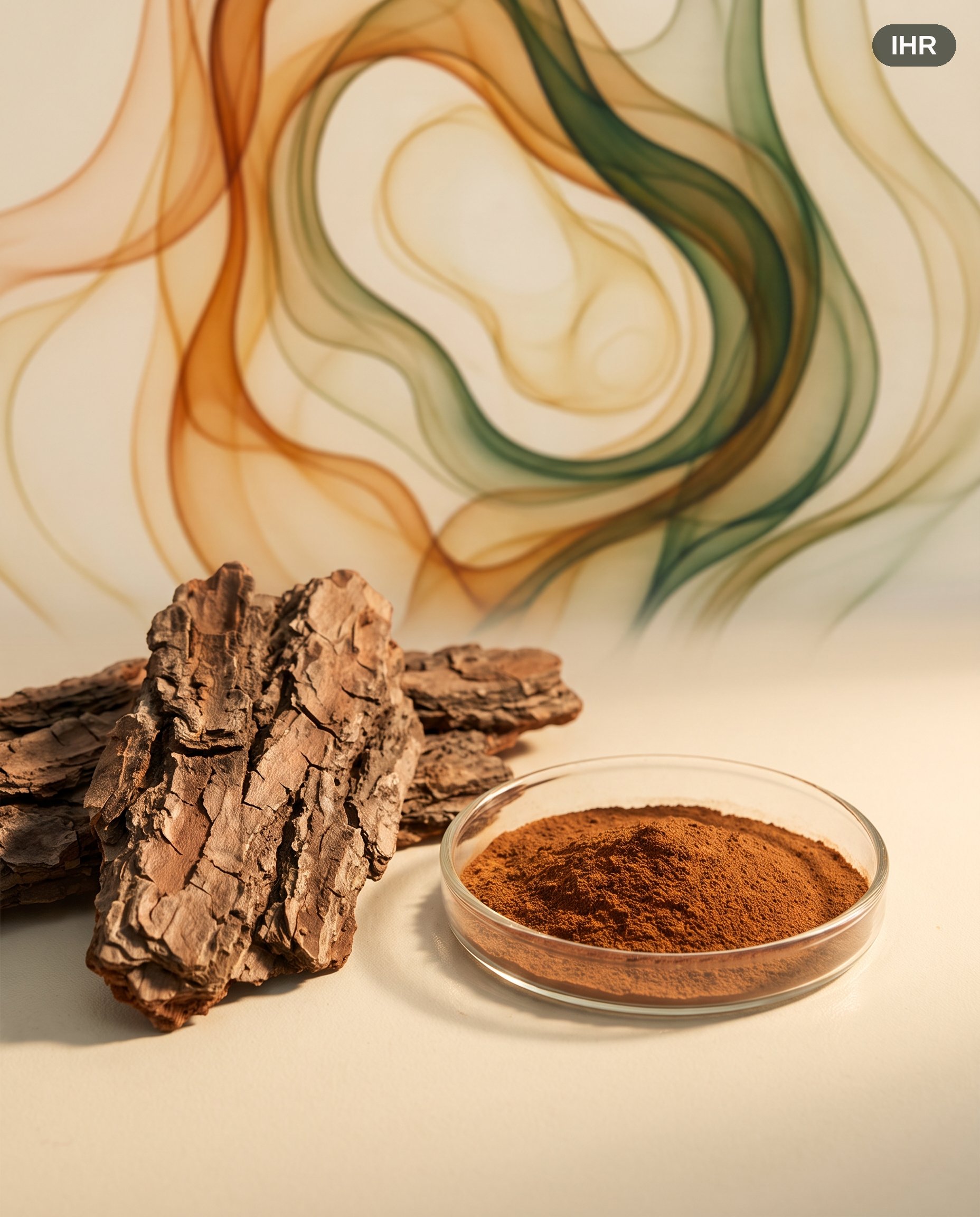
The beauty-from-within category continues to expand as shoppers look for evidence-based ingredients that support not only how skin looks, but also how it functions. One ingredient drawing renewed attention is Pycnogenol, a branded French maritime pine bark extract that has been studied for its effects on skin hydration, elasticity, barrier integrity, microcirculation and visible signs of skin fatigue.

For retailers educating customers in the natural health space, the opportunity is not simply to position Pycnogenol as a “beauty” ingredient. The stronger story is that it may help support the structural and physiological foundations of healthy-looking skin.

Why skin support from within matters

Healthy skin depends on several key internal factors: moisture retention, connective tissue integrity, barrier resilience and adequate circulation. When those systems are functioning well, skin is better able to cope with environmental stressors such as UV exposure, pollution, seasonal dryness, weight fluctuation and age-related changes.

This is where oral supplementation can become relevant. Rather than working only at the surface, ingestible ingredients may help support the skin’s underlying structure and biological processes.

Research on Pycnogenol suggests it may offer benefits across several of these mechanisms, particularly when used consistently over a period of weeks or months.

What the research says about hydration and elasticity

Some of the most compelling data around Pycnogenol relates to skin moisture and elasticity.

Clinical studies cited in the research package show that supplementation may help increase the expression of hyaluronic acid synthase, a key enzyme involved in producing hyaluronic acid in the skin. That matters because hyaluronic acid plays a central role in tissue hydration, smoothness and structural integrity. In the same body of research, Pycnogenol was also associated with increased collagen synthesis, another major factor in skin firmness and resilience.

For retailers, this creates a clear educational message: Pycnogenol may support skin by helping the body maintain the building blocks that contribute to smoother, more hydrated and more elastic skin.

Additional studies also suggest that Pycnogenol may help reduce the activity of enzymes that break down collagen and elastin. In practical terms, that means the ingredient may not only support production of important skin compounds, but also help protect them from degradation.

That dual mechanism is particularly relevant for shoppers focused on visible ageing, dryness, loss of firmness and skin fatigue.

A noteworthy angle: skin barrier support

One of the strongest retailer talking points in the current skin-health conversation is barrier function.

Consumers are increasingly familiar with the skin barrier because of mainstream skincare messaging, but many do not realize that internal support may also play a role. Research referenced in the supplied material suggests Pycnogenol may help reduce transepidermal water loss and support genes involved in barrier formation, including markers linked to keratinocyte differentiation.

This is important because strong barrier function helps the skin retain moisture and better defend itself against everyday stress. For health retailers, that means Pycnogenol may fit naturally into discussions around dry skin, seasonal skin stress, mature skin and overall skin resilience.

Microcirculation: an overlooked part of skin health

Good skin is not just about collagen and hydration. Blood flow matters too.

The supplied research highlights Pycnogenol’s role in supporting microcirculation and blood flow, which are essential for delivering oxygen and nutrients throughout the body, including to the skin. This is a valuable angle for retailers because it broadens the conversation beyond appearance.

When consumers ask why internal skin support works differently from topical care, circulation is part of the answer. Nutrients need to reach tissues efficiently, and healthy microcirculation supports that process.

This may be one reason Pycnogenol is increasingly being viewed as a more holistic beauty-from-within ingredient rather than a simple vanity product.

Photo-ageing and uneven pigmentation

The research package also points to a growing body of evidence around photo-ageing and melasma-related pigmentation.

Studies cited in the material suggest Pycnogenol may help reduce the area and intensity of melasma and may contribute to a more even-looking complexion. Mechanistically, this appears to be linked in part to the suppression of tyrosinase activity, an enzyme involved in melanin production, along with photoprotective effects related to UV response.

For retailers, this is an area that requires careful language. The most responsible framing is not to position Pycnogenol as a treatment, but rather as an ingredient that may help support a healthier-looking, more even complexion and help defend the skin from some visible effects of photo-ageing.

That distinction is important for both consumer trust and regulatory prudence.

Newer interest: cellulite appearance and leg comfort

Beyond facial skin, newer studies cited in the material explore Pycnogenol’s potential role in cellulite severityskin smoothness and symptoms associated with lipedema, including swelling, heaviness and bruising in the legs.

This is an emerging but commercially interesting area, especially as consumers seek non-invasive, lifestyle-friendly support for leg comfort and skin appearance. The ingredient’s antioxidant, anti-inflammatory and circulation-support benefits may be relevant here.

Again, retailers should keep the messaging grounded. The most appropriate education angle is that recent research suggests Pycnogenol may support leg appearance, microcirculation and comfort in certain populations, while avoiding overstatement.

What health retailers should take from this

For the natural health channel, Pycnogenol sits at the intersection of several active consumer trends:

  • beauty from within
  • healthy ageing
  • skin barrier support
  • antioxidant support
  • circulation and microcirculation
  • women’s wellness

That makes it a versatile ingredient story for retailers building out a modern skin-health assortment.

It may be especially relevant for shoppers looking for:

  • support for dry or tired-looking skin
  • help maintaining skin elasticity as they age
  • inside-out support to pair with topical routines
  • ingredients connected to circulation and visible skin quality
  • evidence-based beauty supplements rather than trend-driven formulas

FAQ

What is Pycnogenol?

Pycnogenol is a branded extract from French maritime pine bark that has been studied for antioxidant, circulation and skin-related benefits.

How does Pycnogenol support skin health?

Research suggests it may support collagen production, hyaluronic acid synthesis, barrier function, skin hydration, elasticity and microcirculation.

Is the evidence only cosmetic?

No. The broader value proposition is physiological support for the skin’s structure and function, not just appearance.

What consumer need does it fit?

It aligns well with beauty-from-within, healthy ageing, dry skin support, skin resilience and women’s wellness positioning.

What should retailers be careful about?

Avoid overstating disease or treatment claims. Education should stay evidence-based, measured and compliant with applicable Canadian regulations and approved product language.

Sources / References

  1. Zhao H, et al. Skin Pharmacology and Physiology. 2021;34(3):135-145.
  2. Marini A, et al. Skin Pharmacology and Physiology. 2012;25(2):86-92.
  3. Grimm T, et al. Free Radical Biology and Medicine. 2004;36(6):811-822.
  4. Grimm T, et al. Journal of Inflammation. 2006;3:1.
  5. Grether-Beck S, et al. Skin Pharmacology and Physiology. 2016;29(1):13-17.
  6. Wang S, et al. European Bulletin of Drug Research. 1999;7(2):19-25.
  7. Belcaro G, et al. Clinical and Applied Thrombosis/Hemostasis. 2006;12(3):318-323.
  8. de Souza Lima Hara WY. State University of Rio de Janeiro; 2023.
  9. Enseleit F, et al. European Heart Journal. 2012;33(13):1589-1597.
  10. Nishioka K, et al. Hypertension Research. 2007;30(9):775-780.
  11. Zibadi S, et al. Nutrition Research. 2008;28(5):315-320.
  12. Liu Q, et al. Phytomedicine Plus. 2025;5(3):100821.
  13. Seabra De Mello Netto BA, et al. Jornal Vascular Brasileiro. 2025.
  14. Kim YJ, et al. Food and Chemical Toxicology. 2008;46(7):2466-2471.
  15. Leis Ayres E, et al. Journal of Cosmetic Dermatology. 2022;21(3):1234-1242.
  16. Pinto CAS, et al. Surgical & Cosmetic Dermatology. 2015;7(3):218-222.
  17. Ni Z, et al. Phytotherapy Research. 2002;16(6):567-571.
  18. Saliou C, et al. Free Radical Biology and Medicine. 2001;30(2):154-160.
  19. Karamanos NK, et al. The FEBS Journal. 2021;288(24):6850-6912.
  20. Kwon SH, et al. Experimental Dermatology. 2019;28(6):704-708.
  21. Kruppa P, et al. Deutsches Ärzteblatt International. 2020;117(22-23):396-403.
  22. Ryan J, et al. Journal of Psychopharmacology. 2008;22(5):553-562.
  23. Chovanova Z, et al. Free Radical Research. 2006;40(9):1003-1010.
  24. Ďuračková Z, et al. Nutrition Research. 2003;23(9):1189-1198.
  25. Devaraj S, et al. Lipids. 2002;37(10):931-934.
  26. Kolacek M, et al. Free Radical Research. 2013;47(8):624-634.
  27. Yang HM, et al. Acta Obstetricia et Gynecologica Scandinavica. 2007;86(8):978-985.
  28. Canali R, et al. International Immunopharmacology. 2009;9(10):1145-1149.
  29. Schäfer A, et al. Biomedicine & Pharmacotherapy. 2005;60(1):5-9.
  30. Gabriel A, et al. Aesthetic Surgery Journal Open Forum. 2023;5:1-13.

The Power 25 – Canada’s Most Influential Women in the Health Food Industry

0

An Editorial Tribute to Leadership, Vision, and Industry Impact

Canada’s health food industry did not grow by accident.

It was built — product by product, shelf by shelf, regulation by regulation — by leaders who believed wellness should be accessible, credible, and commercially sustainable.

Across distribution warehouses, retail floors, boardrooms, and policy tables, women are shaping how Canadians discover, trust, and purchase natural health products. They influence what gets listed. They determine what gets funded. They defend regulatory integrity. They train staff. They move velocity. They build brands that last.

This curated Power 25 recognizes the women whose leadership is not simply visible — it is foundational.

1) Stacey Kravitz — President, UNFI Canada

Leads one of Canada’s largest natural product distribution networks, influencing which wellness brands reach national shelves and how efficiently they scale.

2) Julie Drapeau — Senior VP, Purity Life

Shapes wellness distribution strategy at scale, supporting independent retailers while expanding brand reach across Canada.

3) Brenda Kirk — Senior VP Health & Wellness, Pattison Food Group

Integrates natural health into mainstream grocery infrastructure, accelerating wellness adoption beyond specialty retail.

4) Melinda Zoccoli — UNFI Canada

Recognized industry leader associated with long-term category growth and strategic account development nationwide.

5) Isabèle Chevalier — NAD Capital

Influences capital flow into Canadian wellness brands, helping determine which companies evolve into national players.

6) Karen Sargan — Dad’s Organic Market

Represents independent retail excellence, championing education-led selling and curated wellness assortments.

7) Simona Farkas — Vita Health

Influences how wellness categories are merchandised and trusted across multiple retail locations.

8) Monica Mochoruk — Calgary Co-op

Advances natural product credibility inside grocery formats at scale.

9) Monica Walker — Healthy Planet

A dominant Ontario wellness retailer influencing consumer access and product velocity province-wide.

10) Bethany Monsaingeon — Community Natural Foods

A Western Canadian benchmark for education-driven natural retail culture.

11) Ophélie Thieblemont — La Boite à Grains

Shapes Québec’s wellness retail landscape with curated assortments and bilingual education leadership.

12) Elizabeth Hellebrand — Nutters Everyday Naturals

One of Canada’s longest-standing natural retail networks.

13) Kathy Banks — Indigo Natural Products Management

Award-recognized sales leader influencing national retail placement and sustained sell-through.

14) Deb Larocque — Assured Natural Distribution

Connects emerging brands to major accounts, accelerating distribution wins.

15) Coby Palidwar — Left Coast Naturals

Operational leadership helping plant-forward foods scale sustainably.

16) Jennifer Slattery — NOW Foods Canada

Supports supplement category growth through disciplined retail execution.

17) Felicia Silver — Marsham Natural Products

Transforms brand positioning into measurable retail performance.

18) Andrea Parete — UNFI Canada

Influences account-level strategy across national retailers.

19) Amanda Santalucia — Purity Life

Drives sell-through momentum through disciplined sales leadership.

20) Audrey Tessier — Satau

Emerging commercial force in natural product sales expansion.

21) Rebecca Llewellyn — Harmonic Arts

Advances herbal education-led retail growth nationally.

22) Sonia Parmar — VP Regulatory & Government Relations, Canadian Health Food Association

Leads policy strategy that protects innovation while strengthening consumer safety.

23) Lynsey Walker — VP Marketing & Communications, CHFA

Shapes the national narrative around natural health credibility and growth.

24) Julie Daniluk — Industry Voice

Influences consumer awareness, education, and category demand.

25) Mackie Vadacchino –  Canadian Health Food Association Board

Govern industry direction, standards, advocacy, and long-term structural growth.

Why This Recognition Matters

The Canadian health food industry represents billions in economic activity, thousands of retailers, and millions of wellness-driven purchasing decisions every month.

These women:

• Influence listings
• Shape regulatory frameworks
• Allocate capital
• Drive velocity
• Build retail trust
• Protect category integrity

Leadership in wellness is not abstract. It is operational, strategic, and measurable.

This Power 25 celebrates the women whose decisions quietly shape what Canadians put on their shelves — and into their bodies.

February 2026 Retail Activity Review

0

Retail activity is one of the clearest indicators of confidence in the natural health channel. This February, the public signals were not just about promotions or category trends; they included real, dated store openings and new-location rollouts across Ontario, Québec, and Nova Scotia.

Based on publicly posted opening dates and trade coverage, IHR tracked at least four health-focused retail location additions/openings in Canada for February 2026 (with three already open by February 25, 2026 and one scheduled for February 27).

What Opened or Added a Location this February

1) Healthy Planet — North Etobicoke, Ontario

Healthy Planet’s new North Etobicoke location (187 Vetiver Drive, Unit B1.1) was announced as a February 20 opening and described as the chain’s 43rd Ontario location, with a 14,000 sq. ft. footprint and a full wellness assortment. Healthy Planet’s store locator now lists North Etobicoke (Now Open!), confirming the location is live.

2) Shop Santé — Thetford Mines, Québec

Shop Santé’s Thetford Mines location page lists an official opening date of February 14, 2026, with the store located at 222 Boul Frontenac Ouest, Local 120. This is a clear signal of continued expansion in Québec’s regional markets, not just major metro centres.

3) Shop Santé — Dartmouth, Nova Scotia

Shop Santé also added a new Atlantic Canada location in Dartmouth Crossing. Its Dartmouth store page lists an official opening date of February 21, 2026, at 51 Gale Terrace, Dartmouth, NS. That makes Shop Santé one of the most visible banners in this month’s expansion activity, with two February openings in two provinces.

4) Ambrosia Natural Foods — Leslieville, Toronto, Ontario

Ambrosia’s contact page lists a Leslieville location at 1557 Queen St. E., Toronto, marked “Opening February 27, 2026.” This is important for the GTA natural retail landscape because Ambrosia is an established legacy operator, not a new entrant. Ambrosia notes its origins in 1979 and previous growth milestones in Vaughan, Toronto, and Newmarket, making Leslieville a meaningful next step in its long-term expansion pattern.

What February’s Retail Moves Are Telling Us

The strongest takeaway from February is not only the number of openings, but the shape of the expansion.

First, this was not a single-banner month. We saw movement from a large Ontario wellness chain (Healthy Planet), a fast-growing supplements specialist (Shop Santé), and a long-established natural foods retailer (Ambrosia). That matters because it shows expansion confidence across different operating models: broad wellness grocery, sports nutrition/supplement retail, and legacy natural food market.

Second, the geography is notable. February activity stretched from the GTA to Québec and Atlantic Canada. For suppliers, brokers, and distributors, this suggests continued opportunity outside the usual Toronto-Vancouver focus, especially in regional nodes where health retail continues to professionalize and scale.

Third, the timing aligns with a broader “execution month” pattern. January often brings strategy statements and expansion talk. February is where we start to see doors open, addresses go live, and store pages shift from “coming soon” to “open.” That is exactly what happened here.

Month-over-Month Comparison: January 2026 vs. February 2026

In January 2026, the public narrative was largely pipeline and planning. Healthy Planet’s January trade coverage announced the Etobicoke opening for February 20, and later in the month the company was already signalling additional locations lined up for Toronto and Burlington before summer. In other words, January set the stage; February delivered visible rollout activity.

From an IHR Magazine perspective, this is an important operating pattern to watch. When a retailer moves from “announced” to “now open” in a matter of weeks, it usually reflects confidence in site selection, inventory planning, and store launch readiness. Healthy Planet’s North Etobicoke move is a strong example of that conversion from announcement to execution.

Year-over-Year Comparison: February 2025 vs. February 2026

Compared with February 2025, February 2026 shows a stronger public-facing store expansion signal in the health retail space.

In the trade coverage reviewed from early 2025, Healthy Planet appeared in sector outlook commentary focused on category momentum, pricing, local Ontario support, and product trends — useful market intelligence, but not the same as a dated opening notice. By contrast, February 2026 produced concrete, location-level activity with posted opening dates and live store listings.

That does not mean there were no openings anywhere in Canada in February 2025. It means the publicly documented signal in the material reviewed was more trend- and planning-led, whereas February 2026 clearly showed brick-and-mortar expansion momentum.

Loblaw’s $2.4B Expansion: 70 New Canada Stores

0

A national retail infrastructure play that will reshape grocery, pharmacy, and wellness competition in 2026

Loblaw’s plan to invest $2.4 billion in 2026 and open 70 new stores across Canada is one of the biggest retail signals of the year. On the surface, it looks like a growth announcement. In reality, it is a strategic business move that strengthens Loblaw’s position across discount grocery, pharmacy-led care, and national distribution infrastructure at the same time.

For IHR Magazine readers, this matters because Loblaw is not expanding one category. It is expanding an integrated retail-health ecosystem that can influence how Canadians shop for food, fill prescriptions, access care, and buy health and wellness products in a single trip. That has direct implications for independent health retailers, pharmacy operators, and wellness brands competing on trust, convenience, and margin.

Loblaw said the 2026 investment includes 34 new Shoppers Drug Mart/Pharmaprix locations with pharmacies and care clinics, 31 new hard-discount No Frills and Maxi stores, 191 store renovations, and continued construction of its automated distribution centre in Caledon, Ontario. The company also said the initiative will create well over 9,000 jobs, with broader reporting indicating about 9,700 new jobs.

This is a response to structural demand, not a short-term cycle

Loblaw’s store mix tells the story. The company is leaning into two areas where demand has remained resilient: discount grocery and community pharmacy access. That is not accidental. It reflects how Canadians are navigating cost pressure and healthcare access challenges in 2026.

Recent economic data shows grocery inflation has remained a major household pressure point, with food prices rising faster than many other consumer categories over the past several years. Against that backdrop, Loblaw’s emphasis on No Frills and Maxi is a disciplined market-share strategy. When consumers become more value-sensitive, the retailers that already dominate discount formats usually gain traffic and maintain volume.

From a business analysis standpoint, Loblaw is positioning itself to win on basket economics. Discount banners drive frequency and food traffic. Pharmacy banners drive repeat visits and care-related interaction. Together, they create a stronger customer loop than a single-format retailer can replicate.

The pharmacy and care clinic piece is the real long-term advantage

The headline will focus on “70 stores,” but the more important strategic element may be the 34 new Shoppers Drug Mart/Pharmaprix sites with pharmacies and care clinics. Loblaw is expanding pharmacy in a way that aligns with a broader national healthcare access gap.

Canada continues to face primary care access challenges, and that reality is making pharmacy-led care more central to how patients interact with the healthcare system. In that environment, Loblaw’s investment in pharmacy and care clinics is not just a retail expansion. It is a move into a more durable healthcare access role.

Shoppers Drug Mart has already been scaling Pharmacy Care Clinics and expanding patient-facing care capacity. That gives Loblaw a meaningful advantage: it can combine everyday retail traffic with healthcare interaction in a way that increases both loyalty and visit frequency.

For IHR readers, the implication is clear: Loblaw is scaling a model where pharmacy and care services support retail growth, and retail traffic supports care adoption. A patient who comes in for a consultation may also purchase supplements, self-care products, personal care, hydration, or condition-support items during the same visit.

This creates a competitive challenge for independent channels, but not an impossible one. Independent and specialty retailers still have a strong edge in deep category expertise, personalized counselling, and curated assortments. The pressure will be on execution: consistent stock, staff training, and a sharper value proposition.

The hidden moat is logistics and automation

Loblaw’s continued investment in automated distribution is one of the most important parts of this announcement, even if it gets less public attention than store counts. The company confirmed it is continuing construction of its automated distribution centre in Caledon, Ontario as part of the broader infrastructure buildout.

Why this matters: in modern retail, competitive advantage increasingly comes from operational precision, not just shelf assortment. Automation supports better in-stock performance, faster replenishment, stronger labour productivity, and more reliable promotional execution.

For health and wellness products, this matters even more. Stockouts in supplements, OTC products, and pharmacy-adjacent wellness categories can quickly push consumers to alternatives. Retailers that combine strong distribution with trusted health touchpoints tend to retain more repeat business.

Loblaw’s 2026 investment should therefore be read as a network upgrade. The company is adding stores, but it is also reinforcing the systems that make those stores more productive.

Regional expansion shows national intent, with Ontario as the operating core

Loblaw’s regional breakdown also offers a useful strategic signal. The expansion is national in scope, with a strong concentration in Ontario and Quebec, alongside meaningful growth in Western Canada and Eastern markets.

This matters for two reasons.

First, Loblaw is signalling confidence in broad Canadian demand despite economic uncertainty. Many retailers are narrowing capital spending. Loblaw is doing the opposite and reinforcing national reach.

Second, Ontario remains the strategic engine because it benefits from proximity effects. When a retailer builds stores, care sites, and logistics infrastructure in the same regional network, it improves service consistency and operating efficiency. That creates scale advantages that smaller chains and independents will feel over time.

What this means for IHR readers

For wellness brands, Loblaw’s expansion creates both opportunity and pressure.

The opportunity is obvious: more locations, more care-enabled pharmacy traffic, and more shelf access across high-frequency retail formats. The pressure is equally real: large-scale retailers typically demand stronger discipline on forecasting, fill rates, pricing architecture, and promotional accountability.

Brands will need to be more deliberate about channel strategy in Canada. The same product, positioning, or pack size may not perform equally across mass pharmacy retail, discount grocery-adjacent wellness aisles, specialty health retailers, and practitioner-led channels.

The brands that win will likely be the ones that build channel-specific offers while protecting brand trust and education quality.

For independent health retailers, the lesson is not to imitate Loblaw. It is to sharpen what Loblaw cannot easily replicate at scale: specialized advice, community trust, practitioner relationships, and high-conviction curation. But operating standards will need to rise. Consumers now expect better convenience and value, even from specialty channels.

The bigger business takeaway

Loblaw’s $2.4 billion 2026 plan is not simply a real estate expansion. It is a coordinated investment in store footprint, healthcare access, and logistics capability designed to strengthen market share in the categories Canadians rely on most often.

For the health and wellness industry, this is the key insight: the next stage of retail competition in Canada will be won less by individual product categories and more by integrated operating systems. Loblaw is building one of the strongest examples of that model right now.

Independent retailers and wellness brands can still compete effectively, but they will need to compete with more precision, stronger differentiation, and tighter execution.

CHFA NOW Vancouver Strong Energy

0

CHFA NOW Vancouver 2026 has officially wrapped, and from the floor, the message was clear: Canada’s natural health and wellness industry is moving with confidence, focus, and sharper retail intent.

Held at the Vancouver Convention Centre, this year’s show delivered the kind of momentum the industry needed. The aisles were active, meetings were purposeful, and buyers came prepared to make decisions. From independents to larger retail groups, the tone was not just discovery, it was execution.

From the IHR Magazine perspective, what stood out most was the quality of conversation. Brands were not only pitching products, they were speaking the language of margin, velocity, consumer education, and shelf readiness. Retailers, in turn, were asking tougher questions about differentiation, pricing resilience, ingredient credibility, and packaging practicality. That is a healthy sign for the category.

The show floor reflected a market that is maturing while still making room for innovation. Functional wellness remained a major driver, but this year’s conversations felt more refined. Rather than chasing trends for trend’s sake, exhibitors were aligning with real consumer habits: long-term health support, simpler routines, cleaner formulations, and more intentional product choices.

One of the strongest undercurrents at the show was the continued shift toward practical wellness. Retailers are looking for products that are easy to explain and easy to integrate into everyday life. That includes formats consumers already understand, packaging that supports faster decision-making, and claims that are both compelling and credible. In a tighter economy, clarity sells.

There was also strong interest in products and positioning tied to the evolving GLP-1 conversation, especially around appetite support, metabolic health, protein-forward nutrition, and lifestyle management. Brands that approached the space with education and nuance, rather than hype, appeared to generate the most meaningful retailer engagement.

Innovation remained a major part of the Vancouver experience, particularly through emerging brand showcases and early-stage product launches. For IHR Magazine, this remains one of the most important reasons to attend CHFA NOW Vancouver: it is where the next wave of category growth often appears before it hits wider retail distribution.

Another clear takeaway was the resilience of Canadian retail. Buyers continue to be selective, but they are still buying when the value proposition is strong. The opportunity is there for brands that can support retailers beyond the product itself, with training, sell-through tools, and a clear understanding of what drives repeat purchase.

As the show closes, the industry now turns its attention to CHFA NOW Toronto this autumn. If Vancouver was any indication, the rest of 2026 will be defined by smarter assortments, more disciplined innovation, and a stronger focus on products that deliver both consumer trust and retail performance.

For the natural health channel, CHFA NOW Vancouver 2026 did not just showcase what is new. It showed what is ready.

Cellular Ageing as a Retail Category

0

A Canadian merchandising playbook for health retailers who want to lead longevity—without hype

Walk into any Canadian health store today and you’ll hear the same customer language, just dressed in different outfits: “I’m tired but wired.” “I want to age well.” “My skin looks stressed.” “I need to feel more resilient.” What’s changed is not the desire—it’s the framing. “Cellular ageing” is emerging as a retail-ready umbrella that captures energy, recovery, skin longevity, and long-term wellness in one concept that feels modern, premium, and preventative.

But cellular ageing only becomes a profitable category when retailers translate it into something shoppers can understand quickly and follow consistently. If it stays abstract—too science-heavy, too ingredient-led, too close to “miracle” territory—it turns into a shelf that gets browsed and rarely rebought. If it becomes a clear routine, supported by staff confidence and compliant language, it turns into a repeat engine.

This article shows how to build Cellular Ageing as a shoppable sub-category inside your store, how to structure it for conversion and repeat purchase, and how to keep trust intact with practical Canadian guardrails.

The retail definition that actually works

In clinical science, ageing is complex. In retail, clarity wins.

A useful definition for staff and signage is simple: cellular ageing is about supporting how the body’s cells create energy, manage daily stress, and maintain normal repair processes over time. That’s enough to anchor an education moment without overpromising, and it connects directly to what customers already buy. Most shoppers are not asking for mitochondria, senescence, or NAD pathways. They are asking for outcomes that correlate with those concepts: steady energy, better recovery, and skin that looks rested.

The insight for retailers is that “cellular ageing” is not a single-product story. It is a category system that can organize multiple proven needs-states into one premium, modern narrative.

Category reality check: is this a trend or a durable retail lane?

Cellular ageing has staying power because it aligns with three consumer behaviours that already drive sales in natural health retail.

First, it matches the shift from reactive shopping to preventative routines. Customers increasingly want to “stay well,” not just “fix a problem.” Second, it naturally bridges supplement shoppers and beauty shoppers through skin longevity and “beauty-from-within” routines. Third, it supports premium pricing when retailers position it as a structured program rather than a random assortment of bottles.

Where retailers get burned is when cellular ageing becomes a vague label slapped on anything “longevity.” That invites confusion, inconsistent staff messaging, and product claims that drift into credibility risk. The retailers who win treat it like category management, not trend-chasing: define the shopper promise, map the routine, curate the assortment, and train the staff.

The positioning that sells: build it as a sub-category, not a new aisle

For most stores, “Cellular Ageing” should not launch as a standalone department. It performs best when introduced as a clearly labelled sub-category within an anchor section customers already understand.

The most natural anchors are Healthy Ageing & Longevity, Energy & Performance, or Skin Health / Beauty-from-Within. Your choice depends on your store’s identity and traffic patterns. A longevity-first store will anchor it in Healthy Ageing. A sports-forward retailer can anchor it in Energy & Performance. A beauty-led store can anchor it under Skin Health and grow it outward from there.

The advantage of the sub-category approach is speed: customers find it without having to learn a new “department,” and staff can connect it to existing shopping missions in a single sentence.

The merchandising model: three pillars that customers grasp instantly

To make cellular ageing shop-friendly, organize it into three pillars that reflect how customers think about results. The pillar labels should be human and action-oriented, because language is conversion.

The first pillar is Cellular Energy. This is where customers look for daytime performance and that “clean energy” feeling. It’s the easiest entry point and often the highest-volume pillar.

The second pillar is Cellular Defence. Customers understand defence intuitively. They interpret it as protection from stress, environmental load, and the wear-and-tear of modern life. This pillar helps you bridge energy products with resilience products without turning the section into a random assortment.

The third pillar is Repair and Renewal. This is where repeat purchase lives because it connects to sleep quality, recovery, and skin appearance—domains where customers notice changes over 30–60 days when routines are consistent.

When you map the category this way, staff can explain it quickly and customers can self-select. More importantly, it allows you to build bundles that feel logical rather than salesy.

Assortment strategy: curate the routine, then choose the products

Retailers often start backwards: they stock what’s trending, then try to invent a story. Cellular ageing demands the opposite. Start with the routine and choose products that play distinct roles within it.

A strong launch assortment is intentionally tight. Aim for roughly 12 to 18 SKUs total so the section feels curated rather than chaotic. Within that, you want balance across the three pillars, with enough variety to accommodate different preferences and budgets without duplicating the same product role five times.

As you curate, prioritize role clarity. Each product should be easy to explain in one line. If staff need three minutes to describe why Product A is different from Product B, customers will either stall or choose price. Role clarity protects margin.

This is also where many retailers can elevate their brand mix. A cellular ageing section should feel premium, not gimmicky. Customers in this mindset are buying a long-term plan; they reward credibility, transparent labels, and consistent quality.

The conversion engine: make it a two-step routine, not a one-off purchase

Cellular ageing sells when it feels like a routine customers can adopt without friction.

A practical in-store structure is to present it as a simple two-step system, with an optional third step for high-intent shoppers. The first step supports day energy. The second step supports night recovery. The third step is a targeted booster tied to the shopper’s main goal, often skin, stress resilience, or recovery.

This framework increases basket size because the add-on feels like the next logical step, not a forced upsell. It also improves repeat because customers develop a habit: morning product, evening product, reassess at 30 days.

If your store has the capacity, you can formalize this into a “30-day cellular support” program. The difference between a program and a promotion is education. Programs build routine buyers. Promotions build deal buyers.

Staff training: the 30-second explanation that changes everything

Most cellular-ageing sections fail because staff don’t feel confident explaining them. Confidence is not optional here; it is the category.

Your goal is to give staff language that is clear, compliant, and repeatable. The best script is short enough to memorize and flexible enough to personalize.

A strong version sounds like this: cellular ageing is about supporting how your body produces energy, manages daily stress, and recovers over time. We organize it into Energy, Defence, and Repair. If you tell me your main goal—energy, skin, or recovery—I can map a simple routine you can follow for 30 days.

This script does three things. It defines the category in human language. It introduces the three-pillar structure so the shelf makes sense. And it asks a question that moves the customer from browsing to buying.

In-store communication: signage that sells without overclaiming

Your shelf header should do more work than your product labels. Avoid technical phrasing. Avoid “anti-ageing” as a headline, which can push the section into hype territory. Instead, define the section in terms of the three pillars.

A simple header that performs well is Cellular Ageing Support: Energy, Defence, Repair. Under that, a second line can explain what it means in everyday language: a curated routine for healthy ageing, resilience, and recovery.

Then create a quick “choose your path” selector that helps customers self-identify. This can be as simple as three prompts: “I want steadier energy,” “I want to age well,” “I want better skin and recovery.” Staff can use the selector to guide the interaction, and customers can use it to shop without feeling overwhelmed.

Profitability: where the margin and repeat purchase live

The cellular ageing customer is often willing to pay premium pricing, but only when the value proposition feels structured and credible.

Profitability comes from attachment and repeat, not just initial conversion. Your key metrics should include attachment rate (how often customers buy a second product), repurchase within 45–75 days, and sales per linear foot after you implement routine messaging.

Retailers should also watch for a common failure pattern: too many similar products that blur together. When everything looks like “longevity,” customers either freeze or choose the lowest price. When each product has a role in a routine, customers choose the routine.

Canadian guardrails: keep the category credible and compliant

Cellular ageing is fertile ground for exaggerated promises, and exaggerated promises destroy repeat purchase. Your long-term advantage is being the retailer that stays credible.

At store level, the safest policy is straightforward: sell licensed products as licensed and avoid creating claims that aren’t aligned with the label and product licensing. Train staff to avoid disease language and avoid absolutes like “reverse ageing.” Prefer language such as “supports,” “helps maintain,” and “supports normal function,” tied to the product’s intended use.

Also train staff on referral moments. Customers who are pregnant, managing complex conditions, taking prescription medications, or describing severe symptoms should be referred to a healthcare professional. This protects the customer and protects your store.

Trust is the asset in longevity retail. Your language policy is part of your merchandising strategy.

FAQs

Customers and search engines both reward clarity. Use these as copy-ready answers for your website, newsletter, or staff training.

What is cellular ageing support?
Cellular ageing support is a way to organize products that help maintain cellular energy production, daily resilience, and recovery processes over time, supporting a healthy ageing routine.

Is cellular ageing a real retail category?
Yes. It becomes a real category when retailers merchandise it as a clear sub-category under Healthy Ageing, Energy, or Beauty-from-Within, using routine-based education and compliant language.

How should a retailer merchandise cellular ageing?
Organize the section into three pillars—Energy, Defence, and Repair—then guide shoppers into a simple AM/PM routine with an optional booster based on their main goal.

When should customers expect results?
Set expectations around consistency. Most customers evaluate benefits over 30–60 days as habits build, rather than expecting overnight change.

At last

Cellular ageing is not a single ingredient, and it is not a one-shelf trend. It is a category umbrella that can unify energy, stress resilience, sleep, recovery, and skin longevity into a premium, routine-based program customers understand and rebuy.

Retailers who win this category do four things well. They make the concept human. They build a three-pillar structure. They curate a tight assortment with distinct product roles. And they train staff to guide customers into a simple routine using compliant language.

Do that, and cellular ageing becomes more than a buzzword. It becomes a repeatable merchandising system that grows basket size, protects trust, and positions your store as the place Canadians go to age well.

The Store That Beats the Scroll: Vitamin Shoppe®’s NYC Innovation Store

0

Why this Upper East Side opening matters, and what Canadian health food retailers can apply now

Online retail has made wellness shopping infinitely convenient, but it has also made it noisier, more confusing, and increasingly price-driven. Customers can find almost any supplement in seconds, compare ten brands in a minute, and still feel unsure at checkout. That uncertainty is the hidden cost of e-commerce: choice overload, inconsistent guidance, and the nagging fear of buying the wrong thing.

That is why the launch of Vitamin Shoppe®’s Innovation Store in New York City is worth a closer look. The story is not “brick-and-mortar is back.” The story is that physical retail can still win in wellness, but only when it becomes better at what the internet struggles to deliver: confidence, clarity, and human trust, delivered fast.

For Canadian health food retailers facing growing online competition, this opening is a reminder that the store is not just a distribution point. It can be a decision engine. It can be the place where customers stop browsing and start committing, because the experience helps them feel certain about what they are doing and why it fits their goals.

What this new format is signalling

The Innovation Store concept is built around one modern reality: customers do not simply want more products. They want fewer mistakes. In wellness, a purchase often represents a hope, a routine, and a personal promise. That makes the in-store experience uniquely valuable when it reduces confusion and turns a vague goal into a clear next step.

This store concept leans into guided discovery, pairing digital support with in-person expertise. The point is not flashy screens for their own sake. The point is to meet the shopper at the exact moment they would usually pull out their phone and fall into a rabbit hole of conflicting advice. When digital guidance is integrated into the aisle, it keeps the customer moving forward instead of drifting into “I’ll order it later” mode.

The store also treats community as a growth driver, not a seasonal add-on. A dedicated space for events and brand activations turns the location into a destination. In a category where trust is everything, live touchpoints compress the decision cycle. They replace weeks of online hesitation with a single, high-confidence moment.

Just as important, the format acknowledges that convenience is non-negotiable. The best physical stores do not fight e-commerce habits; they absorb them. If a customer wants advice in person but reorders online, the relationship still belongs to the retailer who made the first decision feel safe and simple.

The real competitive threat is not online retail, it is indecision

Canadian retailers often frame online competition as a price war. But the deeper problem is the loss of certainty. When customers feel unsure, they delay, downgrade, or abandon the purchase entirely. They either buy the cheapest option to reduce regret, or they buy nothing. That hurts both revenue and margins.

This is where a modern store can pull ahead. A well-designed in-person experience creates what online shopping rarely provides: immediate clarity. When a shopper walks out with a plan that makes sense, they are far more likely to return for refills, add complementary items, and trust the store’s recommendations over future algorithms.

In other words, the winning store is the one that makes choosing feel easier than scrolling.

The Canadian opportunity hiding in plain sight

Canadian health food retailers have a structural advantage that pure online sellers struggle to match: proximity, familiarity, and repeat relationships. Your best customers are often local. They want routines they can sustain. They value continuity. That means your store can become their wellness “home base,” especially if the experience feels guided and consistent.

The Innovation Store concept highlights a direction Canadian stores can take without needing Manhattan budgets: move from product-first retail to outcome-first retail. Make the customer feel that their goal is understood the moment they enter. Make the journey through the store feel like progress, not wandering.

How Canadian health food stores can translate these lessons into revenue

A strong first move is reorganizing the shopping experience around goals, not categories. Customers do not think in “capsules versus powders.” They think in “sleep,” “stress,” “gut,” “energy,” “recovery,” and “healthy ageing.” When the store reflects that reality, it becomes intuitive. Better still, goal-led shopping reduces price comparisons because the customer is buying a solution, not a SKU.

Next, make education visible and practical. Education does not need to sound clinical. It needs to be short, consistent, and built for real life. The most valuable education is the kind that answers what customers actually ask: what it’s for, how to take it, how long before they might notice a change, and what to pair it with. When that guidance is available at shelf level, staff can spend more time on higher-value conversations instead of repeating the basics all day.

Community is the next growth lever, but only when it is designed to create repeat behaviour. Events work best when they feel useful, not promotional. Short consult windows, store walks by a practitioner, brand co-hosted evenings, and targeted workshops can all turn a store visit into an appointment. When a customer schedules a visit, you stop being optional. You become part of their routine.

Convenience should then be positioned as a loyalty tool rather than a margin drain. The key is to treat in-store discovery as the moment that builds trust, and reordering as the moment that protects retention. A customer who buys in-store once, understands the routine, and can reorder easily is far less likely to drift to marketplaces. The store wins twice: first with confidence, then with convenience.

Finally, this model underscores the importance of differentiation through curation. Online retail rewards sameness and discounts. Physical retail can reward taste, standards, and selectivity. When your assortment is clearly curated, customers assume expertise. That perception raises conversion and protects margins. It also creates space for higher-margin categories and house-brand opportunities, where appropriate, because the store’s credibility does the heavy lifting.

A simple way to frame the strategy: become the “decision advantage” store

If customers can buy anything online, the store has to offer something better than access. The best offer is confidence. Confidence is created through guided discovery, consistent education, community connection, and a frictionless path to reorders.

That is the opportunity for Canadian health food retailers right now. You do not need to out-Amazon the internet. You need to out-clarify it. When your store makes people feel certain, they stop shopping around. They start coming back.

Quick AEO answers for editors

This opening matters because it reframes wellness retail as guided discovery plus community, supported by modern convenience. Canadian health food stores can apply the same thinking by building goal-led shopping, making education shelf-visible, running events that create appointments, and offering easy reorders that keep customers in their ecosystem.