





The longevity category is no longer niche. It is one of the fastest-growing, highest-margin, and most intellectually driven segments in natural health retail. Yet many stores are underperforming—not because of product selection, but because of merchandising strategy. Longevity is not a “vitamin shelf” category. It is a systems-based, education-driven, trust-sensitive category.
Here are the five most critical mistakes—and how to correct them with precision.
1. Treating Longevity Like a Single Product Category Instead of a System
Most retailers group longevity products into one shelf labelled “anti-aging,” mixing collagen, NMN, resveratrol, probiotics, and omega-3s without context. This flattens the category and confuses the customer.
What’s wrong:
Longevity is not one pathway—it spans multiple biological systems:
-Mitochondrial health (NR, NMN, CoQ10)
-Cellular repair (resveratrol, spermidine)
-Inflammation control (omega-3, curcumin)
-Gut-brain axis (probiotics)
-Hormonal balance and metabolic health
What to fix:
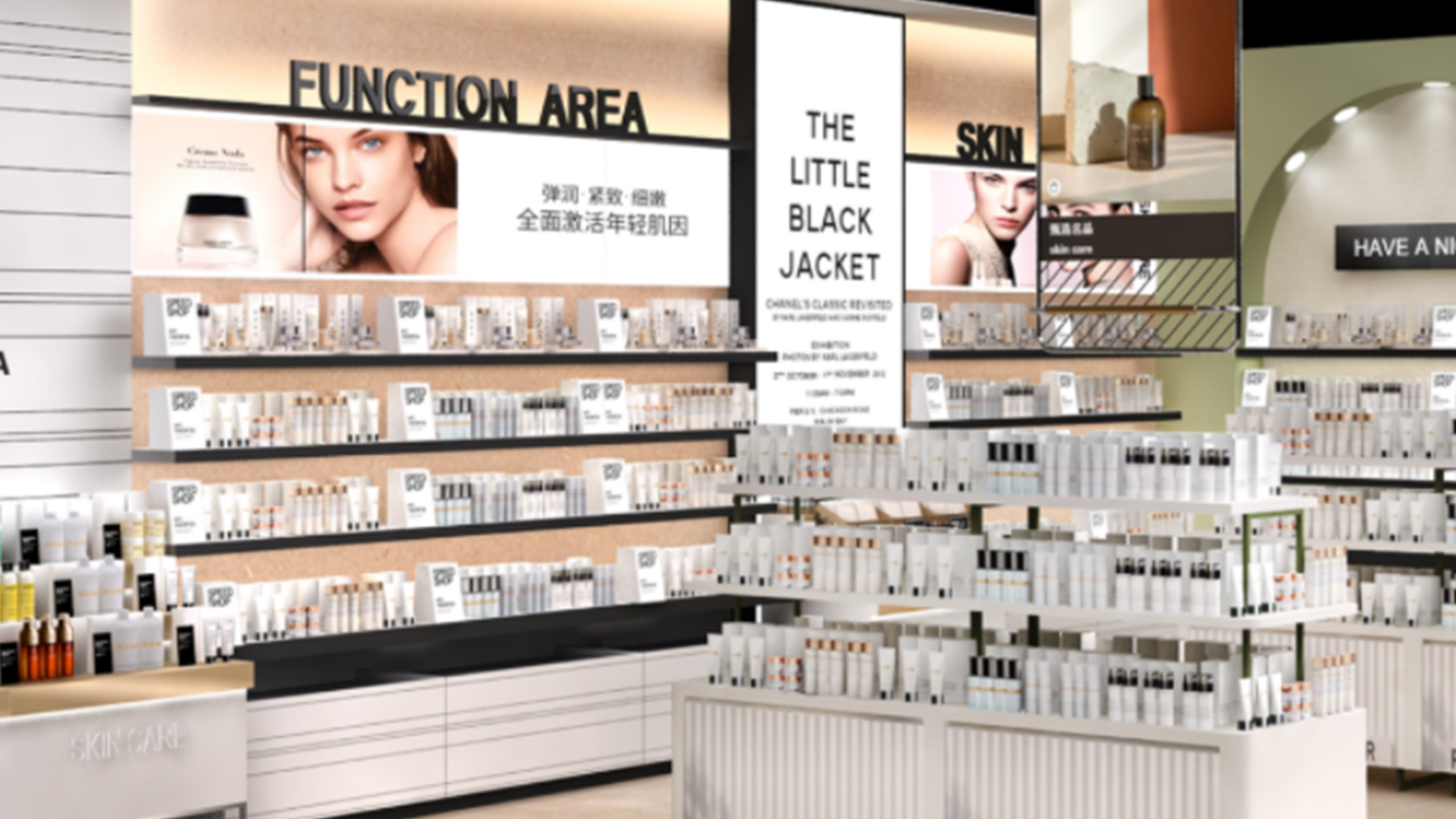
Merchandise by function, not product type:
-“Cellular Energy & Mitochondria”
-“Inflammation & Recovery”
-“Gut Health & Longevity”
-“Cognitive Aging & Brain Protection”
This transforms passive browsing into guided discovery and increases basket size.
2. Lack of In-Store Education for a Highly Educated Consumer
The longevity consumer is informed—often arriving with knowledge from podcasts, biohacking influencers, and clinical discussions. Retail environments that fail to match this level of sophistication lose credibility instantly.
What’s wrong:
-Generic shelf talkers
-No explanation of mechanisms (e.g., NAD+, autophagy)
-Staff unable to articulate differences between similar compounds
What to fix:
Implement micro-education at shelf level:
-Define key terms simply: “NAD+ = your cells’ energy currency”
-Use comparison charts: NMN vs NR vs Niacin
-Add QR codes linking to deeper content (video or article)
Train staff to sell pathways, not products.
3. Over-Reliance on Trend Products Without Building Trust Architecture
Retailers chase trends—NMN today, spermidine tomorrow—but fail to anchor them in a trust framework.
What’s wrong:
-No explanation of sourcing, bioavailability, or clinical relevance
-Mixing high-quality formulations with low-grade alternatives
-Ignoring regulatory nuance and consumer scepticism
What to fix:
Build a trust-first merchandising model:
-Highlight clinically studied ingredients
-Call out delivery formats (liposomal, sustained-release)
-Use signage like: “Third-party tested,” “Clinically dosed,” “Practitioner-grade”
Trust converts high-ticket longevity products.
4. Failing to Bundle for Outcomes
Longevity is not solved with one SKU. Yet most retailers still sell single products instead of protocols.
What’s wrong:
-Isolated SKUs without context
-No guidance on stacking (e.g., NAD+ + resveratrol synergy)
-Missed opportunity for higher basket value
What to fix:
Create Longevity Protocol Bundles:
-“Cellular Renewal Stack”: NMN + Resveratrol + Quercetin
-“Inflammation Reset”: Omega-3 + Curcumin + Magnesium
-“Brain Longevity”: Lion’s Mane + DHA + B-complex
Bundle physically or digitally (QR-driven stack guides). This increases both conversion and average transaction value.
5. Ignoring the Emotional Driver: Fear of Aging vs Desire for Performance
Most merchandising leans on “anti-aging,” which is increasingly outdated and even off-putting.
What’s wrong:
-Messaging focused on wrinkles and decline
-No connection to vitality, performance, or lifespan extension
-Missing the aspirational buyer
What to fix:
Reframe the category around performance and vitality:
-“Live Better, Longer”
-“Energy. Clarity. Strength.”
-“Optimize Your Biology”
Longevity consumers are not trying to look younger—they are trying to stay powerful longer.
Strategic Takeaway
The longevity category is not a shelf—it is a retail ecosystem that requires:
-Structured pathways
-Educational depth
-Trust signalling
-Protocol-based selling
-Aspirational positioning
Retailers who evolve their merchandising accordingly will not only capture higher margins but also position themselves as authorities in the future of health retail.