





All In Nutritionals
Home Blog Page 163

Is a common protein the key to fighting pancreatic cancer?

0
    New research out of the Keck School of Medicine of the University of Southern California (USC) offers new hope in the fight against one of the most lethal forms of cancer.

    Studies in mice with the KRAS mutation, which is present in 90 per cent of pancreatic cancer patients, indicate that expressing only half the amount of the glucose-regulated protein GRP78 is enough to halt the earliest stage of pancreatic cancer development.

    This study suggests that GRP78 is required for converting healthy pancreatic cells into potentially cancerous cells. As such, reducing the amount of this protein works to delay pancreatic cancer development.

    “Cancer cells are addicted to high levels of GRP78 for cancer development and growth. Our hope is that partially reducing or inactivating the protein by therapeutic agents could one day be an effective complementary therapy for pancreatic cancer and other cancers, while sparing other healthy organs,” says Amy Lee, PhD, professor of biochemistry and molecular medicine at the Keck School and the Judy and Larry Freeman Chair in Basic Science Research at the USC Norris Comprehensive Cancer Center.

    GRP78 is a stress-inducible protein that folds newly synthesized proteins and performs quality control in the endoplasmic reticulum. During stress, a fraction of GRP78 is moved to the cell surface to perform additional growth and survival functions. Cancer cells, particularly those that survive treatment, typically undergo more stress than healthy cells, resulting in increased levels of GRP78 to help the cancer cells survive.
    This news brings hope to both the allopathic and natural sides of medicine—different pharmaceuticals can be manufactured to reduce GRP78, while some natural foods and supplements can also help with reduction. Lee notes that both green tea and soy contain natural compounds that can suppress the protein.

Quick facts: Pancreatic Cancer

In 2016, the Canadian Cancer Society estimated that:
• 5,200 Canadians would be diagnosed with pancreatic cancer.
• 4,700 Canadians would die from pancreatic cancer.

Magnesium Absorption and Bioavailability

0

By Jon-Paul Powers, PHD

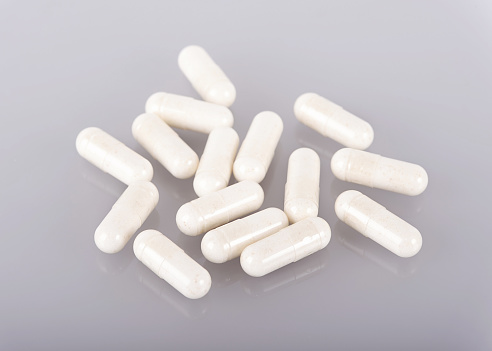
    Despite its essential role in human health, many modern diets are deficient in magnesium. As a result, many consumers select magnesium supplements as a convenient way to meet their daily requirements. Supplements contain a variety of inorganic and organic forms of magnesium, the effectiveness of which may depend upon their bioavailability in the body. Magnesium citrate, and other organic magnesium salts, have demonstrated superior bioavailability to inorganic magnesium salts. This makes magnesium citrate an effective source material for oral magnesium supplementation.
    MAGNESIUM AND HUMAN HEALTH

    ROLE AND BENEFITS OF MAGNESIUM

    Magnesium is an essential nutrient for the human body and is known to be involved in more than 300 biochemical reactions; affecting key processes such as energy production, bone development, maintaining electrolyte balance, muscle and heart function, as well as protein, DNA, and RNA synthesis. Magnesium also plays a role in the transport of sodium and potassium ions across cellular membranes. Recently, magnesium has also been demonstrated to improve bowel movement and frequency, thereby reducing functional constipation. More than half of the body’s 20–28g of stored magnesium is present in bones with the remainder residing in the soft tissues and, to a very minor extent (<1%), in the blood.

    DIETARY MAGNESIUM REQUIREMENTS

    Adults require approximately 310–420mg of magnesium daily, and deficiency may lead to irritability, muscle weakness, and irregular heartbeat. Most dietary magnesium typically comes from sources such as fruits, vegetables, leafy greens, seeds and grains. While magnesium is present in food sources, recent Health Canada findings suggest that many adults have an inadequate dietary intake of magnesium. Due to deficiencies in modern diets, many consumers select magnesium supplements as a convenient way to meet their daily requirements.
    MAGNESIUM SUPPLEMENTS
    FORMS OF MAGNESIUM IN SUPPLEMENTS

    Oral magnesium supplements are available in a variety of forms, with powders and capsules being the most common. The magnesium contained in these supplements may be from a variety of source materials or forms, generally grouped as follows:
    • Inorganic magnesium salts (such as oxides, carbonates, chlorides and hydroxides);
    • Organic magnesium salts (such as citrates, lactates, and gluconates); and
    • Magnesium complexes or chelates (such as amino acid chelates).

    From a formulation or manufacturing perspective, the selection of a specific magnesium source material may be chosen for a variety of reasons, including, but not limited to, cost, solubility and available capsule space. From a biological perspective, it should be noted that source material ultimately affects magnesium absorption and bioavailability.
    MAGNESIUM ABSORPTION
    The absorption of magnesium from oral supplementation occurs primarily in the small intestine with the majority of uptake occurring in the distal jejunum and the ileum. Once dissolved in the gastric fluid, magnesium salts dissociate, freeing the ionic magnesium. The majority of the magnesium ions in the intestinal tract are taken up through passive processes mediated by electrochemical gradients and solvent drag, but some uptake occurs via an active transport system. Once absorbed by the intestine, magnesium ions enter the bloodstream for transport to other tissues and organs.

    MEASURING MAGNESIUM ABSORPTION

    There are two common methods used to estimate absorption/bioavailability of ingested magnesium. The most widely available and practical way to determine intestinal magnesium absorption is by measuring blood serum magnesium levels. In serum magnesium analysis, acute changes in the magnesium status of an individual are detected by measuring the concentration of total serum magnesium following magnesium intake. Since serum magnesium does not correlate well with tissue pools of magnesium, this test is considered a poor predictor of intracellular or body magnesium content; however, it remains effective and reliable for measuring rapid extracellular changes in magnesium levels, and to assess intestinal absorption following an oral load of magnesium.

    Urinary analysis is another common method for assessing magnesium absorption. Once magnesium levels exceed a critical threshold in the kidney, the excess magnesium is excreted in the urine. In general, the assumption is that the uptake and release of magnesium are in balance; thus, by determining the concentration of magnesium excreted in the urine, one can estimate the amount of magnesium absorbed by the intestine. Drawbacks to this method of analysis are that test subjects must not be magnesium depleted, and timing of the analysis is critical.

    Other, less common, proxies for magnesium absorption include measuring an increase in salivary or erythrocyte magnesium concentrations. Stable isotopes of magnesium have also been used to track the absorption of magnesium by the body.

    MAGNESIUM CITRATE BIOAVAILABILITY

    The solubility of minerals in the digestive tract is a major factor driving their uptake. Because much of the absorption of magnesium is via passive transport, the greater the solubility of magnesium salt or complex that is in the gut, the greater the potential for magnesium ion dissociation and subsequent availability for uptake into the intestine. Thus, the solubility of the magnesium supplement factors in its overall bioavailability.
    Organic magnesium salts, such as magnesium citrate, are, in general, more soluble than inorganic magnesium salts. The enhanced solubility leads to a greater con- centration of magnesium ions in the intestinal tract. Because of this, supplements containing the highly soluble organic salt forms may be more absorbable by the body (and, therefore, more bioavailable) than inorganic salt forms. Indeed, in vitro and clinical studies have demonstrated the superior solubility and bioavailability of oral organic magnesium salts compared to the representative inorganic form, magnesium oxide. While most studies to date have used urinary magnesium levels as a measure of bioavailability, Wilimzig et al. (1996) further demonstrated that administration of oral magnesium citrate produced a direct increase in plasma magnesium concentrations in healthy volunteers.
    Magnesium citrate is regarded as a highly soluble and readily bioavailable form of magnesium. Studies in simulated gastric fluid demonstrate that magnesium citrate remains in solution even as pH increases. This is an important characteristic since the pH of the intestine increases as it progresses distally. The solubility of magnesium citrate in alkaline environments may enhance bioavailability by increasing the availability of free magnesium ions for passive uptake along the intestinal tract. This means that magnesium ions may remain bioavailable further along the intestinal tract, without the need for additional buffers, allowing more opportunity for transport through cellular membranes. Numerous in vitro studies have demonstrated the superior absorption of organic magnesium salts, including magnesium citrate, in comparison with inorganic salts.
    Furthermore, magnesium citrate was found to be both more soluble in simulated gastric acid, and more intestinally absorbable than magnesium oxide, as determined by urinary magnesium excretion analysis in healthy volunteers. The results of these parallel in vitro and in vivo tests suggest that magnesium citrate’s increased bioavailability relative to magnesium oxide may be a result of its enhanced solubility in the intestinal tract.
    Recently, magnesium in the form of amino acid chelates such as aspartate and bisglycinate (aka diglycinate) have been the focus of advertising campaigns. While these sources have been marketed as being more bioavailable than other common inorganic and organic forms, there is a lack of published data supporting these claims. On the contrary, Schuette et al. demonstrated that magnesium absorption did not differ between oxide or bisglycinate forms in a group of subjects who had undergone ileal resection. Furthermore, a detailed review of the bioavailability and pharmacokinetics of magnesium from a variety of sources suggest there is little, if any, difference between forms generally regarded as bioavailable (e.g. citrate and glycinate).
    In perhaps the best study design to date, the bioavailability of magnesium citrate was found to be superior to both magnesium oxide and a magnesium amino acid chelate. Researchers conducted a parallel intervention study to compare the relative absorbability and bioequivalence of three forms of magnesium (oxide, citrate and amino acid chelate) under acute (24-hour) and chronic (60-day) administration of an oral daily dosage. Subjects were generally healthy and free of conditions or activities known to affect magnesium metabolism and were administered cellulose or sorbitol placebo or 300mg elemental magnesium per day from one of the following sources: magnesium amino acid chelate, magnesium citrate, magnesium oxide.

    Treatment effects were assessed via urinary magnesium excretion, plasma magnesium concentration, erythrocyte magnesium concentration or salivary magnesium con- centration. Chronic supplementation with organic forms of magnesium (magnesium citrate and magnesium amino acid chelate) resulted in a significant increase in urinary magnesium excretion compared to either placebo or magnesium oxide, which is an indirect measure of the increased bioavailability of magnesium citrate.

    As further evidence of the increased bioavailability of magnesium citrate both mean plasma and salivary magnesium concentrations were assayed. Only magnesium citrate was found to produce statistically significant increases compared to all other groups following chronic administration. While this study was designed to determine the differences in magnesium supplementation compared to placebo, it does suggest that supplementation with magnesium citrate may be superior to supplementation with both magnesium oxide and amino acid chelate forms (e.g. bisglycinate, etc.).
    CONCLUSION
    Organic magnesium salts, such as magnesium citrate, are highly soluble in the intestinal tract, which leads to high concentrations of ionic magnesium that can be absorbed by the body. In addition, the enhanced bioavailability of magnesium citrate compared with inorganic magnesium salts (oxides, carbonates, chlorides and hydroxides) is well supported. Furthermore, recent investigations have demonstrated magnesium citrate to be equally or even more bioavailable than amino acid chelates. Therefore, due to its solubility, and its superior bioavailability, magnesium citrate is a highly effective form of magnesium supplementation.
    WHAT’S IN YOUR SALES?
    Not all magnesium supplements are made the same, so knowing what is on your shelves is just as important as selling the product. What you give to your customers and patients reflects your values as a business. With absorption levels ranging from four to 50 per cent, the optimal selling point is that you are offering your clientele the best product on the market. After all, they chose your business over a large corporate chain for a reason. While 50 per cent may not seem all that great, the body does not absorb 100 per cent of anything. The best option is to go for something that is known to have
    a higher absorption level—certain supplements have a better rate due to water solubility. As such, it is imperative to understand what you’re really selling, both for your clients and your bottom line.

    COMMENTARY BY: DAVID FOREMAN, RPH, ND HERBAL PHARMACIST

    Magnesium is one of the supplements that is often overlooked when looking at a patient’s health. Yet, people are actually facing many health issues that have a direct connection to magnesium deficiency being a key-contributing factor. While magnesium deficiency can be tested for, it often is omitted.
    People who are often significantly deficient or at risk of deficiency fall into these conditions or groups:

    ¥ Chronic gastrointestinal issues:
    Crohn’s, Celiac disease, IBS with
    Diarrhea, etc.

    ¥ Alcohol dependency

    ¥ Type 2 diabetics

    ¥ Elderly

    ¥ People with a diet high in refined/processed foods

    Magnesium is a cofactor in biochemical reactions such as; neurotransmitter production, protein synthesis, muscle and nerve production, blood sugar control, blood pressure regulation, nerve impulses, muscle contraction and relaxation, heart rhythm, energy production, DNA and RNA synthesis, glutathione production and of course bone development.

    If we take time to study the true biochemical impact on the body’s physiology that Magnesium possesses, we can see that monitoring levels is important for all patients. Neurologically, it helps with neurotransmitter production and therefore shows promise with ADD, ADHD, depression, and anxiety just to name a few. It has even shown to benefit those with asthma, migraines, chronic fatigue syndrome, fibromyalgia, diabetes, PMS, restless leg syndrome, leg cramps and even hay fever. Modern medicine even uses it in injection form for many conditions such as an irregular heartbeat, post-heart attack, cardiac arrest and seizures.

    The importance of magnesium supplementation should be at the forefront of a practitioner’s thoughts since we now know that the average modern diet is significantly deficient in foods that contain this critical mineral. Excellent food sources of magnesium would be mostly foods high in fibre like nuts, green foods (spinach, kale, broccoli, etc.), beans, avocado, fish (salmon and halibut) and most grains.

    Magnesium dosage tends to be patient-specific, meaning each patient’s requirements for a positive health outcome will vary. Dosingwith magnesium can be challenging depending on which form you are using. Depending on the salt that magnesium is attached to (oxide, orotate, citrate, diglycinate, aspartate, etc.) will impact the bioavailability. Dosing should begin in a lower range per day and slowly increased over days and weeks to a level that either manifests a positive health change or in blood work testing. Side effects from too much magnesium are usually digestive in nature leading to cramping and/or diarrhea.

Is Walmart’s Jet.com pop-up store the future of retail?

0
Is Walmart’s Jet.com pop-up store the future of retail?

Walmart subsidiary Jet.com has opened what it refers to as the “grocery shop concept of the future.”


The pop-up, called Fresh Story, is a temporary food-themed concept store. Open in New York City from May 10 to June 18, Fresh Story showcases artisanal accessories, cookbooks, and kitchen appliances.


According to Jet’s vice-president of marketing, Sumaiya Balbale, the store’s larger goal is to raise awareness about Jet’s grocery delivery capabilities. Balbale adds that this new store format, which will constantly change and include interactive events, may mark a change in the way bricks-and-mortar retail is conducted.


“Retail is rapidly evolving,” said Balbale in an interview with Business Insider. “Tech is changing a lot of the ways in which people shop, and the way that retailers can fulfill on those behaviours. It’s an exciting time to experiment. I don’t think shopping behaviours are set in stone, and there’s a lot of opportunity to help shape them.”


This is the first foray into physical retail for Jet.com, which was founded in 2014 by Marc Lore.

Asian retailer plans 500-store expansion into Canada, targeting discount stores

0
Asian retailer plans 500-store expansion into Canada

After opening its first Canadian store in Vancouver last month, MINISO, an Asian variety retailer, says it could eventually run up to 500 stores in Canada.


Positioned as a Japanese lifestyle brand, MINISO specializes in household and consumer goods, selling cosmetics, stationery, toys, and kitchenware. The Guangzhou, China-based company was co-founded in 2013 by Japanese designer Junya Miyake and Chinese entrepreneur Ye Guo Fu.


As of now, MINISO’s North American expansion includes individual stores in Pasadena, California, and in Vancouver. Next week, MINISO will open its second Canadian store at Tsawwassen Mills. In July, it will open another two locations—one at West Vancouver’s Park Royal, and another at 550 Granville Street, across from Holt Renfrew. Jack Liang, the market development manager for MINISO (Canada) Store Inc., adds that the retailer has plans to open between 30 and 50 stores in Canada over the next year.


According to Liang, the retailer is also looking to target major cities, including Toronto and Montreal. If MINISO’s plans work out, says Retail Insider, this could disrupt a large segment of Canadian retailing—especially value-priced retailers.


If this trend of Asia-based retailers moving into the Canadian market continues, independent businesses may find themselves struggling to maintain market share. With attractive branding and a wide variety of international product offerings, these stores could give independents a run for their money.

Labdoor: New laboratory testing on top-selling probiotics

0
Labdoor: New laboratory testing on top-selling probiotics

Labdoor, the online supplements marketplace with reviews based on independent testing, announced today that their new probiotics rankings are now published. Previous rankings were refreshed based on the latest medical research and testing methods, so consumers can have up-to-date guidance for shopping in a notoriously confusing market.
The probiotics market is booming. In fact, its market size in 2015 was USD 37 billion in terms of ingredient sales alone, fueled by an increasing awareness of the link between nutrition, gut flora, and health. It’s good news, then, that scientific research on probiotics is catching up to this interest. Researchers are also finding clues that probiotics may improve immune system health and mental health.

Labdoor’s latest testing shows that probiotics labelling and research are currently mismatched. Although most probiotics are still labelled in terms of proprietary blends and total bacterial counts, we now know that bacterial strains are specific to the health condition you’re trying to treat. It’s why the Center for Responsible Nutrition recommends that the industry moves toward specifying strain amounts as a best practice. Out of 37 products in the analysis, only 14 listed amounts of individual strains, nine of which provided strains at levels shown to be effective in current research.

Striking differences in quality were also apparent. Products ranged from having three times the bacteria they claimed to practically no viable bacteria at all, and all but four products were free of potentially harmful yeast or mold contaminants. As research continuous to evolve, Labdoor aims to update its probiotics rankings and testing methods to follow suit.
About Labdoor

Labdoor is a supplements marketplace featuring over 800 products and counting, alongside scientific reviews and lab testing results, so consumers can shop with simple, objective facts about the quality and safety of products they entrust with their health.

Ashland to acquire Pharmachem Laboratories

0
Walgreens calls off Rite Aid takeover

Ashland Global Holdings Inc. has announced that its subsidiary has signed a definitive agreement to acquire privately owned Pharmachem Laboratories, Inc., a leading provider of quality ingredients to the global health and wellness industries and high-value differentiated products to fragrance and flavor houses. Under terms of the stock purchase agreement, Ashland will pay $660 million in an all-cash transaction that is expected to be completed before the end of the June quarter. The acquisition, which is subject to customary closing conditions and required regulatory approvals, will be funded with bank financing and available cash. The acquisition is expected to be accretive to Ashland’s earnings per share in the first year following the close of the transaction.


With annual revenues of approximately $300 million and 14 manufacturing facilities in the United States and Mexico, New Jersey-based Pharmachem develops, manufactures and supplies custom and branded nutritional and fragrance products. The 38-year-old company, whose customers are some of the best-known consumer brands in the world, sells to the following end markets:


  • Nutrition and health (43 per cent of total sales) – Key supplier to $39 billion vitamin and dietary supplement market;
  • Fragrance and flavors (33 per cent) – Primary application as an ingredient for fragrances in consumer products such as laundry detergents and fine perfumes;
  • Food, beverage and personal care (15 per cent) – Ingredients used in products sold through specialty retailers, multi-level marketers, and topical skin care and cosmetics; and
  • Custom manufacturing (9 per cent) – Services include refining, granulation and spray drying. Also operates one of the largest custom extraction facilities for natural ingredients in North America.


“The acquisition of Pharmachem offers a number of exciting growth opportunities in higher-margin end markets while also strengthening our specialty product line,” says William A. Wulfsohn, Ashland chairman and chief executive officer. “This combination will enhance our position in fast-growing nutraceutical end markets, open a new opportunity within fragrances and flavors, and strengthen Ashland’s food ingredient business by adding customized functional solutions.”


He continued: “We were also extremely impressed by Pharmachem’s world-class operations, leading market positions, dedicated employees and talented leadership team. In combining Pharmachem and Ashland, we can leverage our extensive sales channels, technical service network and global applications labs to accelerate Pharmachem’s growth. We look forward to discussing the Pharmachem transaction in more detail during our second-quarter earnings webcast next week and Ashland’s Investor Day in New York City on May 1.”


“This is a great strategic fit for Pharmachem as we look to build on our well-established track record of growth and financial performance,” says Colin MacIntyre, Pharmachem chief executive officer. “We have the opportunity to create something unique in our industry by combining Pharmachem’s custom manufacturing capabilities with Ashland’s formulation knowledge and excipients expertise. Together we can drive the next phase of Pharmachem’s growth while contributing to Ashland’s vision of creating the world’s premier specialty chemicals company.”

Mandi Zolkowski launches Blume Natural Sales and Marketing

0
Walgreens calls off Rite Aid takeover

After ten years of experience in the natural products industry, Mandi Zolkowski has decided to launch her own brokerage company: Blume Natural Sales and Marketing.

This new venture focuses on growing natural, ethical, and progressive brands in the Canadian marketplace. With a genuine passion for the natural health industry, Blume’s team supports new companies through social media marketing, corporate social responsibility, and offering connections to valuable contacts in the industry.

“When we represent a brand, we do more than secure a place on the shelf. We strategize ways to ensure success and growth through helping a brand tell its unique story,” says Zolkowski. “We do this because we understand what appeals to the needs and desires of today’s health-conscious consumer, and what can set your brand apart from the overwhelming selection of products available.”

Prior to Blume, Mandi has taken on many roles in the natural products industry. From becoming a holistic nutritionist and working alongside a naturopathic doctor, to doing marketing management for a natural health store, her passion for helping consumers make conscious product choices has continued to grow. As she moved forward in her career, she became an account manager and key account manager for a Canadian natural products brokerage, a brand manager for a national distributor, and a product category manager for a large supplement company. Her years of experience have allowed her to become well-versed in natural brands, categories, competitive product costs, and industry trends.

Currently, Blume’s roster includes Earth Mama Angel Baby,  Salome Naturals, Good Food For Good, and Glucose SOS.

For more information, contact:

Mandi Zolkowski
Founder & President 

www.blumenatural.com.

Ener-C Announces NSF Non-GMO True North Certification

0
Ener-C Announces NSF Non-GMO True North Certification

Pauling Labs, the maker of Ener-C multivitamin drink mix, is extremely proud to announce that Ener-C has achieved NSF Non-GMO True North certification of all ingredients.
Since the birth of the brand in 2013, the company’s goal has always been to attain third party certification of Ener-C’s non-GMO status. Although Ener-C has always been non-GMO, Pauling holds a firm belief that all claims should be verified by a third party.


Pauling Labs chose to work with NSF True North because they are an internationally recognized verification and testing organization. Since 1955, NSF has been committed to protecting human health and safety worldwide. For instance, athletes who wish to compete in the Olympics and world sporting events can only take NSF-certified supplements.


“NSF is the gold standard for all supplement testing worldwide, which is why we decided to go with NSF’s True North Non-GMO testing regime for Ener-C,” says Richard Pollock, president of Pauling Labs.

Pollock and his team believe that consumers have the right to know what’s in their products, and have the right to make the healthiest decisions when purchasing those products. Although debate over the health effects of GMO ingredients continues, Pollock believes there should be no question as to who owns the seeds and plants: Mother Earth, not corporations.


“Pauling Labs and Ener-C are committed to continually doing better and improving the lives of our consumers, our employees, and our communities,” he continues.

About Ener-C and Pauling Labs: 
Ener-C is a multivitamin drink mix made with real fruit powders that was created to address two important basic human truths. The first truth is that we are all, by nature, thirsty creatures. The second is that we all could do with more energy.

There were very few choices out there when it came to finding a product that was healthy, natural, non-GMO, caffeine- and stimulant-free, low in sugar, and made by companies consumers could trust and respect. Pauling Labs saw this as an opportunity to create a product people could enjoy taking and feel good about.

NSF launches product compliance verification service for cosmetics

0
NSF launches product compliance verification service for cosmetics

According to NSF International, a product testing, inspection, and certification organization, it has launched the first product quality, safety, and compliance verification service for the cosmetics and personal care industry.


The brand-new initiative will include regulatory, toxicological, and contaminant review testing. It will also involve label claim verification and compliance to Good Manufacturing Practices (GMPs). The NSF notes that while cosmetics standards are already very high, products are still not highly regulated, making a validation process absolutely necessary.


“NSF International’s cosmetic product verification service provides manufacturers, brand owners, and retailers with a way to demonstrate to consumers that their cosmetic products have been evaluated for safety, tested for harmful contaminants and potential adulterants, and had the label ingredient claims confirmed,” says Casey Coy, NSF’s manager of cosmetics and personal care services. “The on-package NSF Product Verified mark gelps guide consumers to these tested cosmetic products.


This process will also include audits of production facilities. What’s more, all products that are granted compliance will appear on the NSF product listing guide.


Industry veteran Tom Shurrie joins CFIG

0
Industry veteran Tom Shurrie joins CFIG

On June 5, Tom Shurrie will join the Canadian Federation of Independent Grocers (CFIG) as its senior vice-president and chief operating officer. In this role, Shurrie’s primary responsibilities will include sponsor sales, event sales and event operations.
Most recently, Shurrie was the executive vice-president of customer development and general manager for Acosta Canada. His extensive industry experience also includes senior positions with both ConAgra Foods and Parmalat Canada.