




All In Nutritionals
Home Blog Page 147

Deep ocean minerals show post-exercise blood flow and anti-inflammation benefits

0
Deep ocean minerals show post-exercise blood flow and anti-inflammation benefits

Supplements containing over 70 minerals and trace elements derived from the deep ocean may improve blood flow and hemoglobin levels in the brain after exercise, says a new study.

The desalinated deep ocean minerals (DOM) used in the study were provided by Taiwanese company Pacific Deep Ocean Biotech. The more than 70 minerals and trace elements are derived from water collected more than 600 meters below the earth’s surface in the West Pacific Ocean. The water is micro-filtered to remove any microorganisms, and then ultra-filtered to remove any macromolecules and/or viruses.

Consumption of DOM before, during, and after exhaustive cycling exercise was associated with significantly elevated cerebral hemoglobin levels in both young and middle-aged men, compared with placebo, scientists from Taiwan, Thailand, and the UK report in Frontiers in Physiology.

“Vascular function is known to deteriorate with age, which may have ramifications on cerebral hemodynamic regulation during a physical challenge,” explained the scientists. “In this study, we found that mineral and trace elements from deep oceans can substantially increase the cerebral hemodynamic response during high-intensity cycling. The enhanced hemodynamic response with DOM was somewhat more pronounced in middle-aged men compared with young men at the same relative exercise intensity.”

Why deep ocean water?

The deep ocean minerals concept is anchored to paleobiology, which suggests that life on earth originated from the deep oceans (deeper than 0.5 km) and that our transition from sea to land led to compromised nutritive complexity. Photosynthetic organisms living at the surface may deplete certain biogenic components from the water, but these can still be found in the deep ocean water where sunlight cannot reach. Therefore, ingestion of these deep ocean components may, “replenish any innate incomplete molecular complexity and increase the physical capacity of humans against entropic physical challenges”, said the authors.

A previous proof-of-concept study appeared to have supported this concept for both recovery and leg muscle power. The new study sought to test the effects of DOM in young and middle-aged men, with a particular focus on the so-called cerebral hemodynamics.

Study details

The researchers recruited 12 young men (average age of 21) and 9 middle-aged men (average age of 47) to participate in their double-blind placebo-controlled crossover study. The men were randomly assigned to consume the DOM drink or placebo before, during, and after cycling exercise. The men observed a two-week washout period before crossing over to the other interventions. Erythritol was used to mask flavour differences between the DOM and placebo beverages.

Results showed that, while there were no significant differences between the beverages and age groups for lactate response when cycling at 75% VO2max, significant differences between the beverages were observed for the so-called cerebral hemodynamic response (hemoglobin levels) in the men. The effects were greater in the middle-aged men versus the younger men.

In addition, DOM consumption was also associated with an attenuation in increases in the neutrophil to lymphocyte ratio (NLR) in middle-aged men after the exercise.

“The attenuated NLR increase suggests that DOM might either reduce the amount of damage or increase recovery rate after exercise,” explained the researchers. “NLR is a commonly used marker of systemic inflammation and has been shown to be elevated 2 h following aerobic exercise, in an exercise volume dependent manner. The lowered systemic inflammation after exercise suggests that the increased molecular complexity provided by DOM supplementation improves the robustness of the cells against an entropic challenge.”

The authors concluded: “Our data suggest that minerals and trace elements from deep oceans possess great promise in developing supplements to increase the cerebral hemodynamic response against a physical challenge and during post-exercise recovery for middle-aged men.”

The study was supported financially by Pacific Deep Ocean Biotech and the University of Taipei.

“We think that we are about to see a new category emerging in sports nutrition”

A spokesperson for Pacific Deep Ocean Biotech told NutraIngredients-USA that two companies have launched products formulated with DOM in North America: Natural Factors under its Whole Earth and Sea brand, and Patriot Health. The ingredient is distributed in North America by CK Ingredients.

“We have had a number of major nutraceutical companies evaluate and review DOM. We needed this additional clinical work to demonstrate the application benefits,” said the spokesperson. “We think that we are about to see a new category emerging in sports nutrition. Particularly as Danone has started investing in this category through Kona Deep.”

Beat Cholesterol

0
Beat Cholesterol

Cholesterol is a complex issue.  Managing high cholesterol is not solely about lowering your cholesterol level. Contrary to popular belief, lowering cholesterol cannot simply be boiled down to lowering levels of LDL, because it is a complex issue with many factors at play. In order to achieve successful, sustained and long-lasting health results, all of these issues must be understood and addressed.


If your blood tests do show an elevated level of cholesterol, make sure to look into a cholesterol busting formula that helps to:

  • Support liver metabolism
  • Reduce homocysteine
  • Attack the build-up of atheroma plaque
  • Prevent clot formation
  • Reduce lipid peroxidation
  • Lower cholesterol


You want your natural formula to contain therapeutic doses of certain key ingredients in order to lower cholesterol and help your overall body function.

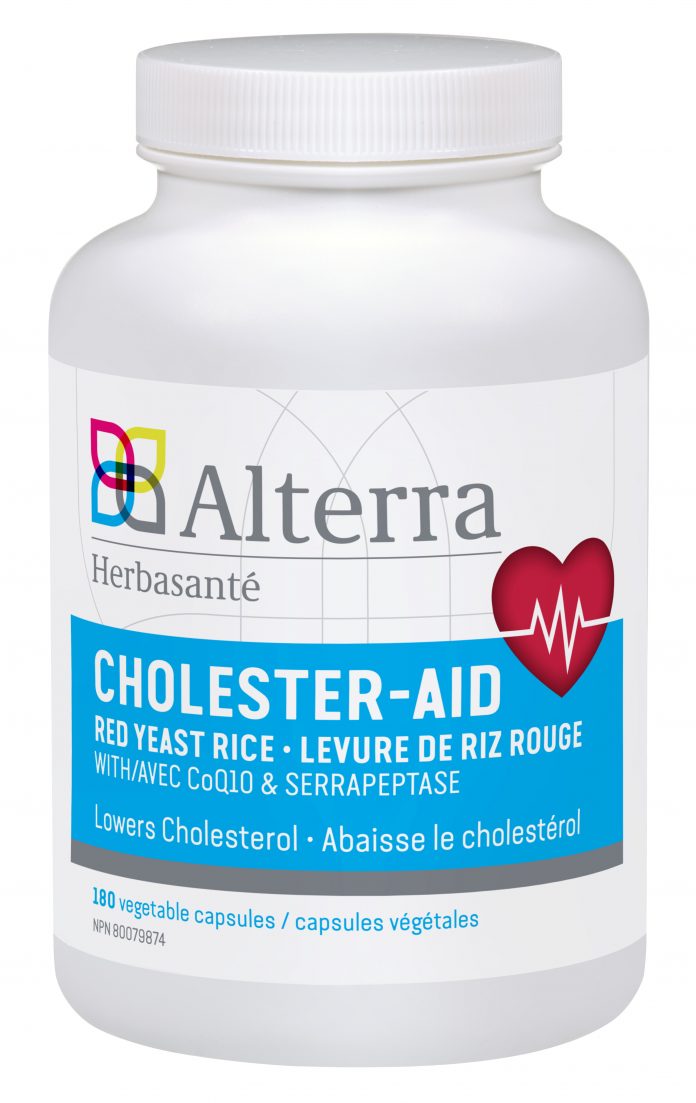
Herbasante’s new cutting edge formula, Cholester-Aid contains the key essentials for lowering cholesterol:

  • Red Rice Yeast: lowers cholesterol. In fact Red Rice Yeast alone reduced cholesterol by 25%-35% according to research studies conducted.
  • Plant Sterols: lowers cholesterol
  • Milk Thistle: a powerful liver regenerator
  • B- Complex Vitamins: reduce homocysteine
  • CoQ10: contributes to heart health and must be replenished when one is on cholesterol-lowering medication
  • Policosanol: reduces platelet aggregation
  • Serrapeptase: inhibits and degrades the formation of atheroma plaque.


Our unique, innovative cholesterol-fighting formula will help you even when you’re doing your best at living a healthy lifestyle.

Addresses cholesterol, homocysteine, hepatic support, cardiac support, blood thinner; all in one formula.

Let’s consider the factors that contribute to elevated cholesterol levels and contribute to the risk of cardiovascular disease.

In order to evaluate your risk, ask yourself the following questions:

  • Are you over 50 years of age?
  • Are you 10% or more over your ideal weight?
  • Do you suffer from high blood pressure?
  • Are you a smoker?
  • Are you live a sedentary lifestyle?
  • Do you exercise less than 3x per week?
  • Have you ever suffered from heart disease?
  • Do you eat plenty of processed foods or eat at restaurants regularly?


If you’ve checked off more than 3 of the above, it’s time to make some lifestyle changes and use the right product to support your health.


Herbasante’s Cholester-Aid formula provides a synergy of ingredients that acts similarly to cholesterol-lowering medications upon various mechanisms, and also supports many elements related to cardiovascular health.

Herbasanté Health Capsule

Herbasanté Alterra:

Your Natural Path to Healthy Living

Established in 1984, Herbasante is a Canadian made, owned and operated company. As a trusted and long-established entity with over 30 years of experience in the natural health and wellness sector, we have made it our goal to improve the well being and health of our clients with our unique, professional therapeutic health formulas.

Our products are manufactured in Canada, and they exceed strict Good Manufacturing Practice (GMP) standards. This is a system for ensuring that products are consistently produced and controlled according to quality standards, designed to minimize any risks involved.

Herbasante is dedicated to offering you the most diverse assortment of scientifically based herbal and phytonutrient complexes, vitamin formulations, detox products and homeopathics on the market. Our wide range of products are available at health food stores across Canada, in practitioner clinics and in pharmacies.

Our holistic and time-tested approach to relieving and preventing numerous afflictions and chronic illnesses with diverse homeopathic, phytotherapeutic and mycotherapeutic remedies has placed Herbasante at the forefront of alternative medicine.

We are constantly innovating, growing, and yet we remain true to our unique, effective and time tested formulas offering products that our clients love and swear by.

While some of our products and offerings have evolved over the past three decades our mission has always remained the same: to provide you and your family with a wide range of professionally formulated, high-quality, safe and effective Canadian-made products that treat a multitude of health ailments at truly affordable prices.

Visit us at:

http://herbasante.ca/

Find us on Facebook where our goal is to educate our clients and offer valuable health tips: https://www.facebook.com/HerbasanteENG

info@herbasante.ca


Modulating Stress

0
Modulating Stress

The Advantages of Choosing KSM-66® Ashwagandha

In today’s action-packed, fast-paced society, stress is simply a fact of life. No matter who you are or what your day-to-day schedule entails, you’re sure to have feelings of stress over your personal life, career, and occurrences on the global stage.

However, you’re not alone in this struggle: according to Statistics Canada, one in four workers describe their everyday lives as highly stressful. In fact, 27 per cent of Canadian workers experience high levels of stress every day, while 46 per cent have reported feeling slightly stressed on a day-to-day basis.

When stress levels are at an all-time high, anxiety is likely to rear its ugly head. A response to both external and internal stressors, anxiety is characterized by an increase in heart rate and rapid breathing. This is due to the body’s release of cortisol, also known as the stress hormone.  Unfortunately, frequent and prolonged spikes in cortisol are extremely detrimental to overall health, possibly leading to depression, heart disease, panic disorders, and high blood pressure. As such, learning to cope with stress—and control the body’s responses to it—is imperative in the maintenance of overall health and wellness.

SOOTHE YOURSELF

When faced with severe stress and anxiety, employing relaxation techniques can help to induce a sense of calm. A wide variety of these activities exist, including deep breathing, muscle relaxation, and positive visualization and affirmation. To stop stress in its tracks, try the following:

  1. Focus and slow your breathing. First, inhale deeply through your nose, filling up the entirety of your lungs. Then, pause at the peak of your breath, holding in the air briefly before exhaling slowly through your mouth.
  2. Relax your muscles. Concentrate on the way your body feels, taking note of any areas that feel tense. Unwind and let go of these areas, allowing them to become limp and heavy.
  3. Change your thoughts. Rid yourself of negative feelings by replacing them with positive affirmations. Continue this process until your mind is wiped clear of anxiety and pessimism.

MAKE A CHANGE

Sometimes, combatting stress is as simple as making a few lifestyle changes—especially when it comes to nutrition. In order to keep stress at bay, ensure that your diet is chock-full of whole grains, fruits, and veggies. What’s more, don’t skip meals: doing so may result in fluctuations in blood sugar, which may worsen any underlying stress and anxiety.

Certain nutrients have been shown to reduce anxiety, as well. Specifically, magnesium-rich foods, like Swiss chard, spinach, legumes, nuts, seeds, and whole grains, have been shown to induce feelings of calm. Probiotic-rich foods, like pickles, sauerkraut, and kefir, have also been shown to decrease stress signaling in the body through the gut-brain axis. Additionally, foods rich in antioxidants, like apples, turmeric, and ginger, have also been found to ease stress.

NATURE’S LITTLE HELPER

If you’re looking for some extra help with stress and anxiety, give the natural supplement route a go. KSM-66® Ashwagandha is a unique ingredient that works to combat stress, reduce anxiety, and aid with memory and cognition. As the highest-concentration root extract available on the market, this award-winning option harnesses the ancient power of the ashwagandha plant.

An Ayurvedic herb, ashwagandha is an adaptogen that amplifies the body’s ability to self-regulate key systems—specifically, the neurological, immune, reproductive, endocrinal, and energy-production systems. This is attributed to its complex blend of active constituents, including alkaloids like withanine, somniferine, and tropine, as well as lactones called withanolides. For ashwagandha to work its magic, each of these constituents must be present in their full, natural proportions. Only KSM-66® has managed to perfect this balance—plus, it’s standardized to the highest percentage of withanolides in the world, among root extracts.

What’s more, KSM-66® is backed by the most extensive set of research studies and clinical trials out there. One study, published in the Indian Journal of Psychological Medicine, found this powerhouse ingredient to significantly reduce serum cortisol levels, drastically lowering feelings of stress and anxiety.

However, KSM-66® is no one-trick pony: it has also been proven to increase endurance, strength, and testosterone production, as well as improve sexual function in both women and men. Another clinical study also found KSM-66® to increase overall happiness and aid in weight management.

KSM-66® is an ingredient you can feel good about taking: its 100% organic formula is USDA affirmed, non-GMO, vegetarian, gluten-free, and totally safe. What’s more, KSM-66® was issued a Natural Product Number (NPN) by Health Canada, thereby approving its claims about stress and anxiety management, athletic support, and healthy testosterone production. Additionally, KSM-66® is manufactured in a state-of-the-art facility in India, which uses world-class production and quality assurance processes. This includes the practice of “green chemistry,” a sustainable procedure that minimizes the use and generation of hazardous substances.

Regardless of how you manage stress, it is important to get a handle on feelings of anxiety. Doing so will not only improve your health—it will boost your overall quality of life.

Amazon Go Store Launched in Seattle – The Future of Shopping?

0
Amazon Go Store Launched in Seattle – The Future of Shopping?

Amazon’s first checkout-free store Amazon Go opened in Seattle this week and retail watchers are predicting this may revolutionize retail shopping.

In previous articles we noted that today’s consumers are seeking a more convenient, speedier shopping and checkout experience, and cutting out any line-up for an available cashier will shorten the entire shopping trip.

Using what Amazon calls the “Just Walk Out Shopping” system the store uses multiple in-store cameras, scanners and shelf sensors to record when you pick up an item, put it in your shopping bag, or return it to the shelf.

The system requires customers to download the Amazon Go app to their smartphone, which is connected to a registered account via QR code and to a credit card. When products are placed in your bag, the item is added to a virtual shopping cart, and removed if you put it back on the shelf. Once you exit the store scanners will alert for all purchases to be charged to your credit card and they send you a receipt. You may also use their app to check what is on sale or review previous purchases.

One can’t help but wonder if this is the ultimate method to reduce shoplifting, yet theft is not a concern to Amazon. CNBC reported one of their staff members accidentally shoplifted because the app missed one of the purchases taken from the store. The surprise response from Amazon when it was dutifully reported to them was that they are so confident this would rarely happen they do not even have a formal reporting method in place. They told the CNBC staffer to enjoy the item “on us”.

While this technology and store concept may speed up check-out times for customers, it appears to best suit the flagship store’s small size (about 1,800 square feet or the size of a small convenience store) and shoppers that are looking for prepared-in-store, frozen or ready-to-eat foods, which is about 50% of the product offerings.

As to the future of shopping, Amazon said they had no plans to bring the concept to their Whole Foods Market stores, with the implication being that the inventory would be too large and diverse for cashier-less shopping.

Although Walmart is testing its own similar checkout-free stores one would guess the final concept will likely be a smaller store with limited inventory like Amazon Go.

Cholesterol Conference Invitation: Vancouver CHFA WEST

0
Cholesterol Conference Invitation: Vancouver CHFA WEST

Cholesterol Conference Invitation: Vancouver CHFA WEST

BEAT CHOLESTEROL!

FRIDAY FEBRUARY 23, 2018 3:15 PM – 4:00 PM CHFA WEST – VANCOUVER

Vancouver Convention Centre, West Building, Vancouver, BC

1055 Canada Pl
Vancouver, BC V6C 0C3
Canada

Speaker: Cyril Meyre ND.A.

Cholesterol Conference Invitation: Vancouver CHFA WEST


HIGH CHOLESTEROL HAS RISEN TO EPIDEMIC PROPORTIONS. THE CONVENTIONAL SOLUTIONS ARE NOT PROMISING.

I AM PRESENTING AN EFFECTIVE GROUND BREAKING ALTERNATIVE. JOIN ME.


  • This Informative discussion will investigate the issues surrounding high cholesterol.
  • What has contributed to the epidemic rise in cholesterol?
  • What are the popular myths surrounding this health issue?

Let’s break some of those down.

  • What are the most effective ways to return to a balanced lipid level and a balanced state of health?
  • What is the link between metabolic syndrome, homocysteine and high cholesterol?

We look forward to sharing our effective cholesterol busting natural health solutions with you!

Visit our site for more information:

http://herbasante.ca

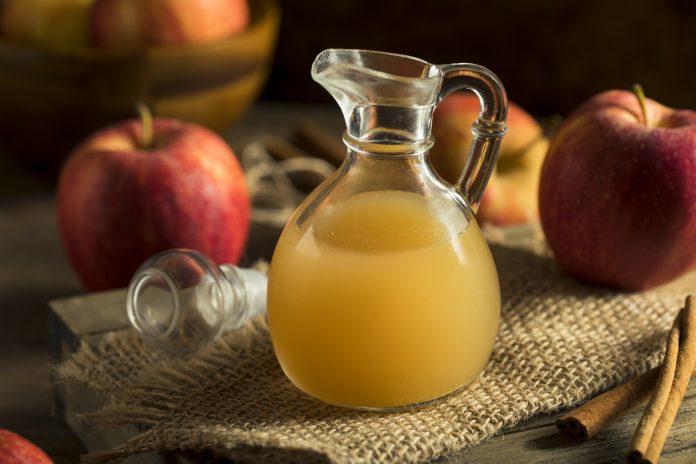
RTD Beverages: The Next Frontier For Apple Cider Vinegar

0
RTD Beverages: The Next Frontier For Apple Cider Vinegar

Apple cider vinegar (ACV) has been a pillar of natural health since time immemorial. Consumed for over 5000 years, ACV’s seemingly endless list of applications and health benefits have begotten it’s longstanding “cure-all” reputation.

The age-old ferment is now positioned to enter a new frontier in the Canadian marketplace: the Ready-To-Drink (RTD) beverage category. A handful of single-serve “drinking vinegars” have already appeared on US grocery shelves, delivering ACV’s health merits in a convenient grab-and-go format which checks two important boxes for millennial consumers: convenience and added health benefits.

With the kombucha market poised to grow 25% annually each of next three years, the demand for fermented, digestion-friendly beverages is trending up.

Drinking vinegars fit the bill. Their arrival in North America is equal parts innovation and rediscovery, as the new generation of drinking vinegars draws on a long history of “acidulated”  beverages, cordials, and elixirs like kvass, switchel, and shrub. These popular digestive tonics, often flavoured with fruits, herbs, and spices, reached their heyday in 17th century Colonial America.

Like their historical predecessors, modern drinking vinegars are chock full of organic acids and enzymes which promote sound digestion and help maintain healthy blood sugar levels. They are also “Paleo” and “Keto”-compliant, and have become popular among adherents of these diets to help “cut through” rich and fatty meals.

SPOTLIGHT ON ACV QUALITY

Globally, apple cider vinegar is set to grow at a compound annual growth rate (CAGR) of 10% through 2020. As the category grows, product quality should become a major differentiating factor among competing brands. Here are a few considerations bound to enter apple cider vinegar consumer discourse:

ORGANIC APPLES

Apples rank #4 on the EWG’s “Dirty Dozen” list of heavily-sprayed fruits and vegetables. Conventionally (non-organic) grown apples are commonly treated with fungicides to prevent disease and rusts. Aside from the risk these chemicals pose to humans and their environment, they also interfere with the natural fermentation process required to produce high-quality ACV. As availability of organic apples is dependent on reliable harvests, vertically-integrated ACV brands that produce from their own orchards may have an advantage when it comes to product quality and consistency.

FRESH VS FROM-CONCENTRATE

Apple cider vinegar made from fresh apple cider produces a markedly different end-product than that produced from cooked and concentrated vinegar stock. The latter method of production has become increasingly common among ACV producers, and while both processes can technically claim to be raw and unpasteurized, for consumers the most familiar comparison between the two processes would be that of fresh-pressed juice vs. juice from concentrate.   

New Research Shows That Sunlight Can Shrink Fat Cells

0
New Research Shows That Sunlight Can Shrink Fat Cells

A new study conducted by researchers at the University of Alberta shows that sunlight can shrink fat cells that lie just below the skin.

The findings of the study were published in the journal Scientific Reports in November and reveal that the lipid droplets found in subcutaneous fat cells become smaller and are released from the cells when exposed to blue light emitted by the sun. This means that cells retain less fat.

“When the sun’s blue light wavelengths—the light we can see with our eye—penetrate our skin and reach the fat cells just beneath, lipid droplets reduce in size and are released out of the cell. In other words, our cells don’t store as much fat,” said Peter Light, senior author of the study, professor of pharmacology and the director of the University of Alberta’s Alberta Diabetes Institute.

Light and his team were actually looking for treatments for Type 1 diabetes and were attempting to engineer fat cells to produce insulin through light exposure when they stumbled upon this discovery. “It was serendipitous,” said Light. “We noticed the reaction in human tissue cells in our negative control experiments, and since there was nothing in the literature, we knew it was important to investigate further.”

Research already shows that blue light has an effect on our body, specifically the blue light emitted from digital devices like cell phones, tablets and laptops. We’re warned against using these devices before bed because they emit the same blue light that the sun does and can signal our bodies to wake up.

“Well, perhaps that pathway—exposure to sunlight that directs our sleep-wake patterns—may also act in a sensory manner, setting the amount of fat humans burn depending on the season. You gain weight in the winter, and then burn it off in the summer,” says Light.

This could explain why we tend to gain more weight in winter months, when the days are shorter and our exposure to the sun is lower.

This doesn’t mean that simply spending more time in the sun should be considered an effective weight loss technique. As Light cautions, “The study we just published, actually, was more of an observation of the effect…. Now, we need to know what the underlying mechanism is.” More research needs to be done to determine the intensity and duration of light exposure required to see useful results.

The researchers hope their findings could lead to pharmacological or light-based treatments for obesity and other weight-related health issues in the future.


Walmart to Convert 63 Sam’s Club Stores to E-Commerce Centers

0
Walmart to Convert 63 Sam's Club Stores to E-Commerce Centers

Sam’s Club, a division of Walmart Stores, Inc., announced that it was closing 63 locations across the United States. Twelve of these locations will be converted to e-commerce fulfillment centers.

This move marks a strategic decision to focus on online growth and to better position Sam’s Club and Walmart to compete with major competitors like Costco and Amazon.

Sam’s Club President and CEO, John Furner, announced that a review showed having too many stores was hindering the business of other locations, and the additional stores were not supported by expected population growth in those areas.

“Transforming our business means managing our real estate portfolio—we need a strong fleet of clubs that are fit for the future,” he wrote to employees. “After a thorough review, it became clear we had built clubs in some locations that impacted other clubs, and where population had not grown as anticipated.”

By utilizing existing facilities, Walmart has been able to leverage its vast real estate holdings and their unparalleled proximity to customers. The company is hoping to expand its e-commerce capabilities by building a wider network of fulfillment centers to give them quicker access to more online customers and the ability to deliver goods to customers faster.

Furner notes, “We’ve decided to right-size our fleet and better align our locations with our strategy,” he wrote. “We will be closing some clubs, and we notified them today. We’ll convert some of them into eCommerce fulfillment centers—to better serve the growing number of members shopping with us online and continue scaling the SamsClub.com business.”

The first of these converted e-commerce centers will be located in Memphis, Tennessee.

These closures came as a shock to many Sam’s Club employees, leaving approximately 10,000 workers unemployed. The company has promised to work closely with employees, transitioning some to other locations and providing severance and bonuses to those who are eligible.

“We know this is difficult news for our associates and we are working to place as many of them as possible at nearby locations. Our focus today has been on those associates and their communities, and communicating with them,” says Furner.

Despite reported growth of 4.4% of Sam’s Club sales in the most recently reported quarter, Furner is confident that the store closures will allow them to redirect resources to focus on improving the Sam’s Club website and in-store technology. The company also plans to expand its fresh food offerings and improve overall product selection.

Atrium Innovations’ Owner Nestlé sells U.S. Chocolate Division to Italy’s Ferrero

0
Atrium Innovations’ Owner Nestlé sells U.S. Chocolate Division to Italy’s Ferrero

Just in time for Valentine’s Day a sweetheart of a deal was announced last week by chocolatiers The Ferrero Group and Nestlé. Based in Italy, Ferrero is the family-owned creator of popular hazelnut chocolate brand Nutella. They will acquire Nestlé’s U.S. chocolate and confectionary business for US $2.8 billion by end of first quarter 2018.

Nestlé’s U.S. chocolate bar sales had slipped in recent years and insiders believe they are now focusing on products that are being seen as healthier, a category of the market where they lagged behind competitors. Their U.S. confectionary sales accounted for about 1% of Nestlé’s total annual global sales.

Just last month Nestlé purchased Quebec-based Atrium Innovations for US $2.3 billion in cash, rolling their brands into Nestlé’s Health Science division. The Atrium brands include Wobenzym, Douglas Laboratories, Genestra Brands, and Trophic. In their press release last week, they mentioned infant nutrition and frozen meals as areas for planned future growth.

Ferrero’s acquisition appears to be part of their plan to gain a stronger foothold in the U.S. confectionary market, thought to be valued at $22 billion annually, and which will now see Ferrero become the third-largest confectionary company in the U.S.

Ferrero, which also owns Tic Tac mints and Ferrero Rocher praline products, will add some iconic American brands to their portfolio such as Butterfinger, BabyRuth, and Wonka.

Ferrero stated they, “will continue to operate through the offices in Glendale, California, as well as from its other current locations in Illinois and in New Jersey.”

Technology Transforming Retail in 2018

0
Technology Transforming Retail in 2018

Retailers have seen numerous changes over the past 100 years since a new concept for grocery stores was developed in 1916 by the founder of Piggly Wiggly, Clarence Saunders. Credited as operating the first retail store that was self-serve, Saunders might be very surprised today at how retail has grown beyond his self-serve concept. Shoppers now have many options for making purchases more conveniently using emerging technologies.


Early in the last century, shoppers would visit a ‘dry goods’ store, hand over a list of needs to the proprietor or store clerk who would then hand-pick items. Choices were limited by individual store inventory and the quality or availability of products, delivery was rarely an option, and wait times were long for some items that needed to be specially ordered and adding to the total cost. After the trip to the dry goods store, shoppers would then often make their way to the butcher, the druggist, and the hardware store as one-stop shopping at the club and big-box stores was still far in the future.


Today, many large and small retailers are back to hand-picking and delivering grocery items for you, and Walmart will even put them in your refrigerator!


Here’s just a short list of evolving new trends for retail shopping in 2018: AI-powered inventory management and real-time shelf monitoring, beacons and location mapping, chatbots to lead you to specific items in the store, digital shelf labeling, interactive displays, robotic and other automated devices, smart receipt apps to track spending, and more.


At the recent CES (Consumer Electronics Show) in Las Vegas, South Korea’s LG Electronics debuted no less than 3 robots to serve their human overlords at hotels, airports and in the grocery aisle. Although a long way from release to the public, this is another sign that the 1960’s TV cartoon “The Jetsons” was not just entertainment fantasy.


Amazon and Echo invested heavily in marketing to convince us to buy their voice-activated devices this past holiday season. These mini-precursors of Orwellian telescreens listen for your voice commands for a variety of chores including checking some stores’ inventories and making shopping lists for online or in-person shopping.


While visiting your favourite grocery store, the self-checkout options are increasing as well. US grocery chain Kroger is expanding its “Scan, Bag & Go” app technology which allows shoppers to self-scan purchases while shopping, which they say will speed up check-out times for customers. Walmart is rumoured to be testing an AI-powered store surveillance concept where shoppers will be watched on camera and automatically billed for items they place in the shopping cart, and thereby avoid the entire cashier and check-out process entirely.


Whether your favourite store is the local green grocer or the world’s largest retailer it’s expected that some of these technologies may have to be adopted by retailers just to remain in the competition for our grocery spending. Although consumer tastes may change over the years, serving customers with speed and efficiency appears to be a constant necessity. Yet, with all these options for faster, more convenient shopping one wonders if the inventor of self-serve shopping, Piggly Wiggly’s Clarence Saunders would approve, or go with the low-tech option of sending the eldest kid in the family to the store with a list.


https://www.fooddive.com/news/grocery–5-tech-trends-that-will-shape-grocery-in-2018/514576/

https://www.cnet.com/videos/lg-demos-new-concept-robots-at-ces-2018/

http://www.businessinsider.com/kroger-is-rolling-out-digital-shelf-technology-2018-1

https://www.clickz.com/how-six-retailers-are-using-chatbots-to-boost-customer-engagement-and-why-you-should-too/111350/

https://www.fooddive.com/news/grocery–kroger-expanding-its-scan-bag-go-program-to-400-stores/513855/