




All In Nutritionals
Home Blog Page 148

Challenges in the Dairy Industry in 2018

0
Challenges in the Dairy Industry in 2018

The dairy industry is facing increased challenges as sales continue to decrease due to a rising demand for plant-based varieties of milk, cheese and other dairy-based foods. According to a recent Wall Street Journal article, organic milk is in such oversupply that manufacturers are scrambling to turn it into other products. Its short shelf-life is especially challenging and the drop in demand has caused some companies to send cows to early slaughter in an effort to recoup some losses.


For years, the health benefits of consuming dairy products made from nuts, grains and other vegetarian sources have been featured across all media. Now, most food retailers carry plant-based dairy milks made from almond, coconut, and soy (the most popular versions) giving consumers greater choices to suit individual lifestyles. In health food stores one can find milks manufactured from quinoa, pecan, and rice while the industry continues to develop new plant-based dairy foods.


The numbers suggest it’s not just those who are lactose-intolerant that are making the switch to plant-based milks across North America.


Another challenge to the industry is noted in a research article published just this week by the Journal of Dairy Science. The article highlighted the need for protective packaging for cow’s milk due to artificial lighting contributing to an “off” flavour to the milk, with the LED lighting causing the worst flavouring change vs fluorescent lighting. The study concluded with a recommendation that “Light-protective packaging may be the most effective approach in protecting milk from photo-induced sensory damage.”


Mintel.com just released a report on the US Dairy Industry which stated that non-dairy milk sales have grown 61% in five years, and they projected total sales of plant-based milks would reach $2.11 Billion USD by end of 2017. Their press release noted that almond milk has a 64% market share, followed by soy milk at 13% and coconut milk at 12%.


As 2018 develops it shall be interesting to see if more animal-based dairy companies begin investing in plant-based dairy, as we’ve seen in the meat industry with packaged food giants like Maple Leaf Foods investing in plant-based protein manufacturers.


http://www.mintel.com/press-centre/food-and-drink/non-dairy-milk-sales-grow-61-percent

https://www.wsj.com/articles/dairy-producers-farmers-struggle-with-organic-milk-oversupply-1514889001

http://www.journalofdairyscience.org/article/S0022-0302(17)31010-X/fulltext



How exercise can help you quit smoking

0
How exercise can help you quit smoking

A new study published in the British Journal of Pharmacology in December 2017 suggests that even moderate intensity exercise reduces the severity of nicotine withdrawal symptoms in smokers.


Researchers at St. George’s University of London exposed mice to nicotine for 14 days and measured the effects of exercise intensity on their nicotine withdrawal symptoms. The mice were either given access to an exercise wheel for 24 hours a day, 2 hours a day or not at all. On the 14th day, researchers analyzed the mice’s withdrawal symptoms. The results showed that the mice who had access to the exercise wheel, whether for 2 hours or 24, experienced less severe withdrawal symptoms compared to the sedentary mice.


The study also shows that exercise produces an up-regulation of the hippocampal α7 nicotinic acetylcholine receptors, a type of nicotine brain receptor.


” We demonstrated for the first time a profound effect of exercise on α7 nAChRs [nicotinic acetylcholine receptors] in nicotine-dependent animals, irrespective of exercise intensity. These findings shed light onto the mechanism underlining the protective effect of exercise on the development of nicotine dependence”, wrote lead study author Helen Keyworth, at the University of Surrey, and colleagues.


“[O]ur results demonstrate the effectiveness of even a moderate amount of exercise during nicotine exposure in attenuating nicotine withdrawal symptoms and point towards the hippocampal α7 nAChR system as a potential mechanism underlining this effect. These findings may also have implications for the development of targeted interventions prior to smoking cessation, which may increase the chances of smoking cessation.”


The positive effects of exercise are consistent with earlier human clinical studies that show that undertaking even 10 minutes of moderate intensity exercise when trying to quit smoking can reduce nicotine cravings and withdrawal symptoms.


While the number of Canadians who smoke is declining, according to a 2016 Statistics Canada report, smoking is still the cause of 45,000 deaths each year or 1 in 5 deaths in the country. The report indicates that 16.9% of Canadians aged 12 or older smoke daily or occasionally, down from 17.7% in 2015.


In humans, typical nicotine withdrawal symptoms include, nicotine cravings, anger, irritability, anxiety and depression.


http://onlinelibrary.wiley.com/doi/10.1111/bph.14068/full

https://www.cancer.gov/about-cancer/causes-prevention/risk/tobacco/withdrawal-fact-sheet

https://www.ncbi.nlm.nih.gov/pubmed/11685385

http://www.cancer.ca/en/about-us/for-media/media-releases/national/2017/cost-of-tobacco/?region=on

https://www.statcan.gc.ca/pub/82-625-x/2017001/article/54864-eng.htm

Options for Winter Eczema

0
Options for Winter Eczema

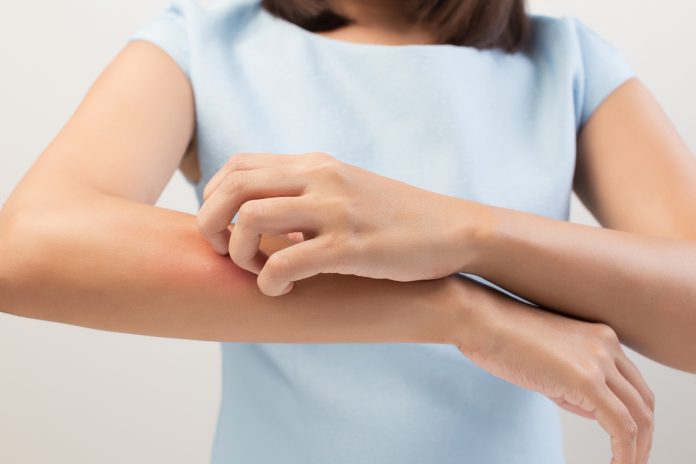
The Arctic chill that descended over North America this winter caused many to suffer more cold-related illness and injury than is normal. For some, the extreme dry cold activates their eczema, and in fact, the term “winter eczema” is often used to describe the atopic dermatitis that occurs more often in the winter months because of the cold temperatures and lack of moisture in the air.


Even those without eczema may feel their skin is drier or more “itchy”, especially when indoors after being outside in the cold. This is caused by the skin reacting to the sudden temperature change, and additionally, the lack of humidity during winter causes the air to extract more moisture from the skin. This may lead to flaky, cracked skin, leaving one more vulnerable to infection, and especially on the hands which are being washed more often to avoid cold and flu germs.


Treatment Options

  1. OTC Topical Ointments – Your local health food store, pharmacy or favourite grocery retailer usually sells a variety of creams for eczema. For less side effects, look for those that have least number of chemical additives, such as alcohol which can further dry the skin. Some products will just moisturize the skin, some may address the itch or rash, while others are more for cleansing to prevent infection. Products that contain oatmeal or calendula oil may also help relieve the itch. Ask your nutritionist about vitamins, foods or supplements that have proven benefits in moisturizing the skin from the inside out, such as Essential Fatty Acids (EFAs), eating more fish, avocados, almonds (contains Vitamin E) and more.
  2. Bathing & Moisturizing – Often the best way to reduce eczema is through a proper bathing and moisturizing routine. Avoid overly hot showers or baths, and instead try this: put oatmeal into cheesecloth or a clean, sheer stocking, tie it below the faucet while filling a tub with warm water so that the water runs over it. After a good soak, moisturize immediately after bath. Ask a professional for other natural, drug-free options for adding to a soothing bath.
  3. Prescription Topicals – If severe enough, consider seeing your doctor for a prescription topical that will reduce itching, redness, and cracking of the skin to help ward off infection. Most of these contain steroids or other ingredients that may cause side effects so be sure to ask about any warnings or contraindications.
  4. Light Therapy – UVB (ultraviolet B) is present in natural sunlight and research has shown it can be a safe and effective treatment for eczema and psoriasis. Treatment is conducted by a medical professional (in clinic or at home) for a set length of time and duration. The skin is exposed to an artificial UVB light source where it penetrates the skin and may slow the growth of affected skin cells. This treatment may also help increase Vitamin D production, further helping the skin.


Whichever method you may choose, consider a regimen of routine skin care to avoid eczema for any weather condition. Perhaps combining some or all of these treatment options can help you avoid the itch while staying warm.


https://nationaleczema.org/eczema-in-winter/

https://nationaleczema.org/eczema/treatment/phototherapy/

Holiday Shoppers are Younger This Year

0
Holiday Shoppers are Younger This Year

Nearly half of young shoppers are expected to spend more this holiday season, according to new research from the National Retail Federation and Prosper Insights & Analytics. These shoppers, made up of those aged 18-24 includes the oldest members of Generation Z, a group known for having more purchasing power as they become older. Retailers are sure to see the increase in disposable income, as these consumers have carefully been researching their list of gifts and are buying.


This Holiday season, not only are the younger generations spending more money, but they will be doing it primarily at the bricksDec-and-mortar discount stores such as Walmart and Target. Since most young people don’t have access to credit cards, this restricts the ways in which they can shop. Whereas most millennials are headed mobile to shop for the Holidays, 58% of the younger group (aged 20-23) were making most of their purchases offline.


The most anticipated purchases for consumers this season is clothing (61%), gift cards (59%), books/music/movies/video games (44%), toys (41%), and electronics (29%). With gift cards continuing to be a popular low-risk option for many, holiday shoppers are expected to buy an average of four this year, with an average value of $45 per card. The favoured gift cards were for restaurants, department stores, Visa/Mastercard/American Express, coffee shops, and entertainment.


On the flip side, the top gifts for teens this Holiday season include clothing (56%), gift cards (45%), accessories such as hats and shoes (44%), video games (42%), small electronics (37%), toys (29%), jewelry (29%), music (22%), and sporting goods/apparel (20%) according to a survey done by Junior Achievement USA.


As we are amidst the spending season, understanding who is doing the shopping and how, can impact sales for the better or for worse. While many shoppers are increasingly going mobile each year, let’s not forget about those that keep the bricks-and-mortar stores alive. Advertising and merchandising to these core consumers can help to steer just where they are spending their hard-earned cash.


____________________________________________________________________________https://www.retaildive.com/news/nearly-half-of-young-shoppers-will-spend-more-this-holiday-season/511330/


http://www.businesswire.com/news/home/20171116006023/en/Younger-Consumers-Plan-Spend-Holidays


https://www.juniorachievement.org/web/ja-usa/press-releases/-/asset_publisher/q4WH4nMou1cw/content/survey-are-teens-going-%E2%80%9Cbricks-and-mortar%E2%80%9D-this-holiday-season-?redirect=https%3A%2F%2Fwww.juniorachievement.org%2Fweb%2Fja-usa%2Fpress-rele

New Technology May Provide Drug-free Dry Eye Relief

0
New Technology May Provide Drug-free Dry Eye Relief

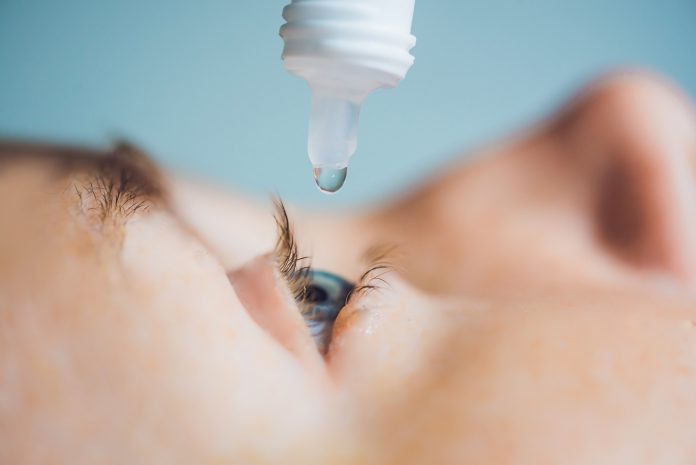
A new treatment for Dry Eye Syndrome was presented at the Annual Meeting of the American Academy of Ophthalmology in November 2017.  A study of dry eye sufferers was conducted to test the results of using a handheld neurostimulator device. The device is inserted into the nose to make the eyes produce more tears, similar to the reaction experienced when you cut into an onion.


Dry eye syndrome is a painful and irritating condition that affects 1 in 3 Canadians and approximately 20 million Americans. If left untreated, dry eye can lead to tissue damage and scarring of the corneal tissues.  It can make it difficult to wear contact lenses because of increased irritation and a greater risk of developing infection.


Dry eyes occur when tear glands don’t produce enough tears to lubricate the eyes; symptoms include burning, stinging, blurred vision and a gritty feeling in the eyes. The condition may develop from environmental factors, like wind, smoke or heat. Dry eyes may also be a symptom of medical conditions like rheumatoid arthritis, Sjögren’s syndrome, thyroid disease, or lupus, and it is a common side effect of many pharmaceuticals.


Researchers at the Cincinnati Eye Institute enlisted 97 moderate to severe dry eye sufferers to use the neurostimulator for 180 days. Tests were performed before and after nasal stimulation to measure the volume of tears being produced and showed that tear production was significantly higher after using the device.


There are several other options for treating dry eyes, including over the counter artificial tears and lubricants. Some brands of eye drops contain natural botanical extracts and mild preservatives, eliminating the use of harsh chemicals. While most people experience some relief with OTC eye drops, there are other drug-free ways to prevent or treat dry eye symptoms.


For those suffering from a blockage of the Meibomian glands, there is a treatment that safely combines the controlled application of heat and massage to the upper and lower eyelids. Stimulating the eyes in this way causes blocked Meibomian glands to open, allowing the natural oils that are produced to help tears from evaporating too quickly, to resume their normal function.


Punctal plugs are used to prevent tears from draining away from the eye through the puncta, very small openings on the upper and lower eyelids.  Punctal plugs are small, sterile plugs that are inserted into the openings, particularly on the lower lids, to force tears to remain on the surface of the eye longer. Tears will eventually evaporate, but by staying on the eyes longer, they can help relieve the symptoms of dry eyes.


For those looking for a simpler, DIY approach, supplementing your diet with omega-3 fatty acids like those found in salmon, sardines or flaxseed oil, can decrease inflammation, allowing for an increase in tear production. Drinking more water, using a humidifier, applying warm compresses to the eyes and wearing wind-blocking sunglasses when outdoors can also help, especially during the cold, dry winter season.


For those who can’t resist new technology, the makers of the handheld intranasal neurostimulator report there are no known serious side effects, and according to patients, the device is easy to use. It was authorized by the FDA earlier this year for marketing and should be available by prescription from your physician.


https://www.prnewswire.com/news-releases/dry-eye-sufferers-will-soon-have-a-drug-free-solution-300554326.html
https://www.healio.com/optometry/cornea-external-disease/news/print/primary-care-optometry-news/%7Bf72f71ed-ec25-421a-8731-97cdafd0766c%7D/od-shares-drug-free-approach-to-treating-meibomian-gland-dysfunction
http://www.allaboutvision.com/conditions/dryeye.htm

https://www.healthline.com/health/dry-eyes-home-remedies#diet

http://summerhilloptometry.com/services/dry-eye-therapy/

https://opto.ca/health-library/dry-eye

http://www.allaboutvision.com/conditions/meibomian-gland.htm

https://www.truetear.com/


New Botanical Formula for Human Papillomavirus (HPV)

0
New Botanical Formula for Human Papillomavirus (HPV)

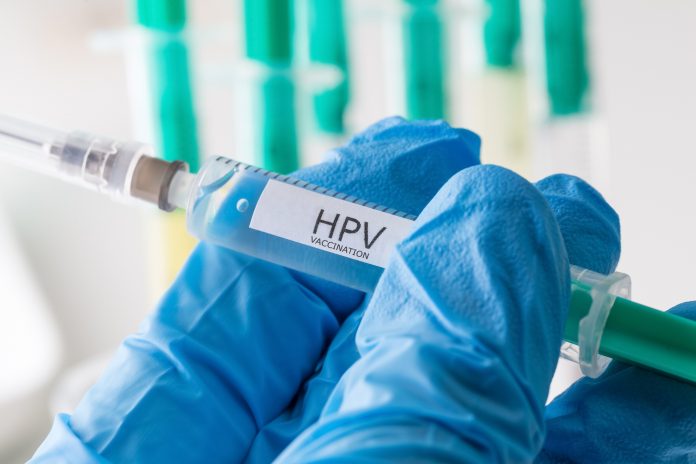
There are several antiviral drugs available to treat HPV and other viruses, but until now there were very few natural options. As reported in three medical journals:  Pharmacology and Pharmacy (1); Drug Design, Development and Therapy (2); and Clinical and Translational Medicine (3), a patented blend of natural ingredients is providing great promise in treating symptoms of viruses many people carry in their bodies for life. In fact, they state that the botanical performed better than the current, most commonly-prescribed drugs.


The reports state that the product is a safe and effective treatment for people infected with HPV, HSV, EBV, Human Cytomegalovirus (HCMV), and Hepatitis C Virus (HCV).  Further, the formula is a safe and effective treatment against genital herpes.  A fourth report in Drug Design, Development and Therapy showed that it cleared the latent infection of human papillomavirus (HPV) in 100% of the participants in the study over the course of a year.


Testing was conducted with patients having the most common symptoms of HPV and the herpesvirus family. This family includes herpes simplex viruses (HSV) which can manifest as cold sores and genital herpes, varicella-zoster virus (VZV) which causes chickenpox and shingles, and Epstein-Barr virus (EBV), a cause of infectious mononucleosis, or “mono”. These viruses may remain dormant in the body for life, which is termed a “latent” infection, with or without noticeable symptoms. Collectively, these viruses contribute to a host of health issues which include skin outbreaks, fever, increased fatigue and a few other symptoms depending on the virus.


The product is herbal-based and contains quercetin, extracts of licorice, green tea, and cinnamon, and the mineral selenium all in a “patented botanical systemic treatment” formula. Sold under the brands Gene-Eden-VIR and Novirin, Lily Corp’s web site for the new product states, “The difference between the two products is that Novirin has higher quality, more expensive ingredients.”


The medical journal reports conclude, “Gene-Eden-VIR/Novirin decreased the duration of genital herpes outbreaks, in both severe and mild cases, without any side effects” with the best results in those taking the product the longest. The clinical study (1) showed that Gene-Eden-VIR is a safe and effective treatment against the Human Papillomavirus (HPV), Herpes Simplex Virus (HSV), Epstein Barr Virus (EBV), Human Cytomegalovirus (HCMV), and Hepatitis C Virus (HCV). Therefore, health care practitioners should recommend Gene-Eden-VIR as a safe and effective antiviral treatment against these viruses.”


The product’s corporate web site cautions that once taken, discontinuation of the product may result in symptoms returning, possibly worse than before, which is an odd commentary as that could be considered a side-effect. However, if the product performs better than prescribed drugs in the millions of people affected by these viruses, this would truly be a real breakthrough in the natural health supplement industry, and proven by medical science

.


(sites for reports noted in 1st paragraph)


Drugs Are the Fastest Rising Health Cost in Canada

0
Drugs Are the Fastest Rising Health Cost in Canada

Canada’s health care costs have increased by 4% over last year, totalling approximately $242 billion in 2017.  This is according to a new report released by the not-for-profit organization, Canadian Institute for Health Information (CIHI). The 2017 increase in health care costs is slightly above the average annual increase of 3.2% seen since 2010 and equates to about $6,604 per Canadian, $185 more per person than last year.


CIHI estimates that health care costs will represent 11.5% of Canada’s gross domestic product in 2017. Hospitals will account for the largest percentage of health care spending in Canada at 28.3%. Drug costs and physician services continue to round out the top three, at 16.4% and 15.4% respectively.


Hospitals, drugs and physician services have been the top three health care costs in Canada since 1997, so these figures are no surprise. However, the report did reveal that drugs are now the fastest growing cost, rising by 5.2% in 2017. This is above the increase in hospital costs of 2.9% and physician services spending at a 4.4% increase.


Michael Hunt, Director of Health Spending and Strategic Initiatives at CIHI, attributes rising pharmaceutical costs to more expensive drugs entering the market in recent years, including biologics. Biologics are drugs made from biological substances, like living organisms, including cells and tissues, and can be gene based. They are more complex and expensive to manufacture than drugs that are made from chemicals. Biologics are used to treat chronic inflammatory diseases, such as arthritis, Crohn’s disease and psoriasis. An expensive drug used to treat hepatitis C was introduced in Canada in 2014, also contributing to the rise in drug costs.


The increase in overall health care spending is partly due to Canada’s aging population, with an increase of about 1.5% spent on senior care. Data shows that spending is typically greater in provinces with a higher population of seniors, such as Newfoundland and Labrador, which has a high senior population and one of the highest health care costs at $7,738 per person in 2017, representing a 3.9% increase.


The most significant health care spending across the country is seen in the more sparsely populated regions of northern Canada, with the average cost per person at $14,400 in the three Territories, double the Canadian average.


Since the early 2000s, the percentage of costs being paid from the private sector vs. the public sector has stayed around the same, at 70% of health expenditures being paid for by the public sector and 30% by the private.


The CIHI report also compares spending across the 35 countries that make up the Organisation for Economic Co-operation and Development (OECD).  It notes that internationally, Canadian health care spending is above the average OECD cost of $4,826 per person per year. The U.S. tops the list with an average cost of $11,916 per person.


Canada spent $1,012 per person on medications in 2015, which is the last time significant international data was compiled. This is less than the United States, which spent $1,457 per person, but more than every other country in the OECD except Switzerland. Canada also spent significantly more on medications than the OECD average of $709 per person.


http://www.cbc.ca/news/health/cihi-health-costs-canada-report-prescriptions-pharmacare-1.4390945

http://cliniquecme.com/en/drug-costs-rising-fast-in-canadian-health-care-spending-report-finds/

https://www.thestar.com/news/canada/2017/11/07/heath-spending-in-canada-forecast-to-hit-242-billion-this-year-report.html

https://www.cihi.ca/en/total-health-spending-in-canada-reaches-242-billion

http://www.ctvnews.ca/health/canada-to-spend-more-than-6-600-per-person-on-health-care-in-2017-1.3665393

https://www.cihi.ca/en/where-is-most-of-the-money-being-spent-in-health-care-in-2017

Canadian company now licensed to manufacture cannabis oil capsules

0
Canadian company now licensed to manufacture cannabis oil capsules

The Maricann Group Inc. recently announced that they received their encapsulated cannabis oil license from Health Canada as of late November 2017. First founded in 2013, the Maricann Group is a Canadian-based, publicly-traded medical cannabis company that serves thousands of patients across Canada.

The company is actively in control of their entire process from the cultivation of plants, extraction, research and development processing, to the marketing and sales of cannabis to their consumers.

Paired with a unique patented technology, the Maricann Group’s cannabis oil capsules will aim to provide patients with another option of immediate and consistent cannabinoid therapy.

The Maricann Group’s Pathway to Pills

Since receiving their license to encapsulate as of Nov 17, 2017, the company has commenced the production of encapsulated cannabis oil. Intended for individual medical use, the Maricann Capsules provide an important variation of medicine as well as several other benefits for its users.

As opposed to other methods of consuming cannabis (i.e. smoking, vaping, and eating), cannabis oil capsules in general provide the same immediate effects to the consumer without the difficulty or resistance that can come with the previous methods. The capsules become a part of daily life and is a treatment option delivered in a format that most patients find more comfortable and compelling. For physicians, an encapsulated pill gives them more control over the dosage and they can then work with the patient to choose the right cannabinoid therapy for them.

The Maricann Group’s pills however work with a patented technology called Vesisorb™ that make their cannabis oil capsules not only different from the others, but possibly even better. Firstly, the all-natural cannabis extract is delivered in a vegan capsule format and four types will be available to start; 15mg and 25mg of cannabidiol (CBD), or 5mg and 10mg of THC.

A common and existing issue with cannabis oil capsules are that the cannabinoids are almost insoluble in water. Most hardly make it into the system by the time they are digested, or more often, metabolized. Maricann Group’s Vesisorb™ technology however allows the oil to disperse more evenly in a water-environment like the stomach, providing higher and more immediate blood levels of active cannabinoids. This not only makes it more consistent for the consumer, but also more potent as the technology does not allow the cannabinoids to be destroyed by the liver, but instead is absorbed quickly into the stomach lining.

The company’s CEO Benjamin Ward says, “Maricann is focused on expanding capacity in a truly differentiated product offering, in support of its previously announced joint pharmacy initiative and future global export opportunities.”

Maricann Group Inc expects patients to be able to order their cannabis oil capsules starting in early 2018.

McKesson buys leading online retailer Well.ca

0
McKesson buys leading online retailer Well.ca

McKesson Canada, the century-old distributor of pharmaceuticals, health and beauty products, and medical supplies just announced they have purchased natural health and beauty e-commerce retailer Well.ca.

Well.ca was founded in Guelph, ON in 2008 and quickly earned awards for e-commerce retailer excellence and their streamlined customer service experience. It also built its reputation by offering a broad selection of health products for the entire family, while focusing on baby care and “green-minded” consumers wishing to purchase high quality products including “peer-reviewed” products according to their web site.

Well.ca ventured into bricks and mortar stores with a four-month trial store at The Shops of Don Mills, in Toronto in 2015 and last year opened a “pop-up” shop at Toronto’s Sherway Gardens on The West Mall.

McKesson Canada is owned by San Francisco-based and publicly traded McKesson Corporation, founded in 1883 in New York City, and considered to be the world’s largest distributor of pharmaceutical drugs and health products with 2015 sales of USD $147.3 billion.

The announcement was made jointly by both companies and according to Well.ca’s CEO, Rebecca McKillican, “Well.ca’s ‘digital-first’ approach to retail has continuously pushed the boundaries of the customer experience in Canada.” McKesson has been a supply chain partner to Well.ca since its inception in 2008.

Although no further information was given as to future planning with their purchase of Well.ca the press releases stated that, “Well.ca will operate as a distinct business within McKesson Canada, while retaining its existing brand and remain headquartered in Guelph, Ontario.”

Alcohol consumption linked to cancer risks

0

For those who enjoy it, drinking alcohol can be a way to relax and socialize.  Over the years, research has highlighted a few health benefits associated with “moderate drinking”, meaning 1 serving of alcohol for women and 2 for men per day.

In a review published in March, 2014[1], lead researcher Dr. James O’Keefe, MD noted light habitual drinking is associated with lower risks for death from all illnesses, as well as reduced risks of developing diabetes mellitus, heart disease, and stroke.

However, the same article also identified the risks associated with higher alcohol intakes:

  • hypertension
  • cardiomyopathy
  • atrial fibrillation
  • stroke (ischemic and hemorrhagic)

It appears that where these leading causes of death are concerned, “the dose makes the poison”, meaning some alcohol could help, but too much could harm.

What about another leading cause, cancer? 

In contrast to studies on other diseases, no research can be found demonstrating protective benefits of alcohol for cancer, although it does appear that the dose again makes it poison for breast, prostate, colorectal, oral, throat, esophageal and liver cancers[2].

With respect to breast cancer specifically, the Nurses’ Health Study has followed nearly 122,000 nurses from 1976 when the study began, requiring that every two years questionnaires be completed, including questions assessing risk factors for cancer among other health conditions. The study has found alcohol has been a risk factor for breast cancer, in a dose-dependent fashion, including consumption patterns involving binge drinking, drinking early in life, but not later or vice versa[3].  This means any kind of exposure to alcohol increased breast cancer risk, but the increases were greater for those who drank the most.

An analysis of pooled data from 8 studies involving nearly 500,000 people found that having more than 2 drinks per day increased the risk of developing cancer of the colon and/or rectum by 16% up to 72%[4], where again the risk was highest for those with the highest intakes.

The take-home message could not be clearer: if your personal risk of developing cancer concerns you, drink responsibly and in moderation.

___

[1] O’Keefe, James H., et al. “Alcohol and Cardiovascular Health: The Dose Makes the Poison… or the Remedy.” Mayo Clinic Proceedings. Vol. 89. No. 3. Elsevier, 2014.

[2] Cao, Yin, and Edward L. Giovannucci. “Alcohol as a risk factor for cancer.” Seminars in oncology nursing. Vol. 32. No. 3. WB Saunders, 2016.

[3] Chen, Wendy Y., et al. “Moderate alcohol consumption during adult life, drinking patterns, and breast cancer risk.” Jama 306.17 (2011): 1884-1890.

[4] Cho, Eunyoung, et al. “Alcohol intake and colorectal cancer: a pooled analysis of 8 cohort studies.” Annals of internal medicine 140.8 (2004): 603-613.