




All In Nutritionals
Home Blog Page 13

The Synergy Company Appoints Jennifer Briggs as CEO

0

The Synergy Company, a pioneer in certified organic nutritional and herbal supplements, has appointed Jennifer Briggs as Chief Executive Officer (CEO) to lead the brand into its next phase of growth. Briggs, widely recognised for her expertise in purpose-driven leadership and operational excellence, will guide the company’s mission to combine innovation, sustainability, and community values with uncompromising product quality.

Building on a Three-Decade Legacy

Founded in 1992 by Mitchell May, The Synergy Company has become a respected global name in organic supplements, celebrated for its vertical integration, in-house manufacturing, and cutting-edge ingredient sourcing. For over 30 years, its unwavering commitment to purity, scientific formulation, and social and environmental responsibility has earned widespread recognition, including a Nutrition Business Journal Management Achievement Award for leadership and performance.

May, who remains founder and chairman, expressed strong confidence in the appointment: “Jennifer’s leadership and dedication to values-driven business practices embody the culture and future of The Synergy Company. She will help ensure our independence while expanding our innovation and sustainability commitments for generations to come.”

A Proven Leader in Purpose-Driven Growth

Briggs brings more than two decades of executive experience across consumer packaged goods, food and beverage, and employee-ownership advocacy. She spent 12 years on the executive team at New Belgium Brewing, played key leadership roles as CEO of Modern Times Brewing and CXO of Karl Strauss Brewing, and has held governance positions in construction and technology.

Her commitment to shared prosperity is reflected in her role as Board Chair of the National Center for Employee Ownership and as an Executive Fellow at Rutgers University’s Institute for the Study of Employee Ownership and Profit Sharing. Briggs also holds a master’s degree in organisational leadership and was named Brewbound Person of the Year in 2022. Her achievements and thought leadership have been featured in Fabulous CaliforniaFabulous People, and Brewer Magazine.

Advancing Innovation and Sustainability

As CEO, Briggs aims to expand The Synergy Company’s portfolio of certified organic nutritional supplements and herbal formulas, strengthening its position in the natural health marketplace. Her focus will include:

  • Enhancing product innovation to meet rising global demand for clean, science-backed supplements.
  • Expanding sustainable ingredient sourcing that protects ecosystems and supports fair trade.
  • Maintaining rigorous in-house manufacturing standards, ensuring potency, purity, and traceability.

“I’m inspired by The Synergy Company’s legacy of uncompromising quality and its vision for holistic wellness,” said Briggs. “We will continue to honour Mitchell and Jayne May’s founding ideals while exploring new opportunities to connect people with natural, effective solutions for lifelong health.”

Deep Roots in Moab, Utah

Despite its international reach, The Synergy Company remains deeply tied to its Moab, Utah community, where it provides meaningful career opportunities and supports local sustainability initiatives. This connection to place is central to its identity and reflects its belief that good business is inseparable from social and planetary responsibility.

Why This Leadership Change Matters for Natural Health Retailers

Briggs’s appointment signals continued stability and forward momentum for natural product retailers and health food stores that carry The Synergy Company’s line of supplements. With consumer demand for certified organic, sustainably sourced vitamins and herbal products stronger than ever, retailers can expect ongoing investment in product development, supply chain transparency, and consumer education—key factors for long-term category growth.

Matter of Fact Awarded U.S. Patent for Groundbreaking Vitamin C Stabilization Technology

0

Setting a New Standard in Skincare and Nutraceutical Innovation

When it comes to vitamin C, both the skincare and natural health supplement industries have long wrestled with the same challenge: stability. L-ascorbic acid, the purest form of vitamin C, is notoriously unstable. Once exposed to water, oxygen, or light, it oxidizes quickly—losing potency and efficacy before consumers can finish the product.

On September 9, 2025, Los Angeles–based skincare company Matter of Fact announced it had been granted U.S. Patent No. 12,390,444 for a breakthrough method that finally solves this decades-old problem. The patent covers a novel way of solubilizing and stabilizing vitamin C in a water-free formulation, ensuring potency and clinical performance from the first day of use to the very end of its two-year shelf life.

This development does not only mark a milestone for the beauty sector—it also carries important implications for supplement formulators, health retailers, and the broader nutraceutical industry.

Why Vitamin C Stability Matters

Vitamin C remains one of the world’s most in-demand ingredients. In skincare, it is prized for its ability to brighten the complexion, reduce the appearance of wrinkles, and defend against oxidative stress caused by UV exposure and pollution. In supplements, it supports immune health, collagen production, and antioxidant protection.

The challenge has always been that L-ascorbic acid degrades rapidly in water, the main solvent in most creams, serums, and ingestible products. Many formulas either sacrifice stability for performance or use derivatives of vitamin C that are less potent than the pure form.

Matter of Fact’s approach changes the game. By using urea as a co-solvent and combining it with ferulic acid in a proprietary water-free solubilization process, the company has created a system that keeps vitamin C fully dissolved, highly stable, and clinically effective.

Clinical Evidence and Industry Validation

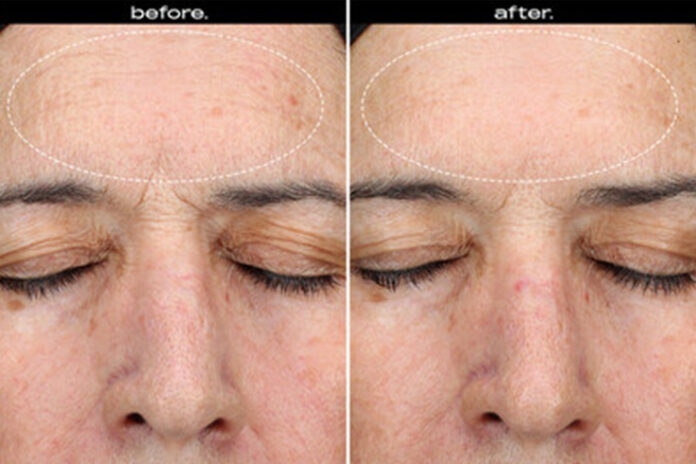
The patented process is not just theoretical. Matter of Fact conducted three independent 12-week clinical studies on 64 participants, even testing products near the end of their two-year shelf life. The results demonstrated:

  • Noticeable improvement in dark spot intensity.
  • Significant reduction in the appearance of fine lines and forehead wrinkles.
  • Proven efficacy that matches—or exceeds—the leading global benchmarks for vitamin C serums.

The research was peer-reviewed and published in the Journal of Investigative Dermatology (2023) and presented at the International Societies for Investigative Dermatology (ISID) conference in Tokyo. This was the first time an independent skincare brand had presented at the prestigious event, further highlighting the innovation’s credibility.

Founder-Led Innovation

Unlike many patents developed by contract research organizations, this one was personally spearheaded by Paul Baek, Matter of Fact’s founder and a Harvard-educated, first-generation Korean-American. Baek began working on vitamin C stabilization in 2018, determined to overcome one of the industry’s longest-standing formulation barriers.

“We didn’t just aim to stabilize vitamin C,” Baek explained. “We set out to redefine what’s possible and reshape industry standards. This patent proves that independent brands can bring meaningful innovations to market and create real change.”

Implications for the Supplement and Natural Health Sector

While this patent applies specifically to skincare, the implications reach into the nutraceutical industry. Canadian natural health retailers and formulators should take note:

  • Extended Shelf Stability: Consumers often hesitate to purchase high-dose vitamin C serums or supplements for fear they will lose potency before finishing the product. Improved stability could lead to higher consumer trust and repeat sales.
  • Clean Label Expectations: Today’s wellness consumers want fewer additives and maximum efficacy. Stabilization technologies that avoid heavy preservatives or artificial stabilizers are likely to resonate with this market.
  • Innovation Opportunities: Independent Canadian supplement companies can look to Matter of Fact’s patent as a model for pushing boundaries. As Health Canada tightens regulatory expectations for natural health products, demonstrating both stability and efficacy will become critical.

According to Market Data Forecast, the global vitamin C market is projected to grow at a CAGR of 5.2% through 2030, driven by demand in both functional skincare and dietary supplements. Stabilization breakthroughs like this could accelerate that growth by building consumer confidence in long-term product performance.

A Turning Point in the Vitamin C Story

Matter of Fact’s achievement is more than just another patent—it represents a shift in how brands approach ingredient integrity and consumer trust. By ensuring vitamin C maintains its potency for two full years, the company has effectively rewritten the rules of one of the supplement and skincare industry’s most important categories.

For Canadian retailers, health practitioners, and product formulators, this innovation is a reminder that the next wave of growth lies in science-backed, clinically proven solutions. As consumers demand both transparency and results, the brands that invest in research—not just marketing—will set the standard for the years ahead.

Nicotinamide Mononucleotide (NMN): The Promise and Challenges of an Emerging Anti-Aging Supplement

0

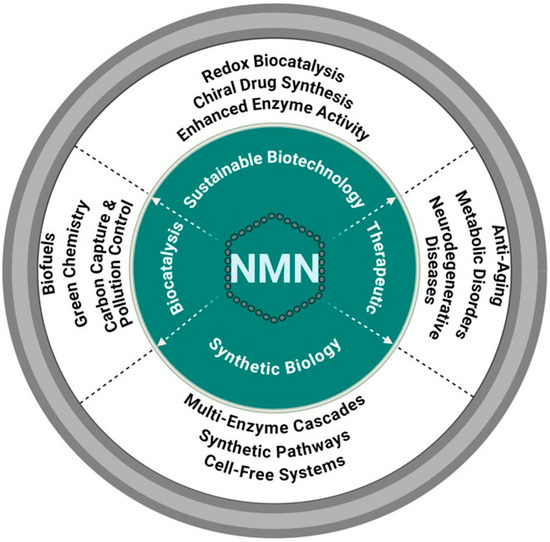
Among the many molecules attracting attention, nicotinamide mononucleotide (NMN) stands out as a potential game-changer. Positioned as a precursor to NAD+ (nicotinamide adenine dinucleotide), a coenzyme essential to cellular energy and repair, NMN is now marketed as a nutraceutical that may slow age-related decline, boost vitality, and reduce disease risk. For Canadian health food retailers, understanding both the science and the regulatory landscape of NMN is vital before adding it to the shelves.

What Is NMN and Why Does It Matter?

NMN is a bioactive form of vitamin B3 found in trace amounts in broccoli, avocado, cabbage, and shrimp. Inside the body, it is converted into NAD+, a molecule critical to mitochondrial energy production, DNA repair, and cell survival. NAD+ levels decline significantly with age, contributing to fatigue, cognitive impairment, inflammation, and vulnerability to metabolic disorders.

Supplementing with NMN may restore NAD+ levels, potentially reversing aspects of biological aging. Animal studies suggest improvements in insulin sensitivity, blood flow, cognitive performance, and cardiovascular health. Early results from human clinical trials indicate NMN is well-tolerated and may enhance glucose metabolism and muscle insulin sensitivity in older adults.

For consumers increasingly interested in “biohacking” and longevity, NMN represents the next frontier after antioxidants, collagen, and resveratrol.

The Science So Far

1. Preclinical promise
Rodent studies consistently show NMN supplementation supports energy metabolism, improves vascular function, and delays neurodegenerative changes linked to Alzheimer’s disease. Some studies even suggest NMN may restore fertility and protect against kidney and liver damage in aged animals.

2. Early human data
A handful of small clinical trials from Japan and the United States have reported that NMN supplementation (100–500 mg daily) is safe and can have a positive effect on insulin sensitivity and lipid metabolism. Importantly, no serious adverse events have been reported.

3. Safety gaps
Despite the optimism, experts caution that long-term safety and efficacy in humans remain unclear. Unlike nicotinamide riboside (NR)—another NAD+ precursor that has achieved FDA “Generally Recognized as Safe” (GRAS) status—NMN has not yet passed rigorous toxicological and regulatory hurdles in most jurisdictions. Over-the-counter NMN products vary widely in purity and potency, and some brands market megadoses of 500 mg or more without adequate evidence of safe usage.

Regulatory Status

Yes. Health Canada recognizes NMN as a Natural Health Product (NHP).

  • Health Canada has published an official NMN monograph, listing permitted uses, dosage forms, and acceptable health claims such as supporting antioxidant activity and energy metabolism.
  • To be legally sold, NMN supplements must carry a Natural Product Number (NPN), confirming they have been reviewed for safety, efficacy, and quality.
  • NMN supplements are already available in Canada, but only those with an NPN are compliant with federal regulations. Retailers should verify this number on product labels before stocking.
  • Marketing claims must follow Health Canada’s approved language. Suggesting NMN cures or prevents diseases like Alzheimer’s would exceed what is currently permitted.
  • Importing NMN supplements from abroad requires compliance with Canadian standards; shipments that do not comply risk seizure at the border.

This makes Canada unique compared to other regions:

  • In the United States, NMN is not currently FDA-approved, and its status as a dietary supplement is contested.
  • In the European Union, NMN is not authorized as a novel food and therefore cannot be legally marketed as a dietary supplement.

For Canadian retailers, the key takeaway is simple: yes, NMN is approved—but only under strict NHP regulations.

Opportunity and Oversight

The global anti-aging supplement market is expected to exceed US$100 billion by 2030, with NAD+ precursors such as NMN and NR leading the pack. Consumer interest in cellular rejuvenation products is strong, particularly among adults over 50 and wellness enthusiasts in their 30s and 40s who are proactively seeking longevity solutions.

For health food store owners, NMN presents both a growth opportunity and a reputational challenge:

  • High margins: NMN capsules typically retail between $60 and $120 per bottle, with dosage recommendations ranging from 150 mg to 500 mg per day.
  • Premium positioning: NMN aligns well with high-end supplement categories, including mitochondrial health, brain support, and metabolic wellness.
  • Consumer demand: Search trends and online sales platforms show rising consumer interest, particularly in North America and Asia.

But oversight matters. Stocking only NPN-approved products helps build customer trust and keeps your store compliant with Canadian law.

 Stocking NMN Responsibly

  1. Source from trusted suppliers
    Choose NMN brands with third-party testing, clear NPN licensing, and transparent manufacturing practices. Avoid grey-market imports that may lack safety verification.
  2. Educate consumers
    Position NMN not as a miracle cure, but as a promising supplement under active scientific investigation. Use shelf talkers and staff training to highlight both potential benefits (supporting energy, metabolism, and healthy aging) and limitations (limited long-term human research).
  3. Bundle with complementary products
    Consider pairing NMN with other longevity-focused supplements such as resveratrol, coenzyme Q10, and magnesium L-threonate, which target mitochondrial and cognitive health.
  4. Monitor emerging science
    Keep an eye on clinical trial results expected in the next 2–3 years, which will likely shape regulatory decisions and consumer confidence.
  5. Be transparent
    Many customers seeking anti-aging products are health-conscious seniors or middle-aged professionals who prioritize their well-being. They appreciate honesty around evidence gaps and will remain loyal if retailers provide credible, science-based guidance.

In conclusion

Nicotinamide mononucleotide (NMN) is one of the most talked-about nutraceuticals in the longevity space. For health food store owners, it represents a high-value product with strong consumer interest. In Canada, NMN has the added advantage of being approved under the Natural Health Product framework, making it legally available when properly licensed.

That said, NMN is still in the early stages of clinical research. While short-term studies suggest it is safe and beneficial, long-term data is lacking. Health food retailers can lead in this space by stocking NPN-approved products, educating consumers responsibly, and staying ahead of regulatory updates.

The demand for anti-aging solutions is expected to continue growing, making it crucial for natural health retailers to strike a balance between innovation and integrity.

DOSEOLOGY ACQUIRES FEED THAT BRAIN™ AND APPOINTS JOSEPH MIMRAN AS STRATEGIC ADVISOR

0

Doseology Sciences Inc. has entered into an asset purchase and sale agreement to acquire the Feed That Brain™ (FTB) division from Joseph Mimran & Associates Inc. for a total consideration of $400,000, structured through the issuance of company securities. The acquisition includes FTB’s full suite of assets, including intellectual property, distribution agreements, and branding rights.

Founded by Forbes-recognized wellness innovator Rena R. Dempsey, FTB specializes in cognitive performance and “beauty-from-within” supplements. This acquisition positions Doseology to accelerate the Canadian rollout of its clean energy pouches, reinforcing its strategy to lead in wellness-driven performance and nicotine harm reduction formats.

In conjunction with the acquisition, Doseology has appointed retail visionary Joseph Mimran as a strategic advisor under a three-year agreement. Mimran, known for building and revitalizing brands such as Kit and Ace, Tilley, and Mastermind Toys, will provide high-level guidance on brand development, retail strategy, and growth execution.

“Doseology is building something both innovative and timely,” said Mimran. “I’m excited to work alongside the team in shaping a brand that redefines how energy and performance can be delivered.”

The transaction remains subject to regulatory approval and customary closing conditions.

AG1 Expands Portfolio with Launch of AGZ, Its First New Product in 15 Years

0

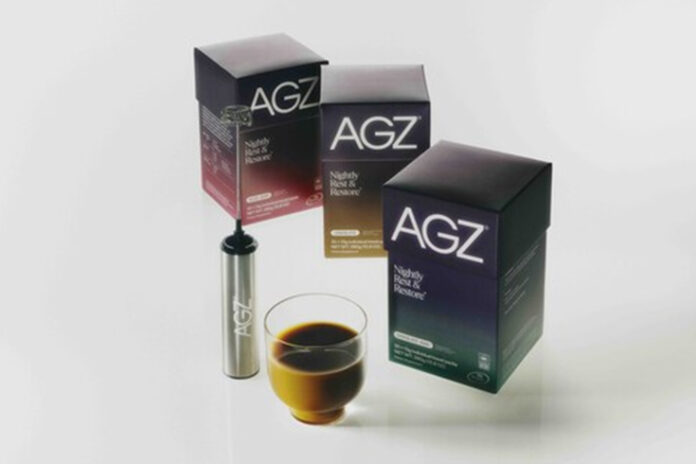
Designed with a clinically researched blend of adaptogens, herbs, and minerals, AGZ supports the body’s natural rhythm across three key phases of rest: winding down, deep sleep, and waking refreshed.

Unlike traditional sleep aids, AGZ is a melatonin-free formula, leveraging research-backed ingredients including Magtein® magnesium L-threonate, saffron, L-theanine, ashwagandha, valerian, and lemon balm. These components have been clinically shown to reduce stress, calm the nervous system, and promote restorative sleep cycles without dependency.

AG1 CEO Kat Cole explained that the move into sleep support is a direct response to customer demand and emerging science. “In addition to the growing research on the impact sleep has on overall health, thousands of customer conversations over the years made it clear that foundational nutrition was just the beginning of our opportunity, and sleep issues were a huge need we could address,” said Cole. “With the launch of AGZ, our second all-new product, we continue supporting customers’ health journeys, now both morning and night.”

AGZ complements AG1’s original daily formula by establishing a full-circle wellness routine — AG1 fuels energy and focus throughout the day, while AGZ enhances nightly rest and recovery. The product is NSF Certified for Sport®, ensuring rigorous safety and quality standards. It contains no added sugars, artificial colours, flavours, or binders, making it suitable for a broad consumer base, including elite athletes and health-conscious professionals.

Designed for nightly use, AGZ comes in a convenient powdered format, formulated to mix with as little as four ounces of liquid. Available in three flavours — Mixed Berry, Chocolate, and Chocolate Mint — AGZ is free of artificial sweeteners and crafted to integrate seamlessly into consumers’ evening rituals.

Since its founding in 2010, AG1 has built a global following among wellness enthusiasts, health professionals, and athletes. Following recent product innovations like AG1 Next Gen and AG1 Flavours, as well as expanded retail distribution through Costco, the launch of AGZ underscores AG1’s commitment to offering holistic solutions that support whole-body health around the clock.

Prevent Childhood Obesity The Retailer Playbook

0

Childhood obesity remains a pressing concern in Canada, with combined overweight and obesity rates higher in adolescents than in younger children, and prevalence roughly double what it was in the late 1970s. Retailers are uniquely positioned to turn the latest health science into everyday choices—on shelves, at the till, and through family education moments.

What the latest science says (and what it means for your aisles)

Diet quality is more important than ever. Ultra-processed foods dominate the diets of Canadian children and teens and are strongly linked to excess energy intake and weight gain. Studies show that when offered ultra-processed meals, people tend to consume significantly more calories compared to when they eat minimally processed foods—even if the meals have the same calorie and nutrient profiles on paper. This means that curating whole-food, minimally processed options is not just a branding choice for retailers—it’s a direct way to support prevention.

Sugary drinks remain one of the easiest wins for obesity prevention. Consistent evidence links sugar-sweetened beverages with higher body mass index, waist circumference, and body fat in children and teens. Merchandising more low- or no-sugar beverage sets, and placing water and unsweetened options at child eye-level, can make a measurable difference in family buying habits.

Sleep is now recognised as a major metabolic factor. Children and adolescents who regularly get insufficient sleep tend to have higher rates of overweight and obesity, alongside greater cravings for high-sugar, high-fat foods. Creating in-store wellness sections with gentle sleep-support teas, bedtime routine guides, and natural relaxation products—paired with clear messaging that families should discuss new routines with healthcare providers—can position retailers as holistic health partners.

Clinical guidance has shifted toward early, proactive management of childhood obesity. Experts now recommend family-centred lifestyle interventions as a first-line approach, with a focus on dietary quality, physical activity, sleep hygiene, and behavioural support. For retailers, this creates an opportunity to align product selections and promotions with these priorities, making the healthy choice the easy choice.

Early-life nutrition: small hinges, big doors

Breastfeeding and responsive feeding behaviours are associated with lower risk of later obesity, with benefits extending into later childhood. Retailers can support parents by offering lactation-friendly snacks, breast-pump rental or purchase programs, and educational resources on feeding cues. In the baby aisle, signage and displays can highlight the value of feeding to hunger and stopping at satiety.

From around six months, repeated exposure to varied flavours helps infants accept vegetables, pulses, and whole grains. Merchandising “first foods” kits that bundle iron-rich cereals or legumes with pureed vegetables and a guide for flavour rotation can encourage parents to start healthy habits early. The emphasis should be on normalising whole-food variety, not promoting novelty snacks.

The retailer playbook: evidence-aligned merchandising that sells

Lunchbox Upgrade Endcaps – Replace ultra-processed convenience snacks with whole-grain wraps, hummus cups, nut-free seed butters, lentil salads, and unsweetened yoghurts. Place bottled water and unsweetened drinks alongside to nudge families away from sugary beverages. Use shelf-talkers like “No added sugar” or “At least 3 g fibre per serving,” and include a “build-a-lunch” guide at checkout.

Drink Smart Coolers – Stock water, unsweetened milks, and small-format 100% juices at eye level for children. Place higher-sugar beverages lower down and away from prime sightlines. Offer clear portion cues to help families right-size juice servings.

Family Fibre & Protein Bays – Group canned beans, lentil pasta, oats, chia, Greek yoghurt, and tinned fish alternatives together. Provide recipe cards for quick, nutritious meals like overnight oats or ten-minute grain bowls that keep children fuller for longer.

Sleep & Screen-Smart Displays – Merchandise caffeine-free teas, magnesium bath flakes, and evening wind-down guides in the wellness section. Use educational signage to explain the link between healthy sleep routines, reduced screen time, and metabolic health.

Move as a Family Promotions – Host weekend activity challenges, skipping-rope giveaways, or after-school walking clubs in partnership with local community groups. Pair event promotions with displays of hydration products and wholesome grab-and-go snacks.


Finally, train staff to recognise teachable moments. When parents ask for “healthy snacks,” staff should be able to recommend minimally processed choices, explain portion cues, and gently remind customers about the importance of sleep and activity—helping position the store as a trusted health resource.

Merchandising the Gut–Mood Category: Turning Clinical Trends into Retail Wins

0

The gut–brain connection is no longer fringe—your customers already know the language, and many walk in asking for specific psychobiotic strains or barrier-support nutrients by name. The challenge for seasoned health retailers isn’t whether to stock the category, but how to structure, position, and turn it into a repeatable revenue driver without slipping into overclaim territory.

Over the past five years, “intestinal permeability” has shifted from an obscure research term into a consumer keyword, even if they still call it “leaky gut.” Food sensitivities, low-grade inflammation, and mood dysregulation are increasingly framed as a connected cluster. For the trade, that means a category play that straddles digestion, mood, and functional nutrition—and demands a merchandising approach that reflects both the science and the psychology of the buyer.

Product Architecture and Merchandising Strategy

Psychobiotic probiotics remain the anchor SKU. The combination of Lactobacillus helveticus R0052 and Bifidobacterium longum R0175 continues to lead in published data for stress modulation and mild anxiety, making them the strain profile to highlight. The difference between moving units and letting them gather dust often comes down to whether you call out the strain codes in signage. With a category-savvy consumer, label literacy is a trust trigger. Make it impossible for them to miss those codes on the shelf.

Prebiotics—especially galacto-oligosaccharides (GOS)—are the logical upsell and cross-sell. Position them as a functional companion that feeds the right bacteria for gut–mood outcomes. Stock GOS in clean powders or sachets, not buried in blends where the dose disappears into a proprietary label. Merchandising GOS adjacent to psychobiotics in a two-product bundle has shown a consistent lift in basket size for stores that trialled the set.

Barrier-support nutrients like glutamine and zinc-carnosine are your third tier. They’re not as sexy in marketing, but they’re indispensable for the customer already deep into gut repair protocols. For them, you don’t need to explain “why glutamine”—you need to ensure the SKU you carry is clinically relevant in dose and format. Low-excipient powders and capsule options let you cater to both high-compliance and high-convenience shoppers.

Display strategy is where seasoned retailers separate themselves. A “Gut–Mood Connection” endcap is the most efficient footprint for the category, but the layout matters. Place your psychobiotics top-shelf and at eye level. Prebiotics should sit directly below, ideally in a clean, single-brand or single-format block for visual authority. Anchor with barrier-support nutrients at the base, where the most committed customer will still look. Keep the entire section merchandised with vertical brand blocking, not scattered by category—shoppers follow the solution, not the supplier.

Education, Timing, and Messaging for Repeat Business

In this category, the customer segment you’re attracting is already self-educated, so in-store materials should go deeper than “supports gut health.” They want timelines, synergies, and specific nutrient forms. A laminated quick-reference for staff—listing SKUs, strain codes, active doses, and typical use protocols—turns every floor interaction into a high-value conversation.

The seasonality of this category is worth noting. September and January remain the two highest-conversion windows for gut–mood products, aligning with stress transitions and “reset” mindsets. Tying bundle promotions to these periods, with a modest discount on the full three-part protocol, will push trial while maintaining margin.

Messaging needs to be precise. Your audience has already read the blogs, watched the webinars, and compared products online. They’re not coming to you for the headline—they’re coming to validate their choice. That means stripping fluff and replacing it with the differentiators that matter: strain specificity, clinically relevant dosing, clean formulations, and synergistic combinations.

Executed well, this is not a small adjunct to digestion or mood support—it’s a standalone destination category with the potential for high repeat purchase rates, strong average order values, and deep brand loyalty. In an increasingly competitive retail landscape, building authority in gut–mood merchandising is as much about operational discipline as it is about product knowledge. The customers are already primed. Your job is to make the choice obvious, the results consistent, and the return visit inevitable.

The gut–mood category has evolved from an emerging health trend into a retail powerhouse. Today’s shoppers are walking into stores already asking for specific probiotic strains, targeted prebiotic fibres and barrier-support nutrients by name. This is not about teaching the basics—it’s about mastering the merchandising strategy that meets their expectations, reinforces your authority and keeps them coming back.

In our latest IHR Magazine feature, we explore how to build a three-tier product mix that anchors with psychobiotics, layers in functional prebiotics and finishes with barrier-support nutrients in clinically relevant formats. We look at how to design an endcap that guides the shopper’s journey and keeps the focus on the solution rather than the supplier. We show why precise, clinically literate messaging is essential for validating customer choices and positioning your store as the most credible source in the market. And we explain how to capitalize on seasonal peaks like September and January with bundled promotions that not only boost trial but also protect margins.

Gut–mood products are no longer just a subcategory of digestion—they have become a destination category with some of the highest average order values, loyalty potential and year-round relevance in natural health retail. The only real question is not if you should own this space, but how well you will execute it.

Targeted Herbal Protocol Reverses Early Insulin Resistance in a Lean Adolescent Athlete

0

Athletic performance setbacks are often attributed to training intensity, injury, or suboptimal conditioning, but less frequently to early metabolic dysfunction. A recent case from Dr. Anjanaa Subramanian, MD (Natural Medicine), CFMP, MPT, PGDHM, demonstrates why clinicians working with young athletes should also investigate subtle biochemical imbalances and dietary insufficiencies that may impair performance long before overt disease manifests.

The Case:
A 16-year-old competitive swimmer presented with central adiposity, elevated body fat (32% by DEXA), slow post-exercise recovery, and persistent brain fog. Despite rigorous training and adherence to a high-protein diet, she was experiencing reduced athletic performance and mental focus.

Functional testing revealed a fasting insulin of 11 μIU/mL, indicative of early insulin resistance—a finding that can be easily missed in lean adolescents, especially those with athletic physiques. Her dietary profile was skewed toward animal protein with limited phytonutrient and fibre intake, a factor that, combined with high training load, may have contributed to metabolic inflexibility, adrenal strain, and low-grade inflammation.

The Intervention:
Dr. Subramanian implemented a multi-pronged functional medicine protocol, anchored by a personalized herbal adaptogenic blend including Withania somnifera (ashwagandha), Bacopa monnieri (brahmi), Tinospora cordifolia (guduchi), Glycyrrhiza glabra (licorice), Rubia cordifolia (manjistha), and Asparagus racemosus (shatavari). These botanicals were selected for their synergistic effects on cortisol modulation, mitochondrial support, neuroinflammation reduction, and insulin sensitivity.

Nutritional adjustments focused on increasing fibre, plant diversity, and phytonutrient density through seasonal vegetables, legumes, soaked seeds, and fermented foods. Low-glycaemic fruits were added to support antioxidant intake without spiking blood sugar. A regimen of breathwork and yoga complemented the plan, targeting autonomic balance and recovery optimization.

The Outcome:
After 12 weeks, the patient’s fasting insulin dropped to 6 μIU/mL. Visceral fat decreased to 25%, cognitive clarity improved, and post-training recovery times shortened. Importantly, the swimmer reported renewed confidence and stamina in competition settings.

Why It Matters:
This case underscores the importance of evaluating metabolic, neuroendocrine, and gut–immune function in adolescent athletes presenting with unexplained fat gain, plateaued performance, and recovery challenges. Even in the absence of overt disease, functional medicine interventions—particularly when incorporating targeted herbal therapeutics—can recalibrate metabolism and restore peak performance potential.

Clinical Takeaway:

  • Early insulin resistance can occur in lean, high-performing athletes.
  • Poor dietary diversity and fibre insufficiency may contribute to metabolic inflexibility.
  • Herbal adaptogens and plant-forward nutrition can deliver measurable improvements in insulin sensitivity, fat distribution, and cognitive performance.

Dr. Subramanian’s integrative approach bridges the gap between modern diagnostics and time-tested botanicals, offering a model for sports practitioners seeking to address under-recognised drivers of performance decline in youth athletics.

IHR Plugin Decentralized Inventory and AI Marketing for Retailers

0

In today’s fast-paced retail environment, consumer expectations for rapid delivery and a seamless shopping experience have never been higher. Small and midsize retailers often find themselves squeezed between the high operational costs of maintaining large inventories and the convenience offered by e-commerce giants. The IHR Magazine Plugin is poised to change that dynamic by enabling any existing website—no coding required—to tap into a decentralized network of inventory, streamline dropshipping, and leverage AI-driven marketing tools.

Decentralized Fulfillment: Speed and Savings

Imagine a customer placing an order on your site and, within moments, that order is routed to the nearest store or warehouse that carries the item. Because each participating retailer becomes a micro-warehouse, shipping times shrink and freight expenses drop. This proximity-based fulfillment not only delights shoppers with faster delivery but also saves margins for sellers by reducing shipping overhead.

Small retailers can now offer an “infinite shelf” of products drawn from wholesalers, manufacturers, and peer stores without the upfront investment in stock. Rather than turning away business because you lack a particular SKU, you can display a broader catalogue and fulfill orders either through a partner retailer or via direct dropshipping from the vendor. In either case, the plugin handles everything — from order routing and label creation to tracking updates and automated payments — seamlessly integrating into your existing storefront.

AI-Driven Marketing at Your Fingertips

Marketing is reimagined with built-in AI-powered content generation that converts product data into optimized descriptions, social media posts, email campaigns, and ad creatives in a single click. Whether your next promotion runs on Facebook, Instagram, TikTok, or Google Ads, you can skip the lengthy back-and-forth with copywriters and designers. Instead, you press “publish,” and the system delivers SEO- and conversion-ready assets directly to your advertising channels.

Crucially, brands retain control. Vendors set minimum advertised prices, define which retailers can sell their products, and manage exclusivity by region or channel. This ensures consistent pricing and brand integrity across the network, while retailers always know the rules for each product they list.

Despite its powerful capabilities, the plugin is free to install and activates in minutes—no new website, no development backlog. Once live, retailers choose a subscription plan tailored to their needs, backed by transparent, volume-based fees. Transaction commissions fall between 2 percent and 5 percent, advertising spend through the platform carries a 10 percent fee, and monthly plans range from $99 to $2,999. All charges and payouts appear in a unified dashboard, giving every retailer immediate visibility into margins, fees, and performance metrics.

As supply chains diversify and consumers grow less patient with delayed deliveries, retailers can no longer afford to operate in isolation. By joining the IHR Magazine Plugin network, stores of any size gain instant access to shared inventory, streamlined dropshipping, and hands-off marketing automation — all powered through a simple plugin on their existing site.

Today’s question isn’t whether you can afford to adopt this technology — it’s whether you can afford not to. Visit IHRMagazine.com to join the free waitlist and begin reimagining what your store can achieve. Be sure to register now for first-launch access in Winter 2025/2026.

The Forgotten Role of Tannins in the Nitrogen Economy

0

For decades, the health supplement industry has treated plant tannins primarily as antioxidant compounds. But a groundbreaking body of ecological research is shifting that view, showing how tannins act as gatekeepers in one of nature’s most vital processes: the nitrogen cycle.

In a study published in Trends in Plant Science (2025), scientists have uncovered how tannins play a critical role in stabilizing nitrogen in forest soils. These findings don’t just redefine ecological theory—they also present new implications for sustainable ingredient sourcing and functional supplement design in Canada.

From Polyphenols to Soil Architects

Tannins are naturally occurring polyphenols found in a wide array of botanicals—from green tea and cranberries to oak and pine bark. While their astringency and antioxidant potential have made them a staple in natural health products, their biochemical behaviour in ecosystems goes much deeper.

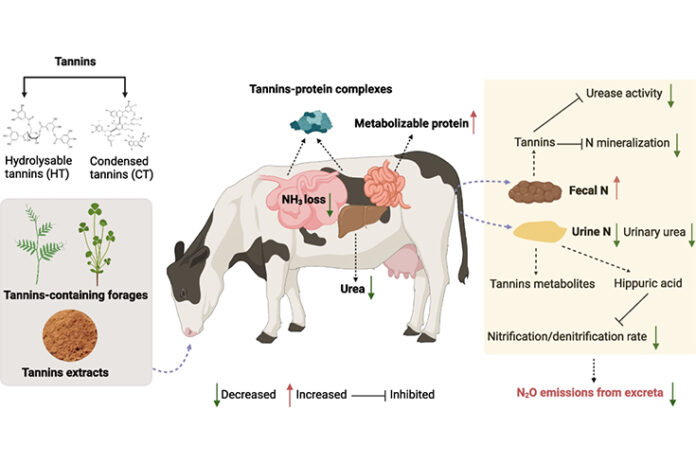
According to Inderjit and colleagues, plant tannins bind with organic nitrogen (N) compounds in soil, forming stable complexes. These complexes, once thought inert, are now seen as key reservoirs of bioavailable nitrogen, especially in the temperate and boreal forests that cover much of Canada.

This matters because nitrogen is a fundamental nutrient for plant growth. Yet, in natural ecosystems, most nitrogen exists in organic forms—proteins, amino acids, and microbial by-products—not just in the nitrate and ammonium ions familiar to agronomists.

The Fungi Connection: Unlocking Bound Nitrogen

So, how do plants access nitrogen locked in these tannin complexes?

The answer lies in symbiosis. Specifically, with ectomycorrhizal (EcM) and ericoid mycorrhizal (ErM) fungi, two groups of root-associated fungi that dominate Canadian forest ecosystems. These fungi produce powerful enzymes and oxidative agents capable of breaking down tannin–organic N complexes, releasing nitrogen in a usable form to the host plant.

This is more than soil chemistry—it’s a high-efficiency nutrient distribution network, one that has evolved over millennia and could guide the future of organic and regenerative agriculture, as well as next-generation supplement development.

Relevance to the Canadian Health Supplement Industry

For Canadian formulators, brand owners, and raw ingredient buyers, this research has practical implications on multiple levels:

  1. Sustainable Sourcing:
    Botanicals grown in tannin-rich, fungi-rich soils may exhibit different nutrient and polyphenol profiles than their conventional counterparts. Ingredient suppliers should consider mycorrhizal dynamics and soil biodiversity when assessing quality and sustainability claims.
  2. Standardized Extract Development:
    If tannin-binding influences nutrient profiles in plants, extract manufacturers may need to revisit their standardization protocols. For instance, oak bark extracts standardized to tannins could be evaluated not just for antioxidant strength but also for their bound nitrogen content or interactions with gut microbiota.
  3. New Functional Claims:
    The relationship between tannins and nitrogen cycling may unlock future functional claims around gut health, metabolic support, and plant-based protein assimilation—especially as consumers seek more eco-conscious, soil-aware supplements.
  4. Climate Resilience & Canadian Forestry:
    With climate change affecting forest composition and soil microbiota, understanding tannin–N interactions becomes critical. Brands sourcing from Canadian forests should assess how shifts in plant communities (e.g., EcM vs. AM tree dominance) might affect ingredient consistency over time.

A Model for Resilient Ecosystems and Health Products

The study’s proposed framework for tannin–organic nitrogen cycling includes three major players: plant chemistry (tannin-producing species), soil microbes (particularly fungi), and environmental conditions (like pH, temperature, and land use patterns). Together, they create feedback loops that influence not just soil fertility but also plant community structures and even invasive species dynamics.

For the supplement industry, this model could be adapted to assess sourcing regions, inform regenerative cultivation practices, or design terroir-based marketing strategies—similar to those used in wine and specialty teas.

Scientific Limitations and Industry Opportunities

It’s worth noting that the science is still evolving. Field studies quantifying the exact percentage of plant nitrogen uptake from tannin complexes are limited, and measuring tannin–N complexes in soil remains technically challenging.

However, this emerging field offers immense potential for innovation. Companies that invest now in understanding tannin–N dynamics—through partnerships with ecological researchers or through soil-specific ingredient sourcing—will be well-positioned to differentiate their brands in a crowded marketplace.

Final Thoughts: Nature’s Lessons in Nitrogen

The Canadian health supplement industry has long drawn inspiration from nature—but the science of soil is telling a more intricate story than previously understood. Tannins, once relegated to the realm of antioxidants, are now being recognized as ecosystem engineers with tangible impacts on plant nutrition and ecological balance.

Incorporating this knowledge into your supply chain decisions, product development strategies, and consumer education campaigns will not only foster innovation, it will also align your brand with a deeper, more regenerative understanding of health.