NaturVet’s Lickable Supplements Make Cat Wellness Simple
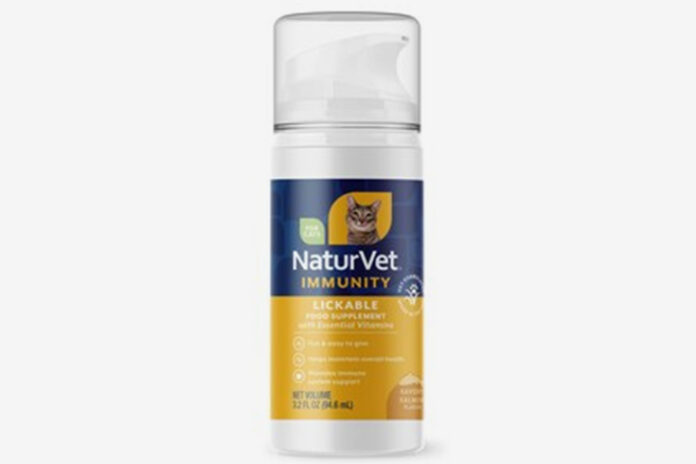
Cats can be particular about pills and powders. NaturVet, a leader in pet health and wellness innovation, has introduced a solution designed for real-world compliance: Lickable Supplements for cats. Available in Calming, Multi-Vitamin, and Hip & Joint, each (3 oz/89 mL) pump-dispensed formula supports common feline health needs in a convenient, mess-free format.
“Keeping your cat healthy has never been easier,” said Geoff Granger, CEO at NaturVet. “With a variety of formulas available, pet parents can choose targeted support without the struggle.”
Formulated by veterinarians and focused on simplicity and effectiveness, the line features proven actives commonly used in feline care, including glucosamine, MSM, hyaluronic acid, chamomile, melatonin, taurine, and hemp seed. The pump ensures easy delivery and consistent dosing—dispense into a dish or onto a lick mat and let the cat do the rest.
What’s in the Line
Calming: Tailored with melatonin, chamomile, and hemp seed to help ease tension during stressors such as travel, grooming, thunderstorms, or fireworks.
Multi-Vitamin: A daily foundation with essential vitamins and minerals that may be lacking in typical diets to support overall health and immunity.
Hip & Joint: Features glucosamine, MSM, and hyaluronic acid to help maintain healthy connective tissue and support hip and joint function—important for active and ageing cats alike.
Why It Matters for Retailers
Compliance-first format: Palatable, lickable texture increases acceptance and repeat purchase.
Clear need states: Calming, foundational nutrition, and mobility remain top demand drivers in pet supplements.
Pump the recommended amount (per label directions) into a cat’s dish or onto a lick mat. Use daily for ongoing support, and during specific stress events for Calming.
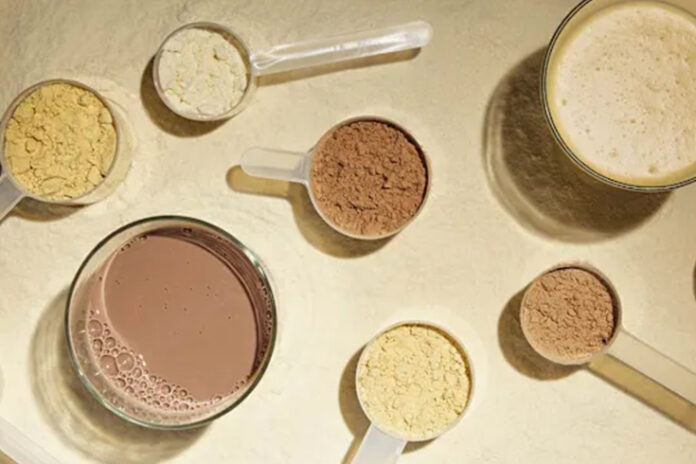
Consumer Reports has reignited the debate over heavy metals in protein supplements, reporting that more than two-thirds of 23 powders and shakes it tested exceeded its daily “level of concern” for lead (0.5 µg/day). Plant-based products were disproportionately affected.
Against that backdrop, Iovate Health Sciences International Inc. says the MuscleTech® protein powder included in the Consumer Reports investigation registered no detectable lead, based on the laboratory’s method detection limit. The company framed the result as validation of its quality-assurance programme, which includes ingredient sourcing controls, in-house verification, and accredited third-party testing.
Why this matters for Canadian health retailers
Heavy metal headlines create immediate questions at the shelf: Which brands are testing? What standards are they using? And what does “no detectable” actually mean? Consumer Reports’ findings will likely drive customers to ask for proof of testing and clear quality claims. For retailers, that makes supplier transparency—and documentation—non-negotiable.
What Consumer Reports found
Scope: 23 powders and ready-to-drink shakes across dairy, beef and plant sources.
Key takeaway: Most products exceeded CR’s 0.5 µg/day lead “level of concern”; two specific products were flagged for complete avoidance; others were recommended for limited consumption.
Trend: Compared with prior CR work, fewer products now show undetectable lead, and average lead levels appear higher—especially among plant-based options.
CR’s threshold is grounded in California Proposition 65 guidance and is more conservative than some federal perspectives; nonetheless, public-health agencies emphasise that no amount of lead exposure is risk-free.
“Undetectable” reflects a laboratory’s method detection limit—it does not assert absolute zero. Results can vary by batch, serving size, flavour matrix, and analytical method. Still, landing below detection in a high-profile, independent test is a strong quality signal consumers and trade buyers can understand. In this case, Iovate reports that the specific MuscleTech protein powder CR tested fell below the lab’s detection threshold for lead.
Inside Iovate’s quality playbook
Iovate (headquartered in Oakville, Ontario) highlights a multi-layer system: vetted suppliers, in-house verification, and independent lab testing for heavy metals like lead, aligned to recognised guidelines and industry best practices—aimed at protecting product purity from raw material to finished goods.
Retailer checklist: turning scrutiny into trust
Request Certificates of Analysis (COAs) per lot for heavy metals, including lead, cadmium, arsenic, and mercury.
Confirm testing methods and limits (e.g., ICP-MS) and whether results are expressed per serving and per daily use.
Ask about vendor controls: supplier qualification, ingredient traceability, and ongoing verification frequency.
Mind the claims environment: if products make broader health claims, ensure Canadian compliance (e.g., labelling, permissible claims) and keep documentation on file.
Educate staff: align talking points so your team can address consumer questions confidently—especially on “undetectable” versus “safe.”
The bottom line
With Consumer Reports placing protein powders under a magnifying glass, documented quality has become a frontline differentiator. For retailers, brands that can show their work—with third-party results and clear QA processes—will earn the benefit of the doubt. Iovate’s MuscleTech outcome in the CR testing provides one such proof point for buyers evaluating shelf space.
As per WHO, more than 1 billion women will experience menopause by 2025. Menopause transition is a life-changing phase that occurs between 45 and 55 years and can last from a few months up to 10 years (1, 2).
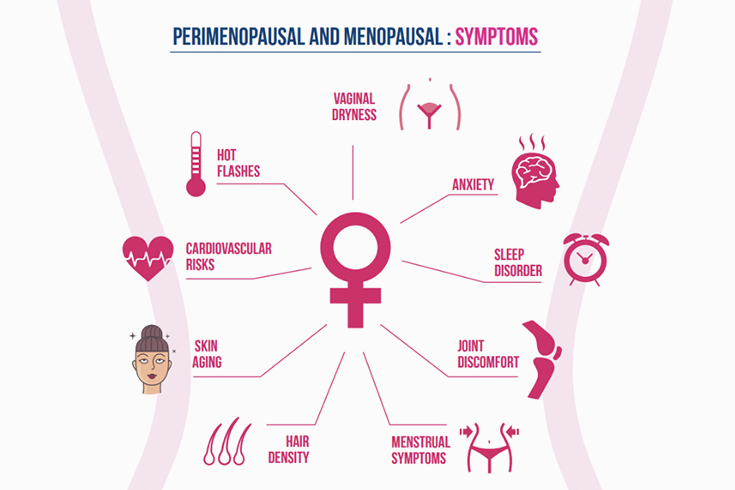
Menopause transition not only marks the end of fertile years, but it can also affect the whole body because of hormonal fluctuations. Vasomotor symptoms, specifically hot flashes and spontaneous sweats are considered the most frequent and most bothersome symptoms during menopause, affecting up to 80% of perimenopausal women (3). Hot flashes and spontaneous sweats during menopause transition can lead to sleep disruption and depressed mood – two other common symptoms of menopause transition. This results in fatigue, irritability, forgetfulness and decreased work productivity, all frequently described by perimenopausal women (3).
Other typical climacteric issues include an increased risk of cardiovascular problems, cognitive impairments, sexual dysfunction (vaginal dryness, loss of libido, dyspareunia), joint and muscle aches, hair and skin problems and impaired sense of attractiveness (4, 5). Interestingly, women from different cultures perceive the severity and mere occurrence of various symptoms very differently (6).
Hormone therapy (especially estrogen-progestogen preparations) has for a long time been a common way to treat menopausal symptoms. However, this treatment may cause an increased risk of severe adverse effects, including venous thromboembolism, strokes and even breast cancer (7). Thus, many women are looking for non-hormonal and natural ways to cope with the signs and symptoms of menopausal transition.
Pycnogenol®, French maritime pine bark extract is a natural antioxidant and anti-inflammatory food supplement, that was found to have beneficial properties for the various health impairments in perimenopausal women. It has been established that Pycnogenol® does not only improve menopausal symptoms but it also helps with cardiovascular, joint, skin and hair health without affecting hormone levels (8, 9).
Pycnogenol® relieves menopause transition without any impact on hormonal levels
Pycnogenol® relieves menopausal symptoms
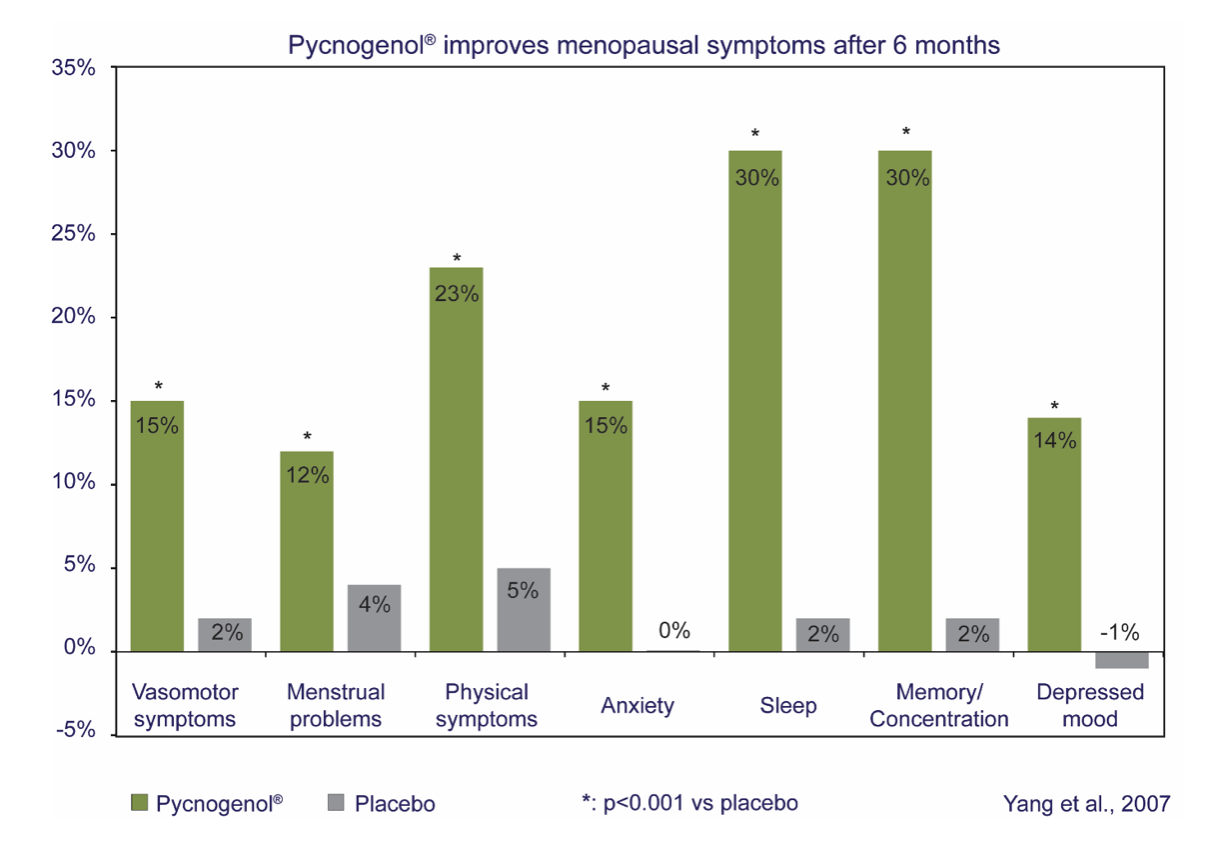
Pycnogenol® has demonstrated remarkable efficacy in addressing various conditions and disorders associated with menopause. Numerous studies have been conducted, involving nearly 600 menopausal women, to investigate the effects of Pycnogenol® on climacteric symptoms (9-13), providing substantial evidence of its benefits. A randomized, double-blind placebo-controlled 6-month study with 155 peri-menopausal women found all symptoms of the Women’s Health Questionnaire (WHQ) to be significantly improved in the Pycnogenol® supplementing subjects, as compared to placebo controls (10). The symptoms on the WHQ include somatic (tiredness, headache) and vasomotor problems (hot flashes, sweating), depressed mood, memory and concentration issues, attractiveness, anxiety, sexual behavior, sleep, and menstrual problems.
In another study, the symptoms of 70 women in menopausal transition were evaluated with 38 subjects being supplemented with 100 mg Pycnogenol® per day for 8 weeks (11). The scoring system included 33 common signs and symptoms of menopausal complaints, such as hot flashes, night sweats, mood swings, irregular periods, loss of libido and vaginal dryness, which were improved significantly after Pycnogenol® intake.
A significant efficacy of a low dosage of Pycnogenol® (60 mg daily) on climacteric symptoms could be shown in a randomized, double-blind placebo-controlled investigation with 170 women (9). In this study, the total menopause symptom score of the women was reduced by 17% compared to placebo control after 3 months, along with the improvement of arthritic or muscular pain, fatigue or sleep problems. In this study, blood plasma levels of different sexual hormones were investigated as well. The results showed that after Pycnogenol® intake, none of the hormone levels showed significant changes compared to baseline or placebo, providing further evidence of its safety.
The main symptoms of menopausal transition could be shown to be improved in a study with 70 women, who took Pycnogenol® for 8 weeks (12). Vasomotor symptoms, vaginal problems, cognitive impairment, and sleep disorders were significantly improved compared to baseline scores as well as to the control group.
A very recently published study on menopause compared the effects of Pycnogenol® to two other plant extracts that are commonly used against menopausal symptoms (13). Psychological as well as vasomotor and sexual symptoms were improved more with Pycnogenol® compared to the other tested extracts in the 90 postmenopausal women in the study.
Pycnogenol® maintains a healthy cardiovascular system
The frequency and severity of perimenopausal symptoms is associated with vascular dysfunction (14). This explains the increased risk of menopausal women for cardiovascular diseases (15). One of the vastly researched properties of Pycnogenol® is its positive effect on the vascular and endothelial health (10, 16-18). The suggested mechanism of action of Pycnogenol® is an activation of the endothelial nitric oxide synthase, which leads to an optimized NO generation (19, 20). This results in vasorelaxation and improved tissue perfusion.
Supplementation of peri-menopausal women with 100 mg Pycnogenol® per day for 6 months was shown to normalize high blood pressure and to improve blood lipid profile (12). Cardiovascular risk factors (homocysteine and CRP values) improved significantly, and plasma free radicals decreased significantly by 22%.
Similar beneficial effects on blood pressure and blood lipid profile were shown in another study on menopausal women who took Pycnogenol® for half a year, leading to a significantly reduced risk for cardiovascular diseases (10).
Pycnogenol® benefits mental fitness
Researchers have found a potentially important role of estrogen protecting neurons and ensuring neuronal function (21). This could explain a commonly described subtle cognitive decline during menopause (21). A healthy diet, physical activities, enough sleep and staying mentally active helps maintain a healthy cognitive function.
Several studies have shown that Pycnogenol® contributes to preserving healthy mental performances and to managing mild cognitive impairment (22-25). Attention, mental performance, memory, and daily tasks, like making decisions or coping with daily problems have been shown to be improved after supplementation with Pycnogenol®.
Pycnogenol® improves bone and joint health
Many menopausal women complain about increased joint pain and indeed, there are several hypotheses regarding the decreasing estrogen levels during menopause. As a consequence, osteoarthritis prevalence and severity increases during menopause (26). In studies with Pycnogenol®, it was observed that pro-inflammatory and degradation markers were significantly decreased after supplementation (27-31). Specifically, the metabolites that are produced after Pycnogenol® intake have been shown to prevent the release of inflammation markers and tissue degradation mediators. In addition, Pycnogenol® improved discomfort, stiffness, physical function and reduced the need for analgesic medication in patients presenting with signs of osteoarthritis (32-35). Metabolites of Pycnogenol® could be detected in the fluid around the knee cartilage, which explains the observed beneficial effects (36).
Pycnogenol® supports skin health and beauty
In over 20 published dermatological clinical investigations, Pycnogenol® was shown to provide numerous health benefits to the skin. These benefits include increased skin hydration, improved skin microcirculation, greater skin elasticity and decreased pigmentation, leading to a beautifully glowing skin appearance with less wrinkles (37-45).
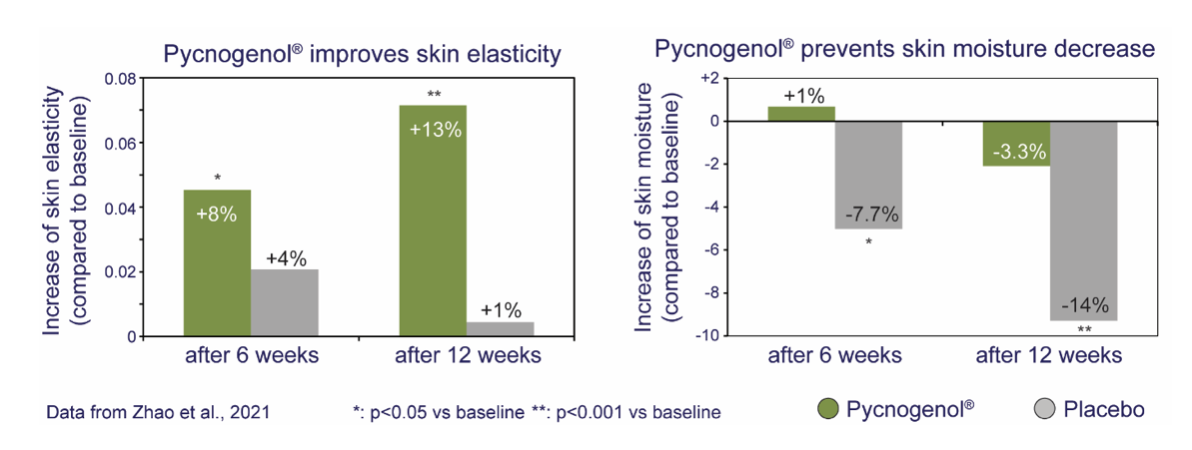
A placebo-controlled double-blind study investigated the effects of Pycnogenol® on the skin health of 78 subjects, who work outdoors in a highly polluted urban area. After 3 months, the skin barrier measured as water loss of the skin during the hot summer season was improved by 14% with Pycnogenol® supplementation and was increased by 5% with placebo (37). Thus, Pycnogenol® led to an improvement of skin moisture compared to placebo, which was additionally investigated. Furthermore, skin elasticity was shown to be improved by 13% after supplementation, compared to an increase of 1% in the placebo group.
Interestingly, clinical investigations of Pycnogenol® supplementation for 12 weeks with menopausal women, aged 55 to 68 years revealed increased hyaluronic acid synthase levels within the skin by 44%, leading to improved skin hydration (38). Hyaluronic acid synthase is the natural source of water-binding hyaluronic acid in the dermis, which moisturizes the skin from the inside, keeping it taut and smooth. Consequently, an average skin-hydration increase by 21% in the group of Pycnogenol® supplementation was found, particularly in women presenting with dry skin prior to Pycnogenol® intake. In this study, Pycnogenol® was also shown to improve skin elasticity by 25% and decrease skin fatigue by 30%. The results were paralleled by Pycnogenol®’s ability to generate skin´s connective tissue collagen in average by 40%. These very interesting results explain the efficacy of Pycnogenol® on skin hydration and elasticity.
In addition to stimulating the synthesis of new collagen, Pycnogenol® metabolites inhibit the release and activity of destructive enzymes (metalloproteinases 1,2 and 9), which break down dermal tissue proteins, like collagen or elastin (29, 30). The reduced activity of these lytic enzymes saves the connective tissues from degradation, representing the basis for maintaining an elastic, smooth and youthful looking skin.
To ensure sufficient supply of nutrients and oxygen to all parts of the skin, blood circulation of the micro vessels must be in good functional condition. Pycnogenol® was shown to improve capillary blood flow by 40%, indicating better microcirculation (39).
Melasma – dark spots on the skin – can be caused by UV exposure, by predisposed genetic background but also by female hormone fluctuation during menopause transition (46). Pycnogenol® was shown to reduce over-pigmentation and melasma resulting in a more even, bright looking skin (37, 40-43).
A recently published study investigated the depigmenting action of Pycnogenol® and found that tyrosinase activity was significantly reduced by 66.5% and other pigmentation-related mediators were downregulated in UV-light treated human melanocytes (40). Tyrosinase is an enzyme that activates the production of melanin – the pigments responsible for skin darkening. From their results, they conclude that Pycnogenol® “contribut[es] to the inhibition of pathways associated with skin hyperpigmentation”.
These findings of Pycnogenol®’s ability to counteract skin hyperpigmentation were clinically validated in another study (41). In this clinical trial with 20 women, oral supplementation with Pycnogenol® was shown to significantly lower UV-induced expression of the pigment synthesizing enzymes tyrosinase-related protein 1 by 75% and tyrosinase by 51%, which are both linked to long-lasting pigmentation.
In another clinical study, the oral intake of Pycnogenol® has been observed to reduce the “melasma area and severity index” by 58% in 31 Brazilian women after 90 days (42). Additionally, the “melasma quality of life scale” was significantly improved by 29% and 94.5% of the patients experienced subjective improvement.
In the study on urban outdoor workers, mentioned before, Pycnogenol® improved skin lightening significantly by 13.8% after 12 weeks of supplementation (37). In the placebo group, subjects experienced a slight decrease in skin lighting due to sun radiation and pollution, reflecting a significant increase in skin color. Skin color lightening was assessed on the cheeks of the participants by the individual typology angle (ITA°), which is an objective classification of the skin color in dermatology and cosmetology.
Furthermore, a study with 30 women with melasma reported a fairer skin complexion with 22% lower pigment intensity following four weeks intake of Pycnogenol® (43). Additionally, Pycnogenol® was shown to effectively decrease the area of over-pigmented skin by 38%, leading to smaller spots.
Skin ageing processes are highly accelerated by exposure of skin to UV radiation. In a clinical trial, Pycnogenol® was shown to increase the resistance of participant’s skin to solar UV exposure, needed to trigger skin redness (minimal erythema dose) (44). Different doses of oral Pycnogenol® supplementation to 21 healthy volunteers with fair skin showed significant photo-protective effects, increasing the minimal dose of light needed to produce erythema (skin reddening) dose-dependently by 60% and 85% respectively.
The results of these studies suggest that Pycnogenol® provides potent photo-protective and melasma-reducing effects from inside out, in addition to topical skin protection and shadowing.
Pycnogenol® improves hair quality
Some menopausal women will experience noticeable changes to hair quality and density during menopause. Those menopausal changes may include hair loss, hair thinning, reduced hair growth and density as well as altered hair quality and structure (47).A 2022 study found that more than half of menopausal women experience female pattern hair loss (48).
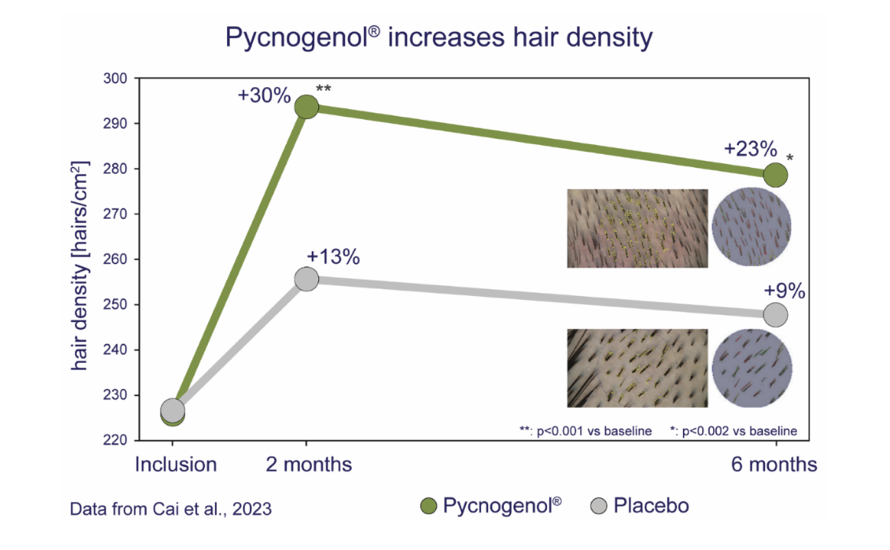
A recently published double-blind, randomized, placebo‐controlled study reveals a natural, safe and effective path for women who face hair thinning (49). The study was conducted for 6 months with 76 healthy menopausal women between 45 and 60 years. Remarkably, oral intake of Pycnogenol® led to a significant increase of hair density of 30%, compared to baseline and of 15% compared to placebo after 2 months. The effects of Pycnogenol® stayed on a highly improved level after longer supplementation.
In addition, the study showed that Pycnogenol® significantly reduced water loss from the skin of subjects’ scalp, compared to the placebo group. This leads to a better regulated scalp skin moisture balance for healthier hair and scalp.
The study also confirmed that Pycnogenol® intake positively affects microcirculation in the skin, leading to a better supply of nutrients and oxygen to the hair follicle.
According to a questionnaire in a previously published study with peri-menopausal women, Pycnogenol® reduced hair loss complaints by 31% after 8 weeks (11).
There are several mechanisms of action that can explain Pycnogenol®’s efficacy for hair health and beauty. Healthy microcirculation is vital for maintaining good hair quality as it leads to a well-functioning supply of nutrients and oxygen to the scalp and the hair follicles.
In several previously published studies, Pycnogenol® was shown to improve circulation in small blood vessels in the body, like the very fine micro vessels in the skin, fingertips and in the inner ear or the retinal capillaries in the eye (39, 49-55).
In addition, Pycnogenol® protects hair follicles by capturing free radicals, generated either by stress, sun rays, pollution, or inflammation. In many studies, it was shown that Pycnogenol® has potent anti-inflammatory (28, 29, 31) and strong antioxidant activities (10, 16, 25, 56-60).
Pycnogenol® for urinary tract infection symptoms
Women are 8-times more likely to get a urinary tract infection (UTI) (61). (Post-) menopausal women are at an even higher risk, as the lowered levels of estrogen can lead to a decreased production of antimicrobial peptides and proteins in the bladder (62).
Recently, it could be shown that Pycnogenol® intake has beneficial effects on the signs and symptoms and number of recurrent UTIs in women (63, 64). Interestingly, even more so as the traditionally used cranberry extract. Again, this can be explained by the strong anti-inflammatory and antioxidant effects of Pycnogenol®.
Pycnogenol® French maritime pine bark extract is a safe, natural, hormone-free and evidence-based solution to effectively relieve the main menopausal symptoms as well as several health and beauty impairments commonly reported by ageing women.
Article written by Dr. Franziska Weichmann, Manager of Scientific Communications and Product Development at Horphag Research.
About Pycnogenol
Pycnogenol® is a French maritime pine bark extract studied as a hormone-free option for menopause. Evidence suggests it may reduce hot flashes, support sleep and mood, and benefit skin, hair and cardiovascular health—without changing hormone levels. It’s a complementary approach for women seeking non-hormonal relief.
People Also Ask (FAQ)
What is Pycnogenol® and how might it help in menopause?
Pycnogenol® is a standardized pine bark extract rich in procyanidins. Studies suggest it can ease vasomotor symptoms (hot flashes, sweats), support sleep and mood, and help skin, hair and cardiovascular markers during menopause—without altering sex-hormone levels.
Is Pycnogenol® hormone-free?
Yes. Clinical data indicate Pycnogenol® provides symptom relief without significant changes to sex-hormone levels, making it a non-hormonal option for women who can’t—or prefer not to—use hormone therapy.
Which menopause symptoms does Pycnogenol® address?
Research reports improvements in hot flashes, sleep quality, mood and cognitive performance, plus benefits for skin hydration/elasticity, hair density and select cardiovascular risk markers.
How long until benefits are noticed?
Timelines vary by outcome and dosage, but trials commonly report changes within 8–12 weeks, with additional benefits over 3–6 months alongside healthy lifestyle habits.
Can Pycnogenol® be taken with other supplements?
Often, yes, but combinations should be individualised. Readers should consult a qualified health professional, especially if using prescription medicines or managing chronic conditions.
2. McKinlay SM, Brambilla DJ, Posner JG. The normal menopause transition. Maturitas. 1992;14(2):103-15.
3. Nappi RE, Siddiqui E, Todorova L, Rea C, Gemmen E, Schultz NM. Prevalence and quality-of-life burden of vasomotor symptoms associated with menopause: A European cross-sectional survey. Maturitas. 2023;167:66-74.
4. Wu JM, Zelinski MB, Ingram DK, Ottinger MA. Ovarian Aging and Menopause: Current Theories, Hypotheses, and Research Models. Experimental Biology and Medicine. 2005;230(11):818-28.
5. Woods NF, Mitchell ES. Symptoms during the perimenopause: prevalence, severity, trajectory, and significance in women’s lives. Am J Med. 2005;118 Suppl 12B:14-24.
6. Richters JMA. Menopause in Different Cultures. Journal of Psychosomatic Obstetrics & Gynecology. 1997;18(2):73-80.
7. Beral V, Peto R , Pirie K , Reeves G. Type and timing of menopausal hormone therapy and breast cancer risk: individual participant meta-analysis of the worldwide epidemiological evidence. Lancet. 2019;394(10204):1159-68.
8. Oliff H. American Botanical Council – Scientific and clinical Monograph for Pycnogenol. ABC. 2019:1-46.
9. Kohama T, Negami M. Effect of low-dose French maritime pine bark extract on climacteric syndrome in 170 perimenopausal women: a randomized, double-blind, placebo-controlled trial. J Reprod Med. 2013;58(1-2):39-46.
10. Yang HM, Liao MF, Zhu SY, Liao MN, Rohdewald P. A randomised, double-blind, placebo-controlled trial on the effect of Pycnogenol on the climacteric syndrome in peri-menopausal women. Acta Obstet Gynecol Scand. 2007;86(8):978-85.
11. Errichi S, Bottari A, Belcaro G, Cesarone MR, Hosoi M, Cornelli U, et al. Supplementation with Pycnogenol® improves signs and symptoms of menopausal transition. Panminerva Med. 2011;53(3 Suppl 1):65-70.
12. Luzzi R, Belcaro G, Hosoi M, Feragalli B, Cornelli U, Dugall M, et al. Normalization of cardiovascular risk factors in peri-menopausal women with Pycnogenol(R). Minerva Ginecol. 2017;69(1):29-34.
13. Cesarone MR, Belcaro G, Cornelli U, Hosoi M, Scipione V, Scipione C, et al. Effects of Pycnogenol® in women with postmenopausal symptoms: a 90-day comparative study. Panminerva Med. 2023.
14. Hildreth KL, Ozemek C, Kohrt WM, Blatchford PJ, Moreau KL. Vascular dysfunction across the stages of the menopausal transition is associated with menopausal symptoms and quality of life. Menopause. 2018;25(9):1011-9.
15. Moreau KL, Hildreth KL. Vascular Aging across the Menopause Transition in Healthy Women. Adv Vasc Med. 2014;2014.
16. Enseleit F, Sudano I, Periat D, Winnik S, Wolfrum M, Flammer AJ, et al. Effects of Pycnogenol on endothelial function in patients with stable coronary artery disease: a double-blind, randomized, placebo-controlled, cross-over study. Eur Heart J. 2012;33(13):1589-97.
17. Liu X, Wei J, Tan F, Zhou S, Wurthwein G, Rohdewald P. Pycnogenol, French maritime pine bark extract, improves endothelial function of hypertensive patients. Life Sci. 2004;74(7):855-62.
18. Zibadi S, Rohdewald PJ, Park D, Watson RR. Reduction of cardiovascular risk factors in subjects with type 2 diabetes by Pycnogenol supplementation. Nutr Res. 2008;28(5):315-20.
19. Fitzpatrick DF, Bing B, Rohdewald P. Endothelium-dependent vascular effects of Pycnogenol. J Cardiovasc Pharmacol. 1998;32(4):509-15.
20. Nishioka K, Hidaka T, Nakamura S, Umemura T, Jitsuiki D, Soga J, et al. Pycnogenol, French maritime pine bark extract, augments endothelium-dependent vasodilation in humans. Hypertens Res. 2007;30(9):775-80.
21. Conde DM, Verdade RC, Valadares ALR, Mella LFB, Pedro AO, Costa-Paiva L. Menopause and cognitive impairment: A narrative review of current knowledge. World J Psychiatry. 2021;11(8):412-28.
22. Hosoi M, Belcaro G, Saggino A, Luzzi R, Dugall M, Feragalli B. Pycnogenol(R) supplementation in minimal cognitive dysfunction. J Neurosurg Sci. 2018;62(3):279-84.
23. Cesarone MR, Belcaro G, Hosoi M, Ledda A, Feragalli B, Maione C, et al. Supplementary management with Pycnogenol® in Parkinson’s disease to prevent cognitive impairment. J Neurosurg Sci. 2020;64(3):258-62.
24. Belcaro G DM, Ippolito E, Hu S, Saggino A, Feragalli B Improvement in cognitive function, attention, mental performance with Pycnogenol® in healthy subjects (55-70) with high oxidative stress. J Neurosurg Sci 2015;59:437-46.
25. Ryan J, Croft, K., Wesnes, K and Stough, C. An examination of the effects of the antioxidant Pycnogenol® on cognitive performance, serum lipid profile, endocrinological and oxidative stress biomarkers in an elderly population. J Psychopharmacol. 2008;22(5):553-62.
26. Neogi T, Zhang Y. Epidemiology of osteoarthritis. Rheum Dis Clin North Am. 2013;39(1):1-19.
27. Jessberger S, Högger P, Genest F, Salter DM, Seefried L. Cellular pharmacodynamic effects of Pycnogenol(R) in patients with severe osteoarthritis: a randomized controlled pilot study. BMC Complement Altern Med. 2017;17(1):537.
28. Canali R, Comitato R, Schonlau F, Virgili F. The anti-inflammatory pharmacology of Pycnogenol in humans involves COX-2 and 5-LOX mRNA expression in leukocytes. Int Immunopharmacol. 2009;9(10):1145-9.
29. Grimm T, Chovanova Z, Muchova J, Sumegova K, Liptakova A, Durackova Z, et al. Inhibition of NF-kappaB activation and MMP-9 secretion by plasma of human volunteers after ingestion of maritime pine bark extract (Pycnogenol). J Inflamm (Lond). 2006;3:1.
30. Grimm T, Schäfer A, Högger P. Antioxidant activity and inhibition of matrix metalloproteinases by metabolites of maritime pine bark extract (pycnogenol). Free Radic Biol Med. 2004;36(6):811-22.
31. Schäfer A, Chovanova Z, Muchova J, Sumegova K, Liptakova A, Durackova Z, et al. Inhibition of COX-1 and COX-2 activity by plasma of human volunteers after ingestion of French maritime pine bark extract (Pycnogenol). Biomed Pharmacother. 2005;60(1):5-9.
32. Belcaro G, Cesarone MR, Errichi S, Zulli C, Errichi BM, Vinciguerra G, et al. Variations in C-reactive protein, plasma free radicals and fibrinogen values in patients with osteoarthritis treated with Pycnogenol. Redox Rep. 2008;13(6):271-6.
33. Farid R, Mirfeizi Z, Mirheidari M, Rezaieyazdi Z, Mansouri H, Esmaelli H, et al. Pycnogenol supplementation reduces pain and stiffness and improves physical function in adults with knee osteoarthritis. Nutrition Research. 2007;27(11):692-7.
34. Cisar P, Jany R, Waczulikova I, Sumegova K, Muchova J, Vojtassak J, et al. Effect of pine bark extract (Pycnogenol) on symptoms of knee osteoarthritis. Phytother Res. 2008;22(8):1087-92.
35. Belcaro G, Cesarone MR, Errichi S, Zulli C, Errichi BM, Vinciguerra G, et al. Treatment of osteoarthritis with Pycnogenol. The SVOS (San Valentino Osteo-arthrosis Study). Evaluation of signs, symptoms, physical performance and vascular aspects. Phytother Res. 2008;22(4):518-23.
36. Mülek M, Seefried L, Genest F, Högger P. Distribution of Constituents and Metabolites of Maritime Pine Bark Extract (Pycnogenol((R))) into Serum, Blood Cells, and Synovial Fluid of Patients with Severe Osteoarthritis: A Randomized Controlled Trial. Nutrients. 2017;9(5).
37. Zhao H, Wu J, Wang N, Grether-Beck S, Krutmann J, Wei L. Oral Pycnogenol(R) Intake Benefits the Skin in Urban Chinese Outdoor Workers: A Randomized, Placebo-Controlled, Double-Blind, and Crossover Intervention Study. Skin Pharmacol Physiol. 2021:1-11.
38. Marini A, Grether-Beck S, Jaenicke T, Weber M, Burki C, Formann P, et al. Pycnogenol(R) effects on skin elasticity and hydration coincide with increased gene expressions of collagen type I and hyaluronic acid synthase in women. Skin Pharmacol Physiol. 2012;25(2):86-92.
39. Belcaro G, Cesarone MR, Errichi BM, Ledda A, Di Renzo A, Stuard S, et al. Diabetic ulcers: microcirculatory improvement and faster healing with pycnogenol. Clin Appl Thromb Hemost. 2006;12(3):318-23.
40. Ayres EL, Silva JDS, Eberlin S, Facchini G, Vasconcellos C, Costa A. In-vitro effect of pine bark extract on melanin synthesis, tyrosinase activity, production of endothelin-1 and PPAR in cultured melanocytes exposed to Ultraviolet, Infrared, and Visible light radiation. J Cosmet Dermatol. 2021.
41. Grether-Beck S, Marini A, Jaenicke T, Krutmann J. French Maritime Pine Bark Extract (Pycnogenol(R)) Effects on Human Skin: Clinical and Molecular Evidence. Skin Pharmacol Physiol. 2016;29(1):13-7.
42. Pinto CAS, Delfes MFZ, Reis LMd, Garbers LE, Passos PCVdR, Torre DSd. The use of pycnogenol in the treatment of melasma. Surgical & Cosmetic Dermatology. 2015;7(3).
43. Ni Z, Mu Y, Gulati O. Treatment of melasma with Pycnogenol. Phytother Res. 2002;16(6):567-71.
44. Saliou C, Rimbach G, Moini H, McLaughlin L, Hosseini S, Lee J, et al. Solar ultraviolet-induced erythema in human skin and nuclear factor-kappa-B-dependent gene expression in keratinocytes are modulated by a French maritime pine bark extract. Free Radic Biol Med. 2001;30(2):154-60.
45. Kim YJ, Kang KS, Yokozawa T. The anti-melanogenic effect of pycnogenol by its anti-oxidative actions. Food Chem Toxicol. 2008;46(7):2466-71.
46. Kwon SH, Na JI, Choi JY, Park KC. Melasma: Updates and perspectives. Experimental Dermatology. 2019;28(6):704-8.
47. Zouboulis CC, Blume-Peytavi U, Kosmadaki M, Roó E, Vexiau-Robert D, Kerob D, et al. Skin, hair and beyond: the impact of menopause. Climacteric. 2022;25(5):434-42.
48. Chaikittisilpa S, Rattanasirisin N, Panchaprateep R, Orprayoon N, Phutrakul P, Suwan A, et al. Prevalence of female pattern hair loss in postmenopausal women: a cross-sectional study. Menopause. 2022;29(4):415-20.
49. Cai C, Zeng B, Lin L, Zheng M, Burki C, Grether‐Beck S, et al. An oral French maritime pine bark extract improves hair density in menopausal women: A randomized, placebo‐controlled, double blind intervention study. Health Science Reports. 2023;6(1).
50. Cesarone MR, Belcaro G, Agus GB, Ippolito E, Dugall M, Hosoi M, et al. Chronic venous insufficiency and venous microangiopathy: management with compression and Pycnogenol(R). Minerva Cardioangiol. 2019;67(4):280-7.
51. Steigerwalt R, Belcaro G, Cesarone MR, Di Renzo A, Grossi MG, Ricci A, et al. Pycnogenol improves microcirculation, retinal edema, and visual acuity in early diabetic retinopathy. J Ocul Pharmacol Ther. 2009;25(6):537-40.
52. Wang S, Tan D,Zhao Y,Gao G, Gao X, Hu L. The effect of Pycnogenol® on the microcirculation, platelet function and ischaemic myocardium in patients with coronary artery diseases. European Bulletin of Drug Research. 1999;7(2):19-25.
53. Cesarone MR, Belcaro G, Rohdewald P, Pellegrini L, Ledda A, Vinciguerra G, et al. Improvement of diabetic microangiopathy with pycnogenol: A prospective, controlled study. Angiology. 2006;57(4):431-6.
54. Luzzi R BG, Hu S, Dugall M, Hosoi M, Cacchio M, Ippolito E, Corsi M Improvement in symptoms and cochlear flow with Pycnogenol in patients with Meniere’s disease and tinnitus. Minerva Med 2014;105:245-54.
55. Grossi MG, Belcaro G., Cesarone, M.R., Duggall, M., Hosoi, M Cacchio,. Improvement in cochlear flow with Pycnogenol® in patients with tinnitus: a pilot evaluation. Panminerva Med. 2010;52(2):63-7.
56. Chovanova Z, Muchova J, Sivonova M, Dvorakova M, Zitnanova I, Waczulikova I, et al. Effect of polyphenolic extract, Pycnogenol, on the level of 8-oxoguanine in children suffering from attention deficit/hyperactivity disorder. Free Radic Res. 2006;40(9):1003-10.
57. D̆uračková Z, Trebatický B, Novotný V, Žitňanová I, Breza J. Lipid metabolism and erectile function improvement by pycnogenol®, extract from the bark of pinus pinaster in patients suffering from erectile dysfunction-a pilot study. Nutrition Research. 2003;23(9):1189-98.
58. Devaraj S V-LS, Kaul N, Schönlau F, Rohdewald P, Jialal I. Supplementation with a pine bark extract rich in polyphenols increases plasma antioxidant capacity and alters plasma lipoprotein profile. Lipids. 2002;37(10):931-4.
59. Kolacek M, Muchova J, Dvorakova M, Paduchova Z, Zitnanova I, Cierna I, et al. Effect of natural polyphenols (Pycnogenol) on oxidative stress markers in children suffering from Crohn’s disease–a pilot study. Free Radic Res. 2013;47(8):624-34.
60. Errichi S, Bottari, A., Belcaro, G., Cesarone, M.R., Hosoi, M., Cornelli, U., Dugall, M., Ledda, A., Feragalli, B. Supplementation with Pycnogenol® improves signs and symptoms of menopausal transition. Panminerva Med. 2011;53(3):65-70.
61. Al-Badr A, Al-Shaikh G. Recurrent Urinary Tract Infections Management in Women: A review. Sultan Qaboos Univ Med J. 2013;13(3):359-67.
63. Cotellese R, Hu S, Cesarone MR, Belcaro G, Dugall M, Feragalli B, et al. Pycnogenol® supplementation prevents inflammation and symptoms in recurrent, non-severe urinary infections. Panminerva Med. 2021;63(3):343-8.
64. Ledda A, Hu S, Cesarone MR, Belcaro G, Dugall M, Feragalli B, et al. Pycnogenol® Supplementation Prevents Recurrent Urinary Tract Infections/Inflammation and Interstitial Cystitis. Evidence-Based Complementary and Alternative Medicine. 2021;2021:9976299.
Every October, World Menopause Month shines a positive spotlight on the menopause transition. It champions informed choice, equitable care, and supportive workplaces—culminating in World Menopause Day on 18 October. It’s a month to celebrate voice, science, and the everyday resilience of people navigating perimenopause and menopause.
How it began
World Menopause Day was launched by leading menopause specialists in 2009 to focus attention on quality of life in midlife health. By 2014, the effort expanded into a month-long, annual celebration so advocacy, education, and policy action could build momentum all October long.
The goal—now and next
Celebrate evidence-based care and informed decisions
Spark open conversations at home, in clinics, and across workplaces
Accelerate equitable access to treatment and trusted information
Recognize lived experience and reduce stigma through storytelling
What it looks like in practice
Clinics host Q&As, employers roll out supportive policies, media highlight real stories, and health bodies release refreshed guidance. The result is a growing culture of understanding—where people feel seen, supported, and set up to thrive.
Five standout wins in the last five years (2021–2025)
Breakthrough non-hormonal relief
Approval of a first-in-class NK3-R antagonist for moderate to severe hot flushes gave people who can’t—or prefer not to—use hormones a new, effective option.
Clearer guidance on non-hormonal care
Major societies published updated, practical roadmaps summarising which non-hormonal treatments work, for whom, and how to use them alongside lifestyle strategies.
Workplace standards go mainstream
A formal standard for menstruation and menopause support gave HR teams a blueprint to create inclusive policies, training, and adjustments.
Legal clarity for employers
Regulators issued guidance confirming duties to make reasonable adjustments where symptoms substantially affect day-to-day activities—prompting tangible change at work.
Government-level women’s health strategies
National strategies placed menopause squarely in long-term plans—improving information, services, and data so better care becomes the norm, not the exception.
The landmark shift since the early years
Perhaps the most significant arc of progress is the modern, evidence-based framing of menopausal hormone therapy (MHT/HRT). For most healthy people under 60—or within 10 years of menopause—the benefit–risk profile is favourable for troublesome vasomotor symptoms and bone protection. Today’s conversation is balanced, personalized, and centred on informed choice.
Celebrate with action
Host a lunch-and-learn. Review benefits and policies. Share patient stories. Bring in a menopause-informed clinician. Small actions add up—and October is the perfect time to make them stick.
Los Angeles, CA — September 17, 2025 — Khloud, the rapidly growing protein snack startup founded by Khloé Kardashian, has announced a major leadership hire: Jeff Rubenstein has been appointed Chief Executive Officer. This move comes as Khloud prepares for its next phase of expansion, including launches this fall at Walmart, Kroger, Albertsons, and Ahold.
From Poppi to Khloud: Rubenstein Brings Deep Growth Experience
Rubenstein enters Khloud from his role as President and Chief Growth Officer at Poppi, where he helped scale brand awareness and sales. His background also includes positions at influential consumer brands such as Vita Coco, Health-Ade, and earlier work in brand management at The Coca-Cola Company.
At Khloud, his mandate involves accelerating expansion into major retailers, broadening the product portfolio, and building the brand’s cultural relevance among snack consumers. “Khloud has already proven it can capture attention in a crowded category,” said Khloé Kardashian in the official release. “Jeff understands how to take that momentum and turn it into long‐term growth.”
Operational Strength: New Supply Chain Leadership
To support the scaling efforts, Khloud has also appointed Michael Maya as Chief Supply Chain Officer. Maya will lead manufacturing and supply chain systems, ensuring that Khloud can meet demand with consistency in both quality and supply. Rubenstein emphasised that as distribution expands, strong supply chain and operations are critical.
Retail Expansion and Early Momentum
Khloud officially launched direct-to-consumer and began nationwide distribution via Target earlier this year. Since then, the brand’s protein popcorn offering has seen strong performance in the salty snack category.
This autumn’s launches at Walmart, Kroger, Albertsons, and various Ahold banners mark a crucial opportunity for Khloud to scale its physical retail footprint. For many startup food brands, moving from niche and online channels into big-box and supermarket grocers is a turning point. Under Rubenstein’s leadership, retail expansion is clearly central.
What This Means in the Broader Snack and Better-for-You Landscape
Demand for functional, cleaner snacks remains strong. Rubenstein has highlighted that consumers want snacks that deliver both taste and health benefits. Khloud is well positioned at that intersection.
Strategic leadership hires are another key factor. Jeff Rubenstein’s experience scaling brands, together with Michael Maya’s supply chain expertise, suggests Khloud is preparing for rapid growth—not just in sales, but in distribution efficiency and operational resilience.
Competitive category dynamics also play a role. The snack space is crowded, especially in better-for-you and functional snacks. Brands that succeed often combine product innovation, strong branding, and excellent execution in retail. Khloud’s early traction and upcoming large-scale roll-outs position it well.
Challenges and Considerations
Maintaining product quality and supply consistency will be essential as Khloud enters thousands of new stores. Brand differentiation will need to continue through packaging, flavour innovation, nutrition claims, and competitive positioning. Marketing and consumer engagement, especially with younger snackers, will require balancing authenticity and scale.
Looking Ahead
Under Rubenstein’s leadership, Khloud aims to convert its early momentum into long-term growth. The emphasis will likely be on strengthening retail presence across regional and national chains, expanding the product line beyond protein popcorn into other formats or flavours, scaling operations through robust supply chain and manufacturing systems, and deepening brand connection with target consumers who want clean, functional, and tasty options.
For Khloé Kardashian’s team, this milestone signals that Khloud isn’t just a celebrity-backed startup, but a serious contender in the snack food and better-for-you space. The next few quarters will be telling as the company translates its operational infrastructure, leadership hires, and retail placements into sustainable market share and consumer loyalty.
Why This Will Transform Natural Health Food Retail
Natural health food retail faces unique pressures: consumers expect same-day or next-day delivery, but most small and mid-size shops can’t stock hundreds of SKUs or pay for large warehouses. The IHR Plugin changes the equation by letting any store—without coding—connect to a decentralized network of inventory and dropshipping, while automating marketing through built-in AI.
Decentralized Fulfillment and Lower Costs
Every participating retailer becomes a micro-warehouse. Orders placed online are routed to the closest store or vendor, resulting in reduced shipping times and lower freight costs. Retailers can show an “infinite shelf” of products without holding the inventory themselves.
AI Marketing Automation
The plugin’s AI instantly creates product descriptions, social posts, and email campaigns. Promotions can go live on Facebook, Instagram, TikTok, or Google Ads in one click, saving weeks of creative work and ensuring every product is marketed with SEO-ready content.
Control for Brands and Stores
Suppliers can set minimum advertised prices and control which retailers sell their goods, ensuring brand integrity and consistent pricing. Retailers gain a wider catalogue and rapid fulfilment without risking excess stock.
Simple and Affordable
Free to install and running within minutes, the IHR Plugin offers subscription plans from $99 to $2,999 per month, with transaction fees of only 2–5%. A unified dashboard provides full visibility of margins and performance.
By adopting this technology, natural health food stores can compete with major e-commerce platforms and meet the growing demand for fast and reliable delivery. The IHR Plugin’s Winter 2025/2026 launch will mark a new era in the health food retail industry.
Iron deficiency remains one of the world’s most pressing nutritional challenges, especially for women of reproductive age. Nearly 30 percent of women aged 15-49 are affected. Traditional iron supplements often require high doses and commonly cause gastrointestinal side effects, which can lead to poor adherence.
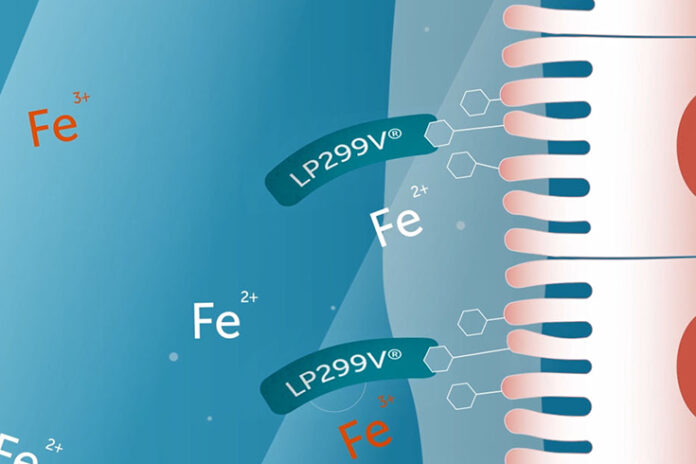
Enter Probi with a new science-backed approach. Their solution combines the probiotic strain Lactiplantibacillus plantarum 299v (LP299V®) with iron (and in some formulations, vitamin C and folic acid). Clinical trials have shown that LP299V® helps:
Keep iron in its absorbable form
Increase the expression of iron-converting enzymes
Reduce gastrointestinal side effects
Lower rates of early discontinuation of iron therapy
In 2025, this innovation was honoured across three continents:
Europe – Probi Female won a prestigious Innovation in Women’s Health Award for combining LP299V® with iron to boost absorption while improving tolerability.
North America – Women’s Health by Probi: Iron Absorption earned recognition for its novelty and safety, including use in pregnant women.
Asia – The LP299V + iron formula received the Innovation in Women’s Health award in Bangkok, underscoring its importance for markets with high rates of iron deficiency.
Martina Pettersson, Global Marketing Director at Probi, stated that recognition across Europe, North America, and now Asia in a single year underscores the urgent global need for more effective, better-tolerated iron supplementation. Karen Ong, Head of Asia-Pacific at Probi, emphasized its importance in Asian markets, where iron deficiency remains highly prevalent.
What makes LP299V® promising is that rather than simply increasing iron doses, it enhances how the body uses what it gets. Clinical data show that combining LP299V® with iron reduces gastrointestinal intolerance and lowers early discontinuation of treatment, enabling women to achieve better iron levels more comfortably.
Implications & Takeaways
For women: better absorption and fewer unpleasant side effects mean higher likelihood of sustained use and improved iron status.
For healthcare and supplement industry: proves that microbiome-based, tolerance-focused innovations are marketable and valued.
For global health: in regions with high iron deficiency burden, such solutions may provide more accessible and acceptable iron therapy.
Conclusion
Probi’s award sweep in 2025 marks more than just trophies—it signals shifting expectations in women’s health supplements. Innovations like LP299V® + iron address root challenges (absorption, tolerability) rather than simply pushing higher dosages. As awareness grows, demand will follow for solutions grounded in strong clinical science. This could be a turning point in how iron supplementation is done—and accepted—around the world.
The final curtain fell on CHFA NOW Toronto 2025 Sunday evening, but not before Canada’s natural health industry delivered its most strategic vision yet for the year ahead. The industry is no longer playing catch-up with consumer trends—it’s getting ahead of them. More significantly for IHR Magazine readers, the five major trends identified at CHFA NOW align precisely with our editorial team’s predictions published earlier this year, confirming our magazine’s position as the industry’s premier trend forecasting authority.
“We’re seeing a fundamental shift from reactive to predictive,” said Aaron Skelton, President and CEO of the Canadian Health Food Association, addressing packed crowds throughout the weekend. “CHFA NOW Toronto isn’t just showcasing what’s here today—it’s revealing what retailers need to prepare for tomorrow.”
For IHR Magazine, which has been tracking these emerging patterns since late 2024, the weekend served as a robust validation of our analytical methodology and industry insight capabilities.
The Big Five
Industry analysts identified five transformative trends expected to reshape Canadian wellness retail over the next 12 months—trends that IHR Magazine subscribers have been reading about for months.
Minis are making it big. Perhaps the weekend’s most surprising trend centers on portion control driven by an unexpected source: the rise of GLP-1 medications like Ozempic and Wegovy. As appetite suppression becomes more common, consumers are demanding “mini meals, snacks, and drinks that deliver satisfaction without excess,” according to trend reports distributed at the show.
IHR Magazine first identified this shift in our February 2025 “Micro-Nutrition” feature, where we predicted that increased awareness of metabolic health would drive demand for precision portioning. Exhibitors took center stage with perfectly portioned products that offer the mix of flexibility, affordability, and reward, a validation of our early analysis of the decline of the supersizing culture.
Bitter is the new sweet. The second major trend flips conventional wisdom about consumer taste preferences. “Bitter Brews & Functional Sips” dominated the beverage hall, with matcha, mushroom coffee, and cacao elixirs drawing crowds seeking “drinks that go beyond hydration.”
IHR readers will recognize this development from our March 2025 “Beyond Sweet” investigation, which explored how sophisticated palates were gravitating toward complex, bitter flavour profiles with functional benefits. Companies like Origen Sea Water Electrolytes and Matcha Ninja Blue Matcha demonstrated precisely the cognitive and beauty benefits we forecasted in that groundbreaking piece.
Wellness gets softer. The third trend reflects broader cultural shifts toward emotional health that IHR Magazine has been tracking since our award-winning “Gentle Revolution” series launched in January 2025. “Soft Wellness” emerged as retailers’ response to consumer fatigue with hardcore fitness culture and extreme dietary restrictions.
Our editorial team’s prediction that “wellness that nurtures rather than punishes” would dominate 2025-2026 proved remarkably prescient.
Aging gets an upgrade. “Expanding the Health Span” represents the industry’s most science-backed trend, focusing on living better for longer rather than simply living longer. IHR Magazine’s April 2025 “Longevity Labs” feature accurately predicted this exact evolution, beyond traditional senior-focused supplements, to encompass proactive nutrition for younger demographics.
Patrick Toledano of Herbasante demonstrated how cognitive health and brain nutrition are becoming mainstream concerns for consumers in their 30s and 40s—precisely the age demographic which is driving this trend months ahead of industry recognition.
Beauty becomes edible. The final trend merges two of retail’s fastest-growing categories in a way that Olivier Felicio, IHR Founder and Editor, predicted in our May 2025 “Ingestible Aesthetics” cover story. Functional snacks, beverages, and supplements supporting skin, hair, and nail health are demanding premium presentation with “elevated packaging that has sensory appeal.”
The Sixth Trend: Biohacking Goes Mainstream
While CHFA focused on five major trends, IHR Magazine’s trend analysis team identified a sixth category that gained significant traction across the show floor: mainstream biohacking adoption. What was once relegated to Silicon Valley executives and elite athletes has become accessible to everyday consumers seeking measurable wellness optimization.
The biohacking pavilion, which didn’t exist in previous years, featured continuous glucose monitors for non-diabetics, consumer-grade cold therapy devices, red light therapy panels, and personalized supplement protocols based on genetic testing.
This category explosion validates IHR Magazine’s June 2025 prediction that “democratized biohacking” would become a major retail driver, as consumers increasingly demand data-driven approaches to wellness rather than one-size-fits-all solutions.
The weekend revealed an industry increasingly reliant on sophisticated trend analysis—exactly the type of forward-thinking journalism that has established IHR Magazine as the sector’s essential intelligence source. “Incubator Alley,” featuring emerging brands and breakthrough products, drew retailers seeking the next big opportunity rather than following established patterns.
Sanjiv Jagota, who received the 2025 Grocery Business Innovator in Whole Health award Saturday afternoon, emphasized this analytical evolution during his acceptance speech: “We’re not waiting for consumers to tell us what they want anymore—we’re anticipating needs they don’t even know they have yet.”
This strategic approach mirrors IHR Magazine’s editorial methodology, which combines consumer behaviour analysis, scientific research tracking, and cultural trend monitoring to deliver actionable intelligence months before industry events validate our predictions.
The exclusive CHFA Trends Breakfast, held Saturday morning, provided practical merchandising guidance that echoed recommendations IHR Magazine has been making to subscribers throughout 2025. Attendees left with actionable intelligence that will last for months.
Market Implications and Advantage
Industry discussions revealed significant implications for both independent retailers and major chains—discussions that confirmed market dynamics IHR Magazine has been analyzing throughout 2025—that are identified through comprehensive market monitoring.
Meanwhile, the biohacking boom and “soft wellness” movement suggest successful brands must address both technological sophistication and psychological needs—a complexity that demands the type of nuanced analysis IHR Magazine provides exclusively to subscribers.
Social media engagement throughout the weekend effectively amplified key messages, extending them well beyond the show floor. The hashtag #CHFAnow generated substantial buzz across Instagram and LinkedIn platforms, confirming the accuracy of trend forecasting and industry influence.
Looking Ahead
As attention turns to CHFA NOW Vancouver 2026, scheduled for early next year, IHR Magazine’s editorial team is already developing analysis for trends that will emerge at that event. Our 2026 trend forecast, available exclusively to subscribers in our upcoming December issue, identifies emerging patterns that won’t reach mainstream industry recognition until next year’s trade show circuit.
For Canadian retailers preparing 2026 buying decisions, this weekend’s validation of IHR Magazine’s analytical capabilities offers clear guidance: our trend forecasting provides essential competitive advantage in an increasingly sophisticated marketplace.
The natural health industry isn’t just predicting the future—collectively, we are actively shaping it through advanced trend analysis and strategic market intelligence.
IHR Magazine’s complete 2026 trend forecast will be available to subscribers on December 15, 2025. CHFA NOW Vancouver 2026 details at chfa.ca
Temple Lifestyle Brands, the Canadian wellness company behind Thirsty Buddha® coconut water, has officially acquired Rise® Kombucha, Canada’s leading kombucha brand. This strategic move combines two of the country’s fastest-growing functional beverage names and strengthens Temple’s mission to build a category-defining platform in better-for-you drinks.
Accelerating Functional Beverage Growth
According to market research from Grand View Research, the Canadian functional drinks sector is projected to grow at a compound annual growth rate (CAGR) of 9.4%, reaching nearly USD 7.9 billion by 2030. By uniting Temple and Rise, the acquisition positions the combined company to capture a significant share of this growth. It underscores Temple’s commitment to innovation, quality, and sustainable health-focused beverages that meet the rising consumer demand for functional hydration and gut health solutions.
Rise Kombucha’s Legacy of Innovation
Founded in Montreal in 2008, Rise Kombucha has become a household name in organic, unpasteurised kombucha. The brand built its reputation on authentic brewing methods, premium ingredients, and a commitment to gut health and sustainability. From local beginnings to national distribution in major retailers, Rise has helped reshape Canadians’ perception of fermented, probiotic-rich beverages. Its bold flavours and dedication to wellness have made it one of the most recognised functional beverage brands in Canada.
A Shared Vision for Healthier Living
Christopher Magnone, Co-Founder and CEO of Temple Lifestyle Brands, said the acquisition is more than a business transaction:
“Bringing Rise into our family is a powerful step forward in our mission to revolutionise better-for-you beverages. This partnership moves us closer to our north star: 100 million better-for-you beverages consumed annually by 2035.”
Temple’s flagship Thirsty Buddha® is already Canada’s #1 organic coconut water, known for functional hydration. With Rise now in the fold, Temple gains a diversified product line and the ability to scale both brands using its strong omnichannel distribution and manufacturing capabilities. Importantly, Rise will retain its unique brand identity while benefiting from Temple’s expanded resources.
Backed by Impact Investors
The deal is supported by Québec-based impact investors led by Fondaction, aligning with Temple’s focus on sustainable growth and local economic development. Mathieu Sasseville, Director of Sustainable and Impact Investments at Fondaction, highlighted the shared commitment to wellness and community, stating that Temple is well positioned to drive long-term growth and innovation.
Looking Ahead
By combining operations, retail reach, and research capabilities, Temple and Rise create immediate synergies across Canada and beyond. Consumers and retail partners can expect new product innovations and greater availability of functional beverages that support everyday health.
This acquisition cements Temple Lifestyle Brands as a trailblazer in Canada’s functional beverage space, reinforcing its ambition to become the nation’s leading house of better-for-you beverage brands—products that not only taste great but also help Canadians feel great.
The University of Windsor, in partnership with Shogun Maitake Canada, has unveiled groundbreaking findings that could redefine natural approaches to cancer care across North America. The research, recently highlighted by the university and the company, centres on Odaira Black Maitake Extract (OBME)—a highly concentrated, Health Canada-certified mushroom extract that shows striking anticancer activity.
Dose- and Time-Dependent Cancer Cell Death
Led by Dr. Siyaram Pandey, head of the University of Windsor’s Department of Chemistry and Biochemistry, graduate researchers demonstrated that OBME triggers cancer cell apoptosis—the programmed death of cancerous cells—in a dose- and time-dependent manner. Their in-vitro studies confirmed that higher concentrations and longer treatment durations of OBME markedly reduce cancer cell growth and increase cell death.
In addition to direct cancer cell impact, the team’s data indicate that OBME enhances immune system activity, slows tumour progression, and can augment the effectiveness of conventional chemotherapies. When used alongside standard cancer treatments, OBME may lower toxicity and improve overall quality of life, offering a valuable complement to existing protocols.
Next Phase: Integrating Immunotherapy
The University of Windsor researchers, collaborating with Shogun Maitake Canada, are preparing the next stage of investigation: testing OBME in combination with immunotherapy. This research aims to evaluate whether pairing OBME with advanced immune-based therapies can deliver even stronger clinical outcomes for patients facing various cancers.
A Canadian Hub for High-Quality Maitake Production
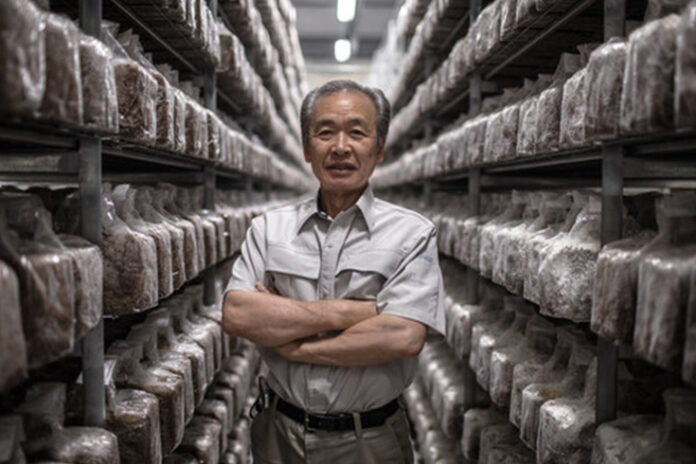
Shogun Maitake has operated a state-of-the-art production centre in London, Ontario since 2016, ensuring organic, pesticide-free cultivation of Black Maitake mushrooms. The company’s proprietary methods, perfected by CEO and President Yoshinobu Odaira over four decades, consistently produce mushrooms with superior β-glucan (beta-glucan) content—a key compound linked to immune and anticancer benefits.
Due to the mushroom’s delicate nature, maintaining purity and potency is notoriously challenging. Shogun Maitake’s controlled environment ensures consistent quality that meets or exceeds the standards found in Japan, long known as a global leader in medicinal mushroom production.
From Research to Accessible Supplements
Building on these laboratory results, Shogun Maitake Canada has introduced Shogun Maitake EX, a clinically supported supplement delivering the optimal dosage of OBME. Alongside Prothera, another OBME-based formulation, these products are designed to be taken individually or as a combination care package. Both are registered with Natural Product Numbers (NPNs) from Health Canada—Prothera (NPN: 80115706) and EX (NPN: 80118634)—ensuring regulatory compliance and consumer confidence.
In a mission-led initiative to mark the University of Windsor’s breakthrough, Shogun Maitake will donate 2,000 bottles of its OBME supplements to individuals across North America undergoing cancer treatment. Beginning August 15, 2025, eligible participants can apply at shogunmaitake.com to receive a one-month supply.
Expert Perspective
“These findings offer an incredible opportunity to ease suffering, make chemotherapy more effective, and give cancer patients the immune support to fight back,” said Yoshinobu Odaira. “I have dedicated my life to refining cultivation methods for Black Maitake mushrooms and advancing research that unlocks their full potential in the global fight against cancer.”
A Natural Pathway in Modern Oncology
The University of Windsor–Shogun Maitake collaboration highlights Canada’s growing role in evidence-based natural health innovation. By marrying academic rigour with advanced cultivation technology, the project paves the way for integrative oncology strategies that support patients’ immune systems and reduce treatment side effects.
Health practitioners, natural health retailers, and consumers can follow ongoing developments in OBME research and product availability at shogunmaitake.com. This Canadian-led innovation underscores how functional mushrooms are emerging as powerful allies in next-generation cancer care.