





The stress-support category is no longer being driven solely by consumers seeking relaxation. Increasingly, the category is being fuelled by consumers looking for physiological resilience without cognitive impairment. That distinction matters at shelf.
Retailers who continue merchandising stress products exclusively within “sleep” or “calming” sections may be missing a broader behavioural-health opportunity emerging around daytime cortisol modulation, cognitive performance under stress, and nervous system regulation.
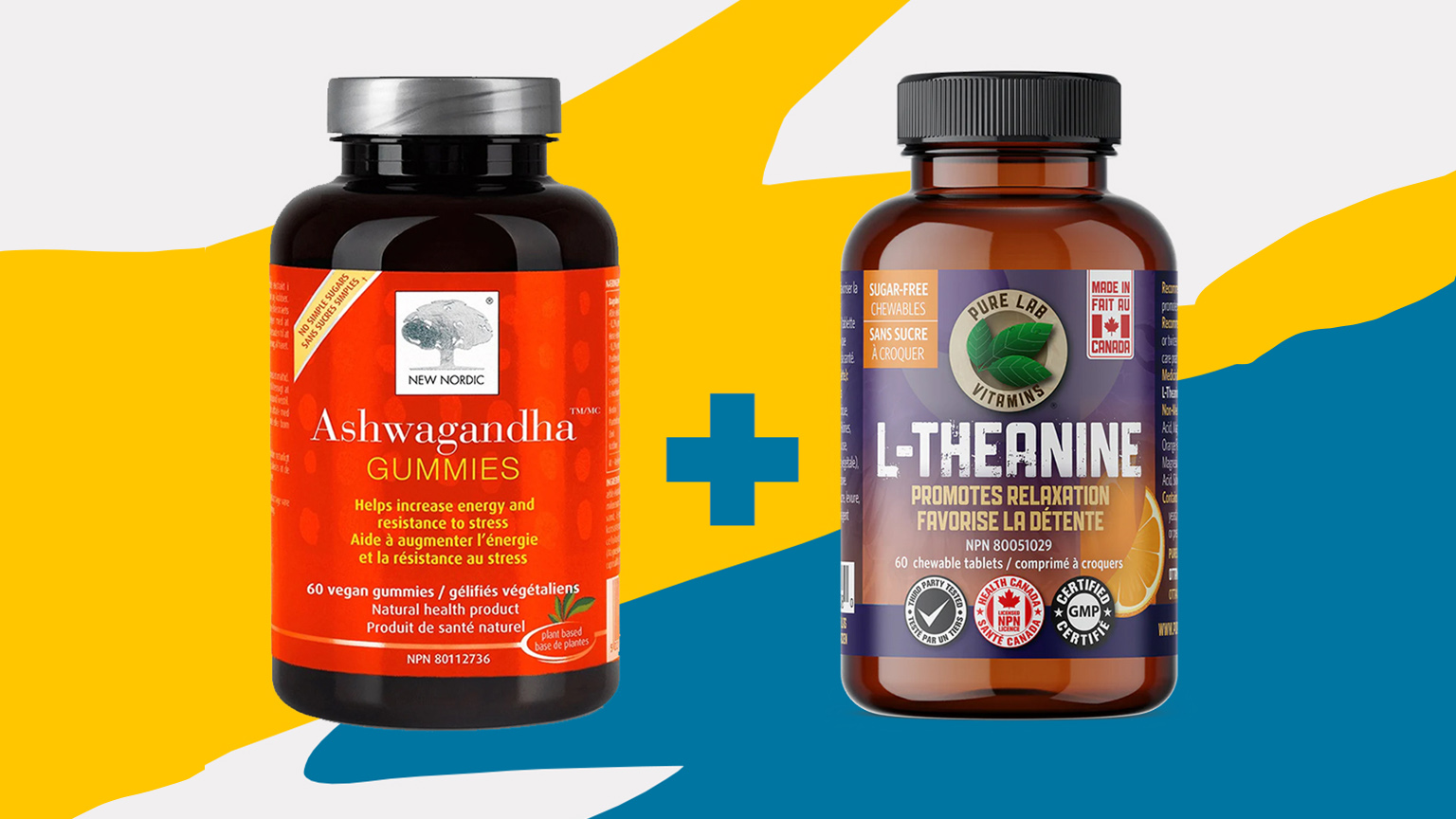
One of the strongest examples of this evolving strategy is the pairing of Ashwagandha with L-Theanine.
While both ingredients individually perform well in the stress-management category, their merchandising power increases substantially when positioned together as a functional stress-response system rather than standalone ingredients.
Why the Combination Resonates With Today’s Consumer
Ashwagandha, particularly clinically studied extracts such as KSM-66 or Sensoril, has become increasingly associated with hypothalamic-pituitary-adrenal (HPA) axis regulation and healthy cortisol modulation. Multiple human clinical trials have demonstrated improvements in perceived stress scores, serum cortisol levels, sleep quality, and fatigue markers.
L-Theanine operates through a different but complementary pathway. Rather than modulating cortisol directly, it influences alpha brain wave activity and neurotransmitter balance, particularly involving GABA, dopamine, and serotonin signalling. The result is a state often described clinically as “relaxed alertness.”
For educated consumers, this distinction is important:
Ashwagandha addresses stress adaptation over time
L-Theanine addresses the acute neurological experience of stress
Together, they create a layered positioning strategy:
Physiological resilience
Cognitive calmness
Non-sedative emotional support
Focus under pressure
This is particularly relevant as consumers increasingly reject formulations that impair daytime productivity.
The Retail Opportunity Is Behavioural, Not Just Nutritional
What makes this pairing commercially powerful is that it maps directly onto real-world use cases consumers already understand:
High-performance professionals
Students
Shift workers
Menopausal women managing stress and sleep disruption
Consumers tapering stimulant dependence
Individuals experiencing “wired but tired” fatigue
Instead of asking consumers to understand mechanisms of action independently, retailers can merchandise the pairing around moments of need:
“Workday Stress Support”
“Calm Focus”
“Mental Recovery”
“Burnout Support”
“Evening Nervous System Reset”
That framing significantly shortens the educational gap at shelf.
Why Basket Size Increases With This Category
Stress support is becoming less of a single-SKU purchase and more of a protocol-driven category.
Consumers purchasing Ashwagandha and L-Theanine are frequently cross-shopping:
Magnesium glycinate
Phosphatidylserine
Rhodiola
Functional mushrooms
Sleep formulas
Electrolyte support
Adaptogenic beverages
This creates strong secondary merchandising opportunities near:
Cognitive health
Sports recovery
Sleep support
Women’s health
Functional beverages
Retailers who merchandise stress support as a “system” rather than a symptom category are often able to increase both dwell time and average basket value.
Education Still Drives Conversion
Despite the category’s growth, one of the largest retail barriers remains consumer confusion around the difference between calming and sedation.
This is where the Ashwagandha/L-Theanine pairing performs exceptionally well from an educational standpoint. The combination allows staff and signage to communicate a nuanced but commercially important message:
“Calm does not have to mean tired.”
That positioning aligns strongly with current consumer expectations around productivity, emotional regulation, and nervous system wellness.
It also reflects a broader evolution occurring across natural health retail: consumers are increasingly seeking ingredients that improve adaptability rather than simply suppress symptoms.
For retailers, that shift may represent one of the most important merchandising opportunities in the modern supplement category.