





Health Canada’s permanent injunction against Canlab Research, granted by the Superior Court of Québec in June 2026, closed one online seller of unauthorized injectable peptides. It did not close the demand. That demand now arrives at natural health counters as a simple question: “do you have anything like BPC-157?” The stores that answer it well will win the year’s most-hyped wellness trend. And the answer is not a shrug, nor an influencer’s script. It is a licensed peptide alternative, explained with confidence. So it helps to start with what a peptide actually is.
What a peptide is, in plain terms
A peptide is a short chain of amino acids. Those are the same building blocks that make up every protein in the body, just fewer of them. The body already runs on thousands of its own peptides. Insulin is one. So are many of the signals that tell cells to grow, repair, or release a hormone. That biology is the marketing hook: if the body uses peptides as messengers, adding more should amplify the message.

The grey-market compounds fall into a few families, and each is sold against a specific desire. BPC-157 and TB-500 are the “recovery” peptides, promoted for tendon, ligament and gut repair. GLP-1 mimics such as semaglutide are the metabolic family, riding the Ozempic wave. PT-141 targets libido. GHK-Cu, a copper peptide, targets skin and hair.
Here is where a good retailer separates from the internet. For the injectable recovery peptides, almost all the research is preclinical — animal and cell studies, not large human trials. One clinical review calls the human evidence “notably limited.” There is a safety catch, too. The very mechanism that makes BPC-157 attractive, growing new blood vessels, is why clinicians warn against it without cancer screening, because new vessels can also feed tumours. Quality control adds another risk: independent testing has found many online peptides held the wrong amount of what the label claimed.
Who is actually asking
The peptide customer is not a fringe bodybuilder. In fact, two very different groups drive the questions, and mixing them up is why many stores miss the sale.

The larger group comes through the GLP-1 door. U.S. survey data shows weight-loss drug use runs higher among women, and highest among adults aged 50 to 64. These are older, higher-income shoppers, mostly women, already comfortable spending on their health. They are also supplement buyers by habit. About four in five take at least one companion product — usually protein, then magnesium, fibre and digestive support. They are not asking for an injection. They are asking what to pair with a change they have already made.
The second group is smaller and younger. These are the fitness and longevity shoppers, often men, who name BPC-157 directly and search “how to get peptides” — a query that has grown more than tenfold. They are also the ones most likely to buy from a social-media seller. No solid Canadian data on peptide use exists yet, and it is worth saying so plainly at the counter.
Four licensed peptide alternatives, by customer goal
The shift that matters is simple. Stop hearing “peptides” as one product, and hear the goal underneath it instead. For every goal, Canada’s Natural Product Number framework already licenses an option a store can stand behind. And for the outcomes customers actually want, several of these peptide alternatives carry stronger human evidence than the injection does.
Recovery and connective tissue
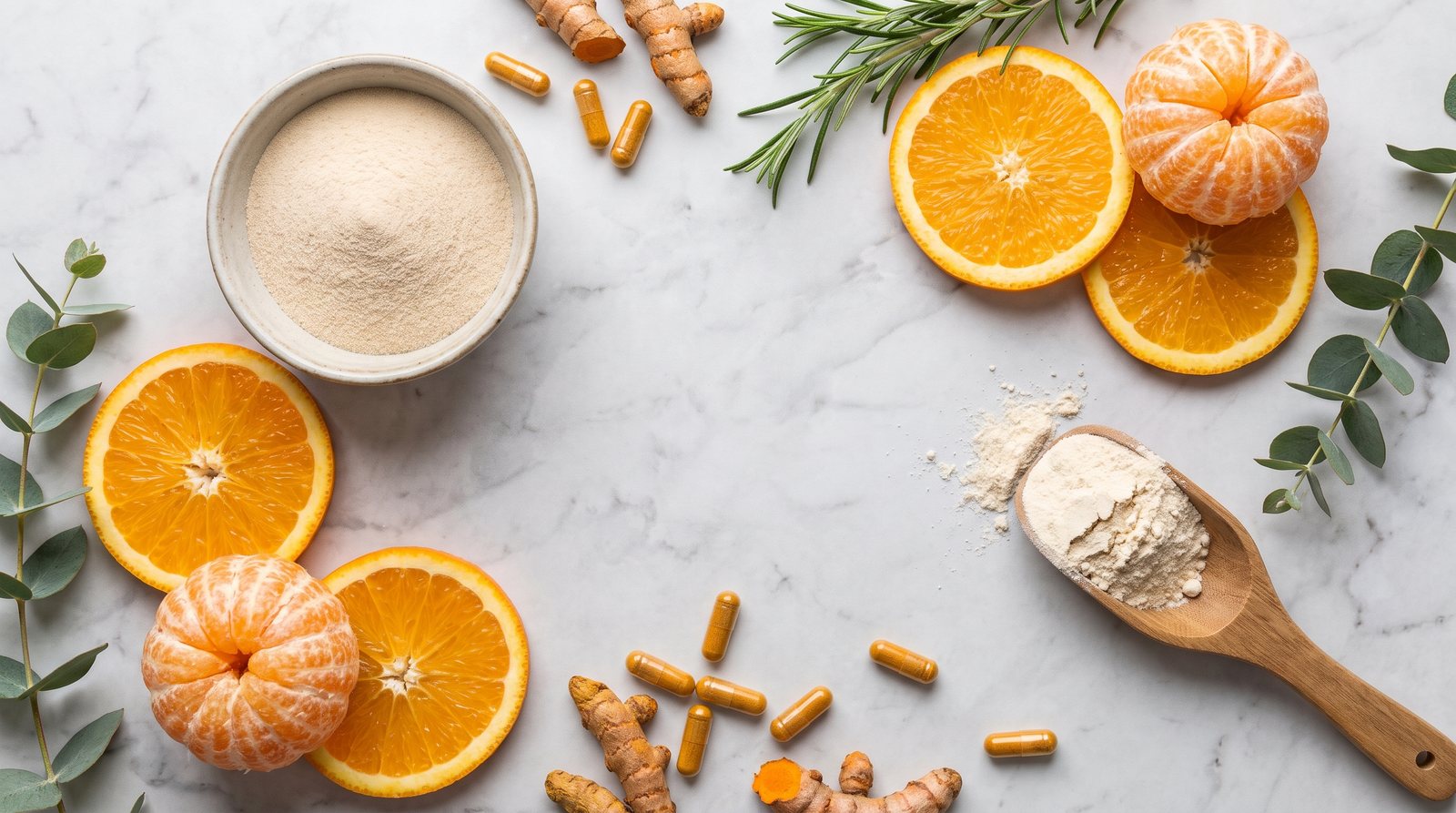
This is the easiest and most defensible pivot. Oral collagen peptides taken with vitamin C have real human support. Taken about an hour before exercise, they measurably raise collagen synthesis, and reviews report better tendon outcomes. Add zinc for repair, curcumin for inflammation, and enough protein to give the body something to build with. None of this rebuilds a tendon overnight — and saying so builds trust rather than costing it.
Metabolic and appetite
This conversation needs the most honesty, because a GLP-1 drug’s effect is large and no supplement matches it. What the shelf can offer is satiety support. Soluble fibres such as psyllium and glucomannan form a gel and feed the gut bacteria that trigger the body’s own GLP-1. Protein at every meal blunts hunger the same way. Berberine gets asked for as “nature’s Ozempic.” In truth it works on blood sugar, not appetite, and it can upset digestion.
Vitality and libido
Here the herbs actually out-evidence the peptide. Maca has a systematic review behind improved sexual function. Ashwagandha has trials for stress-driven low desire. Ginseng and saffron carry human data of their own. All are licensable with NPNs and monograph-backed claims.
Skin and hair
Where GHK-Cu is sold for skin, the licensed answer is collagen again, plus dietary copper and silica from bamboo or horsetail.
How to merchandise it

Curiosity only converts if the store is set up to catch it. So build three clear destination sets — Recovery, Metabolic Support and Vitality — instead of scattering these products through general vitamins. Place the metabolic set right next to protein, the most-bought companion for weight-loss shoppers. The customer buying a shake is also your fibre and magnesium customer, and adjacency does the selling. Anchor the recovery set on collagen, with vitamin C beside it, because the two work as a pair.
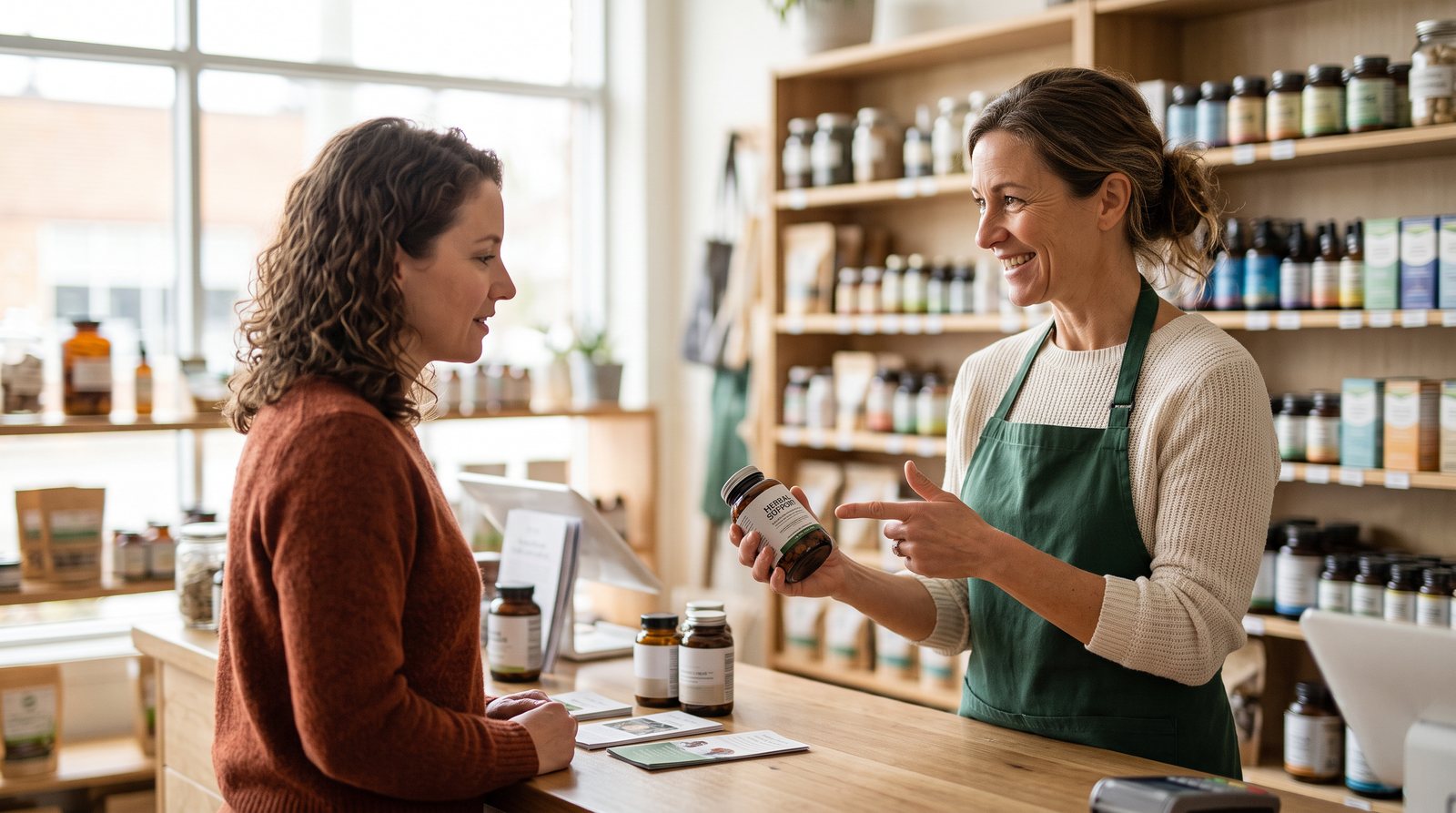
Signage should teach, not shout. A shelf-talker that reads “Curious about peptides for recovery? Start here” meets the search and marks the store as the informed choice. Most GLP-1 users say they feel underserved by wellness advice, so the real edge is a short, confident staff script: hear the goal, name the licensed option, state the evidence plainly, and match the claim to the label. Refresh an endcap as seasonal recovery or new-year metabolic interest peaks, and there is always a credible peptide alternative in reach.
The line that protects the store
Two boundaries have to hold at once. The first is the one the Canlab case enforces: anything injectable is a prescription drug, with a DIN, and no natural health product pathway. The second is quieter. A licensed product is an asset only while its claims stay inside its NPN. Sell a licensed maca but describe it like a peptide — “repairs,” “restores,” “treats” — and a compliant product becomes an illegal drug claim. So match the words to the licence: support, help maintain, source of. Imported U.S. copy is the usual trap, because it clears FDA review yet says things no Canadian NPN allows.
That discipline is the moat, not the friction. Someone regulates the collagen on your shelf; no one regulates the vial from an anonymous vendor. The value of a defensible claim is exactly why investors are now buying up the proof behind supplement claims. Every enforcement action raises the risk around the unregulated channel, and the injunction even bars advertising on any platform “accessible from a Canadian IP address.” U.S. peptide marketing will only get louder as American compounding rules loosen, and it will be visible here. The durable answer is a store that knows the science well enough to offer a credible peptide alternative every time the question comes up.
Frequently Asked Questions
What are peptides, and why is everyone suddenly asking about them?
Peptides are short chains of amino acids the body uses as signalling molecules — insulin is one. The GLP-1 weight-loss drugs made “peptide” a household word, pulling compounds like BPC-157 (recovery) and PT-141 (libido) from fitness forums into mainstream wellness feeds, which is why the questions now arrive at retail counters.
Are the injectable peptides customers ask about actually proven to work?
Mostly not in humans. For recovery peptides like BPC-157 and TB-500, nearly all evidence is preclinical — animal and cell studies, not large human trials. They also remain unauthorized prescription drugs in Canada, so retailers cannot legally sell them regardless of the marketing claims attached, and online quality control is poor.
What licensed peptide alternatives can retailers sell instead?
Match the goal: collagen with vitamin C, zinc and protein for recovery; soluble fibre and protein for appetite; maca, ashwagandha or ginseng for libido; collagen, copper and silica for skin. All are licensable with NPNs. Describe them only in authorized terms — supports, helps maintain — never treats or repairs.
Who is the customer asking about peptides?
Two groups. A mainstream, often older and higher-income shopper coming through the GLP-1 weight-loss door, who already buys protein, fibre and magnesium as companions. And a younger, fitness-focused shopper, often male, from the biohacking scene who names peptides like BPC-157 directly. Merchandise for both.
Independent editorial analysis for the natural health trade. References specific compounds and brands only as examples of a category; not an endorsement. Retailers should verify NPN status and authorized claim language for any product before merchandising it.