



As the gut microbiome category continues to expand across the natural health industry, new clinical findings from Bio-K+® are drawing attention to the growing commercial and scientific potential of microbiome-focused innovation in neurodivergent health support.
The Canadian probiotic brand recently announced promising early-stage findings from an ongoing clinical research initiative examining the relationship between the gut microbiome and Autism Spectrum Disorder (ASD). Conducted in collaboration with the CHU Sainte-Justine Research Centre and supported by the Canadian Institutes of Health Research, the project contributes to the rapidly evolving field of gut-brain axis research.
For retailers, distributors and practitioners, the findings reflect a broader industry shift toward condition-adjacent probiotic positioning supported by clinical evidence rather than general wellness claims alone.
Probiotic Innovation Expands Beyond Digestive Health
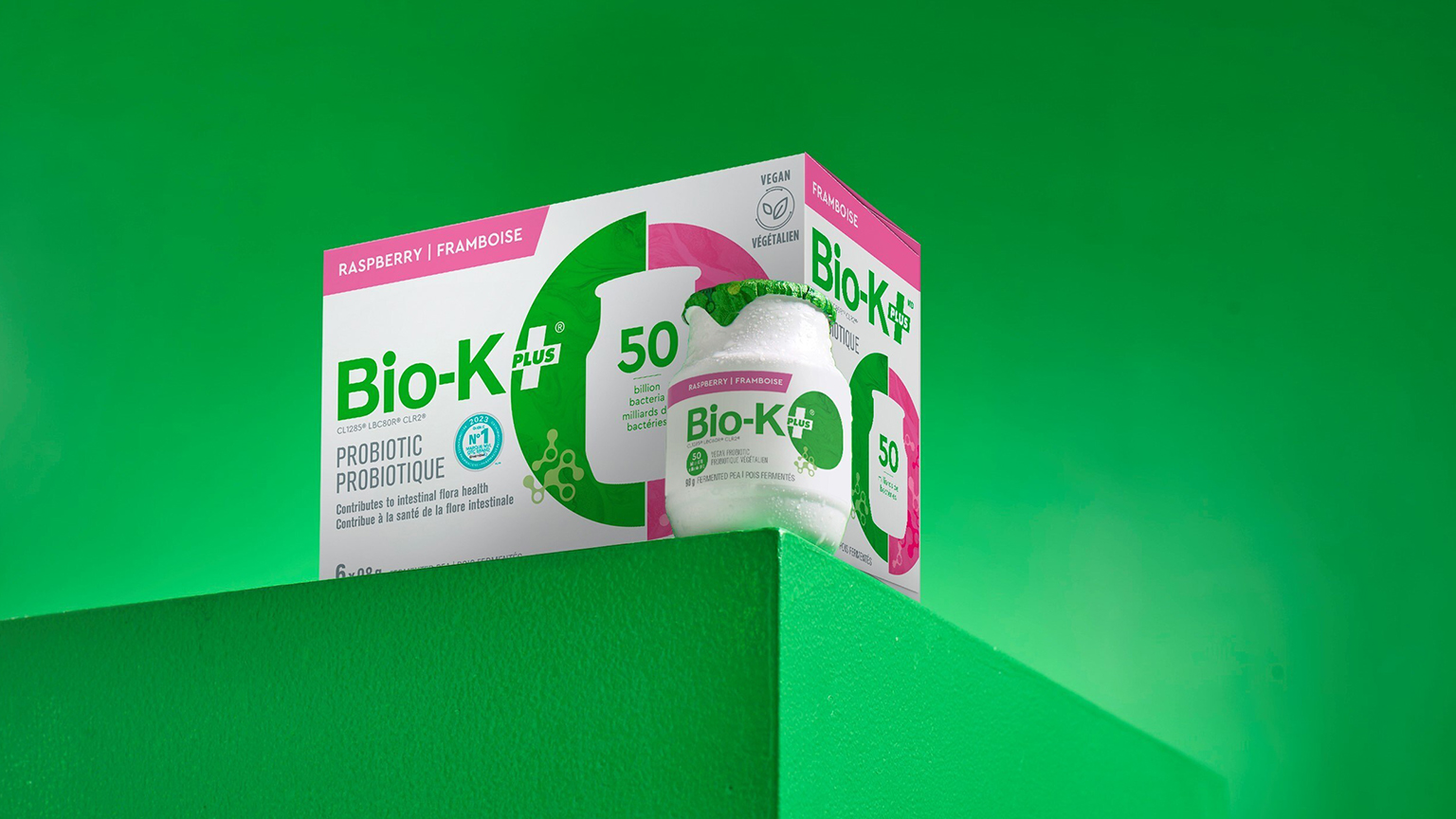
The 30-week feasibility study evaluated a raspberry-flavoured vegan Bio-K+ probiotic drink consumed daily by neurodivergent children diagnosed with ASD. Researchers observed a strong safety and tolerability profile, with no adverse events reported during the study period.
Preliminary observations also suggested potential improvements in gastrointestinal symptoms, sleep patterns and behavioural outcomes. Parents participating in the study additionally reported noticeable changes in appetite and overall well-being.
Importantly, some of the observed improvements appeared to diminish following the washout phase, further supporting growing industry interest in continuous microbiome modulation and long-term probiotic supplementation strategies.
The research arrives at a time when retailers are seeing rising consumer awareness surrounding the gut-brain connection, particularly among parents seeking complementary wellness approaches alongside traditional healthcare pathways.
Digestive discomfort remains a major concern within the ASD population, with estimates suggesting a large percentage of neurodivergent children experience recurring gastrointestinal challenges. As a result, microbiome-focused products positioned around digestive balance, mood support and cognitive wellness continue gaining shelf relevance across specialty retail and practitioner channels.
Clinical Validation Becomes a Key Retail Differentiator
One of the most commercially important aspects of the Bio-K+ initiative is its emphasis on scientific validation. The probiotic category has become increasingly crowded, making clinical substantiation a major differentiator for both brands and retailers looking to build long-term consumer trust.
According to Mathieu Millette, the findings contribute to a growing understanding of how the gut microbiome may influence quality of life factors linked to ASD.
While the pilot study was designed to evaluate feasibility rather than establish efficacy, it has already led to the launch of a larger randomized, triple-blind, placebo-controlled trial expected to enrol more than 120 children. Researchers will examine behavioural markers, gastrointestinal symptoms, sleep profiles, microbiome activity, metabolomics and blood chemistry.
For the natural health sector, this signals continued momentum toward evidence-backed formulations capable of supporting premium positioning at retail.
The Gut-Brain Axis Remains One of the Industry’s Fastest-Growing Opportunities
The microbiome category is increasingly moving beyond digestion into adjacent areas including mood, cognition, immunity, metabolic wellness and paediatric health. Research initiatives like the Bio-K+ study reinforce how scientific exploration of the gut-brain axis may influence future product development, merchandising strategies and consumer education.
For retailers, the opportunity lies not only in stocking clinically supported products, but also in understanding the evolving language consumers are bringing into stores. Questions surrounding probiotics, behavioural wellness, microbiome diversity and neurological health are becoming more frequent as public awareness around the gut-brain connection continues to grow.
As clinical research accelerates, brands investing in transparent science, targeted formulations and condition-specific innovation are likely to command increasing attention across the natural health retail landscape.