The Halifax Naturopathic Health Centre opened its doors not even 18 months ago, yet it has seen itself swell to a facility boasting up to 250 patient visits per week, and has already fostered impressive referral networks with physicians across the province of Nova Scotia and across North America. The vision of two driven and passionate ND’s, Craig Herrington and Rosalyn Hayman, the Halifax Naturopathic Health Centre embodies the true essence of a modern facility of world class, evidence- based integrative healthcare that has caught the eye of the entire province
The clinic’s founders set out with a series of clearly defined goals. They wanted to be the largest naturopathic facility in the province, and they successfully achieved this in the epicentre of the city of Halifax. They recognized the need for respectability and sought to bring on board a well- tenured local naturopathic physician to help achieve this; Dr Sarah Baillie, ND was inspired by the teams vision and joined the team in time for its opening, an ND who had been practicing in Halifax since 1999. The team demanded of itself delivery of best medical practices, choosing to implement evidence- based approaches afforded to the naturopathic profession. Eloquently executed marketing initiatives and professional networking programs quickly allowed the team to achieve its vision of a naturopathic facility integrated into the community and working hand- in- hand with an array of local conventional physicians.
The facility has five treatment rooms, a blood lab, and an IV room. Jackie Batog, RN, has joined the team and manages all blood and injection services. Jackie runs all conventional and integrative diagnostic tests, performs injections, and sets up IV’s. The facility also boasts a highly diverse dispensary. Like many of the most successful clinics IHP interviews, the team carries a small number of items from each of a very large number of companies, as opposed to relying on two or three companies to stock their dispensary. “The best each company has to offer” governs the manner in which the dispensary is built. St Francis Herb Farm and Naturally Nova Scotia are the two botanical companies called upon to supply tinctures. NFH, Thorne, Cytomatrix, and a selection of Halifax Naturopathic Health Centre private label offerings comprise the nutraceutical companies most heavily relied upon.
The facility is truly eclectic in terms of the types of patients attracted. It has established an excellent reputation in terms of cancer care, with physicians from across the city and province referring patients for this purpose. High dose vitamin C, low dose naltrexone, and an anti cachexia drip are commonly employed treatments for cancer, in addition to intense dietary counseling and an assortment of orally administered essential nutrients, botanical medicines, nutraceutical and functional food interventions. The facility also boats well- developed programs for women’s health, endocrine abnormalities, weight loss, and others.
In addition to the cachexia drip, the facility has pioneered a fibromyalgia drip featuring B complex vitamins, vitamin C, MSM, and glutathione. For patients with chronic pain, neurotherapy and prolotherapy are commonly employed. Chelation therapy for cardiovascular disease is another important offering of the facility, utilizing EDTA and/ or plaquex (a phosphatidylcholine solution). Jackie Batog, RN, has introduced unique and cutting- edge diagnostic options, notably an advanced cardiovascular risk panel that includes assessment of Apo-E, LDL subclasses, oxidized LDL, etc…
The team has effectively implemented a round table approach to patient care. Frequent meetings are held to review tough cases. An environment devoid of competition has successfully been created. Patients are frequently seen by multiple ND’s within the same facility, coinciding with the evolution of the specific case and the requirements of the next stage of care. The team has found that the minds of four ND’s working together deliver superior patient outcomes relative to what any one of the ND’s could achieve alone. Some simple themes emerge as the team describes what they perceive as the keys to the success of the Halifax Naturopathic Health Centre. Locating in an under-serviced area of Canada meant a population eager for effective holistic treatments was awaiting their arrival. A commitment to an evidencebased practice resonated well not only with patients but with surrounding conventional physicians the team intended on achieving collaboration with. A simple but well- executed marketing plan that included bringing an experienced and respected ND on board, networking with local physicians, and lectures to groups that included corporate seminars as well as a local women’s and children’s hospital.
IHP is grateful to the Halifax Naturopathic Health Centre for allowing us to showcase their work to you. Their diligence, hard work, and commitment to excellence in naturopathic medicine has allowed for a quick and impressive magnitude of integration with the surrounding community. Their decision to apply effort to integrate with local physicians has proven invaluable. The number of conventional physicians open to sound delivery of integrative medicine is growing at an exponential pace. We wish the team continued success in delivering an exceptional standard of care to an under- serviced region of the country.
Introduction A large body of evidence has linked higher intake of sodium with increased risk of chronic disease, most notably stroke and cardiovascular disease, and all cause death (Yang 2011). In recognition of this association, many initiatives have been launched globally to reduce dietary sodium intake most notably though the reduction of sodium content of processed foods (Henney 2010, van Vliet 2011, Webster 2011). This article examines the evidence around sodium as a risk factor for cardiovascular disease and death, drawing on lessons learned from the beta carotene experience.
In Europe, the current leader in sodium reduction initiatives, national programs have been launched in 19 countries, with reductions of up to 25% in sodium content of key foods, yielding reductions of approximately 1-3 g per day in per capita sodium intake (from a baseline of between 8-12 g per day) (Webster 2011). This has been paralleled by documented reductions of up to 60-80% in coronary artery disease and stroke mortality in Finland and Japan respectively: Finland launched a comprehensive cardiovascular disease prevention program in the 1970s and experienced a 65% decrease in cardiovascular mortality by 1995 (He 2009, Laatikainen 2006, Puska 1998, Webster 2011). Likewise, according to the World Action on Salt and Health organization, Japan documented an 80% reduction in mortality in the wake of its salt reduction program (Iso 1999, WASH).
Currently, sodium recommendations for healthy individuals (adequate intake) in Canada and the US are 1500 mg per day (van Vliet 2011), with a tolerable upper limit of 2300 mg (Henney 2010), based on reference values set by the Institute of Medicine in 2005 (Henney 2010). The American Heart Association further recommends a limit of no more than 1500 mg per day (AHA 2011). Actual average daily intake during 2003–2006, estimated by the Institute of Medicine, was 3,614 mg/d (Henney 2010).
Sodium and Risk of Death: Observational Evidence
NHANES III, the third National Health and Nutrition Examination Survey (1988-2006) was a prospective cohort study of a nationally representative sample of US adults; Yang et al studied data from a subset of 12,267 subjects with available data for associations between sodium intake and mortality from all-causes, cardiovascular, and ischemic heart (IHD) disease (2011). Higher sodium intake was associated with significantly increased risk of all-cause mortality, hazard ratio HR 1.20 (95% confidence interval CI 1.03-1.41 per every 1000 mg/d increase), whereas higher potassium intake was associated with lower mortality risk (HR 0.80, 95% CI 0.67-0.94 per 1000 mg/d).
Furthermore, those in the highest quartile sodium-potassium intake ratio compared to the lowest quartile also had significantly elevated risk: HR 1.46 (95% CI 1.27-1.67) for all-cause mortality; HR 1.46 (95% CI 1.11-1.92) for CVD mortality; and HR 2.15 (95% CI 1.48-3.12) for IHD mortality.
Similar findings were reported based on data from the first NHANES study (He 1999). A total of 14,407 subjects were included, and dietary sodium and energy intake were estimated at baseline using a single 24-hour dietary recall method. Among overweight persons with an average energy intake of 7452 kJ (~1781 calories), a 100 mmol higher sodium intake was associated with a 32% increase (relative risk RR 1.32, 95% CI 1.07-1.64, P = .01) in stroke incidence; an 89% increase (RR 1.89, 95% CI 1.31-2.74, P<.001) in stroke mortality; a 61% increase (RR 1.61, 95% CI 1.32-1.96, P<.001) in cardiovascular disease mortality; and a 39% increase (RR 1.39, 95% CI, 1.23-1.58, P<.001) in mortality from all causes. However, in this study dietary sodium intake was not significantly associated with cardiovascular disease risk in non-overweight persons.
Such studies have also been conducted in Japan. Nagata et al (2004) investigated sodium intake and risk of death from stroke among 13,355 men and 15 724 women in Takayama City, Japan. In men, the highest compared with the lowest tertile of sodium intake was significantly positively associated with death from stroke (total from ischemic and hemorrhagic) after controlling for covariates, HR 2.33 ( 95% CI 1.23 -4.45). Significant positive associations were also observed between sodium intake and death from ischemic stroke (HR 3.22, 95% CI 1.22-8.53) as well as death from intracerebral hemorrhage (HR 3.85, 95% CI 1.16 -12.7). In women, a non significant association between sodium intake and death from stroke was found : HR 1.70, 95% CI, 0.96 -3.02 and HR 2.10, 95% CI 0.96 – 4.62, respectively.
Takachi et al (2010) investigated the relationship between consumption of sodium and cancer and cardiovascular disease. Between 1995-1998, a total of 77,500 men and women aged 45-74 years were enrolled, and followed until the end of 2004; 4476 cases of cancer and 2066 cases of cardiovascular disease (CVD) were identified. Results showed that higher consumption of sodium was associated with a higher risk of CVD but not with the risk of total cancer: multivariate HR for the highest compared with lowest quintiles of intake were 1.19 (95% CI 1.01-1.40; P trend 0.06) for CVD and 1.04 (95% CI 0.93-1.16; P trend: 0.63) for total cancer.
Umesawa et al (Umesawa 2008) report a Japanese population study conducted between 1988 -1990 among 58,730 Japanese subjects aged 40-79 y with no history of stroke, coronary heart disease, or cancer. After 745,161 person-years of follow-up, 986 deaths from stroke (153 subarachnoid hemorrhages, 227 intraparenchymal hemorrhages, and 510 ischemic strokes) and 424 deaths from coronary heart disease were documented. Sodium intake was associated with mortality from total stroke, ischemic stroke, and total cardiovascular disease. The multivariable HR for the highest versus the lowest quintiles of sodium intake after adjustment for age, sex, and cardiovascular disease risk factors was 1.55 (95% CI 1.21- 2.00; P trend < 0.001) for total stroke; 2.04 (95% CI 1.41- 2.94; P for trend < 0.001) for ischemic stroke; and 1.42 (95% CI 1.20- 1.69; P for trend < 0.001) for total cardiovascular disease. As with NHANES III, this study also found an inverse relationship between potassium intake and risk of death.
Strazzullo et al conducted a meta-analysis of 19 prospective cohorts examining the association between sodium intake and risk of stroke or cardiovascular disease (2009). The analysis included 177,025 participants with follow-up between 3.5-19 years, and over 11,000 vascular events. Higher salt intake was associated with increased risk of stroke (relative risk RR 1.23, 95% CI 1.06 -1.43; P=0.007) and cardiovascular disease (1.14, 0.99 – 1.32; P=0.07). For cardiovascular disease, sensitivity analysis showed that the exclusion of a single study led to a significant result: RR 1.17 (1.02 – 1.34; P=0.02). The associations observed were greater the larger the difference in sodium intake and the longer the follow-up. The authors concluded: “high salt intake is associated with significantly increased risk of stroke and total cardiovascular disease. Because of imprecision in measurement of salt intake, these effect sizes are likely to be underestimated. These results support the role of a substantial population reduction in salt intake for the prevention of cardiovascular disease.”
The Beta Carotene Experience: A Harsh Lesson Learned in the Concept of Biomarker With the emergence of well- constructed theories of the role of oxidant stress in the initiation of atherosclerosis (Ross 1993) and cancer (Cerutti 1991) came an explosion of research into the potential for a handful of antioxidant nutrients to prevent and treat “the big two” chronic degenerative diseases. The landmark Basel study for many confirmed suspicions of the powerful ability of antioxidants to prevent such diseases; in an observational cohort of 4858 men followed for 12 years, Basel researchers found individuals in the lowest quintile of plasma beta carotene were at a 60% increased risk of developing cancer relative to individuals in the highest quintile of plasma beta carotene (Stahelin 1991). The stage was set for large, multicentre, randomized control trials of intervention with antioxidant nutrients for the prevention and treatment of heart disease and cancer.
An understatement is to call the outcomes of these intervention trials “disappointing”. Cochrane recently summarized 67 trials of antioxidant nutrients with 232,550 participants collectively (Bjelakovic 2008). The reviewers found a 16% increased risk in all cause death from vitamin A supplementation (RR 1.16, 95% CI 1.10 to 1.24), a 7% increased risk in all cause death from beta carotene supplementation (RR 1.07, 95% CI 1.02-1.11), and a 4% increased risk in all cause death from vitamin E supplementation (RR 1.04, 95% CI 0.94-1.20).
The mechanistic basis upon which oxidant stress contributes to initiation and progression of heart disease and cancer remains sound. So what accounts for the lack of benefit, and marked detriment, from intervention with this selection of antioxidant nutrients?
The concept of biomarker was quickly identified. Plasma determination of any one antioxidant nutrient does a poor job of providing insight into the biological impact of that specific nutrient. Instead, plasma determination of an antioxidant serves as an accurate biomarker of exposure to fruit and vegetables. The collective conscious of nutritional scientists was quick to incorporate this important fact in interpretation of relevant evidence moving forward, and what has emerged is a new era of research into whole foods and intervention trials focused on diet modification as opposed to single nutrient intervention
Modern trials that intervene with diet counseling have come to rely on plasma determination of beta carotene for an important task; serving as an accurate marker of fruit and vegetable intake, assessment of plasma beta carotene objectively confirms compliance or lack thereof with diet instructions of the trial. A simple example is the use of beta carotene assessment by WHEL investigators, an intervention trial in 3088 breast cancer survivors with a mean follow- up of 7.3 years examining the impact of diet and lifestyle counseling on cancer- free survival, invasive breast cancer events, and all cause mortality (Pierce 2007).
Is Sodium a Biomarker?
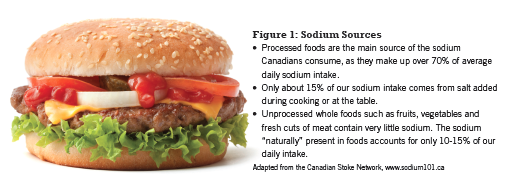
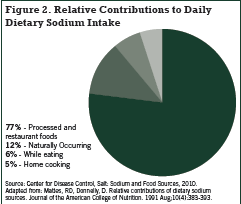
Very little sodium occurs naturally in foods, and it is widely recognized that processed foods are the major source of sodium in the Standard American Diet (SAD). In addition to sodium chloride, table salt, sodium may be added to food as the flavour enhancer monosodium glutamate, sodium benzoate, sodium bicarbonate, sodium citrate, sodium nitrite, and sodium acid pyrophosphate (Fischer 2009). The Canadian Stroke Network’s website www.sodium101.ca states that over 70% of dietary sodium comes from processed foods (Figure 1).
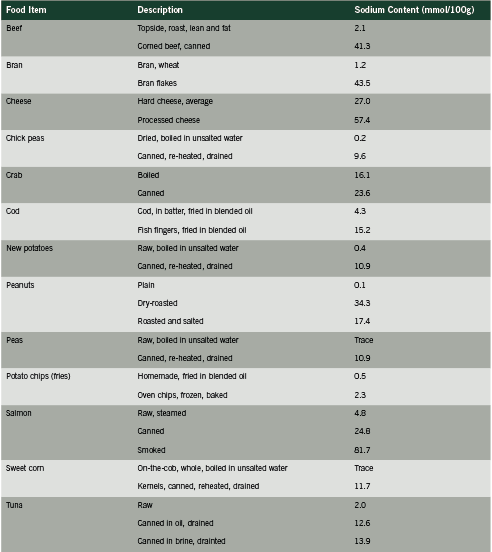
Table 1. Sodium content of processed versus non-processed foods
In view of the beta carotene experience, the undeniable link between sodium intake and risk of death, and the fact that upwards of 70% of dietary sodium originates from processed foods, we posit that sodium intake may in fact function as a biomarker of the effect of processed foods. Since processed foods represent by far the predominant source of dietary sodium, the link between sodium intake and risk of death in these population studies may actually represent the relationship between intake of processed foods and death/ disease. Besides sodium, processed foods contain several other harmful substances such as nitrates, saturated and trans fats, (sodium) benzoate, MSG, many other preservatives and flavoring agents, as well as possible byproducts of processing that are as yet unidentified. Processed foods are also typically quite calorie-dense, thus promoting obesity and its health consequences. Furthermore, high intake of processed foods is typically accompanied by low intake of fruit and vegetables, the primary source of dietary potassium, and this may help explain the additional predictive power of sodium: potassium ratio and mortality, as shown in the studies cited above.
A recent Cochrane review examining the effect of intervention with low-sodium diets lends further support to this hypothesis (Taylor 2011). After pooling seven RCTs including 6489 participants with follow up of between seven months to 12.7 years, Taylor et al found no “strong benefit” from sodium restriction on mortality and cardiovascular morbidity (2011). Among patients who were normotensive, relative risk for all cause mortality at the end of the trial was RR 0.67 (95% CI 0.40-1.12, 60 deaths), and after the longest follow up, risk was RR 0.90 (95% CI 0.58-1.40, 79 deaths).
Among hypertensive subjects, risk at the end of trial was RR 0.97 (95% CI 0.83-1.13, 513 deaths), and after the longest follow up, risk was RR 0.96 (95% CI 0.83-1.11, 565 deaths) showing no strong evidence of any effect of salt reduction. Cardiovascular morbidity in people with normal blood pressure or raised blood pressure at baseline showed no strong evidence of benefit from salt restriction. Conversely, salt restriction increased the risk of all-cause death in those with congestive heart failure (end of trial RR 2.59, 95% 1.04-6.44, 21 deaths).
Taylor’s paper raised a great deal of controversy. He et al (2011) have argued that the pooled analysis had insufficient statistical power, and that this is the reason for null results. Nonetheless, it raises important questions as to the true role of sodium as an agent of cardiovascular disease.
Exceptions
Our hypothesis pertains to the population as a whole. We wish to point out that reduced sodium intake is a critical factor in a subset of hypertensive patients who are sodium-sensitive, as well as in patients with chronic renal disease.
Conclusion
There is a well- established link between dietary sodium intake and risk of death, in particular cardiovascular mortality. As illustrated by the beta carotene experience, however, sodium may function as a biomarker rather than as the causative agent. Since the major source of dietary sodium in the Standard American Diet is processed foods, measurement of sodium intake may actually reflect consumption of processed foods and the complex combination of food chemicals and/ byproducts contained therein. We suggest that sodium has been unfairly vilified as an agent of harm, and that in fact harm is due to the complex, disease-promoting constituents of processed foods.
References
AHA (American Heart Association). 2011 Dietary and Lifestyle Recommendations. Updated 2011. http://www.heart.org/HEARTORG/GettingHealthy/NutritionCenter/HealthyDietGoals/Dictionary-of-Nutrition_UCM_305855_Article.jsp. Accessed 8 October 2011.
Bjelakovic G, Nikolova D, Gluud LL, Simonetti RG, Gluud C. Antioxidant supplements for prevention of mortality in healthy participants and patients with various diseases. Cochrane Database Syst Rev. 2008 Apr 16;(2):CD007176.
Brown IJ, Tzoulaki I, Candeias V, Elliott P. Salt intakes around the world: implications for public health. Int J Epidemiol. 2009 Jun;38(3):791-813.
Cerutti PA, Trump BF. Inflammation and oxidative stress in carcinogenesis. Cancer Cells. 1991 Jan;3(1):1-7.
CDC (Center for Disease Control). Salt: Sodium and Food Sources. Updated 10 February 2010. http://www.cdc.gov/salt/food.htm Accessed 8 October 2011.
Fischer PW, Vigneault M, Huang R, Arvaniti K, Roach P. Sodium food sources in the Canadian diet. Appl Physiol Nutr Metab. 2009 Oct;34(5):884-92.
He J, Ogden LG, Vupputuri S, Bazzano LA, Loria C, Whelton PK. Dietary sodium intake and subsequent risk of cardiovascular disease in overweight adults. JAMA. 1999 Dec 1;282(21):2027-34.
He FJ, MacGregor GA. A comprehensive review on salt and health and current experience of worldwide salt reduction programmes. J Hum Hypertens 2009; 23:363 – 384.
He FJ, MacGregor GA. Salt reduction lowers cardiovascular risk: meta-analysis of outcome trials. Lancet. 2011 Jul 30;378(9789):380-2.
Institute of Medicine (US) Committee on Strategies to Reduce Sodium Intake; Henney JE, Taylor CL, Boon CS, editors. Strategies to Reduce Sodium Intake in the United States. Washington (DC): National Academies Press (US); 2010.
Iso H, Shimamoto T, Yokota K, Ohki M, Sankai T, Kudo M, Harada M, Wakabayashi Y, Inagawa M, Kitamura A, Sato S, Imano H, Iida M, Komachi Y. [Changes in 24-hour urinary excretion of sodium and potassium in a community-based heath education program on salt reduction]. Nihon Koshu Eisei Zasshi. 1999 Oct;46(10):894-903.
Laatikainen T, Pietinen P, Valsta L, Sundvall J, Reinivuo H, Tuomilehto J. Sodium in the Finnish diet: 20-year trends in urinary sodium excretion among the adult population. Eur J Clin Nutr 2006; 60:965 – 970.
Mattes, RD, Donnelly, D. Relative contributions of dietary sodium sources. Journal of the American College of Nutrition. 1991 Aug;10(4):383-393.
Nagata C, Takatsuka N, Shimizu N, Shimizu H. Sodium intake and risk of death from stroke in Japanese men and women. Stroke. 2004 Jul;35(7):1543-7.
Ni Mhurchu C, Capelin C, Dunford EK, Webster JL, Neal BC, Jebb SA. Sodium content of processed foods in the United Kingdom: analysis of 44,000 foods purchased by 21,000 households. Am J Clin Nutr. 2011 Mar;93(3):594-600.
Pierce JP, Natarajan L, Caan BJ, Parker BA, Greenberg ER, Flatt SW, Rock CL, Kealey S, Al-Delaimy WK, Bardwell WA, Carlson RW, Emond JA, Faerber S, Gold EB, Hajek RA, Hollenbach K, Jones LA, Karanja N, Madlensky L, Marshall J, Newman VA, Ritenbaugh C, Thomson CA, Wasserman L, Stefanick ML. Influence of a diet very high in vegetables, fruit, and fiber and low in fat on prognosis following treatment for breast cancer: the Women’s Healthy Eating and Living (WHEL) randomized trial. JAMA. 2007 Jul 18;298(3):289-98.
Puska P, Vartiainen E, Tuomilehto J, Salomaa V, Nissinen A. Changes in premature deaths in Finland: successful long-term prevention of cardiovascular diseases. Bull World Health Organization 1998; 76:419–425.
Ross R. The pathogenesis of atherosclerosis: a perspective for the 1990s. Nature. 1993 Apr 29;362(6423):801-9.
Stahelin HB, Gey KF, Eichholzer M, Ludin E, Bernasconi F, Thurneysen J, Brubacher G. Plasma antioxidant vitamins and subsequent cancer mortality in the 12-year follow-up of the prospective Basel Study. Am J Epidemiol. 1991 Apr 15;133(8):766-75.
Strazzullo P, D’Elia L, Kandala NB, Cappuccio FP. Salt intake, stroke, and cardiovascular disease: meta-analysis of prospective studies. BMJ. 2009 Nov 24;339:b4567.
Takachi R, Inoue M, Shimazu T, Sasazuki S, Ishihara J, Sawada N, Yamaji T, Iwasaki M, Iso H, Tsubono Y, Tsugane S; Japan Public Health Center-based Prospective Study Group. Consumption of sodium and salted foods in relation to cancer and cardiovascular disease: the Japan Public Health Center-based Prospective Study. Am J Clin Nutr. 2010 Feb;91(2):456-64.
Taylor RS, Ashton KE, Moxham T, Hooper L, Ebrahim S. Reduced dietary salt for the prevention of cardiovascular disease. Cochrane Database Syst Rev. 2011 Jul 6;(7):CD009217.
Umesawa M, Iso H, Date C, Yamamoto A, Toyoshima H, Watanabe Y, Kikuchi S, Koizumi A, Kondo T, Inaba Y, Tanabe N, Tamakoshi A; JACC Study Group. Relations between dietary sodium and potassium intakes and mortality from cardiovascular disease: the Japan Collaborative Cohort Study for Evaluation of Cancer Risks. Am J Clin Nutr. 2008 Jul;88(1):195-202.
Van Vliet BN, Campbell NR; Canadian Hypertension Education Program. Efforts to reduce sodium intake in Canada: why, what, and when? Can J Cardiol. 2011 Jul-Aug;27(4):437-45.
Webster JL, Dunford EK, Hawkes C, Neal BC. Salt reduction initiatives around the world. J Hypertens. 2011 Jun;29(6):1043-50.
WASH (World Action on Salt and Health). Evidence: Population Studies http:// www.worldactiononsalt.com. Accessed 8 October 2011.
Yang Q, Liu T, Kuklina EV, Flanders WD, Hong Y, Gillespie C, Chang MH, Gwinn M, Dowling N, Khoury MJ, Hu FB. Sodium and potassium intake and mortality among US adults: prospective data from the Third National Health and Nutrition Examination Survey. Arch Intern Med. 2011 Jul 11;171(13):1183-91. 078-
Mineral metabolism disturbances are common among older people and may contribute to cardiac valvular calcification. The current study was conducted to evaluate mineral metabolism markers as potential risk factors for calcific aortic valve disease. Serum levels of phosphate, calcium, parathyroid hormone, and 25-hydroxyvitamin D were measured in 1938 Cardiovascular Health Study participants who were free of cardiovascular disease and who underwent echocardiographic measurements of aortic valve sclerosis (AVS), mitral annular calcification (MAC), and aortic annular calcification (AAC). The respective prevalences of AVS, MAC, and AAC were 54%, 39%, and 44%. Each 0.5 mg/dl higher serum phosphate concentration was associated with greater adjusted odds of AVS (odds ratio [OR]: 1.17, 95% confidence interval [CI]: 1.04 to 1.31, p = 0.01), MAC (OR: 1.12, 95% CI: 1.00 to 1.26, p = 0.05), and AAC (OR: 1.12, 95% CI: 0.99 to 1.25, p = 0.05). Serum calcium, parathyroid hormone, and 25-hydroxyvitamin D concentrations were not associated with aortic or mitral calcification. Therefore, phosphate may be a novel risk factor for calcific aortic valve disease as higher serum phosphate levels within the normal range were associated with valvular and annular calcification. J Am Coll Cardiol. 2011 Jul 12;58(3):291-7. PMID: 21737022.
Evidence suggests that there is a relationship between short sleep duration and obesity so the current study assessed energy balance during periods of short and habitual sleep. Fifteen men and 15 women aged 30–49 years with a body mass index of 22–26 kg/m2 who regularly slept 7–9 hours/night participated in this crossover study. Participants were studied under short (4 hour/night) and habitual (9 hour/night) sleep conditions, in random order, for five nights each. Food intake was measured on day five, and energy expenditure was measured with the doubly labeled water method over each period. Participants consumed more energy on day five during short sleep than during habitual sleep (P = 0.023) and this effect was mostly due to increased consumption of fat (P = 0.01), notably saturated fat (P = 0.038). Resting metabolic rate and total energy expenditure did not differ significantly between sleep phases. These data show that a reduction in sleep increases energy and fat intakes, which may explain the associations observed between sleep and obesity. If sustained and not compensated by increased energy expenditure, the dietary intakes of individuals undergoing short sleep predispose to obesity. Am J Clin Nutr. 2011 Aug;94(2):410-6. PMID: 21715510.
The following prospective, randomized, controlled crossover study was conducted to investigate the effects of small to moderate consumption of sugar-sweetened beverages (SSBs) for three weeks on glucose and lipid metabolism, and inflammatory markers in 29 healthy young men. Six 3-week interventions were assigned in random order as 1) dietary advice to consume low amounts of fructose or 600 mL SSBs containing 2) medium fructose (MF): 40 g fructose/day); 3) high fructose (HF): 80 g fructose/day; 4) medium glucose (MG): 40 g glucose/day; 5) high glucose (HG): 80 g glucose/day; and 6) high sucrose (HS): 80 g sucrose/day. Results revealed that LDL particle size was reduced after HF and HS (P < 0.05 for both) and a more atherogenic LDL subclass distribution was seen with fructose-containing SSBs (P < 0.05). Fasting glucose and high-sensitivity C-reactive protein increased significantly after all interventions (by 4–9% and 60–109%, respectively; P < 0.05) and leptin increased during interventions with glucose-containing SSBs (MG and HG: P < 0.05). This study shows potentially harmful effects of low to moderate consumption of SSBs on markers of cardiovascular risk within just three weeks in healthy young men. Am J Clin Nutr. 2011 Aug;94(2):479-85. PMID: 21677052.
Excessive fructose intake may induce adverse metabolic effects but the effect of usual amounts of fructose intake on metabolic syndrome (MetS) is unknown. This cross-sectional population based study was conducted to determine the association of fructose intake and prevalence of MetS and its components. Subjects included 2537 participants of the Tehran Lipid and Glucose Study (45% men, aged 19-70 years). Dietary data were collected using a validated 168-item semi-quantitative food frequency questionnaire. Dietary fructose intake was calculated by sum of natural fructose in fruits and vegetables and added fructose in commercial foods. Mean total dietary fructose intakes were 46.5+/-24.5 and 37.3+/-24.2 grams/day in men and women, respectively. Compared with those in the lowest quartile of fructose intakes, men and women in the highest quartile, respectively, had 33% (95% CI, 1.15-1.47) and 20% (95% CI, 1.09-1.27) higher risk of MetS; 39% (CI, 1.16-1.63) and 20% (CI, 1.07-1.27) higher risk of abdominal obesity; 11% (CI, 1.02-1.17) and 9% (CI, 1.02-1.14) higher risk of hypertension; and 9% (CI, 1-1.15) and 9% (1.04-1.12) higher risk of impaired fasting glucose. The authors concluded that higher consumption of dietary fructose may have adverse metabolic effects. Nutr Metab (Lond). 2011 Jul 12;8(1):50. PMID: 21749680.
This retrospective study investigated the relationship between daily urinary free cortisol excretion rate (as a marker of cortisol production rate) and daily caloric intake, food choice, body mass index (BMI), and waist circumference. One hundred twenty-seven overweight/obese women and 21 normal-weight subjects were enrolled in the study. Cortisol excretion rate was assessed using a 24-hour urine collection (UFC/24 h). In obese patients, the daily caloric intake was calculated, and a weekly food-frequency questionnaire was assessed. Results revealed that obese women had significantly higher UFC/24 h than the normal-weight women (P < 0.001). The obese subjects had an unbalanced diet, particularly rich in saturated lipids, and weekly food choice showed a preference for highly caloric foods. UFC/24 h values and waist circumference were significantly correlated (P < 0.001), regardless of BMI. In the obese group, the UFC/24 h values were also significantly and positively correlated to daily carbohydrate and lipid intake and to weekly starchy food consumption even after adjustment for BMI. This study demonstrated a significant association between higher UFC/24 h and energy intake, fats, and consumption of starchy foods, and that these relations were independent of BMI. Nutrition. 2011 Jun;27(6):677-80. PMID: 20934852.
Obese individuals may be at increased risk of iron deficiency (ID), but it is unclear whether this is due to poor dietary iron intakes or to adiposity-related inflammation. The current study investigated the relations between body mass index (BMI), dietary iron, iron status, and inflammation [C-reactive protein (CRP)]. Data from the 1999 Mexican Nutrition Survey, which included 1174 children and 621 nonpregnant women, were analyzed. The prevalence of ID was significantly higher in obese women and children compared with normal-weight subjects [odds ratios (95% CIs): 1.92 (1.23, 3.01) and 3.96 (1.34, 11.67) for women and children, respectively]. Despite similar dietary iron intakes in the two groups, serum iron concentrations were lower in obese women than in normal-weight women (P = 0.014) and total-iron-binding capacity was higher in obese children than in normal-weight children (P < 0. (provigil) 001). CRP concentrations in obese women and children were 4 times those of their normal-weight counterparts (P < 0.05) and CRP, but not iron intake, was a strong negative predictor of iron status (P < 0.05). The increased risk of ID in obesity may be due to the effects of obesity-related inflammation on dietary iron absorption. Am J Clin Nutr. 2011 May;93(5):975-83. PMID: 21411619.
A systematic review and meta-analysis was conducted to ascertain the serious adverse cardiovascular effects of varenicline, a widely used smoking cessation drug. Double-blind, randomized controlled trials published through September 2010 (updated March 2011) of at least one week’s duration involving smokers or people who used smokeless tobacco were included. These studies reported on cardiovascular events (ischemia, arrhythmia, congestive heart failure, sudden death or cardiovascular-related death) as serious adverse events associated with the use of varenicline. Data from 14 trials, ranging from 7 to 52 weeks and that involved 8216 participants were analyzed. Varenicline was associated with a significantly increased risk of serious adverse cardiovascular events compared with placebo: 1.06% (52/4908) in the varenicline group versus 0.82% (27/3308) in the placebo group; Peto odds ratio (OR) 1.72, 95% confidence interval (CI) 1.09–2.71. Results of various sensitivity analyses were consistent with those of the main analysis and a no publication bias was detected. There were too few deaths to allow meaningful comparisons of mortality. This meta-analysis raises safety concerns about the potential for an increased risk of serious adverse cardiovascular events associated with the use of varenicline among tobacco users. CMAJ. 2011 Jul 4. PMID: 21727225.
While evidence supports efficacy of acupuncture and/or dry needling in treating musculoskeletal pain, it is unclear which needling method is most effective. This study aimed to determine the effects of depth of needle penetration on muscle pain. Twenty-two healthy volunteers performed repeated eccentric contractions to induce muscle soreness in their extensor digital muscle. Subjects were assigned randomly to four groups: control group, skin group (depth of 3mm: extensor digital muscle), muscle group (depth of 10mm: extensor digital muscle) and non-segmental group (depth of 10mm: anterior tibial muscle). Pressure pain threshold (PPT) and electrical pain threshold (EPT) of the skin, fascia and muscle were measured at a point 20mm distal to the maximum tender point on the second day after the exercise. PPT of the skin group and muscle group were significantly higher than the control group, whereas EPT at fascia of the muscle group was significantly higher than the control group; however, there were no significant differences between the control and other groups. The authors concluded that acupuncture stimulation of muscle increases PPT and EPT of fascia and that the depth of needle penetration is important for the relief of muscle pain. Chin Med. 2011 Jun 22;6(1):24. PMID: 21696603.