




According to an unprecedented compilation of air quality data released on September 29, 2011 by the World Health Organization (WHO), air pollution is reaching levels that threaten people’s health in many cities. This information includes data from nearly 1100 cities across 91 countries. The WHO estimates that more than 2 000 000 people die every year from breathing in tiny particles present in indoor and outdoor air pollution. PM10 particles, which are particles of 10 micrometers or less that can penetrate into the lungs and may enter the bloodstream, can cause heart disease, lung cancer, asthma, and acute lower respiratory infections. The WHO air quality guidelines for PM10 is 20 μg/m3 as an annual average but the data released shows that average PM10 in some cities has reached up to 300 μg/m3. WHO is calling for greater awareness of health risks caused by urban air pollution, implementation of effective policies, and close monitoring of the situation in cities. A reduction from an average of 70 μg/m3 of PM10 to an annual average of 20 μg/m3 of PM10 is expected to yield a 15% reduction in mortality, which would be considered a major public health gain.
Carlson Labs founder passes away
John R. Carlson, the co-founder and president of Carlson Laboratories, passed away October 1, 2011 at the age of 77 years. Carlson retired last fall from his post at the company and was serving as Director Emeritus. For 45 years, Carlson was dedicated to the natural products industry, serving as an active member of such industry organizations as the American Academy of Anti- Aging Medicine, Natural Products Association (NPA), National Institute of Nutritional Education, and Mid-American Health Organization. He was also a founding member of Citizens for Health. The industry has recognized his service on many occasions; John was the recipient of the National Nutritional Food Association’s Crusader Award in 2001 and received the first Board
of Directors Award in 1985 from the National Institute of Nutritional Education. John also received the Emeritus Director award from Citizens for Health in 1996. John Carlson was a true pioneer and he was a powerful example of the true nature and soul of the natural products Industry.
Doctors should consider ADHD starting at age four
The American Academy of Pediatrics recently expanded its guidelines for diagnosing and treating kids with attention- deficit hyperactivity disorder (ADHD), recommending that doctors evaluate all patients age four to 18 that show signs of the condition. These new guidelines update the previous recommendations that focused on diagnosing and managing ADHD in kids age six to 12. Drafted by a 14-member committee, the new recommendations say pediatricians should consult with parents, teachers, and other adults in the community about kids’ behavior or school-related problems because affected children may not always show symptoms in the doctor’s office. The authors recommend that parents of four- and five-year olds with ADHD be trained in techniques to help manage kids’ behavior and only when that does not work, and moderate or severe ADHD persists, should young kids be put on medication. In school-aged kids, teachers or parents can also provide behavior therapy but some children may require special education plans. Stimulant medications (i.e., Ritalin) have also been shown to be effective alone or alongside therapy in this age group. The authors suggest that implementing both medication and behavior therapy will probably be the most effective in school-aged kids and adolescents. Lastly, medication and individual behavior therapy are recommended for teens with ADHD and the authors emphasize that doctors need to keep their eyes open for any signs of drug or alcohol abuse in this group.
PregVit® and PregVit folic 5® prenatal multivitamins are in compliance with Passover requirements
Duchesnay, the first Canadian pharmaceutical company to have been granted Kosher certification from the Kashruth Council of Canada (COR) for its prenatal multivitamins PregVit® and PregVit folic 5®, has received confirmation that the two products are chometz free and in full compliance with Passover requirements. A new Chometz-free symbol has been provided to Duchesnay and will appear on the revised PregVit® and PregVit folic 5® packaging before next Passover. In the meantime, Canadian women using the current PregVit®and PregVit folic 5® packaging can rest assured that their prenatal/postpartum multivitamins are suitable for Passover.
Integrated cancer care centre opens in Victoria
Cancer patients on Vancouver Island and the Gulf Islands now have access to a new integrated cancer care service. InspireHealth has operated a Vancouver centre since 1997 and it has expanded its services to Victoria. The InspireHealth Victoria regional centre opening followed an expansion announcement in Vancouver, where it was stated that other offices will be opened in Victoria, Abbotsford, Kelowna, and Prince George, as well as a virtual program to support rural and remote communities. Integrated cancer care combines diet, activity, and stress management with standard cancer treatments to promote an overall healthier lifestyle, which can lead to better patient outcomes and cancer survival rates. InspireHealth is funded through contributions from the Ministry of Health, along with a mix of physician salaries, patient-pay-membership fees, and private donations.
World Tuberculosis cases decline for first time ever
The World Health Organization reported on October 11, 2011 that the number of people getting sick with tuberculosis (TB) declined last year for the first time and the death toll reached its lowest level in a decade. In 2010, 8.8 million people fell ill with TB and 1.4 million died, marking notable declines compared to years prior according to the 2011 Global Tuberculosis Control Report released by the United Nations (UN). Globally, the TB death rate dropped 40% in 2010 compared to 1990 and all regions except Africa were on track to reach a 50% mortality decline by 2015. “This is major progress. But it is no cause for complacency,” UN Secretary-General Ban Ki-moon said in a statement. “Too many millions still develop TB each year, and too many die. I urge serious and sustained support for TB prevention and care, especially for the world’s poorest and most vulnerable people.”
USDA launched the latest release of nutrient database
The USDA has provided access to Release 24 of the USDA National Nutrient Database for Standard Reference. Information on more than 7900 different foods is now available. You can either view the data on the website (http://www.ars. usda.gov/ba/bhnrc/ndl) or download the data files and documentation in several different formats for use on your computer. The Mission of the Nutrient Data Laboratory is “To develop authoritative food composition databases and state of the art methods to acquire, evaluate, compile and disseminate composition data on foods and dietary supplements available in the United States.”
Cervical dysplasia and andhuman papilloma virus(HPV)
Cervical dysplasia and andhuman papilloma virus(HPV)
Nutritional therapeutic management
There are 15 known oncogenic strains of HPV that cause virtually all cases of cervical cancer and cervical dysplasia (Wheeler 2007). Strain 16 and 18 are the high- risk types most commonly detected by cytologic screening. Cervical cancer is the second major cause of cancer deaths among women worldwide, and ranks fourteenth amongst leading causes of cancer in women in the US (Marianne 2010).
Certain cofactors aff ecting the progression of cervical dysplasia to cancer include; long term use of oral contraceptives, multiple sexual partners, poor nutritional status and smoking. All of these factors alter epithelial diff erentiation, cell growth and apoptosis of tumor cells (Gariglio 2009). Addressing the risk factors of cervical cancer broadens the spectrum of treatment options available. This article focuses on various nutrient intervention options, and their safety and efficacy based on human trials as well as biological plausibility.
Nutritional Intervention -when to begin
When a Pap test comes back with minor histologic or cytologic abnormalities, such as atypical squamous cells of undetermined significance (ASCUS), grade 1 cervical intraepithelial neoplasia (CIN1) or low-grade squamous intraepithelial lesion (LSIL), conventional medicine suggests to watch, wait, and repeat the Pap smear. Most of these cytologic changes are associated with HPV infection. It is during this time that nutritional interventions would be appropriate, supporting the immune system to reverse the low-grade cervical cell abnormalities and/or eliminate the associated HPV infection.
Nutritional Medicines
Carotenoids
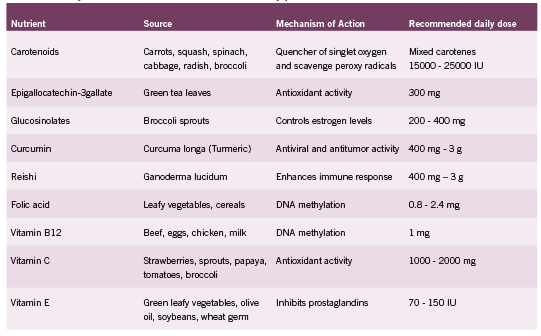
Carotenoids include beta-carotene, alpha-carotene, cryptoxanthin, gamma-carotene, zeaxanthin, lutein, and lycopene. Studies have shown that beta-carotene deficiency in the cervical cells plays an etiologic role in the development of cervical dysplasia (Palan 1992). In addition, a significant decrease in plasma beta-carotene levels is found in women with either cervical dysplasia or cervical cancer (VanEenwyk 1991).
Carotenoids like lycopene, found in tomatoes, are believed to be more responsible for an improvement in dysplasia than is betacarotene (Palan 1992). A case control trial including 235 women compared healthy controls to women with histopathological diagnosis of cervical intraepithelial neoplasia (CIN) or cervical cancer (Palan 2006). Cases were demonstrated to possess significantly lower plasma levels of lycopene, retinol, cantaxanthin, α-tocopherol and γ-tocopherol. These antioxidants have been shown to protect DNA from oxidative damage and obviate genotypic mutations linked to cancer (Davidson 1992, Witz 1991). Lycopene acts as a quencher of singlet oxygen (Di Mascio 1989).
Results of a Japanese group study on HPV (Nagata 1999) show that the highest tertile of serum lycopene was correlated with decreased risk of cervical dysplasia after observation of blood samples and cervical cells from 156 women. Women with higher plasma cis-lycopene levels were found to have 56% reduction in HPV persistence when compared to women with low levels.
Indole-3-Carbinol (I3C) and 3-3’Diindolylmethane (DIM)
Glucosinolates are compounds that are present in all members of the cruciferous vegetable family, including cabbage, broccoli, brussels sprouts, cauliflower, and kale. They are hydrolyzed by the plant enzyme myrosinase to yield isothiocyanates, which then break down to the metabolites indole-3-carbinol (I3C) and sulphoraphane (Higdon 2007). Research indicates that I3C has the potential to prevent and may treat a number of common cancers, particularly those that are estrogen related (Aubron 2003). Most animal and human studies using I3C to treat cancer show a chemoprotective effect. In a double-blind, placebo-controlled study, 30 patients with biopsy-confirmed CIN II-III were randomized to receive placebo or 200 or 400 mg oral I3C daily for 12 weeks. Four of eight patients in the 200 mg/day group and four of nine in the 400 mg/day group had complete regression of CIN while none in placebo group experienced regression (Bell 2000).
The results of I3C on cervical dysplasia are promising, however safety data from animal models demonstrate that I3C can both inhibit and promote carcinogenesis depending on the species, carcinogen, target organ, and exposure (Reed 2006). Several animal studies have shown a tumor-promoting effect of I3C in the liver, thyroid and endometrium (Kim 1997, Stoner 2002). Additionally, undesirable side effects of I3C include dizziness, unsteady gait and symptoms of nervous system toxicity at only two to three times the normal dose (Rosen 1998).
DIM supplementation, a dimer of I3C, is considered a promising alternative to I3C for its chemoprotective properties and excellent safety profile. However, in 2010, an RCT was conducted on 64 Patients diagnosed with CIN II or CIN III randomized in a 2:1 manner to receive DIM orally at 2mg/kg/day or placebo for 12 weeks. There was no statistically significant difference in any outcome measure between the DIM intervention group and control after six months of regular follow-up (Del Priore 2010).
Dietary intervention with three to five servings of cruciferous vegetables daily is a safe alternative to intervention with I3C. Broccoli sprouts are a rich source of inducers of enzymes that protect against carcinogens, and they have been found to contain 10–100 times more inducer activity than mature cruciferous vegetables (Fahey 1997).
Folic acid (Vitamin B9)
Although studies have revealed folate deficiency as a risk factor for cervical dysplasia, clinical trials with oral folic acid supplements have demonstrated conflicting results. Three hundred and thirty one women with biopsy proven atypia, mild CIN or moderate CIN were randomized to receive either 5 mg of folic acid or placebo orally per day for six months. Colposcopy, Pap smear and serum vitamin levels were monitored every three months. At the end of treatment, there was no significant difference between the treatment group and the control, suggesting that folic acid supplementation does not induce regression of early epithelial cervical abnormalities (Flately 2009). Similar observation was made by Zarcone et al (1996) from a study involving 154 patients with CIN I and CIN II who were randomized to 10 mg of folic acid or placebo for six months orally. After treatment, dysplasia status, biopsy status and prevalence of HPV 16 infection did not differ significantly which suggests that folic acid supplements do not alter the course of established disease.
Hernandez et al (2003) demonstrated that folate from food and supplements have inverse dose-response associations with squamous intraepithelial lesions of the cervix (SIL), in a case control study with 271 controls and 214 women confirmed for high and low grade SIL. Tong et al (2011) found that low serum folate concentration among individuals with methylenetetrahydrofolate reductase variants was coupled with high risk of cervical cancer. It remains unclear whether folic acid is an effective intervention of cervical dysplasia or whether it simply serves as a biomarker of intake of leafy green vegetables.
Vitamin B12
Vitamin B12 studies on HPV persistence and cervical neoplasia have yielded conflicting results. A study comprising 91 low income Hispanic women showed no association between vitamin B12 and risk of HPV persistence (Sedjo 2003). However, lower vitamin B12 levels combined with polymorphisms in the methylenetetrahydrofolate reductase gene were associated with higher risk of cervical cancer (Sedjo 2002). Vitamin B12 is an essential vitamin involved in methylation reactions, fatty acid metabolism, DNA and RNA synthesis. A diet rich in vitamin B12 containing foods or supplemental vitamin B12 may be protective against HPV persistence.
Vitamin C
A randomized study administered 500 mg vitamin C daily (oral) to 141 women confirmed for CIN or squamous atypia (Mackerras 1999). The authors concluded that vitamin C supplements are unlikely to increase the regression or decrease the progression of minor atypia and CIN I. A group of 169 participants with 87 confirmed cervical cancer patients and 82 controls were administered 80 mg and 107 mg of vitamin C respectively. This study demonstrated a ten-fold increase in risk of cervical dysplasia when the intake of vitamin C was 50% less than the recommended daily allowance (Wassertheil-Smoller 1981). A study by Giuliano et al (2003) showed that risk of type-specific persistent HPV infection was lower among women whose intake of vitamin C is higher compared to those in the lowest quartile. Similar results have been reproduced elsewhere (VanEenwyk 1991). Although conflicting reports on vitamin C supplementation exist, it is evident that low vitamin C status is consistently associated with cervical cancer and its precursors.
Vitamin E
Vitamin E exists in eight different forms, four tocopherols and four tocotrienols. with α-tocopherol being the form of vitamin E that is preferentially absorbed and stored in humans. α-tocopherol in a vitamin E rich diet behaves as peroxy radical scavenger with chain breaking properties, inhibiting induced neoplastic transformation of cells (Rigotti 2007). Serum tocopherol levels were found to be low in patients with HPV persistence in a study done with 405 Brazilian women (Siegel 2007).
Prostaglandins are often related to carcinogenic events on account of their ability to suppress the immune system. Vitamin E inhibits prostaglandin action by reducing the adenylate cyclase response to prostaglandins (Stoll 1994). In a study involving American Indian women with biopsy proven CIN I or CIN II/III and same population controls, Yeo et al (2000) reported that low serum α-tocopherol was associated with increased CIN I/III, but the adjusted odds ratio was not significant. Further large cohort studies are needed to assess the role of vitamin E in HPV infection.
Green tea extract (Camelia sinensis)
The FDA approved a topical herbal drug (Polyphenol E) comprised of catechins from green tea leaves to treat genital warts caused by low risk HPV, strains 6 and 11. The efficacy and safety of Polyphenon E was confirmed by a randomized trial on 397 adults with HPV genital warts. Subjects who applied the treatment three times a day had complete clearance of warts in 16 weeks (Stockfleth 2008).
Ahn et al (2003) reviewed the clinical efficacy of green tea extracts in the form of ointment or capsules in treating patients with HPV infected cervical lesions. A cohort of 51 patients with cervical lesions was divided into 4 groups and 39 patients were untreated controls. A 69% response was observed for treatment with green tea extract compared to a 10% response in untreated controls, suggesting that green tea extract can serve as a potential therapy for patients with HPV associated cervical lesions.
Curcuma longa
Curcumin, a yellow pigment from rhizomes of turmeric has been observed to have anticancer properties. Maher et al (2011) analyzed the effects of curcumin on HPV pathways involved in the development of cervical cancer. Curcumin was found to inhibit the transcription of HPV 16, restore the expression of tumor suppressor protein P53, and suppress the growth of cervical cancer cells.
A study by Cheng et al (2001) demonstrated that curcumin is not toxic to humans at doses up to 8000 mg/day when administered orally for three months. This study also showed that curcumin led to histologic improvement in patients with CIN and other premalignant lesions, suggesting a biologic eff ect of curcumin in the chemoprevention of cervical cancer (Maher 2011).
Ganoderma Lucidum
Ganoderma lucidum, known by its common name Reishi mushroom, is traditionally used in Chinese medicine for infl ammation and immunity. Preclinical studies by Gao et al (2003) suggested that the Ganoderma lucidum polysaccharides (GLPS) are responsible for the immune-stimulating eff ects of the herb. ey investigated the eff ects of GLPS on the immune function of 34 advanced-stage cancer patients. ese patients were treated with 1800 mg, three times/day orally for 12 weeks. irty patients after 12 weeks of treatment were assessed for immune function and found to have increased plasma concentrations of IL-2, IL-6 and Interferon gamma and decreased IL-1 and Tumor necrosis factor (TNF) concentrations. e study also found increased NK cell activity after 12 weeks of treatment, indicating that Ganoderma lucidum polysaccharides enhanced the immune response of patients with advanced cancer.
Trametes Versicolor (Previously known as Coriolus versicolor)
Trametes is a mushroom commonly used in Asia for boosting the immune system. Most of the research on this mushroom has focused on its immune-enhancing properties in cancer patients undergoing chemotherapy. Recently, it has been studied for its immunomodulating eff ects on HPV. A study by J. Silva Couto (2006) examined women with CIN I associated with HPV. Half of the women were given 3g/day of Coriolus for a year and the other half received no supplementation. e study found that Coriolus versicolor supplementation over a period of one year substantially increased regression of dysplasia (regression rate 72% vs 47.5%) and induced clearance of the high-risk subtypes of the HPV virus (regression rate 90% vs 8.5%).
Conclusion
Nutritional therapeutic interventions can restore balance to the immune system, tune up the body’s defense against infection and correct nutrient defi ciencies. Nutrient supplementation is an alternative approach to the conventional “watch and wait” approach in response to cervical dysplasia and HPV infection. Supplementation is most eff ective in people with low baseline status of nutritional adequacy. Evidence from human clinical trials suggests that achieving nutrient adequacy exerts a protective eff ect against persistent HPV infection and that dietary and nutritional interventions may prevent the development of cervical dysplasia, or reverse existing histopathological abnormality.
References
Ahn WS, Yoo J, Huh SW, Kim CK, Lee JM, Namkoong SE, Bae SM, Lee IP. Protective effects of green tea extracts (polyphenon E and EGCG) on human cervical lesions. Eur J Cancer Prev. 2003 Oct;12(5):383-90.
Auborn KJ, Fan S, Rosen EM, Goodwin L, Chandraskaren A, Williams DE, Chen D, Carter TH. Indole-3-carbinol is a negative regulator of estrogen. J Nutr. 2003 Jul;133(7 Suppl):2470S-2475S.
Bell MC, Crowley-Nowick P, Bradlow HL, Sepkovic DW, Schmidt-Grimminger D, Howell P, Mayeaux EJ, Tucker A, Turbat-Herrera EA, Mathis JM. Placebocontrolled trial of indole-3-carbinol in the treatment of CIN. Gynecol Oncol. 2000 Aug;78(2):123-9.
Cheng AL, Hsu CH, Lin JK, Hsu MM, Ho YF, Shen TS, Ko JY, Lin JT, Lin BR, Ming- Shiang W, Yu HS, Jee SH, Chen GS, Chen TM, Chen CA, Lai MK, Pu YS, Pan MH, Wang YJ, Tsai CC, Hsieh CY. Phase I clinical trial of curcumin, a chemopreventive agent, in patients with high-risk or pre-malignant lesions. Anticancer Res. 2001 Jul- Aug;21(4B):2895-900.
Couto JS. Evaluation of Coriolus versicolor supplementation in LSIL HPV patients. Townsend Letter: The Examiner of Alternative Medicine. Nov issue 2006.
Davidson SE, West CM, Hunter RD. Lack of association between in vitro clonogenic growth of human cervical carcinoma and tumour stage, differentiation, patient age, host cell infiltration or patient survival. Int J Cancer. 1992 Jan 2;50(1):10-4.
Del Priore G, Gudipudi DK, Montemarano N, Restivo AM, Malanowska-Stega J, Arslan AA. Oral diindolylmethane (DIM): pilot evaluation of a nonsurgical treatment for cervical dysplasia. Gynecol Oncol. 2010 Mar;116(3):464-7.
Di Mascio P, Kaiser S, Sies H. Lycopene as the most efficient biological carotenoid singlet oxygen quencher. Arch Biochem Biophys. 1989 Nov 1;274(2):532-8.
Fahey JW, Zhang Y, and Talalay P. Broccoli sprouts: An exceptionally rich source of inducers of enzymes that protect against chemical carcinogens. Proc Natl Acad Sci USA. 1997 Sept; 94(19): 10367–10372.
Flatley JE, McNeir K, Balasubramani L, Tidy J, Stuart EL, Young TA, Powers HJ. Folate status and aberrant DNA methylation are associated with HPV infection and cervical pathogenesis. Cancer Epidemiol Biomarkers Prev. 2009 Oct;18(10):2782-9.
Gao Y, Zhou S, Jiang W, Huang M, Dai X. Effects of ganopoly (a Ganoderma lucidum polysaccharide extract) on the immune functions in advanced-stage cancer patients. Immunol Invest. 2003 Aug;32(3):201-15.
Gariglio P, Gutierrez J, Cortes E, Vazquez J. The role of retinoid deficiency and estrogens as cofactors in cervical cancer. Arch Med Res. 2009 Aug;40(6):449-65.
Hernandez BY, McDuffie K, Wilkens LR, Kamemoto L, Goodman MT. Diet and premalignant lesions of the cervix: evidence of a protective role for folate, riboflavin, thiamin, and vitamin B12. Cancer Causes Control. 2003 Nov;14(9):859-70.
Higdon JV, Delage B, Williams DE, Dashwood RH. Cruciferous vegetables and human cancer risk: epidemiologic evidence and mechanistic basis. Pharmacol Res. 2007 Mar;55(3):224-36.
Kim DJ. Enhancement by indole-3-carbinol of liver and thyroid gland neoplastic development in a rat medium-term multiorgan carcinogenesis model. Carcinogenesis. 1997. 18 (2): 377-381.
Mackerras D, Irwig L, Simpson JM, Weisberg E, Cardona M, Webster F, Walton L, Ghersi D. Randomized double-blind trial of beta-carotene and vitamin C in women with minor cervical abnormalities. Br J Cancer. 1999 Mar;79(9-10):1448-53.
Maher DM, Bell MC, O’Donnell EA, Gupta BK, Jaggi M, Chauhan SC. Curcumin suppresses human papillomavirus oncoproteins, restores p53, Rb, and PTPN13 proteins and inhibits benzo[a]pyrene-induced upregulation of HPV E7. Mol Carcinog. 2011 Jan;50(1):47-57.
Marianne M. Management of cervical dysplasia and human papillomavirus. Townsend Letter, April issue. 2010.
Nagata C, Shimizu H, Yoshikawa H, Noda K, Nozawa S, Yajima A, Sekiya S, Sugimori H, Hirai Y, Kanazawa K, Sugase M, Kawana T. Serum carotenoids and vitamins and risk of cervical dysplasia from a case-control study in Japan. Br J Cancer. 1999 Dec;81(7):1234-7.
Palan PR, Mikhail MS, Basu J, Romney SL. Beta-carotene levels in exfoliated cervicovaginal epithelial cells in cervical intraepithelial neoplasia and cervical cancer. Am J Obstet Gynecol. 1992 Dec;167(6):1899-903.
Palan PR, Mikhail MS, Goldberg GL, Basu J, Runowicz CD, Romney SL. Plasma levels of beta-carotene, lycopene, canthaxanthin, retinol, and alpha- and tautocopherol in cervical intraepithelial neoplasia and cancer. Clin Cancer Res. 1996 Jan;2(1):181-5.
Reed GA, Arneson DW, Putnam WC, Smith HJ, Gray JC, Sullivan DK, Mayo MS, Crowell JA, Hurwitz A. Single-dose and multiple-dose administration of indole- 3-carbinol to women: pharmacokinetics based on 3,3’-diindolylmethane. Cancer Epidemiol Biomarkers Prev. 2006 Dec;15(12):2477-81.
Rigotti A. Absorption, transport, and tissue delivery of vitamin E. Mol Aspects Med. 2007 Oct-Dec;28(5-6):423-36.
Rosen CA, Woodson GE, Thompson JW, Hengesteg AP, Bradlow HL. Preliminary results of the use of indole-3-carbinol for recurrent respiratory papillomatosis. Otolaryngol Head Neck Surg. 1998 Jun;118(6):810-5.
Sedjo RL, Fowler BM, Schneider A, Henning SM, Hatch K, Giuliano AR. Folate, vitamin B12, and homocysteine status. findings of no relation between human papillomavirus persistence and cervical dysplasia. Nutrition. 2003 Jun;19(6):497-502.
Sedjo RL, Inserra P, Abrahamsen M, Harris RB, Roe DJ, Baldwin S, Giuliano AR. Human papillomavirus persistence and nutrients involved in the methylation pathway among a cohort of young women. Cancer Epidemiol Biomarkers Prev. 2002 Apr;11(4):353-9.
Siegel EM, Craft NE, Duarte-Franco E, Villa LL, Franco EL, Giuliano AR. Associations between serum carotenoids and tocopherols and type-specific HPV persistence: the Ludwig-McGill cohort study. Int J Cancer. 2007 Feb 1;120(3):672-80.
Stoll KE, Ottino P, Duncan JR. Interrelationship of ascorbate, arachidonic acid and prostaglandin E2 in B16 melanoma cells. Prostaglandins Leukot Essent Fatty Acids. 1994 Mar;50(3):123-31.
Stockfleth E, Beti H, Orasan R, Grigorian F, Mescheder A, Tawfik H, Thielert C. Topical Polyphenon E in the treatment of external genital and perianal warts: a randomized controlled trial. Br J Dermatol. 2008 Jun;158(6):1329-38.
Stoner G, Casto B, Ralston S, Roebuck B, Pereira C, Bailey G. Development of a multi-organ rat model for evaluating chemopreventive agents: efficacy of indole-3- carbinol. Carcinogenesis. 2002 Feb;23(2):265-72.
Tong SY, Lee JM, Song ES, Lee KB, Kim MK, Yun YM, Lee JK, Son SK, Lee JP, Kim JH, Hur SY, Kwon YI. The effects of polymorphisms in methylenetetrahydrofolate reductase (MTHFR), methionine synthase (MTR), and methionine synthase reductase (MTRR) on the risk of cervical intraepithelial neoplasia and cervical cancer in Korean women. Cancer Causes Control. 2010 Jan;21(1):23-30.
VanEenwyk J, Davis FG, Bowen PE. Dietary and serum carotenoids and cervical intraepithelial neoplasia. Int J Cancer. 1991 Apr 22;48(1):34-8.
Wassertheil-Smoller S, Romney SL, Wylie-Rosett J, Slagle S, Miller G, Lucido D, Duttagupta C, Palan PR. Dietary vitamin C and uterine cervical dysplasia. Am J Epidemiol. 1981 Nov;114(5):714-24.
Wheeler C. Advances in primary and secondary interventions for cervical cancer: prophylactic human papillomavirus vaccines and testing. Nat Clin Pract Oncol. 2007 Apr: 4(4):224-235.
Witz G. Active oxygen species as factors in multistage carcinogenesis. Proc Soc Exp Biol Med. 1991 Nov;198(2):675-82.
Yeo AS, Schiff MA, Montoya G, Masuk M, van Asselt-King L, Becker TM. Serum micronutrients and cervical dysplasia in Southwestern American Indian women. Nutr Cancer. 2000;38(2):141-50.
Zarcone R, Bellini P, Carfora E, Vicinanza G, Raucci F. [Folic acid and cervix dysplasia]. Minerva Ginecol. 1996 Oct;48(10):397-400.
Sarcopenia
Sarcopenia
Nutritional intervention for a quiet epidemic
Sarcopenia is a complex, age related process that occurs in every aging adult patient and is virtually untreatable by pharmaceutical interventions. This article will explain the lack of available treatment and provide evidence for the use of supplemented protein to prevent and reverse muscle loss in elderly patients.
Sarcopenia research has been poor to date due to inconsistencies in diagnostic criteria and the difficulty in isolating the condition from other atrophic diseases such as cachexia and disuse atrophy. Measuring muscle with imaging has proven to be an inaccurate surrogate for muscle strength and power, the factors that account for the morbidity and mortality associated with sarcopenia (Brass 2011). Given these limitations to the research, and the known complexity of the disease, the development of therapeutic interventions has been challenging.
Early theories on the mechanisms behind age related muscle atrophy focused on increased muscle catabolism as a principle cause, however more recent evidence has shown that muscle breakdown in the elderly appears to occur at similar rates to younger cohorts (Koopman 2011). Evidence has shown that the most marked changes in the aging skeletal muscle lays in the anabolic processes responsible for increasing muscle mass in response to nutrition and exercise. The term anabolic resistance was coined to describe these processes, which include: decreasing insulin sensitivity, decreased protein synthesis in response to dietary essential amino acids (EAA) and decreased protein synthesis response to exercise.
Sarcopenia differs in both mechanism and clinical presentation from cachexia. Unlike cachexia, sarcopenia has a relative preservation of fat mass, which may cause weight loss to be masked in many patients. Evidence has shown that weight stable elderly patients should still be considered for treatment of sarcopenia (Gallagher 2000).
Drug trials have focused on increasing anabolic hormones that decline with age (testosterone and other androgens), and improving blood flow to atrophic muscles. Testosterone supplementation to hypogonadal men has shown some benefit, however given the increased risk of cardiovascular events (Basaria 2010), focus has shifted to Selective Androgen Receptor Modulators (SARMs) (Rolland 2011). Growth hormone, ghrenlin, estrogen and myostatin inhibitors have all been investigated for the treatment of sarcopenia without substantial gains in muscle mass (Rolland 2011). ACE inhibitors show promise for the treatment of muscle loss after studies found that patients treated for hypertension with ACEI were found to have a stabilization of muscle atrophy. This benefit is suspected to be due to improved blood flow to peripheral tissues (Brass 2011).
Nutritional supplementation for elderly patients must improve overall under-nutrition with a particular focus on protein intake.
Improving caloric intake alone has been shown to offer no benefit to muscle mass or function in the elderly (Milne 2009). Outlined below is the current evidence for using protein supplements for the prevention of sarcopenia as well as for treatment of reduced muscle mass. When considering protein supplementation in elderly patients factors to account for include: dose, %EAA, protein source, and timing of protein intake relative to other foods.
Current recommendations for protein intake in the elderly (0.8g/ kg/d) offer little benefit to sarcopenic patients (Morley 2010). Reviews have shown that many elderly patients do not consume the recommended 0.8g/kg/d (Kerstetter 2003, Rousset 2003) and patients who do consume this dosage are only modestly protected against muscle loss (Genaro 2010, Morley 2010). The Healthy Aging and Body Composition study demonstrated that elderly patients in the highest quartile (protein intake 1.1g/kg/d) lost 40% less appendicular lean mass than patients in the lowest quartile (0.7g/kg/d) (Houston 2008). In a recent review, Morley and colleagues discussed the evidence for increasing the recommended daily dosage of protein for aging adults to 1.0-1.6g/kg/d based on data that shows that 1.0g/kg/d is the minimum dosage required to prevent muscle loss with dosages ranging up to 1.6g/kg/d showing improvements in muscle mass (Morley 2010).
Conflicting studies exist for the timing of protein intake throughout the day as well as the positive or negative impact of combining protein intake with carbohydrates. Arnal et al (Arnal 1999) found that elderly women who consumed the majority of their protein intake at the midday meal had 80% greater protein retention than the control group as calculated by a more positive nitrogen balance. However, in a randomized controlled trial in 2009, Symons et al found that a bolous of 90 grams of animal protein (lean beef) was no more beneficial than a 30 gram bolous through direct examination of protein synthesis through vastus lateralus biopsy (Symons 2009). This more recent study suggests that an upper limit per meal is reached in patients around 30 grams. This study also provides more conclusive evidence given the direct observation of protein synthesis (through uptake of radiolabeled phenylalanine in muscle biopsy) versus calculated protein use based on nitrogen balance. Research has also suggested supplementation of elderly patients with protein between meals to prevent supplementation from replacing calories and nutrients consumed during regular meals (Fiatarone 1994).
The current information on whether to combine protein with carbohydrates requires further research before conclusions can be drawn. Studies on patients assigned to bed-rest have shown that a mixed meal of 16.5g of EAA with 30g of carbohydrates reduced muscle loss, with controls having a more pronounced loss of muscles strength (Paddon-Jones 2004). Volpi and colleagues concluded that combining a protein bolous with carbohydrates impaired protein synthesis in elderly subjects compared to a protein bolus alone (Volpi 2000). Reviews on the subject have concluded that the presence of carbohydrates in modest doses (<30g) do not impair muscle protein synthesis in the elderly however larger doses may negatively influence insulin levels and lower protein synthesis (Kim 2010, Koopman 2011).
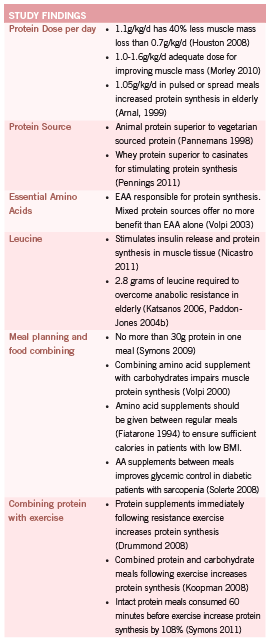
Differing protein sources and amino acid ratios produce varying results, illustrating the need for attention and detail when prescribing protein supplements to this population. Protein sources vary in the relative percentages of EAA as well as the speed at which they are digested and increase plasma levels. Whey protein isolates have shown benefit over casein protein mixtures in both the rate of availability of EAA in plasma and in the ability to stimulate protein synthesis in muscle cells (Pennings 2011). However, in a second 2011 study, Dideriksen et al showed no difference in muscle protein synthesis between whey and caseinate ingested after resistance training in the elderly (Dideriksen 2011).
Current evidence shows that animal protein improves lean muscle tissue better than vegetarian sourced protein (Pannemans 1998) and that amino acid supplements containing only essential amino acids (EAA) confer better results than mixed, or non-EAA supplements. A small trial looked at the administration of an EAA only meal to healthy older adults who do not perform exercise on a regular basis (Volpi 2003). Although the size of the trial is a significant limitation, the results clearly indicated that a meal containing 18g of EAA stimulated muscle protein synthesis to the same degree as a 40g meal containing 18g of EAA and 22g of non-essential amino acids.
Of greatest interest, leucine, a branched chain EAA, appears to regulate protein synthesis via multiple processes. Nicastro et al concluded in a 2011 review that leucine stimulates insulin release and is a regulatory molecule for skeletal muscle protein synthesis. Leucine also appears to influence cellular proteolytic processes, which may slow muscle loss (Nicastro 2011). Human controlled trials have shown that leucine enriched meals can improve muscle protein synthesis in the elderly at a dose of 2.8g of leucine in a mixed EAA meal (Katsanos 2006, Paddon-Jones 2004b). There are currently no dose-response trials on leucine supplementation, however the Katsanos trial (Katsanos 2006) was a follow up to a previous study (Katsanos 2005) that found that 1.7g of leucine did not stimulate protein synthesis in elderly subjects compared to younger controls when delivered in a 6.7g mixed protein meal. This possibly indicates a decrease in leucine sensitivity in the elderly with a threshold dose of approximately 2.8g needed to stimulate anabolism. The apparent decrease in leucine sensitivity may be due to age related alterations in first pass metabolism of leucine and other essential amino acids demonstrated by Volpi et al (Volpi 1999).
Much of the research on the adverse outcomes of leucine supplementation has been derived from animal models. The research on possible adverse effects, which include appetite suppression (Nicastro 2011) and imbalances in other branched chain amino acids (Verhoeven 2009) should be considered with caution given the differing needs in individual amino acids from humans to rats and the relatively low dosage of leucine needed in humans to cause a response in skeletal muscle (Nicastro 2011). Trappe et al reported no adverse effects after the administration of 3.6g of leucine in combination with other branched chain amino acids after 60 days (Trappe 2008) to prevent muscle loss during bedrest. In addition, a review by Fernstrom (Fernstrom 2005) found no reported adverse outcomes for supra-physiologic doses of branched chain amino acids in over 20 trials.
The timing of protein intake with respect to resistance exercise has been suggested as a possible treatment option to increase amino acid incorporation into skeletal muscle. In 2011, Pennings et al demonstrated for the first time that de novo protein synthesis is increased in elderly patients who combine protein and exercise versus protein ingestion alone. Subjects completed 30 minutes of stationary bike plus 2 leg resistance exercise before consuming 20g of protein (Pennings 2011b). Although the mechanism behind sarcopenia was thought to include anabolic resistance to exercise, studies have started to show that protein synthesis is increased in the elderly when protein and carbohydrates are ingested following exercise (Koopman 2008), and that the effect of protein ingestion, is delayed, not absent, when compared to younger controls (Drummond 2008).
In a 2011 study by Symons, the discrepancies in the research on the topic of protein and exercise are adequately addressed. In this study, participants were given a large dose of protein (90g) in an intact meal of lean ground beef 60 minutes before exercise. This resulted in a 108% increase in protein synthesis in elderly patients as well as younger controls (Symons 2011). It appears that the timing of protein ingestion should vary, depending on whether patients are consuming intact protein meals (beef, poultry) or quickly digested protein isolates or EAA only supplements. Full meals containing protein require up to 100 minutes to reach peak plasma levels, while protein supplements may elevate plasma AA levels in as little as 15-30 minutes. Timing of exercise and protein prescriptions are thus dependent on the type of protein ingested with intact meals consumed 60 minutes prior to exercise and protein supplements
in a 30-60 minute window post exercise (Symons 2011). Negative studies on protein and exercise have shown no additional benefit to adding exercise to protein intake but either have included subjects who consume >1.0g/kg/d of protein on a regular basis or have used large doses or protein, EAA or leucine over longer periods of time (Koopman 2008, Koopman 2011, Verdijk 2009). This research may suggest that the timing of protein intake with respect to exercise is most valuable as a treatment option in elderly patients who do not consume adequate protein at presentation, but that the benefits of timed doses cease as protein adequacy is reached.
Very few studies have examined protein intake and functional endpoints such as strength. It appears that protein intake is more closely linked to the prevention of appendicular lean mass than muscle strength however more studies are needed to confirm these findings (Scott 2010). One uncontrolled trial examined the use of an EAA+argenine mixture containing 3.95g of leucine and 1.10g of argenine on functional endpoints such as gait speed and maximal leg strength. The study employed only 12 participants but showed significant gains in muscle mass and all functional endpoints measured (Borsheim 2008).
The understanding of sarcopenia will undoubtedly continue to evolve, as already, the use of the term anabolic resistance has begun to shift to account for new research. Recent evidence shows that elderly patients respond to exercise as well as younger controls (Pennings 2011b, Symons 2011) and that the elderly respond similarly to the young after an EAA bolous that exceeds normal dietary intakes (Volpi 1999). It is clear that protein adequacy with a focus on EAA and leucine can prevent muscle wasting and restore muscle mass. Further research into the benefits of protein and sarcopenia are required to determine the effects of carbohydrates and exercise on protein synthesis and functional endpoints such as muscle strength. Sarcopenia is present in the majority of elderly patients and is a condition that can be prevented and possibly treated with careful, specific treatment planning including protein supplementation.
References
Arnal MA, Mosoni L, Boirie Y, Houlier ML, Morin L, Verdier E, Ritz P, Antoine JM, Prugnaud J, Beaufrere B, Mirand PP. Protein pulse feeding improves protein retention in elderly women. Am J Clin Nutr. 1999 Jun;69(6):1202-8.
Basaria S, Coviello AD, Travison TG, Storer TW, Farwell WR, Jette AM, Eder R, Tennstedt S, Ulloor J, Zhang A, Choong K, Lakshman KM, Mazer NA, Miciek R, Krasnoff J, Elmi A, Knapp PE, Brooks B, Appleman E, Aggarwal S, Bhasin G, Hede- Brierley L, Bhatia A, Collins L, LeBrasseur N, Fiore LD, Bhasin S. Adverse events associated with testosterone administration. N Engl J Med. 2010 Jul 8;363(2):109-22.
Borsheim E, Bui QU, Tissier S, Kobayashi H, Ferrando AA, Wolfe RR. Effect of amino acid supplementation on muscle mass, strength and physical function in elderly. Clin Nutr. 2008 Apr;27(2):189-95.
Brass EP, Sietsema KE. Considerations in the development of drugs to treat sarcopenia. J Am Geriatr Soc. 2011 Mar;59(3):530-5.
Dideriksen KJ, Reitelseder S, Petersen SG, Hjort M, Helmark IC, Kjaer M, Holm L. Stimulation of muscle protein synthesis by whey and caseinate ingestion after resistance exercise in elderly individuals. Scand J Med Sci Sports. 2011 Apr 28.
Drummond MJ, Dreyer HC, Pennings B, Fry CS, Dhanani S, Dillon EL, Sheffield- Moore M, Volpi E, Rasmussen BB. Skeletal muscle protein anabolic response to resistance exercise and essential amino acids is delayed with aging. J Appl Physiol. 2008 May;104(5):1452-61.
Fernstrom JD. Branched-chain amino acids and brain function. J Nutr. 2005 Jun;135(6 Suppl):1539S-46S.
Fiatarone MA, O’Neill EF, Ryan ND, Clements KM, Solares GR, Nelson ME, Roberts SB, Kehayias JJ, Lipsitz LA, Evans WJ. Exercise training and nutritional supplementation for physical frailty in very elderly people. N Engl J Med. 1994 Jun 23;330(25):1769-75.
Gallagher D, Ruts E, Visser M, Heshka S, Baumgartner RN, Wang J, Pierson RN, Pi-Sunyer FX, Heymsfi eld SB. Weight stability masks sarcopenia in elderly men and women. Am J Physiol Endocrinol Metab. 2000 Aug;279(2):E366-75.
Genaro Pde S, Martini LA. Effect of protein intake on bone and muscle mass in the elderly. Nutr Rev. 2010 Oct;68(10):616-23.
Houston DK, Nicklas BJ, Ding J, Harris TB, Tylavsky FA, Newman AB, Lee JS, Sahyoun NR, Visser M, Kritchevsky SB; Health ABC Study. Dietary protein intake is associated with lean mass change in older, community-dwelling adults: the Health, Aging, and Body Composition (Health ABC) Study. Am J Clin Nutr. 2008 Jan;87(1):150-5.
Katsanos CS, Kobayashi H, Sheffi eld-Moore M, Aarsland A, Wolfe RR. Aging is associated with diminished accretion of muscle proteins after the ingestion of a small bolus of essential amino acids. Am J Clin Nutr. 2005 Nov;82(5):1065-73.
Katsanos CS, Kobayashi H, Sheffi eld-Moore M, Aarsland A, Wolfe RR. A high proportion of leucine is required for optimal stimulation of the rate of muscle protein synthesis by essential amino acids in the elderly. Am J Physiol Endocrinol Metab. 2006 Aug;291(2):E381-7.
Kerstetter JE, O’Brien KO, Insogna KL. Low protein intake: the impact on calcium and bone homeostasis in humans. J Nutr. 2003 Mar;133(3):855S-861S.
Kim JS, Wilson JM, Lee SR. Dietary implications on mechanisms of sarcopenia: roles of protein, amino acids and antioxidants. J Nutr Biochem. 2010 Jan;21(1):1-13.
Koopman R. Dietary protein and exercise training in ageing. Proc Nutr Soc. 2011 Feb;70(1):104-13.
Koopman R, Verdijk LB, Beelen M, Gorselink M, Kruseman AN, Wagenmakers AJ, Kuipers H, van Loon LJ. Co-ingestion of leucine with protein does not further augment post-exercise muscle protein synthesis rates in elderly men. Br J Nutr. 2008 Mar;99(3):571-80.
Milne AC, Potter J, Vivanti A, Avenell A. Protein and energy supplementation in elderly people at risk from malnutrition. Cochrane Database Syst Rev. 2009 Apr 15;(2):CD003288.
Morley JE, Argiles JM, Evans WJ, Bhasin S, Cella D, Deutz NE, Doehner W, Fearon KC, Ferrucci L, Hellerstein MK, Kalantar-Zadeh K, Lochs H, MacDonald N, Mulligan K, Muscaritoli M, Ponikowski P, Posthauer ME, Rossi Fanelli F, Schambelan M, Schols AM, Schuster MW, Anker SD; Society for Sarcopenia, Cachexia, and Wasting Disease. Nutritional recommendations for the management of sarcopenia. J Am Med Dir Assoc. 2010 Jul;11(6):391-6.
Nicastro H, Artioli GG, Costa Ados S, Solis MY, da Luz CR, Blachier F, Lancha AH Jr. An overview of the therapeutic effects of leucine supplementation on skeletal muscle under atrophic conditions. Amino Acids. 2011 Feb;40(2):287-300.
Paddon-Jones D, Sheffeild-Moore M, Urban R, Sanford A, Aarsland A, Wolfe R, Ferrando A. Essential Amino Acid and Carbohydrate Supplmentation Ameliorates Muscle Protein Loss in Humans During 28 Days Bedrest. The Journal of Clinical Endorinology and Metabolism. 2004 89(9):4351-4358.
Paddon-Jones D, Sheffi eld-Moore M, Zhang XJ, Volpi E, Wolf SE, Aarsland A, Ferrando AA, Wolfe RR. Amino acid ingestion improves muscle protein synthesis in the young and elderly. Am J Physiol Endocrinol Metab. 2004b Mar;286(3):E321-8.
Pannemans DL, Wagenmakers AJ, Westerterp KR, Schaafsma G, Halliday D. Effect of protein source and quantity on protein metabolism in elderly women. Am J Clin Nutr. 1998 Dec;68(6):1228-35.
Pennings B, Boirie Y, Senden JM, Gijsen AP, Kuipers H, van Loon LJ. Whey protein stimulates postprandial muscle protein accretion more effectively than do casein and casein hydrolysate in older men. Am J Clin Nutr. 2011 May;93(5):997-1005.
Pennings B, Koopman R, Beelen M, Senden JM, Saris WH, van Loon LJ. Exercising before protein intake allows for greater use of dietary protein-derived amino acids for de novo muscle protein synthesis in both young and elderly men. Am J Clin Nutr. 2011b Feb;93(2):322-31.
Rolland Y, Dupuy C, Abellan van Kan G, Gillette S, Vellas B. Treatment strategies for sarcopenia and frailty. Med Clin North Am. 2011 May;95(3):427-38, ix.
Rousset S, Patureau Mirand P, Brandolini M, Martin JF, Boirie Y. Daily protein intakes and eating patterns in young and elderly French. Br J Nutr. 2003 Dec;90(6):1107-15.
Scott D, Blizzard L, Fell J, Giles G, Jones G. Associations between dietary nutrient intake and muscle mass and strength in community-dwelling older adults: the Tasmanian Older Adult Cohort Study. J Am Geriatr Soc. 2010 Nov;58(11):2129-34.
Solerte SB, Fioravanti M, Locatelli E, Bonacasa R, Zamboni M, Basso C, Mazzoleni A, Mansi V, Geroutis N, Gazzaruso C. Improvement of blood glucose control and insulin sensitivity during a long-term (60 weeks) randomized study with amino acid dietary supplements in elderly subjects with type 2 diabetes mellitus. Am J Cardiol. 2008 Jun 2;101(11A):82E-88E.
Symons TB, Sheffi eld-Moore M, Mamerow MM, Wolfe RR, Paddon-Jones D. The anabolic response to resistance exercise and a protein-rich meal is not diminished by age. J Nutr Health Aging. 2011 May;15(5):376-81.
Symons TB, Sheffi eld-Moore M, Wolfe RR, Paddon-Jones D. A moderate serving of high-quality protein maximally stimulates skeletal muscle protein synthesis in young and elderly subjects. J Am Diet Assoc. 2009 Sep;109(9):1582-6.
Trappe S, Creer A, Minchev K, Slivka D, Louis E, Luden N, Trappe T. Human soleus single muscle fi ber function with exercise or nutrition countermeasures during 60 days of bed rest. Am J Physiol Regul Integr Comp Physiol. 2008 Mar;294(3):R939-47.
Trappe TA, Carroll CC, Dickinson JM, LeMoine JK, Haus JM, Sullivan BE, Lee JD, Jemiolo B, Weinheimer EM, Hollon CJ. Infl uence of acetaminophen and ibuprofen on skeletal muscle adaptations to resistance exercise in older adults. Am J Physiol Regul Integr Comp Physiol. 2011 Mar;300(3):R655-62.
Trappe TA, White F, Lambert CP, Cesar D, Hellerstein M, Evans WJ. Effect of ibuprofen and acetaminophen on postexercise muscle protein synthesis. Am J Physiol Endocrinol Metab. 2002 Mar;282(3):E551-6.
Verdijk LB, Jonkers RA, Gleeson BG, Beelen M, Meijer K, Savelberg HH, Wodzig WK, Dendale P, van Loon LJ. Protein supplementation before and after exercise does not further augment skeletal muscle hypertrophy after resistance training in elderly men. Am J Clin Nutr. 2009 Feb;89(2):608-16.
Verhoeven S, Vanschoonbeek K, Verdijk LB, Koopman R, Wodzig WK, Dendale P, van Loon LJ. Long-term leucine supplementation does not increase muscle mass or strength in healthy elderly men. Am J Clin Nutr. 2009 May;89(5):1468-75.
Vinciguerra M, Musaro A, Rosenthal N. Regulation of muscle atrophy in aging and disease. Adv Exp Med Biol. 2010;694:211-33.
Volpi E, Kobayashi H, Sheffi eld-Moore M, Mittendorfer B, Wolfe RR. Essential amino acids are primarily responsible for the amino acid stimulation of muscle protein anabolism in healthy elderly adults. Am J Clin Nutr. 2003 Aug;78(2):250-8.
Volpi E, Mittendorfer B, Rasmussen BB, Wolfe RR. The response of muscle protein anabolism to combined hyperaminoacidemia and glucose-induced hyperinsulinemia is impaired in the elderly. J Clin Endocrinol Metab. 2000 Dec;85(12):4481-90.
Volpi E, Mittendorfer B, Wolf SE, Wolfe RR. Oral amino acids stimulate muscle protein anabolism in the elderly despite higher fi rst-pass splanchnic extraction. Am J Physiol. 1999 Sep;277(3 Pt 1):E513-20.
Dr Ben Boucher,MD
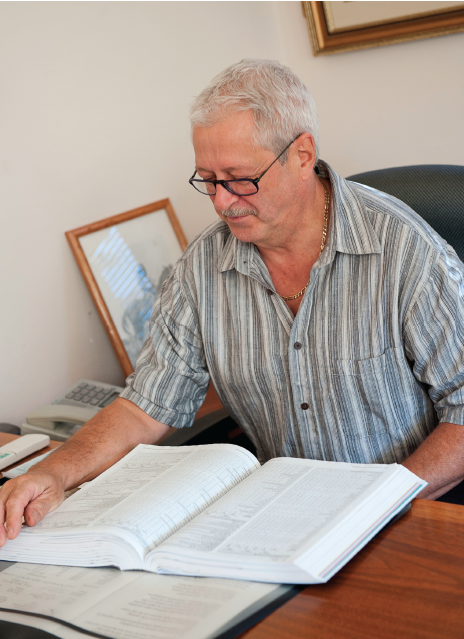
Dr Ben Boucher,MD
Integrative management of vector – transmitted illness
Dr Ben Boucher, MD, was born and raised in the Havre Boucher region (Antigonish County) of Nova Scotia. He is quick to highlight his Aboriginal and Acadian ancestry, which he traces back to the 1700’s, as a driving force in his lifelong self- image of individualism- an individual who finds himself having spent a lifetime at odds with the status quo. Physicians who fully embrace the tenants of individualized, holistic medicine seem to share this sense of “being different”, and Dr Boucher is no exception.
Every healthcare provider tells a story of when in their lives they felt compelled to pursue their respective career path. Ben describes his choice was made at the age of five, when he was called upon by his father to tend to an ailing relative. His formal training began in 1974 at Dalhousie Medical School, preceded by an honours undergraduate degree in biology from St Francis Xavier University. His interest in integrative medicine was established by the time he arrived at medical school. Ben described his medical training as “frustrating”, with “excessive competitiveness”, and a lack of interest in anything outside of established norms. He discussed a paper in his second year of medical school that assimilated evidence of vascular outcomes associated with vitamin E supplementation, and experienced scrutiny from professors for his efforts.

He opened his first practice on Cape Breton Island in 1979, where he spent a wonderful summer working as the Warden for the Cape Breton Highlands National Park. He had a strong desire to “be where he was needed”, and Cape Breton seemed a perfect fit as the family physician of the community had passed away in 1949. Eventually Ben moved his practice to Port Hawksbury where he has been for the past 17 years.
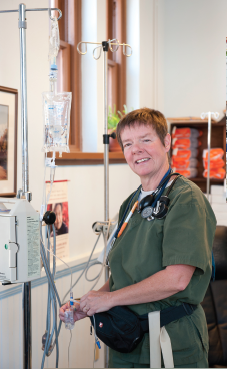

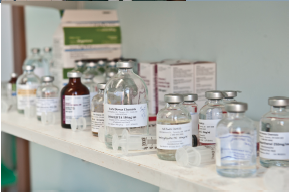
An extremely influential experience in Ben’s life occurred in 1990 when he attended an ACAM conference and chelation workshop. He was fascinated to learn concepts of oxidant/ antioxidant chemistry, the impact of heavy metals on human health, and the ability of chelation therapy to effectively treat vascular disease. He quickly implemented chelation therapy in his private practice, and since 2007 has served as a site for the ongoing TACT trial of chelation therapy for secondary prevention of cardiovascular disease. Shortly after implementing chelation therapy in private practice, Ben witnessed the therapy spare an elderly patient from amputation of a limb deemed necessary as a complication of diabetes.
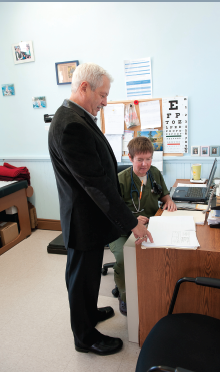

In 1991, three months after offering patients chelation, and on the heels of the one incredible case described above, the Provincial Medical Board of Nova Scotia (PMBNS) banned chelation therapy for vascular disease. Ben found this puzzling as he was the only physician in Nova Scotia offering the therapy at the time. Ben set into motion a cleaver series of events; the patient who had been spared from amputation and continued to receive regular chelation treatments had an attorney write the PMBNS and threaten to sue. The letter read to the effect of: “the treatment has been effective for me, has spared me amputation, and your actions threaten to make the treatment unavailable”. The PMBNS did not question future treatments.
In 2008 Ben began treating Lyme related illness. Again, the impetus stemmed from a desire to do what was needed. He no longer considers the paradigm as Lyme- related, preferring to apply a broader term he has coined; “vector transmitted infection”. While most public health effort in the area focuses on Lyme, Ben is quick to highlight a long list of vectors capable of transmitting illness, including bartonella, babesia, erlichia, anaplasma, and others. The basis for the present lack of understanding of these infections, and the poor definitions of treatment strategies primarily stem from the extreme difficulty in making an objective diagnosis. Sensitivity and specificity of testing methods, especially in cases where the infection is months to years old, are horrifically poor. To overcome this obstacle, Ben relies primarily on the patient’s symptomatic presentation to base the diagnosis.


Ben’s approach to diagnosis relies on a thorough review of symptoms questionnaire, where patients are requested to rank the severity of each symptom they report. Ben suspects vector transmitted illness when a patient reports multiple symptoms (15+) that span multiple body systems, and that are of a very severe magnitude. Objective evaluation has ruled out more commonly suspected causes, leaving vector transmitted illness as the most likely cause. Ben has set the bar very high to suspect such illness, evidenced by the extreme magnitude of debility patients present with to be considered for the diagnosis. The treatment approach is aggressive, and long term. Antibiotics are the mainstay, but true to Ben’s holistic application of healthcare, the implementation takes on unique characteristics. First and foremost, patients are counselled to improve diet quality, and as treatment progresses to adopt physical activity. Initially, herbal antibiotics take the place of prescriptions; Ben has found that prescription antibiotics work better when herbal antibiotics are used first for a period of a couple of months. He uses the Byron White and other herbal formulas, commonly observing symptom picture severity improve from scores of 8-9/10 to scores of 3-4/10 within a couple of months, but then the patient plateaus. Prescription antibiotics are then introduced to “finish the job”, which again often requires several months of therapy to achieve.
Ben is eager to share his experiences in the realm of vector transmitted infections due to what he describes as an unacceptable negligence of the commonality of the problem. He sees himself as one of only a handful of physicians across Canada treating patients for this underlying cause of significant debility. As such, patients are referred to his care from across Canada.
As impressive as Ben’s achievements as a physician is his commitment to his community and his own health. Ben ran for political office in two separate elections during the 1980’s as an NDP candidate. He envisioned utilizing the web as a means of operating elections and national referendums, a strategy he felt would achieve greater involvement from the public in the process of politics, and reduce public apathy. As a patient role model, Ben lives the life he requests patients to follow, most evident in his personal fitness regime that includes pedal biking, swimming, kayaking, snow shoeing, and power walking.
IHP is grateful to Dr Ben Boucher for allowing us to present his work to you. He is a member of the rare club of physicians who have been blazing a path for future waves of integrative healthcare providers to follow long before the concepts were household in nature. He does not treat what is most convenient, but what is most pressing. In recent years he has found himself operating in an obscure field of medicine; instead of being intimidated in this arena of poor objective evaluation, his tireless efforts have produced the standard of care for it.