




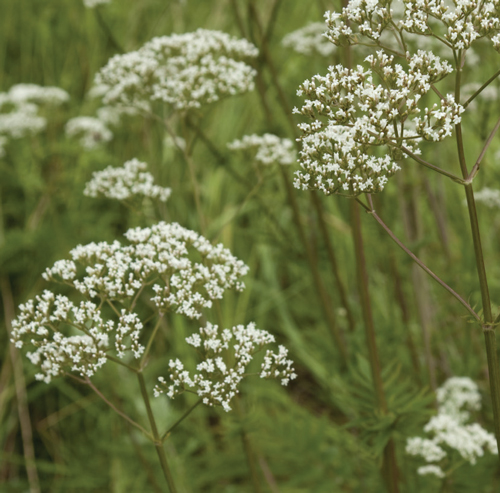
In this study, the authors wanted to determine whether valerian and lemon balm could assist by enhancing sleep patterns in patients. The start of menopause in women is frequently associated with sleep disruptions with hot flushes intensifying problems. The use of supplementary drugs to ameliorate these symptoms is significant. In this study, 100 women aged 50 to 60 years who complained of sleep disorders were studied. Subjects were selected randomly in a sampling method utilizing two groups of 50 people. The intervention group received valerian and lemon balm, while the placebo group received an inert alternative. The Pittsburgh Sleep Quality Index (PSQI) was administered both before and after the intervention was delivered. The results showed that there was a significant difference observed, with reduced levels of sleep disorders amongst the experimental group when compared to the placebo group. The authors did not elaborate on exactly what benefits were experienced, but likely a reduction in anxiety symptoms and a decrease in sleep onset latency. The authors conclude that valerian and lemon balm may assist menopausal women in reducing their symptoms of sleep disorder. Complement Ther Clin Pract. 2013. PMID: 24199972.
L-carnitine supplementation for fatigue in cancer patients: RCT

In this study, the efficacy of L-carnitine supplementation as a treatment for fatigue in patients with cancer was evaluated. It was a double-blind, placebo-controlled trial. Patients with invasive malignancies and fatigue were randomly assigned to either 2g per day of L-carnitine oral supplementation or matching placebo. The primary end point was the change in average daily fatigue from baseline to week 4 using the Brief Fatigue Inventory (BFI). The results showed that three hundred and seventy-six patients were randomly assigned to treatment with L-carnitine supplementation or placebo. L-carnitine supplementation resulted in signficant carninite plasma level increase by week 4. The primary outcome, fatigue, measured using the BFI, improved in both arms compared with baseline. There were no statistically significant differences between arms. Secondary outcomes, including fatigue measured by the Functional Assessment of Chronic Illness Therapy-Fatigue instrument, depression, and pain, did not show significant differences between arms. A separate analysis of patients who were carnitine-deficient at baseline did not show statistically significant improvement in fatigue or other outcomes after L-carnitine supplementation. The authors conclude that four weeks of 2g per day of L-carnitine did not improve fatigue in patients with invasive malignancies and good performance status. J Clin Oncol. 2012. PMID: 22987089.
Saw palmetto fruit extract effect on PSA
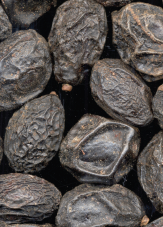
In this study, high doses of saw palmetto as studied in the Complementary and Alternative Medicine for Urologic Symptoms (CAMPUS) trial were evaluated to see if they affect serum prostate specific antigen levels. The CAMPUS trial was a randomized, placebo controlled, double-blind, multicenter, North American trial conducted between 2008 and 2012, in which 369 men older than 45 years with an AUA symptom score of 8 to 24 were randomly assigned to placebo or dose escalation of saw palmetto. It consisted of 320mg for the first 24 weeks, 640mg for the next 24 weeks, and 960mg for the last 24 weeks of this 72-week trial. Serum prostate specific antigen levels were obtained at baseline and at weeks 24, 48, and 72 and were compared between treatment groups. The results showed that serum prostate specific antigen was similar at baseline for the placebo and saw palmetto groups. Changes in prostate specific antigen were similar in both groups. No differential effect on serum prostate specific antigen was observed between treatment arms when the groups were stratified by baseline prostate specific antigen. The authors conclude that saw palmetto extract does not affect serum prostate specific antigen more than placebo, even at high doses. J Urol. 2013. PMID: 23253958.
Curcumin in pediatric inflammatory bowel disease
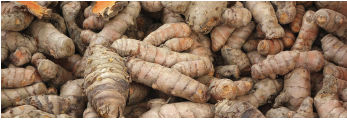
In this study, curcumin therapy was titrated and evaluated in pediatric inflammatory bowel disease (IBD) to evaluate its possible dosage. Prospectively, patients with Crohn’s disease or ulcerative colitis in remission or with mild disease (Pediatric Crohn’s Disease Activity Index [PCDAI] < 30 or Pediatric Ulcerative Colitis Activity Index [PUCAI] score < 34) were enrolled in a tolerability study. All patients received curcumin in addition to their standard therapy. Patients initially received 500mg twice per day for 3 weeks. Using the forced-dose titration design, doses were increased up to 1g twice per day at week 3 for a total of 3 weeks and then titrated again to 2g twice per day at week 6 for 3 weeks. Validated measures of disease activity, using the PUCAI and PCDAI, and the Monitoring of Side Effect System score were obtained at weeks 3, 6, and 9. The results showed that all patients tolerated curcumin well, with the only symptom that was consistently reported during all 3 visits being an increase in gassiness, which occurred in only 2 patients. Three patients saw improvement in PUCAI/PCDAI score. The authors conclude that curcumin may be used as an adjunctive therapy for individuals seeking a combination of conventional medicine and alternative medicine. J Pediatr Gastroenterol Nutr. 2013. PMID: 23059643.
Osteopathic treatment for whiplash injuries

In this study, late whiplash syndrome (LWS) was treated with a series of osteopathic treatments to evaluate improvement in symptoms. LWS is the clinical manifestation resulting from whiplash injury. Forty-two patients (mean age 39 years) were evaluated who had LWS due to rear-end car collisions. The intervention was 5 individualized customtailored osteopathic treatments at 1 week intervals. The main outcome measure was the neck-related pain and disability as determined by the Neck pain and Disability Scale (NPAD) and the quality of life assessed on the SF-36. The presence of PTSD was also diagnosed. The results showed that there was clinically relevant and statistically significant improvements in the osteopathic treatment period for the NPAD. In the intervention phase, the NPAD dropped from 41.5 to 26.0 points, which corresponds to an improvement of 37% (95% CI 11.1-19.8). For the SF-36, both the physical and mental component summary showed a significant and substantial improvement during the treatment phase. Prior to treatment, 17 patients were diagnosed with PTSD, this number feel to only 6 during observation. The authors conclude that 5 osteopathic treatments had a beneficial effect on the physical and mental aspects of LWS. J Altern Complement Med. 2013. PMID: 23273259.
Effects of krill oil on brain function: RCT

In this study, the effect of krill oil on cognitive function in elderly subjects using near-infrared spectroscopy and electroencephalography was evaluated. The study design was randomized, double-blind, and parallelgroup comparative. Forty-five healthy elderly males aged 61-72 years were assigned to receive 12 weeks of treatment with: medium-chain triglycerides as placebo, krill oil, which is rich in n-3 PUFAs incorporated in phosphatidylcholine, or sardine oil, which is abundant in n-3 PUFAs incorporated in triglycerides. Changes in oxyhemoglobin concentrations in the cerebral cortex during memory and calculation tasks were measured. The P300 component of event-related potentials was also measured during a working memory task. The results showed that during the working memory task, changes in oxyhemoglobin concentrations in the krill oil and sardine groups were significantly greater than those in the medium-chain triglycerides group at week 12. The differential value for P300 latency in the krill oil group was significantly lower than in the medium-chain triglyceride group at week 12. In the calculation task, changes in the oxyhemoglobin concentrations in the krill oil group were significantly greater than those in the medium-chain triglyceride group at week 12. The authors conclude that n-3 PUFAs activate cognitive function in the elderly, especially with krill oil. Clin Interv Aging. 2013. PMID: 24098072.
Green tea and vitamin E enhance exercise-induced benefits of several factors
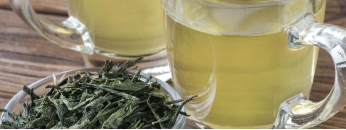
In this study, green tea plus vitamin E in addition to exercise were provided to evaluate their effects on body composition, metabolic parameters, and antioxidant parameters in healthy elderly individuals. For 12 weeks, 22 elderly men and women undertook 30 minutes of moderately intense walking for 6 days per week. They were randomly assigned to ingest either green tea plus vitamin E (GTVE) or placebo. Data on anthropometrics, fasting insulin and glucose levels, physical fitness, dietary intake, safety parameters, and biomarkers of oxidation status were recorded and analyzed at the start and end of the study. The results showed that although dietary intake was unchanged, improved exercise capacity followed by a significant reduction in body weight and fasting insulin levels in all participants. Additional consumption of GTVE resulted in a twofold increase in serum vitamin E and a decrease of men’s and women’s waist circumferences and fasting glucose levels. Plasma protein carbonyls dropped, whereas erythrocyte catalase activities increased in the GTVE group only. Oral peroxidase activities were increased in both groups. The authors conclude that a daily dose of GTVE in healthy elderly men and women may improve exercise-induced benefits in body composition and glucose tolerance and may also lower oxidative burden. J Am Coll Nutr. 2013. PMID: 24015697.
Acupuncture effective as therapy in functional dyspepsia
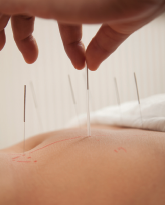
In this study, the effectiveness of acupuncture as a complementary therapy in additional to conventional treatments was evaluated. Functional dyspepsia is a common gastrointestinal complaint in clinical practice. According to the Roma III criteria, it can be classified into two types as the predominant system: epigastric discomfort and postprandial discomfort. The pathophysiology is uncertain, but appears to be related to visceral hypersensitivity, changes in gastroduodenal motility and gastric accommodation and psychological factors. This was a randomized clinical trial where one group was submitted to drug therapy and specific acupuncture (GI) and the other to drug therapy and non-specific acupuncture (GII). The symptoms and quality of life were evaluated at the end of treatment and 3 months afterwards. The results showed that after 4 weeks of treatment there was improvement in gastrointestinal symptoms in Group I and Group II. Quality of life was significantly better in Group I. Anxiety and depression were significantly lower in Group I. 3 months after the treatment, gastrointestinal symptoms remained better only in Group I, when compared to the pre-treatment values. The authors conclude that in patients with functional dyspepsia, the complementary acupuncture treatment is superior to conventional treatment. Arq Gastroenterol. 2013. PMID: 24322192.
Omega-3 fatty acids decrease liver fat content in PCOS: proton magnetic resonance spectroscopy
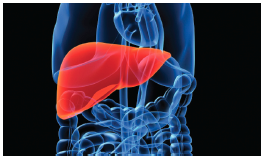
This study examined the effects of omega-3 fatty acids on liver fat content in PCOS using proton magnetic resonance spectroscopy. A total of 25 women with PCOS (mean age, 32.7 yr; mean body mass index, 34.8 kg/m(2)) were enrolled in a randomized, crossover study to receive either 4g/d of omega-3 fatty acids (83% combined EPA and DHA) or placebo over 8 wk. Omega-3 fatty acids significantly decreased liver fat content compared with placebo [10.2 (1.1) vs. 8.4 (0.9)%; P = 0.022]. There was also a reduction in triglycerides [1.19 (1.03-1.47) vs. 1.02 (0.93-1.18) mmol/liter; P = 0.002], systolic blood pressure [124.1 (12.1) vs. 122.3 (14.5) mm Hg; P = 0.018], and diastolic blood pressure [73.2 (8.4) vs. 69.7 (8.3) mm Hg; P = 0.005] with omega-3 fatty acids compared with placebo. Omega-3 fatty acids especially decreased hepatic fat in women with hepatic steatosis, defined as liver fat percentage greater than 5% [18.2 (11.1) vs. 14.8 (9.3)%; P = 0.03]. Omega-3 fatty acid supplementation has a beneficial effect on liver fat content and other cardiovascular risk factors in women with PCOS, including those with hepatic steatosis. (J Clin Endocrinol Metab. 2009 Oct;94(10):3842-8.) PMID: 19622617.
Burlington Health Foods moves to a new location
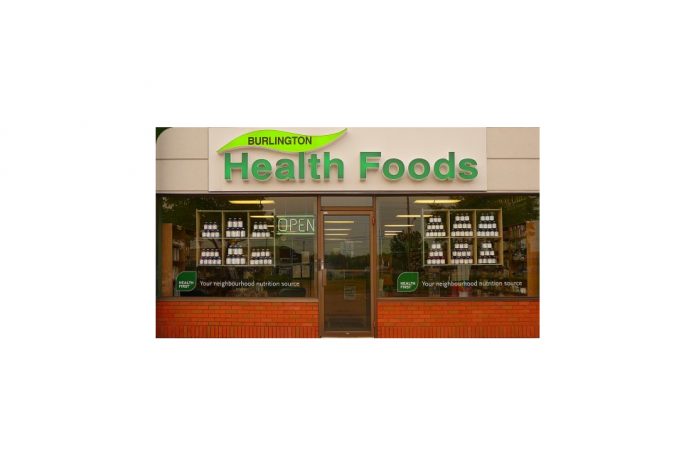
Burlington Health Foods, a family owned and operated health store, is moving to a new location. The store, established in 1970, was Burlington’s first health food store.
The new store, located at 3300 Fairview Street in Burlington, is just one street over from its current site, yet better situated next to an athletic business, says Michael Stetson, assistant manager and a Registered Holistic Nutritionist.
“Our new location will benefit us in several different ways: Our operating costs will be greatly reduced, allowing us to re-invest into other areas of the business,” says Stetson. “The new location is nearly move-in-ready, with offices for our clinic already constructed. As the new location is less than 100 metres away from our current store, our customers will not have to travel far, reducing lost traffic.” The company feels now is the correct time to move in order to change direction for the store and will allow clients to have their needs better met at the new facility. The move includes the integration of a natural health clinic into the business. “We will continue to serve our existing clients who are primarily baby boomers and seniors, however as our business model will change, we expect to serve more young families and professionals seeking specialized care from our clinic,” says Stetson. In addition to the clinic, the store features in-store demonstrations and customer appreciation days four times a year. It also features a lending library of over 400 health titles and offers free education seminars from local health practitioners.
Burlington Health Foods offers a wide selection of nutritional supplements, gluten-free products, homeopathic remedies, personal care products, athletic supplements, bulk organic food and groceries. It is a member of the Health First Network, a Canadian association of independent health food stores that bring top-quality products to consumers at reasonable prices. The Health First Network manufactures its own line of vitamins and supplements at a certified Good Manufacturing Practices-approved facility, a federal government standard for natural health products.