




A newly published intervention trial confirms what previous population-based studies have hinted at: that vitamin K2 MK-7 helps to improve arterial flexibility. The study is specifically on NattoPharma’s (Oslo, Norway) MenaQ7 natural vitamin K2 MK-7.
“This is the first study showing that long-term use of vitamin K2 in the form of MK-7 beneficially affects cardiovascular health,” said Cees Vermeer, a scientist from Maastricht University in the Netherlands who led the study’s research team, in a press release. “Previous population-based studies have shown an association between vitamin K2 intake and cardiovascular risk, but this is the first intervention trial focused on vitamin K2 supplementation with cardiovascular endpoints.”
The three-year study, published first online in Thrombosis and Haemostasis, included 244 healthy postmenopausal women aged 55-65 years. Subjects were randomly assigned to either 180 mcg of MenaQ7 daily or placebo. Using pulse wave velocity and ultrasound analysis, researchers determined that vitamin K2 not only inhibited age-related stiffening of artery walls but also achieved “unprecedented statistically significant improvement” in vascular elasticity. Vermeer says these results confirm vitamin K2’s contributions toward improving cardiovascular outcomes.
The same cohort in this Thrombosis and Haemostasis cardiovascular study was also featured in a 2013-published bone health study in Osteoporosis International. By activating osteocalcin, vitamin K2 helps to limit calcium buildup in the arteries and shutter it toward bone building instead.
“Both studies are significant because they are long-term—three years of participation and then examination of the results,” said NattoPharma’s CEO Hogne Vik in a press release. “Observing changes in heart health and bone health, for that matter, take time.”
Knapen MH et al., “Menaquinone-7 supplementation improves arterial stiffness in healthy postmenopausal women: double-blind randomised clinical trial,” Thrombosis and Haemostasis. Published online ahead of print February 19, 2015.
“Breakthrough” Vitamin K2 MK-7 Study Confirms Heart Benefits

Research Continues into Anti-Aging Effects of Glucosamine

Many arthritis sufferers believe that glucosamine has the ability to provide them with significant pain relief without causing certain side effects, such as those associated with the use of NSAIDs. Now, research indicates that glucosamine may have even more benefits for consumers.
“Many individuals who have been using glucosamine are delighted to know that glucosamine has some positive effects on the skin too. This makes them want to use glucosamine more, since the natural alternative can potentially help regain the youth of their skin,” said VitaBreeze Supplements spokesperson, Michelle O’Sullivan.
Studies reveal that as the glucosamine levels in the body decrease due to aging, it also triggers some health problems, as well as signs of aging. It is believed that the therapeutic substances of glucosamine can penetrate the skin’s deeper layer, and this promotes collagen stimulation. This results in the reduction of the visibility of fine lines and wrinkles.
The American Academy of Dermatology has suggested that glucosamine could also be ideal for wrinkled and damaged skin. Individuals, whose skin is damaged due to sunlight exposure, can potentially benefit from using glucosamine. Some clinical trials even showed that glucosamine has demonstrated remarkable results in reducing the formation and visibility of wrinkles.
A Cure for Aging??
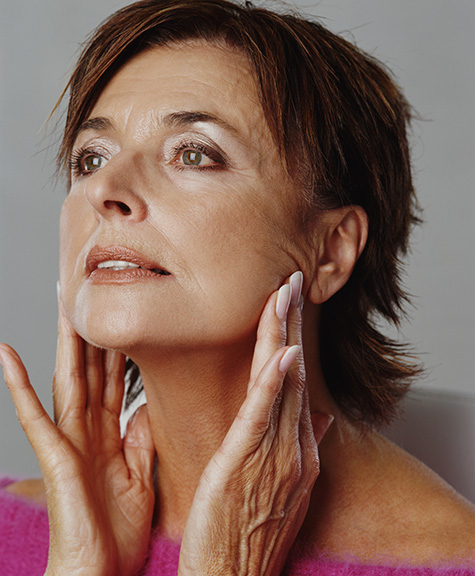
“Senolytics” are a new class of drugs that in animal models, dramatically slows the aging process—alleviating symptoms of frailty, improving cardiac function and extending a healthy lifespan.
The research, being done by teams from The Scripps Research Institute (TSRI), Mayo Clinic and other institutions appeared on March 9th in the journal Aging Cell.
Senescent cells are cells that have stopped dividing. They accumulate with age and accelerate the aging process.
Killing off these cells, increases the healthspan in mice, so scientists are hopeful about finding treatments that can have the same effect in humans.
Drug testing show that the cancer drug dasatinib (sold under the trade name Sprycel®) eliminated senescent human fat cell progenitors. Quercetin, a natural compound sold as a supplement that acts as an antihistamine and anti-inflammatory, was more effective against senescent human endothelial cells (a single layer of smooth, thin cells that lines the heart, blood vessels and lymphatics) and mouse bone marrow stem cells. A combination of the two was most effective overall.
In old mice, cardiovascular function was improved within five days of a single dose of the drugs. A single dose of a combination of the drugs led to improved exercise capacity in animals weakened by radiation therapy used for cancer. The effect lasted for at least seven months following treatment with the drugs. Periodic drug administration of mice with accelerated aging extended the healthspan in the animals, delaying age-related symptoms, spine degeneration and osteoporosis.
“We view this study as a big, first step toward developing treatments that can be given safely to patients to extend healthspan or to treat age-related diseases and disorders,” said TSRI Professor Paul Robbins, PhD, who with Associate Professor Laura Niedernhofer, MD, PhD, led the research efforts for the paper at Scripps Florida. “When senolytic agents, like the combination we identified, are used clinically, the results could be transformative.”
The authors caution that more testing is needed before use in humans. They also note both drugs in the study have possible side effects, at least with long-term treatment.
The co-first authors of the study, “Achilles’ Heel of Senescent Cells: From Transcriptome to Senolytic Drugs,” are Yi Zhu and Tamara Tchkonia of the Mayo Clinic.
Two in One

A pair of Ottawa Area Health and wellness retailers have joined forces: with Natural Food Pantry opening its fourth Ottawa location inside the flagship Terra 20 location at the Pinecrest Shopping Centre.
Terra20, which opened in Pinecrest in 2012, retails healthy home and body products. Terra 20’s second location has been open on Wellington Street West since 2013.
Natural Food Pantry has been selling natural and healthy food products since 1981, with stores in Billings Bridge Shopping Centre, Kanata and Westboro.
“The introduction of Natural Food Pantry will allow terra20 to serve its customers with a broader selection of natural foods, to complement the healthy products that they’re already buying for their homes and bodies,” terra20 president Bill Stewart told the Ottawa Business Journal. “Natural Food Pantry customers will also benefit from access to terra20’s expansive health and beauty offerings.”
“Our combined expertise will make this an unparalleled shopping experience,” said Natural Food Pantry owner Rick Payant.
The public is invited to Pinecrest terra 20 to celebrate the official opening of The Natural Food Pantry store-within-a-store on April 4.
Corporate Redesign at Apotex

Dr. Jeremy B. Desai, President and CEO of Apotex, announced today a significant realignment in its structure and operating model. Apotex aims to better serve customers by aligning internal process streams in support of company strategies.
Effective April 1, Apotex will now operate along the following three core Lines of Business:
• Dr. Keshava Murthy will continue in his role of President Global API (Active Pharmaceutical Ingredients). Responsible for delivering API to the Apotex Group and sales of select API’s to other global customers.
• Steve Lydeamore, currently Chief Business Officer and Managing Director International, will take on the role of President Global Specialty Pharma: responsible for the development, manufacturing and global commercialisation of Biosimilars and other specialty products made by Apotex or supplied by third parties.
• Jeff Watson, currently President of US & Canada Commercial, will take on the role of President Global Generics; responsible for the delivery of the generics portfolio arising out of the Apotex group of companies and third parties to all global markets.
“The three principal objectives with this new model are to focus all of Apotex on a core strategy – aligned with our global customers, improve our capabilities in all disciplines and areas, and work together with greater collaboration and agility around common goals.” stated Dr. Desai. “The result of these structural changes will be a higher performance-driven Apotex with improved customer focus, which is better able to capitalize on emerging opportunities in our rapidly evolving industry.”
Apotex is the largest Canadian owned pharmaceutical company with over 10,000 employees globally and with estimated sales of approximately $2 billion. With its worldwide manufacturing sites, Apotex can produce up to 24 billion dosages per year. It produces 300 medicines in 4,000 dosages and formats that are exported to 115 countries. It has 500 products under development and will spend $2 billion over the next 10 years on research and development.
Stopping the Collagen Breakdown

A recent Vancouver Province article on anti-aging research in BC included a report on ViDA Therapeutics and their efforts to analyze and control the effects of an immune-system enzyme called granzyme B.
The enzyme’s usual role in the human body is to target and kill infected cells – not a function that you would want to curtail. But it turns out that Granzyme B is equally like to do harm: researchers at Vancouver’s St. Paul’s Hospital discovered significant levels of extracellular granzyme B in aged and damaged human skin. A research team, led by Professor David Granville and postdoctoral fellow Leigh Parkinson, found when skin cells produce and release granzyme B in response to UV light, it triggers the breakdown of collagen, a structural protein that makes skin firm. They also discovered high levels of the enzyme in the occurrence of other ailments such as rheumatoid arthritis, fibrosis and heart disease.
Knowing he was onto something, Granville got together with co-founder Alistair Duncan to launch viDA – a private, venture-backed biopharmaceutical company working on ways to inhibit granzyme B.
“Granzyme B is running amok and causing damage from rheumatoid arthritis to heart conditions to neural inflammation,” Duncan told the Province. “If you picture granzyme B as a Pac-Man that goes around gobbling, we stick a sock in its mouth so it can’t gobble anymore, allowing the healing process to begin.”
Many eyebrows were raised when the company’s findings were published in Dec 2014 in Aging Cell Journal. In addition to exploring how granzyme B inhibitors can be used to treat aging skin and lupus related skin lesions, the company is investigating the treatment of other conditions like aneurysms and chronic obstructive pulmonary disease, caused by the breakdown of collagen and other proteins that provide structure to blood vessels and lung passages.
Nucleotide related therapy as a novel approach: uses in Alzheimer’s disease and Hepatitis C

by Rochelle Fernandes MSc, ND (cand)
The following is a synopsis of Dr. Fernandes’ research. Click here to view the original, full length research paper with references.
Background for Alzheimer’s disease (AD)
Alzheimer’s disease (AD) can stem from a range of physiological, molecular, biochemical, environmental and genetic causes. Physiological causes such as, tumours and cerebrovascular accidents (CVA) can cause vascular and membranous damage that result in a loss of synapses or entire neurons. Chemical causes include hypoxemia and electrolyte imbalances. Environmental causes include drug and metal toxicities, as well as nutritional deficiencies.
There are four major theories that evolved from biochemical, genetic and molecular research:
• The cholinergic hypothesis proposes that decreased activity in cortical, pyramidal neurons affects presynaptic neuron function, and is associated with cognitive decline.
• The genetic hypothesis of Alzheimer’s is associated with autosomal dominant mutations in genes that occur in 0.1% of the population and which contribute to plaque formation.
• The biochemical hypothesis refers to a protein misfolding theory. Amyloid precursor protein (APP) is crucial to neuronal development and repair, however, in Alzheimer’s, abnormal breakdown of APP results in the formation of plaque deposits.
• The last major hypothesis is molecular. Plaques are associated structurally with paired helical filaments (PHF) or straight filaments (SF), of which the main protein present is a crucial microtubule linked protein called tau which mutates and forms neurofibrillary tangles, leading to degradation of neurons.
Diagnosis and symptoms of AD
Symptoms of Alzheimer’s are short term memory loss, inability to concentrate and loss of fine motor control. Progressive symptoms include long term memory loss, difficulties with speech, reading and visual/spatial tasks. Terminal symptoms include delusion, aggression, depression, apathy and incontinence.
Diagnosis of Alzheimer’s is done by a physician through details from the patient and their family members, cognitive/neurological testing (mini mental state exam and electroencephalogram) (MMSE and EEG), brain imaging (PET, SPECT, MRI and CT) and histopathological examination (confirmatory). The National Institute of Neurological and Communicative Disorders and Stroke, the Alzheimer’s Disease and Related Disorders Association and the DSM IV outline how an accurate diagnosis of Alzheimer’s can be made. Memory, attention, perception, language, orientation, problem solving and functional/constructive capabilities are all assessed.
Current therapies in AD
Some valid concerns about the most common therapeutic strategies for neurofibrillary tangles and amyloid plaques are that these are most effective in moderate AD at best, lose effectiveness after six months and have several undesirable side effects. A prophylactic or long lasting therapeutic option is in high demand. Newer candidates for AD treatment include natural agents such as L-carnitine, Gingko biloba, coconut oil, L-phenylalanine; and alternative therapies, such as nucleotide therapies.
Introduction to nucleotide therapy as a novel, future approach to AD
An array of studies in the area of genes and Alzheimer’s disease (AD) have identified several factors that impact the success of treatment. These include age of diagnosis, brain atrophy, cerebrovascular blood flow, rate of cognitive decline, cell death and immune function.
Nucleotide therapy – the use of nucleosides, nucleotides and molecular signalling has been utilized in many diseases, such as arthritis, inflammatory bowel disease and hypercholesterolemia. It is now being incorporated into other more challenging diseases, such as Alzheimer’s that require a more specific, yet, multi-faceted approach to therapy.
Types of nucleotide related approaches in AD
MicroRNA (miRNA), can be used to regulate the expression of genes involved in Alzheimer pathology. Other types of RNA can also be used to modulate genetic expression, such as small interfering RNA (siRNA) and short hairpin RNA (shRNA). P2Y receptor antagonists have been proposed as potential neuroprotective agents in the brain.
In addition to therapeutic nucleotide based approaches, studies have also fostered a role of nucleotide analysis as a preventative tool.
Collectively, it appears that studies have uncovered nucleotides that serve three purposes: a) as identifiers of disease, b) as therapeutic targets, and c) measurement tools of therapeutic response.
Evidence for nucleotide therapy (uncovering mechanisms of action) in AD
Numerous mechanisms of action underlie the use of nucleotides in AD. One approach is the use of nucleotides to alter post transcriptional activity. For instance, impaired miRNA levels are thought to have a role in neurodegenerative disorders. Gene encoding that is thought to be active in inflammation, has also been associated with the pathogenesis of Alzheimer’s. Nucleotides can be used to alter protein expression by creating shRNA plasmids that silence abnormal tau or APP.
One interesting study had some success reducing misfolding in vitro.
Other studies suggested promising therapeutic targets including activation and inhibition of exchange proteins thought to play a major role in Alzheimer’s disease progression.
Applications of nucleotide therapy to other diagnoses
Nucleoside/nucleotide therapy is also successfully used in hepatitis C – a disease that infects almost two hundred million people throughout the world and significantly reduces the quality of life for those who have it. Symptomatic patients display fatigue, jaundice, abdominal pain and arthralgia, however, many HCV patients are non-symptomatic. Therefore, testing is imperative.
HCV is an RNA flavivirus that has six genotypes and more than fifty subtypes. Injection drug use remains the number one method of transmission (parenteral) in Canada. After exposure, there is an incubation period of about six to eight weeks, after which only 15-20% of those with acute infection fully clear the virus, whereas more than 50% go on to develop chronic infection. It is thought that up to 5% can develop liver failure and hepatocellular carcinoma. The mainstay of therapy is Pegylated interferon alpha combined with Ribavirin, however, this only clears the virus anywhere from 40-80%. There is a need for other therapeutic options; perhaps ones that are more affordable, are of shorter duration and have fewer side effects.
Therapeutic efficacy in Hepatitis C is measured by a sustained viral response (SVR). Using a uridine nucleotide analogue inhibitor called Sofosbuvir in combination with the usual therapy achieves an SVR of 90% in patients with genotype 1 and about 100% in patients with genotypes 2 or 3. Duration of therapy is shorter and rates of SVR – at 89 to 90 per cent – are higher.
There is a paradigm shift occurring in that nucleosides/nucleotides are now being considered not only to treat but to determine the success of treatment of Hepatitis C.
Conclusion
Recent research has proposed that nucleotide related therapies can be utilized to: a) identify disease, b) treat, and c) measure therapeutic success. Nucleotide/nucleoside therapy and related molecular approaches have recently been gaining immense success in pathologies, such as Alzheimer’s disease and hepatitis C. The mechanisms of actions and approaches used in applications of nucleotides are very different in these two diagnoses. Nucleoside/nucleotide approaches in AD include using RNA and signalling based mechanisms of action that target post transcriptional regulation and preventing abnormal protein conformations. Approaches in HCV include targeting viral replication, the use of analogues and polymerase inhibition. The use of nucleotide therapy remains fairly novel at this point and further research is needed; more specifically, human trials with greater power. Despite this, nucleotide related therapies have shown immense success in halting disease progression, and could offer great future promise alongside other treatments.
Continued excellence
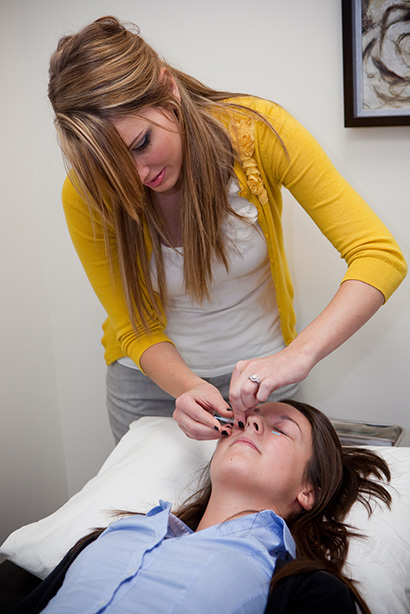
Ever since its establishment in 2010, this Halifax-based clinic has evolved to service a growing list of patients by staying dedicated to an excellent naturopathic practice.
By Irina Lytchak
When we last spoke with naturopathic doctor Rosalyn Hayman back in 2011 for a November/December Clinic Profile in IHP, her facility had already established itself as a world-class integrative health care centre that specialized in implementing an evidence-based practice. At that point, the Halifax Naturopathic Health Centre was a little over a year old and had already managed to attract a sizable clientele based on a strong reputation in terms of cancer care.
Transforming the team
The facility was originally established by Dr. Hayman and fellow naturopathic doctor Craig Herrington in 2010 but since we last connected, Dr. Herrington has moved on to work at the Ottawa Integrative Cancer Clinic where he continues to pursue his passion for cancer treatment as well as to be closer situated to his family.
“We still consult with [Dr. Herrington] a lot because his focus is mainly on cancer and he has so many resources,” says Dr. Hayman, whose clinic continues to provide excellent cancer care to its patients. “We’re in contact anytime we have a question about an oncology patient. He’s been invaluable.”
The team’s resident naturopathic doctor, Maggie Pattillo, was given an opportunity to step into a much larger role as well and joined Dr. Hayman as her business partner and co-owner of the clinic. Since then, the office also welcomed a new clinical social worker, Jennifer Van Kessell, who has a Masters in clinical social work and has been very busy helping clients with her services.
“We find that [Van Kessel] is such an important new addition to the team,” says Dr. Hayman. “Her role rounds out the whole mental health portion of naturopathic medicine and although we’re trained in counseling, it’s only up to a certain point. It does help to have someone who really focuses on that.”
And it doesn’t stop there. The clinic now also has a registered holistic nutritionist who has been an excellent resource on educating patients about undergoing dietary changes. Wendy McCallum, author of Real Food for Real Families, was originally a lawyer living in Calgary but after some time, realized that her hectic schedule didn’t allow her to feed her own family in a healthy manner. Since then, McCallum has been able to dedicate herself to the Halifax clinic and to her family’s health.
“Her focus is feeding healthy families, which is amazing and people get so much benefit out of it,” says Dr. Hayman.
The continued growth of the centre has also allowed the team to bring in two full-time receptionists. While Nicole Hynes still serves as the clinic’s office manager, the new administrative assistant, Bethany MacIsaac, also specializes in photography and has been able to assist the clinic with website redesign and promotional materials. Licensed acupuncturist Sarah Bing has since focused in on assisting local reproductive technology centres.
Patient care developments
Since 2011, a number of the clinic’s staff became mothers, including Dr. Hayman and Dr. Pattillo. That, along with several other factors, has played into the clinic’s shift of focus on preconception care.
“There are a lot of people doing in vitro fertilization and as a result, we’re doing a lot of work with fertility patients and specialists,” says Dr. Hayman. “I think that infertility is definitely becoming more of a common problem but also I think we’re getting results. And as soon as one woman gets a positive result, she’s going to tell everyone.”
In addition to this, the clinic continues to be recognized for services specializing in women’s health, including infertility, peri-natal care, menopause, and hormonal concerns. Patients can also receive support regarding gastrointestinal complaints, fatigue, and intravenous nutrient therapy, which is managed by Dr. Sarah Park, ND, and Dr. Pattillo, ND, and includes high-dose intravenous therapy, high-dose IV vitamin C, and Myers’ cocktail vitamin B12 injections.
Plans going forward
Dr. Hayman is proud that her clinic on having the largest staff in the province but she also admits to having thought about expanding. She says that the two potential routes to go in the future include occupying space within the office’s existing location or establishing a satellite clinic under the same name to operate outside of the city center.
“At this point, I’m not really sure how we’d do it but I’m always thinking that way,” she says.
Dr. Hayman also foresees that the next decade will bring about quite a few developments in the naturopathic community, including specialization in specific areas of the practice.
“Just as there needs to be general practitioners in medical practice, like your family doctor, there needs to be that in naturopathic medicine as well,” she explains. “That being said, there is definitely a lack of specialists within naturopathic medicine and I think that as we go forward, that’s going to change.
For now, the Halifax Naturopathic Health Centre continues to excel and its team continues to excel at doing what they do best, which is delivering exceptional standard of care to their patients and promoting naturopathic medicine.
“Our clinic is known for being a beautiful space in the heart of the city and naturopathic doctors with years of great success and reputation,” says Dr. Hayman. “Our administrative staff knows everyone by name, patients are people and a warm cup of tea awaits you.”
Halifax Naturopathic Health Centre Team:
Dr. Rosalyn Hayman, ND: Naturopathic Doctor
Dr. Maggie Pattillo, ND: Naturopathic Doctor
Dr. Sarah Baillie, ND: Naturopathic Doctor
Sarah Bing, RAc: Registered Acupuncturist
Nicole Hynes: Office Manager
Bethany MacIsaac: Administrative Assistant
Nova Scotia Fisherman Launching Two New Lotions
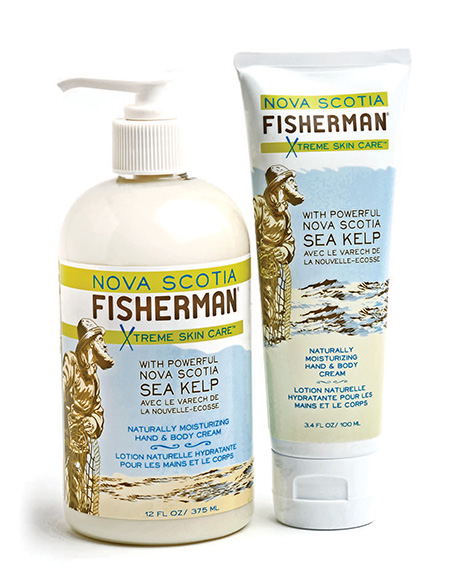
It’s all the rage – for those wishing to protect their skin from the ravages of time, tide, work, weather or just about anything else. When Nova Scotia Fisherman debuts their Sea Fennel & Bayberry and Seabuckthorn & Shea Lotions this spring, they will no doubt draw an enthusiastic crowd of devotees and onlookers at CHFA West.
If you were watching when the shout went up that “Thar Be Dragons,” you may remember that the team of Les Falconer and his uncle, Perley Beairsto drew more praise than bites from the dragons on the first-ever Dragon’s Den Family Special.
But that didn’t slow down this vibrant company that began a scant 15 years ago as a wee manufacturing plant in the Annapolis Valley. After more than a decade of private labeling for different companies, they decided to build some brand loyalty – to themselves. “Our main intentions,” says Beairsto, “were to create employment in rural Nova Scotia – and maybe a template for other companies to create similar opportunities in rural Canada. And we’re raising some funds for the Nature Conservancy of Canada while we’re at it. We developed our recipes over several years and infused them with kelp – which is a great product for skin.“
Since launching their new line at the 2012 CHFA show in Toronto, sales have gone up steadily. They’re now in 800 stores Canada wide and have made inroads into the UK, the US, Australia and NZ. And they’ve set their sights on Scandinavia.
The Nova Scotia Fisherman natural body care line has no synthetics or artificial ingredients and features lotions and soaps – including a new sea salt soap that just now hitting the market. Says Beairsto, “We have lips balms and a rescue balm which is great for anyone with superdry hands or cracked hands working outdoors and that sort of thing. (Also works on the feet) And we have a sea salt scrub and a cuticle cream. We have about 14 skus now.”
With just a small crew of nine and their current rapid growth, they’ll probably be creating a few more rural Nova Scotia employment opportunities by the end of the year.
Ascenta: Products to Fill Your Heart and Spark Your Memory

Established in 2003 – Ascenta is a Canadian company headquartered in Dartmouth, Nova Scotia. Under the guidance of founder and current CEO Marc St. Onge, the company has become a leader in Omega 3 products.
Director of Marketing, Geoff Wills says “What really sets us apart is that we are a very values driven company. Our belief in a healthy planet and healthy people drives everything we do.”
One example would be their environmental commitment. Wills believes Ascenta was the first natural health products company to join an organization called One Per Cent for the Planet. Through them, Ascenta donates one per cent of all sales to support environmental causes. A lot of companies will wait and make a donation at the end of the year after the books are closed and they’ve added up their revenue, but, says Wills, is that Ascenta takes take this right off the top – so regardless of performance at any point in time – they’ve committed to doing it right up front.
Ascenta was one of the presenting sponsors of the David Suzuki Foundation’s Blue Dot Tour across the country last fall. They also excited to work with effective groups like Environmental Defense, as well as two great organizations in their own backyard: the Nova Scotia Natures Trust and Ecology Action Centre.
Ascenta’s belief in sustainability inspired them to diversify the sourcing of raw materials for their Omega 3s – which have long been their major products. To ensure they don’t rely too heavily on one resource or one ocean, they’ve developed vegetarian sources and explored new material sources such as wild squid, which is a relatively new but very rich Omega 3 source.
Ascenta’s commitment to sustainability extends to making sure their packaging is recyclable and their purchasing policies are environmentally responsible. They even work with Bullfrog Power to use renewable energy in their manufacturing facilities. So the healthy planet philosophy permeates everything they do.
They are just as passionate about ingredient purity. Since oceans are not necessarily clean, they developed a program called Pure Check – a third party verified purity and potency program where consumers can go online and enter a lot number from any Ascenta product to pull up a report for what’s in the bottle. Every single batch is tested under this pure check program, which is pretty unique in the industry and gives a level of transparency that is second to none.
Being able to trust what’s on the label is very relevant right now after the industry was shaken by the adulterated supplements incident in New York State.
What really made Ascenta such a hit with consumers wasn’t environmental awareness, it was their ability to make fish oil taste great. “What we have with our NutraSea line of products is a portfolio of products that are really great tasting innovative flavours,” says Wills.
This matters immensely, because if something doesn’t taste good, people won’t take it. Many of us have unpleasant memories of being given cod liver oil as kids – but now, along comes this product that tastes so appealing that people enjoy taking every morning.
Wills boasts, “Our reputation has been really about great tasting liquid fish oils and I say the word liquid because that’s really our bread and butter. Nutrasea is available in both liquid and capsule but really what made our reputation is that we can take pure liquid fish oil and make it taste great. There’s a reason most Omega 3s come as capsules. You can mask an inferior oil in a capsule that you just swallow. But then, hours later, this fishy burp comes back up because it was kind of low grade oil going down. At Ascenta, we make sure every spoonful is delicious. “
They have developed lines for kids, adults, vegetarians and even a pet line. If you’re taking omega 3 yourself and you believe in it for your own health – then why wouldn’t you share that with your pets?
But Ascenta’s focus right now is the exciting new category of brain health.
As people begin to age they really start to pay attention to brain health – maintaining your memory or maintaining your focus and really trying to live a more vital life as you go into retirement. People live longer now and they want to stay active.
So for the first time, Ascenta really started looking at how nutrition can play a role in brain health. Based on that they developed a complete brain health formula called Ascenta Spark. It does contain omega 3s, but it also has antioxidents, vitamin D and phospholipids which play a major role in enhancing and protecting brain function…and this makes it a complete brain health formula. They’re launching the product in conjunction with Marilu Henner – whom readers of a certain age will remember from shows like Taxi and Celebrity Apprentice. But she’s also well known as having one of the world’s foremost memories. She has is one of about 10 people on earth with a gift called Hyperthymesia – an extremely detailed autobiographical memory. Henner can remember details like what she was wearing or what the weather was like on a particular day twenty years ago. Having written books on accessing and taking care of your memory, she’s dedicated to helping people access and take care of their own memories and our brain health. While Ascenta Spark makes no claims about giving you a memory like hers – she’s the perfect partner for this project. She’s the memory expert and Marc St. Onge is the scientific expert. The two of them got together and really helped develop the formula for this product.
Wills says, “there’s really nothing else like Ascenta Spark on the market right now. This is a complete brain health formula. One teaspoon a day will help ensure that you have the healthy brain to live that vital life. We know there are a lot of consumers coming into stores now asking what products they should take as they age – so we’re pretty excited about it.”
Launching this new product at CHFA West in Vancouver is their major launch for the year. Check it out. And remember the name Ascenda Spark – it may be just the thing to spark all sorts of other great memories you want to hold onto.