As more consumers are getting back into these benefits, this is a great opportunity to create a focused category that meets this return demand.
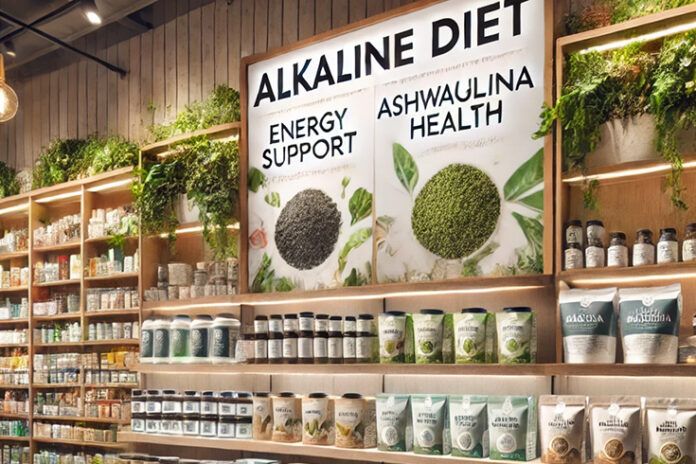
What Should You Stock in Your Alkaline Diet Category? You’ll want to start by focusing on the three basic categories that align with the alkaline diet’s goals. Let’s break it down by the key health benefits:Energy Support Maca Root: This adaptogen helps enhance energy, stamina, and hormone balance. Maca is a great choice for consumers looking for natural ways to boost their energy levels.Spirulina: A nutrient-rich algae that’s highly alkaline-forming, Spirulina is packed with vitamins and antioxidants. It’s ideal for customers who are serious about maintaining an alkaline diet while supporting their energy levels.
Ashwagandha: Another adaptogen, Ashwagandha helps reduce stress and fatigue while improving vitality. It’s a perfect product for consumers looking to manage stress and increase energy.
Digestive Support Ginger: Ginger is well known for supporting digestion and balancing acidity in the stomach. It’s a great product to offer in the alkaline diet category, particularly for customers with digestive concerns.Dandelion Root: Dandelion root is a powerful liver-supporting herb that helps improve digestion and contributes to alkalinity. Position it as both a digestive and detoxifying aid.Peppermint: Peppermint is excellent for soothing the digestive system and reducing acidity, making it an easy sell to those looking for digestive support.
Detoxification
Chlorella: This algae is known for binding to heavy metals and other toxins, promoting detoxification while maintaining alkalinity. It’s one of the more potent detoxifiers you can offer.
Milk Thistle: A go-to for liver health, milk thistle aids in detoxification and promotes an alkaline environment. This should be positioned as a cornerstone product in any detox-focused merchandising strategy.
Burdock Root: Burdock root detoxifies the blood and skin while supporting overall alkalinity. It’s great for consumers who are focused on full-body cleansing and improving skin health.
Merchandising Strategies to Drive Sales
Now that you know the basic products to stock, let’s talk about how to merchandise them effectively to attract customers.
1. Group by Benefits Instead of simply placing all these products together, create subcategories around the specific benefits—Energy Support, Digestive Health, and Detoxification. This way, shoppers can easily navigate and find products that meet their specific needs. You’ll guide them toward exactly what they’re looking for, increasing the likelihood of conversion.
2. Education Is Key For many customers, the alkaline diet is a new concept, so education is essential. Use shelf talkers, signage, and brochures that explain the alkaline diet, its benefits, and how these supplements help achieve them. For example, a sign next to Spirulina could explain its role in promoting an alkaline state and boosting energy levels.
3. Create Bundles
Consider offering bundles to encourage customers to try multiple products at once. For example, you could create a “Detox and Digest” bundle with chlorella, ginger, and milk thistle. Not only does this make it easier for customers to start their alkaline diet journey, but it also increases your average order value.
4. Cross-Promote with Other Health Products Feature these supplements near related health products, like organic foods or probiotics, to inspire customers to see the bigger picture of health and wellness. By cross-promoting, you tap into the lifestyle mentality many consumers have today.
5. Boost Online Awareness If you have an online presence, use it to your advantage! Publish blog posts, send email newsletters, and share social media content about the alkaline diet and its benefits. This can help educate your customers while driving traffic to your store—both online and in-person.
Keep an Eye on Trends
To make sure this category continues to grow, stay on top of health and wellness trends. You’ll want to track sales and see which products are performing best. Look for seasonal opportunities, too—energy support may be more in demand in the spring and summer, while detox products could see a spike after the holidays.
The Bottom Line
Creating an alkaline diet category in your store is a smart move that capitalizes on a growing wellness trend. By stocking key herbs and supplements that promote energy, digestion, and detoxification, and by merchandising them effectively, you can attract health-conscious customers and boost sales.
The key is to educate, segment your offerings, and make it easy for your customers to integrate these products into their lives. With the right strategy, your alkaline diet category could become a major player in your store’s wellness lineup.
In a strategic move aimed at optimizing shareholder value, Loblaw Companies Limited (TSX: L) announced the initiation of an automatic share purchase plan (ASPP) to enhance its previously established normal course issuer bid (NCIB). This action aligns with Loblaw’s commitment to long-term financial growth and stability, positioning itself for sustained market strength in the coming year.
Key Details of the Share Repurchase Program Loblaw, a retail giant recognized for its comprehensive range of grocery, pharmacy, and wellness products, revealed that it has entered into a broker agreement to facilitate the repurchase of its common shares under its NCIB. The ASPP allows Loblaw’s broker to purchase shares during internal blackout periods when the company may not be actively trading due to insider trading rules or corporate restrictions.
This share repurchase initiative was first approved by the Toronto Stock Exchange (TSX) and permits the acquisition of up to 15,336,875 common shares, which represents approximately 5% of the company’s 306,737,513 outstanding shares as of April 22, 2024. The buyback period spans 12 months, from May 6, 2024, to May 5, 2025.
The ASPP serves as a strategic method for Loblaw to capitalize on market conditions, ensuring that share repurchases can occur regardless of company-imposed blackout periods. By leveraging this plan, Loblaw is poised to take advantage of opportunities that may enhance shareholder value and improve its stock performance. The repurchases will be conducted in line with Loblaw’s set parameters, which are established when the company holds no material, non-public information about its operations or stock.
Enhancing Shareholder Value Loblaw’s move underscores its dedication to enhancing shareholder value while demonstrating confidence in the company’s financial health and future prospects. In today’s fast-paced retail and wellness market, a well-executed share buyback program can signal strength and stability, reassuring investors of Loblaw’s long-term growth strategy.
By opting for an automatic share purchase plan, Loblaw ensures that its repurchase efforts are not hindered by typical corporate trading restrictions. This proactive step allows the company to maximize the benefits of stock repurchases, particularly during periods of favourable market conditions, thus potentially increasing the earnings per share (EPS) and reinforcing shareholder trust.
As a leading player in the Canadian retail and grocery industries, Loblaw’s actions carry significant weight. This move comes at a time when the wellness market is evolving rapidly, with consumers demanding more health-focused products. Loblaw has been agile in adapting to these changes, offering an expansive range of wellness and lifestyle products that resonate with today’s health-conscious consumers.
Moreover, the implementation of the NCIB, bolstered by the ASPP, positions Loblaw for sustained financial flexibility. As the company continues to execute its growth strategy across diverse retail sectors—including grocery, pharmacy, and health and wellness products—it stands ready to adapt to evolving consumer preferences and market trends.
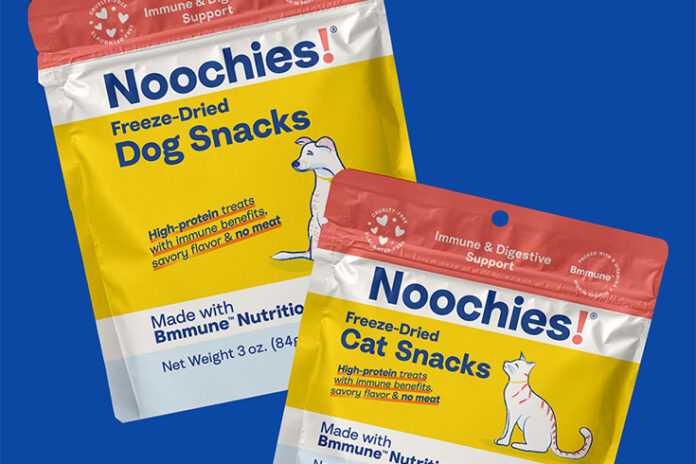
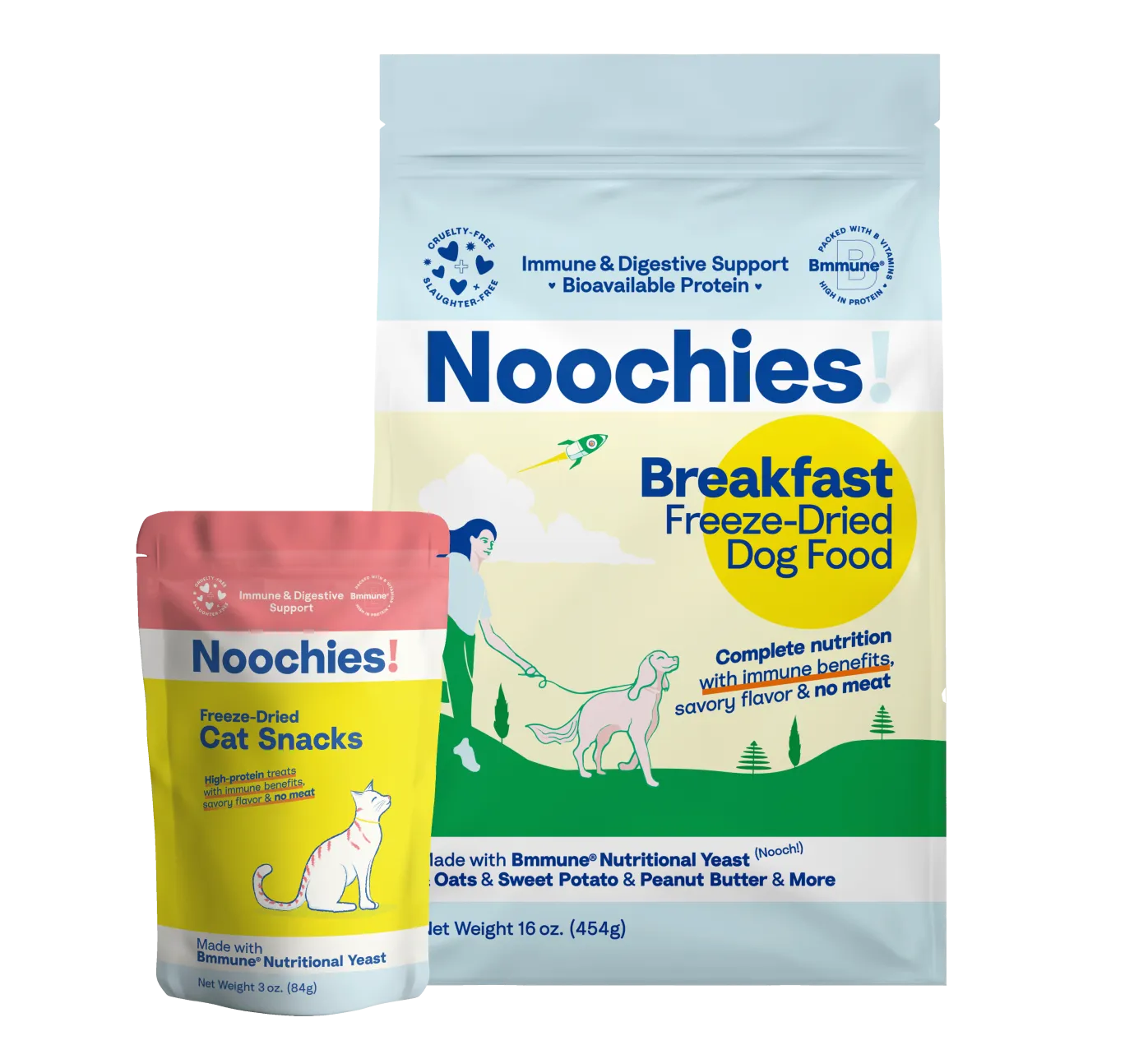
CULT Food Science’s subsidiary, Further Foods, is making waves in the pet food industry with the launch of its Noochies! Sprinkles. Set to roll out in October across the United States and Canada, this unique line of pet food toppers is set to revolutionize how pet parents care for their dogs and cats. By introducing cultured ingredients that promote better digestion, nutrient absorption, and immunity, the brand is pushing boundaries in the growing field of lab-grown meat and cellular agriculture.
Breaking Down the Product Launch:
Key elements of the launch include:
Noochies! Sprinkles available in the U.S. and Canada this October: Pet owners will have access to this novel line of products designed to enhance their pets’ meals.
Six new SKUs (Stock Keeping Units): These new additions bring the total Noochies! product offering to an impressive eight, providing a diverse range of options for pet owners looking to support their pets’ health with cutting-edge ingredients.
Positive feedback from the FDA: Further Foods has already received initial positive feedback from the FDA regarding its feeding trials for cell-cultivated chicken in dog food products, further validating the brand’s commitment to innovation.
The Noochies! Sprinkles Range: Super-Functional and Science-Backed
Noochies! Sprinkles are far more than just meal toppers—they are premium supplements designed to deliver super-functional benefits, even to pets with already healthy diets. Leveraging the power of advanced food science, these products introduce two proprietary blends that take pet nutrition to the next level.
Bmmune™: This high-protein nutritional yeast blend is rich in B vitamins and essential for immune health.
Bflora™: A probiotic blend featuring beneficial bacteria that support gut health, immune function, and overall digestion.
With these potent ingredients, Noochies! Sprinkles provide pet owners with a simple way to fortify their pets’ diets with nutrients often lacking in standard pet food.
The Power of Science in Pet Nutrition
The Noochies! Sprinkles line caters to both dogs and cats, offering tailored benefits to improve health and well-being. Here’s a breakdown of what each product delivers:
Immune Sprinkles: A powerhouse of probiotics, prebiotics, and postbiotics—an immunity trifecta—paired with Bmmune™ for bolstering immune support. It also features vegan fermented glutamine to reduce inflammation and support digestive health.
Joint Boost Sprinkles: Ideal for pets needing joint care, this supplement includes cultured glucosamine, a cruelty-free alternative to traditional sources. Combined with algae-derived DHA and turmeric, it helps reduce inflammation while supporting joint mobility.
Wellness Sprinkles: Focused on maintaining a healthy digestive tract, this product features the exclusive Bflora™ probiotic blend, combined with seaweed, fruits, and vegetables for an antioxidant boost. It promotes gut health, enhances skin and coat condition, and supports overall vitality.
An Industry-Defining Moment for Lab-Grown Ingredients
Further Foods’ venture into lab-grown pet food ingredients is part of a larger movement to redefine the future of food—both for humans and pets. By pioneering cultured ingredients and incorporating them into products like Noochies! Sprinkles, the company is taking a bold step in making sustainable, nutritious pet food accessible to a wider audience.
With the launch of Noochies! Sprinkles, Further Foods is not just offering a product but spearheading a movement toward healthier, more sustainable food solutions for pets. As more pet owners become conscious of the importance of gut health and immune support, these super-functional sprinkles are poised to become a staple in homes across North America. Whether boosting immunity, enhancing joint health, or supporting overall wellness, Noochies! Sprinkles are a significant step forward in the evolution of pet nutrition.
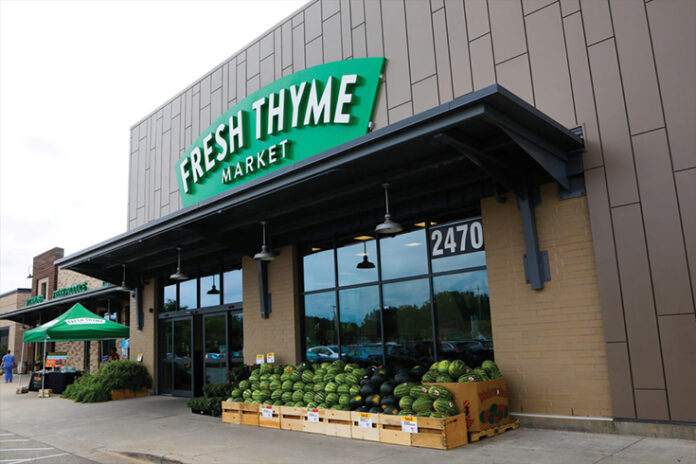
Fresh Thyme Market has unveiled its highly anticipated second annual food trend predictions for 2025, providing valuable insights into consumer preferences for retailers across the Midwest and beyond. With a strong reputation for innovation and a commitment to sourcing fresh, local, and national products, Fresh Thyme continues to drive trends that cater to health-conscious shoppers. This year’s report, created in collaboration with SPINS, a leading retail data and intelligence provider, highlights the top 10 food trends that are expected to shape the Midwest grocery landscape in the coming year.
For retailers, understanding these trends can be pivotal in staying competitive and meeting evolving consumer demands. Here’s a breakdown of Fresh Thyme’s top trends for 2025, with actionable ideas for how you can incorporate similar products into your offerings.
1. Functional Ingredients for Targeted Wellness Consumers are increasingly seeking more than basic nutrition from their food. Functional ingredients like colostrum, probiotics, and adaptogens are in demand for their specific health benefits, such as immune support and gut health.
Actionable Idea: Look for products that feature functional ingredients. Brands such as Symbiotics Colostrum Plus and Coconut Cult offer great examples of innovative wellness-focused products that can enhance your selection.
2. Adaptogenic Mushrooms Enter the Mainstream Mushrooms like Chaga, Lion’s Mane, and Turkey Tail, known for their adaptogenic properties, are gaining popularity for their ability to reduce stress and improve focus. These mushrooms are starting to appear in everyday products, from coffee to pasta.
Actionable Idea: Consider adding mushroom-infused items to your product lineup. Look for brands like Om Mushrooms Coffee Blend and Kettle & Fire Mushroom & Chicken Bone Broth to bring these powerful ingredients to your shelves.
3. Non-Alcoholic, Mood-Enhancing Beverages Non-alcoholic drinks are no longer just an alternative for teetotalers—they now serve specific wellness functions, such as relaxation or mood enhancement, with ingredients like kava and CBD.
Actionable Idea: Expand your beverage aisle with mood-enhancing options. Brands like Kin Euphorics and Recess are paving the way with sophisticated non-alcoholic drinks that offer consumers both taste and wellness benefits.
4. A Growing Love for Spicy Foods Complex and fiery flavors are trending, with consumers gravitating toward spicier foods. Fresh and dried chilies, such as ghost peppers and jalapeños, along with new hot sauce varieties, are seeing increased demand.
Actionable Idea: Boost your spice section with hot sauces and dried chilies that cater to adventurous palates. Products like Lola’s Hot Sauce and STL Pure Heat can help satisfy the growing demand for spicier options.
5. Mango Everything Mangoes are gaining popularity as consumers look for vibrant, nutritious, and flavorful ingredients. Known for their high vitamin C content, mangoes are appearing in beverages, snacks, and even wellness shots.
Actionable Idea: Introduce a variety of mango-flavored products. Beverages like Synergy Raw Mystic Mango Kombucha and So Good So You Energy Shots can help tap into this growing market.
6. The Shift Toward Natural Sweeteners Consumers are moving away from refined sugars and opting for natural alternatives like honey, maple syrup, and dates. These ingredients offer sweetness without the downsides of processed sugars.
Actionable Idea: Highlight natural sweetener options in your store. Stock products like Fresh Thyme Organic Maple Syrup or Realsy Peanut Butter Cacao Dates to meet the demand for healthier sweeteners.
7. Brain-Boosting Ingredients With a growing interest in cognitive health, ingredients like ginkgo biloba, magnesium, and GABA are set to see increased popularity as consumers look for ways to boost mental clarity and focus.
Actionable Idea: Source brain-boosting snacks and supplements to cater to the cognitive health trend. Brands like Pym Attention Chews and MagMind offer accessible ways to capitalize on this category.
8. Korean Cuisine’s Rising Influence Korean flavors, led by the popularity of Korean BBQ, are entering the mainstream. Ingredients like gochujang and kimchi are finding their way into more home kitchens as consumers look for bold, global flavors.
Actionable Idea: Expand your selection of Korean-inspired products. Consider stocking items like Ofood Gochujang Sauce and Cleveland Kitchen Classic Kimchi to attract consumers looking to experiment with global flavors.
9. Sustainability through Controlled Environment Agriculture (CEA) Environmental sustainability continues to drive consumer choices, with CEA-grown produce and grains becoming more desirable. This farming method reduces environmental impact while delivering high-quality products.
Actionable Idea: Promote eco-friendly products by sourcing items from companies that use sustainable agriculture methods. Brands like Brixy and Purely Elizabeth’s Ancient Grain Granola provide excellent options for your eco-conscious customers.
10. Protein in Every Aisle Protein is breaking out from traditional sources like meat and dairy to appear in cereals, pastas, and snacks. Consumers are seeking high-protein options that fit a variety of dietary preferences and needs.
Actionable Idea: Broaden your protein-rich offerings by adding items like protein-boosted cereals, oatmeal, and pasta. Stock brands such as Seven Sundays Protein Oats and Fresh Thyme Market’s Chickpea Penne Pasta for consumers looking for convenient, high-protein choices.
Key Takeaways
As Fresh Thyme Market has shown, staying ahead of these emerging trends can be a significant driver of customer engagement and sales. By incorporating these types of innovative products, your store can cater to the evolving tastes and health-conscious desires of your shoppers. From functional ingredients to the rise of Korean cuisine and sustainable agriculture, these trends are shaping the future of food retail in 2025. By sourcing similar products, retailers can offer the cutting-edge selections that today’s savvy consumers crave.
Sprouts Farmers Market, Inc. (Nasdaq: SFM) today announced it will issue financial results for the third quarter ended September 29, 2024, after the market closes on October 30, 2024. Following the release, Sprouts’ management will conduct a conference call at 5:00 p.m. ET to discuss the results for the quarter.
A webcast of the conference call will be available at investors.sprouts.com. Participants should register on the website approximately ten minutes prior to the start of the webcast.
A webcast replay will be available at approximately 8:00 p.m. ET on October 30, 2024. This can be accessed with the following link.
October 7, 2024 – Actylis, a prominent provider of specialty ingredients for the life sciences and advanced technology sectors, has announced the acquisition of Pharm-Rx, a New Jersey-based supplier of value-added ingredients for the vitamin, mineral, supplement (VMS), and pharmaceutical industries. This strategic acquisition aims to enhance Actylis’ product offerings and expand its services for nutrition and over-the-counter (OTC) pharmaceutical customers.
Strategic Expansion The acquisition of Pharm-Rx will bolster Actylis’ ability to deliver a broader range of specialty ingredients and improve its solutions for clients in the VMS and pharmaceutical sectors. Scott Thomson, CEO of Actylis, emphasized the importance of the acquisition as part of the company’s growth strategy. “This is a significant milestone for Actylis. Pharm-Rx’s strong team and expertise allow us to offer even greater value to our customers through an expanded portfolio and enhanced capabilities,” Thomson stated.
Pharm-Rx, which has operated for over 30 years, is recognized for its ability to source difficult-to-find active ingredients from global manufacturers and address complex regulatory and logistical challenges. Its customer-centric approach has earned the company a solid reputation within the VMS and pharmaceutical industries.
Leadership and Integration As part of the acquisition, Mark Bostel, current President & Head of Business Development at Pharm-Rx, will take on the role of President, of Global Nutrition and OTC at Actylis. Bostel will oversee both Pharm-Rx and Actylis’ Nutrition and OTC businesses. He expressed optimism about the partnership, noting that it will allow both companies to expand their client base and product offerings. “Pharm-Rx and Actylis complement each other well, positioning us to serve our markets better and unlock new opportunities,” Bostel said.
Pharm-Rx will continue to operate under its existing brand and management team, including key executives Carlos Doussinague and Ann Smith.
The acquisition aligns with Actylis’ strategy to expand its global reach and improve its service offerings for the VMS and pharmaceutical markets. By integrating Pharm-Rx’s expertise, Actylis aims to strengthen its supplier partnerships and deliver more comprehensive solutions to its customers.
The financial details of the acquisition were not disclosed. UB Greensfelder LLP advised Actylis, while Alantra, Adams, and Reese LLP represented Pharm-Rx.
The Singapore International Agri-Food Week (SIAW) 2024 is set to take place from 18 to 22 November at Sands Expo & Convention Centre, Marina Bay Sands. As Asia’s premier platform for knowledge sharing, networking, and collaboration, SIAW 2024 is poised to bring together key players from across the globe. The focus of this year’s edition, themed “Scaling Innovation in Asia’s Agri-Food Systems,” will be on driving advancements in sustainable food production, nutrition, and agricultural innovation throughout Asia.
SIAW 2024 promises to be a hub of activity for industry leaders, policymakers, entrepreneurs, investors, and innovators. They will gather to exchange groundbreaking ideas, forge new partnerships, and advance the development and adoption of cutting-edge agri-food technologies. With sustainability and nutrition at the heart of its agenda, SIAW 2024 will help catalyze the transition towards more resilient food systems in the region.
A Week of Insightful Events The week-long event comprises four key events, each focusing on critical aspects of the agri-food industry:
Roundtable on Novel Food Regulations: This forum will explore the regulatory frameworks necessary for introducing innovative food products, such as alternative proteins and other sustainable solutions, to the market.
Asia-Pacific Agri-Food Innovation Summit: A highlight of SIAW 2024, the summit will feature discussions on the latest agri-tech innovations, sustainable farming practices, and the future of food production in Asia.
Agri-Food Tech Expo Asia: This exhibition will showcase the newest agri-food technologies from around the world, providing an opportunity for attendees to see cutting-edge solutions firsthand.
Global Agri-Food Scientific Symposium: Focused on scientific advancements, this symposium will bring together experts to discuss the latest research and innovations in sustainable agriculture and food science.
Each of these events is designed to foster collaboration and encourage the sharing of solutions that can address the pressing challenges facing the agri-food sector in Asia, from climate change to food security.
High-Level Participation and Networking Opportunities SIAW 2024 will kick off with an exclusive, by-invitation SIAW Welcome Reception on the evening of 18 November. Singapore’s Deputy Prime Minister and Minister for Trade and Industry, Mr. Gan Kim Yong, will officiate the event, which provides a prime opportunity for attendees to network with a distinguished group of industry leaders, innovators, entrepreneurs, and policymakers.
This edition of SIAW is expected to be the largest yet, with an anticipated 12,000 attendees from 82 countries and regions, along with 300 exhibitors and 400 speakers. These numbers highlight the growing global importance of the agri-food sector and the critical role that Asia plays in driving sustainable food production and technological advancements.
The event is co-organized by the Singapore Food Agency (SFA) and Temasek, with support from A*STAR (Agency for Science, Technology and Research), Enterprise Singapore, Singapore Economic Development Board (EDB), and Singapore Tourism Board (STB). Organizing partners Constellar and Rethink Events bring additional expertise to ensure a successful and impactful week of events.
Driving Sustainable Nutrition Solutions One of the key partners of SIAW 2024 is Nurasa, a wholly-owned company of Temasek, which focuses on accelerating the adoption of affordable and appealing sustainable nutrition solutions. As a Gold Partner for the event, Nurasa’s involvement underscores the importance of sustainability and innovation in the food industry, particularly as the world faces growing challenges related to food security, climate change, and public health.
Nurasa’s contributions to SIAW 2024 will be closely watched by industry stakeholders, as the company is at the forefront of driving innovative, sustainable nutrition solutions that are both affordable and scalable.
SIAW 2024 is set to be a pivotal event for Asia’s agri-food industry, providing a platform for stakeholders to explore the future of food systems in the region. As the agri-food sector continues to evolve in response to global challenges such as climate change, population growth, and shifting consumer demands, the innovations and partnerships forged at SIAW 2024 will be critical in shaping a more sustainable and nutritious future.
For businesses, policymakers, and innovators in the wellness industry, this event represents an invaluable opportunity to engage with the latest trends and technologies driving the agri-food sector forward. SIAW 2024 not only highlights the importance of collaboration and innovation in creating sustainable food systems but also emphasizes the critical role that Asia will play in the global agri-food industry in the coming years.
This year’s edition of SIAW is a must-attend event for anyone invested in the future of food, nutrition, and sustainable agriculture. Don’t miss out on the opportunity to be part of this transformative movement towards a healthier, more resilient agri-food system in Asia.
Like other symptoms related to menopause, some women will experience noticeable changes to hair quality and density during this transition phase. Those menopausal changes may include hair loss, hair thinning, reduced hair growth and density as well as altered hair quality and structure (1). For example, a 2022 study found that more than half of menopausal women experience female pattern hair loss (2).
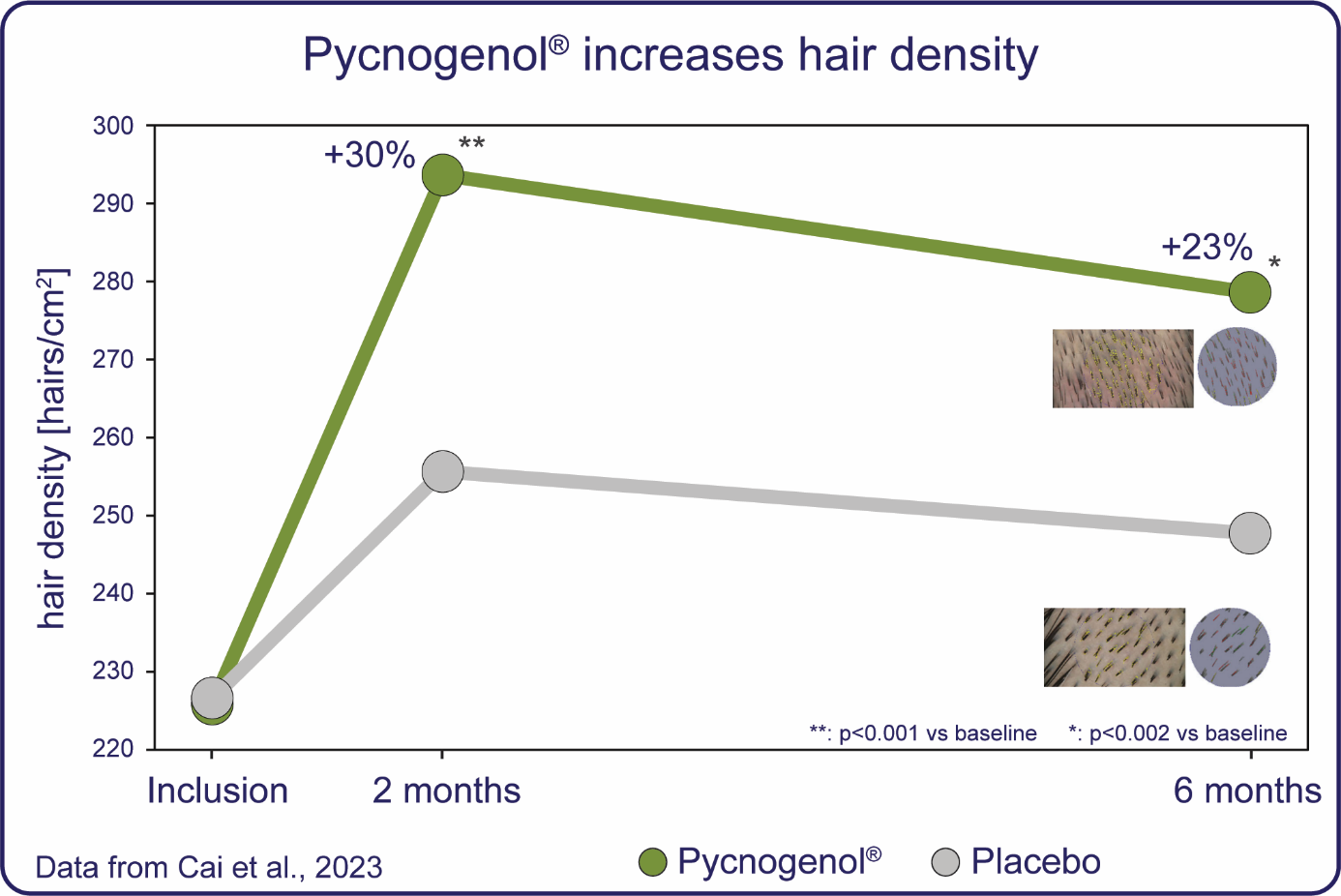
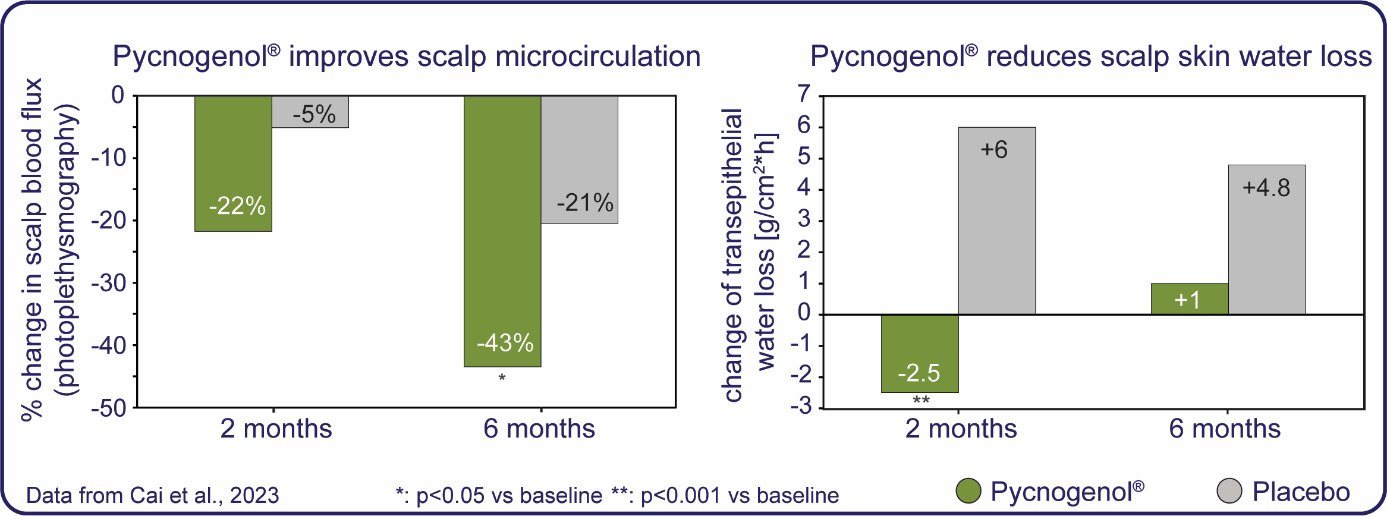
A recently published double-blind, randomized, placebo‐controlled study reveals a natural, safe and effective path for women who face hair thinning (3). The study, conducted with menopausal women, found oral intake of Pycnogenol® to significantly increase hair density, decrease trans-epidermal water loss in scalp skin and to improve microcirculation in scalp skin.
Pycnogenol®, an extract from French maritime pine bark is a natural antioxidant and anti-inflammatory food supplement that was shown to be beneficial for health and beauty in hundreds of clinical studies (4).
Pycnogenol® improves hair quality
According to a questionnaire in a study with peri-menopausal women, Pycnogenol® reduced hair loss complaints by 43% after 8 weeks (5).
The above mentioned study confirmed these observations in a randomized and placebo-controlled design with specific focus on Pycnogenol®’s effects on hair quality and density (3). 76 healthy menopausal women between 45 and 60 years were randomly assigned to either take 150 mg Pycnogenol® per day or placebo for 6 months.
Remarkably, hair density was significantly improved by 30% compared to baseline and by 15% compared to placebo after 2 months. The effects of Pycnogenol® stayed on a highly improved level after longer supplementation.
In addition, the study showed that Pycnogenol® significantly reduced water loss from the skin of subjects’ scalp, compared to the placebo group. This leads to a better regulated scalp skin moisture balance for healthier hair and scalp.
The study also confirmed that Pycnogenol® intake positively affects microcirculation in the skin, leading to a better supply of nutrients and oxygen to the hair follicle.
In conclusion, Pycnogenol® intake for only 2 months was efficacious in improving hair and scalp health and significantly reduced hair loss in postmenopausal women (3).
How does Pycnogenol® improve hair quality?
There are several mechanisms of action that can explain Pycnogenol®’s efficacy for hair health and beauty.
Pycnogenol® improves microcirculation
Healthy microcirculation is vital for maintaining good hair quality as it leads to a well-functioning supply of nutrients and oxygen to the scalp and the hair follicles. In several previously published studies, Pycnogenol® was shown to improve microcirculation in small blood vessels in the body, like the very fine micro vessels in the skin, fingertips and in the inner ear or the retinal capillaries in the eye (3, 6-12).
In a 3-month study on diabetic retinopathy, Pycnogenol® supplementation improved the retinal blood flow by around 30% compared to no change in the control patients (7). In another study with patients suffering from coronary heart disease, microcirculation on the fingertip improved significantly in 54% of the patients, taking Pycnogenol® and in 33% of the placebo patients after 4 weeks (8). A third study showed improved microcirculation in the legs by 34% after Pycnogenol® intake, in patients with diabetic microangiopathy (9). In addition, Pycnogenol® positively affects microcirculation in the inner ear, relieving symptoms of tinnitus (11, 12).
Pycnogenol® has anti-inflammatory effects
In addition, Pycnogenol® protects hair follicles by capturing free radicals, generated either by stress, sun rays, pollution or inflammation. In many studies, it was shown that Pycnogenol® has potent anti-inflammatory activities (13-15). Already after 5 days of daily intake, a study reported that Pycnogenol® significantly prevented the up-regulation of the pro-inflammatory enzymes 5-LOX and COX-2 (13). In another ex vivo study, plasma samples of volunteers after intake of Pycnogenol® showed to statistically significantly inhibit NF-κB activation by 15.5% and matrix metalloproteinase 9 (MMP-9) release by 25%, two important regulators in the inflammation process (14). In a similar study, statistically significant inhibition of inflammatory molecules COX-1 and COX- 2 was observed after intake of 300 mg Pycnogenol® (15).
Pycnogenol® is a strong antioxidant
The antioxidant activity of Pycnogenol® has been investigated in a number of clinical studies (16-23). Orally administered Pycnogenol® has been shown to both increase the plasma antioxidant capacity, expressed as oxygen radical absorbance capacity (20), and decrease the plasma oxidative stress measured as plasma free radicals (24). Pycnogenol® has further been shown to protect lipids from peroxidation by free radicals in elderly people and people with coronary artery disease (16, 17). The protective effects of Pycnogenol® on DNA oxidation was shown in a randomized, double-blind, placebo-controlled study of children with ADHD, by measuring the level of oxidized purines (18).
Pycnogenol® benefits skin elasticity and hydration
Further reinforcing scalp skin health, Pycnogenol® strengthens the extracellular matrix by binding and thus protecting collagen and elastin as well as by stimulating the production of new collagen and hyaluronic acid in the skin (14, 25-27).
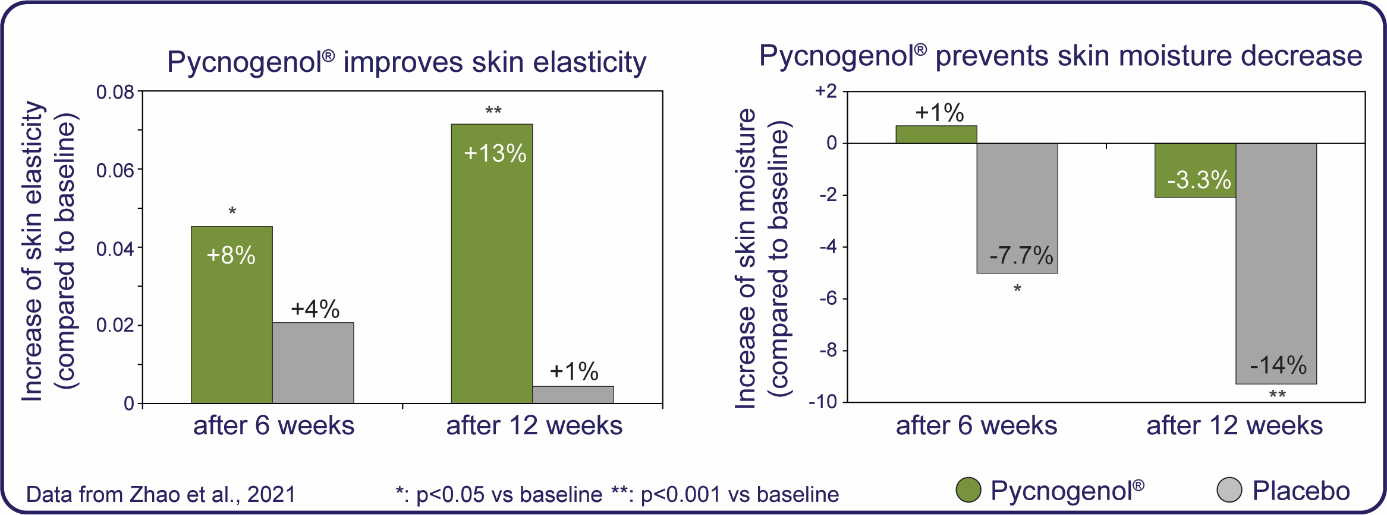
In a study with 78 subjects, who work outdoors in an urban area, the water loss of the skin during the hot summer season could be reduced by 14% with Pycnogenol® supplementation for 3 months and only by 5% with placebo (25). In this placebo-controlled double-blind study, the skin elasticity was shown to be improved by 13% after supplementation, compared to an increase of 1% in the placebo group.
Interestingly, clinical investigations of Pycnogenol® supplementation for 12 weeks with menopausal women, aged 55 to 68 years revealed increased hyaluronic acid synthase levels within the skin by 44%, leading to improved skin hydration (27). Hyaluronic acid synthase is the natural source of water-binding hyaluronic acid in the dermis, which moisturizes the skin and keeps it taut and smooth. Consequently, an average skin-hydration increase by 21% in the group of Pycnogenol® supplementation was found, particularly in women presenting with dry skin prior to Pycnogenol® intake. In this study, Pycnogenol® was also shown to improve skin elasticity by 25% and decrease skin fatigue by 30%. The results were paralleled by Pycnogenol®’s ability to generate skin´s connective tissue collagen in average by 40%.
In addition to stimulating the synthesis of new collagen, Pycnogenol® metabolites can inhibit the release and activity of destructive enzymes (metalloproteinases 1,2 and 9), which break down dermal tissue proteins, like collagen or elastin (14, 28). The reduced activity of these lytic enzymes saves the connective tissues from degradation, representing the basis for maintaining an elastic, smooth and youthful looking skin.
Pycnogenol® relieves menopausal symptoms
Apart from improving hair quality, Pycnogenol® has been shown to be very efficient for different other conditions or disorders connected to menopause. To date, almost 500 menopausal women took part in different studies investigating the effects of Pycnogenol® on climacteric symptoms (5, 22, 29, 30).
A randomized, double-blind placebo-controlled 6-month study with 155 peri-menopausal women found all symptoms of the Women’s Health Questionnaire (WHQ) to be significantly improved in the Pycnogenol® supplementing subjects, as compared to placebo controls (22). The symptoms on the WHQ include somatic (tiredness, headache) and vasomotor problems (hot flashes, sweating), depressed mood, memory and concentration issues, attractiveness, anxiety, sexual behavior, sleep, and menstrual problems.
In another study, the symptoms of 70 women in menopausal transition were evaluated with 38 subjects being supplemented with 100 mg Pycnogenol® per day for 8 weeks (5). The scoring system included 33 common signs and symptoms of menopausal complaints, which were improved significantly after Pycnogenol® intake.
A significant efficacy of a low dosage of Pycnogenol® (60 mg daily) on climacteric symptoms could be shown in a randomized, double-blind placebo-controlled investigation with 170 women (29).
Menopause is a leading risk factor of cardiovascular disease (31). Supplementation of peri-menopausal women with 100 mg Pycnogenol® per day for 6 months was shown to normalize high blood pressure and to improve lipid profile (30). Cardiovascular risk factors (homocysteine and CRP values) improved significantly and plasma free radicals decreased significantly by 22%. Additionally, almost all symptoms of a menopausal questionnaire with 34 items, were improved after Pycnogenol® supplementation.
Pycnogenol® French maritime pine bark extract is effective in improving hair quality. Supplementation with Pycnogenol® is associated with increased hair density, improved scalp skin microcirculation and reduced scalp skin water loss. These effects can partly be explained by Pycnogenol®’s potent anti-inflammatory and antioxidant effects and its benefits on skin elasticity and hydration. In addition, studies showed that Pycnogenol® relieves the main menopausal symptoms.
Article written by Dr. Franziska Weichmann, Manager of Scientific Communications and Product Development at Horphag Research.
References:
1. Zouboulis CC, Blume-Peytavi U, Kosmadaki M, Roó E, Vexiau-Robert D, Kerob D, et al. Skin, hair and beyond: the impact of menopause. Climacteric. 2022;25(5):434-42.
2. Chaikittisilpa S, Rattanasirisin N, Panchaprateep R, Orprayoon N, Phutrakul P, Suwan A, et al. Prevalence of female pattern hair loss in postmenopausal women: a cross-sectional study. Menopause. 2022;29(4):415-20.
3. Cai C, Zeng B, Lin L, Zheng M, Burki C, Grether‐Beck S, et al. An oral French maritime pine bark extract improves hair density in menopausal women: A randomized, placebo‐controlled, double blind intervention study. Health Science Reports. 2023;6(1).
4. Oliff H. American Botanical Council – Scientific and clinical Monograph for Pycnogenol. ABC. 2019:1-46.
5. Errichi S, Bottari A, Belcaro G, Cesarone MR, Hosoi M, Cornelli U, et al. Supplementation with Pycnogenol® improves signs and symptoms of menopausal transition. Panminerva Med. 2011;53(3 Suppl 1):65-70.
6. Cesarone MR, Belcaro G, Agus GB, Ippolito E, Dugall M, Hosoi M, et al. Chronic venous insufficiency and venous microangiopathy: management with compression and Pycnogenol(R). Minerva Cardioangiol. 2019;67(4):280-7.
7. Steigerwalt R, Belcaro G, Cesarone MR, Di Renzo A, Grossi MG, Ricci A, et al. Pycnogenol improves microcirculation, retinal edema, and visual acuity in early diabetic retinopathy. J Ocul Pharmacol Ther. 2009;25(6):537-40.
8. Wang S, Tan D, Zhao Y, Gao G, Gao X, Hu L. The effect of Pycnogenol® on the microcirculation, platelet function and ischaemic myocardium in patients with coronary artery diseases. European Bulletin of Drug Research. 1999;7(2):19-25.
9. Cesarone MR, Belcaro G, Rohdewald P, Pellegrini L, Ledda A, Vinciguerra G, et al. Improvement of diabetic microangiopathy with pycnogenol: A prospective, controlled study. Angiology. 2006;57(4):431-6.
10. Belcaro G, Cesarone MR, Errichi BM, Ledda A, Di Renzo A, Stuard S, et al. Diabetic ulcers: microcirculatory improvement and faster healing with pycnogenol. Clin Appl Thromb Hemost. 2006;12(3):318-23.
11. Luzzi R BG, Hu S, Dugall M, Hosoi M, Cacchio M, Ippolito E, Corsi M Improvement in symptoms and cochlear flow with Pycnogenol in patients with Meniere’s disease and tinnitus. Minerva Med 2014;105:245-54.
12. Grossi MG, Belcaro G., Cesarone, M.R., Duggall, M., Hosoi, M Cacchio,. Improvement in cochlear flow with Pycnogenol® in patients with tinnitus: a pilot evaluation. Panminerva Med. 2010;52(2):63-7.
13. Canali R, Comitato R, Schonlau F, Virgili F. The anti-inflammatory pharmacology of Pycnogenol in humans involves COX-2 and 5-LOX mRNA expression in leukocytes. Int Immunopharmacol. 2009;9(10):1145-9.
14. Grimm T, Chovanova Z, Muchova J, Sumegova K, Liptakova A, Durackova Z, et al. Inhibition of NF-kappaB activation and MMP-9 secretion by plasma of human volunteers after ingestion of maritime pine bark extract (Pycnogenol). J Inflamm (Lond). 2006;3:1.
15. Schäfer A, Chovanova Z, Muchova J, Sumegova K, Liptakova A, Durackova Z, et al. Inhibition of COX-1 and COX-2 activity by plasma of human volunteers after ingestion of French maritime pine bark extract (Pycnogenol). Biomed Pharmacother. 2005;60(1):5-9.
16. Enseleit F, Sudano I, Periat D, Winnik S, Wolfrum M, Flammer AJ, et al. Effects of Pycnogenol on endothelial function in patients with stable coronary artery disease: a double-blind, randomized, placebo-controlled, cross-over study. Eur Heart J. 2012;33(13):1589-97.
17. Ryan J, Croft, K., Wesnes, K and Stough, C. An examination of the effects of the antioxidant Pycnogenol® on cognitive performance, serum lipid profile, endocrinological and oxidative stress biomarkers in an elderly population. J Psychopharmacol. 2008;22(5):553-62.
18. Chovanova Z, Muchova J, Sivonova M, Dvorakova M, Zitnanova I, Waczulikova I, et al. Effect of polyphenolic extract, Pycnogenol, on the level of 8-oxoguanine in children suffering from attention deficit/hyperactivity disorder. Free Radic Res. 2006;40(9):1003-10.
19. D̆uračková Z, Trebatický B, Novotný V, Žitňanová I, Breza J. Lipid metabolism and erectile function improvement by pycnogenol®, extract from the bark of pinus pinaster in patients suffering from erectile dysfunction-a pilot study. Nutrition Research. 2003;23(9):1189-98.
20. Devaraj S V-LS, Kaul N, Schönlau F, Rohdewald P, Jialal I. Supplementation with a pine bark extract rich in polyphenols increases plasma antioxidant capacity and alters plasma lipoprotein profile. Lipids. 2002;37(10):931-4.
21. Kolacek M, Muchova J, Dvorakova M, Paduchova Z, Zitnanova I, Cierna I, et al. Effect of natural polyphenols (Pycnogenol) on oxidative stress markers in children suffering from Crohn’s disease–a pilot study. Free Radic Res. 2013;47(8):624-34.
22. Yang HM, Liao MF, Zhu SY, Liao MN, Rohdewald P. A randomised, double-blind, placebo-controlled trial on the effect of Pycnogenol on the climacteric syndrome in peri-menopausal women. Acta Obstet Gynecol Scand. 2007;86(8):978-85.
23. Errichi S, Bottari, A., Belcaro, G., Cesarone, M.R., Hosoi, M., Cornelli, U., Dugall, M., Ledda, A., Feragalli, B. Supplementation with Pycnogenol® improves signs and symptoms of menopausal transition. Panminerva Med. 2011;53(3):65-70.
24. Belcaro H, Cesarone, Dugall. A controlled study shows daily intake of 50 mg of French Pine Bark Extract (Pycnogenol®) lowers plasma reactive oxygen metabolites in healthy smokers. Minerva medica. 2013;104(4):439-46.
25. Zhao H, Wu J, Wang N, Grether-Beck S, Krutmann J, Wei L. Oral Pycnogenol(R) Intake Benefits the Skin in Urban Chinese Outdoor Workers: A Randomized, Placebo-Controlled, Double-Blind, and Crossover Intervention Study. Skin Pharmacol Physiol. 2021:1-11.
26. Grether-Beck S, Marini A, Jaenicke T, Krutmann J. French Maritime Pine Bark Extract (Pycnogenol(R)) Effects on Human Skin: Clinical and Molecular Evidence. Skin Pharmacol Physiol. 2016;29(1):13-7.
27. Marini A, Grether-Beck S, Jaenicke T, Weber M, Burki C, Formann P, et al. Pycnogenol(R) effects on skin elasticity and hydration coincide with increased gene expressions of collagen type I and hyaluronic acid synthase in women. Skin Pharmacol Physiol. 2012;25(2):86-92.
28. Grimm T, Schäfer A, Högger P. Antioxidant activity and inhibition of matrix metalloproteinases by metabolites of maritime pine bark extract (pycnogenol). Free Radic Biol Med. 2004;36(6):811-22.
29. Kohama T, Negami M. Effect of low-dose French maritime pine bark extract on climacteric syndrome in 170 perimenopausal women: a randomized, double-blind, placebo-controlled trial. J Reprod Med. 2013;58(1-2):39-46.
30. Luzzi R, Belcaro G, Hosoi M, Feragalli B, Cornelli U, Dugall M, et al. Normalization of cardiovascular risk factors in peri-menopausal women with Pycnogenol(R). Minerva Ginecol. 2017;69(1):29-34.
31. Moreau KL, Hildreth KL. Vascular Aging across the Menopause Transition in Healthy Women. Adv Vasc Med. 2014;2014.
Pycnogenol® Boosts Hair Health and Scalp Condition During Menopause
In a recent clinical study reported by IHR Magazine, a polyphenol-enriched blend of lemon verbena and hibiscus has shown promising results in aiding weight management for overweight adults. Over 90 days, participants experienced an average weight loss of 3 kg and a significant reduction in body fat—approximately 6%—without changing their diet or exercise routine. In addition to weight loss, the study found improvements in satiety and a 7% drop in cholesterol levels, positioning this botanical blend as a potential natural alternative for those seeking effective, side effect-free weight loss solutions.
Significant Weight Loss
Participants who took 300 mg daily of the botanical blend saw an average weight reduction of 3 kg (~3.4% of total body weight). This weight loss was achieved without changes to diet or exercise, which is particularly notable. The fat loss was concentrated in the upper body, as confirmed through DEXA scans and bioimpedance measurements.
Reduction in Body Fat
The study showed a 6% reduction in body fat among the participants, with a 1.7% decrease in total fat mass. Interestingly, visceral fat (fat around the abdominal organs, associated with metabolic risks) decreased by 8.2%, which suggests that the blend may help target unhealthy fat storage areas.
Appetite Control and Satiety
One of the standout benefits was the increased satiety after meals. Participants reported feeling fuller for longer periods, which likely helped them reduce food intake without feeling deprived. These effects were especially noted after meals, with improvements starting as early as 30 days into the intervention.
The increase in satiety is believed to be linked to the activation of the GLP-1 hormone, known for its appetite-regulating properties. This could provide a natural method of controlling hunger, reducing the need for calorie restriction.
Cholesterol Reduction
A significant finding was the 7% reduction in cholesterol levels, specifically LDL (“bad”) cholesterol. This suggests that the botanical blend might help improve lipid profiles, making it a potentially valuable tool for cardiovascular health alongside weight loss.
Blood Pressure and Glucose Levels
No significant changes were observed in blood glucose or blood pressure levels. Since participants were normoglycemic (normal blood sugar levels) and had normal blood pressure at baseline, this suggests that the blend does not negatively impact these parameters in healthy individuals. It’s a promising sign for the product’s safety profile, especially for those concerned about potential drops in glucose or blood pressure.
Mechanisms of Action
The blend’s effects are thought to be related to its AMPK activation—a key energy sensor that plays a role in fat metabolism. By activating AMPK, the blend helps reduce fat synthesis and increase fat burning, which may explain the observed fat loss. Additionally, polyphenols from lemon verbena and hibiscus are known for their anti-inflammatory and antioxidant properties, which may further contribute to metabolic improvements.
Safety and Compliance
The 300 mg dose used in the study was well-tolerated, with no reported adverse effects. A lower dose, compared to the 500 mg used in previous studies, offers advantages such as fewer capsules to consume, which can help improve adherence to the regimen. This is crucial, as pill fatigue is a common issue in long-term treatments.
It is obvious for health food stores, the findings from this study present a valuable opportunity to diversify product offerings with a more holistic, science-backed solution. As Consumers are increasingly seeking alternatives to traditional weight loss supplements, and a polyphenol-rich blend of lemon verbena and hibiscus provides a plant-based option with proven benefits that give you an edge over mass-market.
References:
Wyatt, S.B., Winters, K.P., & Dubbert, P.M. (2006). Overweight and obesity: Prevalence, consequences, and causes of a growing public health problem. American Journal of the Medical Sciences, 331(4), 166-174.
Ng, M., Fleming, T., Robinson, M., Thomson, B., Graetz, N., Margono, C., et al. (2014). Global, regional, and national prevalence of overweight and obesity in children and adults during 1980–2013: A systematic analysis for the Global Burden of Disease Study 2013. The Lancet, 384(9945), 766–781.
Herranz-López, M., Barrajón-Catalán, E., Segura-Carretero, A., Menéndez, J.A., Joven, J., & Micol, V. (2015). Lemon verbena (Lippia citriodora) polyphenols alleviate obesity-related disturbances in hypertrophic adipocytes through AMPK-dependent mechanisms. Phytomedicine, 22(6), 605-614.
Lee, Y.S., Yang, W.K., Kim, H.Y., Min, B., Caturla, N., & Jones, J. (2018). Metabolaid® combination of lemon verbena and hibiscus flower extract prevents high-fat diet-induced obesity through AMP-activated protein kinase activation. Nutrients, 10(9), 1204.
Boix-Castejón, M., Herranz-López, M., Olivares-Vicente, M., et al. (2018). Hibiscus and lemon verbena polyphenols modulate appetite-related biomarkers in overweight subjects: A randomized controlled trial. Food & Function, 9(6), 3173-3184.
Silva, M., Cueva, C., Alba, C., Rodriguez, J.M., de Pascual-Teresa, S., et al. (2022). Gut microbiome-modulating properties of a polyphenol-enriched dietary supplement comprised of hibiscus and lemon verbena extracts. Journal of Functional Foods, 91, 105016.
Marhuenda, J., Pérez, S., Victoria-Montesinos, D., Abellán, M.S., Caturla, N., & Jones, J. (2020). A randomized, double-blind, placebo-controlled trial to determine the effectiveness of a polyphenolic extract (Hibiscus sabdariffa and Lippia citriodora) in the reduction of body fat mass in healthy subjects. Foods, 9(1), 55.
This past weekend, the Canadian Health Food Association (CHFA) brought Toronto’s Enercare Centre to life with CHFA NOW 2024, the ultimate trade show for the natural health, organic, and wellness sectors. The bustling event attracted thousands of industry professionals, buyers, and exhibitors, creating a vibrant hub of innovation, networking, and cutting-edge trends.
Innovation Takes Centre Stage
CHFA NOW 2024 was a powerhouse of innovation, with sustainability and forward-thinking products leading the charge. Brands unveiled eco-friendly packaging, ethically sourced ingredients, and transparent supply chains, responding to growing consumer demand for products that align with their environmental values. Plant-based nutrition stole the spotlight, as the market continues to shift towards vegan and alternative protein options. The focus on gut health and mental well-being was clear, with brands rolling out new products to support digestion and reduce stress in today’s fast-paced world.
Photo: Exhibitors showcasing plant-based products, eco-friendly packaging, or a keynote session at CHFA NOW
Notably, CBD-infused products continued to rise in popularity, with natural remedies proving to be more than a passing trend. Functional beverages, adaptogenic supplements, and superfoods were also among the big draws, catering to consumers looking for convenient, wellness-boosting options in their daily routines.
Big Ideas
The energy in the event’s keynotes and panels was palpable. Industry leaders tackled the most pressing issues, from the latest in regulatory developments to the surge in demand for clean-label products and personalized nutrition. BTW it is why ihr magazine chose its new express format.
Transparency and ethics in the health sector took centre stage, as consumers are no longer just shopping for products—they’re shopping for values. Brands that can deliver both will be the ones to watch.
There was also a strong focus on the integration of technology in wellness, with cutting-edge developments like AI-powered personalized supplement recommendations and health-tracking apps giving a glimpse into the future of data-driven, personalized health solutions.
Photo: Exhibitors showcasing plant-based products, eco-friendly packaging, or a keynote session at CHFA NOW
Networking in Overdrive
The energy of the event extended into the networking zones, which were buzzing with potential deals and partnerships. Retailers, distributors, and emerging brands took full advantage of the business-to-business meeting areas, exploring collaborations and opportunities to expand in the fast-evolving health market. CHFA NOW continues to be a launchpad for companies looking to break into or strengthen their presence in the industry.
A Clear Vision for the Future
CHFA NOW 2024 was a vibrant reflection of where the natural health industry is heading—sustainability, innovation, and transparency are now more than trends; they are essential pillars. The event was a reminder that the future of health is being shaped by consumer demands for ethical, planet-conscious, and personalised products, with technology playing a pivotal role in delivering these solutions.
With momentum building around plant-based nutrition, mental health support, and tech-driven wellness, CHFA NOW has once again proved itself as the event where the future of health is defined. All eyes are now on next year, as the industry continues to evolve and embrace a healthier, more sustainable world.