All In Nutritionals
Home Blog Page 263

Distripharm Announces New Sales Representative

0
Distripharm Announces New Sales Representative

Distripharm has announced the announced the addition of a new BC sales representative. Jazz Mattu joins the team with over 25 years of experience in the health and wellness industry, as well as being a professional medical herbal practitioner.

 
As a former health food store owner he also brings extensive knowledge in the areas of retail, natural products and sales.

Hiller’s Stores Go To Kroger

0
Rachelle-Bery Store Gets New Owner

According to Supermarket News, Kroger Co. will acquire all seven of the Hiller’s Markets stores in the Detroit area, The Hiller’s stores, known for their specialty and ethnic foods, are located in West Bloomfield, Ann Arbor, Northville, Plymouth, South Lyon and two stores in Commerce Township.
The stores will be rebranded as Kroger stores, except for the Commerce Township location which will be closed.
Kroger said Hiller’s associates can apply for positions within the organization. Store conversion details, including hiring events, will be announced closer to transaction completion, which is expected in July. Kroger’s Michigan division, headquartered in Novi, currently operates 123 stores and 64 fuel centers.


“We are excited to welcome Hiller’s customers into our stores and introduce them to our great people,” said Jayne Homco, president of Kroger’s Michigan division. “Hiller’s has a decades-long reputation of great customer service and outstanding selection of local and ethnic foods, and we look forward to continuing those traditions as we expand in this market.”
Jim Hiller, president and CEO of Hiller’s Markets, said, “After 75 years of providing the finest quality groceries and services to southeast Michigan I am pleased that Hiller’s legacy of excellence will be continued by the Kroger Company. I encourage Hiller’s customers to continue shopping at Kroger following the transition and to continue supporting their favorite associates.”

LeBeau Excel Adds New Clients

0
LeBeau Excel Adds New Clients

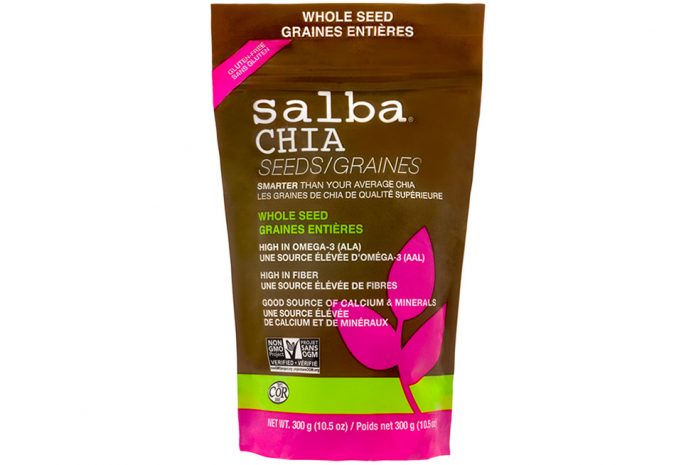
LeBeau Excel has become the national sales broker for both Salba Smart Natural Products and Riverside Natural Foods.

 
Salba Smart Natural Products is the source of Salba Chia seeds which are grown in Argentina and Bolivia while Riverside Natural Foods manufactures branded and private label snacks that are nutrient rich, wholesome, and minimally processed.

La Roche-Posay Launches Skin Care Awareness Campaign

0

La Roche-Posay has launched Skinchecker, so says Canadian Newswire. The new international awareness campaign, which is commended by the Canadian Dermatology Association (CDA), urges people to check their moles, and aims to educate people on their active role in the early detection of skin cancer.


According to the CDA, skin cancer is the only type of cancer visible to the naked eye, and if diagnosed early, 90 per cent of melanoma cases can be treated effectively.


Since 2000, the incidence of melanoma has increased 75 per cent in Canada vs. 31 per cent for all types of cancer. This year, one out of every three cancers diagnosed in Canada will be skin cancer.


“As a longstanding partner of dermatologists, dermatological research and all those who suffer from sensitive skin issues, La Roche-Posay believes this campaign will help save lives here in Canada and around the world,” said Josee Bordeleau, Medical Relations Lead, La Roche-Posay.

 
La Roche-Posay, hopes that Skincheckers will help people quickly identify a potential problem and encourages them to go see a dermatologist as soon as possible. Skincheckers is widely promoted by dermatologists across the globe. The new Skinchecker campaign is designed to make everything as easy as possible: one click to download the ABCDE method, and one click to share it with a friend or loved one.


According to a new Ipsos survey carried out for La Roche-Posay in 23 countries across the globe, Canadians rank amongst the lowest with only 32 per cent ever having had a mole check; almost half the international average of 55 per cent. Not surprisingly, Canadians also ranked at the bottom in annual check-ups, with only 6 per cent of the population getting yearly mole checks. Far behind the populations of Germany (24 per cent), Austria (23 per cent) and Italy (20 per cent).


In addition, only 56 per cent of Canadians admitted to wearing sun protection when out in the sun (Ireland, Italy and Portugal came out on top with 69 per cent of their respective populations applying sunscreen), and only one in five Canadians protect themselves year round using sunscreen; Greece (34 percent), Chile (33 per cent) and Australia (32 per cent) led the pack.


To launch Melanoma Awareness Month, La Roche-Posay provided free mole checks on Melanoma Monday (May 4, 2015) in Toronto and will also do so in Vancouver during the World Dermatology Conference June 9 – 11, 2015.

Majority of Canadians Unprepared for an Allergy Emergency

0

Anaphylaxis is a serious allergic reaction which can be life-threatening and requires immediate help, says a Canadian Newswire story. Yet according to a new Ipsos Reid survey, almost two-thirds of Canadians say they wouldn’t know exactly what to do in this situation.


The survey also found that:


– Half of Canadians feel they would be unable to recognize the symptoms of anaphylaxis.
– Half also say they are unfamiliar with epinephrine auto-injectors (a device used to treat a serious allergic reaction) and wouldn’t know how to use one.
– Four in ten Canadians say they’d be terrified of injecting someone with an auto-injector incorrectly and hurting or harming the individual.
With about 2.5 million Canadians reporting an allergy, there is a need for awareness. In response, a team of young adults who live with food allergies has been mobilized to help educate the public. They will be in major centres across Canada during the week of May 4-8.


The national initiative is being supported by Allerject, the ‘talking’ epinephrine auto-injector, and is being launched to coincide with Food Allergy Awareness Month this May.


Dylan Brennan, one of the Team Allerject members, is allergic to peanuts and tree nuts. “We’ll be providing tips and advice, and demonstrating the steps to take in an allergy emergency,” he notes. “I’m excited to be part of this important education program because it may save lives.”


Team Allerject members will be doing media interviews and guest appearances in six locations across Canada – Vancouver, Calgary, Winnipeg, Toronto, Montreal and Halifax. They will be discussing how to recognize the symptoms of a serious allergic reaction, explaining the emergency steps to take to treat a reaction, and demonstrating the proper use of an auto-injector.


“It’s great to see young people engage the community in public awareness about anaphylaxis. Knowing what to do in case of an emergency can help save a life,” says Beatrice Povolo, Director of Marketing and Communications with Anaphylaxis Canada.


As well, the public will be able to access information and download resources at www.allerject.ca.

Nothing’s Hotter Than Hemp

0

Hemp, cannabis, cannabinoids, marijuana, marihuana – however you word it, approach it or spell it – it could spell trouble for businesses who don’t pay enough attention to the regulatory environment in whatever municipality, province, state or country they’re operating in. A moment of carelessness could conceivably cost businesses their licenses, their credibility and their ability to confidently move forward – not to mention millions of dollars.

The ever-changing regulations create an uncertain landscape full of landmines and moving targets. Every election could potentially shut down a company’s facilities, make it impossible to keep exporting to old customers, or to collaborate with partners in other parts of the world. Or it could just as easily open up new markets and opportunities, or introduce you to a windfall of potential clients, business partners or investment.

So how do you operate, in an environment where one day’s rules could be the next day’s trivia?

The businesses we’ve looked at have tackled it simply with good business sense, careful attention to the rules (and potential pitfalls) and a boundless sense of innovation.

In Business With Mary Jane

According to their website, “Abattis Bioceuticals Corp. aims to become a leader in the growing, testing, and distribution of medical and adult-use cannabis in North America.

“Through its network of subsidiaries and partners, the company has developed an innovative GDERS (grow, dry, extract, refine, sell) strategy spanning the entire industry supply chain from seed to sale. These subsidiaries and partners specialize in cultivating, licensing and marketing proprietary ingredients, bio-similar compounds, patented equipment, and consulting services across the continent.

“The company follows strict standard operating protocols and adheres to both U.S. and Canadian laws pertaining to the cultivation, testing, and sale of cannabis.”

Abattis CEO, William (Bill) Fleming says, “We’re pretty bullish about where the industry is going over the next little while. The regulatory environment is important because you have to understand the guidelines within which you can operate. Since cannabis has always been a schedule one drug, there hasn’t been much research and development, because you weren’t permitted to do it. Even now, in order to really get in and be compliant for doing research and development and building an intellectual property around a cannabis based type platform you have to ensure that you conform to the regulations and guidelines (in whatever part of the world you’re operating). For example, in Canada if you’re going to do any kind of research and development with cannabis based products, then you need to have a controlled substance license.”

But when the so-called “disadvantages” of the marijuana market are viewed from a different angle and in a different light – it becomes easy to see the flip side; many of the opportunities in the field don’t exist elsewhere precisely because it is a brand new field where the rules and players are still defining themselves. If the product under discussion was wheat or tulips, then the supply chain is already set – cast in stone in many respects. A new company simply wouldn’t be able to control every aspect from field to consumer.

Keeping one’s options open

“At the end of the day, we know that we only have so much bandwidth,” says Fleming. “It’s all about understanding what you have now and how you can monetize it. There’s so much shifting sand in the market that you have to be very careful about where you start building your foundations.”

The very diversity of Abattis seems to contradict his point – with five subsidiaries and a strategy that has them involved in cultivation, production, extraction and refining technologies as well as quality control, lab analysis, patient payment technologies and a number of derivative products.

In choosing where to concentrate, Fleming admits it would be very easy to bet on the wrong horse if you haven’t looked at what the potential customer uptake is going to be, or if you haven’t been paying enough attention to the regulations. But, he says, “These are all straight-forward business type questions that you have as you move forward with any product or service. And so we’re very mindful and we try to leverage as much of our interim expertise as we can to make the right decisions.” Right now, the industry is fragmented – everyone wanting to be either a grower or a seller. “But,” suggests Fleming, “the true value is seeing this simply in light of the fact that cannabis happens to be a plant.”

While they have done a first rate job of keeping their options open – Abattis ultimately recognized the immense potential for growth into the pharmaceutical/nutraceutical market and identified that as the main direction in which they must move.

Botanical is the next new wave of pharmacy.

“Right now within the industry,” says Fleming, “you look at the big pharmaceutical companies. Everything that they’re doing today has been chemically synthesized, so consequently, they haven’t been doing much on the botanical side.”

He illustrates with the example of someone suffering from cancer and going through chemo. When the nausea kicks in – that’s where something new is needed, where cannabis based products that work on nausea will be able to compliment that particular kind of treatment. Something with cannabinoids – whether it’s delivered in a juice or in some other – baked form – who knows? It will all come down to whatever works for certain ailments and certain customers – and then being able to take those extracts and put them into products that can be brought to market.

The brands will grow from there

In the early days of the cannabis industry, a lot of people will make money on the retail side, Fleming agrees. However, he firmly believes that the staying power is going to be in the long term growth of the brand on the botanical side. With their analytics labs, Abattis has the expertise to understand the properties and potential of the plant.

BioCell (the Abattis subsidiary most involved with research and development of nutraceutical products) has just launched ECS Supreme, a functional beverage rich in phytocannabinoids. ECS Supreme is based in Canadian Saskatoon berries and contains Abattis’ patented nitric oxide blend. Other condition-specific cannabinoid formulas presented by Abattis Bioceuticals and Biocell Labs address nausea, anxiety and Traumatic Brain Injury.

There are 150 compounds – including at least 85 different cannabinoids that can be isolated from cannabis – exhibiting a vast range of properties and effects – and THC is the only one renowned for its psychoactive properties. “But it’s the THC that is the issue,” Fleming admits, “because one of those 150 compounds just happens to be THC.”

He believes that as the market matures, we’ll see products that are more geared to specific environments and uses and that we’ll gradually move away from the stigma of smoking it or using some other device. And eventually it’s going to be in an induced type cream or in a wafer or a strip – things that would then have the ability of having extracts added – whose beneficial properties can be delivered in what Fleming calls a “non-stigma delivery mechanism.”

“I think the beauty of being in both the Canadian and American markets – if you have that luxury – is that the Canadian market brings credibility to your business because of the standards we have to meet. The demand for stringent reporting and accountability. The need to meet tough requirements to become a potential licenced producer. The quality and efficacy. And that is basically the foundation for any pharmaceutical type company. If you take those lessons and that kind of expertise and best practices and start using them in the United States, you’ll always be a step ahead … and the people who have the best processes in place hopefully have operating efficiencies. And more focus – so consequently you’ll always be able to build a great brand, a great product and provide a great service in the United States.”

“That’s our value add. It’s kind of like being a national beer. You have people out there that want to grow hops…then as Budweiser – do you want to grow your own hops or do you want to have subcontracts and simply work with companies buying hops. But their true value add is in the quality and consistency of the product that comes out the other side – in the brand that they develop.“

Since Abattis intends to focus intently on the development of those nutraceutical products – all sorts of collaborations become not only possible but necessary.

Fleming says, “If there are groups or companies out there that have products or services – and don’t have the capital or the reach or whatever they need to take it to the next level, we’re certainly willing to sit down with them. Our deal-flow is getting pretty high because we are getting companies approaching us to discuss some of their products.“

If a company has created a unique extract – something from the plant that they say can add value. And they want to deliver it in some kind of product like a fruit drink – but don’t have that capability. Fleming says Abattis might consider rolling it out within some of their own product lines.

“It’s just a straight licensing deal that we can look at – so we’re not only doing stuff for ourselves – but any chance we get where somebody has something that we can fit into our portfolio. Where we can continue the license and they get a royalty – we’ll certainly entertain it. Since there’s always a bigger risk associated with digestible products, people are interested in products that can be used in other ways – taken as a cream or in some other form that goes directly to the source of the pain. Then it becomes reciprocal – they can license the delivery mechanism from us. “

Similarly, Abattis doesn’t currently sell products they’ve developed to other nutraceutical companies, but eventually they will. “I like to compare it to buying a computer. What do HP, Dell and Toshiba have in common? Intel!” And, that’s what they’d like to become as they develop product in the pharmaceutical/botanical space. If someone comes to them wanting to license Abattis technology to deploy it in another form – “that’s great – because that still adheres to our business model. We’re always available for discussion with other companies – to talk about how we can work with them to help them achieve their goals. Over the coming weeks we’ll even be looking at some potential collaboration agreements.”

One of the other things that they’re looking to do is acquire revenue. Obviously if the right companies on the nutraceutical were interested in selling their brands through Abattis, their proposal would be entertained. “We’re creating our own products and rolling them out – but at the same time I’m saying to other companies that are out there on the nutraceutical side, that we maybe able to either partner and or acquire. Because at the end of the day it’s all about revenue. “

One thing is certain – the cannabis industry is not going away. It’s one of those recession proof industries.

Abattis a public company trading on the Canadian stock exchange with the ticker Alpha Tango Tango. And they trade on the over-the-counter exchange as well.
Hemp Market Leader Looks to Omega
Naturally Splendid announced strengthened relationships with Full Spectrum Laboratories and Boreal Technologies, with a recent application to the U.S. Patent Office for co-ownership of HempOmega™ patents that will give the company their own omega technology
“Naturally Splendid will continue to make efforts to secure ownership of scientifically proven, commercially viable patents and/or trade secrets,” says CEO Craig Goodwin.
VP of Operations, Bryan Carson states, “We are most fortunate that the technologies developed by Boreal Technologies, are multi-dimensional in that the omega extraction and formulation technology is similar to the cannabinoid extraction and formulation technology. This allows Naturally Splendid to penetrate the lucrative global omega market (estimated at $35 billion annually) where there are no regulatory issues, while the regulatory environment for cannabinoid technologies and products continues to evolve.”
Naturally Splendid’s 100% owned NATERA™ line of hemp-based superfood products includes natural and flavored shelled hemp seeds as well as natural and flavored hemp protein powders and is carried nationwide by leading health food distributors and a network of retail stores across Canada.
Naturally Splendid has an exclusive sales agreement to market and distribute, in North America, the full complement of patent pending, plant-based omega products created by Boreal Technologies including HempOmega™, H2Omega™, FlaxOmega™, CanolaOmega™ and ChiaOmega™.
They have also signed an agreement with Alberta’s Food Science and Technology Center to develop pet superfoods fortified with HempOmega™.
Tests Suggest that Hemp Oil Enhances Immune Function
Under the sponsorship of Earth Science Tech., Inc. (ETST), researchers at the University of Central Oklahoma have been investigating the effects of ETST CBD Rich Hemp Oil on immune cells.
Led by lead investigator Dr. Wei R. Chen, the team found that ETST hemp oil solution used in appropriate CBD concentrations could stimulate macrophages, an important immune cell, through the production of TNF α. The cytokine TNF α is a key cell signaler in the recruitment of immune cells.
Maintaining a healthy immune system is key in health and may help in the fight of cancer. Furthermore, they also found that the CBD was capable of enhancing TNF α production by macrophages initiated by other compounds. Dr. Chen’s team believes that the effects of hemp oil enriched with CBD on immune cells may be used to improve cancer treatment, particularly in combination with other treatment modalities.
In collaboration with Dr. Chen, ETST plans continued studies to determine the effects of hemp oil with CBD on inducing and enhancing anti-tumor immune responses.


The Brain/Heart/Arteries Connections

0

After the leaves had turned their million autumnal shades of red and yellow, but before the first snows had fallen, a study appeared in the pages of the journal Public Library of Science (PLOS) One.

It contained details on research being conducted by scientists at the Ottawa Heart Institute and the University of Maryland School of Medicine (UM SOM) – disclosing that they had uncovered a new pathway by which the brain uses an unusual steroid to control blood pressure. The study, which also suggests new approaches for treating high blood pressure and heart failure, could eventually lead to new treatments for hypertension and heart failure.

“This research gives us an entirely new way of understanding how the brain and the cardiovascular system work together,” said Dr. John Hamlyn, professor of physiology at the University of Maryland School of Medicine, one of the principal authors. “It opens a new and exciting way for us to work on innovative treatment approaches that could one day help patients.”

For decades, researchers have known that the brain controls the activity of the heart and the diameter of the peripheral arteries via the nervous system. Electrical impulses from the brain travel to the heart and the arteries via a network of nerves known as the sympathetic nervous system. This system is essential for daily life, but is often chronically over active in patients with high blood pressure or heart failure. In fact, many drugs that help with hypertension and heart failure work by decreasing the activity of the sympathetic nervous system. However, these drugs often have serious side effects, such as fatigue, dizziness, depression and erectile dysfunction.

“A lot of the medications we used in the past to block the sympathetic nervous system interfere with the acute regulation,” says Dr. Frans Leenen, Director of Hypertension at the Ottawa Heart Institute, and a principal author of the study. “These drawbacks have led to the search for novel ways to inhibit sympathetic nerve action while causing fewer problems for patients.”

Working with an animal model of hypertension, Dr. Leenen in collaboration with Dr. Hamlyn and Dr. Mordecai Blaustein, professor of physiology and medicine at the UM SOM, found a new link between the brain and increased blood pressure, namely, a little-known steroid called ouabain (pronounced WAH-bane).

This new study is the first to identify a particular pathway by which the brain regulates the diameter of the arteries via ouabain in the bloodstream, and causes an increase in contractile proteins in the arteries. This new humoral “chronic” pathway acts together with the more “acute” sympathetic nervous system pathway to control the function of arteries and thereby contributes to e.g. high blood pressure.

“Now that we understand the role of ouabain (EO), we can begin working on how to modify this new pathway to help people with cardiovascular problems,” said Dr. Blaustein. “The potential for this is big.” Dr. Blaustein, who has been doing research on the substance since 1977, said medications that block ouabain’s effects might improve the lives of people with hypertension and heart failure.

Dr. Leenen explains that there are new drugs being tested in clinical studies that can specifically block the Angiotensin II/EO effect in the brain. He says these newer drugs are just starting phase two. They basically prevent “that resetting in the brain of the sympathetic nervous system to a higher level, leaving the acute regulation intact. Once these drugs have been tried in healthy volunteers – the phase one trials are done and the drugs are determined safe, with no major side effects, one moves to what’s called phase two A studies – small scale studies in this case of people with high blood pressure. This development may not have come directly out of our study, but they are building on each other and that’s the way to look at it. I am actually collaborating with one of the discoverers of this new drug class,” says Leenen.

The research was funded by the Canadian Institutes of Health Research, the National Institutes of Health, and the University of Maryland School of Medicine. The paper, “Neuroendocrine Humoral and Vascular Components in the Pressor Pathway for Brain Angiotensin II: A New Axis in Long Term Blood Pressure Control,” is available on the The University of Ottawa Heart Institute (UOHI) website < www.ottawaheart.ca>, as is a video of Dr. Frans Leenen explaining the meaning of these recent findings.

The University of Ottawa Heart Institute is Canada’s largest and foremost heart health centre dedicated to understanding, treating and preventing heart disease. UOHI delivers high-tech care with a personal touch, shapes the way cardiovascular medicine is practised and revolutionizes cardiac treatment and understanding. It builds knowledge through research and translates discoveries into advanced care. UOHI serves the local, national and international community and is pioneering a new era in heart health.
Heart Failure
“Digoxin is in the same chemical class as ouabain – but the body makes its own ouabain, whereas digoxin is a derivative of foxglove that has been used for I don’t know how many centuries. It’s used in heart failure to increase the activity of the heart – and get the blood pumping. It’s not much used anymore because it’s not that effective. We have better drugs now that regulate longer as well. That is a different situation though – high blood pressure than heart failure. Even if some of the mechanisms may be similar.”
Chronic High Blood Pressure
“In the past, high blood pressure was a common cause of heart failure. Now this is much less common,” say Dr. Leenen. “Now heart failure is more due to heart attacks which destroy the heart muscle and that’s quite a different kind of thing. I rarely see anybody anymore with high blood pressure induced heart failure. In North America anyway – of course you can’t extrapolate that throughout the world.

“We have to come up with better strategies to prevent the blood pressure from going up in the first place. So this is separate from heart failure issues, because chronic high blood pressure results in a much broader consequence – and for that you really have to understand what the mechanisms are. And so in the past we would say whatever happens in the brain would be all about the sympathetic nervous system and the sympathetic nervous system is crucial for acute second-to-second regulation of your blood pressure in the biospheres of the brain that control the acute regulation of EO that’s crucial for survival or living. You have people who don’t have an effective sympathetic nervous system anymore and they can barely stand because the blood pressure would drop into their boots. When you stand up there’s a potent reflex that prevents the blood pressure from going down. So when you stand up you have to think about gravity impacting on your body and if nothing would happen, all the blood would pool in your legs.”

Altering Gut Bacteria May Put Lupus into Remission

0

The connection between the gut and autoimmune disease is in the news once again. Researchers suggest that future drugs to treat MS should not only focus on the central nervous system, but also on the intestines by repairing and restoring the intestinal barrier.


It’s important to remember that the gastrointestinal tract is 80 percent of the immune system. Whenever inflammation is present, the tight junctions and intestinal mucosa can become damaged, causing gaps or “pores” in the lining of the GI tract. Then, toxic byproducts in the digestive tract can be absorbed into the bloodstream and transported to the liver. The molecules of food and toxins are “leaked” through the GI lining and eventually they affect systems throughout the body, causing joint inflammation, toxins expressed in skin disorders, autoimmune conditions and food sensitivities.


There has been a sharp increase in the incidence of autoimmune disorders over the past several decades. Why is this occurring? The answers may be found in the current medical research, but you would probably never know it by visiting a doctor. The above mentioned study is a perfect example between the big disconnect between medical research, which is often outstanding, and the practice of traditional medicine, which often leaves quite a bit to be desired when it comes to the management of chronic disorders.


The typical allopathic clinical approach to autoimmune diseases focuses on the management of symptoms with various anti-inflammatory medications, chemotherapeutics, and also very potent immunosuppressive agents with serious potential side-effects like leukemia and lymphoma. These approaches certainly can provide substantial relief to the patient, but they do not really get to the cause of these conditions, and some research suggests that these approaches may result in a furthering of the pathological process.


Gut bacteria has been identified as an important environmental factor in overall health and autoimmune disease. According to research published in Applied and Environmental Microbiology, Lactobacillus species were shown to reduce the severity of lupus symptoms, while Lachnospiraceae, a type of Clostridia, correlated with a worsening of symptoms.


In this study, researchers presented that mouse models of lupus had higher levels of Lachnospiraceae and lower Lactobacillus than control mice. In addition, they compared male and female mice, and found that the differences were present only in females. These results suggest that the gut bacteria may contribute to lupus, a disease which is much more common in women. Also, the gut microbiota was monitored over time in both lupus and control mice. As a result, they found that Clostridia was increased in both early and late stages of the disease.


In further experiments, the team treated the symptoms in the lupus mice with either retinoic acid alone or vitamin A with retinoic acid. The latter worsened the symptoms, which was surprising since it had been expected to reduce them. In these mice, Clostridia increased and Lactobacillus decreased. However, retinoic acid alone did improve the symptoms and the dysbiosis.


The research suggests that altering the gut microbiota could help lead to a remission of lupus. Thus, patients with lupus should consume Lactobacillus-containing probiotics to aid in reducing lupus exacerbations. The use of probiotics, prebiotics, and antimicrobials can improve the microbiota and reduce lupus symptoms.


The team was inspired to perform this research based upon a study where type 1 diabetes was found to be dependent on gut microbiota. Type 1 diabetes and lupus are different diseases, but all autoimmunity has the same common environmental triggers. It would be beneficial if every patient with autoimmune disorders underwent a comprehensive digestive stool analysis (in my opinion and which modern research supports). There are several other factors to consider that play a role in autoimmunity, such as gluten intolerance, food sensitivities, gastrointestinal infections, heavy metal toxicity and vitamin D deficiency.


More information can be found at Designs For Health Webinar.


by Michael Jurgelewicz, DC, DACBN, DCBCN

Enzyme Linked to Immune Response

0

A new study by immunology researchers at the IRCM offers new information on a mechanism affecting AID, a crucial enzyme for the immune response. The scientific breakthrough, published in the latest issue of The Journal of Experimental Medicine, could improve the way the flu, lymphoma and leukemia are treated.


The researchers, led by Javier M. Di Noia, PhD, study white blood cells, called B-lymphocytes, whose main function is to produce antibodies to fight against infections. More specifically, they focus on an enzyme found in B cells known as AID, or activation-induced deaminase.


“AID is crucial for an efficient antibody response,” explains Dr. Di Noia, Director of the Mechanisms of Genetic Diversity research unit at the IRCM. “However, high levels of AID can also have harmful effects and lead to certain cancer-causing mutations. The objective is to find the perfect level of AID activity to maximize the protection it provides to the body while reducing the risk of damage it can cause to cells.”


The research team previously found that Hsp90, one of the most abundant and vital proteins found in cells, maintains the levels of AID by stabilizing it while it is still immature. In fact, they realized that inhibiting Hsp90 significantly reduces the levels of AID in the cell.


“Through this new study, we identified another mechanism, controlled by the protein eEF1a, that has the opposite effect,” says Stephen P. Methot, PhD student in Dr. Di Noia’s laboratory and first author of the article. “The protein eEF1a retains AID in the cell’s cytoplasm, away from the genome. However, unlike Hsp90, it maintains AID in a ready-to-act state. We discovered that blocking the interaction between AID and eEF1a helps AID access the cell nucleus and thereby boosts AID activity. As a result, this could increase immune response and help fight infections, for instance.”


“We found the eEF1a mechanism is necessary to restrict AID activity in the cell,” adds Mr. Methot. “It acts as a buffer by allowing the cell to accumulate enough AID to be efficient, but limits its activity to prevent the oncogenic or toxic effects that could result if too much AID is in continuous contact with the genome.”


The IRCM scientists identified two existing drugs that can act on the eEF1a mechanism to release AID into the cell. They could potentially be used to boost AID activity and, thus, immune responses.


“With this discovery, we now understand mechanisms that can both reduce and increase the activity of AID by targeting different proteins,” concludes Dr. Di Noia. “This knowledge could eventually lead to new treatments to boost the immune system and help our aging population fight influenza, for example, as AID activity in our cells decreases with age. On the other hand, therapies could also be developed to lower toxic levels of AID in certain cancers such as B-cell lymphoma and leukemia.”


The study was funded by the Canadian Institutes of Health Research as well as fellowships from the Cole Foundation and the Fonds de recherche du Quebec-Santé.

ALS Canada Approves Compassionate Care Benefit Extension

0

ALS Canada is pleased at the Government of Canada’s extension of the Compassionate Care Benefit (CCB) from 6 to 26 weeks. The change means more financial assistance to families caring for a loved one with a terminal disease, ALS or amyotrophic lateral sclerosis.


The increase will mean up to $13,624 for caregivers taking care of a loved one with ALS. The average cost of dealing with a diagnosis of ALS is $150,000 to $250,000 during the life span of two to five years.


ALS Canada has been working on this change to the CCB since 2013 and feels it is one that is needed right now.


“We thank the federal government for their commitment to the extension of the CCB. The increase of the CCB to 26 weeks from its original 6 weeks means our voices are being heard and we are making progress,” said Tammy Moore, CEO ALS Canada. “However, we will continue working with Members of Parliament and the Government of Canada to improve access to the CCB to ensure this benefit adequately supports caregivers of Canadians living with ALS. These changes are imperative given the significant financial strain that ALS causes for both patients and families and the hardships associated with an ALS diagnosis.”