



All In Nutritionals
Home Blog Page 166

CVS expands healthy foods initiative

0
CVS expands healthy foods initiative

CVS Pharmacy has announced the expansion of its assortment of healthier foods and beverages to more than 2,900 stores nationwide. Throughout the year, 100 stores each week are being enhanced with a carefully curated selection of national and niche better-for-you brands that make healthier eating on-the-go, convenient and affordable. Expanding this initiative beyond the initial 500 store pilot launched in 2015 is a critical step as the company continues to evolve into a premier health destination by making better health easy for millions of customers.


“Since becoming the first and only national pharmacy chain to end the sale of cigarettes and other tobacco products, the number one thing we’ve heard from our customers is the desire for healthier food options,” said Judy Sansone, Senior Vice President of Front Store Business. “This year, we are continuing to expand the assortment, volume and shelf space dedicated to better-for-you foods and snacks offered in our stores nationwide to make healthier snacking easier and more convenient for our customers.”


This spring, more than 250 fresh, refrigerated and non-perishable healthy foods and beverages have hit shelves at CVS Pharmacy stores around the country from brands including: Amy’s Kitchen, Annie’s Homegrown, Chobani, Vita CoCo, Bai, Krave Jerky, Rhythm Superfoods, That’s it bars as well as new products from the CVS Pharmacy exclusive line, Gold Emblem abound™ which is free from artificial preservatives, flavors and colors.


In addition to the 2,900 stores which will stock a wide assortment of healthy foods by year end, another 360 stores will receive significant additional enhancements to the layout of food, beauty and over the counter health products. The new store layouts have a broader assortment of better-for-you foods in an expanded refrigerated section and more prominent displays of healthy foods and grab-and-go snacks, making healthy snacking more convenient.


Beginning this summer, roughly 25 percent of front checkout space, traditionally occupied by candy, will be dedicated to better-for-you snacks including: KIND bars, Larabars and Vega One bars to help shoppers choose a healthier bite to tide them over while running errands.


Niche products that support trending dietary preferences including paleo, raw and vegan are also taking the spotlight in select CVS Pharmacy locations throughout the year. Initial trends include paleo displays including EPIC 100% grass-fed bison bars and Gold Emblem abound organic black chia seeds. Next, raw foods will be showcased throughout the summer, including top picks from Go Raw bars, Emmy’s Organics and Two Moms in the Raw. In the fall, a vegan showcase, featuring Larabar Bites, Kashi Teff Thin Crackers, and GimMe Health Food Seaweed Snacks, among others will be available in select locations.


Healthy deals of the week and personalized email offers serve as gentle reminders that making healthier choices can be affordable as well. The company’s Fit Choices shelf tagging program also increases the ease of finding healthier items in store by clearly identifying foods that fit nutritional and dietary preferences including: Good Source of Protein, Heart Healthy, Gluten Free, Sugar Free, Organic and Non-GMO Project Verified.
Whole Foods takeover rumours continue to fly

0
Whole Foods takeover rumours continue to fly

With activist Jana Partners pressuring Whole Foods Market to stay open to mergers, potential partnerships are beginning to come out of the woodwork.

Recent reports have suggested that both Kroger Co. and Albertsons are weighing possible investments into Whole Foods.

According to the Financial Times, Cerberus Capital Management—which controls Boise-based Albertsons—was in talks to make a bid for Whole Foods. Albertsons, which is looking to gain ground in the highly competitive supermarket industry, operates around 2,200 stores in 35 states.


What’s more, grocery giant Kroger could also join forces with Whole Foods, a move that could benefit both parties. Together, they could address the weaknesses of both chains, strengthening Whole Foods’ weak sales and bolstering Kroger in a cutthroat industry.


While neither of these deals have been confirmed or discussed by any parties involved, they make an interesting point about the current state of the grocery business. In order to survive, companies large and small must round out their offerings and offer reasonable prices in order to truly compete.

Cargill launches new beauty division

0
Cargill launches new beauty division

Cargill, the agrifood giant, has launched a brand-new personal care division called Cargill Beauty. This move comes in a bid to stake out new territory in the cosmetics industry—something the company has played an active part in for many years.


The brand’s new beauty portfolio includes about 30 ingredients, comprising natural oils, hydrocolloids, pectins, and starches.


“We have a huge potential, which is why Cargill decided to invest in the cosmetics sector,” says Tony Jaillot, general manager of the division’s global operations. “On top of this, we have become strongly involved in sustainable development. We are way ahead with respect to biotechnology and green chemistry, which will allow us to offer 100 per cent natural solutions.”


Cargill Beauty will be shaped around customer concerns in the future, shifting toward natural and natural-based formulations. The company also plans to create more simple formula structures, replace synthetic products with more natural options, and limit the total number of ingredients. With this, it hopes to achieve lower costs.


For more information, visit www.cargillbeauty.com.

The potential of DEINOVE’s strains validated by AVRIL

0
The potential of DEINOVE's strains validated by AVRIL

DEINOVE, a biotech company that discovers, develops and produces high value-added compounds using rare bacteria, notably from the Deinococcus genus, has announced that it has successfully completed the 2nd key step of its project aiming at developing a production process for natural feed additives, in collaboration with the AVRILGroup (COLOR2B project). The 2nd step of the project validated the effectiveness and bioavailability of the compounds produced by the 7strains selected by DEINOVE during the 1st phase. When added to the feed of farm animals in a field station, the compounds produced by these strains were well assimilated by their organisms and produced the desired effects.


The COLOR2B project is now entering its last phase, which is scheduled to be completed in 2018 and aims at:

  • Selecting and optimizing 1 or 2 high-performing strains
  • Optimizing production conditions (by fermentation technology) and the processes for preparing the active ingredients
  • Defining the most profitable technical-economic conditions for production
  • Undertaking the required regulatory formalities to begin marketing these active ingredients


“The results of the in vivo tests demonstrated good assimilation by the animals and satisfactory performances. Our teams are now working with those at DEINOVE to validate the conditions for industrial production and commercialization of this feed supplement, which is intended to be included in our line of animal nutrition products,” said France Thevenieau, Head of Research & Development at MiXscience (AVRIL Group).
Emmanuel Petiot, CEO of DEINOVE, added, “COLOR2B is a strategic project for DEINOVE in the nutrition sector, which is one of our three target markets. This collaboration with AVRIL not only opens up revenue opportunities, but is also an opportunity for us to develop our skills in high value-added ingredients for ramping up our other programs. Its smooth progression has confirmed our strain library’s potential and the relevance of our strategic orientations.”

ABOUT THE COLOR2B PROJECT
This collaboration agreement, called COLOR2B, has been signed in August 2014 between DEINOVE and SOFIPROTÉOL (renamed AVRIL).Co-financed by the two partners, COLOR2B is an R&D project, which aims at developing a production process for natural feed additives. This includes selecting the best-performing bacteria strains from DEINOVE’s strain bank, testing the compounds produced, qualifying their benefits for animal nutrition and health as well as developing the production process at pilot-scale.


  • DEINOVE’s expertise will focus on producing additives from their bacterial micro-factories, in an eco-friendly and economically viable way.
  • The AVRIL Group’s expertise will apply to feedstock selection, evaluation of the beneficial effects for animals, knowledge of the market and associated regulations, as well as marketing the technology developed.


Ultimately, the two partners strive to industrialize the bioproduction of such additives and launch new animal nutrition product lines.
ABOUT THE AVRIL GROUP
Set up in 1983 at the initiative of French farmers in order to assure the future of the vegetable oil and proteins sector, AVRIL has become a major industrial and financial group that is developing in France and internationally. AVRIL operates in sectors as diverse as human foods, animal feeds and expertise, renewable energies and chemistry, with a portfolio of strong brands that are leaders in their markets: Diester®, Sanders, Lesieur, Puget, Matines, Bunica, Taous… In more than 30 years, the Group has changed in size but its purpose has remained the same: to create sustainable value in the vegetable oils and proteins sector while contributing to better foods for humans and preservation of the planet. To fulfill its mission, AVRIL draws strength from its industrial activities organized around the vegetable oils and animal production sectors, as well as from its financial activity, which operates through the finance and development company Sofiprotéol.

Parliament to debate and vote on GMO labelling: How can you help?

0
Parliament to debate and vote on GMO labelling: How can you help?

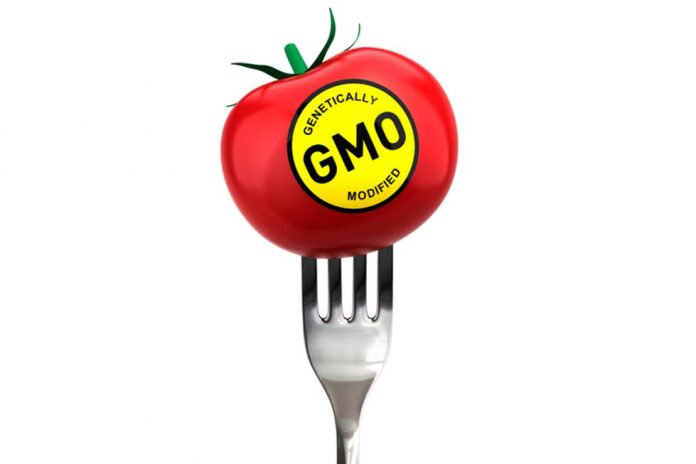
For the past 20 years, Canadian polls have consistently shown that consumers want mandatory labels on genetically modified (GM) foods. On May 5, parliament will be debating on Private Member’s Bill C-291, which will establish these regulations if passed.


The bill, which will be voted on in the early weeks of May, is “An Act to amend the Food and Drugs Act (genetically modified food)” and simply states “No person shall sell any food that is genetically modified unless its label contains the information prescribed under paragraph 30(1)‍(b.‍2).”


Currently, there is no mandatory labeling of GMO foods in Canada despite intensive public campaigning. Instead, a national standard for voluntary labeling was established. Sixty-four other countries around the world have some type of mandatory labeling GM food law, including China, the European Union, Australia, Japan, Brazil, and Russia. Bill C-291 aims to add Canada into the mix.


“The purpose of the bill is simple: to obtain more transparent information on the labels of food that is consumed in Canada because Canadians have the right to know in detail what they consume,” says Pierre-Luc Dusseault, the NDP MP for Sherbrooke, Quebec. “That is why I introduced Bill C-291.”


Luckily, there are actions you can take to help ensure the passing of this bill. The Canadian Biotechnology Action Network (CBAN) has created an online, automatic messaging system for retailers and consumers to get in touch with local MPs. To contact your MP about Bill C-291, click here.


To learn about other actions you can take, check out CBAN’s Bill C-291 Action Kit. CBAN also has store signage, posters, and additional information about this initiative for retailers and practitioners.


“Labelling GM foods will make things so much more simple for consumers, companies, and retailers alike,” adds Lucy Sharratt, co-ordinator for CBAN. “Moreover, having consumer input and support from Canadian businesses will be extremely influential in this case.”


To make your voice heard, take action—your work could have important long-term implications.

The Hub Magazine at the McKesson Showcase 360

0
The Hub Magazine at the McKesson Showcase 360

Last week, we had the pleasure of attending the McKesson Showcase 360 event. Here, we were able to view and learn about a variety of outstanding and innovative products in the natural health and beauty categories.


See below for some of our favourite products and services that were showcased at the event:


NOOR Vitamins

noor

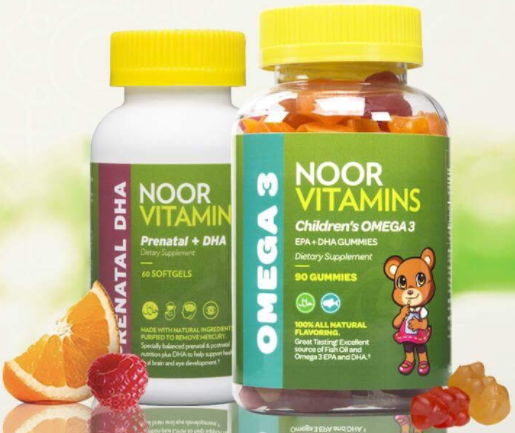
Halal-certified, Canada-produced, and naturally sourced, this line of vitamins offers something new to an already burgeoning market. The brand is also a supporter of Vitamin Angels, a non-profit organization that provides supplements to at-risk populations, meaning this is a purchase any consumer can feel good about.


Daniele Henkel

DHInc_V2_ModifierSpecializing in complete business solutions, non-surgical aesthetic training, and medical equipment, Daniele Henkel is revolutionizing the way practitioners—and consumers—view wellness. In the aging, nutrition, and weight-loss categories, Henkel is the go-to for innovative products and equipment.


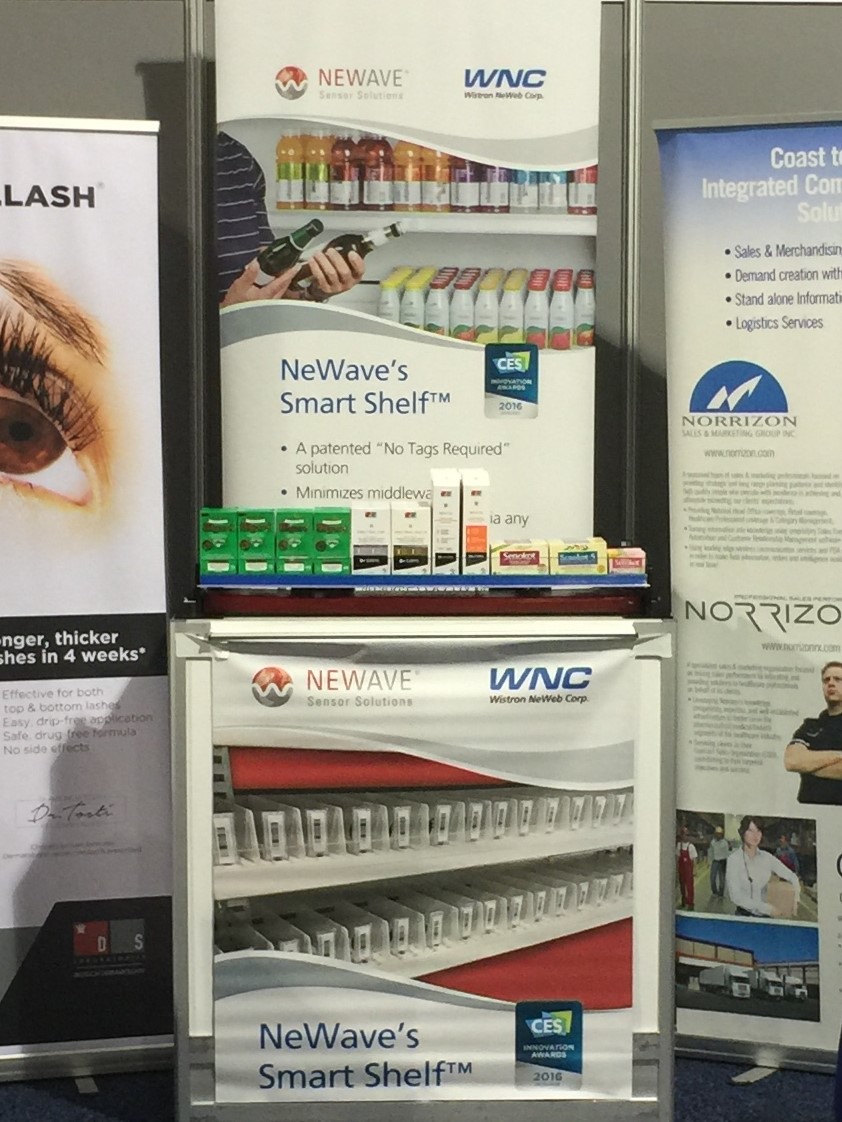
NeWave Smart Shelf

IMG_3095 (2)An RF-based company, NeWave focuses on creating products that identify On Shelf Availability in real time. Its Smart Shelf product offers in-store replenishment notifications, and monitors real-time movement of product on the shelf. It also offers real data on SKU velocity and bottlenecks, allowing retailers to understand their inventory more thoroughly than ever before.

Amino acids could play key role in cancer prevention

0

A new study published in Nature reveals that certain amino acids—known as the “building blocks” of protein—may contribute to tumor growth and survival.
Researchers at the Cancer Research UK Beatson Institute and the University of Glasgow discovered that by removing two non-essential amino acids—specifically, serine and glycine—from the diet could slow the development of lymphoma and intestinal cancer.
Research has shown that while healthy cells are able to make these amino acids on their own, cancer cells are very dependent on dietary sources for these vital amino acids.
The study, conducted on mice, also found that the altered diet made some cancer cells receptive to reactive oxygen species, which are boosted by chemotherapy and radiotherapy. As such, this research suggests that a specially formulated diet could help to increase the effectiveness of conventional cancer treatments.
Now, the researchers will look into conducting human studies on the matter.
However, warns Professor Karen Vousden, Cancer Research UK’s chief scientist and study co-author, “This kind of restricted diet would be a short term measure and must be carefully controlled and monitored by doctors for safety. Our diet is complex and protein—the main source of all amino acids—is vital for our health and well-being. This means that patients cannot safely cut out these specific amino acids simply by following some form of home-made diet.”
This being said, the research also found that the diet was less effective in tumors with an activated Kras gene, like most pancreatic cancers. The faulty gene in these tomours actually boosts the ability of the cancer cells to make their own serine and glycine.
As naturopathic practitioners and holistic nutritionists, this research plays a key role in understanding how diet could affect the growth and survival of cancer cells. For this reason, the progression of these studies is imperative to follow.

CIHR recognizes top health researchers with Gold Leaf Prizes

0

Canada is home to some of the finest minds working in health research today—researchers who are creating new scientific knowledge, strengthening the health care system, and improving the health of Canadians and others around the world. 
 
Today, CIHR is pleased to announce the names of the four outstanding researchers who are the recipients of the inaugural CIHR Gold Leaf Prizes, which recognize excellence in health research and its translation into benefits for Canadians.
“Canadians should be proud of the health researchers currently at work in their country who are conducting research that has the power to change lives,” says Roderick McInnes, CM, MD, PhD, FRSC, acting president of CIHR. “The four winners of the CIHR Gold Leaf Prizes are shining examples of the dedication, hard work and excellence which characterize our research community.”
 
Dr. John Dick is the recipient of the CIHR Gold Leaf Prize for Discovery, in recognition of his pioneering work as the first scientist to identify cancer stem cells. A professor at the University of Toronto, Dr. Dick’s research holds the promise for improved treatments and quality of life for cancer patients.
 
The CIHR Gold Leaf Prize for Impact goes to the British Columbia Centre for Excellence in HIV/AIDS, in acknowledgement of the organization’s 25 years of providing care and treatment for those living with HIV, educating health professionals, and promoting evidence-based policy to protect people from the virus.
 
Dr. Gregory Steinberg is the recipient of the CIHR Gold Leaf Prize for Outstanding Achievements by an Early Career Investigator. A professor at McMaster University, Dr. Steinberg’s work on understanding, at the molecular level, how obesity causes type 2 diabetes and the role that nutrition and exercise play in maintaining good health, shows enormous promise for the more than 10 million Canadians who have diabetes or are at high risk of developing the disease. 
 
Finally, the CIHR Gold Leaf Prize for Transformation: Patient Engagement goes to Dr. Charlotte Loppie, for her continued dedication to bringing Indigenous peoples into research projects that touch their lives, with the goal of empowering communities, building research-capacity and tackling the health disparities faced by First Nations, Inuit and Métis peoples. Dr. Loppie is a professor at the University of Victoria. 
“I offer my sincere congratulations to the four recipients of the CIHR Gold Leaf Prizes,” says Jane Philpott, Minister of Health. “From cancer and HIV/AIDS to diabetes and the health disparities facing our Indigenous peoples, your research tackles some of the most pressing health challenges facing Canada. By providing the evidence to inform government policy, your research is contributing to improved health and well-being for all Canadians.”
 
The winners will receive their medals at a recognition ceremony to be held later this year. 

Homeopathy’s implications in Parkinson’s Disease

0

Industry experts suggest that homeopathic remedies could be a holistic treatment option for those with Parkinson’s Disease.

According to Dr. Shreepad Khedekar, MD, a holistic remedy known as Conium could aid in the management of Parkinson’s symptoms. While Parkinson’s cannot be cured, holistic medicine has been shown to slow down the degenerative process od the disease.

“Early symptoms of Parkinson’s such as change in handwriting can be treated in totality with the help of homeopathy.”
“A male patient came to me with chief complaint of change in handwriting diagnosed as early Parkinsonism. We put him on Conium in order to treat him. Subsequent follow ups showed improvement in his condition,” he adds.

Conium, also known as poison hemlock, causes ascending paralysis at full strength. In this situation, it was used to aid with the intense trembling that is part and parcel of Parkinson’s disease—in its diluted form, this plant produces stability of the muscles.

Allopathic treatment options for Parkinson’s disease include Levodopa, Apomorphine, Glutamate antagonists, Anticholinergics, COMT inhibitors, and MAO-B inhibitors. In addition, surgical intervention and deep brain stimulation (DBS) are also commonly used.

However, these allopathic options can be extremely invasive, and may cause unwanted side effects. Because of this, homeopathic remedies may be extremely useful for older patients, who would like to avoid surgeries and harsh pharmaceuticals.

Amazon considered takeover of Whole Foods

0
Smoke

According to an inside source, Amazon considered a takeover of Whole Foods Market last fall. However, the possible bidder didn’t pursue a deal.


Amazon originally thought that Whole Foods would be able to further its push into the grocery business. Bloomberg notes that while Whole Foods’ market valuation of $10.7 million would be “an outsized acquisition” for Amazon, it would indeed turn the company into an instant grocery giant.


After Bloomberg reported this news, shares of Whole Foods jumped as much as 4.3 per cent in early trading.


What’s more, Jana Partners, a Whole Foods investor, has called for Whole Foods to consider a sale. Potential bidders include Amazon, Kroger Co., and Albertsons Cos. Despite Whole Foods’s recent sales slump and heavy competition from other supermarkets, the company is still an attractive asset—even more so if it improves its internal operations.