




All In Nutritionals
Home Blog Page 115

There’s Magic in Your Smile

0


It’s a rough morning. First, my alarm doesn’t go off. Then I’m late getting my son to school, because another driver decides to roll into me. It doesn’t damage my car, but it completely wrecks my mood. Then I get to my doctor’s appointment, only to realize that I’m an hour early. Just great. It must be a case of the Mondays!

I decide to pop into a little French café around the corner to grab a cup of tea while I’m waiting. As I sit under my little gray cloud, my pretty, young server, Colette, flashes me a dazzling smile that sticks there for the entire interaction. I can’t help but smile back. In fact, I even catch myself smiling while washing my hands in the bathroom. Suddenly, my day doesn’t seem so bad. I finish my tea and head to my appointment equipped with a grin on my face, feeling as though I’ve slipped on a pair of rose-colored glasses. Today’s lesson? It turns out that when I smile, the world smiles back.

Scientists and spiritual teachers alike agree that the simple act of smiling can transform you and the world around you. Current research (and common sense) shows us that a smile is contagious (1). It can make us appear more attractive to others. It lifts our mood, as well as the moods of those around us. (Merci, Colette.) And it can even lengthen our lives (2). So before you read on, slap a nice, genuine smile on that face of yours. You’ll thank me later.

How Smiling Affects Your Brain
Each time you smile, you throw a little feel-good party in your brain. The act of smiling activates neural messaging that benefits your health and happiness.

For starters, smiling activates the release of neuropeptides that work toward fighting off stress (3). Neuropeptides are tiny molecules that allow neurons to communicate. They facilitate messaging to the whole body when we are happy, sad, angry, depressed, or excited. The feel-good neurotransmitters—dopamine, endorphins and serotonin—are all released when a smile flashes across your face as well (4). This not only relaxes your body, but it can also lower your heart rate and blood pressure.

The endorphins also act as a natural pain reliever—100-percent organic and without the potential negative side effects of synthetic concoctions (4).

Finally, the serotonin release brought on by your smile serves as an anti-depressant/mood lifter (5). Many of today’s pharmaceutical anti-depressants also influence the levels of serotonin in your brain, but with a smile, you again don’t have to worry about negative side effects—and you don’t need a prescription from your doctor.

How Smiling Affects Your Body
You’re actually better-looking when you smile—and I’m not just trying to butter you up. When you smile, people treat you differently. You’re viewed as attractive, reliable, relaxed, and sincere. A study published in the journal Neuropsychologia reported that seeing an attractive, smiling face activates your orbitofrontal cortex, the region in your brain that processes sensory rewards. This suggests that when you view a person smiling, you actually feel rewarded.

It also explains the 2011 findings by researchers at the Face Research Laboratory at the University of Aberdeen, Scotland. Subjects were asked to rate smiling and attractiveness. They found that both men and women were more attracted to images of people who made eye contact and smiled than those who did not (6). If you don’t believe me, see how many looks you get when you walk outside with that smile you’re wearing right now. (You’re still smiling like I asked, right?)

How Smiling Affects Those Around You
Did you know that your smile is actually contagious? The part of your brain that is responsible for your facial expression of smiling when happy or mimicking another’s smile resides in the cingulate cortex, an unconscious automatic response area (7). In a Swedish study, subjects were shown pictures of several emotions: joy, angerfear, and surprise. When the picture of someone smiling was presented, the researchers asked the subjects to frown. Instead, they found that the facial expressions went directly to imitation of what subjects saw (8). It took conscious effort to turn that smile upside-down. So if you’re smiling at someone, it’s likely they can’t help but smile back. If they don’t, they’re making a conscious effort not to.

Looking at the bigger picture, each time you smile at a person, their brain coaxes them to return the favor. You are creating a symbiotic relationship that allows both of you to release feel-good chemicals in your brain, activate reward centers, make you both more attractive, and increase the chances of you both living longer, healthier lives.

My morning started as a complete mess. Anyone in my shoes would have been frowning by the time they hit that café. We can’t always control what happens to us, but I am 100 percent confident that gracing your face with a grin can seriously change your internal and external experience. Your smile is something that should be worn often, so make it a priority to surround yourself with people, places, and things that brighten your day. Vow to be the positive, happy person in your group of friends. Watch funny movies often, and be sure to look people in the eye and show them your pearly whites. The world is simply a better place when you smile.

Source: www.psychologytoday.com
By Sarah Stevenson
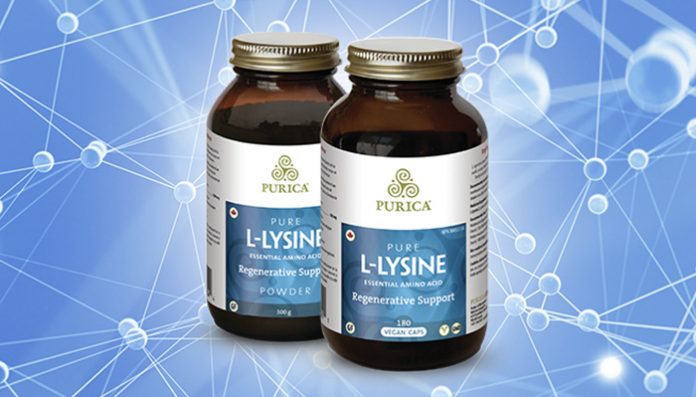
PURICA L-Lysine

0


  • Amino acid and building block of protein
  • Strengthens immune response and mitigates against tendency to become sick more often
  • Helps control outbreaks of cold sores


    Overview
    Lysine is an amino acid and building block of protein. A lack of lysine can lead to a weakened immune response and tendency to become sick more often.

    Lysine is particularly valuable for controlling outbreaks of cold sores caused by the Herpes simplex virus (HSV). It is also important for the production and maintenance of collagen.

    This amino acid has been shown to reduce anxiety by increasing serotonin levels.

    PURICA Pure L-lysine is suitable for vegans.

    Recommended dose:
    CAPSULES Adults: 1-2 capsules 1 to 3 times per day
    POWDER Adults: 1/2 teaspoon 1 − 2 time(s) per day

    Maintenance of good health; Help collagen formation Dose(s):
    150-3000 Milligrams per day
    Reduce the recurrence of HSV infection Dose(s):
    1000 Milligrams 1 − 3 times per day

    Recommended use or purpose:
    An essential amino acid for the maintenance of good health Helps to reduce the recurrence of herpes simplex virus (HSV) infection (e.g. cold sores). Helps in collagen formation

    Consult a health care practitioner prior to use if you are following a low protein diet. Consult a health care practitioner prior to use if you are pregnant or breastfeeding. Store at room temperature 15-30˚C. Bottle opening sealed for package security. Protect from moisture.

    PURICA L-Lysine Capsules/Powder


Carob Powder: A Caffeine-Free Alternative For Cocoa

0


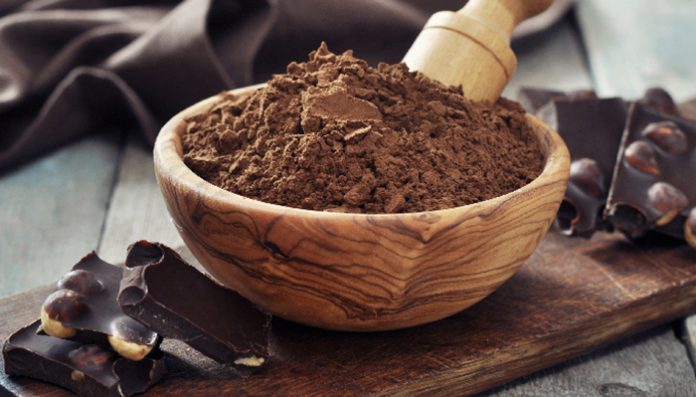
If you are looking for a caffeine-free and theobromine-free alternative for cocoa powder, carob powder is one of the best natural substitutes. Carob fruit or pods and carob powder have been used for centuries in the Middle East and Africa but now, it is a popular product used worldwide. Let’s find out more about this powder, which looks like cocoa.

What is Carob Powder?
Carob powder is a nutty, sweet powder made by roasting and milling deseeded carob pods. Carob pods are the long, flat, dark brown fruits of the carob tree (Ceratonia siliqua), which are native to the Mediterranean region. According to Elsevier’s Food Chemistry journal, carob pods have more than 50 percent sugar content, most of it being sucrose.

Traditionally, carob has been used to sweeten puddings and cakes in the Middle East. In Lebanon, a thick syrup extracted from soaked carobs is popular as an alternative to sugar and sold as carob molasses, or dibs el kharrub. Carob juice, or kharoub, is a nutritious Egyptian drink that is usually had during the Islamic month of Ramadan. In around the 1970s, carob powder, also known as carob flour, was exported to the US and Europe as an all-natural, caffeine-free alternative to cocoa and chocolate. You can use carob flour to make cakes, muffins, puddings, hot beverages, as well as chilled sweet drinks. There are several carob powder recipes available online for easy-to-make nutrition bars, carob chocolate, and homemade fudge.

Nutrition
According to the USDA, one tablespoon (6 grams) of carob flour contains 13.3 calories and 2.94 grams of sugar. It has 5.3 grams of carbohydrates and 2.4 grams of fiber. If you are baking with carob flour and need to know the sugar content, 1 cup of the flour contains 50.6 grams of natural sugar, which equals approximately 4 tablespoons of sugar.

The main chemical components in carob that have health-benefiting properties include bioactive compounds such as cyclitols, fiber, polyphenols, minerals, and amino acids.

Carob Powder Benefits
Let us look at the health benefits of carob powder.

Caffeine-free Alternative
Excessive caffeine can cause anxiety, headaches, insomnia, and gastrointestinal disturbances. If you are looking to cut down on your caffeine levels, roasted carob flour makes a great option to have in your pantry. You can use it as a cocoa alternative to make a mock hot chocolate, also known as carob tea. Carob is also almost free of theobromine, a compound found in chocolates, which may not be tolerated in people with a sensitive gut.

If you are a die-hard chocolate lover who is trying carob for the first time, there is a chance that you may be disappointed with the flavor. Carob has its own unique, nutty flavor. Try including carob powder in your daily diet by sprinkling it on your yogurt or granola.

May Treat Acute Diarrhea
Carob and carob products have been traditionally used to treat gastrointestinal disorders such as diarrhea, stomach ulcers, and acid reflux. Research published in the Journal of Pediatric Gastroenterology and Nutrition (1989 issue) found that tannin-rich carob powder helped treat acute diarrhea of bacterial and viral origin in infants aged from 3-21 months. A more recent report (2017) published in the Journal of Hepatology & Gastroenterology found that the roasted powder can significantly reduce the duration of diarrhea and improve weight gain in infants. However, the report also states that there are safety and efficacy concerns for which further clinical and human intervention studies are needed.

Gluten-Free
If you have celiac disease or are allergic to gluten, you can use carob flour to make gluten-free baked products such as cakes and bread. Carob Flour is a healthy option as it has a significant amount of dietary fiber, minerals, and a low amount of fat.

Where To Buy Carob Powder?
Carob powder, or carob flour, can be bought on online websites like Amazon. You can also easily buy raw organic carob flour in Walmart, Whole Foods, and other popular supermarket chains. Popular brands include Chatfield’s Premium Carob PowderBobs Red Mill Toasted Carob Powder, and NOW Real Food Carob Powder.

Source: www.organicfacts.net

Ketamine for depression: Study investigates side effects

0


In March 2019, the Food and Drug Administration (FDA) approved esketamine — a ketamine-based nasal spray — for the treatment of depression.

Studies have shownTrusted Source that small doses of ketamine can quickly relieve symptoms of depression. Even individuals who have not responded to other antidepressants report a beneficial effect within hours.

Ketamine’s ability to work for these difficult-to-treat people might be because of its novel mode of action. The drug blocks glutamatergic N-methyl-D-aspartate (NMDA) receptors; other antidepressants interact with serotonin, norepinephrine, or adrenaline.

Because there have been very few advances in depression treatment in recent years, ketamine has caused excitement and renewed hope.

Alongside this fervor, scientists have voiced concerns regarding ketamine’s side effects; these can include feelings of dissociation, increased blood pressure, respiratory depression, vomiting, and cystitis.

Also, because some people use ketamine recreationally, some experts are worried about the drug’s potential for abuse.

Looking for side effects
Currently, there is little detailed information about ketamine’s side effects. Although some papers have collated the side effects of ketamine, often, these did not include a placebo. Also, few scientists have studied longer term effects.

With this in mind, researchers from the National Institutes of Health (NIH) designed an analysis to investigate the side effects of esketamine in more detail; they recently published their findings in the Journal of Affective Disorders. The authors write:

“The primary aim of this study was to comprehensively report [side effects] associated with ketamine by reviewing 120 symptoms associated with a single intravenous infusion of subanesthetic-dose ketamine.”

To investigate, they accessed data from studies that the NIH carried out over the past 13 years; this data included 163 individuals with major depressive disorder or bipolar disorder and 25 healthy controls.

The researchers chose NIH studies because of their rigorous monitoring of side effects at specified time points, including standardized rating scales and clinician interviews.

‘Strange or loopy’
Overall, of the 120 symptoms, the researchers could significantly associate 33 with ketamine treatment.

Eight of these symptoms occurred in more than half of participants; these were feeling strange, weird, or bizarre; feeling spacey; feeling woozy or loopy; dissociation; floating; visual distortions; difficulty speaking; and numbness.

However, none of these effects lasted for more than 4 hours. At a 3-month follow-up session, the researchers did not identify any serious adverse events, such as cravings, memory problems, or cognitive deficits.

The authors also note that there was no evidence of “any increased propensity for recreational ketamine use or abuse.”

Limitations and conflicts of interest
The study does have significant limitations, though. For instance, the scientists did not investigate side effects associated with longer periods of use and multiple infusions. Also, they only tested the injected drug, so they cannot know whether nasal application might change the way that side effects appear.

The authors also note that, although they followed participants for 3 months, they did not “formally measure cravings or other indicators of abuse or dependence” during the participants’ initial stay in their unit.

Nevertheless, this study is another step along the path to a full understanding of the impact of ketamine treatment.

It is also worth noting that one of the authors, Dr. Carlos A. Zarate, is listed as the co-inventor of a number of ketamine-based therapies for conditions such as depression, anxiety, suicidal ideation, post-traumatic stress disorders, and neuropathic pain.

Because ketamine works to relieve depression so swiftly when other drugs have failed, interest in ketamine is likely to continue. However, there are still many questions outstanding, particularly in regards to extended use.

Source: www.medicalnewstoday.com

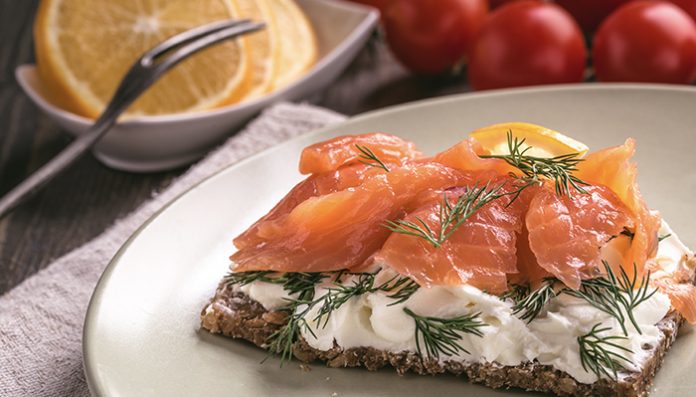
Smoked Salmon Recalled for Botulism Risk

0


Mill Stream Corp., which does business as Sullivan Harbor Farm of Hancock, ME, recalled the 10 lots of smoked salmon that was marketed as safe to be kept in the refrigerator or freezer. But a review of lab reports showed the fish’s salt content was too low for it to be safely refrigerated, making it susceptible to Clostridiumbotulinum, or botulism.

The salmon was sold between March 6 and Sept. 17 in vacuum-sealed packages as a whole salmon side, and in 2-pound, 1-pound, 8-ounce, and 4-ounce packages with lot numbers: 7049, 7050, 7051, 7052, 7054, 7056, 7058, 7060, 7062, and 7066.

The recalled products were sold in Arizona, Colorado, Connecticut, Florida, Georgia, Illinois, Iowa, Maine, Massachusetts, Michigan, Montana, New Jersey, New York, Ohio, Pennsylvania, Rhode Island, Tennessee, Texas, Utah, Vermont, Virginia, Washington, and Wisconsin.

Botulism poisoning may cause general weakness, dizziness, double vision, and trouble speaking or swallowing. Having a hard time breathing, muscle weakness, belly pain, and constipation are also common symptoms. People who have these problems should seek medical help. No illnesses have been connected to the recalled products.
This is not the first time Mill Stream ran afoul of FDA regulations. The company agreed to shut down its manufacturing in 2016 after the U.S. Justice Department filed a complaint in federal court on behalf of the FDA. The complaint said Mill Stream failed “to plan for and control the presence of bacteria and neurotoxins commonly found in seafood-processing facilities,” according to a Department of Justice news release.

It said Mill Stream’s products were “adulterated in that they have been prepared, packed or held under insanitary conditions whereby the products may have become contaminated with filth or have been rendered injurious to health.”

The company spent the next 3 years working to gain FDA approval to begin selling smoked fish and other products. It reopened in August 2019, according to a blog post on the Sullivan Harbor Farm website.

“We spent 3 years going through a relicensing ordeal with the FDA, which oversees and licenses all seafood in the US,” the blog post says. “We stuck to our guns with our artisanal approach to curing and smoking. Going forward our customers can expect the same level of quality and tastes from our products while maintaining high food safety standards.”

by Aaron Gould Sheinin
Source: www.webmd.com

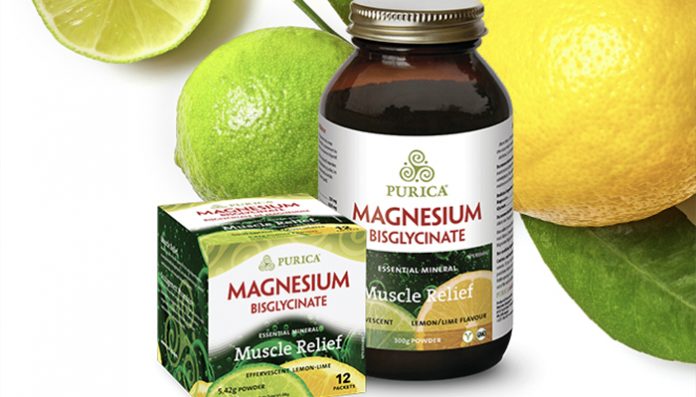
PURICA Magnesium Effervescent Lemon Lime

0


Muscle Relief
Single, Box, 150g or 350g Powder

  • Great tasting magnesium supplement that benefits all active living people, including over 40% of Canadians who are magnesium deficient;
  • Essential to muscle function and general well-being, including the development of bones and teeth;
  • Reduces muscle cramps, anxiety, osteoporosis and lowers blood pressure.

OVERVIEW

PURICA Effervescent Magnesium Bisglycinate
Magnesium is truly a miraculous mineral and essential to our well being. Yet Health Canada reports that over 42 percent of Canadians are deficient in this mineral. Calcium directly opposes magnesium within the body and a high intake of calcium — relative to magnesium — can throw off the delicate balance. PURICA® Effervescent Magnesium Bisglycinate is a delicious drink that will ensure you obtain the optimum daily dose of this vital mineral. Available in two flavors: raspberry and lemon-lime.

  • An important mineral that helps maintain good health.
  • It helps to metabolize carbohydrates, fats, and proteins.
  • Assists in developing and maintaining healthy bones and teeth.
  • Plays an important role in tissue formation.
  • It helps to maintain proper muscle function.
  • Supports physical workouts and athletic pursuits.

Recommended dose:
Adults: 1 teaspoon (5.42g) daily, mixed in hot water.

Recommended use or purpose:
Helps the body to metabolize carbohydrates, fats, and proteins. Assists in the development and maintenance of bones and teeth. Helps tissue formation and to maintain proper muscle function. Workout supplement/Athletic support.

Be sure to drink enough fluid before, during, and after exercise. If you are pregnant or breastfeeding, consult a healthcare practitioner before using this product. Store at room temperature 15-30˚C. Bottle opening sealed for package security. Protect from moisture. Keep out of the reach of children.

More info access here.

Aldi to Go Full Organic, Bans Pesticides and Rivals Whole Foods as Healthiest Grocery Store

0


Additionally, organic foods have improved freshness levels, and better environmental stability. Therefore, experts believe it is just a matter of time that these products will overpower almost all other conventional food items.

According to a poll by organic produce company Earthbound Farm, almost half of Americans buy organic food at least some of the time. Millennials are particularly enthusiastic, with one in five claiming they buy organic products all the time.

During the past few years, German retailer Aldi is making a name as a health-oriented supermarket which pleases food-conscious shoppers.

As of January 1st, 2017, the food chain decided to remove 8 pesticides from all products on its U.S. stores shelves.

These pesticides include:

  •    Thiamethoxam
  •    Chlorpyrifos
  •    Clothianidin
  •    Cypermethrin
  •    Deltamethrin
  •    Fipronil
  •    Imidacloprid
  •    Sulfoxaflor

Moreover, Aldi is going even further in their quest for quality:

  • They are expanding their organic food brands, adding more gluten-free items, and discarding some artificial ingredients from products
  • Removed certified synthetic colors, partially hydrogenated oils, and MSG from their private-label products
  • Apart from milk, other dairy products like cottage cheese, yogurt, and sour cream will contain no artificial growth hormones
  • They offer more high-end foods like quinoa, artisan cheeses, smoked salmon, and coconut oil
  • They offer “Never Any!” brand of meats that contain no added antibiotics, hormones, animal by-products or other additives
  • They will expand the SimplyNature line and their gluten-free live free brand

As part of its expansion, existing Aldi stores also get brighter lights, bigger aisles, less-cluttered shelves, and more refrigeration space. Aldi is also launching meal kits and offering more alternative milk, such as soy and almond. Being focused on health, the food chain is becoming the leader in health supermarkets.

John Karolefski, grocery store analyst and editor of Grocery Stories, says:

“Aldi has a lot of good quality, good-tasting products at good prices. It’s one of the reasons they’ve been so successful in the U.S.

“The best place you can buy organics, and they’re continuing to roll out, even more, is probably Aldi,” agrees Phil Lempert, food industry analyst and editor of SupermarketGuru.

Aldi’s SimplyNature brand offers shoppers great value on organic products. Karolefski adds that elsewhere, those “can be pricey, but you can get them for a good value at Aldi.”

The low prices of Aldi are partly due to the fact that the vast majority of their products are a private label, so customers do not pay for the marketing and advertising that many brands must use to attract shoppers.

Source: www.healthyfoodhouse.com

Olive oil compound found to reverse the damage of high-fat diet

0


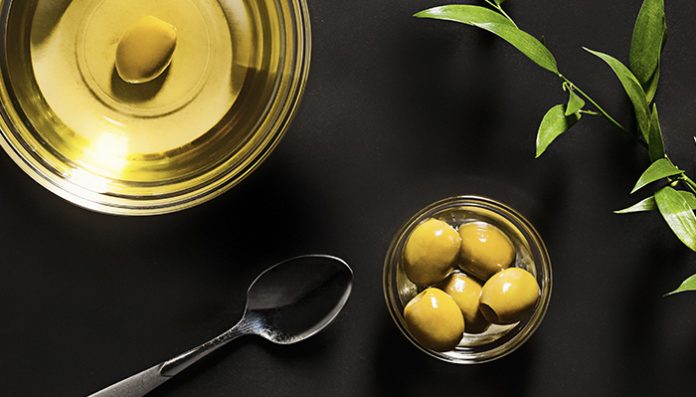
New research shows that a compound found in extra-virgin olive oil can reverse the adverse health effects of a high-fat diet.

Previous researchTrusted Source has shown that olive oil – and especially extra-virgin olive oil – may reduce the risk of cardiovascular disease. However, not much is known about the mechanisms responsible for this association between olive oil consumption and cardiovascular health benefits.

This is why a team of researchers – led by Dr. Rodrigo Valenzuela from the University of Chile in South America – set out to investigate the effects of a compound found in extra-virgin olive oil on the health of mice.

The compound is called hydroxytyrosol and, as the scientists explain, it is a polyphenol with well-known antioxidant properties. These properties have been suspected to be the reason behind the many health benefits of olive oil.

This new research, however, shows that hydroxytyrosol also has a protective effect on the liver. The findings were published in the journal Lipids in Health and Disease.

Analyzing the effect of hydroxytyrosol on mice
Dr. Valenzuela and colleagues examined the effects of hydroxytyrosol on mice that were fed a diet high in fats.

Specifically, they looked at certain enzymes that play a key role in the synthesis of some polyunsaturated fatty acids. Polyunsaturated fats are beneficial to one’s health because they can lower “bad” cholesterol levels, improve cardiovascular health, brain function, and cell growth.

The so-called bad cholesterolTrusted Source is also known as low-density lipoprotein (LDL) cholesterol. It is referred to as the “bad” cholesterol because it is the kind of fat that can build up inside the arteries, hardening or blocking them over time and contributing to a number of cardiovascular diseases.

By contrast, high-density lipoprotein (HDL) cholesterol is known as the “good” cholesterol because it transports the cholesterol from other parts of the human body back to the liver, where it is processed and eliminated.

The researchers fed four groups of mice, each comprising 12 to 14 rodents, either a high-fat diet (consisting of 60 percent fat) or a control diet (with only 10 percent fat). Additionally, some mice were also administered 5 milligrams of hydroxytyrosol per kilogram of body weight over a period of 12 weeks.

Dr. Valenzuela and team took blood and tissue samples from the mice at the end of the experiment. They analyzed the effects of the diet on the composition of fatty acids, the activity of the enzymes considered, and on oxidative stressTrusted Source.

Hydroxytyrosol reverses signs of fatty liver disease

In the mice that had been fed a high-fat diet, both the total cholesterol levels and the levels of LDL-cholesterol increased, while the HDL cholesterol remained unchanged. However, hydroxytyrosol seemed to reduce the negative effect of these types of cholesterol in the mice that had taken it.

A high-fat diet also seemed to raise the markers of insulin resistance. Again, in the mice that had also taken hydroxytyrosol, these markers were reduced. However, they were not as low as the levels of the mice that had been on a regular diet.

Importantly, mice that had been on a high-fat diet showed decreased levels of the liver enzymes that help to synthesize the beneficial polyunsaturated fatty acids. The reduction in the liver enzymes was connected with an imbalance in the fatty acids found in the liver, brain, and heart.

However, the mice whose high-fat diet was also supplemented with hydroxytyrosol showed enzymatic activity and fatty acid composition similar to that of the mice that were fed a normal diet. This suggests that hydroxytyrosol may have reversed the damaging effects of a high-fat diet.

Dr. Valenzuela explains the results:

Our results indicate that hydroxytyrosol may be a key part of the health benefits of extra-virgin olive oil.

Mice fed on a high-fat diet had signs of nonalcoholic liver disease which we believe has led to the noticeable reduction in enzyme activity in the liver and the negative effects on fatty acid composition in this, and other, organs. We also found that the liver showed signs of increased oxidative stress, which we know has links to fatty liver disease. It is intriguing that adding a relatively low dose of hydroxytyrosol to the diet was able to reverse these effects, reduce the signs of fatty liver disease, and reduce negative effects seen in the other organs.”

Source: www.medicalnewstoday.com

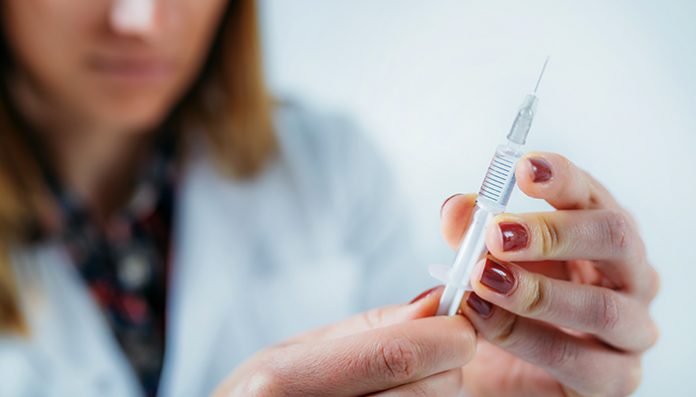
How Effective is the Flu Shot? Here’s What Doctors Want You to Know About This Year’s Vaccine

0


Throughout your life, you’ve probably heard two main things about the flu shot: That you should get it every single year, and that, even if you do get it, it might not completely protect you from the flu.

Turns out, both of those things are right. That’s because, while the flu shot is proven to help protect you against the flu, flu vaccines aren’t made with 100% certainty (they are made before flu season even starts, after all). Still, after years of making flu vaccines, they have a pretty good idea of what works, and what doesn’t.

How? It’s all pretty complex: “We use data from last year’s northern hemisphere flu season because that ends in February/March and the decision [about which strains to include in the vaccine] happens around the same time,” Yvonne Maldonado, MD, an infectious diseases physician at Stanford Health Care, tells Health, who adds that data from the southern hemisphere’s prior flu season (which happens from April to September) is also factored in.

RELATED: 10 Biggest Myths About The Flu

Dr. Maldonado says that several estimation and predictive models are used in the decision-making process, but it’s always possible that a rogue virus will show up and lower the vaccine’s overall effectiveness for the season. She calls the virus “tricky” and says that even after all this time, no one really understands exactly how it works.

Take last year, for example, she says. “Last year one of the strains had major mutations and rendered the vaccine ineffective against that particular strain…and there’s no way to predict that,” Dr. Maldonado explains.

So, yes, the flu virus has a mind of its own, and all the predictive models in the world can’t guess at what it might do. But that doesn’t mean the vaccine is pointless. It can—and often does—provide valuable protection against a nasty illness that sickens

With that in mind, here’s what to know about this year’s flu shot—and flu shots in general—when it comes to their effectiveness, as well as what other factors influence how well it protects you from the flu.

RELATED: Here’s Where You Can Get a Free Flu Shot Right Now—With or Without Insurance

Okay, how effective is this year’s flu shot?

To be honest, it’s still way too early to know how effective this season’s shot is, says Dr. Maldonado.

Why? Researchers can only figure out that number in retrospect as the season is winding down. Generally speaking, though, the vaccine’s effectiveness can vary from as little as 10 percent to as much as 60 or 70 percent, says Dr. Maldonado—with 40 to 60 percent being the average rate of effectiveness.

But even that 40 to 60 percent effectiveness stat can vary between people—that means your individual health status can change how effective the flu shot is for you. Take immunocompromised people, for example—anyone who’s undergoing chemotherapy, radiation, or taking another medication or has a health condition that lowers their immune response—those people, while they should still get the shot, won’t have as much protection against the flu as a healthy person.

“That’s actually one of the main reasons to get [the flu shot]” Jennifer Hanrahan, MD, chief of the division of infectious diseases at The University of Toledo Medical Center, tells Health. “You’re helping others in your community who have lowered immunity.”

RELATED: Can You Get the Flu from the Flu Shot? 5 Side Effects to Know About

Another thing that won’t necessarily dictate your flu shot’s effectiveness, but can make a difference in whether you get the flu or not, even with the vaccine: Your flu shot’s timing. In general, it takes about two to four weeks for the flu shot to become effective in your body—which means if you’re exposed to the flu during that time period, you could still technically get the virus.

Also, if you get your flu shot too early in the year—say, when it first becomes available in August or September—it may not last you through the entire flu season. So, your best bet is to get the flu shot by the end of October, says Dr. Hanrahan.

Of course, even when you have your flu shot, you still need to protect yourself against the flu (not 100% effective, remember!). “Basically everything your mother ever told you to do to stay healthy, you should do,” says Dr. Hanrahan. “Get plenty of sleep, don’t smoke, and wash your hands frequently, especially after you’ve been out in public.”

And if you do end up getting the flu this year, you can still contribute to the overall health of your community by staying home from school and work and practicing good hygiene (like coughing into your elbow instead of your hand).

Source: www.health.com

10 Ways to Feel Better Now

0


Take it easy. When you’re sick, your body works hard to fight off that infection. It needs more energy than usual. Make rest your top priority. Stay home from work or school, and put your daily routine on hold until you feel better.

Go to bed. Curling up on the couch helps, but don’t stay up late watching TV. Skimping on sleep makes your immune system weak, making it harder to fight germs. Head to bed early, and take naps during the day. Are your symptoms keeping you up at night? Try using an extra pillow to raise your head. It can ease sinus pressure and help you breathe easier.

Drink up. Getting plenty of fluids thins your mucus and breaks up congestion. It also prevents the headaches and fatigue that dehydration causes. Keep a glass or reusable bottle on hand, and refill it with water. Skip caffeinated sodas, coffee, and alcohol, which can dry you out.

Gargle with salt water. It’s a good way to soothe a throbbing throat. The salt water eases swelling and loosens mucus. Stir one-quarter to one-half teaspoon of salt into a cup of warm water until it’s dissolved, and gargle a few times a day.

Sip a hot beverage. It’s comforting to curl up with a mug of tea. Plus, research shows that the heat can also ease cold symptoms such as sore throat and fatigue. Try sipping non-caffeinated herbal tea, lemon water, or warm broth.

Have a spoonful of honey. This sticky stuff can coat your throat and soothe a cough. In one study, kids who ate about half a tablespoon of honey at bedtime slept more soundly and coughed less than those who got a placebo medicine. Stir it into a cup of decaf tea or lemon water. One warning: Don’t give honey to babies younger than 1 year old.

Take a hot shower. Breathing in steam may moisten a scratchy throat and nose, as well as loosen your congestion. Although the research is mixed on whether this remedy works, there’s no harm in trying it. The heat can also help relax any aching muscles.

Take an over-the-counter remedy. You may find relief with one of these medications. Take them as directed, and don’t give them to children under age 6 without your pediatrician’s OK.

  • Pain reliever for fever and aches. Doctors usually recommend acetaminophen. If you’re taking another cold medicine, though, check that it doesn’t already have the drug. It’s a common ingredient in many OTC remedies, but getting too much can be dangerous. So check the label and ask the pharmacist how much is safe to take at one time.
  • Lozenges for a sore throat. They have herbs and other ingredients that can soothe the stinging.
  • Decongestant for stuffiness. This medicine shrinks blood vessels in your nose so your airways can open up. But the liquid or pill form may make you feel jittery. Using decongestant sprays and drops too much can cause more congestion, so don’t use them for more than 3 days.
  • Expectorant to thin mucus. It can help loosen some of that thick discharge.
  • Antihistamine to dry up a runny nose. This drug blocks the chemical in your body that causes sneezes and sniffling.

Taking a decongestant and an antihistamine together may be more helpful than taking either one alone.

Use a saline spray or flush. Over-the-counter saltwater sprays make your nostrils moist, which makes it easier to blow your nose. You may also want to try nasal irrigation. That’s when you gently pour a saline solution into one nostril and let it flow out of the other. It washes away dried mucus so you can breathe easier. You can buy sinus rinses or use a bulb syringe or neti pot. If you do it yourself, always make the saltwater solution with distilled or cooled, boiled water.

Eat chicken soup. Mom was right: This sick-day staple really can make you feel better.  Research shows that chicken soup can calm inflammation in your body. This may ease some of your symptoms, such as aches and stuffiness. What’s more, this meal also has liquid and calories to give your body energy.

WebMD Medical Reference
Source: symptoms.webmd.com