Home Blog Page 229

LeBeau Excel welcomes Don Kashin to manage Lily of the Desert

0
LeBeau Excel welcomes Don Kashin to manage Lily of the Desert

LeBeau Excel Ltd. has announced that Don Kashin has joined the company’s sales & marketing team as a part-time brand manager specific to Lily of the Desert Aloe products.

This year marks Kashin’s 33rd year in the natural health product industry in Canada.

In his capacity as brand banager, Kashin will be focused on product launching, gap identification, managing distribution channels and education of the sales team on LOTD.

He also manages a small number of other quality brands in Canada outside of his role at LeBeau Excel Ltd. He will be answering to Matt LeBeau and started Nov 1, and can be reached at don@lebeauadvance.com or 1-647-286-2777.

Green values

0
Green values

Here’s how health companies are showing their true colours by making their products more sustainable.

By Irina Lytchak

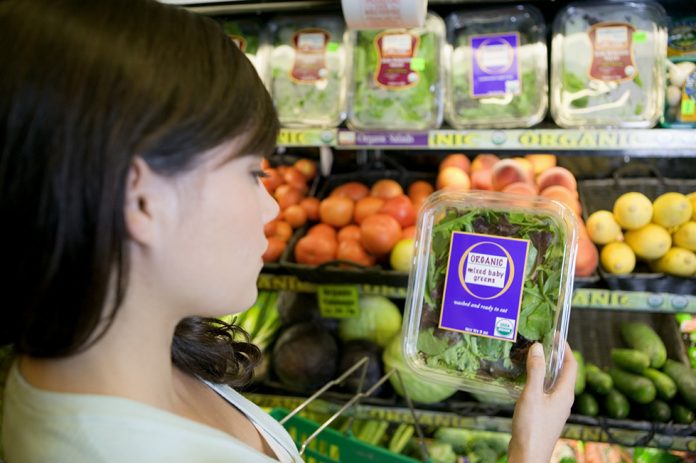
Being a health-conscious brand is a top priority for many of today’s companies. So much so that there are countless brands claiming to be sustainable and eco-friendly to appeal to an increasing number of consumers who are rapidly becoming extra conscious of the products they use and the foods they eat.

Still, for a company to stand out in today’s booming health market, it’s not enough to just add organic or healthy ingredients to an already existing range of products so they appear environmentally friendly.

Today, many companies choose to go the extra mile to be sustainable. is means adopting an environmentally conscious philosophy as a business strategy rather than viewing it as a passing trend.

What is sustainability?

For a company to adhere to the principles of sustainability, it must reduce its carbon footprint and provide benefits to the environment. Some firms take the extra step in this direction by having their products certified as eco-friendly. is usually involves an in-depth examination of factors such as toxicity, biodegradability and the impact on human health of the product in question.

“We look at all of the potential health and environmental impacts that products can have,” says Dr. Angela Griffiths, executive director of the EcoLogo Program. “We create a standard that describes those impacts, and we have a list of what we require. And then we ask the company to provide us with documentation that proves they meet the standard.”

Certification processes are rigorous, and often include a visit from organizations such as EcoLogo to manufacturing facilities in order to verify the validity of all the provided information.

Applying is voluntary

Applying for certification is voluntary. The main focus is recognition of a brand or product that has gone the extra mile to reduce any negative impacts on the environment.

“ There are no laws requiring these certifications, so it’s all voluntary,” says Dr. Griffi ths. “We are trying to recognize the top performers in the industry and brands that are really creating a better product from an environmental perspective. We set the standards so that only those top products could pass.”

Standing out

Most brands approach companies such as EcoLogo in order to differentiate themselves from others in the same market. They want to be able to officially assert that their products are environmentally friendly. Vega, a plant-based nutrition company, is a top player when it comes to maintaining environmental sustainability in everything from its actual product, to its packaging and offices, down to what its employees eat for lunch.

“Sustainability is a strategy. I’ve said that from day one,” explains Charles Chang, president of Vega. “It should be built into your company, and if you try to add it on as a project, it’s not going to give you the best results. It’s about looking at all areas of the business.”

Chang strongly believes that being sustainable has defined an actual business policy for his company and given Vega a competitive advantage. Vega has gone as far as to hire a sustainability coach, someone who has worked with the brand to conduct regular reviews and design short-term plans, to give the company an edge in the health food market.

In a similar sense, being environmentally responsible and practicing sustainability are elements that are integrated into every aspect of the Andalou Naturals brand, a health-conscious beauty product manufacturer.

“By implementing practical solutions to maximize efficiency and minimize impact, with policy and products that help rather than harm at every stage of their cycle, we continually evaluate our progress,” says Stacey Kelly Egide, CEO of Andalou. “We believe sustainability is a smart model, and simply the way business should be done.”

Egide explains that Andalou meets a minimum 70 per cent certified organic ingredient content in all of its formulations by using organic, naturally originated, and biologically active ingredients at very effective levels.

Green washing

Aside from being environmentally conscious, the other factor that has many brands pulling toward adopting a sustainability policy is the consumer. Today’s consumers are more knowledgeable about the products they are using, what’s available to them and what impact they’re making on the environment.

“Our consumers are very conscious, very educated, and most budget-conscious with their money,” says Chang. “They are going to pay more to have full transparency and know that these products or these ingredients are not GMO and that they’re coming in locally. All of these things really matter to them, so it’s something we feel is demanded by our very discerning, conscious consumers in a growing market.”

This type of consumer awareness is quite essential, since there are so many companies out there today that claim to be eco-friendly, that really are not. Industry experts refer to this as “green washing.” An example of this is when a mass-scale brand purchases a smaller health company to give itself an overall image of being environmentally mindful. Andalou also believes in the importance of the consumer. “We created Andalou Naturals to use ourselves, to take home for our families, and to share with our friends,” says Egide. “We hope to include [our consumer] in our community. At Andalou, our green commitment is personal.”

Built into their DNA

“Companies have to have sustainability built into their DNA,” says Chang. “They have to live it, and I think they have to be very transparent in everything because you can’t be perfect. Sometimes performance and planet can conflict with each other, especially when you’re trying to sell a high-value product
that aims at reducing the carbon footprint.”

One of the main factors that has helped many brands differentiate from the rest in terms of where they stand on the sustainability scale is the ability to be transparent. EcoLogo develops its certification standards in a public process.

“We actually consult with industry, environmental and health groups, and we publish all of our documents so it’s very clear how we developed our standards and where,” says Dr. Griffiths. “And when we apply those standards, we apply them very rigorously. We have third party auditors, and our program is reviewed every few years by an outside party to make sure that we’re consistent with our own principles.”

It’s a known fact that there are many labels claiming to be something they’re not, and that’s where being certified makes an immense difference for an entire brand. Only committed industry players are able to officially stand behind the products and services they provide.

Educating the industry

EcoLogo also provides a marketing and education service on behalf of its clients.

“Once a company gets certified, we do a type of brand promotion for them—we do marketing, public relations outreach and we educate purchasers at organizations like hospitals and schools,” explains Dr. Griffiths. “We actually go out and educate the industry about the impacts of these products and what it means to have a product certified.”

Similarly, the companies that benefit from the services of certification programs such as EcoLogo have taken their own measures to strengthen their credibility as a green-conscious label. For Vega, sustainability goes far beyond the products it manufactures and how they impact the environment.

Important values

“The three areas that we have to nurture in order to be a sustainable business are performance, people and planet,” explains Chang. “But it’s not just about using certified paper or recycled brochures. You have to look at a much broader picture. In order to be a sustainable business, you have to have a great team in place with a very strong culture and values.”

In examining the details of a well-run sustainable brand, selling health-conscious products is just the start. A product that is plant-based means it has a smaller carbon footprint. A product that is rich in nutrients, with little or no filler, is more beneficial for the environment because it can hold
more content within a smaller weight.

Many brands decide on using only recycled paper in their office, while some companies use no paper at all and provide their employees with electronic tools instead.

Egide explains that at Andalou, all cartons, bottles and jars are recyclable and 100 per cent BPA-free. She also adds that in-store displays are constructed from natural materials such as wood, bamboo and metal, and can be easily dismantled for recycling after they have served their purpose.

How much processing?

The amount of processing a company puts its products through also makes a vast difference; the energy required in creating, packaging and shipping a product is what dictates the size of its carbon footprint. Sourcing locally is also a must, and since it’s not always possible, being very aware of where products are shipped from is the next step a company can take in ensuring benefits to the environment.

Egide says that Andalou packaging is designed to be beautiful while also aiming to minimize shipping materials. Label laminates use one-third less of the sheet material of typical labels, and printing requires 20 per cent less ink during the printing process than conventional printers.

“We collaborate to ensure our shipping practices and facilities are environmentally responsible and as low-impact as possible,” Egide says. “Andalou actively engages with shipping partners and manufacturers for innovative and cost effectve ways to save energy, reduce our carbon footprint, and utilize new technologies to reduce or eliminate air emissions and assure clean water.”

Some firms are also mindful of the kinds of materials in their office facilities, including furniture, lighting and even the types of products used for cleaning. For many of the top environmentally conscious players in the market today, these factors existed right from the start, or have since become integrated as core values in their company.

At the Andalou offices, employees have access to file sharing and cloud storage in order to eliminate paper files, and when paper is used, it’s 100 per cent post-consumer recycled and endorsed by the Rainforest Alliance.

“We’ve made every effort to eliminate duplicate and junk mail by contacting senders, confirming vendor catalogues only to be sent when requested, and ordering single magazine subscriptions for sharing,” says Egide. “We also have energy-saving water coolers filled with locally sourced spring water and energy-efficient lighting installed throughout our offices and parking lot.”

Green aspirations

Dr. Griffiths notes that the number of brands that come to EcoLogo for certification is growing extremely quickly, and that manufacturers and consumers are taking certification more seriously. This is partly due to the sheer number of labels claiming to be green when they’re not.

“There are too many green labels out there, but the good news is that it’s giving those of us that have the credible labels more work,” says Dr. Griffiths. “I’m very optimistic, and I think that companies are much more serious about developing greener products and greening their whole business practice actually.”

Room for improvement

Chang believes there is still a lot of room for improvement, especially with packaging.

“Packaging has a lot of opportunity,” he says. “We’re learning a lot more today, and we actually hired a packaging engineer who looks at alternate forms of packaging and is really trying to evolve our current dilemmas.”

Many brands that carry certified products still strive to achieve stronger results from reducing their carbon footprint. Along with reducing the negative impacts of packaging, many labels are experimenting with the actual ingredients of their products. Nonetheless, it’s clear that the idea of being sustainable is quickly evolving into a collective global effort. Today, it’s really about an entire company rather than just a single ingredient or line of
products. And it’s certainly not just a passing trend anymore to be green or organic. It’s a way of life.

Sobeys opens new “extra” location in Atlantic Canada

0
Sobeys opens new "extra" location in Atlantic Canada

Sobeys has introduced its new extra banner to customers in Atlantic Canada with the grand re-opening of the Tantallon, Nova Scotia location. The store underwent significant renovations throughout the past seven months that included upgrades and additions in every department to ensure it met the Sobeys extra designation.

“The opening of Sobeys extra introduces customers in Atlantic Canada to a new type of grocery shopping,” remarked Peter Doucette, general manager, Sobeys Atlantic. “This Sobeys extra store is a flagship for our company in the region and offers customers a unique experience they won’t find at other retailers.”

“The Sobeys extra differentiator is in the unique shopping experience which, in large part, is due to our team of in-store experts,” adds Craig MacDonald, store manager. “Customers can come in and speak with Red-Seal certified in-store chefs, our wellbeing counsellor, or cheese ambassador and reap the benefits of their expert knowledge on eating better, feeling better, and doing better.”

Sobeys extra offers consumers an enhanced Sobeys shopping experience with extra departments, extra products, extra experts and services and extra savings; all backed by Sobeys 100% Satisfaction Guarantee: any purchase can be returned or replaced if the customer is not happy with it.

What can customers expect at Sobeys extra?

Extra Experts
In addition to Sobeys produce, meat, seafood, bakery, floral experts and our Sobeys pharmacists, the store is pleased to introduce the following experts to help guide customers through food discovery and education:
– In-store Chef offers advice, food tastings and classes, to help customers discover new products and great meal solutions.
– Wellbeing Counsellor answers health and diet questions, and helps shoppers discover better food.
– Cheese Ambassador provides expert guidance in selecting from hundreds of available cheeses, along with new entertaining ideas.

Extra Services
– The renovated Community Room, Tantallon Place, is an inviting and well-equipped space for better food and wellbeing events hosted by Sobeys’ food and health experts.

Extra Departments and Products
Sobeys extra has expanded its products to ensure an abundance of fresh, quality choices for customers.
– Sobeys’ Kitchen: Customers can enjoy fresh ready-to-eat or ready-to-heat prepared meals daily right from Sobeys’ Kitchen, including freshly made sushi and noodle dishes, stone oven-baked pizza; hot Sterling Silver prime rib roast beef dinners from the Carvery; and one of seven varieties of delicious signature sandwiches
– Expanded Bakery: Offers Artisan Bread baked in store with pure ingredients, store-made New York style bagels, real cream topped fruit cakes, all-butter pastries, gourmet cakes, and tempered chocolate
– Natural Source and Wellbeing Departments: More than 4,000 products that support health, energy and diet goals including organic, sugar-free options, vitamin supplements and natural healthcare products. Also available are more than 600 gluten-free products.
– Expanded Produce Department: Offers ready-to-eat, store-made cut fruit and salads, pre-cut vegetables, a wide variety of organic and local produce and Signature Sobeys fresh programs like potatoes displayed by usage and tomatoes by sweetness. Consumers can trust that Sobeys is providing the freshest and tastiest ingredients for their next meal, and helping them eat better food.
– Premium Meat and Seafood Departments: Feature expert butchers who will custom cut meat for any occasion. Customers will find a vast selection of value-added meat and seafood preparations that are ready to cook, Certified Humane™ beef, pork and chicken, as well as MSC Certified™ fish products.
– Premium Cheese and Deli Departments: Offer a wide selection of specialty deli meats and cheeses. New samples daily.

Extra Savings
Sobeys helps make the better food basket affordable by price checking over 3,000 items monthly, offering over 3,000 low-price features, providing bonus AIR MILES® on over 1,000 products, and offering more than 4,000 Private Label products.

NutraLab becomes research partner of NRC Canada

0
Omega-3 supplements may improve dry eye disease symptoms

NutraLab Canada Corp. has announced that it is now a research partner of the NRC, Canada’s National Research Council.

NutraLab was recently accepted as an NRC research partner for the study of fish oil stability. As the best-selling natural health supplement ranking only behind multivitamins, fish oil has already gained widespread consumer recognition and acceptance. NutraLab’s current research on how to improve the active ingredient stability, shelf life, and absorption potency of fish oil will further improve the benefits and marketability of fish oil.

The primary research and technology organization under the Government of Canada, the NRC is a leader in scientific innovation and research. Combining the three R&D divisions of Emerging Technologies, Life Sciences, and Engineering, the NRC focuses on a number of key industry sectors including aerospace, information technologies, and human health therapeutics.

Dr. Peter Ou will personally lead the NRC fish oil stability research project. As NutraLab’s founder, CEO, and Chief Scientific Officer, Dr. Ou has over three decades of scientific research experience, and will oversee a team of expert R&D professionals in this project.

NutraLab expects to complete this research project within the coming year. Results from this study are expected to benefit not only NutraLab clients, but also the nutraceutical industry as a whole.

As part of NutraLab’s NRC research project, NutraLab will also be developing specialized natural supplement formulas for children. Childhood malnutrition can become a serious development issue, especially for picky eaters and children who lack access to highly nutritious foods. NutraLab is conducting research to create an entire pediatric line of health supplements for a range of uses to contribute to better nutrition and all-round development needs during a child’s most important formative years. At the moment, the research project’s scope covers issues from ensuring adequate nutrition intake to treating more specific concerns.

To learn more about NutraLab’s fish oil stability and pediatric natural health research project, and NutraLab’s new role as an NRC research partner, please contact Jeff Song at jeff.s@nutralabcorp.com.

Food retail industry reacts positively to FDA’s GMO ruling

0
Food retail industry reacts positively to FDA’s GMO ruling

Two industry associations have applauded the FDA’s decision to deny mandatory GMO labeling. Both the Coalition for Safe Affordable Food (CFSAF) and the Grocery Manufacturers Association have noted that in its decision, the agency has “stood up for sound science.”

“The FDA made the right decision for the right reasons,” says Pamela Bailey, president and CEO of the Grocery Manufacturers Association. “[The agency stood] with sound science and [recognized] that the world’s most respected and authoritative scientific and regulatory bodies have repeatedly found genetically engineered ingredients to be safe.”

“We applaud the FDA for standing up for sound science by opposing mandatory GMO labeling that would mislead consumers and drive up food costs,” adds the CFSAF.

This ruling was sparked by a citizen petition submitted on behalf of the Center for Food Safety that asked the FDA to mandate the labeling of foods from genetically engineered sources. In its comments, the FDA said the petition did not provide evidence that foods derived from genetically engineered plant varieties differ from those derived from their non-genetically engineered counterparts “in any meaningful or uniform way.”

It also added that consumer interest in the labeling of GE foods does not provide a “sufficient basis” to require these labels.

Genetic mutations found in 8.5 per cent of pediatric cancer cases

0

A new study from the St. Jude Children’s Research Hospital – Washington University Pediatric Cancer Genome Project, is the most comprehensive analysis yet of the role genes associated with cancer predisposition play in childhood cancer. It suggests that comprehensive genomic screening may be warranted on all pediatric cancer patients, not just those with a family history of cancer. The study appeared in the November 19 edition of the New England Journal of Medicine.


Throughout the study, researchers conducted next-generation DNA sequencing of both the tumor and normal tissues from 1,120 pediatric cancer patients. They found that about 8.5 per cent of the subjects had pathogenic or probably pathogenic germline mutations within their normal tissue, increasing their risk of developing cancer.


Prior to this analysis, the presence of such mutations was thought to be extremely rare and restricted to children in families with strong histories of cancer. According to this study, however, more than half of the children with germline mutations lacked any family history of this disease.


“This paper marks an important turning point in our understanding of pediatric cancer risk and will likely change how patients are evaluated,” corresponding author James R. Downing, M.D., president and chief executive officer of St. Jude. “For many pediatric cancer patients, comprehensive next-generation DNA sequencing of both their tumor and normal tissue may provide valuable information that will not only influence their clinical management but also lead to genetic counseling and testing of their parents and siblings who may be at risk and would benefit from ongoing surveillance.”


St. Jude has initiated a new clinical research study, Genomes for Kids (G4K), which incorporates an unparalleled level of next-generation sequencing into the medical workup of every eligible pediatric cancer patient who enters the hospital for treatment.

Toronto’s Chinese-Canadian community donates $400,000 for brain disorder research

0

Toronto’s Chinese-Canadian community has contributed close to $400,000 to help fund Sunnybrook Health Sciences Centre’s new Hurvitz Brain Sciences Centre.


The funds were raised at Night of Awesome, an exclusive dinner event at North York’s luxe Shoushin sushi bar. The event was part of Shoushin’s corporate social responsibility project, “Shou Me Your Kindness,” and featured Dr. Anthony Levitt, chief of Sunnybrook’s Hurvitz Brain Sciences Program, Sunnybrook sleep neurology specialist Dr. Andrew Lim and Toronto Mayor John Tory.


Sunnybrook’s Hurvitz Brain Sciences Centre will foster collaboration and innovative research across the three most common brain disorders: stroke, dementia and mental illness. By linking together experts across the three disciplines, researchers will be able to accelerate and intensify their studies.


“Together, stroke, dementia and mental illness are expected to surpass heart dis ease and cancer as the leading cause of death and disability in Canada by the year 2020,” says Dr. Levitt. “This generous gift will have a significant impact on our ability to discover new ways to prevent, diagnose and treat these devastating diseases.”


At Night of Awesome, Toronto Mayor John Tory noted that this grand donation is an investment in one of Toronto’s most “beloved” health institutions. “Sunnybrook’s doctors are undoubtedly dedicated and passionate in not only finding cures for neurological illnesses, but helping those who face these challenges day to day. The contributions made will go a long way to building a new state-of-the-art centre for brain research and care.”


Light therapy may help treat non-seasonal depression

0

Light therapy—which has long been used to treat Seasonal Affective Disorder (SAD)—may be effective in the treatment of non-seasonal depression, says a study out of Sunnybrook Health Science Centre.


“In our study, patients with non-seasonal depression who were treated with a combination of light therapy and an antidepressant saw significant improvement in their symptoms, while those who received only one of the treatments did not see the same level of improvement,” says study co-author Dr. Anthony Levitt, chief of Sunnybrook’s Hurvitz Brain Sciences Program.


The randomized, double-blind trial examined four combinations of treatment for non-seasonal major depressive disorder (MDD): light therapy and an antidepressant; light therapy and a placebo pill; a placebo light therapy box and an antidepressant; and a placebo light therapy box and a placebo pill.


Over the course of the eight-week trial, light therapy was administered through 30 minutes of direct exposure to a fluorescent light box. Dr. Levitt and the other researchers were surprised by just how effective the combination of both this method and an antidepressant proved to be.


“Adding light therapy had a positive effect on the largest number of patients in the study, and their depressive symptoms were reduced much more quickly,” adds Dr. Levitt. “Light therapy is a low-cost treatment option with few side effects, and our findings show it could benefit many patients with MDD.”


According to the researchers, medications are effective for treating depression but only work in about 60 per cent of cases.


“More and more people are seeking help because there is less stigma about having depression,” says principal investigator Dr. Raymond Lam, a professor at the University of British Columbia and psychiatrist at the Djavad Mowafaghian Centre for Brain Health. “It’s important to find new treatments because our current therapies don’t work for everyone. Our findings should help to improve the lives of people with depression.”


GreenSpace announces closing of second tranche of private placement

0
GreenSpace Brands acquires Love Child Organics

GreenSpace Brands Inc. is pleased to announce that it has closed a second and final tranche of its previously announced private placement, issuing 863,952 units at a price of $1.05 per Unit for aggregate gross proceeds of approximately $907,150. This results in total gross proceeds raised under the Private Placement of $1,968,126.

Each Unit consists of one common share of GreenSpace (a “Common Share”) and one quarter warrant. Each Warrant entitles the holder to purchase one Common Share at a price of $1.20 for a period of 24 months from issuance.

The proceeds of the Second Tranche will be used to repay debt acquired as part of the acquisition of Love Child (Brands) Inc. and for general working capital purposes. All securities issued pursuant to the Second Tranche are subject to a hold period of four months and one day in accordance with applicable Canadian securities laws. Finders fees of up to 9%, payable in cash and warrants, were payable on certain of the subscriptions received. A total of 27,800 warrants became issuable to finders in conjunction with both tranches of the Private Placement, such warrants having the same terms and conditions as the Warrants. The Private Placement is subject to the final approval of the TSX Venture Exchange.

IGA CO-OP and Les Marchés Tradition CO-OP supermarkets welcome 11 new food stores into their ranks

0
IGA CO-OP and Les Marchés Tradition CO-OP supermarkets welcome 11 new food stores into their ranks

Since November 19, residents of New Brunswick have been receiving an IGA CO-OP or Les Marchés Tradition CO-OP flyer in their mailbox for the first time. In addition to having access to an improved offering of quality products at competitive prices, consumers will continue to find local products from producers in their region on store shelves along with region-specific offerings.

This past June, members of the Fédération acadienne des coopératives de consommation (FACC) signed a supplier agreement with IGA/Sobeys Québec. Following the conversion of two stores into Omni stores last June, IGA/Sobeys Québec is now proud to be welcoming eleven New Brunswick IGA CO-OP and Les Marchés Tradition CO-OP stores into its network. With all banners combined (IGA, Les Marchés Tradition, Marché Bonichoix, Omni, and several convenience stores) there are twenty active stores in the province. The supplier agreement provides long-term supply security while maintaining jobs and the current co-operative model.

Encouraging the co-operative model
IGA/Sobeys Québec values and adds value to the CO-OP stores co-operative model, so much so that they are the trusted suppliers for 70% of Quebec co-operatives. The company wishes to preserve the New-Brunswick way of doing things by maintaining the characteristic identity of stores in the region and by encouraging local sourcing.

This project is a perfect fit with The Joy of Eating Better movement, launched in May 2014. The objective of the movement, which guides everything the company’s employees, customers, and partners do, is to support making responsible choices (including buying local), eating a healthy diet, discovering new flavours, and cooking more, while never compromising on enjoyment.