By Cayla Ramey
The modern food industry isn’t very old, though it may seem it. It’s easy to forget—and ignore—the evolution of this industry when many people have never seen traditional and natural food production. Like the old saying goes, “If it’s too good to be true, it probably is.”
GMOs have started to gain attention in recent years, and because of this, your clients and customers are starting to ask questions about how their food is produced and where it comes from. Being knowledgeable about your products will help you connect to your customers and form trust as they become more aware of harmful food practices. In a recent lecture outlining her latest study, Dr. Stephanie Seneff found that GMOs aren’t the most worrisome problem with modern food—it’s glyphosate.
What is glyphosate?
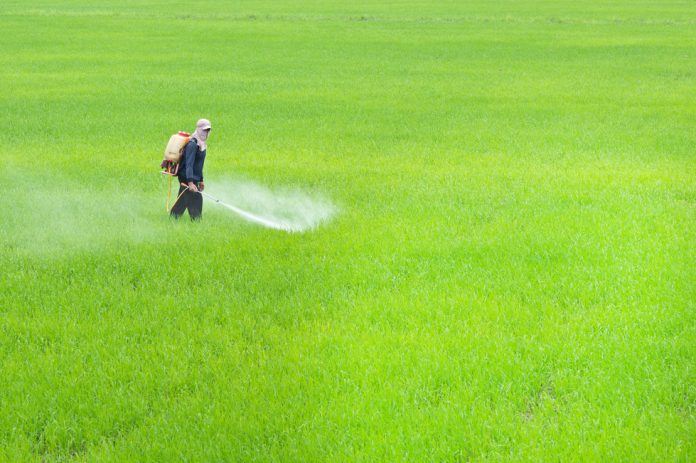
Glyphosate is a chemical commonly used in weed killers, like Roundup, that are sprayed on most of the vegetables we find in grocery stores.
In 1996, Monsanto introduced Roundup Ready Soybeans that provided farmers with an in-seed herbicide tolerance to Roundup. Now, we can find GMO Roundup Ready corn, soy, wheat, canola, sugar beets, cotton, tobacco, and alfalfa—basic foods that your customers consume or use on a daily basis. To get an idea of how many of your products may contain glyphosate, read the ingredients to see if any of the aforementioned crops may be included.
Glyphosate is currently the most-used agricultural chemical. Not only is it present in food, but in the vast majority of female sanitary products and some medical materials, including gauze.
Since 1996, glyphosate usage has increased 50-fold, and continues to increase as crops become resistant to it. “What’s happened is that Roundup Ready weeds have appeared around these Roundup Ready Crops—weeds that resist glyphosate. They’ve had to use more and more every year to fight the weeds,” says Dr. Seneff. And, with higher pesticide use, the higher the safe amount to ingest has become.
Planting a crop that tolerated herbicides meant that crops were bigger and thus produced a larger profit. For a growing population, this seemed like the ultimate answer. However, we are now starting to see the effects of using chemicals on our crops.
Evidence of Toxicity
With glyphosate in many of the foods your customers eat and items they use on a daily basis, it seems only logical that it would affect the human body in some way.
Statistics show that 0.1 ppb can cause severe organ damage in rats and alters the gene function of over 4000 genes in their livers and kidneys. Europe permits the glyphosate level to be 0.1 ppb in tap water, compared to 280 ppb in Canadian tap water and 700 ppb in U.S. tap water. 11,900 ppb can be found in GMO Soybeans. Even with these startling numbers, researchers are allowed only three months to study the effects of glyphosate, yet it takes about four months for these effects to start wrecking havoc on the body.
Monsanto claims that humans can’t be harmed by this chemical because it works on the shikimate pathway, which humans don’t have. However, Dr. Seneff states that, “our gut bacteria do have this pathway. They use it to make aromatic amino acids as well as foliate, dopamine, serotonin, melatonin, the skin-tanning agent, and all of these things are derived from that pathway.”
Glyphosate acts as an antibiotic and disrupts our gut bacteria, leading to an overgrowth of pathogens. Moreover, it depletes the iron, manganese, and zinc in plants. As such, the consequences of using this chemical for economic interests are not be worth the risks.
Link to modern diseases
Glyphosate has been proven to disrupt the liver, change gene functions, and even create an antibiotic resistance in gene pathogens. Additionally, it holds on to essential minerals that our body needs to be healthy and releases them at random times, making them toxic to us. It disrupts aromatic amino acids, mentheiamin and sulphate transport. Dr. Seneff has “identified sulphate deficiency as a key driver behind most modern diseases.”
In Roundup, glyphosate is added as glyphosate salts—one of which is used to increase glyphosate solubility and ultimately its toxicity to weeds. Another additive is POEA (polyethoxylated tallowamine), one of many surfactants in Roundup, which disrupts the membranes of cells, allowing glyphosate to more easily gain entry, says Dr. Seneff. “Glyphosate induces leaky gut due to overgrowth of pathogens, and this leads to a leaky brain barrier permitting antibodies access to the brain.”
By changing how the body processes damages its natural ability to break down harmful antigens, our body is left vulnerable to new diseases such as ADD/ADHD, autism, celiac disease and Alzheimer’s. It can also increase the risk of obesity, liver disease, and kidney failure.
How to protect your consumers
Though Dr. Seneff mentions that there is still glyphosate in organic foods, the difference is highly variable. A good example is the difference between GMO soybeans, which shows huge levels of glyphosate, compared to organic soybeans, which tested free of glyphosate. “Generally, the organics come in at lower levels, but that’s not always true. Sometimes it’s just half as much, other times it is much lower in the organic compared to the non-organic,” she says. Even still, making the switch to organic can lower your exposure.
It is also suggested that eating foods that contain manganese, such as flaxseed, kale, tofu, fish, and tea, will regulate the thyroid and sulfate synthesis in the bones—something that foods containing high levels of glyphosate can’t do, as it destroys the manganese. With consumers becoming more informed, it’s a great idea to have these items or products containing these ingredients in stock.
Foods high in sulfur, such as eggs, crab, onions and garlic, cabbage and beer, are also a great way to combat damage done by glyphosate.
Extracts from common plants can actually treat glyphosate poisoning. Dandelions, barberry, and burdock can also protect from future damage.
Nutrients from garlic, vitamin C, taurine and curcumin can help the body’s natural antibodies.
Asking your suppliers questions is the first step—such as where do their ingredients come from, how suppliers treat their crops, etc. When your customers come to you with those same questions, you will know how to answer.
Glyphosate has been called the most damaging chemical in our environment today, yet we have been led to believe that it is non-toxic to humans. There is a proven correlation between glyphosate usage levels and the alarming rise in modern diseases. Through research, we are finally beginning to realize its toxic nature through its biological mechanisms. Dr. Seneff suggests that we fight to ban glyphosate across the globe and switch to sustainable organic agriculture. However, that might be years away. For now, knowing more about your products will help you create authentic relationships based on consumer interests.