




All In Nutritionals
Home Blog Page 183

Health Canada proposes serious changes to NHP regulations

0
The fight against NHP regulations continues

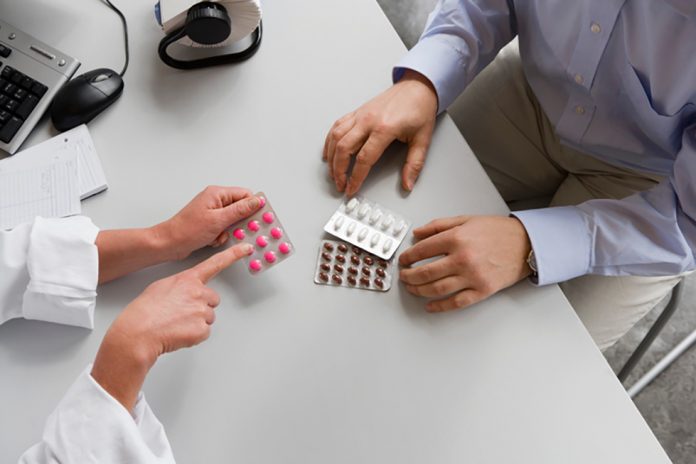
Health Canada has proposed changes to the ways in which natural health products (NHPs) are regulated. Now, the organization is suggesting that these goods should be controlled in the same ways as pharmaceutical drugs.


Currently, NHPs are required to undergo rigorous inspection by Health Canada and the Standing Committee on Health as well as consumer, government and international regulatory consultations. Additionally, Health Canada must approve all NHPs before they may reach the market, which requires companies to provide evidence—often published studies—to support any health claims they make.


The new regulations, however, will require some NHPs to be treated as if they are drugs. This will require the makers of these products to provided further clinical study on their ingredients, potentially driving up their cost. These changes could also limit consumer access to safe, effective and high-quality natural products.


The Canadian Health Food Association (CHFA) is highly opposed to these changes, and is currently running a campaign called “Our Natural Health Products Are Not Drugs” to combat them. For more information on this initiative, visit chfa.ca.
Retired pharmaceutical exec reveals truth about drug development

0
Retired pharmaceutical exec reveals truth about drug development

With his new book, “Nesiritide: The Rise and Fall of Scios,” Roger M. Mills, M.D., aims to inform the general public about the inner workings of the pharmaceutical industry. Specifically, he gives readers an inside look into the development, early success and subsequent demise of a biotechnology drug that he helped to develop.


“‘Nesiritide’” gives the non-medical public an unprecedented insight into the complexity, risk, and competitiveness of drug development,” Mills said. “It demonstrates the devastating impact of media attention to questions of drug safety.”


Before his work at Scios Inc., Miller practiced as an academic clinical cardiologist. He joined Scios, a Johnson & Johnson operating company, in 2005, and layer moved on to Johnson & Johnson’s Janssen Research & Development, LLC as a senior director in clinical research. Since this time, Mills has adopted the mission to better inform the medical community and the public about the often-mysterious pharmaceutical industry.


For more information, visit http://www.rmillsmd.com/.

Walmart invests in associates with over $200 million in cash bonuses

0

Last week, Walmart awarded more than USD $200 million in second quarter cash bonuses to more than 900,000 of its hourly associates across the United States. This comes as part of Walmart’s continued focus on improving and enhancing the store experience for customers.


The bonuses, which were based on stores’ performances from May through July of this year, are part of an overall incentive plan designed to reward associates whose stores have met their performance goals. Eligible associates can earn these bonuses four times a year.


“Whether it’s buying something for their kids, treating themselves or saving for something great, bonus time at Walmart is always a special time for our associates,” says Mike Moore, executive vice-president of Supercenters for Walmart U.S.


“Our people have always been the most important part of our business and they continue to do amazing things for our customers,” adds Julie Murphy, executive vice-president of Neighborhood Markets for Walmart U.S. “Sam Walton built this business on the idea of sharing profits with our associates and treating them as partners.”


In addition to these bonuses, Walmart has announced plans to open 200 academies across the U.S. designed to teach advanced retail skills to its department managers and hourly supervisors. More than 140,000 associates are expected to go through the training program each year.

Canadian Pharmacists Urge Task Force on Marijuana Regulation

0
Canadian Pharmacists Urge Task Force on Marijuana Regulation

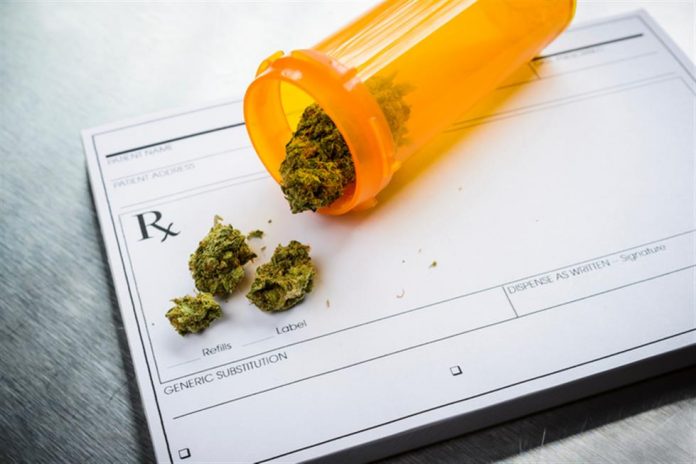
The Canadian Pharmacists Association (CPhA) is recommending that separate streams for medical and recreational marijuana be established once recreational marijuana becomes legal. A dual system would ensure that medical cannabis patients receive the benefit of clinical oversight, while implementing health and safety measures for recreational users.

Medical and recreational marijuana are fundamentally different products, intended for use in very different ways. Medical marijuana users may seek out strains that provide symptomatic relief, while recreational users may seek out those with psychoactive effects. Therefore, to ensure optimal health outcomes, Canadians requiring marijuana for medical purpose should receive it within a health care setting that provides appropriate clinical oversight. Patients who require marijuana for medical purposes should not be forced into the recreational market.

In addition to the recommendations about maintaining dual streams, CPhA also made the following recommendations:


  • Introduce a public education campaign to coincide with legalization
  • Establish a minimum age for legal purchase
  • Mandate product warnings
  • Implement rigorous product management regulations
  • Mandate training for retail staff


Regardless of the framework chosen to provide access to recreational marijuana, it’s clear that access to a separate stream for medical cannabis must continue to be available to patients, with the continued oversight of a licensed health care professional. Diverting patients away from the existing medical stream to an untested system intended for recreational use could jeopardize patient safety.

CPhA also believes that a front-line role for pharmacists in the management and dispensing of medical cannabis is in the best interest of patient safety.  In addition to providing secure and safe access to medications, pharmacists have the necessary expertise to mitigate the potential risks associated with using medical cannabis, including harmful drug interactions, contraindications and potential addictive behaviour.


CPhA Supports Health Canada’s Action Plan on Acetaminophen Safety

0
CPhA Supports Health Canada's Action Plan on Acetaminophen Safety

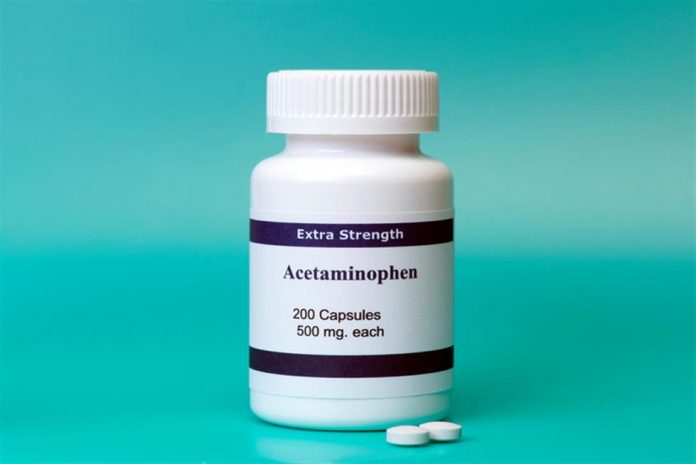
The Canadian Pharmacists Association (CPhA) welcomes Health Canada’s announcement to improve acetaminophen safety. This will include a final revised labeling standard for non-prescription acetaminophen products, a limit of 325mg of acetaminophen in prescription acetaminophen combination products, and the creation of new educational materials.

CPhA has long asked the federal government to take additional steps to ensure that acetaminophen is taken appropriately. As an active participant in Health Canada’s technical discussions, CPhA believes that the government’s announcement represents a balanced approach to reinforce the importance of using the lowest effective dose of acetaminophen.

The organization also approves of the government’s intentions to introduce regulations for low-dose (8mg or less) codeine pro

ducts, many of which also contain acetaminophen. CPhA believes that this measure is an important part of acetaminophen safety, and urges the government to act expeditiously in this area.

Despite these new measures, there continues to be a critical need for patient education and awareness about the appropriate use of acetaminophen products. Pharmacists, who are Canada’s most accessible health care professionals, will play a key role in explaining these changes to Canadians and will continue to counsel patients on safe and appropriate use.

Over-the-counter Medicine Makes Up 45 per cent of Consumer Health Industry in 2016

0
Over-the-counter Medicine Makes Up 45 per cent of Consumer Health Industry in 2016

According to Euromonitor International, global sales of consumer health products will reach USD $217 billion globally in 2016—a 3 per cent growth from 2015. Of this, 45 per cent of sales will be made up by over-the-counter (OTC) medicine at USD $98.5 billion, driven by prescription drugs switching to OTC.

“An important push to switch drugs from prescription to OTC or non-prescription drugs continues to bring new market expansion opportunities for firms,” says Monica Feldman, head of consumer health industry research at Euromonitor. “This is especially true in the therapeutic areas of respiratory and digestive health and esomeprazole.”

Moreover, the U.S. continues to dominate the consumer health space at 31 per cent of the overall industry (worth USD $67 billion). When paired with China, Japan, Germany and Italy, these five countries comprise 61 per cent of global sales within consumer health, confirming that the industry is mainly driven by developments in a few geographies. This finding also signals an opportunity for market expansion in other countries with only 1 to 2 per cent global share in 2016, including South Korea, France, India and Mexico amongst others.

“This year, the new proposition for consumer health is founded on a formidable shift toward lifestyle and wellness programmes supported by a holistic approach to self-care,” Feldman continues. “These factors will create a unique window of opportunity based on the personalization of consumer health.”

Sobeys Considering New Discount Option for struggling stores

0
Sobeys Considering New Discount Option for struggling stores

Sobeys is now considering a new discount format for some of its struggling stores in Western Canada. This comes after sales challenges persisted at Safeway stores in the first quarter.

Francios Vimard, the company’s interim CEO, notes that Sobeys posted positive same-store sales outside of Western Canada during this time, but overall sales were down. The period (which ended August 6) saw a decline in overall sales by 1 per cent to USD $4.7 billion, while same-store sales—excluding fuel—fell by 1.2 per cent. Additionally, excluding Western Canada, non-fuel same-store sales improved by 0.6 per cent. The company’s net earnings were also down 39.5 per cent at USD $55.7 million.

Vimard sees these results as evidence of the company’s need to reduce retail prices, cut costs and improve customer experience. In a conference call with analysts, Vimard noted that these cost reductions would come from the consolidation of distribution centres.

“Our cost base is too high given our sales challenges across the country,” he says. “Therefore, it is critical that we optimize our cost structure so we can reinvest cost savings via the top line.”

Vimard adds that these struggles are “self-inflicted,” stemming from its turbulent acquisition of Safeway Canada and a weak economy in the Western provinces where those stores do business.

Earlier this month, Sobeys enacted a comprehensive plan of everyday price cuts through it’s “Simplified Buy & Sell” initiative. However, Vimard expects customer response to be gradual, with the company likely experiencing gross margin pressure as it is implemented.

Herbasante PES at CHFA

0
Herbasante: A History of Insight

This past weekend, Dr. Dan Kenner presented a product education seminar (PES) at the CHFA on behalf of Herbasante. The seminar, titled Evidence-based Japanese Approach to Immune Restoration, discussed different enzymes, omega-3 oils, traditional herbal combinations and healing mushrooms that the Japanese people have used to cure ailments over time.


For more information on this riveting presentation, stay tuned for the next issue of IHR. There, we will have a feature article dedicated to this seminar.

CHFA Recap

0

Thank you so much to everyone who spoke with our team at the CHFA this past weekend!

See below for some images from our time at the event. Stay tuned to our social media channels for further exciting post-CHFA videos, images and news!

Unilever acquires Seventh Generation

0
Unilever acquires Seventh Generation

Unilever PLC, the European giant behind Dove soaps, Becel and Ben and Jerry’s, has struck a deal to buy Seventh Generation Inc., a manufacturer of plant-based detergents and household cleaners.

According to someone familiar with the agreement’s terms, the transaction will cost Unilever roughly $700 million. The deal will allow Unilever to compete with rival Procter & Gamble in the U.S. markets for diapers, tampons, detergents and hand soap, segments that its competitor has traditionally dominated.

Founded in 1988, Seventh Generation had sales of more than $200 million last year. The Vermont-based company’s shareholders include its management; Catamount Ventures, a San Francisco venture-capital firm; private-investment funds; and Generation Investment Management LLP, a London-based fund created by former U.S. Vice President Al Gore.

“We look at this as having a multiplier effect for our business,” says Seventh Generation Chief Executive John Replogle. “We always aspired to be a billion-dollar brand. We see this as a springboard as opposed to throwing in the towel.”