




Home Blog Page 18

Sobeys expands its Pricer Plaza installation

0

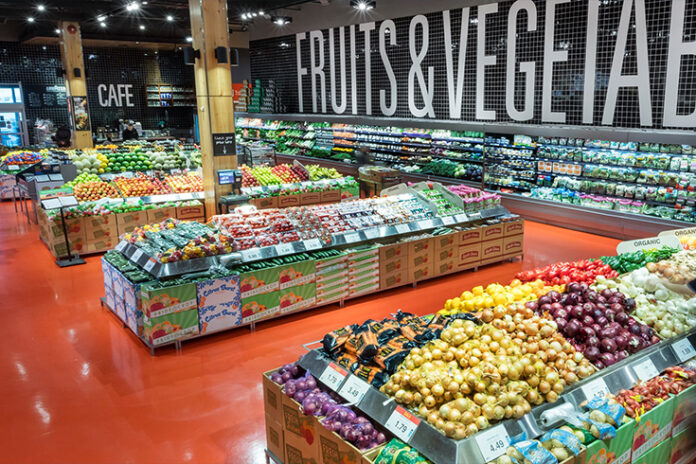
Sobeys, one of North America’s largest grocery chains with over 1,500 stores, is set to digitize its operations by deploying 5 million electronic shelf labels (ESLs) across Canada. This expansion follows a successful pilot in 50 stores and involves a partnership with Pricer’s partner, JRTech Solutions, with an expected order value of approximately 485 million SEK.

The rollout, featuring Pricer’s cloud-based platform, Pricer Plaza, and ESLs, is slated for completion by April 30, 2026. This initiative marks the first large-scale deployment of four-color labels in North America, aiming to enhance customer experience and streamline store operations.

Mats Arnehall, Chief Commercial Officer at Pricer, stated, “After one year of thorough testing with a pilot installation and the first wave of successful deployments in 50 stores, we can clearly see how our in-store solution supports this leading retailer in digitizing and transforming their operations while enhancing their focus on customer experience.”

This strategic move positions Sobeys at the forefront of retail innovation, leveraging digital solutions to meet evolving consumer expectations.

Elizabeth Gutiérrez Joins OmegaXL Sport as Brand Spokesperson

0

Great HealthWorks, the company behind OmegaXL Sport—a natural muscle recovery supplement—has announced a new partnership with actress, model, and mother Elizabeth Gutiérrez. Balancing a bustling career and family life, Gutiérrez relies on OmegaXL Sport to accelerate muscle recovery and maintain peak physical wellness. “OmegaXL Sport helps me recover faster, so I can get back to my workouts sooner, which I need to stay red carpet ready,” she shared.

OmegaXL Sport is an extra-strength version of the original OmegaXL, introduced in 2003. Sustainably sourced from New Zealand’s green-lipped mussels, each soft gel contains oil extracted from 16–24 mussels, designed to enhance joint mobility and reduce muscle soreness. The supplement is non-GMO, dairy-free, and gluten-free, and has recently earned the NSF Certified for Sport® designation, ensuring it meets rigorous standards recognized by major athletic organizations.

The collaboration with Gutiérrez began at the NEW YOU Beauty Awards, where she moderated an influencer panel discussing beauty, health, and wellness. Yamit Sadok, Executive Director of OmegaXL Brands, noted, “The timing is perfect to sign a spokesperson for brand OmegaXL Sport, with our new NSF Certified for Sport designation.”

Kale Diagnostics to Transform Functional Health with Kale Health Launch in 2025

0

Kale Diagnostics, co-founded by Kourtney and Stephen Simmang, is making waves in functional health, empowering individuals to address the root causes of illness and take charge of their well-being. With a mission inspired by Kourtney’s journey of overcoming chronic health challenges like PCOS and Hashimoto’s Thyroiditis, the company has become a leader in personalized care.

A New Era of Functional Health

Kale Diagnostics has long utilized advanced lab testing and personalized protocols to uncover imbalances, prevent illness, and redefine wellness. Now, the company is evolving. In early 2025, Kale Diagnostics will become Kale Health, combining its functional health expertise with virtual primary and urgent care, supported by top U.S. medical doctors.

The expanded service will include:

  • Tailored Care Plans: Personalized support from naturopathic doctors, nutritionists, and dietitians.
  • Advanced Lab Testing: Over 100 tests to identify imbalances and support prevention.
  • Primary and Urgent Care: Virtual access to MDs for acute needs.
  • Emotional Wellness: Licensed counsellors to integrate mental health into care plans.

Kale Health is poised to redefine holistic healthcare with a multidimensional, client-centred approach. By integrating functional health and traditional medical expertise, Kale Health is setting a new standard in modern wellness care.

Content Marketing Trends for Wellness Brands in 2025

0

As we approach 2025, wellness brands in Canada must adapt to emerging content marketing trends to effectively engage a discerning and educated audience. Here are three pivotal trends to consider:

1. Personalisation at Scale

Consumers increasingly expect content tailored to their unique needs and preferences. Leveraging artificial intelligence (AI) and data analytics enables brands to deliver personalized experiences, enhancing engagement and fostering loyalty. This approach involves analyzing user behaviour, preferences, and feedback to create content that resonates on an individual level. For instance, AI-driven insights can help in crafting targeted campaigns that address specific wellness goals of different consumer segments.

2. Integration of Biotechnology in Product Development

Advancements in biotechnology are revolutionizing the wellness industry by enabling the creation of sustainable and effective products. Brands are investing in biotech to develop high-performing ingredients that cater to health-conscious consumers seeking scientifically-backed solutions. This trend not only meets consumer demand for efficacy but also aligns with environmental sustainability, as biotech processes often reduce the ecological footprint. For example, companies are utilizing bioengineering to create eco-friendly products that appeal to environmentally conscious consumers.

3. Emphasis on Authenticity and Evidence-Based Content

Educated consumers are increasingly skeptical of overhyped wellness trends and seek authenticity and scientific validation. Brands that provide transparent, evidence-based information build trust and credibility. This involves moving away from unverified health claims and focusing on substantiated benefits, thereby fostering a more informed consumer base. For example, there is a growing shift toward trusted, professional healthcare advice over influencer-driven trends, as consumers seek reliable information.

By embracing these trends, wellness brands can create more meaningful connections with their audience, leading to sustained engagement and growth in the evolving market landscape.

Nutriterra® Total Omega-3 Receives Health Canada Approval as Plant-Based Dietary Supplement

0

Nutriterra® Total Omega-3, a novel canola-based omega-3 oil, has received Health Canada approval as an ingredient in dietary supplements. This approval, granted by Health Canada’s Natural and Non-prescription Health Products Directorate (NNHPD), includes a Natural Product Number (NPN 80136254) and authorizes its use with the following health claims:

  • Supports heart health and cardiovascular function
  • Supports normal brain function
  • Source of DHA and ALA for maintaining good health
  • Source of omega-3 fatty acids for the maintenance of good health

Benita Boettner, General Manager of Nufarm Nutritional, noted that this milestone reinforces Nutriterra’s role in supporting heart and brain health, offering a sustainable plant-based alternative to traditional omega-3 sources like fish oil.

Human clinical trials have demonstrated Nutriterra’s efficacy, with a 2000 mg/day serving significantly improving key indicators of omega-3 status, such as the OmegaScore™ and the Omega-3 Index. These findings, published in Frontiers in Nutrition, confirm Nutriterra’s ability to support cardiovascular and brain health.

Nutriterra bridges the gap between the demand for essential omega-3 nutrients and the ocean’s limited capacity to provide them sustainably. One hectare of Nuseed Omega-3 Canola can produce as much DHA as 10,000 kg of wild-caught fish.

This approval follows similar recognition from global regulatory bodies, including the FDA’s New Dietary Ingredient status in 2021, and positions Nutriterra as a leader in the plant-based omega-3 space.

The Exclusive Gateway to Health and Wellness Online Retail Growth

0

The global health and wellness market is experiencing significant growth, with projections indicating it will reach approximately $8.99 trillion by 2028, growing at a compound annual growth rate (CAGR) of 7.3%.

This expansion is particularly evident in the online retail sector, where health and wellness e-commerce is expected to grow at a CAGR of 11.2% from 2024 to 2030.


IHR Magazine offers an exclusive opportunity for online retailers to connect with this rapidly expanding market segment. By featuring in our publication, your brand can reach a targeted audience of health-conscious consumers and industry professionals, providing valuable exposure in a competitive landscape.

Our content includes:

  • In-Depth Product Reviews: Highlighting the unique benefits and features of health and wellness products.
  • Consumer Behavior Analysis: Offering insights into purchasing patterns and preferences.
  • Market Trend Reports: Keeping you informed about emerging trends and opportunities.

Partnering with IHR Magazine positions your brand at the forefront of the health and wellness e-commerce boom, connecting you directly with the decision-makers and consumers driving this growth.

Seize this opportunity to elevate your online retail presence in the thriving health and wellness market.

Marché Petit Brûlé open year-round!

0
Petit Brûlé’s greenhouse allows for fresh organic harvests even during Quebec’s coldest months. For industry professionals, it’s worth watching this operation closely. Whether you’re a grower, retailer, or policy-maker, Marché Petit Brûlé’s approach could hold valuable lessons for the future of sustainable agriculture.

The journey of Petit Brûlé began with a personal vision: co-owners Marie-Pierre Gauthier and David Théorêt sought food self-sufficiency for their family. In 2019, this dream evolved into a full-fledged enterprise that now supports over 1,000 local families through weekly organic vegetable baskets.

Their model goes beyond traditional farming. By integrating direct-to-consumer sales, customisable produce baskets, and a permanent retail outlet, Marché Petit Brûlé has created a robust ecosystem that strengthens the local economy while reducing food miles. For industry players, this approach demonstrates how vertical integration and community engagement can lead to a resilient business model.

Meeting Market Needs, No Matter the Season
The decision to stay open year-round was not only a response to customer demand but also a strategic move to maximise infrastructure use and maintain market presence. According to Gauthier, the success of their summer season proved the viability of extending operations into the winter months.

By offering more than just produce—think maple products, ready-to-eat meals, and artisanal crafts—the market has diversified its revenue streams. This variety ensures steady foot traffic and underscores the importance of adding value to farm-fresh goods.

For industry professionals, the takeaway is clear: adaptability and diversification are essential for modern farms seeking year-round profitability.

A Model for Sustainable Farming
Petit Brûlé’s accomplishments are not just a business success story; they’re a blueprint for sustainable farming practices in northern climates. Their use of a controlled-environment agriculture (CEA) system combined with a direct-to-market strategy sets an example for how small and medium-sized farms can thrive despite external challenges such as weather variability and market competition.

Additionally, their focus on organic production speaks to shifting consumer preferences and regulatory trends. As more customers seek transparency and quality in their food, Petit Brûlé is well-positioned to meet these demands while inspiring others in the sector to follow suit.

Marché Petit Brûlé’s move to year-round operations signals more than just growth for one farm; it represents a shift in how the industry can approach local food production. By combining technology, sustainability, and community focus, they’ve demonstrated that even small farms can achieve scalability and influence regional food systems.

As the industry looks for ways to meet rising demands for sustainable agriculture, Marché Petit Brûlé offers a compelling case study.

Navigating the Global Fish Oil Supply

0

The escalating global demand for omega-3 fatty acids, particularly eicosapentaenoic acid (EPA) and docosahexaenoic acid (DHA), has intensified scrutiny on the sustainability of fish oil sources. Traditionally derived from wild-caught fatty fish, this approach faces significant challenges, prompting the exploration of more sustainable and scalable alternatives.

Supply Constraints and Ecosystem Impacts

Overfishing has led to a critical depletion of fish stocks, with the United Nations Food and Agriculture Organization reporting that over 60% of wild fish stocks are fished to their maximum capacity. This overexploitation not only strains the supply of fish oil but also disrupts marine ecosystems, affecting biodiversity and the health of ocean habitats.

Climate change exacerbates these challenges by altering ocean temperatures and currents, impacting fish populations and their habitats. Species like the anchoveta, a primary source for fish oil, are particularly vulnerable to these environmental changes, leading to unpredictable fluctuations in fish oil availability.

Plant-Based Sources

Innovations in biotechnology have enabled the development of plants capable of producing EPA and DHA. For instance, Nuseed’s Omega-3 Canola has been engineered to produce these long-chain omega-3 fatty acids, offering a land-based, renewable source that could significantly augment global supplies without further depleting marine resources.

Microalgae Cultivation

Microalgae, the original producers of EPA and DHA in marine food webs, present a promising alternative. Companies like Pond Technologies are cultivating microalgae in controlled environments, providing a sustainable and scalable source of omega-3s that bypasses the need for fish altogether.

Zooplankton Harvesting

Harvesting zooplankton, such as Calanus finmarchicus, offers another avenue. Zooca’s Calanus oil is derived from one of the world’s largest renewable marine resources, with careful management ensuring minimal environmental impact and a sustainable supply of omega-3s.

Combining these alternative sources with traditional fish oil can enhance supply stability and quality. Blending allows for consistent product availability and can help stabilize prices, making omega-3 supplements more accessible to consumers.

The sustainability of omega-3 fatty acid production is at a crossroads. While wild-caught fish have been the cornerstone of omega-3 supply, environmental and supply chain challenges necessitate the adoption of sustainable alternatives. Embracing plant-based sources, microalgae cultivation, and responsibly managed zooplankton harvesting can collectively ensure a resilient and eco-friendly omega-3 supply for the future.

PharmaNutra Expands North American Reach with Canadian Distribution Deal

0

PharmaNutra S.p.A. has taken a significant step in its North American growth strategy by signing a distribution agreement with Sigma Lifesciences, a Canadian pharmaceutical company specializing in health product production and distribution. This collaboration marks PharmaNutra’s entry into the Canadian market, where Sigma Lifesciences will manage the distribution of its SiderAL® line of supplements and Ultramag®, all based on PharmaNutra’s innovative Sucrosomial® Technology.

The agreement includes SiderAL® Forte, SiderAL® Folic, and SiderAL® Drops, known for their enhanced absorption and tolerability in delivering iron, as well as Ultramag®, a magnesium supplement. Health Canada has officially approved all four products for commercialization.

To gear up for the Q2 2025 launch, PharmaNutra conducted a training session in Toronto, engaging over 30 Canadian healthcare professionals across various specialties to familiarize them with the technology and tailor strategies for local market needs. This deal further solidifies PharmaNutra’s presence in over 80 countries globally.

Pharmascience Canada Introduces Pr pms-PALBOCICLIB, a Breast Cancer Treatment Option

0

Pharmascience Canada has announced the launch of Pr pms-PALBOCICLIB, a new treatment of certain types of breast cancer.

About Pr pms-PALBOCICLIB

Pr pms-PALBOCICLIB (palbociclib) is indicated for patients with hormone receptor (HR)-positive, human epidermal growth factor receptor 2 (HER2)-negative locally advanced or metastatic breast cancer. It can be used in combination with:

  • An aromatase inhibitor: As the initial endocrine-based therapy for post-menopausal women or men.
  • Fulvestrant: For patients experiencing disease progression after previous endocrine therapy. Pre- or perimenopausal women receiving this treatment must also be administered a luteinizing hormone-releasing hormone (LHRH) agonist.

Pr pms-PALBOCICLIB is now available in Canada in three dosage strengths:

  • 75 mg: Packaged in three weekly blister packs, totaling 21 tablets.
  • 100 mg: Packaged in three weekly blister packs, totaling 21 tablets.
  • 125 mg: Packaged in three weekly blister packs, totaling 21 tablets.

This medication is the generic equivalent of IBRANCE® and adds to Pharmascience’s portfolio of oncology treatments.

Leadership Commentary

Mike Dutton, Vice-President and General Manager of Pharmascience Canada, expressed the company’s dedication to providing innovative pharmaceutical solutions. “The launch of Pr pms-PALBOCICLIB demonstrates our commitment to supporting Canadian patients and the local healthcare industry. Our team has worked diligently to ensure this medication meets the highest standards of quality, offering a valuable new option for breast cancer treatment.”

Advancing Pharmaceutical Excellence

This latest development underscores Pharmascience Canada’s expertise in developing specialty medications and its commitment to enhancing patient outcomes.

For more information about Pr pms-PALBOCICLIB, healthcare professionals are encouraged to consult official prescribing information.