Home Blog Page 132

Vitality Products are now available in all 14 Whole Foods Market locations across Canada

0
Vitality Products are now available in all 14 Whole Foods Market locations across Canada

Vitality Products Inc. is pleased to announce its products are now available in all 14 Whole Foods Market locations across Canada. Vitality has previously been known to be sold only in Western Canada but has now reached the shelves of several well-established eastern retailers.

“Whole Foods is a leader in natural health in Canada and the United States. We are extremely pleased with our ongoing growth in the Western Canadian stores and will now be available in Whole Foods across Canada,” said Cheryl Grant, President, and CEO, Vitality Products Inc.

VITALITY is sold in over 550 leading natural health and wellness locations across Canada. The Company focues on increasing distribution, sales and new product introductions to natural health stores and consumers – the leading advocates of self-care, health, and wellness. A full list of retail locations is available at www.vitality.ca. Vitality Products Inc. has ninety-two (92) natural health licenses from Health Canada. The Company plans to introduce new products into Canada in 2019 after receiving up to $85,000 from the National Research Council of Canada Industrial Research Assistance Program (NRC IRAP) to support the research and development of three (3) new products.

A cure for Cancer? Despite one company’s claims, many experts are uncertain

0
A cure for Cancer? Despite one company's claims

“We must be aware that this is far from proven as an effective treatment for people with cancer, let alone a cure,” Dr. J. Leonard Lichtenfeld.
“I hear many rejections that it is not possible to develop a drug so fast. But we did not say we will develop the drug and get its approval,” Morad continued. “We said we can treat and cure people.”

The team said that the company has presented and been subject to peer review, namely at three Drug Discovery Innovation Program conferences in Munich, Boston and Frankfurt. Major pharmaceutical companies attend those events, they said, including representatives from industry leaders Roche, Sanofi, Merck, Novartis, GSK and Bayer, for example.

AEBi maintained they have not published in a scientific journal – another point raised by critics – because they are a privately-owned company and are still in the process of generating final patents on their intellectual property. They said they have patents on their platform in the European Union, Israel and the United States.

The Post reached out to some 10 additional scientists and researchers, including hospitals and oncologists, most of whom did not want to comment on the record and felt that AEBi’s sweeping claims went too far.

But Dr. Moshik Cohen-Kutner, co-founder and CEO of Omnix Medical, said that while he does not know the company well enough to comment on whether they have a cure for cancer, “I do know that peptide-based drugs are very promising.”

“The technology of AEBi might be a cure for cancer because of the personalized route they are aiming for using selective peptides,” he continued. “It is only recently that the technology involving peptides has reached a point in which it is relatively easy to research. Peptides have the ability to cure human diseases.”

He told the Post that “robust and scientifically sound” projects may take one to two years to get from mice trials to human trials, providing there is adequate funding.

Nonetheless, as Lichtenfeld maintained in his blog post, “We hope this approach… bears fruit and is successful. At the same time, we must always offer a note of caution that the process to get this treatment from mouse to man is not always a simple and uncomplicated journey.”

SOURCE: THE JERUSALEM POST

National Integrated Health Associates Welcomes Randy Gastwirt, N.D., Naturopathic Physician

0
National Integrated Health Associates Welcomes Randy Gastwirt

National Integrated Health Associates (NIHA) welcomes Randy Gastwirt, N.D., Ph.D., to the integrative medical team. As a naturopathic physician, Dr. Gastwirt will focus on incorporating Naturopathic Medicine, Herbal Medicine, Physical Medicine, Biofeedback Therapy and Functional Medicine and Nutrition for a whole person approach to wellness.

Dr. Randy Gastwirt is a licensed naturopathic physician who focuses on adult medicine – providing comprehensive, personalized and integrative healthcare by understanding the patient’s unique circumstances and the root cause of illness. He says, “As a naturopathic physician, I strive to bring balance to the body so that it can heal itself in the most effective way. The goal is not only to identify what is going wrong in the body, but the why… this is the identification of the root cause of illness.” In order to address each patient’s individual needs, Dr. Gastwirt integrates natural and conventional medicine to support wellness and promote preventative health.

Dr. Gastwirt actively involves the patient in the naturopathic healing process using a broad range of tools including herbal medicine, biofeedback, functional nutrition, and mind-body medicine. He focuses on acute illnesses, such as skin, respiratory, and urinary tract infections, as well as chronic conditions such as diabetes, cardiovascular disease, inflammatory bowel disease (Crohn’s disease and ulcerative colitis), irritable bowel syndrome (IBS), men’s health concerns (prostate, urinary and fertility), cancer, mood disorders (anxiety and depression), and allergies. He also has experience in the management of acute and chronic pain associated with musculoskeletal injury, osteoarthritis and rheumatoid arthritis. Patients can expect individually tailored treatment programs including herbs, vitamins, supplements, and diet to target the unique imbalances they are experiencing, bringing the body back to its natural state of health.

Dr. Gastwirt’s unique blend of natural and conventional medicine reflects his diverse educational background. He received his Doctor of Naturopathic Medicine degree from Bastyr University in San Diego, California – an institution recognized as a leader in the education of natural medicine. Prior to Bastyr University, Dr. Gastwirt earned a Bachelor of Arts degree in Biology from Pomona College and a PhD in Biomedical Science from University of California, San Diego, School of Medicine. He worked in research both as at post-doctoral fellow at UC San Diego and the VA hospital and served as Associate Director for research at a biotechnology company prior to his transition into Naturopathic Medicine.

Dr. Gastwirt is accepting new patients. He is committed to providing comprehensive care for the whole person, and incorporating innovative medical services and therapies offered at NIHA for the optimal health of the patient.

Valens GroWorks Corp. announces a strategic secondary purchase and sale transaction

0
Valens GroWorks Corp. announces a strategic secondary purchase and sale transaction

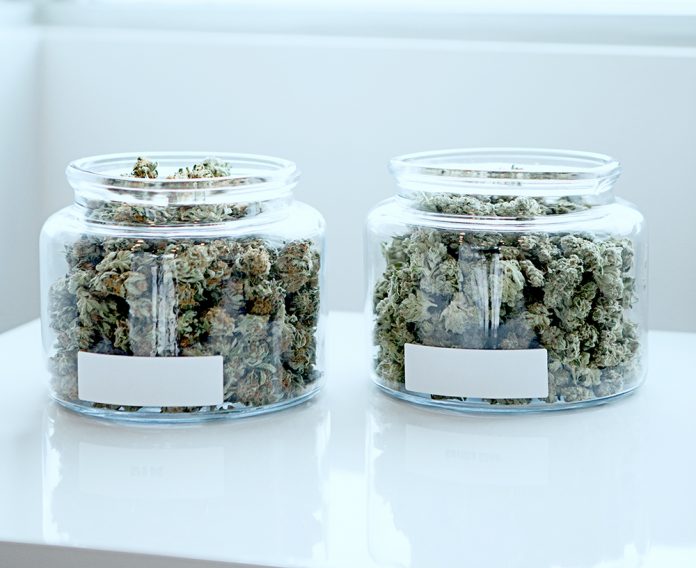
Valens GroWorks Corp. (CSE: VGW,OTC: VGWCF) (the “Company” or “Valens“), a multi-licensed, vertically integrated provider of cannabis products and services focused on various proprietary extraction methodologies, distillation, cannabinoid isolation and purification, as well as associated quality testing is pleased to announce a strategic secondary purchase and sale transaction.

The transaction includes a total of 3,500,000 shares at a price $2.05 per share between strategic purchasers (the “Buyers”) and 1009638 B.C. Ltd. (the “Seller”). The Buyers are independent in nature as they are not directly associated with a third party licensed producer. On the close of the transaction, the Seller hereby represents that it continues to be a significant shareholder of the Company and has opted to lock-up the remaining shares they hold in Valens for 6 months showing its long term commitment to the Company. The Buyers will also lock-up shares for a period of 4 months on the close of the transaction. AltaCorp Capital Inc. has acted as agent in the transaction.

“We are excited to announce the strategic secondary purchase and sale transaction with key institutions and shareholders,” says Tyler Robson, CEO of Valens GroWorks Corp. “We are appreciative of our largest shareholder’s continued commitment to the long term vision and strategy of the company and welcome our new strategic shareholders.”

Cannassure Therapeutics announces its collaboration with Cannika Holdings, an agritech incubator specializing in cannabis innovation.

0
Cannassure Therapeutics announces its collaboration with Cannika Holdings

Cannassure Therapeutics (TASE: CSURE) announces its collaboration with Cannika Holdings, an agritech incubator specializing in cannabis innovation.  Cannika will operate out of the Cannassure campus, utilizing their many facilities that are designed to meet the highest regulatory standards. Start-ups joining the incubator will benefit from an extensive research platform and a community of scientists, researchers, and business professionals.  Cannika will provide medical cannabis start-ups with a complete R&D ecosystem that provides scientific financial and business expertise to advance cannabis related initiatives from concept to commercialization.

Nir Peles, Interim Chairman of Cannassure, commented: “We are delighted about this collaboration with Cannika.  We are committed to medical cannabis innovation for the purpose of enhancing treatment and improving the quality of life of people worldwide with medical cannabis products.  Having a cannabis technological incubator on our campus is directly in line with our strategy, activity and goals.  Cannika’s leadership team has extensive knowledge and experience in the fields of agritech, science, and business development which gives them the ability to support early stage, cannabis initiatives and fast track their path to successful commercialization.”

Hadar Less, Cannika CEO stated, “We are thrilled to partner with Cannassure, a company devoted to R&D and innovation.  Cannassure has all the necessary permits and facilities to harbor cannabis innovation.  They are building a regulatory compliant state-of-the-art indoor grow facility and extraction and manufacturing facility in addition to their fully operational, scientifically advanced laboratory.  Partnering with Cannassure facilitates Cannika’s goal of establishing an independent fully licensed R&D facility and enables start-up companies and entrepreneurs to develop and bring technology innovation to the medical cannabis field.”

METRO Reports 2019 First Quarter Results

0
METRO Reports 2019 First Quarter Results

MONTRÉAL, Jan. 29, 2019 /CNW Telbec/ – METRO INC. (TSX: MRU) today announced its results for the first quarter of fiscal 2019 ended December 22, 2018.

2019 FIRST QUARTER HIGHLIGHTS

  • Sales of $3,977.7 million, up 27.8% and up 3.5% when excluding the Jean Coutu Group
  • Food same-store sales up 3.2%
  • Pharmacy same-store sales up 1.5%
  • Net earnings of $203.1 million, down 84.4%
  • Adjusted net earnings(1) of $172.2 million, up 35.9%
  • Fully diluted net earnings per share of $0.79, down 86.1%
  • Adjusted fully diluted net earnings per share(1) of $0.67, up 21.8%
  • Synergies of $10.7 million related to the Jean Coutu Group acquisition; $28.0 million on an annual basis
  • Declared dividend of $0.20 per share, up 11.1%

PRESIDENT’S MESSAGE

We are very pleased with our first quarter results, which reflect strong execution of our business plans and the success so far of our combination with the Jean Coutu Group. In a very competitive market environment, we are well positioned to meet our customers’ high expectations and continue(3) to create long-term value for our shareholders“, stated Eric R. La Flèche, President and Chief Executive Officer.

2019 FIRST QUARTER RESULTS

The Jean Coutu Group (PJC) Inc. (“Jean Coutu Group”) acquisition was completed on May 11, 2018, and its results were consolidated with the Corporation’s results as of that date. Therefore, the results for the first quarter of 2018 presented herein for comparison purposes do not include the results of the Jean Coutu Group. In addition, the results for the first quarter of 2018 included significant gains following the disposal of our investment in Alimentation Couche-Tard (ACT).

SALES

Sales in the first quarter of 2019 reached $3,977.7 million, up 27.8% compared with $3,111.8 million in the first quarter of 2018. Excluding $757.1 million in sales for the first quarter of 2019 resulting from the Jean Coutu Group, sales were up 3.5%. In the first quarter, food same-store sales were up 3.2% and inflation in our food basket was approximately 1.8%. Pharmacy same-store sales were up 1.5%, 0.8% for prescription drugs (2.2% for number of prescriptions) and 2.0% for front store sales.

OPERATING INCOME BEFORE DEPRECIATION AND AMORTIZATION AND ASSOCIATES’ EARNINGS

This earnings measurement excludes financial costs, taxes, depreciation and amortization, the share of earnings and gain on disposal of investments in associates as well as the gain on revaluation and disposal of an investment at fair value.

Operating income before depreciation and amortization and associates’ earnings for the first quarter of 2019 totalled $320.6 million, or 8.1% of sales, versus $217.8 million, or 7.0% of sales, for the same quarter last year. During the first quarter of 2019, we divested 5 pharmacies for a gain of $7.4 million, while in the first quarter of 2018, we recognized $11.4 million in distribution network modernization project expenses and $2.0 million in expenses related to the Jean Coutu Group acquisition. Excluding those items, adjusted operating income before depreciation and amortization and associates’ earnings(2) for the first quarter of 2019 totalled $313.2 million, or 7.9% of sales, compared with $231.2 million, or 7.4% of sales, for the corresponding quarter of 2018. For the first quarter of 2019, adjusted operating income before depreciation and amortization and associates’ earnings(2), excluding the Jean Coutu Group, totalled $226.3 million, or 7.0% of sales, compared with $231.2 million, or 7.4% of sales, for the corresponding quarter of 2018. This change stemmed mainly from the increase in minimum wages, particularly in Ontario, as well as real estate gains made in 2018.

During the first quarter of 2019, synergies of $10.7 million were realized and we have now generated an annualized amount of $28.0 million(3).

Gross margin on sales for the first quarter of 2019 was 19.4% versus 19.5% for the corresponding quarter of 2018.

Operating expenses as a percentage of sales for the first quarter of 2019 were 11.3% versus 12.5% for the corresponding quarter of 2018. Excluding the $7.4 million gain on divestiture of pharmacies in the first quarter of 2019, as well as business acquisition-related expenses of $2.0 million and distribution network modernization project expenses of $11.4 million in the first quarter of 2018, operating expenses as a percentage of sales were 11.5% in the first quarter of 2019 compared with 12.1% in the corresponding quarter of 2018. This variation resulted from the inclusion of the Jean Coutu Group partially offset by increases in the minimum wages, particularly in Ontario.

DEPRECIATION AND AMORTIZATION AND NET FINANCIAL COSTS

Total depreciation and amortization expense for the first quarter of 2019 was $63.7 million versus $46.9 million for the corresponding period of 2018. Amortization of intangible assets acquired in connection with the Jean Coutu Group acquisition amounted to $9.0 million for the first quarter of 2019.

Net financial costs for the first quarter of 2019 totalled $24.0 million compared with $12.3 million for the same quarter last year. This increase stemmed primarily from the notes issued for the Jean Coutu Group acquisition.

SHARE OF EARNINGS, GAIN ON DISPOSAL OF INVESTMENTS IN ASSOCIATES AND GAIN ON REVALUATION AND DISPOSAL OF AN INVESTMENT AT FAIR VALUE

During the first quarter of fiscal 2019, the Company disposed of its investment in Colo-D Inc., an associate presented in other assets, for a total cash consideration of $58.0 million. A gain before income taxes of $35.4 million on the disposal of this investment was recognized in earnings.

During the first quarter of 2018, to fund a portion of the Jean Coutu Group acquisition, we disposed of most of our investment in ACT, and recorded a gain of $1,107.4 million. As a result of this disposal, the Corporation no longer has significant influence over ACT. Consequently, the investment was revalued at fair value and the Corporation recorded a $225.6 million fair value revaluation gain in net earnings. In the fourth quarter of fiscal 2018, we disposed of the majority of this investment at fair value and entered into a forward agreement with a financial institution for the disposal of the remaining shares. The disposal was completed in the first quarter of fiscal 2019 and the final revaluation of the financial liability resulted in a gain of $1.5 million recognized in net earnings.

No share of an associate’s earnings was recorded in the first quarter of fiscal 2019 in comparison with a $30.8 million share recorded in the corresponding quarter of fiscal 2018.

INCOME TAXES

The income tax expense of $66.7 million for the first quarter of 2019 represented an effective tax rate of 24.7% compared with an income tax expense of $223.3 million in the first quarter of 2018 which represented an effective tax rate of 14.7%. The low effective rate in 2018 resulted from the gain on disposal of the majority of our investment in ACT and the gain on fair value revaluation and disposal of our residual investment.

NET EARNINGS AND ADJUSTED NET EARNINGS(1)

Net earnings for the first quarter of 2019 were $203.1 million, a decrease of 84.4% from $1,299.1 million for the first quarter of 2018. Fully diluted net earnings per share decreased by 86.1% to $0.79 from $5.67 last year. Excluding the specific items shown in the table below, adjusted net earnings(1) for the first quarter of 2019 totalled $172.2 million compared with $126.7 million for the corresponding quarter of 2018, and adjusted fully diluted net earnings per share(1)amounted to $0.67 versus $0.55, up 35.9% and 21.8%, respectively.

Net earnings adjustments(1)

NORMAL COURSE ISSUER BID PROGRAM

Under the current normal course issuer bid, the Corporation may repurchase up to 7,000,000 of its common shares between November 23, 2018 and November 22, 2019. As at January 18, 2019, no shares had been repurchased.

DIVIDENDS

On January 28, 2019, the Corporation’s Board of Directors declared a quarterly dividend of $0.20 per Common Share payable on March 12, 2019, an increase of 11.1% over the dividend declared for the same quarter last year.

FORWARD-LOOKING INFORMATION

We have used, throughout this report, different statements that could, within the context of regulations issued by the Canadian Securities Administrators, be construed as being forward-looking information. In general, any statement contained herein that does not constitute a historical fact may be deemed a forward-looking statement. Expressions such as “continue”, “annualize” and other similar expressions are generally indicative of forward-looking statements. The forward-looking statements contained herein are based upon certain assumptions regarding the Canadian food industry, the general economy, our annual budget, as well as our 2019 action plan.

These forward-looking statements do not provide any guarantees as to the future performance of the Corporation and are subject to potential risks, known and unknown, as well as uncertainties that could cause the outcome to differ significantly. The arrival of a new competitor is an example described under the “Risk Management” section of the 2018 Annual Report which could have an impact on these statements. We believe these statements to be reasonable and pertinent as at the date of publication of this report and represent our expectations. The Corporation does not intend to update any forward-looking statement contained herein, except as required by applicable law.

NON-IFRS MEASUREMENTS

In addition to the International Financial Reporting Standards (IFRS) earnings measurements provided, we have included certain non-IFRS earnings measurements. These measurements are presented for information purposes only. They do not have a standardized meaning prescribed by IFRS and therefore may not be comparable to similar measurements presented by other public companies.

ADJUSTED OPERATING INCOME BEFORE DEPRECIATION AND AMORTIZATION AND ASSOCIATES’  EARNINGS, ADJUSTED NET EARNINGS AND ADJUSTED FULLY DILUTED NET EARNINGS PER SHARE

Adjusted operating income before depreciation and amortization and associates’ earnings, adjusted net earnings and adjusted fully diluted net earnings per share are earnings measurements that exclude some items that must be recognized under IFRS. They are non-IFRS measurements. We believe that presenting earnings without these items, which are not necessarily reflective of the Corporation’s performance, leaves readers of financial statements better informed as to the current period and corresponding prior year’s period’s operating earnings, thus enabling them to better perform trend analysis, evaluate the Corporation’s financial performance and judge its future outlook. The exclusion of these items does not imply that they are non-recurring.

CONFERENCE CALL

Financial analysts and institutional investors are invited to participate in a conference call for the 2019 first quarter results at 1:30 p.m. (EST) today, January 29, 2019. To access the conference call, please dial (647) 427-7450 or 1 (888) 231-8191. The media and investing public may access this conference via a listen mode only.

Notice to readers: METRO INC. first quarter of 2019 interim condensed consolidated financial statements and management’s discussion and analysis are available on the Internet at www.metro.ca – Corporate Site – Investor Relations – 2019 Quarterly Results – 2019 First Quarter Results.

(1) See table on “Net earnings adjustments” and section on “Non-IFRS Measurements”
(2) See table on “Operating income before depreciation and amortization and associates’ earnings adjustments” and section on “Non-IFRS Measurements”
(3) See section on “Forward-looking Information”

SOURCE METRO INC.

For further information: Source: METRO INC.; Information: François Thibault, Executive Vice-President, Chief Financial Officer and Treasurer, Tel.: (514) 643-1003; Investor Relations Department: Tel.: (514) 643-1000

Related Links

www.corpo.metro.ca

Mad Radish co-founder David Segal on how Canada got it right with the New Food Guide – and why Canadian businesses need to adapt to meet consumers’ changing needs

0
Mad Radish co-founder David Segal on how Canada got it right with the New Food Guide - and why Canadian businesses need to adapt to meet consumers' changing needs

Canada’s Food Guide got a major overhaul this week, with plant-based foods at the center of the plate, something the co-founder of Mad Radish applauds in a big way.

In 2016, David Segal left DAVIDsTEA, the company he had founded, to pursue his mission to change the way Canadians eat. Two years ago, he opened Mad Radish, a chain of salad shops with an ingredient-focused, chef-driven menu chock-full of veggies, grains and proteins – many of which are plant-based. Today, Mad Radish has locations in Ottawa and Toronto – with plans in place for a national roll-out.

A major motivator for Segal? The difficulty he faced trying to find crave-worthy, healthy, on-the-go options when he was on the road with DAVIDsTEA. And he believes that following the new food guide will remain challenging for Canadians if offering great tasting, healthy food isn’t more of a priority for Canadian brands and businesses.

“Diet is the most important health issue of our time,” explains Segal. “Canada’s new food guide offers forward-thinking recommendations that will help Canadians eat better, every day. But trying to find a meal that meets those guidelines when you’re grabbing a quick bite on the go is really, really hard – that’s something that we need to come together and work to change.”

Study: Dermatological effects of Nigella sativa (Black Seed)

0
Study: Dermatological effects of Nigella sativa (Black Seed)

Abstract
Nigella sativa seed, commonly known as black seed, has been employed as a natural remedy for many ailments for centuries in many cultures. It contains many active components including thymoquinone, thymohydroquinone, dithymoquinone, thymol,carvacrol, nigellimine, nigellicine, nigellidine and alphahederin. It was reported to possess numerous pharmacological effects related to several organs of the body. In this article, the literature pertaining to dermatological effects of N. sativa is reviewed. To the best of our knowledge this is the first review on this subject and we expect it stimulates further studies on the dermatological effects and application of N. sativa.


1. Introduction

Nigella sativa (N. sativa) belongs to the botanical family of Ranunculaceae and commonly grows in the Eastern Europe, Middle East, and Western Asia. It is a small shrub with tapering green leaves and rosaceous white and purplish flowers. Its ripe fruit contains tiny seeds, dark black in color, known as “Habba Al-Sauda” or “Habba Al-Barakah” in Arabic and black seed in English. The seed and oil of N. sativa were frequently used in ancient remedies (Unani, Ayurveda, Chinese and Arabic) in Asian countries and in the middle east. Several uses of the N. sativa seed had been mentioned by Ibne-Sina (980–1037) in his famous book Al-Qanoon fi el-Tibb (El-Kadi and Kandil, 1986, Al-Jishi, 2000).

Numerous active components have been isolated from N. sativa seed and its oil includingthymoquinone, thymohydroquinone, dithymoquinone, thymol, carvacrol, nigellimine-N-oxide, nigellicine, nigellidine and alpha-hederin. The pharmacological properties of N. sativa and its ingredients had been investigated by in vitro and in vivo studies conducted on human and laboratory animals. These studies showed that N. sativa and its ingredients have a wide range of pharmacological effects; immune-stimulatory, antiinflammatory, hypoglycemic,antihypertensive, antiasthmatic, antimicrobial, antiparasitic, antioxidant and anticancer effects (reviewed in Randhawa and Alghamdi, 2002, Randhawa and Alghamdi, 2011, Ali and Blunden, 2003, Salem, 2005, Padhye et al., 2008, Randhawa, 2008). Acute and chronic toxicity studies on laboratory animals have reported that N. sativa seed, its oil and thymoquinone, the most abundant and widely studied active principle, are safe, particularly when given orally (Badary et al., 1998, Mansour et al., 2001, Al-Ali et al., 2008). The objective of this article is to review the reported dermatological effects of N. sativa. An online and PubMed search of published articles related to the dermatological effects of N. sativaseed, its oil and active ingredients was conducted. Only articles substantiated by appropriate scientific methodology were reviewed and included. The following are categories of the studies: antimicrobial, antiviral, antifungal, antiparasitic, wound healing, psoriasis, acne vulgaris, vitiligo, skin cancer, percutaneous absorption, cosmetic application and cutaneousside effects.


2. Antimicrobial effects

2.1. Antibacterial
Topozada et al. (1965) were first to report the antibacterial effect of the phenolic fraction ofN. sativa oil. El-Fatatry (1975) isolated thymohydroquinone from the volatile oil of N. sativa, which was found to have high activity against gram-positive microorganisms, includingStaphylococcus aureus. Diethyl-ether extract of N. sativa was reported to possess concentration dependent inhibitory effect on gram-positive bacteria (represented by S. aureus) and gram-negative bacteria (represented by Pseudomonas aeruginosa andEscherichia coli) (Hanafi and Hatem, 1991). It also showed synergistic effect withstreptomycin and gentamycin and additive effect with spectinomycin, erythromycin,tobramycin, doxycycline, chloramphenicol, nalidixic acid, ampicillin, lincomycin and co-trimoxazole and successfully eradicated a non-fatal subcutaneous staphylococcal infectioninduced experimentally in mice when injected at the site of infection (Hanafi and Hatem, 1991). N. sativa extract showed almost similar results to topical mupirocin in the treatment ofneonates with staphylococcal pustular skin infections with no side effects (Rafati et al., 2014). Microbial resistance to drugs is a common and important issue. Studies of the effects of N. sativa extracts in vitro against resistant microorganisms, including resistant S. aureusand P. aeruginosa, showed promising and good results against many multi-drug-resistant gram positive and gram negative bacteria (Morsi, 2000, Mashhadian and Rakhshandeh, 2005, Salman et al., 2005).

2.2. Antiviral
N. sativa was found to enhance helper T cell (T4) and suppressor T cell (T8) ratio and increased natural killer (NK) cell activity in healthy volunteers (El-Kadi and Kandil, 1986). Besides improvement in immunity, N. sativa extract had some inhibitory effect on the humanimmune deficiency virus protease but the active principle(s) responsible for this activity was not identified (Ma et al., 1994). Moreover, N. sativa oil when given intraperitoneally to mice infected with murine cytomegalovirus for 10 days, the virus was undetectable in the liver andspleen, while it was still detectable in the control mice. This action was considered to be related to increase in the number and function of M-phi and CD4 +ve T cells and increased production of INF-gamma (Salem and Hossain, 2000).

2.3. Antifungal
Hanafi and Hatem (1991) were the first to demonstrate the inhibitory effect of the diethyl-ether extract of N. sativa extract against Candida albicans. The ether extract of N. sativawas reported to inhibit the growth of Candida yeasts in several organs in experimental animal infections (Khan et al., 2003). Thymoquinone was also shown to inhibit in vitroAspergillus niger and Fusarium solani and the activity was comparable to amphotericin-B(Al-Jabre et al., 2003, Alqorashi et al., 2007, Randhawa et al., 2005). It was reported to be more effective than amphotericin-B and griseofulvin against Scopulariopsis brevicaulisgrowth in vitro. There was 100% inhibition of the growth of S. brevicaulis with thymoquinone 1 mg/ml, while amphotericin-B 1 mg/ml inhibited only 70% growth. However, clotrimazolewas much more effective than the above mentioned drugs, with an MIC of 0.03 mg/ml (Aljabre, 2005).

The ether extract of N. sativa was found to inhibit dermatophytes isolated from sheep skin infection (Kader et al., 1995). Thymoquinone was shown to possess moderate activity against clinical isolates of the three main groups of dermatophytes: Trichophyton,Epidermophyton and Microsporum and the ether extract of N. sativa were also found to be effective but in relatively higher concentrations (Aljabre et al., 2005). The MIC of thymoquinone against various dermatophytes ranged from 0.125 to 0.25 mg/ml, while the ether extract inhibited 80–100% of the growth of most dermatophytes at 40 mg/ml. Proportionately, greater effect of thymoquinone than N. sativa extract points out to that, theantifungal activity of N. sativa is primarily due to thymoquinone (Aljabre et al., 2005). In another study also thymoquinone, thymohydroquinone and thymol demonstrated antifungal effect against many clinical isolates, including dermatophytes, molds and yeasts at a concentration of 1 mg/ml (Taha et al., 2010). Using broth microdilution assay, extract of N. sativa inhibited the growth of Madurella mycetomatis, an important causative fungus ofmycetoma, at a concentration as low as 1 μg/ml (Elfadil et al., 2015).

2.4. Antiparasitic
An ointment prepared from the alcoholic extract of N. sativa seeds was applied daily for 15 weeks to cutaneous leishmaniasis produced experimentally in mice by a subcutaneous inoculation of Leishmania major at the dorsal base of the tail. The morphology of the lesion and the body weight of mice were monitored daily. There was no significant difference between the average weight of mice receiving N. sativa extract ointment and controls but the lesion diameter and symptoms of inflammation were significantly lesser in the test group as compared to the controls (Bafghi et al., 2011).

N. sativa seed was tested against miracidia, cercariae and adult worms of Schistosoma mansoni and showed strong biocidal activity against all stages of the parasite, as well as an inhibitory effect on egg-laying of adult female worms, indicating an antischistosomal potential of the N. sativa (Mohamed et al., 2005). In S. mansoni experimentally infected mice, the antischistosomal activity of N. sativa oil was found to be comparable to praziquantel and when given in combination with praziquantel there was potentiation of its effect (Mahmoud et al., 2002).


3. Wound healing

N. sativa seed and its oil were found to promote wound healing in farm animals (Ahmed et al., 1995). Moreover, ether extract of N. sativa seed applied topically onto staphylococcal-infected skin in mice enhanced healing by reducing total and absolute differential WBC counts, local infection and inflammation, bacterial expansion and tissue impairment (Abu-Al-Basal, 2011). Using human gingival fibroblast as a monolayer, aqueous extract of N. sativaexhibited low free radical scavenging activity and induced gingival fibroblast proliferation with accelerated wound closure activity despite its non-significant effect on collagen synthesis(Ab Rahman et al., 2014). It also resulted in elevation of basic fibroblast growth factor andtransforming growth factor beta (Ab Rahman et al., 2014).


4. Anti-inflammatory

4.1. Psoriasis
The ethanolic extract of N. sativa seed was evaluated for antipsoriatic activity in vivo by using mouse tail model for psoriasis and in vitro by using sulforhodamine B assay employingHaCaT human keratinocyte cell lines (Dwarampudi et al., 2012).

Significant epidermal differentiation was produced by the ethanolic extract of N. sativa, 71.36 ± 2.64%. In the negative control the epidermal differentiation was 17.30 ± 4.09% and in the positive control (tazarotene 0.1%) was 90.03 ± 2.00%. The antiproliferant activity of the ethanolic extract of N. sativa was good, IC50 value of 239 μg/ml, as compared to that of the positive control, asiaticoside, which showed potent activity with IC50 value of 20.13 μg/ml.

4.2. Acne vulgaris
In a clinical study (Abdul-Ameer and Al-Harchan, 2010), N. sativa oil lotion 10% significantly reduced mean lesion count of papules and pustules after 2 months of therapy. In the test group, the response to treatment was graded as good in 58%, moderate in 35% and no response in 7%. The satisfaction of patients with treatment was found to be full in 67%, partial in 28%, and no satisfaction in 5%. While in the control group, the lesions showed no significant reduction after 2 months and the response to treatment was good in 8%, moderate in 34%, and no response in 58%. The satisfaction of patients with treatment in this group was full in 8%, partial in 24%, and no satisfaction in 68%. There were no side effectsin the group treated with N. sativa oil lotion 10%. The authors attributed the results to theantimicrobial, immunomodulatory and anti-inflammatory effects of N. sativa oil. The molecular mechanisms of anti-inflammatory and antioxidative activities of thymoquinone, the most abundant active principle of N. sativa had been studied. Pretreatment of female HR-1 hairless mouse skin with thymoquinone attenuated 12-O-tetradecanoylphorbol-13-acetate (TPA)-induced expression of cyclooxygenase-2 (COX-2). Thymoquinone diminished nuclear translocation and the DNA binding of nuclear factor-kappa-B (NF-κB) via the blockade ofphosphorylation and subsequent degradation of IκBα in TPA-treated mouse skin. Thymoquinone also attenuated the phosphorylation of Akt, c-Jun-N-terminal kinase and p38 mitogen-activated protein kinase, but not that of extracellular signal-regulated kinase-1/2. Moreover, topical application of thymoquinone induced the expression of hemeoxygenase-1, NAD(P)H-quinoneoxidoreductase-1, glutathione-S-transferase and glutamate cysteine ligasein mouse skin (Kundu et al., 2013).
Similar anti-inflammatory effect of N. sativa fixed oil and thymoquinone has also been reported earlier by Houghton et al. (1995). The effect was demonstrated via the dose-dependent decrease in the formation of thromboxane B2 and leukotriene B4 showing the inhibition of cyclooxygenase and 5-lipooxygenase pathways of arachidonate metabolism in rat peritoneal leukocytes.


5. Skin pigmentation

5.1. Vitiligo
Lyophilized seed extract of N. sativa and its active ingredient, thymoquinone, showed significant skin darkening on the isolated melanophores of the wall lizard (Ali and Meitei, 2011). The pigment cells when exposed to the extract or thymoquinone responded by distinct dispersion of melanin leading to skin darkening. The melanin dispersal effect was antagonized by anticholinergic drugs, atropine and hyoscine, and potentiated by ananticholinesterase agent, neostigmine. The authors suggested that cholinergic mechanisms of muscarinic nature are involved in the melanin dispersion (Ali and Meitei, 2011). In a randomized double blind clinical study, patients applied N. sativa oil to lesions of vitiligotwice daily for 6 months had a significant decrease in the vitiligo area scoring index with no significant side effects (Ghorbanibirgani et al., 2014).


6. Hypersensitivity reactions

Earlier, carbonyl fraction of N. sativa and its active components, thymoquinone and nigellone were shown to counter the manifestations of allergic reactions; inhibition of histamine release from mast cells (Chakravorty, 1993), protection from histamine-inducedbronchospasm in guinea pigs (El-Dakhakhany, 1982) and decreases in the lung eosinophilia, elevated Th2 cytokines and raised IgE and IgG1 antibodies in a mouse model of allergic asthma induced by ovalbumin (El Gazzar et al., 2006).

Recently, a clinical study was conducted to compare the efficacy of Nigella, Betamethasoneand Eucerin ointments applied topically twice daily for 4 weeks in new cases of hand eczema. Changes in the severity of eczema and life quality were assessed by hand eczema severity index (HECSI) and dermatology life quality index (DLQI), respectively. Nigella and Betamethasone showed rapid improvement in the hand eczema and the quality of life as compared to Eucerin. No significant difference was detected in the mean HECSI and DLQIscores of the N. sativa and Betamethasone groups, indicating to the possibility that, N. sativa had same efficacy as Betamethasone in the improvement of hand eczema and life quality (Yousefi et al., 2013).


7. Skin cancers

The anticancer activity of N. sativa was revealed, for the first time, when an enhancement of the natural killer (NK) cell activity was observed in advanced cancer patients receiving multimodality immunotherapy program in which N. sativa seed was one of the components (El-Kadi and Kandil, 1986). Regarding dermatology, Salomi et al. (1991) were first to investigate the antineoplastic effect of N. sativa. They reported that the topical application ofN. sativa and Crocus sativus extracts inhibited two-stage initiation/promotion of [dimethylbenz [a] anthracene (DMBA)/croton oil] induced skin carcinogenesis in mice, delayed the onset of papilloma formation and reduced the number of papillomas per mouse. Later, the protective effect of bee honey and Nigella was studied on the oxidative stress andcarcinogenesis induced by methylnitrosourea (MNU) in Sprague Dawely rats. It was observed that MNU produced oxidative stresses ranging from severe inflammatory reactionin lung and skin to colon adenocarcinoma in four out of six animals. The serummalondialdehyde (MDA) and nitric oxide (NO) were also raised. Treatment with N. sativaseed given orally protected against MNU-induced oxidative stress and carcinogenesis by 80% (12/15), whereas honey and N. sativa seed together protected 100% (12/12); and serum MDA and NO also significantly decreased in both cases compared to active controls (Mabrouk et al., 2004).

In another study, antineoplastic activity of thymoquinone was investigated using mousekeratinocytes, papilloma (SP-1) and spindle-17 carcinoma cells. In SP-1 cells thymoquinone induced G0/G1 cell-cycle arrest, which correlated with sharp increases in the expression of the cyclin-dependent kinase inhibitor p16 and a decrease in cyclin D1 protein expression. While in spindle 17 cells, G2/M cell-cycle arrest was noticed, this was associated with an increase in the expression of the tumor suppressor protein p53 and a decrease in cyclin B1protein. At longer times of incubation, thymoquinone induced apoptosis in both cell lines by remarkably increasing the ratio of Bax/Bcl-2 protein expression and decreasing Bcl-xL protein. These findings support a potential role for thymoquinone as a chemopreventive agent, particularly at the early stages of skin tumorigenesis (Gali-Muhtasib et al., 2004). Antitumor activity of thymoquinone and thymohydroquinone was also demonstrated usingtumor cell lines (squamous cell carcinoma, SCC VII) and fibrosarcoma, FsaR) and murinetumor models of fibrosarcoma and squamous cell carcinoma (Ivankovic et al., 2006).

Thymoquinone and diosgenin, the active ingredients obtained from N. sativa and fenugreek (Trigonella foenumgraecum), respectively, were shown to exert potent bioactivity against squamous cell carcinoma in vitro. They inhibited cell proliferation and induced cytotoxicity in A431 and Hep2 cells. These agents induced apoptosis by increasing the sub-G1 population, LIVE/DEAD cytotoxicity, chromatin condensation, DNA laddering and TUNEL-positive cells. There was also an increase in Bax/Bcl-2 ratio, activation of cell proliferation of caspases and cleavage of poly ADP ribose polymerase in the treated cells. In combination, thymoquinone and diosgenin had synergistic effects, resulting in cell viability as low as 10%. In a mouse xeno-graft model, a combination of thymoquinone and diosgenin significantly reduced tumor volume, mass and increased apoptosis (Das et al., 2012).

Using an in vitro cell migration assay, Ahmad et al. (2013) found that, thymoquinone inhibited the migration of both human and mouse melanoma cells. The inhibition ofmetastasis by thymoquinone was also observed in vivo in B16F10 mouse melanoma model and was accompanied by a decrease in expression of NLRP3 (NACHT, LRR, and pyrindomain-containing protein 3) inflammasome which resulted in decreased proteolytic cleavage of caspase-1. Inactivation of caspase-1 by thymoquinone resulted in the inhibition of IL-1β and IL-18. Thymoquinone also inhibited NF-κB activity in mouse melanoma cellsand reactive oxygen species and the later in turn resulted in the partial inactivation of NLRP3 inflammasome. The authors suggested that, thymoquinone can be a potentialimmunotherapeutic agent not only as an adjuvant therapy for melanoma, but also, in the control and prevention of metastatic melanoma (Ahmad et al., 2013).


8. Percutaneous absorption

The effect of N. sativa oil on the percutaneous absorption of model lipophilic drug-carvedilol was investigated using excised rat abdominal skin (Amin et al., 2008). N. sativa oil in 5% v/v had high degree of enhancing permeation as indicated by transdermal flux, permeability coefficient and enhancement factor. Employing differential scanning calorimetry, Fourier transform infrared and histopathology, N. sativa oil in 5% v/v, was found to work by extracting lipids from stratum corneum and by loosening the hydrogen bonds betweenceramides with subsequent fluidization of the lipid bilayer. The increased permeability of the lipophilic drug-carvedilol was considered to be due to increased diffusivity through the stratum corneum under the influence of N. sativa oil. It was postulated that, the higher content of linoleic acid and other unsaturated fatty acids in N. sativa oil was responsible for the enhancement of in vitro percutaneous absorption of the drug (Amin et al., 2010).


9. Cosmetic application

Using pH meter, corneometer, tewameter, methyl nicotinate model of micro-inflammation in human skin, and tape stripping of the stratum corneum, the in vivo and ex vivo properties of emulsions with the seedcake extracts of N. sativa have been evaluated (Amin et al., 2010). Emulsions with Borago officinalis, and N. sativa seedcakes significantly reduced skin irritation and improved the skin hydration and epidermal barrier function as compared with placebo. The authors suggested the potential use of seedcakes in anti-aging, moisturizing, mitigating, and protective cosmetics due to their antioxidant and anti-inflammatory activities.


10. Cutaneous side effects

Contact dermatitis developed after the application of ointment made from the N. sativa seed oil but it could have been due to some impurity in the commercial black seed oil (Zedlitz et al., 2002). Bullous drug eruption with sub-epidermal detachment and necrosis of the epidermal surface has been reported in a 53-year-old woman after 2 weeks of applying N. sativa oil to her skin and ingesting it as well (Gelot et al., 2012).


11. Conclusion

The published original research articles on the effects of N. sativa and its ingredients strongly indicate its pharmacological potential in dermatology. Standard methods of drug development are needed to formulate topical therapy for use in dermatology.
Conflict of interest
None.

———————————————-

References

Ab Rahman et al., 2014
M.R. Ab Rahman, F. Abdul Razak, M. Mohd BakriEvaluation of wound closure activity of Nigella sativa, Melastoma malabathricum, Pluchea indica, and Piper sarmentosum extracts on scratched monolayer of human gingival fibroblasts
Evid. Based Complement. Altern. Med., 2014 (2014), p. 190342
Google Scholar
Abdul-Ameer and Al-Harchan, 2010
N. Abdul-Ameer, H. Al-HarchanTreatment of acne vulgaris with Nigella Sativa oil lotion
Iraq. Postgrad. Med. J., 2 (2010), pp. 140-143
View Record in ScopusGoogle Scholar
Abu-Al-Basal, 2011
M.A. Abu-Al-BasalInfluence of Nigella sativa fixed oil on some blood parameters and histopathology of skin in staphylococcal-infected BALB/c mice
Pak. J. Biol. Sci., 14 (23) (2011), pp. 1038-1046
View Record in ScopusGoogle Scholar
Ahmad et al., 2013
I. Ahmad, K.M. Muneer, I.A. Tamimi, M.E. Chang, M.O. Ata, N. YusufThymoquinone suppresses metastasis of melanoma cells by inhibition of NLRP3 inflammasome
Toxicol. Appl. Pharmacol., 270 (1) (2013), pp. 70-76
ArticleDownload PDFView Record in ScopusGoogle Scholar
Ahmed et al., 1995
I.H. Ahmed, M.A. Awad, M. El-Mahdy, H.M. Gohar, A.M. GhanemThe effect of some medicinal plant extracts on wound healing in farm animals
Assiut Vet. Med. J., 32 (64) (1995), pp. 236-244
View Record in ScopusGoogle Scholar
Al-Ali et al., 2008
A. Al-Ali, A. Alkhawajah, M.A. Randhawa, N.A. ShaikhOral and intraperitoneal LD50 of thymoquinone, an active principle of Nigella sativa, in mice and rats
J. Ayub Med. Coll. Abbottabad, 20 (2) (2008), pp. 25-27
View Record in ScopusGoogle Scholar
Ali and Blunden, 2003
B.H. Ali, G. BlundenPharmacological and toxicological properties of Nigella sativa
Phytother. Res., 17 (4) (2003), pp. 299-305
CrossRefView Record in ScopusGoogle Scholar
Ali and Meitei, 2011
S.A. Ali, K.V. MeiteiNigella sativa seed extract and its bioactive compound thymoquinone: the new melanogens causing hyperpigmentation in the wall lizard melanophores
J. Pharm. Pharmacol., 63 (5) (2011), pp. 741-746
CrossRefView Record in ScopusGoogle Scholar
Aljabre, 2005
S.H.M. AljabreIn vitro antifungal activity of thymoqyuinone against Scopulariopsis brevicaulis
Arab J. Pharm. Sci., 3 (2005), pp. 27-33
View Record in ScopusGoogle Scholar
Al-Jabre et al., 2003
S. Al-Jabre, O.M. Al-Akloby, A.R. Al-Quraishi, N. Akhtar, A. Al-Dossary, M.A. RandhawaThymoquinone, an active principle of Nigella sativa, inhibited Aspergillus niger
Pak. J. Med. Res., 42 (2003), pp. 102-104
Google Scholar
Aljabre et al., 2005
S.H.M. Aljabre, M.A. Randhawa, A. Akhtar, O.M. Alakloby, A.M. Alqurashi, A. AldossaryAntidermatophyte activity of ether extract of Nigella sativa and its active principle, thymoquinone
J. Ethnopharmacol., 101 (2005), pp. 116-119
ArticleDownload PDFView Record in ScopusGoogle Scholar
Al-Jishi, 2000
Al-Jishi, S.A.A., 2000. A Study of Nigella sativa on Blood Hemostatic Functions (M.Sc thesis). King Faisal University, Dammam, Saudi Arabia.
Google Scholar
Alqorashi et al., 2007
A. Alqorashi, N. Akhtar, S. AljabreThe effect of thymoquinone and B on the growth of Aspergillus niger
Sci. J. King Faisal Univ., 8 (1) (2007), pp. 137-145
Google Scholar
Amin et al., 2008
S. Amin, K. Kohli, R.K. Khar, S.R. Mir, K.K. PillaiMechanism of in vitro percutaneous absorption enhancement of carvedilol by penetration enhancers
Pharm. Dev. Technol., 13 (6) (2008), pp. 533-539
CrossRefView Record in ScopusGoogle Scholar
Amin et al., 2010
S. Amin, S.R. Mir, K. Kohli, B. Ali, M. AliA study of the chemical composition of black cumin oil and its effect on penetration enhancement from transdermal formulations
Nat. Prod. Res., 24 (12) (2010), pp. 1151-1157
CrossRefView Record in ScopusGoogle Scholar
Amin et al., 2010
S. Amin, S.R. Mir, K. Kohli, B. Ali, M. AliA study of the chemical composition of black cumin oil and its effect on penetration enhancement from transdermal formulations
Nat. Prod. Res., 24 (12) (2010), pp. 1151-1157
CrossRefView Record in ScopusGoogle Scholar
Badary et al., 1998
O.A. Badary, O.A. Al-Shabana, M.N. Nagi, A.M. Al-Bekairi, M.M.A. ElmazarAcute and subchronic toxicity of thymoquinone in mice
Drug Dev. Res., 44 (1998), pp. 56-61
CrossRefView Record in ScopusGoogle Scholar
Bafghi et al., 2011
A.F. Bafghi, A.R. Vahidi, M.H. Anvari, K. Barzegar, M. GhafourzadehThe in vivo antileishmanial activity of alcoholic extract from Nigella sativa seeds
Afr. J. Microbiol. Res., 5 (12) (2011), pp. 1504-1510
Google Scholar
Chakravorty, 1993
N. ChakravortyInhibition of histamine release from mastcells by nigellone
Ann. Allergy, 70 (1993), pp. 237-242
Google Scholar
Das et al., 2012
S. Das, K.K. Dey, G. Dey, I. Pal, A. Majumder, S.M. Choudhury, S.C. Kundu, M.M. MailAntineoplastic and apoptotic potential of traditional medicines thymoquinone and diosgenin in squamous cell carcinoma
Plos One (2012), 10.1371/journal.pone.004664
Google Scholar
Dwarampudi et al., 2012
L.P. Dwarampudi, D. Palaniswamy, M. Nithyanantham, P.S. RaghuAntipsoriatic activity and cytotoxicity of ethanolic extract of Nigella sativa seeds
Pharmacogn. Mag., 8 (32) (2012), pp. 268-272
View Record in ScopusGoogle Scholar
El Gazzar et al., 2006
M.A. El Gazzar, R. El Mezayen, J.C. Marecki, M.R. Nicolls, A. Canastar, S.C. DreskinAnti-inflammatory effect of thymoquinone in a mouse model of allergic lung inflammation
Int. Immunopharmacol., 6 (2006), pp. 1135-1142
ArticleDownload PDFView Record in ScopusGoogle Scholar
El-Dakhakhany, 1982
El-Dakhakhany, M., 1982. Some pharmacological properties of some constituents ofNigella sativa L. seeds: the carbonyl fraction of essential oil. In: Proceeding of the 2nd International Conference on Islamic Medicine, Kuwait, 12th April, pp. 426–431.
Google Scholar
Elfadil et al., 2015
H. Elfadil, A. Fahal, W. Kloezen, E.M. Ahmed, W. van de SandeThe in vitro antifungal activity of sudanese medicinal plants against Madurella mycetomatis, the mycetoma major causative agent
PLoS Negl. Trop. Dis., 9 (3) (2015), p. e0003488, 10.1371/journal.pntd.0003488
CrossRefGoogle Scholar
El-Fatatry, 1975
H.M. El-FatatryIsolation and structure assignment of an anti-microbial principle from the volatile oil of Nigella sativa L. seeds
Pharmazie, 30 (2) (1975), pp. 109-111
Google Scholar
El-Kadi and Kandil, 1986
El-Kadi, A., Kandil, O., 1986. Effect of Nigella sativa (the black seed) on immunity. In: Proceedings of the Fourth International Conference on Islamic Medicine, 4 November, Kuwait, pp. 344–348.
Google Scholar
Gali-Muhtasib et al., 2004
H.U. Gali-Muhtasib, W.G. Abou Kheir, L.A. Kheir, N. Darwiche, P.A. CrooksMolecular pathway for thymoquinone-induced cell-cycle arrest and apoptosis in neoplastic keratinocytes
Anticancer Drugs, 15 (4) (2004), pp. 389-399
CrossRefView Record in ScopusGoogle Scholar
Gelot et al., 2012
P. Gelot, C. Bara-Passot, E. Gimenez-Amanu, et al.Bullous drug eruption with Nigella sativa oil
Ann. Dermatol. Venereol., 139 (4) (2012), pp. 287-291
ArticleDownload PDFView Record in ScopusGoogle Scholar
Ghorbanibirgani et al., 2014
A. Ghorbanibirgani, A. Khalili, D. RokhafroozComparing Nigella sativa oil and fish oil in treatment of vitiligo
Iran. Red Crescent Med. J., 16 (6) (2014), p. e4515
Google Scholar
Hanafi and Hatem, 1991
M.S. Hanafi, M.E. HatemStudies on the anti-microbial activity of the Nigella sativa seed (Black Cumin)
J. Ethnopharmacol., 34 (2–3) (1991), pp. 275-278
Google Scholar
Houghton et al., 1995
P.J. Houghton, R. Zarka, B. de lasHeras, J.R. HoultFixed oil of Nigella sativa and derived thymoquinone inhibit eicosanoid generation in leukocytes and membrane lipid peroxidation
Planta Med., 61 (1) (1995), pp. 33-36
CrossRefView Record in ScopusGoogle Scholar
Ivankovic et al., 2006
S. Ivankovic, R. Stojkovic, M. Jukic, M. Milos, M. JurinThe antitumor activity of thymoquinone and thymohydroquinone in vitro and in vivo
Exp. Oncol., 28 (2006), pp. 220-224
View Record in ScopusGoogle Scholar
Kader et al., 1995
H.A.A. Kader, S.R. Seddek, A.A. El-ShanawanyIn vitro study of the effect of some medicinal plants on the growth of some dermatophytes
Assiut Vet. Med. J., 34 (6–7) (1995), pp. 36-42
View Record in ScopusGoogle Scholar
Khan et al., 2003
M.A. Khan, M.K. Ashfaq, H.S. Zuberi, A.H. ZuberiThe in vivo antifungal activity of the aqueous extract from Nigella sativa seed
Phytother. Res., 17 (2003), pp. 183-186
CrossRefView Record in ScopusGoogle Scholar
Kundu et al., 2013
J.K. Kundu, L. Liu, J.W. Shin, Y.J. SurhThymoquinone inhibits phorbol ester-induced activation of NF-κB and expression of COX-2, and induces expression of cytoprotective enzymes in mouse skin in vivo
Biochem. Biophys. Res. Commun., 438 (4) (2013), pp. 721-727
ArticleDownload PDFView Record in ScopusGoogle Scholar
Ma et al., 1994
C.M. Ma, H. Miyashiro, M. Hattori, K. ShimotohnoScreening of traditional medicines for their inhibitory effects on human immunodeficiency virus protease
J. Tradit. Med., 11 (4) (1994), pp. 416-417
View Record in ScopusGoogle Scholar
Mabrouk et al., 2004
G.M. Mabrouk, S.S. Moselhy, S.F. Zohny, E.M. Ali, T.E. Helal, A.A. Amin, A.A. KhalifaInhibition of methylnitrosourea (MNU) induced oxidative stress and carcinogenesis by orally administered bee honey and Nigella grains in Sprague Dawely rats
J. Exp. Clin. Cancer Res., 21 (3) (2004), pp. 341-346
Google Scholar
Mahmoud et al., 2002
M.R. Mahmoud, H.S. El-Abhar, S. SalehThe effect of Nigella sativa oil against the liver damage induced by Schistosoma mansoniinfection in mice
J. Ethnopharmacol., 79 (1) (2002), pp. 1-11
ArticleDownload PDFView Record in ScopusGoogle Scholar
Mansour et al., 2001
M.A. Mansour, O.T. Ginwai, T. El-Hadiya, A.S. ElKhatib, O.A. Al-Shabanah, H.A. Al-SawafEffects of volatile oil constituents of Nigella sativa on carbon tetrachloride-induced hepatotoxicity in mice: evidence for antioxidant effects of thymoquinone
Res. Commun. Mol. Pathol. Pharmacol., 110 (2001), pp. 239-251
View Record in ScopusGoogle Scholar
Mashhadian and Rakhshandeh, 2005
N.V. Mashhadian, H. RakhshandehAntibacterial and antifungal effects of Nigella sativa extracts against S. aureus, P. aeruginosa andC. albicans
Pak. J. Med. Sci., 21 (1) (2005), pp. 47-52
View Record in ScopusGoogle Scholar
Mohamed et al., 2005
A.M. Mohamed, N.M. Metwally, S.S. MahmoudNigella sativa seeds against Schistosoma mansoni different stages
Mem. Inst. Oswaldo Cruz, 100 (2) (2005), pp. 205-211
CrossRefView Record in ScopusGoogle Scholar
Morsi, 2000
N.M. MorsiAntimicrobial effect of crude extracts of Nigella sativa on multiple antibiotic resistant bacteria
Acta Microbiol. Pol., 49 (1) (2000), pp. 63-74
View Record in ScopusGoogle Scholar
Padhye et al., 2008
S. Padhye, S. Banerjee, A. Ahmad, R. Mohammad, F.H. SarkarFrom here to eternity – the secret of Pharaohs: therapeutic potential of black cumin seeds and beyond
Cancer Ther., 6 (2008), pp. 495-510
View Record in ScopusGoogle Scholar
Rafati et al., 2014
S. Rafati, M. Niakan, M. NaseriAnti-microbial effect of Nigella sativa seed extract against staphylococcal skin infection
Med. J. Islam. Repub. Iran., 8 (28) (2014), p. 42
Google Scholar
Randhawa, 2008
M.A. RandhawaAn update on antimicrobial effects of Nigella sativa and experience at King Faisal University, Dammam, Saudi Arabia
JSSDDS, 12 (1) (2008), pp. 36-43
Google Scholar
Randhawa and Alghamdi, 2002
M.A. Randhawa, M.S. AlghamdiA review of the pharmaco-therapeutic effects of Nigella sativa
Pak. J. Med. Res., 41 (2) (2002), pp. 77-83
View Record in ScopusGoogle Scholar
Randhawa and Alghamdi, 2011
M.A. Randhawa, M.S. AlghamdiAnticancer activity of Nigella sativa (Black Seed)—a review
Am. J. Chin. Med., 39 (6) (2011), pp. 1075-1091
CrossRefView Record in ScopusGoogle Scholar
Randhawa et al., 2005
M.A. Randhawa, O.M. Alaklobi, S.H.M. Aljabre, A.M. Alqorashi, N. AkhtarThymoquinone, an active principle of Nigella sativa, inhibited Fusarium solani
Pak. J. Med. Res., 44 (2005), pp. 1-3
View Record in ScopusGoogle Scholar
Salem, 2005
M.L. SalemImmunomodulatory and therapeutic properties of Nigella sativa L. seed
Int. Immunopharmacol., 5 (2005), pp. 1749-1770
ArticleDownload PDFView Record in ScopusGoogle Scholar
Salem and Hossain, 2000
M.L. Salem, M.S. HossainProtective effect of black seed oil from Nigella sativa against murine cytomegalovirus
Int. J. Immunopharmacol., 22 (9) (2000), pp. 729-740
ArticleDownload PDFView Record in ScopusGoogle Scholar
Salman et al., 2005
Salman, M.T., Khan, R.A., Shukla, I., 2005. Antimicrobial activity of Nigella sativa oil againstStaphylococcus aureus obtained from clinical specimens. In: 38th Annual Conference of Indian Pharmacological Society, Chennai, India, 28–30 Dec.
Google Scholar
Salomi et al., 1991
M.J. Salomi, S.C. Nair, K.R. PanikkarInhibitory effects of Nigella sativa and saffron (Crocus sativus) on chemical carcinogenesis in mice
Nutr. Cancer, 16 (1991), pp. 67-72
CrossRefView Record in ScopusGoogle Scholar
Taha et al., 2010
M. Taha, A. Azeiz, W. SaudiAntifungal effect of thymol, thymoquinone and thymohydroquinone against yeasts, dermatophytes and non-dermatophyte molds isolated from skin and nails fungal infections
Egypt. J. Biochem. Mol. Biol., 28 (2) (2010), pp. 109-126
View Record in ScopusGoogle Scholar
Topozada et al., 1965
H.H. Topozada, H. Masloum, M. El-DakhakhanyThe anti-bacterial properties of Nigella sativa seeds: active principle with some clinical application
J. Egypt. Med. Assoc., 48 (Suppl.) (1965), pp. 187-202
View Record in ScopusGoogle Scholar
Yousefi et al., 2013
M. Yousefi, B. Barikbin, M. Kamalinejad, E. Abolhasani, A. Ebadi, S. Younespour, M.Manouchehrian, S. HejaziComparison of therapeutic effect of topical Nigella with Betamethasone and Eucerin in hand eczema
J. Eur. Acad. Dermatol. Venereol., 27 (2013), pp. 1498-1504
CrossRefView Record in ScopusGoogle Scholar
Zedlitz et al., 2002
S. Zedlitz, R. Kaufmann, W.H. BoehnckeAllergic contact dermatitis from black cumin (Nigella sativa) oil-containing ointment
Contact Dermatitis, 46 (2002), p. 188
CrossRefView Record in ScopusGoogle Scholar

Author links open overlay panelSalih H.M.AljabreaOmar M.AlaklobyaMohammad A.Randhawab
a
Department of Dermatology, College of Medicine, King Fahd Hospital of the University, University of Dammam, Dammam, Saudi Arabia
b
Department of Pharmacology, College of Medicine, Northern Border University, P.O. Box 1321, Arar 91431, Saudi Arabia

Dr. Bronner’s Announces Departure of Vice President of Global Sales, Mike Stacy

0
Dr. Bronner's Announces Departure of Vice President of Global Sales

Top-Selling Brand’s CEO David Bronner and President Michael Bronner to Lead Sales Department During Transition Period.

Dr. Bronner’s, family owned maker of the top-selling natural brand of soap inNorth America, announces the departure of current Vice President of Global Sales, Mike Stacy. After 12 years at Dr. Bronner’s, Mike Stacy has accepted a leadership position at Indigo Wild, maker of Zum natural products for the home and body. His official last day at Dr. Bronner’s will be February 1, 2019. Dr. Bronner’s Executive Team has assembled a transition team headed by CEO David Bronner and President Michael Bronner to lead the Sales Department while the company evaluates internal and external candidates to best lead the department going forward.

“Mike has been the architect of our sales operation for the last 12 years. Professionally, we will miss him dearly. As his good friend, I am excited for him to embark on this new journey. Mike is leaving on great terms with everyone here. This opportunity will allow him to do what he loves for a smaller mission-driven brand that shares similar values: build and scale a sales operation. The move will also allow him to move back to his home turf of the Midwest, which is important to him,” says Michael Bronner, President of Dr. Bronner’s.

Dr. Bronner’s senior sales managers, Gina Coccari and Marc DeRosa will play key roles in this transition, continuing to lead natural and mass market sales respectively. Promoted earlier last year, the two of them have already assumed control of most sales functions and have been keystones to Dr. Bronner’s growth and new account acquisition and management.

“It’s an understatement to say that Mike has done right by us: we have grown from under $20 million in annual revenue to over $120 million under his tenure. Mike is our dear friend and a true force of nature. He has mentored an incredible team of people and built an amazing well-oiled sales machine that will continue to rock and take us to the next level. While we are sad to see him go, we will continue to effectively sell and distribute our products to people everywhere,” says David Bronner, CEO of Dr. Bronner’s.

Mike Stacy, Dr. Bronner’s outgoing Vice President of Global Sales, joined Dr. Bronner’s in 2006 as National Sales Manager and sole employee of the sales department. He was tasked with building and managing national sales operations for the brand. Since 2006, Stacy has grown the sales department to a team of 36 people that serve the United Statesmarket, while also playing a key role in international markets such as Canada, the United Kingdom, and Ireland. When Stacy joined the company in 2006, revenue totaled just over $18 million per year. At the end of 2018, Dr. Bronner’s sales totaled more than $120 million in sales.

“All of us at Dr. Bronner’s, especially our Executive Team, extend our deepest love and appreciation to Mike Stacy for all his years of service to Dr. Bronner’s. We sincerely appreciate the work ethic, diligence, camaraderie, and skill that he brought to Dr. Bronner’s, and we wish him the best in this next endeavor,” says Trudy Bronner, CFO of Dr. Bronner’s.

Dr. Bronner’s will continue its growth strategy relying on word of mouth, strong customer relations, and exciting in-store and online cause-marketing efforts related to its advocacy on behalf of regenerative organic agriculture, fair trade, animal welfare, drug policy reform, and other causes.

Minister of Health launches new approach for Canada’s Food Guide

0
Minister of Health launches new approach for Canada’s Food Guide

The Food Guide that many of us grew up with focused on food choices. But we now know that our eating habits are just as important to our health as the foods we choose. Busy Canadians want simple guidance that they can trust to help them make healthy food choices for themselves and their families.

In launching the new Canada’s Food Guide today, the Honourable Ginette Petitpas Taylor, Minister of Health, emphasized that healthy eating is about more than the foods Canadians eat.

The new Food Guide is an online suite of resources that better meets the needs of different users, including the general public, policy makers and health professionals. This includes mobile-friendly web content to encourage Canadians to eat healthy whenever and wherever they go.

Canada’s new dietary guidance includes concrete advice for Canadians on healthy food choices and healthy eating habits. This advice includes:

  • eating plenty of vegetables and fruits,
  • eating protein foods,
  • choosing whole grain foods, and
  • making water your drink of choice.

Healthy eating is more than the foods you eat. The Food Guide encourages Canadians to:

  • cook more often,
  • enjoy food,
  • be mindful of eating habits, and
  • eat meals with others.

Canada’s Food Guide is intended for all Canadians. Health Canada is working to ensure that the revised Food Guide is inclusive of Indigenous Peoples, reflecting social, cultural and historical context. Additionally, Health Canada and Indigenous Services Canada are committed to working with First Nations, Inuit and Métis to support the development of distinctions-based healthy eating tools, as part of the revision process.

The new Food Guide is an integral part of Canada’s Healthy Eating Strategy, which aims to make the healthier choice the easier choice for all Canadians.

Quotes

“Healthy eating is more than the foods you eat. It’s about your whole relationship with food. The new Food Guide gets to the heart of this relationship and gives Canadians concrete advice that they can follow to make healthy eating part of their day.”

The Honourable Ginette Petitpas Taylor
Minister of Health

“Healthy eating is an important part of maintaining a healthy lifestyle and helps prevent chronic diseases like type 2 diabetes, heart disease, and some cancers. The new Canada’s Food Guide not only encourages healthy eating for all Canadians, but also teaches us that healthy eating is more than the foods we eat – it includes such important aspects as sharing meals with others, cooking more often and eating mindfully.”

Dr. Theresa Tam
Chief Public Health Officer of Canada

“Dietitians are passionate about the potential of food to enhance lives and improve health. We commend Health Canada on taking a broader approach to eating by providing evidence-based guidance on not only what to eat but how to eat. We are also pleased to see inclusion and consideration of traditional foods, cultural diversity and environmental sustainability. Health promotion is an essential pillar in food policy and the new Food Guide tools and resources will support the creation of healthier food environments for Canadians.”

Nathalie Savoie
CEO, Dietitians of Canada  

https://food-guide.canada.ca/en/