



Home Blog Page 126

EWG: Nitrate pollution of US tap water could cause 12,500 cancer cases each year

0

For the groundbreaking study, published today in the journal Environmental Research, EWG scientists estimated the number of cancer cases in each state that could be attributed to nitrate contamination of public water systems, largely caused by farm runoff containing fertilizer and manure. They also estimated the costs of treating those cases at up to $1.5 billion a year.

“Nitrate contamination of drinking water is a serious problem, and especially severe in the nation’s farm country,” said Olga Naidenko, Ph.D., EWG senior science advisor and one of the study’s authors. “Now, for the first time, we can see the staggering consequences of this pollution.”

The current federal drinking water standard for nitrate, set in 1962, is 10 parts per million, or ppm. Yet several well-regarded epidemiological studies have linked nitrate in drinking water with cancer and other serious health issues at levels less than one-tenth of the legal limit. Earlier this year, the Environmental Protection Agency suspended plans to reevaluate its outdated nitrate standard.

Four-fifths of EWG’s estimated cases were occurences of colorectal cancer, with ovarian, thyroid, kidney and bladder cancer making up the rest. Nitrate in tap water has also been linked with serious neonatal health issues. EWG estimated that nitrate pollution may be responsible for as many as 2,939 cases of very low birth weight; 1,725 cases of very preterm birth; and 41 cases of neural tube defects.

“Millions of Americans are being involuntarily exposed to nitrate, and they are also the ones paying the heavy costs of treating contaminated tap water,” said Alexis Temkin, Ph.D., a toxicologist at EWG and primary author of the study. “But the federal government is not doing enough to protect Americans from tap water contamination.”

EWG scientists estimate the level at which there would occur no adverse health effects from nitrate in drinking water to be 0.14 milligrams per liter – equivalent to parts per million. That level, 70 times lower than the EPA’s legal limit, represents a one-in-one-million risk of cancer.

Credit: Environmental Working Group

Unhealthy gut promotes spread of breast cancer

0

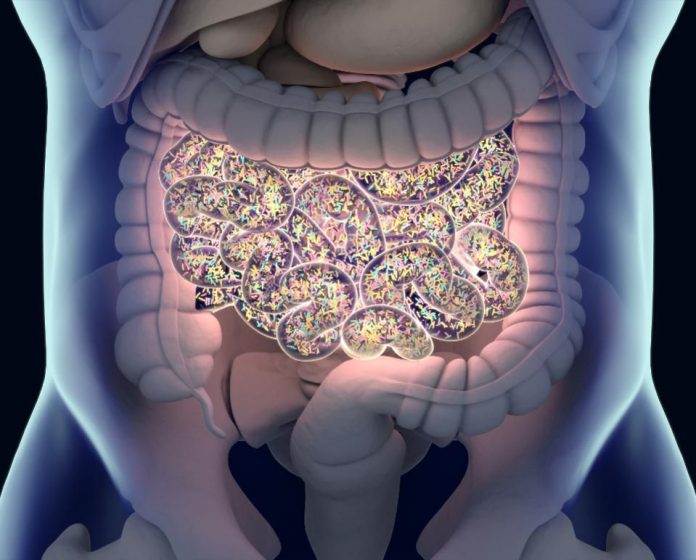
An unhealthy, inflamed gut causes breast cancer to become much more invasive and spread more quickly to other parts of the body, new research from the University of Virginia Cancer Center suggests.

Melanie Rutkowski, PhD, of UVA’s Department of Microbiology, Immunology and Cancer Biology, found that disrupting the microbiome of mice caused hormone receptor-positive breast cancer to become more aggressive. Altering the microbiome, the collection of microorganisms that live in the gut and elsewhere, had dramatic effects in the body, priming cancer to spread.

“When we disrupted the microbiome’s equilibrium in mice by chronically treating them antibiotics, it resulted in inflammation systemically and within the mammary tissue,” she said. “In this inflamed environment, tumour cells were much more able to disseminate from the tissue into the blood and to the lungs, which is a major site for hormone receptor-positive breast cancer to metastasize.”

Hormone Receptor-Positive Breast Cancer
Most breast cancers — 65 percent or more — are hormone receptor positive. That means their growth is fueled by a hormone, either estrogen or progesterone. The good news is that these types of cancers are likely to respond well to hormone therapy.

Predicting whether such cancers will spread beyond the breast to other parts of the body (a process called metastasis) is a major challenge within the field, and is primarily driven by clinical characteristics at the time of diagnosis. Early metastasis is affected by a variety of factors, Rutkowski explained. “One of them is having a high level of [immune] cells called macrophages present within the tissue,” she said. “There have also been studies that have demonstrated that increased amounts of the structural protein collagen in the tissue and tumour also lead to increased breast cancer metastasis.”

Having an unhealthy microbiome prior to breast cancer increased both, and the effect was powerful and sustained. “Disrupting the microbiome resulted in long-term inflammation within the tissue and the tumour environment,” Rutkowski said. “These findings suggest that having an unhealthy microbiome, and the changes that occur within the tissue that are related to an unhealthy microbiome, may be early predictors of invasive or metastatic breast cancer. Ultimately, based upon these findings, we would speculate that an unhealthy microbiome contributes to increased invasion and a higher incidence of metastatic disease.”

Maintaining a Healthy Microbiome
While Rutkowski used powerful antibiotics to disrupt the mice’s natural gut bacteria, she emphasized that antibiotics are not dangerous and should not be avoided by women with breast cancer or anyone who needs them to treat infections. Mice, after all, are not people, and substantially more research needs to be done to define whether an association exists between chronic antibiotics usage and cancer outcome. For this study, the antibiotics were only a means to an end, a simple way to create a long-term imbalance to the microbiome, similar to what individuals may experience with chronically unhealthy microbiomes. The effect was far, far more exaggerated than would occur in a person taking a normal course of antibiotics, or even multiple rounds.

Thanks in part to Rutkowski’s research, doctors eventually may be able to manipulate the microbiome to benefit patients with breast cancer. But the key message, for now, Rutkowski said, is the importance of a healthy microbiome. The finding adds to the growing evidence demonstrating that a healthy microbiome is vital for many aspects of good health.

While she is a cancer researcher rather than a medical doctor, Rutkowski noted there are things that are generally accepted to promote a healthy microbiome. “A healthy diet, high in fiber, along with exercise, sleep — all of those things that contribute to positive overall health,” she said. “If you do all of those things, in theory, you should have a healthy microbiome. And that, we think, is very much associated with a favourable outcome in the long term for breast cancer.”

Story Source: Materials provided by University of Virginia Health System.
Note: Content may be edited for style and length.

Journal Reference: 1. Claire Buchta Rosean, Raegan R Bostic, Joshua C. M. Ferey, Tzu-Yu Feng, Francesca N Azar, Kenneth S Tung, Mikhail G Dozmorov, Ekaterina Smirnova, Paula D. Bos, Melanie R Rutkowski. Pre-existing commensal dysbiosis is a host-intrinsic regulator of tissue inflammation and tumor cell dissemination in hormone receptor-positive breast cancerCancer Research, 2019; canres.3464.2018 DOI: 10.1158/0008-5472.CAN-18-3464

Pizza Pizza Adds Plant-Based Protein Options to the Menu

0
Starting today, Pizza Pizza customers can order the Super Plant Pizza and customize their orders with two all new plant-based toppings (CNW Group/Pizza Pizza Limited)

Canadians looking for more flexibility and plant-based options when it comes to their pizza orders need to look no further. Today, Pizza Pizza announced the launch of their new Super Plant Pizza, the first plant-based protein topping recipe available on the menu.  The latest innovation by the iconic Canadian brand is in response to the growing trend and consumer demand for more plant-based and environmentally responsible options. The new menu items will be available in all traditional Pizza Pizza restaurants across Canada.

“The pizza landscape in Canada is continuously evolving and we have always been an innovation leader at the forefront,” said Paul Goddard, CEO, Pizza Pizza.  “The launch of the Super Plant Pizza with our plant-based protein options is an exciting moment in our brand history and one that we are very proud of.  We will continue to create flexible options to suit all dietary preferences as we look to the future.”

The new Super Plant Pizza recipe is a delicious combination of flavours and is available on any crust, including their newest crust innovation, Cauliflower Crust. The recipe includes:  homestyle Italian tomato sauce, mozzarella cheese, and is topped with plant-based pepperoni and plant-based chorizo crumble.  For a truly vegan experience, customers are also able to order dairy-free vegan cheese.

“Most people personalize their pizza and consumers want options; that’s something we’ve continually offered consumers, putting quality and great taste at the forefront of introducing new options,”  said Alyssa Huggins, Vice President, Marketing, Pizza Pizza. “With the launch of the Super Plant Pizza and the plant-based protein options we are responding to our customers’ ever-changing needs, namely the flexitarian movement, but also growth in consumers identifying as vegan or vegetarian.”

The plant-based protein options have been made available through a strategic partnership with Yves Veggie Cuisine (plant-based pepperoni) and Field Roast Grain Meat Co., owned by Greenleaf Foods, SPC (plant-based chorizo crumble).  Both brands are proven leaders in the plant-based protein space and offer a unique flavour in all their products.

Since 1967, Pizza Pizza has been a leader in Canada’s quick-service restaurant industry with notable firsts and innovations. The company was among the first in the pizza category to eliminate non-natural trans-fats and artificial colours and flavours from its menu. Pizza Pizza is also known for the introduction of a time guarantee on delivery, the invention of the insulated pizza delivery bag, as well as the implementation of a centralized call centre and iconic 967-1111 phone number.

For more information, visit www.pizzapizza.ca.

About Pizza Pizza Limited
For more than 50 years, Pizza Pizza Limited has been guided by a vision of “Always the best food, made especially for you”, with a focus on quality ingredients, customer service, continuous innovation and community involvement. With more than 750 locations across Canada, the company is Canada’s pizza pioneer and a quick-service restaurant leader, operating two banners – Pizza Pizza and Pizza 73 – that deliver quality food choices, diverse menus and exciting promotions for all tastes, lifestyles and budgets. Visit www.pizzapizza.ca and www.pizza73.com for more information.

SOURCE Pizza Pizza Limited
Related Links
www.pizzapizza.ca

Learning from nature’s bounty: New libraries for drug discovery

0

By completing a complex molecular synthesis of these compounds attached to a unique identifying DNA strand, the Chemists of the University of Basel have built a rich collection of natural product-like macrocycles that can be mined for new medicines as the researchers report in the scientific journal Angewandte Chemie.

Natural evolution has created an incredible diversity of small molecular structures that perturb living systems and are therefore used as drugs in medicinal applications. Although several dozen approved medicines are macrocyclic structures, nearly all of these are natural products or close derivatives.

To find new lead compounds in drug research, huge libraries with diverse structures are required – or simply put, rich collections of molecules. Medicinal chemists have failed to imitate Nature’s approach to bioactive macrocyclic molecules – and their long syntheses precluded the creation of large screening libraries, which are essential for identifying drug leads.

A challenge for synthetic chemistry
Researchers at the chemistry department of the University of Basel have now completed a total synthesis of over one million macrocycles that incorporate structural elements often observed in natural biologically active macrocycles.

The synthesis is based on the split-and-pool principle: Before a synthesis step, the whole library is split. Then each fraction is coupled with one of the various building blocks and the newly built molecules are labelled with a covalently attached DNA sequence. Before the next synthesis step, all fractions are pooled again.

This leads to the cross combination of all diversity elements. Each combination is attached to a specific DNA barcode. Through this approach, all 1.4 million members of the pooled library could be screened in a single experiment. Next generation DNA sequencing on the selected libraries could then identify macrocycles that bind target proteins.

Macrocycles are unlikely yet potent drugs
Most small molecule drugs are hydrophobic molecules (“water repellants”) with a low molecular weight (less than 500 daltons). Because of this, these drugs tend to slip without a problem through cell membranes, exposing them to the great majority of disease-relevant proteins. Macrocycles buck this trend because they are often extremely large (more than 800 daltons) by medicinal chemistry standards, and yet they passively diffuse through cell membranes.

Researchers speculate that this special property of natural macrocycles derives from their ability to adapt their spatial structure (conformation) depending on the medium. Hence in the largely water-based environment of the bloodstream and cell interior, the macrocycles would expose their more water compatible (hydrophilic) groups to remain soluble. Once the hydrophobic cell membrane is encountered a conformational shift could allow the molecules to expose their hydrophobic face, making them soluble in membranes and hence capable of passive diffusion.

New applications possible
Given their unique properties, macrocycles are conspicuously under-represented in medicinal chemistry. This is largely due to the synthetic challenge of creating a large collection of macrocycles for screening. With the help of a barcoding DNA strand, the Gillingham group has overcome this hurdle by developing an efficient seven-step synthesis of a natural product-like macrocycle library all pooled in one solution.

“With a large diverse collection of macrocycles available for screening, a more data-rich investigation of the properties of these extraordinary molecules can begin”, comments Dennis Gillingham. “This might reveal future medicinal applications, targets or active principles.”

Credit: University of Basel

The world largest meat processor Tyson Foods Unveils Alternative Protein Products and New Raised & Rooted® Brand

0

The Raised & Rooted brand was created to provide great-tasting plant-based and blended foods that are rooted in how people eat today. The initial products under this new brand, which will launch with several major retail customers this year, include plant-based nuggets as well as blended burgers made with a combination of beef and plants. In addition, the company’s existing Aidells® brand has launched Aidells Whole Blends™ sausage and meatballs, made with chicken and plant-based ingredients.

Tyson Foods expects to introduce additional alternative protein products through multiple customers and sales channels. This includes products under the Raised & Rooted brand and across the company’s portfolio of iconic brands, as well as to foodservice operators.

Major retail and foodservice customers have expressed interest in what Tyson Foods can bring to the alternative protein segment, which is estimated to be a multi-billion-dollar category and continues to grow. The company’s depth and breadth of experience in protein product development, manufacturing, distribution and marketing, makes it uniquely positioned to introduce new plant-based and blended proteins, and drive growth.

“Today’s consumers are seeking more protein options so we’re creating new products for the growing number of people open to flexible diets that include both meat and plant-based protein,” said Noel White, president and CEO of Tyson Foods. “For us, this is about ‘and’ – not ‘or.’ We remain firmly committed to our growing traditional meat business and expect to be a market leader in alternative protein, which is experiencing double-digit growth and could someday be a billion-dollar business for our company.”

Earlier this year, White selected Justin Whitmore to lead all aspects of Tyson Foods’ alternative proteins business, channelling Tyson Foods’ capabilities to provide consumers with exciting new protein options.

“The creation of the Raised & Rooted brand is an excellent example of Tyson’s ability to think big and move fast, capitalizing on our existing infrastructure,” said Whitmore. “We began development of our alternative protein products last year and have succeeded in creating a new brand and bringing those products to market in well under a year. Customers tell us they love the taste and nutritional attributes and are excited to partner with us.”

“While most Americans still choose meat as their primary source of protein, interest in plant and blended proteins is growing significantly,” added Noelle O’Mara, Tyson Foods’ chief marketing officer. “These products appeal to a broad cross-section of consumers who enjoy food from a variety of protein sources and we expect interest to continue to grow across protein types. The Raised and Rooted launch and our pipeline of innovation will reflect our consumer’s expectations for 100% plant-based, blended, and traditional protein offerings.”

The Raised & Rooted® nuggets will launch through national retailers in late summer and the blended burgers this fall. The products have been developed by Tyson Foods’ innovation, culinary and consumer insights teams in Chicago and Northwest Arkansas. 

The Raised & Rooted nuggets are made from a blend of pea protein isolate and other plant ingredients and contain five grams of fiber and omega-3s and less saturated fat than traditional nuggets. The blended burger is made with Angus beef and pea protein isolate and has fewer calories and less saturated fat than the plant-based burgers sold by several competing companies.

Aidells® Whole Blends™ products include a portfolio of fully-cooked sausage links and meatballs made with a blend of high quality, no antibiotics ever chicken and plant-based ingredients such as chickpeas, black beans, quinoa, lentils and barley.

Through Tyson Ventures, the company’s venture capital fund, Tyson Foods also continues its investment in start-up companies involved in alternative proteins. Current investments include mushroom-based protein producer MycoTechnology and cell-based meat producers Memphis Meats and Future Meat Technologies.

About Tyson Foods
Tyson Foods, Inc., (NYSE: TSN) is one of the world’s largest food companies and a recognized leader in protein. Founded in 1935 by John W. Tyson and grown under three generations of family leadership, the company has a broad portfolio of products and brands like Tyson®, Jimmy Dean®, Hillshire Farm®, Ball Park®, Wright®, Aidells®, ibp®, and State Fair®. Tyson Foods innovates continually to make protein more sustainable, tailor food for everywhere it’s available and raises the world’s expectations for how much good food can do. Headquartered in Springdale, Arkansas, the company had 121,000 team members at September 29, 2018. Through its Core Values, Tyson Foods strives to operate with integrity, create value for its shareholders, customers, communities and team members and serve as a steward of the animals, land and environment entrusted to it.

Visit www.tysonfoods.com

Cardiovascular Corner – Low Lipids, Metformin, and Plant-Based Diets

0

Women’s stroke risk factors, a diabetes drug for heart disease, and a meta-analysis of diets made the news in recent months.

Low Lipids and Hemorrhagic Stroke
Very low levels of low-density lipoprotein cholesterol (LDL-C) or low levels of triglycerides were associated with an increased risk of hemorrhagic stroke among women in a prospective cohort study recently published in Neurology. Prior studies have linked low lipid levels to bleeding strokes, but sex-specific data haven’t been available until now.

Researchers examined data from 27 937 participants in the Women’s Health Study, most of whom were not taking lipid-lowering therapies at baseline. Over an average 19.3 years of follow-up, there were 137 incidents of hemorrhagic stroke. The strokes were more than twice as likely to occur among the 3.8% of women with LDL-C levels lower than 70 mg/dL relative to those with levels ranging from 100 to 129.9 mg/dL, the reference range. And compared with women in the top quartile of triglycerides, those in the lowest quartile also had 2 times the risk of hemorrhagic stroke.

Although very low LDL-C levels are not considered a risk factor for heart attack and ischemic stroke, the findings suggest this may not be the case for hemorrhagic stroke. Low cholesterol may affect the integrity of the vessel walls, making them more susceptible to bleeding events, said lead study author Pamela Rist, ScD, an associate epidemiologist at Brigham and Women’s Hospital and an assistant professor of medicine at Harvard Medical School in Boston. Given this, it’s “important to manage other risk factors for hemorrhagic stroke among these women, such as hypertension or smoking,” Rist told JAMA.

Women with LDL-C levels ranging from 130 to 159.9 mg/dL or 70 to 99.9 mg/dL did not have a greater risk of hemorrhagic stroke in the study. But the researchers did find a nonsignificant suggestion of increased risk in women with high levels of LDL-C at or above 160 mg/dL. (Fluticasone) Other studies have not explored whether high LDL-C levels are associated with hemorrhagic strokes, according to Rist, so further research is needed.

Metformin’s Cardioprotective Effect
A 2000-mg daily dose of metformin improved left ventricular hypertrophy (LVH) in a proof-of-concept randomized clinical trial involving 68 patients who did not have diabetes but had coronary artery disease (CAD) and insulin resistance, prediabetes, or both. Published recently in the European Heart Journal, the results bolster observational data that suggest metformin is cardioprotective and raise the possibility of using the drug in patients with CAD who don’t have diabetes, the study’s authors said.

A serious risk factor for adverse cardiovascular outcomes, LVH—thickening of the heart’s main pumping chamber—is largely a consequence of high blood pressure. However, normotensive patients with obesity or insulin resistance can also develop the condition, highlighting the need for new treatment strategies beyond blood pressure control.

In the 12-month trial, prolonged-release metformin significantly reduced left ventricular mass indexed to height compared with placebo. The diabetes drug also reduced body weight, systolic blood pressure, and a biomarker for oxidative stress—changes that could underpin its effect on LVH, according to Chim Lang, MD, the study’s senior author and head of the division of molecular and clinical medicine at the University of Dundee School of Medicine in Scotland.

The results from an ongoing larger trial could provide conclusive evidence of metformin’s cardioprotective effects, Lang said.

Red Meat vs Plant-Based Protein
Substituting red meat with high-quality plant protein sources was associated with more favourable changes in cardiovascular risk factors relative to dietary replacements combined in a recent meta-analysis of randomized clinical trials (RCTs) published in Circulation.

Previous findings from RCTs that evaluated the effects of red meat on cardiovascular disease risk factors have been inconsistent. However, when comparing outcomes, those studies combined non–red meat diets, which varied considerably in quality and composition.

The new study, which included 36 trials involving 1803 participants, is the first to separately compare diets high in red meat with those high in other types of foods, according to lead author Marta Guasch-Ferré, PhD, a research scientist in the department of nutrition at the Harvard T.H. Chan School of Public Health in Boston. Comparison diets were stratified by high-quality plant protein; chicken, poultry, and fish; fish only; poultry only; mixed animal protein sources including dairy; low-quality refined grains and simple sugars; or usual diet.

Based on this analysis, diets with more high-quality plant protein from sources such as legumes, soy, and nuts were linked to lower levels of both total and LDL cholesterol compared with red-meat heavy diets. However, when diets with red meat were compared with all other types of diets combined, no significant differences in total cholesterol, lipoproteins, or blood pressure were found. Only triglyceride levels were elevated with red meat consumption compared with other diets combined.

Surprisingly, red meat-heavy diets appeared to lower cholesterol levels more than fish diets. Long-term, well-designed studies are needed to confirm this. “The potentially beneficial effects of red meat consumption versus fish on total cholesterol and LDL-C observed in our analyses may mostly reflect studies in which participants consumed lean, unprocessed meat and both interventions adhered to nutritional recommendations,” Guasch-Ferré said.

“The main takeaway message should be to encourage the intake of legumes, nuts, vegetable fats, oils, and other foods from plant sources while the intake of animal fats, and particularly red and processed meat, should be discouraged,” she added.

The findings also underscore the importance of the comparison diet when assessing the effects of nutrients or foods, Guasch-Ferré said. High-quality plant protein sources generally have higher proportions of polyunsaturated fatty acids and fibre than red meat, and no cholesterol, potentially leading to health improvements, but red meat may have null or more beneficial effects on cardiovascular risk factors than do refined grains or added sugars.

However, Guasch-Ferré cautioned that most of the individual studies included in the meta-analysis were small and that dietary intervention trials sometimes have low compliance, which could minimize differences between comparison diets. She also noted that the total diet could modify the effects of individual foods on lipid parameters.

Plant-Based Skincare PSODEX Launches New Website With Its #BacktoBasics Approach

0
Psodex's team has selected the most effective plant-based ingredients to formulate skincare products that actually work. No harsh chemicals, just good stuff anyone would want to put on their face.

Psodex is a skincare health brand that uses natural, plant-based ingredients to provide cosmetic skincare products. Passed down from a healer in a mountain top, and closely studied by scientists, Psodex’s no-hidden ingredient moisturizing cream steps up to meet the demands of those looking to simplify their skincare routine and get back to basics with a non-toxic, all-natural solution.

“The demand for transparency in ingredients in the highly chemical and toxic skincare world has grown exponentially in the past few years,” says Savas Sarikaya, COO. “We hope our new website and social media efforts enable us to better connect to those thousands of people who have grown weary of the adverse effects of chemical ingredients in their products and are searching for simpler, yet effective ways of protecting their skin on a daily basis.”

Psodex’s scientists say the plant-based formula was inspired by an ancient natural remedy that was given to their founder’s mother more than four decades ago when she was suffering from a rare skin condition. She and her colleagues used various scientific processes to discover the plants used in the remedy. Then, they created a moisturizer formula that contained these plant-based ingredients and left harsh chemicals out of the equation.

“The hidden properties in plants can be powerful agents to bring about healing. Our founder, Dr.Yesim and her team, were able to extract these potent ingredients known to go deep into the layers of the skin to mend it from within, leaving the skin radiant and beautiful,” says Savas Sarikaya. “Today, we continue our founder’s vision of informing all our customers about the natural properties in our Psodex products – this time, in a more direct, and clean look through our new website and social media efforts.”

Psodex’s website has now launched and can be viewed at psodexusa.com. This platform is meant to inform and bring together all of those interested in learning more about the brand and the back to basics approach in their products. Its blog touches on a variety of natural skincare topics, while its add-to-cart function gives visitors an option to buy all of Psodex’s products online.

Less Processed Meat, More Plant-Based Foods May Boost Longevity

0
Joe Raedle/Getty Images

A large body of evidence has shown that higher red meat consumption, especially processed red meat, is associated with an increased risk of type 2 diabetes,1 cardiovascular disease,2 certain types of cancer, including colorectal cancer,3 and mortality.45 Consumption of processed red meat (eg, bacon, hot dogs, and sausages) has been associated with additional health outcomes, including chronic obstructive pulmonary disease,6 heart failure,7 and hypertension.8 Components of red and processed meats such as proatherosclerotic lipids (eg, saturated fat),9 potential carcinogens (eg, polycyclic aromatic hydrocarbons),10 sodium, and preservatives could contribute to adverse health outcomes.

Red meat is a major component of dietary patterns in Western populations. The average consumption of red meat in the United States has decreased in recent decades, but it remains more than twice the global average.11 Several epidemiological studies have analyzed the relation between red meat consumption and mortality risk. In this study, we examined whether changes in red meat intake are associated with subsequent risk of total and cause-specific mortality.

Analyze of the association of changes in red meat consumption over eight years with mortality risk during the subsequent eight years. Participants were US women from the Nurses’ Health Study and US men from the Health Professionals Follow-up Study. 

The Dietary Guidelines for United States 2015-2020 include the recommendation: “Strategies to increase the variety of protein foods include incorporating seafood as the protein foods choice in meals . . . and using legumes or nuts and seeds in mixed dishes instead of some meat or poultry.”12 Therefore, we used statistical models to estimate the effects of replacing red meat with equivalent amounts of other protein sources, such as nuts, poultry, fish, dairy, eggs, and legumes, and whole grains and vegetables.

Study population
The Nurses’ Health Study is a prospective cohort study of 121 700 US registered female nurses aged 30-55 at enrollment. The study started in 1976 and nurses completed a baseline questionnaire about demographic factors, diet habits, lifestyle, and medical history. The Health Professionals Follow-up Study was established in 1986 when 51 529 US male health professionals aged 40-75 returned a baseline questionnaire about detailed medical history, lifestyle, and usual diet. In both cohorts, questionnaires were completed biennially after baseline to collect and update information on lifestyle and occurrence of new-onset diseases. The follow-up rates were approximately 90% for both cohorts. Detailed descriptions of the cohorts have been published elsewhere.1314

The baseline of the current analysis was set as 1994, which is eight years after 1986 when detailed information on diet, physical activity, and other lifestyle factors was collected for both cohorts. The end of follow-up was 2010. The researchers excluded participants who had a history of heart disease, stroke or cancer, missing information on diet and lifestyle covariates, extreme energy intake (men: <800 or >4200 kcal/day; women: <500 or >3500 kcal/day; 1 kcal=4.18 kJ=0.00418 MJ), or those who died before baseline (that is, 1994). The final analysis included 53 553 women and 27 916 men.

Dietary assessment
The two cohorts completed a validated semiquantitative food frequency questionnaire in 1986 and every four years thereafter. Participants were asked how often, on average, they consumed a standard portion of each food in the past year. Frequency response categories ranged from never or less than once a month, to six or more times each day. Questionnaire items on unprocessed red meat (one serving, 85 g) included beef, pork, and lamb as a main dish; hamburger; and beef, pork, or lamb as a sandwich or mixed dish. Items on processed red meat included bacon (one serving, two slices, 13 g), hot dogs (one serving, one hot dog, 45 g), and sausage, salami, bologna, and other processed red meats (one serving, one piece, 28 g). Total red meat included unprocessed and processed red meat. The reproducibility and validity of the food frequency questionnaire have been described elsewhere151617 and show good correlations with several weeks of food records.16 For the Health Professionals Follow-up Study, the corrected correlation coefficients between the food frequency questionnaire and multiple dietary records were 0.59 for unprocessed red meat and 0.52 for processed red meat18; we observed similar correlations for the Nurses’ Health Study.16 In a subcohort of the Nurses’ Health Study (n=3690), higher red meat consumption was associated with unfavourable plasma concentrations of inflammatory and glucose metabolic biomarkers.19 In the current study, we calculated a modified diet score of the alternative healthy eating index to assess overall diet quality after removing the red meat components.17

Ascertainment of mortality
Death from any cause was the primary outcome of this analysis. We identified deaths by using the state vital statistics records, the national death index, reports by families, and the postal system.20 Using these methods, we ascertained 98% of deaths in each cohort.20 We sought death certificates for all deaths, and when appropriate, requested permission from the next of kin to review medical records. A physician reviewed death certificates and medical records and determined the underlying cause of death according to the ICD-8 and ICD-9 (international classification of diseases, eighth and ninth revisions). We grouped causes of death into six major categories.

Covariates measurement
Information on potential confounders was assessed and updated biennially. These confounders included age, race, family history of myocardial infarction, diabetes or cancer, weight, smoking status, aspirin use, multivitamin use, menopausal status and postmenopausal hormone therapy use for women, physical activity, and physician-diagnosed hypertension, diabetes, or hypercholesterolemia. Alcohol consumption was assessed and updated from the food frequency questionnaire every four years. Height and weight were used to calculate body mass index. Detailed descriptions of the validity and reproducibility of self-reported body weight, physical activity, and alcohol consumption have been published elsewhere.212223

Statistical analysis
Researchers calculated the follow-up person-years from the date of returning the 1994 questionnaire to the date of death or the end of follow-up, whichever came first. Updated eight-year change in red meat consumption was used as the time-varying exposure. We used time-dependent Cox proportional hazards regression to estimate the hazard ratios and 95% confidence intervals of total and cause-specific mortality in the subsequent eight years; that is, changes in red meat consumption between 1986 and 1994 predicted mortality in 1994-2002, and changes in red meat consumption between 1994 and 2002 predicted mortality in 2002-10. We divided participants into five categories based on their changes in red meat consumption: two increase categories (increase of >0.5 serving per day or 3.5 servings per week; increase of 0.15-0.5 serving per day or 1-3.5 servings per week); two decrease categories (decrease of >0.5 serving per day or 3.5 servings per week; decrease of 0.15-0.5 serving per day or 1-3.5 servings per week), and one reference category (increase or decrease of <0.15 serving per day or <1 serving per week). We also calculated hazard ratios and the corresponding 95% confidence intervals for changes in red meat consumption.

We adjusted multivariable models for initial age, calendar year as the underlying time scale, race (white v other), family history of myocardial infarction, diabetes, or cancer (yes v no), initial aspirin use (yes v no), and initial multivitamin use (yes v no). We also adjusted for initial consumption of red meat (in fifths); body mass index categories (<23, 23-24.9, 25-29.9, 30-34.9, and ≥35); menopausal status and hormone therapy use in women (premenopausal, postmenopausal and hormone therapy never user, postmenopausal and hormone therapy current user, postmenopausal and hormone therapy past user, or missing indicator); simultaneous changes in smoking status (never to never, never to current, former to former, former to current, current to former, current to current, or missing indicator); initial and simultaneous changes in physical activity, alcohol consumption, total energy intake, and other main food groups, including vegetables, fruits, whole grains, and sugar-sweetened beverages (all in fifths). In an additional model, we further adjusted for initial history of hypertension, hypercholesterolemia, or diabetes (all yes v no), and simultaneous weight change (in fifths), which were potential mediators of the association between red meat changes and mortality. Unprocessed and processed red meat changes were also estimated separately. Stratified analyses were performed a priori by treating total red meat change as a continuous variable according to initial age, body mass index, smoking status, physical activity, alcohol consumption, and modified the alternative healthy eating index. The significance of the interaction terms was tested by including cross-product terms for each category and change in red meat consumption in the multivariable models.

As well the risk of death examined associated with a decrease in red meat by one serving per day and a simultaneous increase of one serving per day of poultry (no skin), fish, dairy products, eggs, legumes, nuts, whole grains, or vegetables (no legumes).  Concurrent changes were included in all these food sources, in addition to red meat, in the same multivariable model. The difference in the β coefficients for change in red meat and change in the alternative food was used to estimate the hazard ratio; the corresponding variances and covariance were used to estimate 95% confidence intervals.24

In secondary analyses, short term (four years) and long term (12 years) changes in red meat consumption for associations were estimated with total mortality (four-year change in red meat consumption predicted four-year follow-up and 12-year change in red meat consumption predicted 12-year follow-up). Researchers also modelled associations of a decrease of one serving per day of red meat substituted with an alternative food over four years with total mortality in the subsequent four years and the same substitution over 12 years with total mortality in the subsequent 12 years.

We calculated hazard ratios and 95% confidence intervals from the different models separately for each cohort, and then we pooled the results by using an inverse variance weighted meta-analysis with the fixed effects model. Analyses were performed with SAS version 9.4 for UNIX (SAS Institute, Cary, NC). Statistical tests were two sided and a P value less than 0.05 was considered statistically significant.

Patient and public involvement
No patients were involved in setting the research question or the outcome measures, nor were they involved in the design and implementation of the study. No plans exist to involve patients in dissemination.

In the Nurses’ Health Study,  8426 deaths were identified during the follow-up (804 685 person-years): 1774 deaths from cardiovascular disease, 3138 from cancer, 939 from neurodegenerative diseases, 751 from respiratory diseases, and 1824 from other causes. In the Health Professionals Follow-up Study, we identified 5593 deaths during follow-up (409 073 person-years): 1754 deaths from cardiovascular disease, 1754 from cancer, 434 from respiratory diseases, 375 from neurodegenerative diseases, and 1276 from other causes.

Source: BMJ

When It Comes To Food, One Size Doesn’t Fit All: World’s Largest Scientific Nutrition Research Project Reveals Even Identical Twins Have Different Responses To Food

0

Novel findings presented at the American Society of Nutrition and the American Diabetes Association conferences

BOSTON and LONDON, June 10, 2019 /CNW/ — The first results were revealed from the largest ongoing scientific nutrition study of its kind today, led by an international team of leading scientists including researchers from King’s College London, Massachusetts General Hospital and nutritional science company ZOE, showing that individual responses to the same foods are unique, even between identical twins.

Presented at both the American Society of Nutrition and the American Diabetes Association conferences, the findings demonstrate that old-fashioned, one-size-fits-all dietary guidelines are too simplistic and that a personalized approach to nutrition is likely to provide better long-term health benefits.

The researchers measured how blood levels of markers such as sugar, insulin and fat change in response to specific meals, along with data on activity, sleep, hunger and gut bacteria (microbiome) in thousands of participants in the US and UK, mostly pairs of twins.

ZOE is using machine learning techniques to analyze this wealth of detailed nutritional data and is developing a consumer test and app, giving people the power and confidence to choose the right foods that optimize their personal metabolism, control weight and maintain good health.

The team is also announcing a major expansion of its work in collaboration with scientists at Stanford and Tufts Universities. The next phase will recruit more than a thousand volunteers across the US who want to understand their own personal responses to food and contribute to cutting-edge nutritional science by taking part at home. Find out more at joinzoe.com

This groundbreaking nutrition research project was born out of the Twins UK Study – a unique 25-year investigation of health and lifestyle in 14,000 twins led by Tim Spector, Scientific Founder of ZOE, Professor of Genetic Epidemiology at King’s College London and author of The Diet Myth.

After realizing that genetically identical twins had very different food preferences and responses, Spector teamed up with technologists Jonathan Wolf and George Hadjigeorgiou to create ZOE, setting up a series of scientific studies in the US and Europe involving thousands of volunteer health enthusiasts and top researchers in the field of nutrition and health.

The key research findings presented at the ASN and ADA are:

  • 1,100 UK and US adults (60% twins) were studied for two weeks of monitoring of blood sugar, insulin, fat levels (triglycerides) and other blood markers in response to a combination of standardized and freely chosen meals.
  • The results reveal a wide variation in blood responses to the same meals, whether they contained carbohydrates or fat.
  • For example, some participants had rapid and prolonged increases in blood sugar and insulin, which are linked to weight gain and diabetes. Others had fat levels that peaked and lingered in the bloodstream hours after a meal, raising the risk of developing heart disease.
  • This large variation is only partly explained by genetic factors (less than 50% for glucose, less than 30% for insulin and less than 20% for triglycerides) and there is only a weak correlation between an individual’s responses to fat and carbohydrates.
  • Identical twins who share all their genes and most of their environment often had different responses to identical foods. The study also finds that identical twins shared just 37% of their gut microbes – only slightly higher than the 35% shared between two unrelated individuals.
  • Surprisingly, the proportions of nutrients such as fat, proteins and carbohydrates listed on food labels explain less than 40% of the differences between individuals’ nutritional responses to meals with similar amounts of calories. There are also large differences in responses to the same meals depending on the time of day they are eaten.
  • The results suggest that personal differences in metabolism due to factors such as the gut microbiome, meal timing and exercise are just as important as the nutritional composition of foods, supporting the idea that simple nutritional labeling is insufficient for assessing food.
  • ZOE’s machine learning algorithm makes predictions about an individual’s personal nutritional response that is strongly correlated with real-life measurements, and will continue to improve as the company’s dataset grows.

Professor Spector said, “The sheer scale and detail of our scientific project is such that for the first time we can explore tremendously rich nutrition data at the level of an individual. Our results surprisingly show that we are all different in our response to such a basic input as food. It was a real shock to see that even identical twins have such different responses.”

Dr. Andrew Chan, Professor of Medicine at Harvard Medical School and a gastroenterologist at Massachusetts General Hospital, said, “It is reassuring that our genetic makeup only partially explains how our bodies respond to food. This underscores that our metabolism is not fixed – we have the power to change it. One exciting avenue is to tailor our diets to the bacteria in our gut that helps us metabolize nutrients.”

“For the first time, we’re expanding large-scale nutritional research beyond blood sugar. These findings show that the responses to food of a number of key metabolic markers – including triglycerides, insulin and blood sugar – are highly individualized. No one has been able to combine data on this scale before,” added Dr. Sarah Berry, Associate Professor in Nutritional Sciences at King’s College London and Scientific Advisor at Zoe.

“For most of us, the food we eat is the most important medicine we take. And yet we are all profoundly confused about what is good for us. We believe that combining science and machine learning can solve this, by understanding for the first time our individual responses to food,” said ZOE co-founder and CEO, Jonathan Wolf.

“We believe that everyone deserves to understand how they respond to food so that they can make confident decisions about what to eat and be in control of living a healthier and more enjoyable life,” said ZOE co-founder and President, George Hadjigeorgiou.

About the research:

  • Twins UK Study: Led by Professor Tim Spector at King’s College London, this study of 14,000 identical and non-identical twins produced over 700 publications over the course of 25 years, exploring the causes of a wide range of common diseases and health conditions. Studying twins allowed researchers to separate the impact of genes (nature) from the environment and lifestyle (nurture). See twinsUK.ac.uk for more information.
  • PREDICT 1 Study: Data from the Twins UK study was expanded through the first nutritional response study, carried out in the UK and US as a collaboration between King’s College London, Massachusetts General Hospital, ZOE and scientists around the world. The study intensively measured biological responses to specific foods in 1,100 people over 14 days, measuring a wide range of markers, from blood glucose and fat to exercise levels and gut microbiome diversity. The study included a full supervised day in the hospital with regular blood draws and wearable devices to capture sleep and exercise. Individuals also logged their food intake, hunger, and medication in an app, in addition to other clinical investigations such as gut microbe analysis. Tim Spector, Dr. Andrew Chan, and Dr. Sarah Berry are co-investigators.
  • PREDICT 2 Study: An expanded at-home version of PREDICT 1, PREDICT 2, which launches today, builds on the existing collaboration between King’s College London, Massachusetts General Hospital, ZOE and scientists around the world. In addition to Tim SpectorAndy Chan and Sarah BerryChristopher Gardner, Professor of Medicine at Stanford University, and Jose Ordovas, Professor of Nutrition at Tufts University, have joined as additional co-investigators.

About ZOE: 
ZOE is a nutritional science company on a mission to help people eat with confidence. We are leading the world’s largest ongoing scientific nutritional research project to understand our unique responses to food, developing a consumer at-home test and app that make it easy for everyone to understand the right foods for their unique metabolism in order to improve long-term health and manage weight more easily. The company is based in Bostonand London and has raised tens of millions from investors and entrepreneurs who have built multi-billion dollar technology companies. For more information on ZOE’s mission and science visit www.joinzoe.com or follow @ZOE on Instagram.

SOURCE ZOE

For further information: Moxie Communications Group, Shira Berg, 914-815-0975, ZOE@moxiegrouppr.com, http://www.joinzoe.com

Related Links

http://www.joinzoe.com

Flow Alkaline Spring Water Announces Campaign With Gwyneth Paltrow

0


“We all know hydration is one of the core tenets of great health and glowing skin, but the convenience of a water bottle is usually outweighed by its environmental ramifications,” says Paltrow. “Flow is changing the game with spring water that is naturally alkaline—nothing added—in 100% recyclable packaging. The pack is made from sustainably sourced fibres and even has a plant-based cap crafted from sugarcane.”

In addition to Gwyneth Paltrow star in the campaign, Flow Alkaline Spring Water is partnering with Paltrow’s modern lifestyle brand, goop, to be their exclusive water partner through 2019.

“I am incredibly excited to announce Flow Alkaline Spring Water’s campaign with Gwyneth Paltrow. This campaign is a huge milestone for our premium wellness water brand as it’s the first of its kind for Flow,” says Nicholas Reichenbach, Founder and CEO of Alkaline Spring Water. “It has been an honour working closely with Gwyneth Paltrow and her team at goop to make this campaign and partnership a reality. Gwyneth Paltrow is the perfect person for our biggest campaign yet. She embodies Flow’s mission to mindfully hydrate with naturally occurring alkaline water.”

Flow’s wellness-focused campaign will be activated to engage customers at the brand’s top retailers across the US, Canada, and Europe including Amazon, Whole Foods Market, Sprouts, CVS, Loblaws, and Metro.

About Flow(R) Alkaline Spring Water
Flow is the fastest growing global wellness water, providing naturally alkaline spring water while maintaining responsible business practices including sustainability and social good. The B-Corp Certified brand was founded in 2015 by entrepreneur Nicholas Reichenbach. Flow is mindfully sourced from a protected spring –  a natural source virtually untouched by man or machine. Flow is uniquely packaged in a Tetra Pak® paper carton made from +/- 68 percent renewable resources. Due to its unique origins, Flow’s water is filled with naturally occurring electrolytes, essential minerals, and an alkaline pH of 8.1. Flow is available in over 15,000 retailers across North America and Europe including Whole Foods Market, Loblaws, Sobeys, Metro, Rexall, and Farm Boy in Canada; Whole Foods Market, Sprouts Farmers Market, CVS, Safeway, Shop Rite, Giant Eagle, Bristol Farms, Raleys and Vitamin Shoppe in the US; Aqua Amore and DrinkSupermarket.com in the UK. For more information on Flow Alkaline Spring Water.


About Gwyneth Paltrow 
Oscar®-winning actress Gwyneth Paltrow is also a best-selling cookbook author, decorated singer and entrepreneur. In 2008, Paltrow founded goop from her kitchen table. goop has grown into a lifestyle brand devoted to helping women make their own choices count in the various facets of their lives—from style, travel, work, food, and beauty to physical, mental, and spiritual wellness. goop now has a tightly edited digital shop, a book imprint, permanent and pop-up retail experiences, a live event series and its own product lines, including skincare, fragrances, apparel, body, bath soaks and supplements.

About goop 
Goop is a lifestyle brand with its roots in content across six key pillars: wellness, travel, food, beauty, style, and work. Within those pillars, goop curates and sells a tightly edited array of products; we also make our own goods in beauty, fashion, and wellness. Goop launched in the fall of 2008 out of Gwyneth Paltrow’s kitchen as a homespun weekly newsletter. GP wanted to share her unbiased travel recommendations, health-centric recipes, and shopping discoveries, and she also wanted to get her own questions—about health, fitness, and the psyche—answered. Goop continues to be a place for GP, now the company’s CEO, to introduce readers to incredible experts who have mentored her throughout her life, along with new ideas about where to shop, eat, and stay, plus clean recipes.

SOURCE Flow Alkaline Spring Water