Among the many molecules attracting attention, nicotinamide mononucleotide (NMN) stands out as a potential game-changer. Positioned as a precursor to NAD+ (nicotinamide adenine dinucleotide), a coenzyme essential to cellular energy and repair, NMN is now marketed as a nutraceutical that may slow age-related decline, boost vitality, and reduce disease risk. For Canadian health food retailers, understanding both the science and the regulatory landscape of NMN is vital before adding it to the shelves.
What Is NMN and Why Does It Matter?
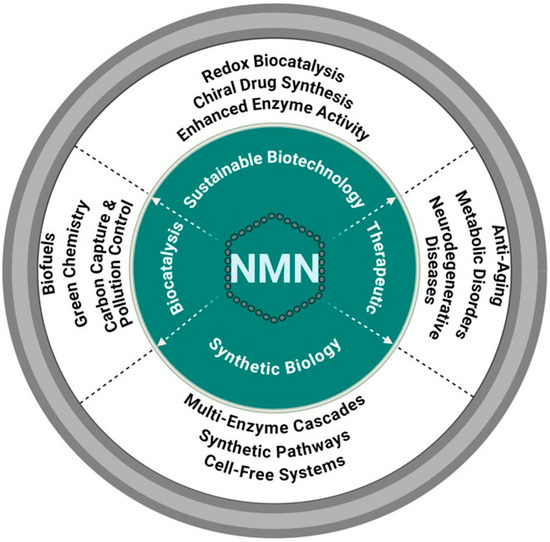
NMN is a bioactive form of vitamin B3 found in trace amounts in broccoli, avocado, cabbage, and shrimp. Inside the body, it is converted into NAD+, a molecule critical to mitochondrial energy production, DNA repair, and cell survival. NAD+ levels decline significantly with age, contributing to fatigue, cognitive impairment, inflammation, and vulnerability to metabolic disorders.
Supplementing with NMN may restore NAD+ levels, potentially reversing aspects of biological aging. Animal studies suggest improvements in insulin sensitivity, blood flow, cognitive performance, and cardiovascular health. Early results from human clinical trials indicate NMN is well-tolerated and may enhance glucose metabolism and muscle insulin sensitivity in older adults.
For consumers increasingly interested in “biohacking” and longevity, NMN represents the next frontier after antioxidants, collagen, and resveratrol.
The Science So Far
1. Preclinical promise
Rodent studies consistently show NMN supplementation supports energy metabolism, improves vascular function, and delays neurodegenerative changes linked to Alzheimer’s disease. Some studies even suggest NMN may restore fertility and protect against kidney and liver damage in aged animals.
2. Early human data
A handful of small clinical trials from Japan and the United States have reported that NMN supplementation (100–500 mg daily) is safe and can have a positive effect on insulin sensitivity and lipid metabolism. Importantly, no serious adverse events have been reported.
3. Safety gaps
Despite the optimism, experts caution that long-term safety and efficacy in humans remain unclear. Unlike nicotinamide riboside (NR)—another NAD+ precursor that has achieved FDA “Generally Recognized as Safe” (GRAS) status—NMN has not yet passed rigorous toxicological and regulatory hurdles in most jurisdictions. Over-the-counter NMN products vary widely in purity and potency, and some brands market megadoses of 500 mg or more without adequate evidence of safe usage.
Regulatory Status
Yes. Health Canada recognizes NMN as a Natural Health Product (NHP).
- Health Canada has published an official NMN monograph, listing permitted uses, dosage forms, and acceptable health claims such as supporting antioxidant activity and energy metabolism.
- To be legally sold, NMN supplements must carry a Natural Product Number (NPN), confirming they have been reviewed for safety, efficacy, and quality.
- NMN supplements are already available in Canada, but only those with an NPN are compliant with federal regulations. Retailers should verify this number on product labels before stocking.
- Marketing claims must follow Health Canada’s approved language. Suggesting NMN cures or prevents diseases like Alzheimer’s would exceed what is currently permitted.
- Importing NMN supplements from abroad requires compliance with Canadian standards; shipments that do not comply risk seizure at the border.
This makes Canada unique compared to other regions:
- In the United States, NMN is not currently FDA-approved, and its status as a dietary supplement is contested.
- In the European Union, NMN is not authorized as a novel food and therefore cannot be legally marketed as a dietary supplement.
For Canadian retailers, the key takeaway is simple: yes, NMN is approved—but only under strict NHP regulations.
Opportunity and Oversight
The global anti-aging supplement market is expected to exceed US$100 billion by 2030, with NAD+ precursors such as NMN and NR leading the pack. Consumer interest in cellular rejuvenation products is strong, particularly among adults over 50 and wellness enthusiasts in their 30s and 40s who are proactively seeking longevity solutions.
For health food store owners, NMN presents both a growth opportunity and a reputational challenge:
- High margins: NMN capsules typically retail between $60 and $120 per bottle, with dosage recommendations ranging from 150 mg to 500 mg per day.
- Premium positioning: NMN aligns well with high-end supplement categories, including mitochondrial health, brain support, and metabolic wellness.
- Consumer demand: Search trends and online sales platforms show rising consumer interest, particularly in North America and Asia.
But oversight matters. Stocking only NPN-approved products helps build customer trust and keeps your store compliant with Canadian law.
Stocking NMN Responsibly
- Source from trusted suppliers
Choose NMN brands with third-party testing, clear NPN licensing, and transparent manufacturing practices. Avoid grey-market imports that may lack safety verification. - Educate consumers
Position NMN not as a miracle cure, but as a promising supplement under active scientific investigation. Use shelf talkers and staff training to highlight both potential benefits (supporting energy, metabolism, and healthy aging) and limitations (limited long-term human research). - Bundle with complementary products
Consider pairing NMN with other longevity-focused supplements such as resveratrol, coenzyme Q10, and magnesium L-threonate, which target mitochondrial and cognitive health. - Monitor emerging science
Keep an eye on clinical trial results expected in the next 2–3 years, which will likely shape regulatory decisions and consumer confidence. - Be transparent
Many customers seeking anti-aging products are health-conscious seniors or middle-aged professionals who prioritize their well-being. They appreciate honesty around evidence gaps and will remain loyal if retailers provide credible, science-based guidance.
In conclusion
Nicotinamide mononucleotide (NMN) is one of the most talked-about nutraceuticals in the longevity space. For health food store owners, it represents a high-value product with strong consumer interest. In Canada, NMN has the added advantage of being approved under the Natural Health Product framework, making it legally available when properly licensed.
That said, NMN is still in the early stages of clinical research. While short-term studies suggest it is safe and beneficial, long-term data is lacking. Health food retailers can lead in this space by stocking NPN-approved products, educating consumers responsibly, and staying ahead of regulatory updates.
The demand for anti-aging solutions is expected to continue growing, making it crucial for natural health retailers to strike a balance between innovation and integrity.