




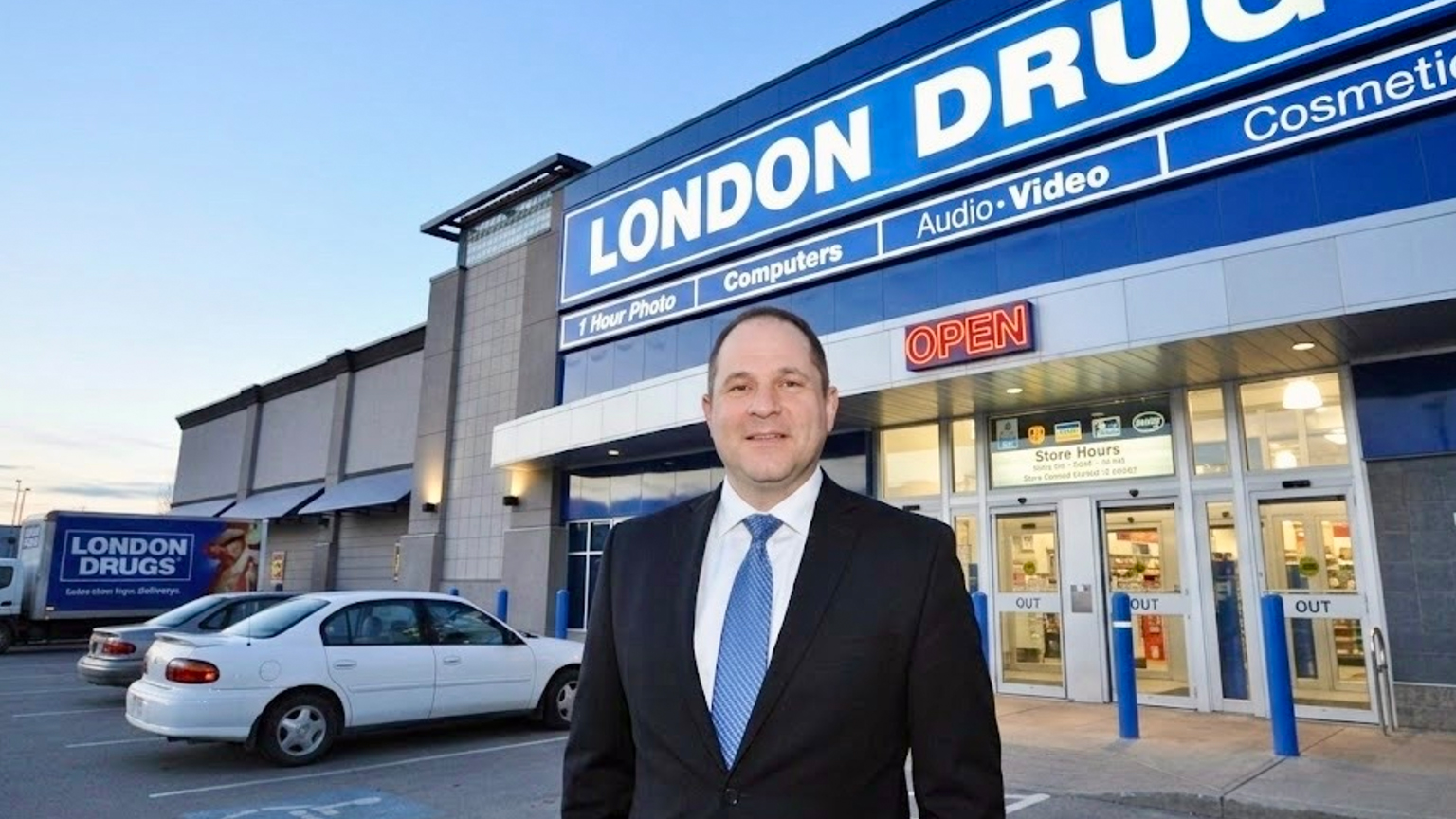
At first glance, London Drugs’ announcement looks like a standard leadership handoff. President and chief operating officer Clint Mahlman is set to retire on May 29, 2026, after 41 years with the company, and longtime executive Nick Curalli has been named his successor. But for the health retail sector, this is more than a retirement story. It is a signal that the next phase of pharmacy-led retail will be shaped by a tighter blend of service, trust, privacy, and technology.
That matters because London Drugs is not just another regional retailer. The company describes pharmacy and healthcare services as being at the heart of its business, and its Western Canadian footprint spans 80+ stores. Its pharmacy platform now includes pharmacist prescribing services, vaccines and immunizations, medication reviews, prescription management tools, and caregiver support. In other words, this is a real-world example of how pharmacy is evolving from a dispensary model into a broader care-and-convenience ecosystem.
Curalli’s appointment is especially notable because his background is rooted in technology leadership. London Drugs’ executive listings identify him as Vice President, Technology Solutions, and reporting on the transition notes he has held roles spanning IT, project management, and privacy-related responsibilities over a career of more than three decades with the company. That is an important signal for the pharmacy and natural health industries: digital capability is no longer a support function. It is becoming central to executive strategy. (
London Drugs’ own pharmacy infrastructure helps explain why. The company offers a prescription app and online tools that allow customers to manage refills, view medication information, and access their prescription profile, while also stressing that the platform is private, confidential, and built to meet or exceed privacy laws. It also promotes “Connected Wellness,” where its tech and pharmacy experts work together to help customers use health devices and share health data with care providers. For pharmacists and health retailers, that combination of care delivery and digital confidence is the real story.
The takeaway for the sector is clear. Consumers increasingly expect health retail to be convenient, secure, and clinically useful at the same time. They want vaccination access, medication guidance, refill visibility, and digitally enabled support without feeling that service has become impersonal. Retailers that still treat technology as a back-office function are likely underestimating how quickly the market is changing. That is an inference drawn from the model London Drugs is already building around expanded pharmacy services and digitally supported care.
There is also a culture lesson here. London Drugs said Curalli’s appointment allows for a seamless transition because he has worked closely with Mahlman since joining the executive team in 2004, and the company emphasized continuity in customer focus, communication, vendor relationships, and community service. For health retailers, that balance may be the real formula going forward: modernize aggressively, but do it without breaking the trust that made the business valuable in the first place.