



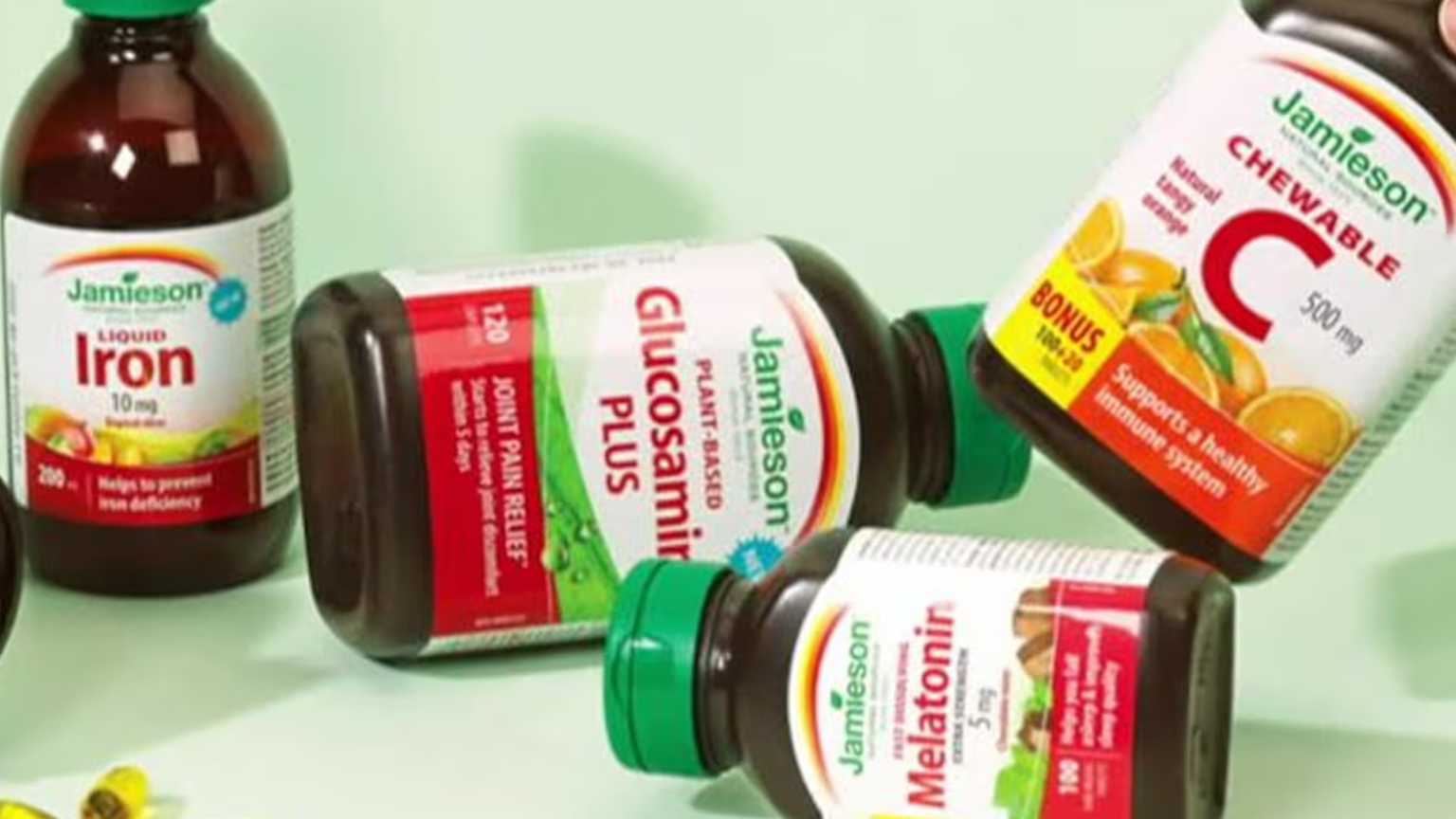
On June 24, Jamieson Wellness (TSX: JWEL) confirmed it had received an unsolicited proposal to be acquired. Its Board opened a process to enhance shareholder value and is in talks with interested parties, with BMO Capital Markets and Canaccord Genuity advising. The Board added that there is no assurance of a transaction, and that absent one it will continue executing its current plan.
Jamieson did not put itself up for sale. A buyer approached, the Board is obliged to weigh it, and a review is underway with no committed outcome. “Exploring options after an unsolicited bid” and “for sale” are different situations with different odds.
Confirmed versus speculation
Confirmed: a proposal arrived, the Board is reviewing it, other parties are in the conversation, and two banks are engaged. The company has signalled it won’t say more unless disclosure becomes required.
Everything else is open. The buyer, the price, the terms and whether anything closes are all unknown. The widely cited $2.5 billion, drawn from an analyst’s roughly $58.50-a-share estimate on 2026 EBITDA, is a model, not an offer; the stock traded near $36 into the announcement. Worth keeping the company’s statements, analyst math and market hope in separate columns.
Why the inbound matters more than the headline
A company that shops itself is telling you about its own needs. A company fielding an unprompted offer is telling you about the category’s pull, and that’s the version here.
The interest tracks a broader appetite for natural health assets. Private equity has been busy in supplements, drawn to defensive growth and a fragmented field. Church & Dwight is shedding VitaFusion and L’il Critters to Piping Rock; The Vitamin Shoppe changed hands through a PE partnership. GLP-1 adoption, meanwhile, is steering demand toward protein, fibre, hydration and companion products rather than away from supplements. None of that means Jamieson sells. It explains why someone tried.
The retail read
The review puts a question mark over the largest branded block in the Canadian vitamin aisle. A new owner could rationalize SKUs and reset trade terms; continued independence could mean management pushes its strategy harder to justify it. Retailers leaning heavily on one dominant brand are carrying risk worth pricing now: audit your VMS concentration, line up challenger brands that could backfill, and weight suppliers toward the categories actually growing.
The brand read
For everyone else, the takeaway isn’t a multiple, since none is confirmed. It’s that a scaled, distributed, vertically integrated business pulled in capital without asking. The traits that drew the approach, brand equity, multi-market distribution, controlled manufacturing and demand exposure, are the ones likely to draw the next one.
Outlook
Jamieson has gone quiet by design, so expect a holding pattern. A premium deal, a competing bid, and a clean walk-away all remain live. Assume nothing about the result, but don’t ignore what an unprompted, billion-dollar-range approach reveals about appetite for the category. The deal may not happen. The signal already has.
FAQ
Is Jamieson Wellness for sale?
Not in the sense of having put itself on the market. It received an unsolicited proposal and its Board opened a review, including talks with interested parties. The company says there is no assurance of a transaction and will otherwise continue its current plan.
What has the company actually confirmed?
An unsolicited proposal, a Board process to enhance shareholder value, discussions with interested parties, and BMO Capital Markets and Canaccord Genuity as advisors. No buyer, price or terms.
Is the $2.5 billion figure the offer price?
No. It’s an analyst estimate (about $58.50 a share on 2026 EBITDA), not a disclosed offer. The stock traded near $36 into the announcement.
Why does an unsolicited bid matter to the industry?
Unprompted interest in a scaled VMS business signals where capital is looking, even if no deal closes, reflecting active supplement consolidation and GLP-1-driven demand.
What should retailers and brands do now?
Audit concentration in dominant VMS brands, identify challenger options, and weight toward growing demand categories. Brands should note the traits that drew interest: equity, distribution, manufacturing and demand exposure.