




The deal now heads to court and federal regulators, and retailers have a short window to settle their terms before a new owner takes over.
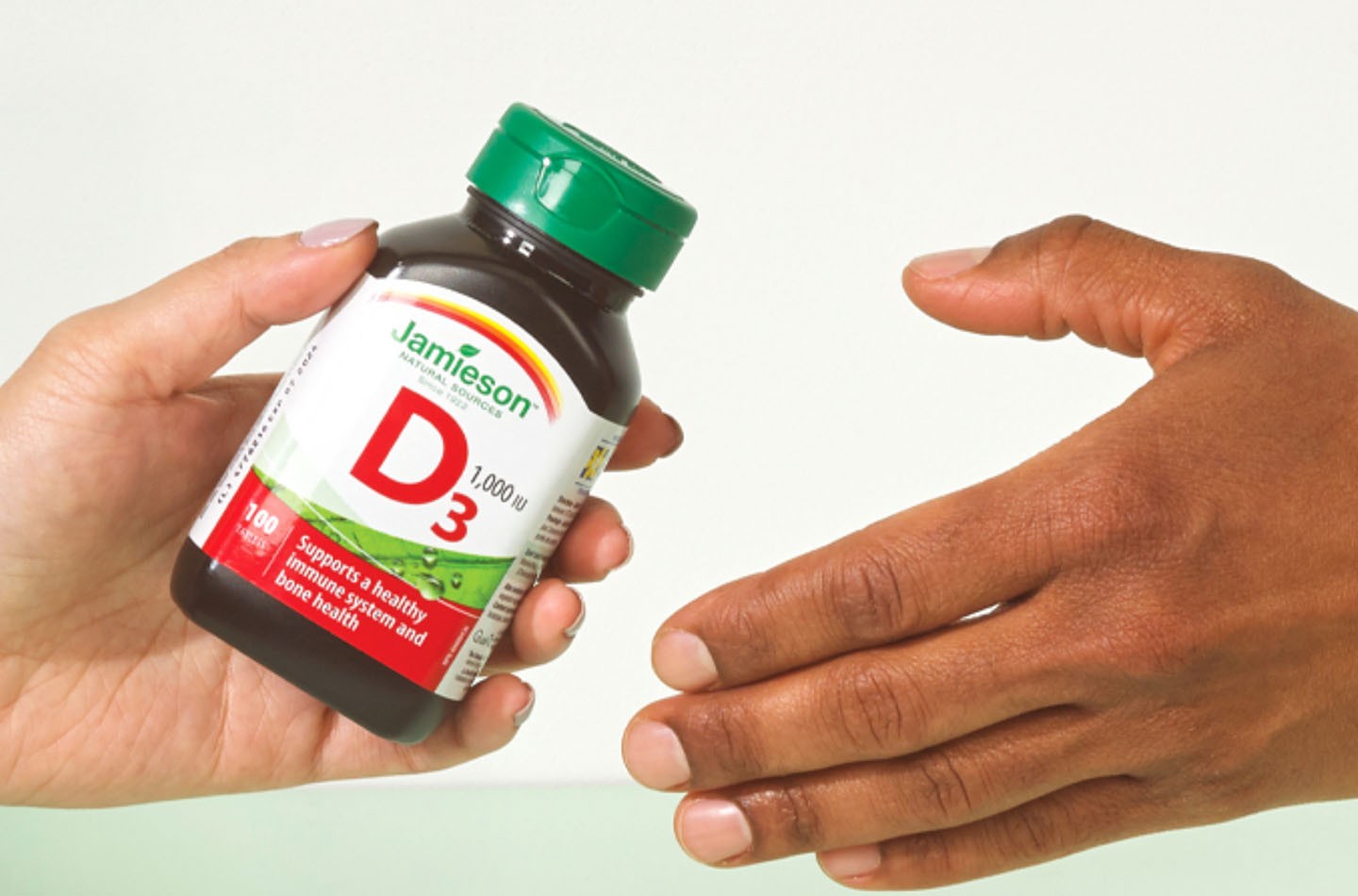
Jamieson Wellness shareholders approved the company’s sale to Kirin Holdings at a special meeting on Wednesday, September 30, accepting C$45.75 a share in cash. The resolution received 70.51 per cent of votes cast, against a required two-thirds.
Had roughly 1.2 million shares, or less than 4 per cent of the votes, gone the other way, the resolution would have failed. For a recommended offer, the cushion was small. Jamieson’s board backed the sale unanimously, BMO Capital Markets and Canaccord Genuity provided fairness opinions, and both ISS and Glass Lewis advised investors to support it.

A question of price
The company has not disclosed who voted against the deal, but the offer itself points to a likely explanation. Kirin is paying about 16 times trailing adjusted EBITDA, a premium of roughly 27 per cent to Jamieson’s average share price in the weeks before June 24.
That price values Jamieson as a mature consumer staple. Its recent growth, however, has come mainly from China and the United States, where sales have been rising several times faster than in Canada, as IHR reported in August. Investors who expected that growth to continue had grounds to hold out for more.
The transaction now gives anyone buying or selling a large Canadian supplement business a public reference point. Buyers are likely to cite the multiple Kirin paid, while sellers can argue that a sizable block of Jamieson’s own investors considered it too low.
Less visibility for retailers
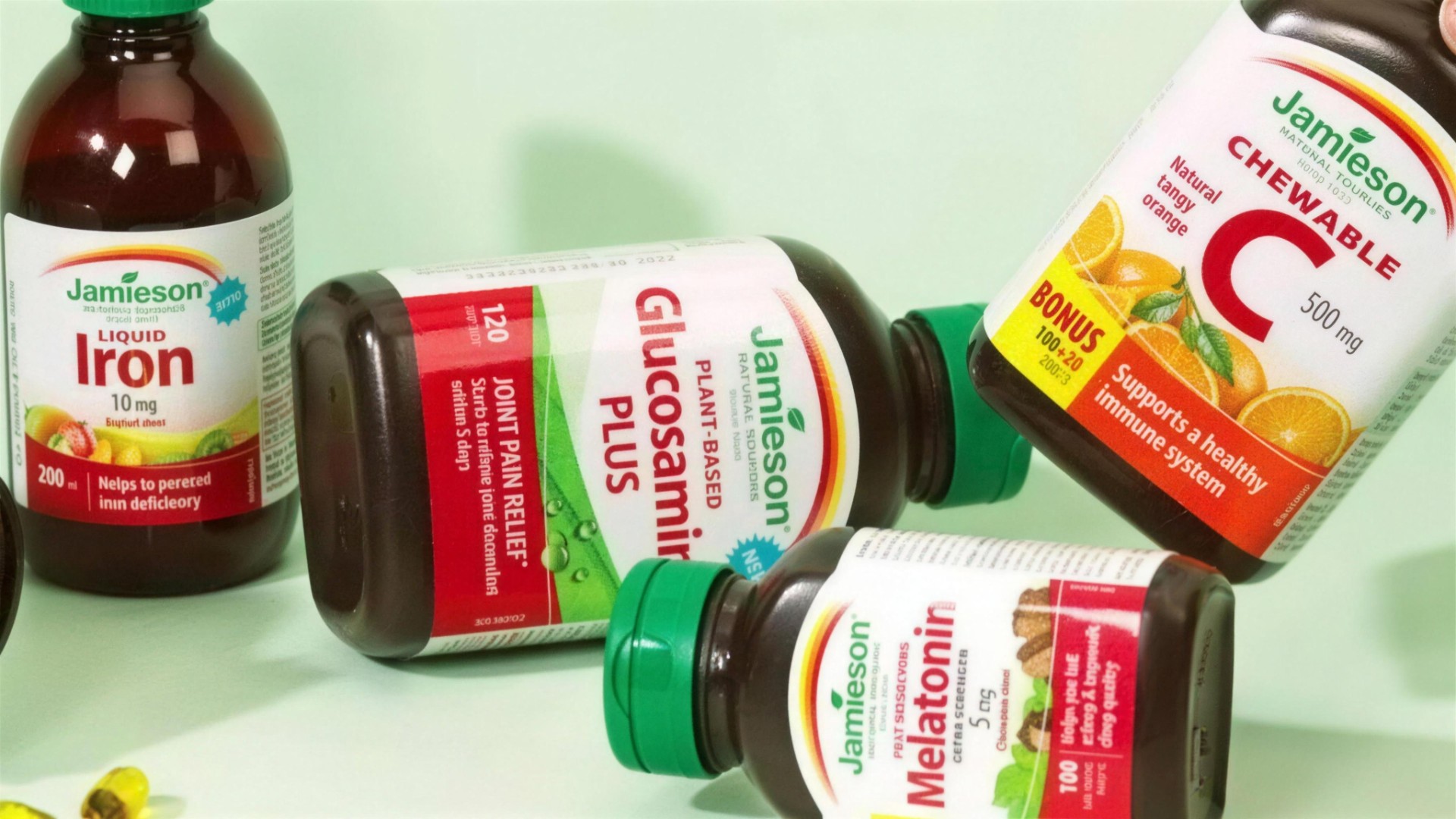
When the sale closes, Jamieson’s shares will be delisted from the TSX and the company will no longer file public reports. Its quarterly results have given retailers and suppliers a regular view of Canadian VMS demand, including which need states were growing, how much category volume depended on promotion, and how busy its contract manufacturing lines were. After closing, those numbers will be folded into Kirin’s group accounts, where the Canadian business will be one segment among many.
Category managers who read Jamieson’s results alongside their own scan data when planning sets will need to find that context elsewhere, whether through supplier meetings, syndicated data or industry associations.
Before the deal closes
The Ontario Superior Court of Justice is scheduled to hear the application for a final order on October 5. Court approval following a successful shareholder vote is normally a formality, and regulatory clearance will take longer. Given its size, the transaction may face a net benefit review under the Investment Canada Act, and any undertakings Kirin gives Ottawa would be the first binding commitments on Jamieson’s head office, plants and investment in Canada. Both companies expect to close in the fourth quarter.
That timing overlaps with 2027 line reviews. Retailers negotiating promotional funding and listing terms with Jamieson this fall should make sure those agreements specifically survive a change of control. Brands that rely on Jamieson’s plants for contract manufacturing would be wise to settle capacity and renewal terms with the current management team.
Retailers should not expect Kirin’s other supplement brands to arrive on Canadian shelves quickly. The group owns Australia’s Blackmores and Japan’s FANCL, but each of their products would need its own Natural Product Number from Health Canada before it could be sold here.
Competing brands may find buyers more receptive in the coming months. Decisions at acquired companies often slow while new reporting lines are put in place, and a supplier able to offer stable pricing and quick answers on promotions will have an easier time winning shelf space.
Frequently Asked Questions
Why did the Jamieson Wellness deal need two separate shareholder votes?
Ontario plans of arrangement need approval from at least two-thirds of the votes cast. Securities rule MI 61-101 also requires a simple majority of minority shareholders, which leaves out shares held by insiders who receive benefits other holders do not. At Jamieson, only 82,354 shares were excluded, and the second count came in at 70.43 per cent.
How much is Kirin paying for Jamieson Wellness in total?
Kirin values Jamieson’s equity at about C$1.9 billion, or roughly 218 billion yen, and the enterprise value including debt is about C$2.5 billion. The agreement includes a C$70 million fee payable to Kirin if Jamieson accepts a superior offer. The sale process started after an unsolicited proposal in March 2026.
Will Jamieson Wellness keep paying a dividend before the sale closes?
Yes. The agreement lets Jamieson continue its regular quarterly dividend until closing. The latest payment, C$0.25 a share, went out on September 15, 2026, up from C$0.23 previously. Dividends end once the transaction is completed and shareholders are paid out in cash.
Which brands are included in the Kirin acquisition?
Kirin is acquiring the entire portfolio: Jamieson, a brand founded in 1922, along with youtheory, Progressive, Smart Solutions, Iron Vegan and Precision. The products are sold in more than 50 countries. Kirin has said it plans to use the business as a North American platform for its health science division.
Sources: Jamieson Wellness obtains shareholder approval for sale to Kirin (Newswire, Sept. 30, 2026) · Jamieson Wellness enters definitive agreement with Kirin (Newswire, Aug. 2026) · Management information circular filing (Jamieson Wellness) · ISS and Glass Lewis recommendations (Newswire, Sept. 16, 2026) · Kirin Holdings notice of acquisition · Kalkine: Jamieson dividend ahead of the Kirin takeover