




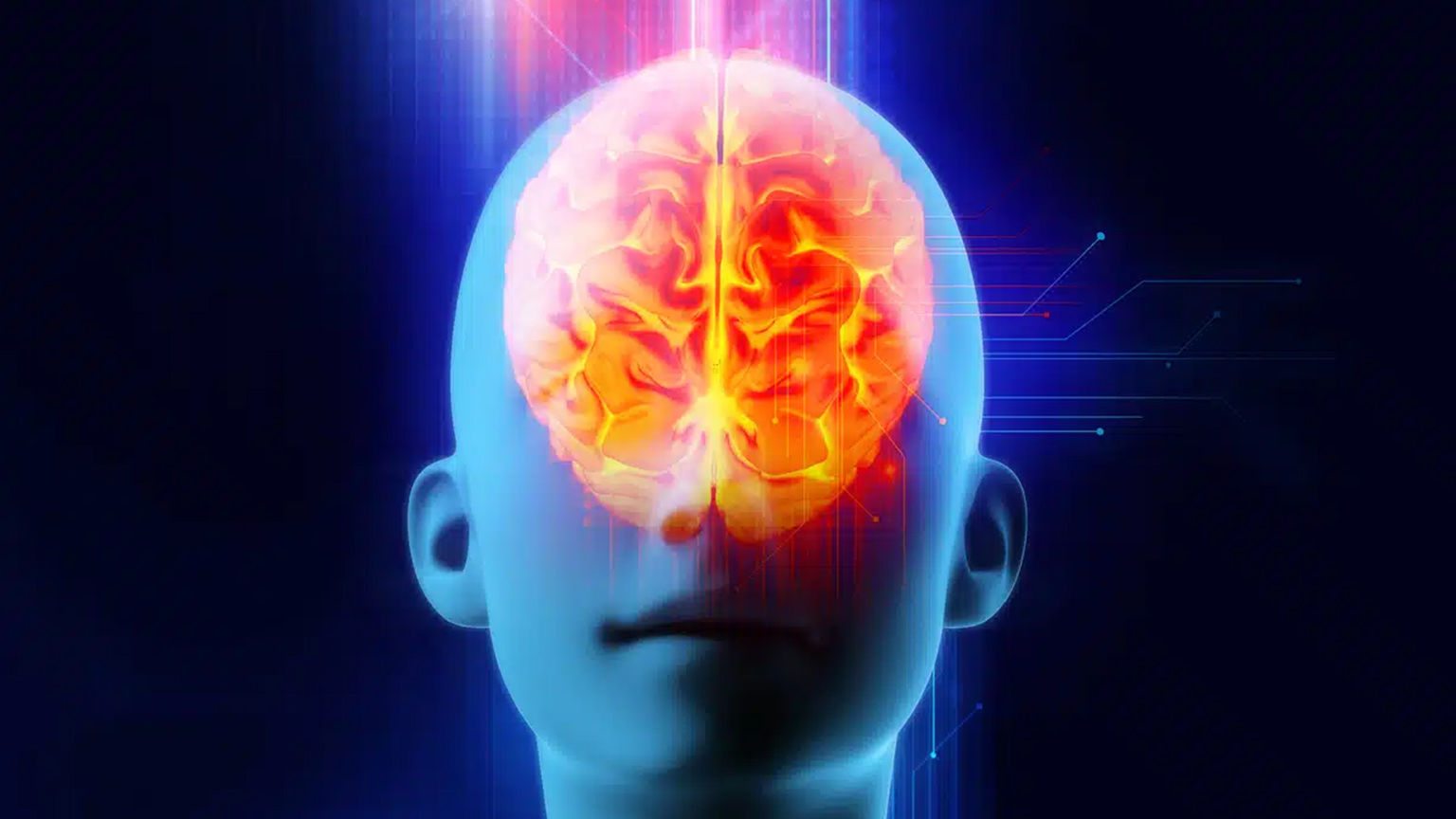
For years, cognitive health sat quietly inside the healthy ageing department, largely associated with memory support formulas targeting older consumers. That positioning is rapidly disappearing.
Today, cognitive wellness is evolving into one of the most commercially dynamic categories in natural health retail, fuelled by a consumer base that is younger, performance-driven, digitally educated, and increasingly overwhelmed.
The modern cognitive-support shopper is no longer simply asking how to preserve memory decades from now. They are asking how to function better tomorrow morning.
That shift is changing everything about how the category should be merchandised.
Retailers are now seeing growing demand from:
Entrepreneurs managing cognitive overload
Students navigating academic pressure
Gamers seeking focus endurance
Shift workers battling mental fatigue
Menopausal women experiencing brain fog
High-performance professionals seeking productivity without overstimulation
Unlike the traditional energy category, these consumers are not necessarily looking for stimulation. In many cases, they are actively trying to avoid it.
What they want is a more sophisticated outcome:
Mental clarity
Productive energy
Focus under pressure
Cognitive stamina
Stress resilience
Calm alertness
That behavioural shift is helping drive interest around the pairing of Lion’s Mane, Citicoline, Rhodiola, and increasingly, Pycnogenol.
The Rise of the “Mental Performance” Consumer
The retailers leading this category are no longer merchandising cognitive support as “brain health.” They are positioning it as mental performance optimisation.
That distinction matters because consumers increasingly associate cognition with:
Workplace performance
Emotional resilience
Screen fatigue
Decision-making endurance
Sleep quality
Stress tolerance
In many ways, cognitive wellness is becoming the new productivity category.
Lion’s Mane continues attracting consumer attention through discussions surrounding neuroplasticity and nerve growth factor activity. Citicoline has become increasingly relevant within nootropic conversations due to its role in phospholipid synthesis, mitochondrial energy support, and cholinergic pathways linked to focus and attention.
Rhodiola complements the category by supporting mental endurance and stress adaptation, particularly among consumers experiencing burnout-style fatigue rather than classic exhaustion.
Pycnogenol is emerging as a particularly interesting merchandising addition because it bridges multiple consumer conversations simultaneously:
Circulation support
Cognitive performance
Eye strain and screen fatigue
Stress modulation
Healthy ageing
Endothelial function
For retailers, that creates significant cross-category flexibility.
Cognitive Wellness Is No Longer a Standalone Shelf
One of the largest merchandising mistakes retailers continue making is isolating nootropics in a small “brain health” section disconnected from broader wellness behaviour.
Progressive retailers are increasingly building “Mental Performance” destinations instead.
Recommended Shelf Flow
Primary Zone
Lion’s Mane
Citicoline
Rhodiola
Pycnogenol
Secondary Cross-Merchandising Opportunities
Position nearby:
Functional coffees
Protein beverages
Adaptogenic drinks
Electrolytes
Magnesium glycinate
Sleep support formulas
Blue-light support products
The logic is physiological, not categorical.
Consumers purchasing cognitive support products are frequently the same consumers dealing with:
Stress dysregulation
Poor sleep quality
Dehydration
High caffeine dependence
Screen fatigue
Burnout symptoms
That creates strong basket-building opportunities when retailers merchandise cognition as part of a broader nervous system and productivity ecosystem.
The Future of the Category Is “Calm Performance”
One of the strongest emerging trends inside cognitive wellness is the move away from aggressive stimulation.
Consumers are becoming increasingly cautious around excessive caffeine, stimulant-heavy energy formulas, and crash-and-burn productivity cycles.
The new positioning retailers are finding success with is:
Calm focus
Stable mental energy
Cognitive endurance
Productive resilience
Focus without overstimulation
That messaging resonates particularly strongly with millennial and Gen Z wellness consumers who increasingly associate long-term cognitive performance with nervous system regulation rather than stimulation alone.
Why Retailers Should Watch This Category Closely
Cognitive wellness now intersects with nearly every major wellness trend:
Adaptogens
Healthy ageing
Sleep optimisation
Functional mushrooms
Stress resilience
Hydration
Longevity
Biohacking
In other words, it is no longer a niche category.
It is becoming foundational.
The retailers who win in this space will likely be the ones who stop selling “brain pills” and start merchandising cognitive ecosystems built around modern performance realities.
The future of cognitive wellness retail is not memory preservation.
It is human optimization.







[…] of them is a CoQ10 claim. A healthy-ageing destination built on that evidence groups products by approved need-states such as joints, bone, sleep, mood and heart. CoQ10 sits in the heart section beside other […]