




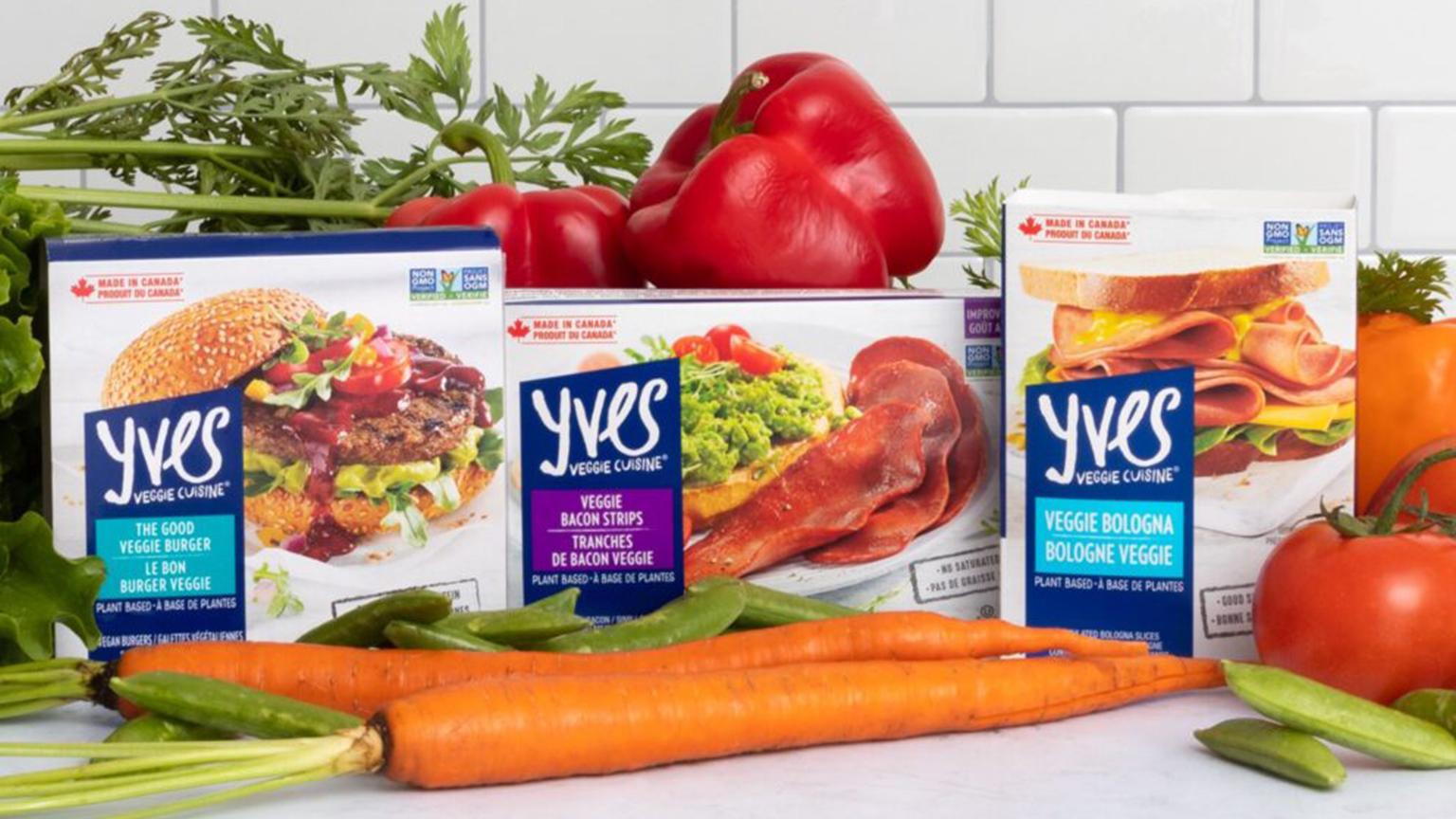
There is a difference between a relaunch and a reset. The return of Yves Veggie Cuisine to the Canadian market, under the stewardship of Maple Leaf Foods, is unmistakably the latter.
For decades, Yves held a defining place in Canada’s early plant-based movement. Long before the category became crowded with global entrants and venture-backed disruptors, it was one of the few brands translating alternative protein into something accessible for everyday consumers. But markets evolve. Expectations sharpen. And familiarity alone is no longer enough to secure shelf velocity.
What is unfolding now is a deliberate, highly disciplined re-entry—one that reflects where plant-based stands today, not where it began.
From First-Mover to Measured Comeback
The plant-based category in Canada has entered a more mature phase. The early years were defined by rapid expansion, innovation cycles, and consumer curiosity. The current moment is more exacting. Shoppers are no longer experimenting—they are evaluating.
Taste must hold. Texture must satisfy. Ingredient lists must justify the claim of wellness. And above all, products must earn repeat purchase.
This is the environment Yves is stepping back into.
The relaunch centres on reformulation, but the implication is broader than improved flavour. It signals a recognition that the modern consumer reads labels as closely as they assess taste. Protein content, sodium levels, and ingredient clarity are no longer secondary attributes—they are decisive factors at the point of purchase.
Repositioning Beyond the Niche
Perhaps the most important shift is not in the product itself, but in who it is for.
Yves is no longer being framed as a brand for vegetarians alone. Its renewed focus is the flexitarian consumer—the individual who is not eliminating meat, but actively reducing it. This is the largest and most commercially relevant segment in plant-based today, and one that aligns naturally with the broader wellness movement.
For retailers, this repositioning changes the conversation at shelf level. The product is no longer an alternative. It is an option—one that sits alongside conventional protein as part of a more balanced lifestyle.
The timing of this relaunch is not incidental. The plant-based sector has experienced a noticeable recalibration over the past two years. Growth has tempered. Assortments have tightened. Consumers have become more selective.
In many stores, the category has shifted from expansion to refinement.
Within this context, the return of a familiar Canadian brand carries weight. Yves does not need to introduce itself. It needs to prove itself again—under a new set of expectations.
That distinction matters.
What It Changes on the Retail Floor
In-store, the opportunity is less about novelty and more about narrative.
A relaunch creates a moment—one that can be leveraged to re-engage consumers who may have drifted away from plant-based altogether. The phrase “back and improved” carries credibility when attached to a name shoppers already recognize.
But conversion will depend on clarity. Today’s consumer is asking more informed questions:
- How does this compare nutritionally to animal protein?
- What exactly is in it?
- How does it fit into daily meals, not just occasional substitutions?
Retail environments that can answer those questions—through staff knowledge, merchandising, and contextual placement—will extract the most value from the relaunch.
For Maple Leaf Foods, the decision to reinvest in Yves is also a signal of intent. Despite broader industry headwinds, the company is not retreating from plant-based. It is refining its approach.
The emphasis has shifted from aggressive expansion to sustainable performance. Fewer products, executed better. Less noise, more consistency. It is a strategy grounded in the belief that the category’s future will be defined not by innovation alone, but by trust.
The Return of Discipline
In many ways, the Yves relaunch reflects a broader maturation of the plant-based sector in Canada. The era of rapid proliferation has given way to something more demanding.
Products must deliver. Brands must evolve. And retailers must curate with greater precision.
Yves is returning to a market that no longer rewards presence—it rewards performance.
That is a more difficult landscape. But it is also a more durable one.